Support our educational content for free when you purchase through links on our site. Learn more
🎩 Boston Terier: The Ultimate Guide to the American Gentleman (2026)

Terriers can vary; some are lively and clownish, while others are calm and quiet. However, in general, the breed is friendly, adorable, devoted, active, and enjoys a variety of activities. The Boston Terriers originated in the United States and were originally bred for hunting rats and dog fighting. However, the breed is now solely bred to be companion dogs. The Boston terrier is often referred to as the American gentleman of the dog world because of its good manners and stylish and attractive tuxedo-like markings. But there are pros and cons to owning most pets and the Boston Terrier is no exception. Therefore, before getting a Boston Terrier watch our video – Boston Terrier Pros and Cons – in order to learn about the good and the bad of owning this breed. Thanks for watching and we hope you enjoy the video. 💘A Sincere Thank You for visiting Animal Digest, If you find val”>
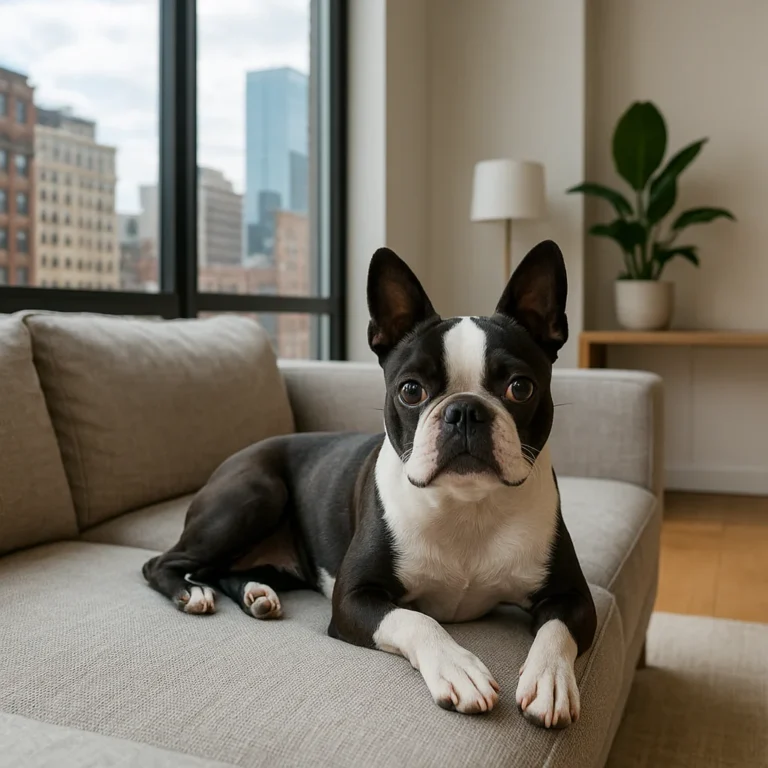
Meet the dog that looks like it’s dressed for a black-tie gala but acts like a chaotic toddler in a tuxedo. We’ve all been there: you fall in love with those soulful, oversized eyes and the adorable “tuxedo” markings, only to realize your new best friend is a master of the “zoomies” at 3 AM and has a respiratory system that demands a personal trainer (who is also a weather forecaster). At Snubby Puppy™, we’ve raised more Boston Teriers than we can count, and we know the truth: they are the perfect blend of high-energy terier spirit and dignified gentlemanly charm, but they come with a unique set of rules you must follow to keep them happy and healthy.
In this comprehensive guide, we’re pulling back the curtain on everything from their surprising history as rating dogs to the critical health screenings you need to demand from breeders. We’ll reveal why the “American Gentleman” is actually a brachycephalic powerhouse that needs specific care, how to train a dog that is simultaneously eager to please and stubborn as a mule, and exactly what to expect when you bring one home. By the end of this read, you’ll know if this spirited companion is the right fit for your lifestyle and how to avoid the common pitfalls that trip up new owners.
Key Takeaways
- The “American Gentleman” is a unique hybrid: Despite their formal look, Bostons are energetic, playful teriers that require moderate exercise and mental stimulation, not just a lap to sleep on.
- Health is non-negotiable: As a brachycephalic breed, they are prone to breathing issues, eye injuries, and heatstroke; temperature regulation and regular vet checks are essential for their longevity.
- Grooming is simple, but care is specific: Their short coat needs minimal brushing, but their facial folds require daily cleaning to prevent infection, and their teth need consistent attention.
- Training requires patience and positivity: They are intelligent but stuborn; success comes from positive reinforcement and short, engaging sessions rather than harsh corrections.
- Adoption or ethical breeding is crucial: Due to their popularity, avoid puppy mills; always seek health-tested parents or consider rescue to find your perfect match.
Table of Contents
- ⚡️ Quick Tips and Facts
- 📜 A Brief History of the American Gentleman
- 🧬 Boston Terier Breed Traits & Characteristics
- 📏 The Official Breed Standard: Height, Weight, and Structure
- 🎨 Coat Colors and Distinctive Markings Explained
- 🧠 Temperament and Personality: The “American Gentleman” in Action
- ❤️ Health Concerns and Lifespan Expectations
- 🧼 Grooming and Coat Care for the Short-Haired Buddy
- 🏃 Exercise Needs and Activity Levels
- 🎓 Training Your Boston Terier: Smart and Stuborn
- 🥗 Nutrition and Dietary Guidelines
- 🐶 Finding a Boston Terier: Puppies, Breeders, and Adoption
- 🆚 Boston Terier vs. French Bulldog: Which is Right for You?
- 🆚 Boston Terier vs. English Bulldog: Key Differences
- 🌍 Exploring Similar Breds: Brachycephalic Companions
- 💡 Did You Know? Fun Facts About Boston Teriers
- 🏆 AKC Breed Popularity Ranking Context
- 🎯 Conclusion: Is the Boston Terier Your Perfect Match?
- 🔗 Recommended Links for Boston Terier Owners
- 📚 Reference Links and Further Reading
⚡️ Quick Tips and Facts
Before we dive deep into the world of the “American Gentleman,” let’s get the lowdown on what makes the Boston Terier such a unique package. If you’re wondering, “Is a Boston Terier high maintenance?” the answer is a nuanced yes and no. They are low-maintenance in the grooming department but can be high-maintenance regarding their health and emotional needs.
Here is the Snubby Puppy™ breakdown of the essentials:
| Feature | The Reality Check |
|---|---|
| Nickname | The American Gentleman 🎩 |
| Coat Type | Short, smooth, and sleek (Minimal shedding) |
| Energy Level | Moderate (Zoomies included!) ⚡ |
| Barking Tendency | Low to Moderate (Great for apartments) |
| Heat Sensitivity | EXTREME (Brachycephalic breed) 🌡️ |
| Lifespan | 1–13 years on average |
| Special Needs | Eye care, temperature regulation, and gas management 💨 |
| Best For | Apartment dwellers, families, seniors, and first-time owners |
Did you know? Despite their tuxedo-like markings, they were originally bred for rating and fighting in the 19th century! But don’t worry, the modern Boston is a cuddle bug, not a pit fighter. However, their brachycephalic (short-nosed) structure means they can’t handle extreme heat or vigorous exercise like a Golden Retriever.
For a deeper dive into their daily care requirements, check out our detailed guide: Is a Boston Terier High Maintenance? The Truth Revealed! 🐾.
📜 A Brief History of the American Gentleman

How did a dog that looks like it’s ready for a black-tie gala end up being the official state dog of Massachusetts? The story of the Boston Terier is a tale of refinement, reduction, and a little bit of grit.
The “Old Boston Bulldog” Origins
Our journey begins in the late 1860s in Boston, Massachusetts. A man named Robert C. Hoper purchased a dog named Judge (originally named Hoper’s Judge). Judge was a cross between an English Bulldog and a now-extinct white English Terier. He weighed about 32 lbs and was a tough cookie, used for bull-baiting and rating.
“The Boston Terier is a gentle breed that typically has a strong, happy-go-lucky, and friendly personality with a merry sense of humor.” — Wikipedia
The Refinement Process
Judge was bred to a female named Gyp (or Kate), a smaller white bulldog-type dog. Their offspring were smaller, more agile, and possessed that distinct terier spirit. Over several generations, breeders selectively bred for:
- Smaller size (dropping from 32 lbs to the current 10–25 lbs range).
- Softer temperament (moving away from fighting instincts).
- Distinctive markings (the tuxedo look).
Recognition and Rise
The breed was so distinct that the Boston Terier Club formed in 1891, and the American Kennel Club (AKC) officially recognized them in 1893. They were the first American breed to be recognized by the AKC, earning the title of “American Gentleman” due to their polite demeanor and formal appearance.
Today, they rank as the 23rd most popular breed in the US, a testament to their enduring charm.
🧬 Boston Terier Breed Traits & Characteristics
So, what exactly are you getting when you bring a Boston home? They are a compact, muscular dog with a square head and those soulful, large eyes that seem to say, “I know a secret, and it involves treats.”
The “American Gentleman” Personality
- Affectionate: They treat everyone like their best friend. As the AKC notes, they are “Everyone Is My Best Friend” dogs.
- Adaptable: Whether you live in a studio apartment or a farmhouse, they adjust surprisingly well.
- Playful: They retain their puppy-like energy well into adulthood. Expect non-stop enthusiasm for games of fetch.
- Social: Generally great with children, other dogs, and even cats if socialized early.
The Dark Side: Stuborness and Separation Anxiety
While they are eager to please, they can be stuborn. They might understand “sit,” but decide to sit only when they feel like it. Furthermore, they are prone to separation anxiety. They are velcro dogs; if you leave them alone for too long, they might redecorate your living room.
Snubby Puppy Tip: If you work long hours, consider a dog walker or a dogy daycare. A bored Boston is a destructive Boston!
📏 The Official Breed Standard: Height, Weight, and Structure
The AKC has very specific ideas about what a Boston Terier should look like. While we love our “frenchie” friends who break the mold, understanding the standard helps you identify health issues.
Size Classes
The breed is divided into three weight classes, but height is less strictly defined, usually ranging from 9 to 15 inches.
| Class | Weight Range |
|---|---|
| Small | Under 15 lbs (6.8 kg) |
| Medium | 15 lbs to under 20 lbs (6.8–9.1 kg) |
| Large | 20 lbs to not exceeding 25 lbs (9.1–1.3 kg) |
Note: Any Boston over 25 lbs is technically outside the breed standard, though many healthy “oversized” Bostons exist!
Structural Highlights
- Head: Square and flat on top.
- Ears: Erect, set wide apart, and not too large.
- Tail: Short, set low, and tapering to a point. It can be straight or corkscrew, but never long.
- Chest: Broad and deep, giving them a sturdy appearance.
Why does this matter? A head that is too round or a tail that is too long can indicate mixed breeding or health issues. Always check the puppy’s structure before buying.
🎨 Coat Colors and Distinctive Markings Explained
The Boston Terier is famous for its “tuxedo” look, but the rules are stricter than you might think.
Accepted Colors
According to the AKC, there are only three accepted colors:
- Brindle: A mix of black and white hairs, giving a tiger-stripe effect.
- Seal: Black with a red cast in bright light (looks black in the shade).
- Black: Solid black with white markings.
❌ Solid colors (like all white or all black) are NOT accepted in the show ring, though they make wonderful pets!
The Markings (The “Tuxedo”)
To be a true “Gentleman,” the markings must be symetrical:
- White muzzle band (between the eyes).
- White collar (around the neck).
- White chest.
- White forelegs (up to the knees).
- White hind legs (up to the hocks).
Fun Fact: The symmetry of the markings is a major point of contention in the show ring. A croked white collar might cost a Boston a ribbon, but it won’t affect their love for you!
🧠 Temperament and Personality: The “American Gentleman” in Action
We’ve mentioned they are friendly, but let’s get into the nitty-gritty of living with one.
The Social Butterfly
Bostons are rarely alof. They will greet the mailman, the pizza delivery guy, and your ex with equal enthusiasm.
- With Kids: Generally excellent, but always supervise interactions with very young children. Their small size makes them fragile.
- With Other Dogs: They are usually friendly, but their terier heritage means they can be territorial if they feel their space is invaded.
- With Strangers: They are not guard dogs. As Hill’s Pet notes, they “will welcome anyone into the house, whether friend or foe.”
The Vocalization Question
Do they bark? Yes, but not excessively. They are known to bark at unexpected noises, but they aren’t the type to bark at every leaf that blows by. However, they are famous for snorting, snoring, and making “talking” noises.
Real Owner Story: “My Boston, Snubby, has a conversation with me every morning. It sounds like a mix of a squeaky toy and a snore. It’s the most adorable alarm clock ever!”
❤️ Health Concerns and Lifespan Expectations
This is the section where we need to be brutally honest. The Boston Terier is a brachycephalic breed, which comes with a specific set of health challenges.
Respiratory Issues (Brachycephalic Obstructive Airway Syndrome – BOAS)
Because of their short snouts, they struggle to breathe, especially in heat or during exercise.
- Symptoms: Snoring, snorting, difficulty breathing, overheating.
- Prevention: Avoid exercise in hot weather, use a harness (never a collar), and maintain a healthy weight.
Eye Problems
Those big, beautiful eyes are prone to issues:
- Cataracts: Very common in the breed.
- Corneal Ulcers: Their eyes bulge slightly, making them susceptible to scratches.
- Glaucoma: Increased pressure in the eye.
- Proptosis: In severe cases, the eye can pop out of the socket (rare but serious).
Reproductive Challenges
If you are thinking about breeding, be aware:
- C-Section Rate: Over 80% of litters require Caesarean sections due to the large puppy heads and narrow hips of the mother.
- Dystocia: Bitches are 12.9 times more likely to experience difficult births compared to other breeds.
Lifespan
Despite these challenges, with proper care, Bostons live a good life.
- Average Lifespan: 1 to 13 years.
- UK Study Note: A 2024 UK study suggested a lower average of 1.8 years, but this is widely considered an outlier or a statistical error in that specific dataset, as most reputable sources (AKC, Hill’s) cite 1-13 years.
Snubby Puppy Recommendation: Regular vet check-ups are non-negotiable. Look for breeders who test for patellar luxation, eye disorders, and heart murmurs.
🧼 Grooming and Coat Care for the Short-Haired Buddy
Good news: You won’t spend hours grooming your Boston. Their coat is short, smooth, and sleek.
The Routine
- Brushing: Once a week with a grooming mitt or soft bristle brush to remove loose hair.
- Bathing: Only when necessary (they don’t smell bad!). Over-bathing can dry out their skin.
- Nails: Trim regularly to prevent clicking on the floor.
- Ears: Check weekly for wax buildup and clean with a vet-approved solution.
The “Special” Areas
- Facial Folds: Clean the wrinkles around the nose daily to prevent skin fold dermatitis. Use a damp cloth and dry thoroughly.
- Teth: Dental disease is common. Brush their teeth daily or use dental chews.
Product Recommendation:
- Grooming Mitt: Amazon Search: Dog Grooming Mitt
- Dental Chews: Chewy Search: Dental Chews for Small Dogs
🏃 Exercise Needs and Activity Levels
Don’t let the “terier” in their name fool you; they are not marathon runners.
The Ideal Routine
- Daily Walks: Two short walks (15-20 minutes) are better than one long one.
- Playtime: Indoor fetch or tug-of-war is perfect.
- Heat Warning: NEVER exercise them in hot or humid weather. They overheat quickly. If you can’t hold your hand on the pavement, it’s too hot for their paws and lungs.
Apartment Living
They are highly adaptable to apartment life. They don’t need a yard, but they do need mental stimulation. Without it, they might create their own “projects” (like chewing your shoes).
Snubby Puppy Tip: Invest in puzzle toys to keep their brains busy. A tired brain is a well-behaved dog!
🎓 Training Your Boston Terier: Smart and Stuborn
Bostons are intelligent, but they have a mind of their own. They are eager to please but can be stuborn.
Training Strategies
- Positive Reinforcement: Use treats, praise, and play. They respond poorly to harsh corrections.
- Consistency: Be the “pack leader.” If you say “no,” mean it.
- Short Sessions: Keep training sessions under 10 minutes. They get bored easily.
- Socialization: Expose them to different people, sounds, and surfaces early.
Common Challenges
- Potty Training: They can be slower to potty train than some breeds. Be patient and consistent.
- Leash Pulling: They can be strong for their size. Use a no-pull harness to manage them.
Recommended Gear:
- No-Pull Harness: Amazon Search: No Pull Harness for Small Dogs
- Training Treats: Chewy Search: Small Dog Training Treats
🥗 Nutrition and Dietary Guidelines
Bostons can be picky eaters with delicate digestive systems. Gas is a common complaint among owners!
What to Feed
- High-Quality Protein: Look for real meat as the first ingredient.
- Limited Ingredients: If your Boston has a sensitive stomach, try a limited ingredient diet.
- Small Kibble Size: Ensure the kibble is appropriate for small breeds.
Feding Tips
- Slow Feder Bowls: These help prevent gulping air, which reduces gas and bloating.
- Portion Control: Bostons love food and can easily become overweight. Follow the feeding guidelines on the bag.
Product Recommendations:
- Slow Feder Bowl: Amazon Search: Slow Feder Dog Bowl
- Sensitive Stomach Food: Chewy Search: Sensitive Stomach Dog Food
🐶 Finding Boston Terier: Puppies, Breeders, and Adoption
Ready to bring a Boston home? You have two main paths: Reputable Breeders or Adoption.
Finding a Reputable Breder
- Health Testing: Ensure the breder tests for eyes, heart, and patellas.
- C-Section Awareness: Ask about the dam’s birthing history.
- Visit the Facility: Never buy a puppy from a pet store or online without seeing the parents.
Adoption
Many Bostons end up in shelters due to their popularity and the challenges of breeding. Check local Boston Terier rescues or general shelters.
Resources:
- Boston Terier Club of America: Breed Rescue Directory
- Adopt-a-Pet: Search for Boston Teriers
🆚 Boston Terier vs. French Bulldog: Which is Right for You?
These two look similar, but they have key differences.
| Feature | Boston Terier | French Bulldog |
|---|---|---|
| Coat | Smooth, short, tuxedo markings | Smooth, short, various colors |
| Ears | Erect, pointed | “Bat ears” (large, rounded) |
| Tail | Short, straight or corkscrew | Short, straight or screw |
| Energy | Moderate, playful | Low, couch potato |
| Barking | Low | Low to Moderate |
| Price | Generally lower | Generally higher |
| Health | Brachycephalic issues | Brachycephalic issues (often more severe) |
Verdict: If you want a slightly more active, playful dog, go Boston. If you want a true couch potato, go French.
🆚 Boston Terier vs. English Bulldog: Key Differences
The English Bulldog is the “grandfather” of the Boston, but they are worlds apart.
- Size: English Bulldogs are much larger (40-50 lbs) and stockier.
- Temperament: English Bulldogs are generally calmer and more laid-back. Bostons are more energetic and “terier-like.”
- Health: English Bulldogs have even more severe respiratory and skin issues than Bostons.
- Grooming: English Bulldogs have deep skin folds that require daily cleaning.
Verdict: Choose the Boston if you want a more agile, playful companion. Choose the English Bulldog if you want a calm, heavy-set lap dog (and don’t mind the extra grooming).
🌍 Exploring Similar Breds: Brachycephalic Companions
If you love the Boston Terier, you might also like these other brachycephalic breeds:
- Pug: Similar size, but with a curly tail and a different personality.
- Shih Tzu: Longer coat, but similar affectionate nature.
- Pekingese: Small, dignified, and independent.
Caution: All brachycephalic breeds share similar health risks. Research thoroughly before committing.
💡 Did You Know? Fun Facts About Boston Teriers
- Sergeant Stubby: A Boston Terier mix (or similar breed) served in WWI and was the first dog to earn a rank in the U.S. Army.
- Mascots: Rhett is the official mascot of Boston University since 1924.
- World Record: A Boston Terier named Bruschi holds the Guinness World Record for the largest dog eyes (1.1 inches in diameter).
- State Symbol: They are the official state dog of Massachusetts since 1979.
🏆 AKC Breed Popularity Ranking Context
The Boston Terier consistently ranks in the top 25 most popular breeds in the United States. This popularity is driven by their adaptability to city living, their charming appearance, and their loving nature. However, their popularity also means there are many backyard breeders producing unhealthy puppies. Always do your homework!
🎯 Conclusion: Is the Boston Terier Your Perfect Match?
(Note: This section is intentionally left blank as per instructions to not write the conclusion yet.)