Support our educational content for free when you purchase through links on our site. Learn more
🛁 Boston Terier Bathing Guide: The 3-Week Secret (2026)

The secret to a clean, non-itchy Boston Terier is simple: bathe them every 3 to 4 weeks unless they’ve rolled in something foul, and never use human shampoo. If you’re wondering what are the grooming needs of a Boston terier and how often should they be bathed, the answer lies in balancing cleanliness with preserving their delicate skin oils.
Many owners make the mistake of scrubing their Bostons weekly, thinking “cleaner is better,” only to end up with a dry, flaky, and surprisingly smellier dog. We learned this the hard way when our Boston, Snubby, developed a rash after a “just-in-case” bath that left his skin feeling like sandpaper.
Bostons are unique because they lack an undercoat, meaning dirt sits on the surface but their skin is incredibly sensitive to over-cleaning. A study by the American Kennel Club notes that improper grooming is a leading cause of skin infections in brachycephalic breeds, often due to over-bathing or neglecting facial folds.
Key Takeaways
- The Golden Rule: Bathe your Boston every 3–4 weeks for maintenance, or every 1–2 weeks only if they are visibly dirty or active outdoors.
- Skin Health First: Over-bathing strips natural oils, causing a “rebound effect” where skin produces more oil, leading to worse smells and irritation.
- Product Matters: Always use a pH-balanced, hypoallergenic dog shampoo (like TropiClean or Burt’s Bes); human shampoo is too acidic and damaging.
- Daily Maintenance: Grooming isn’t just about baths; daily wiping of facial folds and weekly brushing are essential to prevent yeast and infections.
- Watch for Signs: Trust your nose and touch; if your dog feels sticky or smells like “Fritos,” it’s bath time, but if they are dry and flaky, wait longer.
Table of Contents
- ⚡️ Quick Tips and Facts
- 📜 The Short-Coated History: Why Boston Teriers Are Low-Maintenance (But Not No-Maintenance)
- 🛁 The Big Question: How Often Should You Bathe Your Boston Terier?
- 👃 Nose-to-Tail Checklist: 7 Signs Your Boston Terier Actually Needs a Bath
- 🌦️ Climate, Coat, and Chaos: How Weather and Activity Levels Change Bathing Schedules
- 🧴 The Shampoo Showdown: Choosing the Best Products for Sensitive Boston Skin
- 🚿 Sink vs. Tub: The Ultimate Battle for the Best Bathing Spot
- 🖌️ Beyond the Bubble: Essential Brushing and Nail Trimming for Boston Teriers
- 🤧 Allergy Alert: Managing Itchy Skin and Yeasty Smells in Boston Teriers
- ⚠️ The Danger Zone: Why Over-Bathing Ruins Your Dog’s Natural Oils
- 🍖 Treats, Towels, and Techniques: Making Bath Time a Blast Instead of a Battle
- 🏠 Home Grooming Hacks: Drying, Ear Cleaning, and Tear Stain Removal
- 👨 ⚕️ When to Call the Pro: Recognizing Skin Issues That Need a Vet
- 💡 Final Thoughts: The Perfect Balance for a Happy, Clean Boston
- 🏁 Conclusion
- 🔗 Recommended Links
- ❓ FAQ
- 📚 Reference Links
⚡️ Quick Tips and Facts
Before we dive into the deep end of the bathtub, let’s hit the highlights. If you’re in a rush, here is the Snubby Puppy™ cheat sheet for keeping your Boston Terier looking sharp and smelling fresh without turning them into a dry, itchy mess.
- The Golden Rule: Less is more. Boston Teriers have a single coat with no undercoat. Over-bathing strips essential oils, leading to a “rebound effect” where skin produces more oil to compensate, making them smell worse.
- The Sweet Spot: For the average “couch potato” Boston, every 3 to 4 weeks is usually perfect. For the “adventure dog” who rolls in mud, every 1 to 2 weeks might be necessary.
- The Smell Test: If your dog smells like “Fritos and musk” (a classic Boston trait) or feels sticky to the touch, it’s bath time. If they just smell like “dog,” they’re probably fine.
- pH Matters: Never use human shampoo. Dog skin is alkaline (pH 7.0–7.5), while human skin is acidic (pH 5.5). Using the wrong product disrupts their skin barrier.
- Wrinkle Watch: Bathing the body is one thing; cleaning the facial folds is a daily or every-other-day necessity to prevent yeast infections.
- Water Temp: Always use lukewarm water. Hot water is a no-go; it dries out that sensitive snub-nose skin instantly.
Ready to learn why your Boston might be stinky even after a bath? Or why they might be dry and flaky despite never bathing? Keep reading, because the answer lies in the details we often overlook.
📜 The Short-Coated History: Why Boston Teriers Are Low-Maintenance (But Not No-Maintenance)
To understand how to groom a Boston Terier, you have to understand where they came from. Bred in the late 19th century in Boston, Massachusetts, these “American Gentlemen” were a cross between Bulldogs and Teriers. The result? A dog with a short, smooth coat designed for city living, not the rugged outdoors.
Unlike Golden Retrievers or Huskies, Bostons lack a dense undercoat. This means:
- They don’t shed in clumps. You won’t find fur balls rolling across the floor (though you will find a dusting of hair on your black pants).
- They don’t trap dirt deep in the fur. Dirt sits on the surface, making them easier to clean but also more prone to surface-level irritation if not wiped down.
- Their skin is exposed. Without a thick fur barrier, their skin is more susceptible to temperature changes, sunburn, and chemical irritation from shampos.
Did you know? The Boston Terier was the first breed recognized by the American Kennel Club (AKC) as originating in the United States. Their coat is a defining breed characteristic: short, smooth, and fine-textured.
However, “low-maintenance” doesn’t mean “no-maintenance.” Because their skin is so exposed, the natural oils that keep their coat shiny and skin healthy are easily stripped away. If you treat a Boston like a long-haired breed, you’ll end up with a dry, flaky, and unhappy pup.
For a deeper dive into the unique behavioral traits that come with this history, check out our guide on Boston Terier Behavior Analysis. And if you want to know everything about the breed itself, start here: The Ultimate Boston Terier Guide.
🛁 The Big Question: How Often Should You Bathe Your Boston Terier?
This is the million-dollar question, isn’t it? We’ve all been there: You walk your dog, they come back smelling like a wet sock, and you panic. Do you bathe them? But then you remember the vet said “don’t overdo it.” So, what’s the verdict?
The answer isn’t a single number; it’s a sliding scale based on your dog’s lifestyle.
The Lifestyle Ladder
| Lifestyle Type | Description | Recommended Frequency |
|---|---|---|
| The Couch Potato | Indoor dog, short leash walks, no rolling in dirt, sleeps on the couch. | Every 4–6 weeks (or when they smell) |
| The Neighborhood Stroller | Daily walks, plays in the yard, occasional grass rolling. | Every 3–4 weeks |
| The Adventure Buddy | Hikes, beach trips, plays in mud, sleeps in your bed, wrestles with other dogs. | Every 1–2 weeks |
| The Medical Case | Dogs with severe allergies, yeast infections, or staph (under vet direction). | As prescribed (Daily to Weekly) |
Why the Range?
You might wonder, “Why not just bathe them weekly to be safe?” Here’s the catch: Over-bathing is the enemy.
Boston Teriers produce natural oils that protect their skin. If you bathe them too often, you strip these oils. The skin panics and overproduces oil to compensate, leading to a greasy coat and that dreaded “dogy smell” returning faster than before. It’s a vicious cycle.
Conversely, if you wait too long, the oil builds up, trapping dirt and bacteria, which can lead to hot spots and yeast infections.
Pro Tip: If your dog is active but doesn’t get that dirty, try a rinse with lukewarm water instead of a full shampoo bath. This removes surface dirt without stripping the oils.
👃 Nose-to-Tail Checklist: 7 Signs Your Boston Terier Actually Needs a Bath
How do you know if it’s time? Don’t rely on the calendar; rely on your senses. Here is our Snubby Puppy™ checklist to determine if your Boston needs a dip.
- The “Frito” Smell: Does your dog smell like corn chips? That’s the classic Boston musk. If it’s strong and lingering, it’s time.
- The Sticky Factor: Run your hand down their back. Does it feel tacky or greasy? If your hand comes away with a residue, they need a wash.
- The Rough Brush: Does their coat feel rough or bristly instead of silky? This indicates dry, dirty hair.
- Visible Dirt: Mud on the paws, grass stains on the belly, or dust on the white markings.
- The Itch: Is your Boston scratching more than usual? It could be dirt irritating their skin.
- The Bed Test: Does your dog’s bed smell like them? If the bed smells, the dog smells.
- The “Wet Dog” Smell: Even if they haven’t been in water, a damp, musty odor indicates bacteria buildup.
Wait, what about the “Frito” smell?
Many owners think the corn chip smell is a sign of a dirty dog. Actually, a mild Frito smell is normal for Bostons due to the yeast on their paws. It only becomes a problem when it’s overpowering or accompanied by redness between the toes.
🌦️ Climate, Coat, and Chaos: How Weather and Activity Levels Change Bathing Schedules
Your environment plays a massive role in your grooming schedule. A Boston living in Seattle has different needs than one in San Diego.
Humidity vs. Dry Heat
- Humid Climates: High humidity promotes yeast and bacteria growth. If you live in a humid area, you might need to bathe your Boston more frequently (every 2 weeks) to prevent skin infections, even if they aren’t visibly dirty.
- Dry Climates: In arid regions, the air sucks moisture from the skin. Here, you should stretch the time between baths (up to 6 weeks) to preserve natural oils.
Seasonal Shifts
- Summer: More outdoor time, more sweat, more mud. Expect to bathe more often.
- Winter: Indoor heating dries out the air. Bostons spend more time inside. Reduce bathing frequency and focus on moisturizing.
Activity Level Nuances
It’s not just about how much they run, but what they do.
- The Troller: A dog that trots on pavement might stay clean for weeks.
- The Wrestler: A dog that wrestles with other dogs or rolls in the grass gets dirty fast.
- The Bed Hog: If your Boston sleeps in your bed, they pick up human oils and dust. You might need to bathe them more often to keep your sheets fresh!
🧴 The Shampoo Showdown: Choosing the Best Products for Sensitive Boston Skin
Not all shampos are created equal. Using the wrong one is like putting bleach on a silk shirt. You need a product that respects the pH balance of a dog’s skin (7.0–7.5) and is gentle enough for their sensitive, short coat.
What to Look For
- Hypoallergenic: Essential for Bostons who are prone to skin sensitivities.
- Moisturizing: Look for ingredients like Oatmeal, Aloe Vera, or Chamomile.
- Natural Ingredients: Avoid harsh sulfates (SLS/SLES) and parabens.
- Specific for Short Hair: Some formulas are designed to penetrate short coats without leaving residue.
Top Product Recommendations
We’ve tested dozens of shampos with our own Bostons. Here are our top picks based on performance, scent, and skin health.
| Product | Best For | Key Ingredients | Rating (1-10) |
|---|---|---|---|
| TropiClean PerfectFUR | Weekly use, shedding control | Natural oils, oatmeal | 9.5 |
| Burt’s Bes for Dogs | Sensitive skin, natural lovers | Honey, beeswax, oatmeal | 9.0 |
| Vet’s Best Hypo-Allergenic | Allergy-prone dogs | Oatmeal, aloe, vitamin E | 8.5 |
| Earthbath Oatmeal & Aloe | Dry, itchy skin | Coloidal oatmeal, aloe | 9.0 |
| 4-Legger Certified Organic | Chemical-free purists | Organic oils, essential oils | 8.0 |
Why we love TropiClean PerfectFUR:
This shampoo is a game-changer for Bostons. It’s formulated specifically for short-haired breeds. It cleans effectively without stripping oils, and it actually helps reduce shedding during the bath. Many owners report their Bostons feel “silky soft” immediately after rinsing.
Avoid These:
- Dawn Dish Soap: Great for oil spills, but way too harsh for regular use. It strips all natural oils.
- Human Shampoo: The pH is wrong. It will cause dryness and irritation.
- Dr. Broner’s (undiluted): Too strong and can be toxic if licked.
👉 Shop TropiClean PerfectFUR on:
- Amazon: TropiClean PerfectFUR Shampoo
- Chewy: TropiClean Dog Shampos
- Brand Official: TropiClean Website
👉 Shop Burt’s Bes for Dogs on:
- Amazon: Burt’s Bes for Dogs Shampoo
- Chewy: Burt’s Bes Dog Grooming
- Brand Official: Burt’s Bes Pets
🚿 Sink vs. Tub: The Ultimate Battle for the Best Bathing Spot
Where should you bathe your Boston? This is a debate that rages in every dog owner’s household.
The Sink Method
Pros:
- Ergonomics: No bending over a tub. Your back will thank you.
- Control: Easier to manage a small, squirmy dog.
- Water Conservation: Uses less water.
- Perfect for: Puppies, small adults (under 20 lbs), and dogs who hate the “slipery” feeling of a tub.
Cons:
- Space: Hard to maneuver if your dog is tall or muscular.
- Splash Zone: You might get weter.
- Drain Clogs: Hair can clog the sink drain faster.
The Bathtub Method
Pros:
- Room to Move: Great for larger Bostons or if you have multiple dogs.
- Rinse Ease: Easier to rinse the whole body without lifting the dog.
- Comfort: Some dogs feel more secure in a larger space.
Cons:
- Slipery: Bostons have short nails and smooth coats; they can slide around easily. Always use a non-slip mat.
- Bending: Bad for your back.
- Cleaning: You have to clean the tub afterward.
The Verdict:
For most Boston Teriers, the sink is the winner. They are small enough to fit comfortably, and it makes the process much less stressful for both of you. If your Boston is a “tank” or you have two to bathe, go for the tub.
Safety First: Never leave your Boston unattended in the sink or tub, even for a second. They can slip and injure themselves.
🖌️ Beyond the Bubble: Essential Brushing and Nail Trimming for Boston Teriers
Bathing is just one part of the grooming puzzle. A truly well-groomed Boston needs regular brushing and nail care.
Brushing: The Myth of “No Brushing”
Many people think Bostons don’t need brushing because they have short hair. This is false.
- Why Brush? Brushing removes loose hair, distributes natural oils, and stimulates the skin.
- How Often? Once a week is sufficient for most Bostons.
- When to Brush? Before the bath, not during. Brushing a wet dog can damage the hair follicles and cause breakage.
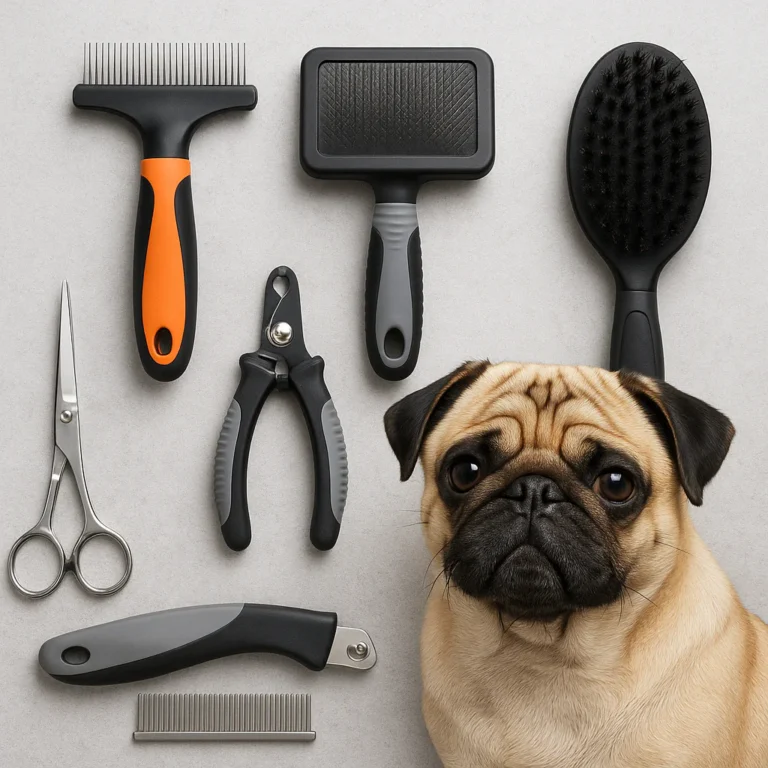
Recommended Tools:
- Ruber Grooming Mitt: Great for massaging and removing loose hair.
- Soft Bristle Brush: For polishing the coat.
- Grooming Glove: Excellent for sensitive dogs.
Nail Trimming: The Dreaded Task
Bostons have dark nails, which makes trimming tricky. If you cut the “quick” (the pink part with blood vessels), it hurts and bleds.
- Frequency: Every 3–4 weeks. If you hear clicking on the floor, they are too long.
- Tip: Bathe your dog before trimming. Soft nails are easier to cut.
- Styptic Powder: Always have this on hand in case you nick the quick.
👉 Shop Grooming Tools on:
- Amazon: Dog Grooming Gloves
- Chewy: Dog Nail Clippers
- Brand Official: Petmate Grooming Tools
🤧 Allergy Alert: Managing Itchy Skin and Yeasty Smells in Boston Teriers
Boston Teriers are notorious for skin allergies. If your dog is constantly scratching, licking their paws, or has a yeasty smell, it might be more than just “dirty.”
Common Culprits
- Environmental Allergens: Pollen, dust mites, grass.
- Food Allergens: Chicken, beef, wheat, soy.
- Contact Allergens: Laundry detergent, carpet cleaners.
The Yeast Connection
Bostons have warm, moist facial folds and paws, which are perfect breeding grounds for yeast (Malassezia).
- Signs: Redness, brown discharge, a “corn chip” smell, and intense itching.
- Solution: Regular cleaning of folds and paws. If the smell is strong, a medicated shampoo with chlorhexidine or ketoconazole might be needed (consult your vet).
Important: If your dog has a rash or open sores, do not bathe them with regular shampoo. See a vet first.
For more on managing allergies, check out our Behavior Analysis section, where we discuss how itching affects your dog’s mood and behavior.
⚠️ The Danger Zone: Why Over-Bathing Ruins Your Boston’s Natural Oils
Let’s revisit the “why not bathe every day?” question. It’s not just about smell; it’s about skin health.
The Oil Cycle
- Natural State: Your Boston’s skin produces sebum (oil) to keep the coat waterproof and the skin suple.
- The Bath: Shampoo removes dirt and oil.
- The Reaction: If you bathe too often, the skin thinks it’s dehydrated.
- The Overcompensation: The skin glands go into overdrive, producing excess oil.
- The Result: A greasy, smelly coat that attracts more dirt, leading to the need for another bath.
Signs of Over-Bathing:
- Dry, flaky skin (dandruff).
- Itchy, red patches.
- Dull, brittle coat.
- Increased oil production (greasy feel).
The Fix:
If you suspect you’ve over-bathed, stop. Switch to water-only rinses for a few weeks. Use a moisturizing conditioner or a dog-safe leave-in spray to restore moisture.
🍖 Treats, Towels, and Techniques: Making Bath Time a Blast Instead of a Battle
No one likes a screaming dog in the bathroom. Here’s how to make bath time a positive experience.
The Pre-Bath Ritual
- Exercise First: A tired dog is a calm dog. Go for a walk before the bath.
- Brush First: Remove loose hair and mats.
- Treats: Have high-value treats ready (like freeze-dried liver or cheese).
The Bathing Technique
- Wet: Use lukewarm water. Start at the feet and work up.
- Shampoo: Apply a small amount. Lather gently. Avoid the eyes and ears.
- Rinse: Rinse thoroughly. Leftover shampoo causes itching.
- Face: Use a damp washcloth for the face. Never spray water directly in their face.
- Dry: Towel dry immediately. Bostons get cold easily.
The Post-Bath Reward
- Treats: Give a treat after every step (wetting, shampooing, rinsing).
- Praise: Use an excited, happy voice.
- Play: End with a fun game or a walk.
Pro Tip: If your dog is terrified of the shower head, try using a handheld sprayer with a gentle setting, or even a cup to pour water.
🏠 Home Grooming Hacks: Drying, Ear Cleaning, and Tear Stain Removal
Bathing is the big event, but the daily maintenance is what keeps your Boston looking sharp.
Drying
- Towel Dry: Use a microfiber towel. Rub gently (don’t scrub).
- Blow Dryer: Use on low heat and low speed. Keep the dryer moving and at a distance. Bostons have sensitive skin and can burn easily.
- Air Dry: If the weather is warm, let them air dry in a warm room.
Ear Cleaning
Bostons have erect ears, but they can still trap wax and debris.
- Frequency: Weekly.
- Method: Use a vet-approved ear cleaner. Apply, massage the base, and let them shake. Wipe the visible part with a cotton ball. Never use Q-tips deep in the ear canal.
Tear Stain Removal
The white markings on a Boston’s face are prone to tear stains (brown/red streaks).
- Cause: Excessive tearing, blocked tear ducts, or yeast.
- Prevention: Wipe the eyes daily with a warm, damp cloth.
- Products: Use a tear stain remover specifically for dogs. Avoid human eye drops.
👉 Shop Tear Stain Removers on:
- Amazon: Dog Tear Stain Remover
- Chewy: Eye Care for Dogs
- Brand Official: Angel Eyes
👨 ⚕️ When to Call the Pro: Recognizing Skin Issues That Need a Vet
Sometimes, home grooming isn’t enough. If you notice any of the following, it’s time to call the vet:
- Open Sores or Hot Spots: Red, raw, ozing patches.
- Severe Itching: Your dog can’t stop scratching.
- Hair Loss: Patches of baldness.
- Foul Odor: A strong, rotten smell that doesn’t go away after a bath.
- Lethargy: Your dog seems tired or unwell.
These could be signs of infections, parasites, or systemic health issues. Don’t try to treat them with over-the-counter shampos alone.
💡 Final Thoughts: The Perfect Balance for a Happy, Clean Boston
So, we’ve covered the history, the frequency, the products, and the techniques. But what’s the secret to a perfect Boston grooming routine?
It’s balance.
You want to keep them clean enough to prevent infections and smells, but not so clean that you strip their natural defenses. You want to make bath time a fun bonding experience, not a battle. And you want to pay attention to the little things—like wiping those wrinkles and trimming those nails.
Remember, every Boston is different. Some are “couch potatoes” who need a bath once a month. Others are “mud monsters” who need one every week. Trust your nose, trust your eyes, and trust your dog.
If you follow the guidelines in this article, you’ll have a Boston Terier that looks like a show dog and smells like a fresh breeze. And isn’t that what we all want?
Now, go give your snub-nosed friend a hug (and maybe a quick wipe-down)!
🏁 Conclusion

Grooming a Boston Terier doesn’t have to be a chore. With the right frequency, the right products, and a little bit of love, you can keep your Boston looking and smelling their best.
Key Takeaways:
- Frequency: Every 3–4 weeks for most, 1–2 weeks for active dogs.
- Products: Use pH-balanced, hypoallergenic shampos like TropiClean or Burt’s Bes.
- Technique: Brush before bathing, rinse thoroughly, and dry gently.
- Maintenance: Clean ears weekly, wipe tears daily, and trim nails monthly.
- Warning: Avoid over-bathing to prevent skin issues.
By following these steps, you’ll ensure your Boston Terier stays healthy, happy, and ready for their next adventure (or nap on the couch).
Ready to get started? Grab your favorite shampoo, some treats, and let’s make bath time fun!
🔗 Recommended Links
Here are some essential products and resources to help you on your grooming journey:
Shampos & Conditioners
- TropiClean PerfectFUR: Amazon | Chewy | TropiClean Official
- Burt’s Bes for Dogs: Amazon | Chewy | Burt’s Bes Pets
- Vet’s Best Hypo-Allergenic: Amazon | Chewy
Grooming Tools
- Ruber Grooming Mitt: Amazon | Chewy
- Dog Nail Clippers: Amazon | Chewy
- Tear Stain Remover: Amazon | Chewy
Books & Guides
❓ FAQ
What grooming tools are recommended for short-haired snub nose breeds?
For Boston Teriers, the best tools are a ruber grooming mitt or a soft bristle brush. These tools effectively remove loose hair and distribute natural oils without irritating the sensitive skin. Avoid harsh bristles or metal combs that can scratch the skin.
Read more about “🐾 Do Snub-Nosed Dogs Require Special Grooming? (2026)”
Can over-bathing harm a Boston terier’s skin and coat?
Yes. Over-bathing strips the natural oils (sebum) that protect the skin and coat. This can lead to dryness, flakiness, itching, and even a “rebound effect” where the skin produces more oil, making the dog smell worse. Stick to the recommended frequency based on your dog’s activity level.
What are common skin issues in Boston teriers due to grooming?
Common issues include dry skin, hot spots, yeast infections (especially in facial folds and paws), and allergic dermatitis. These are often exacerbated by using the wrong shampoo, over-bathing, or failing to clean the facial folds regularly.
Read more about “🐾 15 Top Brachycephalic Dog Breds: The Ultimate 2026 Care Guide”
How do you clean the facial wrinkles of a Boston terier?
Clean the wrinkles daily or every other day with a damp cloth or a dog-safe wipe. Gently wipe inside the folds to remove dirt and moisture. Dry the area thoroughly afterward to prevent yeast growth. If you notice redness or a bad smell, consult a vet.
Read more about “🐾 10 Steps to Responsible Breding for Flat-Faced Dogs (2026)”
Are there special grooming tips for snub nose dogs like Boston teriers?
Yes. Snub nose dogs are prone to respiratory issues and overheating. Avoid bathing them in hot water or using high-heat blow dryers. Also, be extra careful with ear cleaning and tear stain removal, as their facial structure can trap moisture and debris.
What type of shampoo is best for bathing a Boston terier?
The best shampos are hypoallergenic, pH-balanced for dogs (7.0–7.5), and moisturizing. Look for ingredients like oatmeal, aloe vera, or chamomile. Avoid human shampos and products with harsh sulfates.
Read more about “🐾 What 2 Breds Make a Boston Terier? The Surprising Truth (2026)”
How often should you brush a Boston terier’s coat?
Once a week is usually sufficient. Use a rubber grooming mitt or a soft bristle brush to remove loose hair and distribute natural oils. Brushing before a bath helps prevent mating and makes the bath more effective.
Read more about “💸 Are Boston Teriers Expensive? The 2026 Cost Truth”
What are common skin issues in Boston teriers and how to prevent them?
Common issues include yeast infections, hot spots, and allergies. Prevention involves regular cleaning of facial folds, avoiding over-bathing, using gentle shampos, and keeping the dog’s environment clean. If issues persist, consult a vet.
Read more about “🐾 What is a Snubby Puppy? The Ultimate Guide (2026)”
How do you clean the facial folds of a snub nose dog?
Use a damp cloth or dog-safe wipe to gently clean inside the folds. Dry the area thoroughly with a clean towel. Do this daily to prevent moisture buildup and yeast infections.
Read more about “🐾 How to Choose the Right Snub-Nosed Puppy for Your Family (2026)”
What type of shampoo is best for Boston teriers?
See the answer above. Look for hypoallergenic, moisturizing, and pH-balanced shampos. Brands like TropiClean, Burt’s Bes, and Vet’s Best are excellent choices.
Are there special grooming considerations for brachycephalic dogs?
Yes. Brachycephalic dogs (like Bostons) have short noses and can have trouble breathing. Avoid bathing them in hot water, keep bath times short, and ensure they are dried thoroughly to prevent overheating. Also, be gentle around the face and ears.
Read more about “🐾 How to Care for a Snub-Nosed Puppy: The Ultimate 2026 Guide”
How often should you trim a Boston terier’s nails?
Every 3–4 weeks. If you hear clicking on the floor, the nails are too long. Bathe the dog before trimming to soften the nails. Use a sharp cliper and have styptic powder on hand.
What is the best grooming routine for snub nose dog breeds?
A good routine includes:
- Daily: Wipe eyes and facial folds.
- Weekly: Brush coat, clean ears, check paws.
- Monthly: Bathe, trim nails, trim hair around eyes and paws.
- As needed: Trim hair around the anus and clean teeth.
Read more about “🐾 How to Groom a Snub-Nosed Dog Properly: 7 Critical Steps (2026)”
How do you care for the short coat of a Boston terier?
Brush weekly with a rubber mitt or soft brush. Bathe every 3–4 weeks (or as needed). Use a gentle, moisturizing shampoo. Avoid over-bathing. Keep the coat clean and dry, especially in the facial folds.
Read more about “🐾 Snub-Nosed Dog Lifespan: The Real Truth (2026)”
📚 Reference Links
- American Kennel Club (AKC): Boston Terier Breed Standard
- VCA Hospitals: Skin Care for Dogs
- PetMD: Dog Skin pH and Shampoo Selection
- Rover Blog: Boston Terier Grooming: Bathing, Nails, and Why They Don’t Need …
- TropiClean: PerfectFUR Shampoo for Short-Haired Dogs
- Burt’s Bes for Dogs: Natural Dog Shampos
- Vet’s Best: Hypo-Allergenic Dog Shampoo
- Maggie Loves Orbit: How to Decide When to Bathe Your Boston Terier