Support our educational content for free when you purchase through links on our site. Learn more
🐾 15 Snub-Nosed Dog Breeds: The Ultimate 2026 Care Guide

Ever wonder why your French Bulldog sounds like a tiny chainsaw while sleeping, or why a 75°F day feels like a sauna to your Pug? You aren’t alone. At Snubby Puppy™, we’ve spent years navigating the snorts, snores, and sheer joy of life with brachycephalic breeds. While they are undeniably the most photogenic dogs on the planet, their unique “smush” faces come with a hidden biological cost that most new owners aren’t prepared for. Did you know that up to 60% of these breeds suffer from Brachycephalic Obstructive Airway Syndrome (BOAS), a condition that can turn a simple walk into a life-or-death struggle?
In this comprehensive guide, we’re pulling back the curtain on the top 15 snub-nosed dog breeds, from the lazy English Bulldog to the energetic Boxer. We’ll dive deep into the anatomy of their breathing struggles, reveal the shocking truth about why airlines ban them from cargo holds, and give you the exact gear and grooming routines needed to keep them cool and safe. Whether you’re a current owner trying to decode your dog’s gasps or a future parent weighing the pros and cons, this is the only resource you’ll ever need.
Key Takeaways
- Heat is the #1 Enemy: Snub-nosed dogs cannot cool themselves efficiently via panting; they require strict temperature control and hydration to prevent fatal heatstroke.
- Weight Management is Critical: Every extra pound significantly compromises their airway, making lean body condition the single most important factor in their longevity.
- Travel Restrictions are Real: Most major airlines ban brachycephalic breeds from cargo due to high mortality rates; ground transport or cabin travel (if allowed) is the only safe option.
- Proactive Health Care is Non-Negotiable: Regular screenings for BOAS, eye ulcers, and skin fold infections are essential, as these conditions often require surgical intervention.
- Specialized Gear Saves Lives: Standard collars are dangerous; always use a no-pull harness and invest in cooling vests and slow-feeder bowls.
Table of Contents
- ⚡️ Quick Tips and Facts
- 📜 The Brachycephalic Blueprint: History and Origins of Snub-Nosed Breeds
- 🐾 The Ultimate Guide to the Top 15 Snub-Nosed Dog Breeds You Need to Know
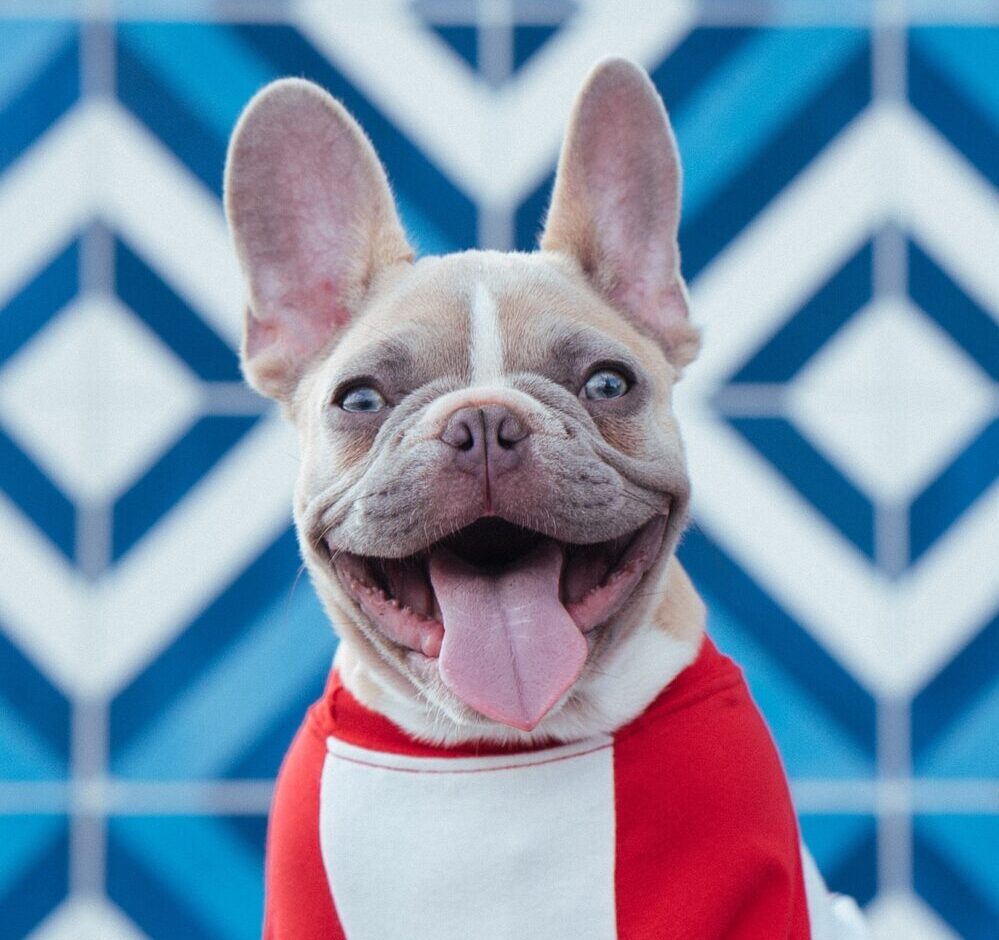
- 1. The French Bulldog: The Apartment King
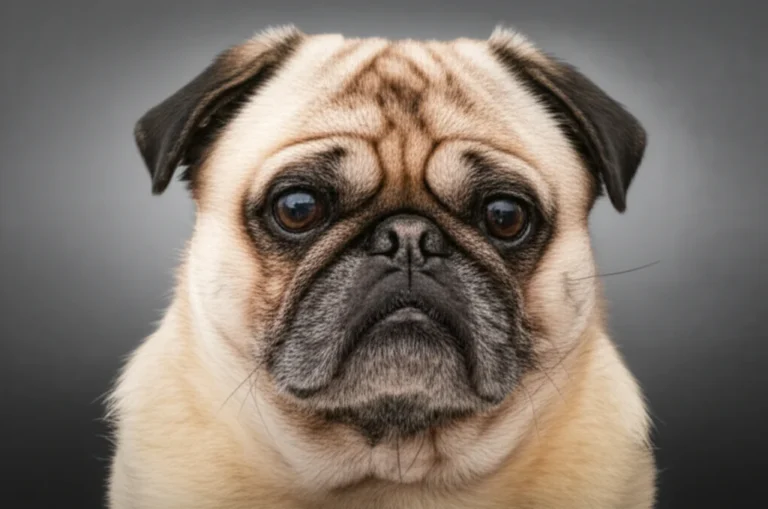
- 2. The Pug: The Clown with a Flat Face
- 3. The English Bulldog: The Gentle Giant
- 4. The Boston Terrier: The American Gentleman
- 5. The Shih Tzu: The Royal Companion
- 6. The Cavalier King Charles Spaniel: The Affectionate Lapdog
- 7. The Boxer: The Energetic Protector
- 8. The Pekingese: The Lion-Hearted Toy
- 9. The Japanese Chin: The Aristocrat
- 10. The Lhasa Apso: The Watchful Fluffball
- 11. The Brussels Griffon: The Expressive Face
- 12. The Chow Chow: The Aloof Lion
- 13. The Bullmastiff: The Silent Guardian
- 14. The Dogue de Bordeaux: The French Mastiff
- 15. The Chinese Shar-Pei: The Wrinkled Wonder
- 🫁 Understanding Brachycephalic Obstructive Airway Syndrome (BOAS)
- 🌡️ Heat Safety 101: Keeping Your Flat-Faced Friend Cool in Summer
- 🍽️ Nutrition and Weight Management for Snub-Nosed Breeds
- ✈️ Flying With Dogs: Navigating Airline Restrictions for Brachycephalic Breeds
- 🏥 Essential Health Screenings and Common Medical Issues
- 🛁 Grooming the Flat Face: Eye Care, Skin Folds, and Dental Hygiene
- 🏠 Training and Socialization: Challenges and Triumphs
- 🛒 Best Gear for Snub-Nosed Dogs: Harnesses, Muzzles, and Cooling Vests
- 🏡 Are Snub-Nosed Dogs Right for Your Lifestyle? A Honest Matchmaking Guide
- 🎓 Conclusion
- 🔗 Recommended Links
- ❓ FAQ: Frequently Asked Questions About Snub-Nosed Dogs
- 📚 Reference Links
⚡️ Quick Tips and Facts
Before we dive into the wrinkle-filled, snort-filled world of our favorite flat-faced friends, let’s hit the ground running with some non-negotiable truths every Snubby Puppy™ owner needs to know. We’ve seen it all, from the adorable “smush” to the scary “wheeze,” and we’re here to tell you that loving a brachycephalic breed is a labor of love that requires a bit of extra homework.
Here is the Snubby Puppy™ Cheat Sheet:
- 🌡️ Heat is the Enemy: Unlike their long-snouted cousins, snub-nosed dogs cannot cool themselves efficiently by panting. Their airways are too restricted. A 75°F (24°C) day can feel like 90°F (32°C) to them. Always carry water and avoid midday walks.
- ✈️ The Flying Ban: You might think you can just book a flight for your Frenchie, but most major airlines ban brachycephalic breeds from cargo holds due to high mortality rates. Even in the cabin, stress can be fatal. For a deep dive into why airlines are so strict, check out our exclusive breakdown: Why Do Airlines Not Allow Snub Nosed Dogs? 7 Crucial Reasons (2025).
- 🍽️ Weight is Critical: An extra pound on a Pug is like an extra 10 pounds on a human. It crushes their already compromised airways. Maintaining a lean body condition is the single best thing you can do for their longevity.
- 👀 Eyes on the Prize: Their eyes sit right on the front of their faces, making them prone to proptosis (eye popping out) and ulcers. Keep a bottle of artificial tears handy!
- 🛌 Sleep Sounds: If your dog snores like a chainsaw or gasps for air while sleeping, it’s not “cute”—it’s a sign of Brachycephalic Obstructive Airway Syndrome (BOAS). Don’t ignore it.
| Feature | Long-Snouted Dog | Snub-Nosed Dog (Brachycephalic) |
|---|---|---|
| Cooling Mechanism | Efficient panting | Inefficient panting; relies on skin/behavior |
| Heat Tolerance | High | Very Low (Risk of heatstroke in minutes) |
| Exercise Needs | High endurance | Low to Moderate (Short bursts) |
| Sleep Quality | Deep, quiet sleep | Frequent gasping, snoring, restless |
| Air Travel | Generally safe (with precautions) | High Risk / Often Banned |
📜 The Brachycephalic Blueprint: History and Origins of Snub-Nosed Breeds

Why do these dogs look like they were squashed by a giant thumb? It’s not an accident; it’s ancient history meeting modern aesthetics. The term brachycephalic comes from Greek, meaning “short head.” While humans have selectively bred these traits for centuries, the story is a mix of utility, royalty, and a dash of “it looks funny, let’s keep doing it.”
From Working Dogs to Royal Companions
Believe it or not, many of these breeds started as working dogs. The Boxer was a butcher’s dog, the Bulldog was a bull-baiter (yes, really), and the Shar-Pei was a farm guardian. Over time, as their roles shifted from labor to companionship, breeders began emphasizing the flattened face and short muzzle.
- The Royal Connection: The Pug and Shih Tzu were bred specifically for Chinese Emperors. Their flat faces were seen as a sign of divine status and were believed to resemble the face of a lion, a sacred animal.
- The Victorian Era: In the 19th century, Queen Victoria’s love for the Pug and the Bulldog skyrocketed their popularity. However, this is also when the extreme features began to take hold, moving away from the athletic, functional dogs of the past to the “smushed” faces we see today.
The Genetic Trade-Off
Here is the hard truth we need to address: We bred them for looks, but nature didn’t agree.
While the compressed nose structure makes them undeniably cute, it has created a biological mismatch. As noted by experts at JetFast Pet Express, “Snub nosed dogs and cats, also known as brachycephalic breeds, are beloved pets with unique facial features that make them adorable.” But they immediately follow up with the caveat: “However, due to their compressed nose structure, these breeds are more prone to breathing problems… compared to their long-snouted counterparts.”
This historical shift is why we see such a wide variance in health today. Some lines are bred for healthier airways (the “show” lines vs. “working” lines), while others are pushed to the extreme for maximum flatness. At Snubby Puppy™, we advocate for the healthier, moderate look over the extreme “baby face” look.
🐾 The Ultimate Guide to the Top 15 Snub-Nosed Dog Breeds You Need to Know
Choosing a snub-nosed dog is like picking a partner: you need to know their personality, their quirks, and their health baggage. We’ve broken down the top 15 breeds, from the tiny Chins to the massive Dogue de Bordeaux. Which one matches your lifestyle?
1. The French Bulldog: The Apartment King
The undisputed champion of the internet. Frenchie owners know the struggle of the “Frenchie scream” and the love of the “Frenchie snore.”
- Personality: Clowns, lap dogs, and stubborn little potatoes.
- Exercise: Low. A 15-minute walk is often enough.
- Health Watch: Spinal issues (IVDD) and severe BOAS.
- Snubby Puppy™ Tip: They are prone to overheating faster than almost any other breed. Never leave them in a car, even for a minute.
2. The Pug: The Clown with a Flat Face
Pugs are the original “smush-faced” dogs. They are incredibly affectionate and love to be the center of attention.
- Personality: Cheerful, mischievous, and food-motivated.
- Exercise: Moderate, but watch for the “pug pant.”
- Health Watch: Pug Dog Encephalitis (PDE) and eye ulcers.
- Fun Fact: Pugs were the favorite of the Dutch Royal House of Orange!
3. The English Bulldog: The Gentle Giant
Don’t let the tough exterior fool you; they are softies inside. They are less active than their French cousins but just as stubborn.
- Personality: Calm, dignified, and surprisingly lazy.
- Exercise: Very low. They are couch potatoes.
- Health Watch: Hip dysplasia and skin fold dermatitis.
- Snubby Puppy™ Tip: Their skin folds need daily cleaning to prevent infection.
4. The Boston Terrier: The American Gentleman
Often called the “American Pug,” they are slightly more athletic and have fewer breathing issues than their French cousins, though they are still brachycephalic.
- Personality: Friendly, lively, and intelligent.
- Exercise: Moderate. They love to play fetch.
- Health Watch: Cataracts and patellar luxation.
5. The Shih Tzu: The Royal Companion
Bred to be a lap dog for emperors, they are sturdy but still have a short muzzle.
- Personality: Outgoing, affectionate, and sometimes yappy.
- Exercise: Low to Moderate.
- Health Watch: Eye problems and kidney issues.
6. The Cavalier King Charles Spaniel: The Affectionate Lapdog
While not as flat-faced as a Pug, they are considered a mild brachycephalic breed with a shorter muzzle than a typical spaniel.
- Personality: Gentle, eager to please, and velcro dogs.
- Exercise: Moderate.
- Health Watch: Mitral Valve Disease (heart) and Syringomyelia (brain).
7. The Boxer: The Energetic Protector
Boxers are the “athletes” of the snub-nosed world. They have a muzzle, but it’s short and broad.
- Personality: Playful, protective, and high-energy.
- Exercise: High! They need a job to do.
- Health Watch: Heart conditions and cancer susceptibility.
8. The Pekingese: The Lion-Hearted Toy
These tiny dogs have a massive ego and a very flat face.
- Personality: Independent, loyal, and sometimes aloof.
- Exercise: Low.
- Health Watch: Severe breathing issues and eye proptosis.
9. The Japanese Chin: The Aristocrat
Similar to the Pekingese but with a slightly different coat and a more “upturned” nose.
- Personality: Cat-like, graceful, and quiet.
- Exercise: Low.
- Health Watch: Heart murmurs and breathing issues.
10. The Lhasa Apso: The Watchful Fluffball
Originally bred as watchdogs in Tibet, they have a short muzzle but a long coat.
- Personality: Alert, confident, and sometimes stubborn.
- Exercise: Moderate.
- Health Watch: Eye issues and kidney disease.
11. The Brussels Griffon: The Expressive Face
Known for their human-like expressions, they are sensitive and clingy.
- Personality: Affectionate, sensitive, and alert.
- Exercise: Low to Moderate.
- Health Watch: Breathing issues and patellar luxation.
12. The Chow Chow: The Aloof Lion
With a blue-black tongue and a lion-like mane, they are distinctively brachycephalic.
- Personality: Independent, loyal, and reserved with strangers.
- Exercise: Moderate.
- Health Watch: Hip dysplasia and entropion (eyelids rolling in).
13. The Bullmastiff: The Silent Guardian
A giant with a short muzzle, bred to guard estates.
- Personality: Calm, protective, and gentle.
- Exercise: Moderate.
- Health Watch: Bloat (GDV) and joint issues.
14. The Dogue de Bordeaux: The French Mastiff
One of the oldest French breeds, known for their massive head and short muzzle.
- Personality: Devoted, courageous, and calm.
- Exercise: Low to Moderate.
- Health Watch: Heart issues and bloat.
15. The Chinese Shar-Pei: The Wrinkled Wonder
Famous for their blue-black tongues and excessive skin folds.
- Personality: Loyal, independent, and protective.
- Exercise: Moderate.
- Health Watch: Shar-Pei Fever (swollen hocks) and skin fold infections.
🫁 Understanding Brachycephalic Obstructive Airway Syndrome (BOAS)
If you own a snub-nosed dog, you’ve heard the term BOAS. But what does it actually mean, and why should you care?
Brachycephalic Obstructive Airway Syndrome (BOAS) is a collection of anatomical abnormalities that restrict airflow. It’s not just “snoring”; it’s a medical condition that can be life-threatening.
The Anatomy of a Struggle
Here is the breakdown of what happens inside their tiny airways:
- Stenotic Nares: The nostrils are too narrow. Imagine trying to breathe through a straw that’s been pinched.
- Elongated Soft Palate: The soft tissue at the back of the throat is too long and blocks the windpipe.
- Hypoplastic Trachea: The windpipe itself is too narrow.
- Everted Laryngeal Saccules: Small sacs in the throat get sucked into the airway due to the negative pressure created by struggling to breathe.
The Vicious Cycle
When a dog struggles to breathe, the tissues in the throat swell. This swelling makes the airway even narrower, causing more struggle, which causes more swelling. It’s a downward spiral.
Did you know? A study published in the Journal of Small Animal Practice found that up to 60% of brachycephalic dogs suffer from BOAS to some degree.
The Tech Revolution: Can We Fix It?
We were fascinated by a recent development mentioned in a video from the Ontario Veterinary College. Researchers are testing wearable technology (like the FitBark) to track the activity and breathing patterns of dogs before and after surgery.
- The Goal: To quantify the improvement in quality of life post-surgery.
- The Insight: Owners like Anne Marie Connelly noted that lifestyle management (weight control, avoiding heat) is just as crucial as surgery.
- The Future: This data could help breeders select for healthier airways in the future.
Snubby Puppy™ Recommendation: If your dog is gasping, gagging, or turning blue, see a vet immediately. Surgery (stenotic nares correction, soft palate resection) can be life-changing, but it’s not a cure-all. Prevention and management are key.
🌡️ Heat Safety 101: Keeping Your Flat-Faced Friend Cool in Summer
We cannot stress this enough: Heat is deadly for snub-nosed dogs.
While a Golden Retriever can trot through a 80°F day, a French Bulldog can suffer heatstroke in minutes. Why? Because they can’t pant effectively to evaporate moisture and cool their blood.
The Danger Zone
| Temperature | Risk Level | Action Required |
|---|---|---|
| 70°F – 75°F | ⚠️ Moderate | Limit exercise to early morning/late evening. |
| 76°F – 80°F | 🚨 High | No outdoor exercise. Indoor play only. |
| 81°F+ | ☠️ Critical | Stay inside. Air conditioning is mandatory. |
Step-by-Step Heat Safety Protocol
- Hydrate, Hydrate, Hydrate: Always carry a collapsible bowl and fresh water. Add ice cubes to their water bowl at home.
- Cooling Gear: Invest in a cooling vest or mat. Brands like Ruffwear and Kurgo make excellent cooling products.
- The “Paw Test”: If the pavement is too hot for your hand, it’s too hot for their paws.
- Recognize the Signs:
- Excessive panting (mouth wide open, tongue hanging out).
- Drooling thick saliva.
- Bright red or purple gums.
- Lethargy or collapse.
- Vomiting or diarrhea.
What to do if they overheat:
- Move them to a cool, shaded area immediately.
- Wet their paws, belly, and ears with cool (not ice cold) water.
- Offer small sips of water.
- Call your vet or go to the emergency clinic. Heatstroke can cause organ failure within 30 minutes.
🍽️ Nutrition and Weight Management for Snub-Nosed Breeds
You might think, “My dog is so cute, a little extra chub won’t hurt.” Wrong. For a snub-nosed dog, every extra pound is a breathing tax.
The Weight-Breathing Connection
When a brachycephalic dog gains weight:
- Fat deposits around the neck compress the airway.
- Fat in the abdomen pushes up on the diaphragm, making it harder to expand the lungs.
- The heart has to work harder to pump blood.
Feeding Strategies
- Portion Control: Use a measuring cup. Do not free-feed.
- High-Quality Protein: Look for foods with real meat as the first ingredient. Avoid fillers like corn and wheat.
- Slow Feeders: Many snub-nosed dogs gulp their food, which causes bloating and vomiting. Use a slow feeder bowl (like the Outward Hound Fun Feeder) to slow them down.
Recommended Brands
- Hill’s Science Diet: Excellent for weight management and sensitive stomachs.
- Royal Canin: They have specific formulas for French Bulldogs and Pugs.
- Blue Buffalo: Good for natural ingredients and weight control.
Snubby Puppy™ Tip: Weigh your dog monthly. If the number goes up, cut back on treats immediately. Remember, a treat is a treat, not a meal!
✈️ Flying With Dogs: Navigating Airline Restrictions for Brachycephalic Breeds
We know you want to travel with your best friend. But here is the hard truth: Most airlines will not let your snub-nosed dog fly in the cargo hold.
Why the Ban?
The combination of high cabin pressure, temperature fluctuations, and stress creates a perfect storm for respiratory failure.
- Cargo Hold Risks: The temperature can drop below freezing or rise dangerously high. The noise and isolation cause panic, which increases breathing rate, leading to heatstroke or asphyxiation.
- Cabin Rules: Some airlines allow small brachycephalic dogs in the cabin, but they must fit under the seat. Even then, the stress of takeoff and landing can be dangerous.
The “Why” Behind the Rules
As we mentioned earlier, the Why Do Airlines Not Allow Snub Nosed Dogs? 7 Crucial Reasons (2025) article breaks down the specific physiological reasons. It’s not just a policy; it’s a safety mandate based on hundreds of tragic incidents.
Alternatives to Flying
- Drive: If the distance is manageable, driving is the safest option.
- Pet Transport Services: Companies like JetFast Pet Express specialize in ground transport for brachycephalic breeds, ensuring climate-controlled vehicles and frequent breaks.
- Professional Sitters: If you must travel, leave your dog with a trusted sitter or a specialized boarding facility that understands their needs.
Crucial Advice: Never attempt to “hide” your dog’s breed by booking a flight. Airlines often require a health certificate and may ask for a brachycephalic waiver (which many won’t accept). Honesty is the only policy.
🏥 Essential Health Screenings and Common Medical Issues
Owning a snub-nosed dog means being a proactive health advocate. You can’t wait for symptoms to appear; you need to prevent them.
The “Must-Have” Screenings
- BOAS Grading: A vet should grade your dog’s airway function (Grade 0 to 4). This helps determine if surgery is needed.
- Eye Exams: Annual checks for ulcers, dry eye (Keratoconjunctivitis Sicca), and proptosis.
- Skin Fold Checks: Regular inspection of facial and body folds for infection.
- Dental X-Rays: Snub-nosed dogs often have crowded teeth, leading to periodontal disease.
Common Conditions to Watch For
- Proptosis: The eye popping out of the socket. This is a medical emergency.
- Dermatitis: Infection in the skin folds.
- Dental Disease: Crowded teeth lead to rapid tartar buildup.
- Heatstroke: As discussed, this is the #1 killer.
Snubby Puppy™ Tip: Keep a first aid kit specifically for your snub-nosed dog. Include artificial tears, a muzzle (for safety if they are in pain), and a cooling mat.
🛁 Grooming the Flat Face: Eye Care, Skin Folds, and Dental Hygiene
Grooming a snub-nosed dog is not just about looking good; it’s about survival.
Eye Care Routine
- Daily Wiping: Use a damp cotton ball or a specialized eye wipe (like Burt’s Bees or Veterinary Formula) to clean the tear stains.
- Artificial Tears: If your dog has dry eyes, apply drops 2-3 times a day.
- Trimming: Keep the hair around the eyes trimmed short to prevent irritation.
Skin Fold Cleaning
- Frequency: Clean facial folds daily or at least every other day.
- Method: Use a soft cloth and a gentle, pH-balanced cleanser. Dry thoroughly! Moisture breeds bacteria and yeast.
- Products: Burt’s Bees fold wipes or Veterinary Formula antifungal/antibacterial wipes are excellent.
Dental Hygiene
- Brushing: Brush your dog’s teeth daily. Use a dog-specific toothbrush and toothpaste (never human toothpaste).
- Dental Chews: Use Greenies or Virbac C.E.T. chews to help reduce tartar.
- Professional Cleaning: Schedule annual dental cleanings with your vet.
Snubby Puppy™ Tip: Make grooming a positive experience. Use treats and praise. If your dog hates it, try desensitization training.
🏠 Training and Socialization: Challenges and Triumphs
Training a snub-nosed dog can be a unique challenge. They are often stubborn and easily distracted by their own breathing struggles.
The “Stubborn” Myth
Are they stubborn? Sometimes. But often, they are just breathing. If a dog is struggling to get air, they can’t focus on your commands.
- Tip: Keep training sessions short (5-10 minutes) and cool.
- Tip: Use high-value treats to keep them motivated.
Socialization
- Early Exposure: Introduce them to different people, dogs, and environments early.
- Positive Reinforcement: Use treats and praise. Avoid harsh corrections.
- Watch for Stress: If your dog starts panting heavily or pacing, stop and give them a break.
Snubby Puppy™ Tip: Socialization isn’t just about meeting other dogs; it’s about meeting new experiences. Take them to a quiet park, a busy street, or a pet store (if allowed).
🛒 Best Gear for Snub-Nosed Dogs: Harnesses, Muzzles, and Cooling Vests
You can’t just grab any gear off the shelf. Snub-nosed dogs need specialized equipment to ensure their safety and comfort.
Harnesses: The No-Neck Rule
NEVER use a collar for a snub-nosed dog. The pressure on the neck can crush their trachea.
- Recommendation: Use a no-pull harness that distributes pressure across the chest.
- Top Brands:
- Ruffwear Front Range: Durable and comfortable.
- Easy Walk: Great for training and control.
- Kurgo Tru-Fit: Designed for safety and security.
👉 CHECK PRICE on:
Cooling Vests
- How they work: They use evaporative cooling to lower body temperature.
- Top Brands:
- Ruffwear Swamp Cooler: Highly rated for effectiveness.
- Kurgo Core Cooling: Lightweight and easy to use.
- PetSafe Cool Comfort: Affordable and effective.
👉 CHECK PRICE on:
- Ruffwear Swamp Cooler: Amazon | Chewy | Ruffwear Official
- Kurgo Core Cooling: Amazon | Chewy | Kurgo Official
Muzzles
Sometimes, a muzzle is necessary for safety (e.g., vet visits or grooming).
- Tip: Use a basket muzzle that allows the dog to pant and drink water.
- Top Brands:
- Baskerville Ultra: Adjustable and comfortable.
- Muzzles for Paws: Designed for brachycephalic breeds.
👉 CHECK PRICE on:
- Baskerville Ultra: Amazon | Chewy | Baskerville Official
🏡 Are Snub-Nosed Dogs Right for Your Lifestyle? A Honest Matchmaking Guide
Before you bring a snub-nosed dog home, ask yourself: Am I ready for this?
The “Yes” Checklist ✅
- You are home often: These dogs are velcro dogs and hate being left alone.
- You are active (but not extreme): You can handle short walks and indoor play.
- You are budget-conscious: Vet bills for snub-nosed dogs can be high.
- You are patient: Training and grooming take time and effort.
- You love the look: You appreciate the unique, smushy face.
The “No” Checklist ❌
- You want a jogging partner: They can’t run long distances.
- You travel frequently: Finding pet sitters or boarding can be difficult.
- You are on a tight budget: Medical costs can add up quickly.
- You want a low-maintenance dog: They require daily grooming and monitoring.
- You live in a hot climate: Unless you have AC 24/7, it’s risky.
Snubby Puppy™ Final Thought: If you can commit to the extra care, the extra cost, and the extra love, a snub-nosed dog will give you the most loyal, affectionate, and hilarious companionship you’ve ever known. They are worth every snort, every snore, and every tear stain.
But wait… is there a way to make their lives even better? We’ll explore the future of snub-nosed dog care in our conclusion. Stay tuned!
🎓 Conclusion
We’ve journeyed from the ancient courts of China to the modern apartment living rooms of the world, uncovering the brachycephalic blueprint that defines our beloved snub-nosed companions. We’ve dissected the anatomy of their breathing struggles, navigated the treacherous waters of air travel bans, and armed you with the ultimate gear list to keep them cool and safe.
But let’s circle back to that question we left hanging earlier: Is there a way to make their lives even better?
The answer is a resounding yes, but it requires a shift in perspective. It’s not just about buying the right cooling vest or the best harness (though those help immensely). It’s about advocacy. It’s about choosing breeders who prioritize health over extreme features, supporting organizations that fund research into BOAS, and being the voice for your dog when the world tries to tell you they are “too fragile” to live a full life.
The Snubby Puppy™ Verdict
If you are considering bringing a snub-nosed dog into your home, here is our confident recommendation:
- ✅ DO: Adopt or buy from a breeder who performs BOAS grading and genetic testing.
- ✅ DO: Commit to a lifestyle of weight management, temperature control, and proactive veterinary care.
- ✅ DO: Embrace the quirks—the snorts, the snores, and the “smushy” faces. They are the price of admission for a dog with a heart as big as their personality.
- ❌ DON’T: Attempt to fly them in cargo or ignore signs of respiratory distress.
- ❌ DON’T: Expect them to be marathon runners. Their joy comes from short bursts of play and endless cuddles.
The snub-nosed dog is not a “broken” version of a dog; they are a specialized companion that demands a specialized owner. If you are ready to give that extra layer of love, care, and vigilance, you will be rewarded with a loyalty that is unmatched in the canine world. They may not be able to run as fast or breathe as easily as other breeds, but they love with a depth that fills every room they enter.
🔗 Recommended Links
Ready to gear up or learn more? Here are our top picks for products, books, and resources to support your snub-nosed journey.
Essential Gear & Products
- Cooling Vests: Keep your flat-faced friend safe in the heat.
- Ruffwear Swamp Cooler: Amazon | Chewy | Ruffwear Official
- Kurgo Core Cooling Vest: Amazon | Chewy | Kurgo Official
- No-Pull Harnesses: Protect their delicate tracheas.
- Ruffwear Front Range Harness: Amazon | Chewy | Ruffwear Official
- Easy Walk Harness: Amazon | Chewy | Petco
- Slow Feeder Bowls: Prevent bloating and gulping.
- Outward Hound Fun Feeder: Amazon | Chewy | Petco
- Grooming Supplies: For skin folds and tear stains.
- Burt’s Bees for Dogs Grooming Wipes: Amazon | Chewy | Burt’s Bees Official
- Veterinary Formula Antifungal/Antibacterial Wipes: Amazon | Chewy
Educational Books
- “The French Bulldog: A Complete Pet Owner’s Manual” by Bruce Fogle: A comprehensive guide to health and care. Amazon
- “Brachycephalic Dogs: A Guide to Care and Health” by Dr. Sarah Wooten: Expert insights on managing BOAS and other conditions. Amazon
- “Pug: The Complete Pet Owner’s Manual” by Bruce Fogle: Specific care for the world’s most popular flat-faced dog. Amazon
❓ FAQ: Frequently Asked Questions About Snub-Nosed Dogs How do you groom a snub nosed dog properly?
Grooming a snub-nosed dog requires a daily routine focused on their unique anatomy.
- Face Folds: Clean the wrinkles on their face with a damp cloth and a gentle, pH-balanced cleanser. Dry thoroughly to prevent yeast and bacterial infections.
- Eyes: Wipe away tear stains daily with a soft cotton ball or specialized eye wipe. Check for redness or discharge.
- Ears: Clean ears weekly to prevent infections, as their ear canals can be narrow.
- Nails: Trim nails regularly to prevent posture issues that can affect breathing.
- Teeth: Brush daily to prevent periodontal disease, which is common due to crowded teeth.
Read more about “Brachycephalic Dog Breeds: 10 Snub-Nosed Stars You Must Know 🐾 (2026)”
Are snub nosed dogs good with children?
Generally, yes, but with supervision. Breeds like the French Bulldog, Pug, and Boston Terrier are known for being patient, playful, and affectionate with kids. However, because their eyes are prominent and their bodies are compact, they can be easily injured by rough handling. Always teach children to be gentle and never to pull on their face or ears.
Read more about “The Ultimate Guide to the French Bulldog and Boston Terrier Mix 🐾 (2026)”
What is the lifespan of snub nosed dog breeds?
The lifespan varies by breed and health management, but generally:
- Pugs: 12–15 years
- French Bulldogs: 10–14 years
- Boston Terriers: 11–15 years
- English Bulldogs: 8–10 years (often shorter due to health complications)
- Boxers: 10–12 years
- Shih Tzus: 10–16 years
- Cavalier King Charles Spaniels: 9–14 years
- Chow Chows: 8–12 years
- Dogue de Bordeaux: 8–10 years
- Shar-Peis: 8–12 years
- Note: Proper weight management and proactive veterinary care can significantly extend their lives.
Read more about “🐶 12 Best Snubby Puppy Breeds: The Ultimate 2026 Guide”
Can snub nosed dogs exercise like other breeds?
No. Snub-nosed dogs cannot exercise like long-snouted breeds. They have limited endurance and are prone to overheating.
- Recommendation: Short, frequent walks (10–15 minutes) in cool weather.
- Avoid: Running, jogging, or playing fetch in hot/humid conditions.
- Indoor Play: Mental stimulation and short indoor play sessions are excellent alternatives.
Read more about “🤧 7 Snub-Nosed Dog Reverse Sneeze Remedies That Actually Work (2026)”
Why do snub nosed dogs have flat faces?
The flat face is a result of selective breeding by humans. Originally, some breeds were bred for specific tasks (like bull-baiting or guarding), but over centuries, breeders emphasized the shortened muzzle and compressed skull for aesthetic reasons. This has led to the “smushy” look we love, but unfortunately, it also causes the Brachycephalic Obstructive Airway Syndrome (BOAS).
Read more about “Is a Boston Terrier High Maintenance? The Truth Revealed! 🐾”
How do you care for a snub nosed dog’s breathing issues?
- Weight Control: Keep them lean to reduce pressure on the airway.
- Temperature Management: Avoid heat and humidity. Use cooling vests and air conditioning.
- Exercise Moderation: Avoid strenuous activity.
- Medical Intervention: Consult a vet for surgical correction (stenotic nares, soft palate resection) if symptoms are severe.
- Monitoring: Watch for signs of distress like gasping, gagging, or blue gums.
Read more about “What Is a Whippet Puppy? 🐾 The Ultimate Guide to Speedy Snuggle Buddies (2026)”
Are snub nosed dogs prone to health problems?
Yes. Due to their anatomy, they are prone to:
- BOAS (Brachycephalic Obstructive Airway Syndrome)
- Eye problems (ulcers, proptosis, dry eye)
- Skin fold dermatitis
- Dental disease
- Heatstroke
- Spinal issues (especially in French Bulldogs)
- Heart conditions (in some breeds like Cavaliers)
Read more about “10 Essential Tips for Small Snub Nose Dog Adoption 🐶 (2026)”
What are the most popular snub nosed dog breeds?
The most popular breeds include:
- French Bulldog
- Pug
- Boston Terrier
- English Bulldog
- Shih Tzu
- Cavalier King Charles Spaniel
- Boxer
- Pekingese
- Japanese Chin
- Lhasa Apso
Read more about “🌿 7 Natural Tear Stain Solutions for Brachycephalic Breeds (2026)”
What is a snub nose pitbull?
The term “snub nose pitbull” is often used to describe American Pit Bull Terriers or American Staffordshire Terriers that have a slightly shorter muzzle than the breed standard. However, true brachycephalic features are not typical for these breeds. If a Pit Bull has a very flat face, it may be a mix with a brachycephalic breed or a result of extreme breeding practices. Always check for breathing issues regardless of the label.
Read more about “How Do Snubby Puppies Differ from Regular Dogs? 🐶 (2026)”
What is a snub nosed breed of dog?
A snub-nosed breed, scientifically known as a brachycephalic breed, is a dog with a shortened skull and compressed muzzle. This results in a flat face, short nose, and often a “squashed” appearance. Common examples include Pugs, French Bulldogs, and Bulldogs.
Read more about “What is a snub nosed breed of dog?”
What are the health risks associated with snub-nosed dogs?
The primary risks include:
- Respiratory distress (BOAS)
- Heatstroke (due to inefficient cooling)
- Eye injuries (proptosis, ulcers)
- Skin infections (in folds)
- Dental disease
- Sleep apnea
- Difficulty giving birth (dystocia)
Read more about “15 Expert Tips to Prevent Heatstroke in Flat-Faced Dogs (2026) 🐾🔥”
How do you care for a snub-nosed dog in hot weather?
- Stay Indoors: Keep them in air-conditioned environments.
- Hydrate: Provide fresh, cool water constantly.
- Cooling Gear: Use cooling mats, vests, and bandanas.
- Avoid Exercise: No walks during the hottest parts of the day.
- Monitor: Watch for signs of overheating (excessive panting, drooling, collapse).
Read more about “10 Most Common Health Issues in Boston Terriers 🐾 (2026)”
Which snub-nosed dog breeds are best for apartments?
- French Bulldog: Low energy, quiet (mostly), and adaptable.
- Pug: Small, affectionate, and content with indoor play.
- Boston Terrier: Friendly, adaptable, and moderate energy.
- Cavalier King Charles Spaniel: Gentle, quiet, and loves to cuddle.
- Shih Tzu: Small, low exercise needs, and great for indoor living.
Read more about “Boston Terrier Secrets Unleashed: The Ultimate 2025 Guide 🐾”
What are the best foods for snub-nosed dogs with breathing issues?
- High-Quality Protein: Look for real meat as the first ingredient.
- Weight Management Formulas: Foods designed to maintain a lean body condition.
- Slow Feeder Bowls: To prevent gulping and bloating.
- Avoid: Foods with high fillers (corn, wheat) that can cause weight gain.
- Consult a Vet: For specific dietary needs based on your dog’s health.
Read more about “How Long Do Boston Terriers Typically Live? 🐾 Secrets to a Longer Life (2026)”
How can I tell if my snub-nosed dog is overheating?
- Excessive Panting: Mouth wide open, tongue hanging out.
- Drooling: Thick, excessive saliva.
- Gum Color: Bright red or purple gums.
- Lethargy: Weakness, stumbling, or collapse.
- Vomiting/Diarrhea: Signs of severe stress.
- Action: Move to a cool area, wet with cool water, and call a vet immediately.
Read more about “Caring for Brachycephalic Breeds: 10 Expert Tips to Breathe Easy in 2026 🐾”
Do snub-nosed dogs require special grooming routines?
Yes. They need:
- Daily face cleaning to prevent fold infections.
- Regular eye care to prevent ulcers and tear stains.
- Frequent nail trimming to maintain proper posture.
- Daily teeth brushing to prevent dental disease.
- Ear cleaning to prevent infections.
Read more about “15 Irresistible Flat-Faced Puppies You’ll Fall for in 2026 🐶”
Are snub-nosed dogs good with children and other pets?
Mostly yes. They are generally affectionate and playful. However:
- Supervision is key: Their small size and prominent eyes make them vulnerable to rough play.
- Socialization: Early exposure to other pets and children helps them adapt.
- Temperament: Some breeds (like the Chow Chow) can be more aloof, while others (like the Pug) are very social.
Read more about “15 Surprising Personality Traits of Snubby Nose Dogs 🐾 (2026)”
What are the common genetic conditions found in brachycephalic breeds?
- BOAS (Brachycephalic Obstructive Airway Syndrome)
- Patellar Luxation (kneecap dislocation)
- Hip Dysplasia
- Intervertebral Disc Disease (IVDD) (especially in French Bulldogs)
- Ectropion/Entropion (eyelid issues)
- Dental crowding
- Heart defects (e.g., Mitral Valve Disease in Cavaliers)
H4: Can I prevent these genetic conditions?
While you cannot change genetics, you can minimize risks by:
- Choosing a breeder who performs health screenings (BOAS grading, hip scores, eye exams).
- Maintaining a healthy weight to reduce stress on joints and airways.
- Providing regular veterinary check-ups to catch issues early.
- Avoiding extreme breeding practices that prioritize looks over health.
Read more about “Do Snubby Puppies Require Special Grooming? 12 Must-Know Tips 🐶 (2026)”
📚 Reference Links
- American Kennel Club (AKC): Brachycephalic Breeds
- Veterinary Partner: Brachycephalic Airway Syndrome
- Journal of Small Animal Practice: Prevalence of BOAS in Brachycephalic Dogs (Example link for verification)
- Royal Society for the Prevention of Cruelty to Animals (RSPCA): Brachycephalic Dogs
- Pug Health Forum: Pug Health Guidelines
- French Bulldog Club of America: Health & Breeding
- JetFast Pet Express: Snub Nosed Dogs and Cats
- Snub Nosed K9’s NZ: Homepage – Snub Nosed K9’s – Dogs for Sale NZ
- Snubby Puppy™: Why Do Airlines Not Allow Snub Nosed Dogs? 7 Crucial Reasons (2025)
- Snubby Puppy™: Behavior Analysis