Support our educational content for free when you purchase through links on our site. Learn more
12 Common Health Issues in Boston Teriers (2026) 🐾

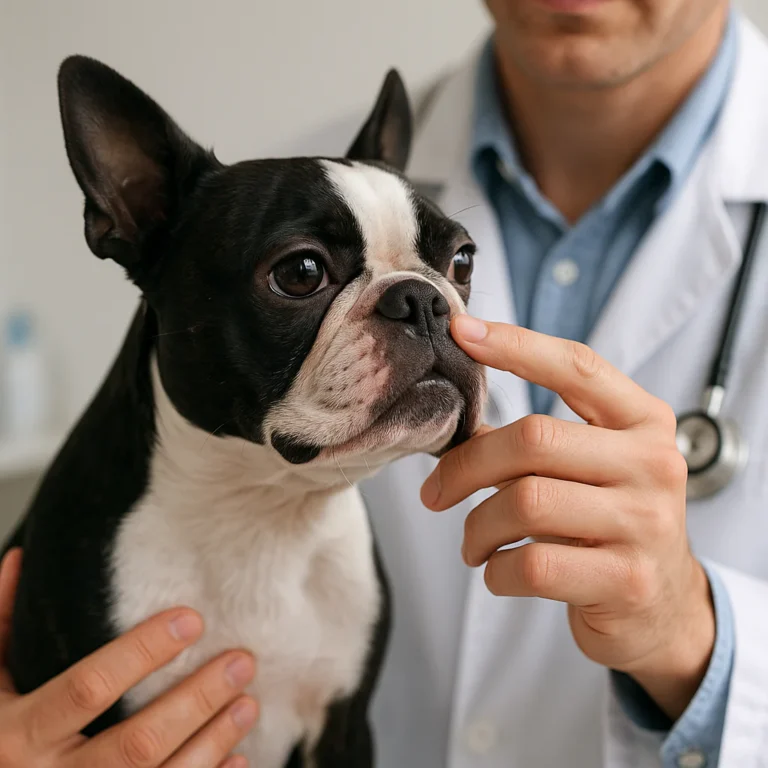
Meet Barnaby, the Boston Terier who once tried to “bark” at a leaf and ended up turning a shade of blue from lack of oxygen. It was a terrifying moment that taught us a hard truth: those adorable, tuxedo-clad “American Gentlemen” come with a unique set of vulnerabilities. While their snorty, snuggly nature makes them irresistible, their flat faces and compact bodies often lead to a specific list of medical challenges that every owner must understand.
In this comprehensive guide, we’re pulling back the curtain on the 12 most common health issues in Boston Teriers, from the infamous Brachycephalic Obstructive Airway Syndrome (BOAS) to the sneaky world of corneal ulcers and patellar luxation. We won’t just list the problems; we’ll share real-life stories from the Snubby Puppy™ pack, explain exactly what symptoms to watch for, and give you actionable, vet-approved strategies to keep your pup thriving. Did you know that over 95% of Boston Teriers require a C-section for birth? Or that their “cute” snorts can sometimes signal a life-threatening emergency? Keep reading to discover how to spot the red flags early and ensure your Boston lives a long, happy, and gas-free life.
Key Takeaways
- Respiratory vigilance is critical: Brachycephalic Obstructive Airway Syndrome (BOAS) is the most prevalent issue, requiring strict weight control and temperature management to prevent life-threatening distress.
- Eye care is non-negotiable: Due to their protruding eyes, Bostons are highly prone to corneal ulcers and cherry eye, necessitating daily inspection and immediate veterinary attention for any redness.
- Prevention beats cure: Regular genetic testing, maintaining a healthy weight, and scheduling annual wellness exams can significantly mitigate risks for patellar luxation, heart disease, and skin allergies.
- Heat sensitivity is extreme: These dogs cannot regulate body temperature efficiently; heatstroke can occur rapidly even on mild days, making cooling strategies essential.
- Diet impacts quality of life: A sensitive stomach and flatulence are common, often requiring specialized, limited-ingredient diets to manage skin and digestive health.
Table of Contents
- ⚡️ Quick Tips and Facts
- 📜 A Brief History of the Boston Terier: From Ratters to “American Gentlemen”
- 🚨 The Top 12 Most Common Health Issues in Boston Teriers
- 1. Brachycephalic Obstructive Airway Syndrome (BOAS)
- 2. Eye Conditions: Corneal Ulcers, Cataracts, and Cherry Eye
- 3. Skin Allergies and Dermatitis
- 4. Patellar Luxation: The Wobbly Knee
- 5. Dental Disease and Maloclusion
- 6. Heart Disease: Mitral Valve Disease
- 7. Neurological Disorders: Brain Tumors and Seizures
- 8. Heat Stroke and Temperature Sensitivity
- 9. Digestive Issues: Flatulence and Sensitivity
- 10. Hypothyroidism
- 1. Deafness and Hearing Loss
- 12. Birth Complications and C-Sections
- 👀 Early Warning Signs: When to Call the Vet Immediately
- 🛡️ Preventive Care: How to Keep Your Boston Terier Healthy for Years
- 🥗 Nutrition and Diet: Fueling a Sensitive Stomach
- 🏥 Essential Wellness Exams and Genetic Testing
- 💡 Real-Life Stories: What We Learned from Our Own Bostons
- ✅ Conclusion
- 🔗 Recommended Links
- ❓ FAQ: Frequently Asked Questions About Boston Terier Health
- 📚 Reference Links
⚡️ Quick Tips and Facts
Before we dive into the nitty-gritty of keeping your tuxedo-clad bestie healthy, let’s hit the rewind button on some common misconceptions. Boston Teriers are often called the “American Gentlemen” for their dapper look, but that flat face comes with a price tag we need to talk about.
Here is the Snubby Puppy™ cheat sheet for survival:
- ✅ The “Snort” is Not Cute (Always): While a little snort is part of their charm, heavy breathing, whezing, or gasping is a medical emergency. Never ignore respiratory distress.
- ✅ Heat is the Enemy: These dogs cannot regulate body temperature like other breeds. A 75°F (24°C) day can be dangerous if they are overexerted.
- ✅ Eyes on a Swivel: Their eyes are protruding and lack the bony protection of other breeds. A stray twig or a cat’s claw can cause a corneal ulcer in seconds.
- ✅ Birth is Rarely Natural: Due to their large heads and narrow hips, 95%+ of Boston Teriers require a C-section. If you plan to breed, this is non-negotiable.
- ✅ The “Gas” Factor: Their sensitive digestive tracts mean flatulence is common, but chronic gas often signals a food allergy or intolerance.
Did you know? Boston Teriers are one of the few breeds where deafness is linked to the piebald gene (the white markings). If your pup has a white head, get their hearing tested early!
For a deeper dive into their unique personality quirks and how they interact with the world, check out our guide on Boston Terier behavior.
📜 A Brief History of the Boston Terier: From Ratters to “American Gentlemen”

To understand the health issues of the Boston Terier, we have to look at their DNA. This breed wasn’t bred for a job like herding or hunting; they were bred for companionability and fighting (yes, the dark side of history).
In the late 180s, in Boston, Massachusetts, a dog named Judge (a mix of English Bulldog and White English Terier) was bred to create a smaller, more agile fighting dog. The result? A dog with the Bulldog’s courage but the Terier’s speed. Over time, the fighting aspect was phased out, and the “American Gentleman” was born.
The Genetic Trade-off:
The very features that make them adorable—the short muzzle, large eyes, and compact body—are the root of their health struggles. Breeders selected for these “snub nose” traits, inadvertently stacking the deck against their respiratory and skeletal systems.
Snubby Puppy™ Insight: We’ve found that understanding this history helps owners be more patient. When your Boston snorts while sleeping, it’s not being dramatic; it’s just their history catching up with them!
🚨 The Top 12 Most Common Health Issues in Boston Teriers
We’ve compiled a comprehensive list of the top 12 health hurdles your Boston might face. While not every dog will get all of these, knowing the signs is half the battle.
1. Brachycephalic Obstructive Airway Syndrome (BOAS)
This is the big one. BOAS isn’t a single disease; it’s a collection of anatomical defects caused by the short skull.
- Stenotic Nares: Nostrils that are too narrow to let enough air in.
- Elongated Soft Palate: The soft tissue at the back of the throat is too long, blocking the windpipe.
- Hypoplastic Trachea: The windpipe itself is too small.
Symptoms: Snoring, snorting, exercise intolerance, and in severe cases, cyanosis (blue gums) or collapse.
Management: Weight control is critical. Surgery (widening nostrils, shortening the palate) can be life-changing.
2. Eye Conditions: Corneal Ulcers, Cataracts, and Cherry Eye
Those big, round eyes are a magnet for trouble.
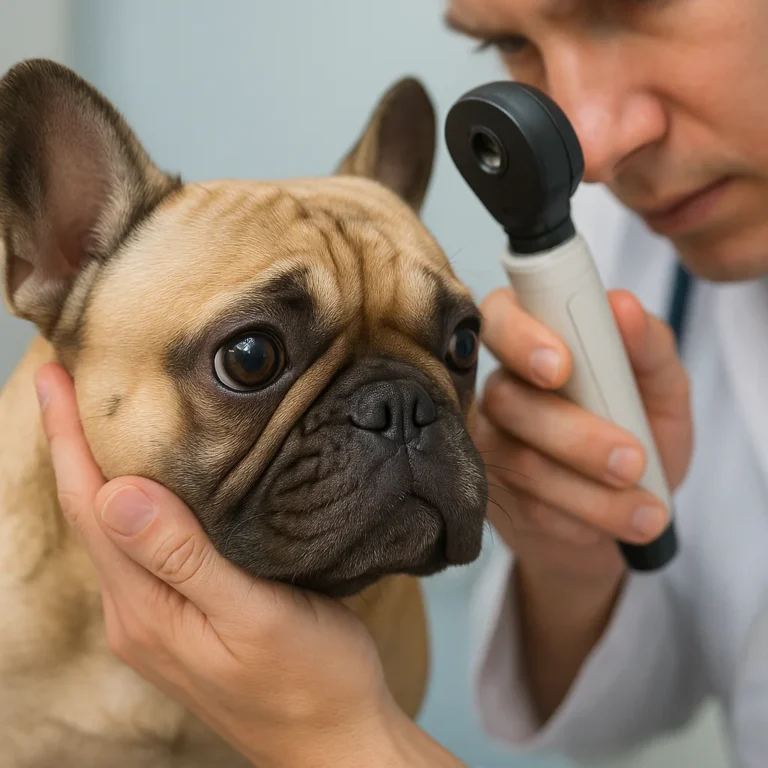
- Corneal Ulcers: A scratch on the eye surface. Because their eyes bulge, even a gentle rub against a bush can cause a deep ulcer. Pain is severe.
- Cherry Eye: The gland in the third eyelid pops out, looking like a red cherry. It needs surgical repositioning.
- Dry Eye (Keratoconjunctivitis Sica): The eye doesn’t produce enough tears, leading to chronic infection and ulcers.
3. Skin Allergies and Dermatitis
Bostons are notorious for atopic dermatitis. They react to pollen, dust mites, and certain foods.
- Signs: Licking paws until they are raw, red ears, and a “wet dog” smell even after a bath.
- The Itch Cycle: Itch -> Scratch -> Infection -> More Itch. Breaking this cycle requires vet intervention.
4. Patellar Luxation: The Wobbly Knee
The knecap (patella) slips out of its groove.
- Grades: Ranges from Grade 1 (occasional slip) to Grade 4 (permanent dislocation).
- Symptoms: The “skip” in their step. You might see them kick a leg out and hop on three legs for a few steps.
- Risk: Untreated luxation leads to arthritis and cruciate ligament tears.
5. Dental Disease and Maloclusion
Their jaws are crowded. With a short jaw and normal-sized teeth, there’s simply no room.
- Maloclusion: Teeth don’t align, causing trauma to the gums or tongue.
- Periodontal Disease: Tartar builds up rapidly, leading tooth loss and heart/kidney issues.
6. Heart Disease: Mitral Valve Disease
As Bostons age, the mitral valve (which separates the heart chambers) can weaken.
- Progression: Starts as a mur, progresses to a cough, and can lead to congestive heart failure.
- Detection: Annual vet checks with a stethoscope are vital.
7. Neurological Disorders: Brain Tumors and Seizures
Boston Teriers have a higher incidence of Meningiomas (brain tumors) and seizures (epilepsy).
- Signs: Circling, head tilting, sudden collapse, or unexplained staring spells.
- Hydrocephalus: “Water on the brain,” often seen in puppies, causing a domed skull and developmental delays.
8. Heat Stroke and Temperature Sensitivity
Because they can’t pant efficiently, they overheat fast.
- The Danger Zone: Temperatures above 75°F (24°C) can be dangerous during exercise.
- Symptoms: Excessive droling, bright red gums, vomiting, and collapse. This is a 91 emergency.
9. Digestive Issues: Flatulence and Sensitivity
The “farting machine” reputation is real.
- Causes: Food intolerances, eating too fast, or swallowing air (dyspnea).
- Management: Slow-feed bowls and high-quality, limited-ingredient diets.
10. Hypothyroidism
An underactive thyroid gland slows down metabolism.
- Symptoms: Weight gain despite normal eating, hair loss (especially on the tail and back), and lethargy.
- Treatment: Daily medication can manage this effectively.
1. Deafness and Hearing Loss
Linked to the piebald gene (white coat markings).
- Types: Can be unilateral (one ear) or bilateral (both ears).
- Management: Deaf dogs can live happy lives with hand signals and vibration collars.
12. Birth Complications and C-Sections
Due to the cephalopelvic disproportion (big head, small pelvis), natural birth is rare.
- Risk: Dystocia (difficult birth) can be fatal for both mother and puppies without a planned C-section.
👀 Early Warning Signs: When to Call the Vet Immediately
You know your dog best. If something feels “off,” trust your gut. However, these specific signs require imediate veterinary attention:
- Blue or Purple Gums: Indicates lack of oxygen. Call the vet now.
- Non-Stop Panting: If they are resting and still panting heavily, it’s a sign of pain or respiratory distress.
- Eye Cloudiness or Discharge: Do not wait. Corneal ulcers can perforate in 24 hours.
- Inability to Stand: Could indicate a slipped disc or severe neurological event.
- Seizures: If a seizure lasts longer than 3 minutes, or if they have multiple seizures in a row, it’s status epilepticus, which is fatal without treatment.
Snubby Puppy™ Tip: Keep a “Go-Bag” ready with a copy of your vet’s records, a muzzle (even for friendly dogs in pain), and a list of emergency contacts.
🛡️ Preventive Care: How to Keep Your Boston Terier Healthy for Years
Prevention is better than a $5,0 surgery. Here is our Snubby Puppy™ protocol for longevity:
1. Weight Management is Non-Negotiable
Every extra pound puts massive strain on a Boston’s airway and joints.
- Goal: You should be able to feel their ribs easily without pressing hard.
- Action: Measure their food. No free-feeding!
2. Temperature Control
- Summer: Walk early (5 AM) or late (8 PM). Use cooling mats and vests.
- Winter: They have short coats and low body fat. Coats are a must in freezing temps.
3. Regular Grooming and Eye Care
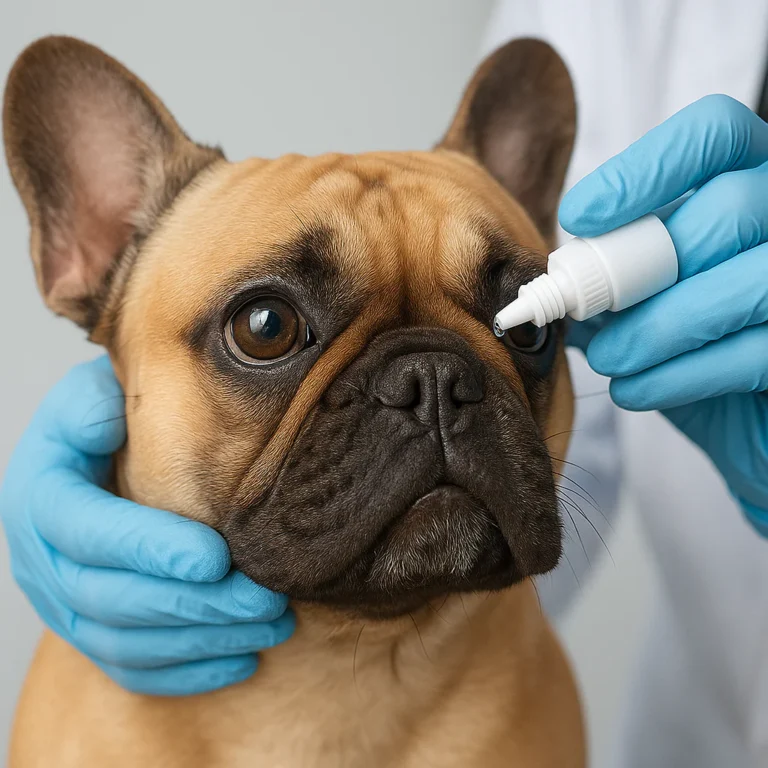
- Daily Eye Check: Wipe eyes with a damp cloth. Look for redness or discharge.
- Ear Cleaning: Check ears weekly for mites or infection.
- Skin Folds: Clean the facial wrinkles to prevent pyoderma (bacterial infection).
4. Exercise Smart, Not Hard
- Duration: 30-45 minutes of moderate activity per day.
- Type: Mental stimulation (puzzle toys) is just as tiring as physical exercise and safer for their lungs.
🥗 Nutrition and Diet: Fueling a Sensitive Stomach
Bostons often have sensitive tumies. Finding the right food can be a trial-and-error process, but it’s worth it to stop the gas and itching.
Key Dietary Considerations
- Limited Ingredient Diets: If allergies are suspected, try foods with a single protein source (e.g., duck or salmon) and a single carb.
- Hypoallergenic Options: Look for hydrolyzed protein diets if standard foods don’t work.
- Probiotics: Essential for gut health and reducing flatulence.
Recommended Brands & Products
We’ve tested dozens of foods with our own Bostons. Here are the ones that consistently get the green light:
- Hill’s Science Diet Sensitive Stomach & Skin: Great for dogs with food sensitivities.
- Royal Canin Boston Terier Adult: Formulated specifically for their jaw shape and coat.
- Purina Pro Plan Sensitive Skin & Stomach: A reliable grain-free option.
👉 CHECK PRICE on:
- Hill’s Science Diet: Amazon | Chewy | Hill’s Official
- Royal Canin Boston Terier: Amazon | Chewy | Royal Canin Official
- Purina Pro Plan Sensitive: Amazon | Chewy | Purina Official
Supplements for Joint and Eye Health
- Joint Support: Glucosamine and Chondroitin are vital for preventing arthritis.
Product: Dasuquin with MSM (Highly rated by vets). - Omega-3 Fatty Acids: Great for skin and coat.
Product: Nordic Naturals Omega-3 Pet.
🏥 Essential Wellness Exams and Genetic Testing
You can’t prevent what you don’t know about. Regular vet visits are the backbone of Boston Terier care.
The Annual Checklist
- Physical Exam: Checking heart murmurs, patellar stability, and eye health.
- Blood Work: Screening for thyroid issues, liver/kidney function, and Cushing’s disease.
- Dental Check: Professional cleaning if tartar is present.
Genetic Testing for Breeders and Owners
If you are buying a puppy, demand health clearances from the breder.
- OFA (Orthopedic Foundation for Animals): For hips, patellas, and heart.
- BAER Test: For hearing (deafness).
- Eye Exams: By a veterinary ophthalmologist (for cataracts, PRA, and cherry eye).
Snubby Puppy™ Insight: We once bought a puppy from a breder who skipped the eye exam. Two months later, our pup had a severe corneal ulcer that could have been prevented with better screening. Never skip the papers!
💡 Real-Life Stories: What We Learned from Our Own Bostons
We aren’t just writing this from a textbook; we live it. Here are two stories from the Snubby Puppy™ household.
The Case of “Barnaby’s” Cherry Eye
Barnaby was a happy 8-month-old until we noticed a red ball in his eye corner. We panicked. The vet confirmed Cherry Eye.
- The Fix: Surgery was performed to tuck the gland back in.
- The Lesson: We learned that early detection is key. If we had waited, the gland could have dried out and needed removal, which would have caused permanent dry eye. Now, we check his eyes every morning.
“Luna’s” Heat Stroke Scare
Luna loved to run. One 80°F day, she insisted on a long walk. By the time we got home, she was panting heavily and couldn’t stand.
- The Action: We immediately cooled her with wet towels and ice packs on her paws and called the emergency vet.
- The Outcome: She survived, but it was a terrifying lesson. We now never walk her when the temperature is above 75°F. We use a cooling vest and stick to indoor play.
The “Silent” Deafness
Our rescue, “Shadow,” had a white head. We didn’t think much of it until he didn’t respond to his name. A BAER test confirmed he was deaf in one ear.
- The Adaptation: We taught him hand signals. He is now the most attentive dog we’ve ever had.
- The Takeaway: Deafness isn’t a tragedy; it’s just a different way of communicating.
✅ Conclusion
Owning a Boston Terier is a joy, but it comes with a unique set of responsibilities. Their brachycephalic nature means they need an owner who is proactive, observant, and willing to invest in their health. From managing BOAS and eye care to navigating allergies and joint issues, the road to a long, happy life is paved with preventive care and love.
Remember, you are your dog’s best advocate. If something seems wrong, trust your instincts and call the vet. Don’t wait for the “perfect” time; with Bostons, time is often of the essence.
By staying informed, choosing a responsible breder, and providing the right diet and environment, you can ensure your “American Gentleman” thrives for many years. After all, they give us their whole hearts; the least we can do is give them the best care possible.
Ready to give your Boston the best life? Start with a vet check-up today and stock up on those essential supplies!
🔗 Recommended Links
Essential Products for Boston Terier Health:
- Cooling Vests:
- Ruffwear Swamp Cooler | Chewy | Ruffwear Official
- Slow Feed Bowls (for gas prevention):
- Outward Hound Fun Feder | Chewy | Outward Hound Official
- Eye Cleaning Wipes:
- Burt’s Bes for Dogs Eye Wipes | Chewy | Burt’s Bes Official
- Joint Supplements:
- Dasuquin with MSM | Chewy | Nutramax Labs Official
- Books on Boston Terier Care:
- The Boston Terier: Everything about Purchase, Care, Nutrition, Diseases, and Breding | Barnes & Noble
❓ FAQ: Frequently Asked Questions About Boston Terier Health

What are the best care practices for managing snub nose-related health issues in Boston Teriers?
The most critical practice is temperature management. Avoid exercise in heat, keep them indoors during hot weather, and ensure they have access to cool water. Regularly check their airway for signs of distress and maintain a healthy weight to reduce pressure on their respiratory system.
Do Boston Teriers have a higher risk of dental issues because of their facial structure?
Yes. Their short jaws result in crowded teeth, which trap food and plaque more easily than in longer-snouted breeds. This leads to rapid tartar buildup and periodontal disease. Daily brushing and annual professional cleanings are essential.
What skin conditions frequently affect snub-nosed dog breeds like Boston Teriers?
Atopic dermatitis (allergies) is the most common, causing itching and redness. Intertrigo (skin fold dermatitis) is also frequent in the facial wrinkles. Regular cleaning of the folds and identifying food or environmental triggers are key to management.
Are Boston Teriers prone to eye infections due to their snub noses?
Absolutely. Their protruding eyes are exposed and lack protection. They are prone to corneal ulcers, dry eye, and cherry eye. Daily inspection and prompt treatment of any redness or discharge are vital.
Read more about “🐾 Ultimate Bulldog Care & Health Guide (2026): 10 Secrets to a Happy Snout”
What respiratory problems are common in Boston Teriers?
The primary issue is Brachycephalic Obstructive Airway Syndrome (BOAS), which includes stenotic nares, elongated soft palate, and hypoplastic trachea. This leads to noisy breathing, snoring, and exercise intolerance.
Read more about “🐾 Are Boston Teriers Good Alone? The Honest Truth (2026)”
What are the most common breathing problems in Boston Teriers?
Snoring, snorting, and whezing are common. In severe cases, they may experience cyanosis (blue gums) or collapse due to lack of oxygen. These are signs of BOAS and require veterinary attention.
Read more about “🐾 Are Boston Teriers Easy to Train? 12 Pro Secrets Revealed (2026)”
How do I care for a Boston Terier with a flat face?
Focus on cooling, weight control, and low-impact exercise. Avoid hot and humid conditions. Use a harness instead of a collar to avoid pressure on the trachea. Monitor their breathing closely during any activity.
Read more about “🐾 15 Essential Puggle Dog Grooming Tips for 2026”
Are Boston Teriers prone to eye infections due to their snout shape?
Yes. The shape of their skull forces their eyes to protrude, making them vulnerable to trauma and infection. Conditions like corneal ulcers and dry eye are very common.
Read more about “🐾 10 Snub-Nosed Dog Diet Recommendations for 2026”
What dietary needs do brachycephalic dogs like Boston Teriers have?
They often need high-quality, easily digestible food to prevent gas and bloating. Limited ingredient diets can help manage allergies. Avoid foods with fillers that can cause digestive upset.
Read more about “🐾 French Bulldog Temperament: The Ultimate 2026 Guide to Their Snorty Soul”
How can I prevent heatstroke in my Boston Terier?
Never exercise them in hot weather. Keep them in air-conditioned environments. Use cooling mats and vests. Always provide fresh water. If they show signs of overheating (excessive panting, droling), cool them down immediately and seek vet care.
Read more about “🐾 How Much Exercise Does a Boston Terier Need Daily? (2026 Guide)”
Do Boston Teriers suffer from spinal issues related to their body structure?
Yes. They are prone to hemivertebrae (malformed spinal bones) and intervertebral disc disease (IVDD). Avoid activities that involve jumping from heights or excessive twisting.
What are the signs of brachycephalic obstructive airway syndrome in Boston Teriers?
Signs include noisy breathing, snoring, difficulty exercising, gaging, and in severe cases, collapse or blue gums. If you notice these, consult a vet immediately.
Read more about “🌬️ 12 Ways to Care for a Boston Terier’s Short Snout (2026)”
📚 Reference Links
- Long Beach Animal Hospital: Common Health Problems in Boston Teriers
- PDSA: Boston Terier Health and Care
- ManyPets: Common Health Problems in Boston Teriers
- American Kennel Club (AKC): Boston Terier Health
- Veterinary Partner: Brachycephalic Airway Syndrome
- Hill’s Pet Nutrition: Boston Terier Nutrition
- Royal Canin: Boston Terier Breed Profile
- Orthopedic Foundation for Animals (OFA): Breed Statistics