Support our educational content for free when you purchase through links on our site. Learn more
🐾 12-Step Snub Nosed Dog Training Guide (2026)

Ever tried teaching a French Bulldog to “stay” while he’s sounding like a tiny, whezing lawnmower? We’ve been there. At Snubby Puppy™, we’ve learned that training a snub-nosed dog isn’t about brute force or endless repetition; it’s about reading the subtle language of a dog whose anatomy is working against him. While other breeds might run laps to burn off energy, your flat-faced friend needs a different kind of workout—one that challenges the brain without overheating the lungs.
In this comprehensive guide, we’re diving deep into the unique world of brachycephalic training. We’ll uncover why your Pug might seem “stuborn” (spoiler: it’s often just fatigue), how to decode the difference between a happy snort and a distress signal, and the 12-step protocol we use to turn chaotic breathing sessions into focused, fun learning. From mastering the art of the 5-minute session to navigating the tricky waters of BOAS, you’ll discover exactly how to help your snub-nosed companion thrive without compromising their health.
Key Takeaways
- Prioritize Safety Over Speed: Heat and fatigue are the biggest enemies of snub-nosed training; always keep sessions under 5 minutes and monitor for respiratory distress.
- Mental > Physical: Focus on brain games and low-impact tricks rather than high-energy activities to prevent overheating and airway collapse.
- Decode the Signals: Learn to distinguish between normal snorting and BOAS distress signals like whezing or blue gums to act before an emergency occurs.
- Tailored Approach: Understand that anatomy dictates behavior; what looks like stubborness is often a physiological limitation requiring patience and accommodation.
- Weight is Critical: Maintaining a lean body condition is the single most effective way to improve breathing and training responsiveness.
Table of Contents
- ⚡️ Quick Tips and Facts
- 📜 The Brachycephalic Blueprint: History and Anatomy of Snub-Nosed Breds
- 🧠 Why Your Pug or Bulldog Acts Like a Toddler: Understanding the Brachycephalic Temperament
- 🏆 The Ultimate 12-Step Guide to Snub-Nosed Dog Training Success
- Mastering the Art of Short, Snappy Sessions
- Heat Safety First: Training in the Danger Zone
- The “Snort” Signal: Decoding Respiratory Distress
- Potty Training the Stuborn Flat-Face
- Leash Walking Without the Wheze
- Socialization for the Sensitive Snout
- Crate Training for the Anxious Brachycephalic
- Recall Training When Ears Are Too Short to Hear
- Teaching “Leave It” to Prevent Overheating
- Grooming as a Training Tool: Cleaning the Wrinkles
- Dietary Discipline: Managing Weight for Better Breathing
- Advanced Tricks: Mental Stimulation Without the Panting
- 🚫 Common Mistakes That Sabotage Your Flat-Faced Friend’s Progress
- 🌡️ BOAS and Training: Navigating Brachycephalic Obstructive Airway Syndrome
- 🍽️ Nutrition and Weight Management: The Secret to Easier Breathing and Learning
- 🛌 Sleep Training and Rest: Helping Your Dog Breathe Better at Night
- 🐾 Breed-Specific Training Nuances: Pugs, Frenchies, Bulldogs, and More
- 🧩 Mental Enrichment: Keeping Brains Busy When Bodies Can’t Run
- 🏥 When to Call the Vet: Red Flags During Training Sessions
- 🏁 Conclusion: Embracing the Unique Charm of the Snub Nose
- 🔗 Recommended Links
- ❓ FAQ: Your Burning Questions About Snub-Nosed Dog Training Answered
- 📚 Reference Links
⚡️ Quick Tips and Facts
Before we dive into the nitty-gritty of getting your flat-faced friend to sit, stay, or even just look at you without whezing, let’s hit the ground running with some Snub nosed dog training essentials. If you’ve ever tried to teach a Pug to “stay” while it’s panting like a tiny, furry engine, you know that standard training advice often falls flat.
Here is the Snubby Puppy™ reality check:
- 🌡️ Heat is the Enemy: Brachycephalic breeds (the fancy term for snub-nosed dogs) cannot regulate body temperature efficiently. Never train in temperatures above 75°F (24°C) for extended periods.
- ⏱️ Short & Sweet: Attention spans are short, but breathing capacity is shorter. Keep sessions under 5 minutes.
- 👃 The Snort Signal: A light snort is normal; a high-pitched wheze or gasping is a STOP signal immediately.
- 🧠 Mental > Physical: You don’t need a marathon runner; you need a brainiac. Focus on mental enrichment over physical exertion.
- 🐾 Weight Matters: Every extra pound makes breathing harder. Weight management is the first step in training success.
Did you know? According to the American Veterinary Medical Association, brachycephalic dogs are at a significantly higher risk for heatstroke than other breeds, making temperature awareness the most critical safety rule in your training toolkit.
📜 The Brachycephalic Blueprint: History and Anatomy of Snub-Nosed Breds

To train a dog, you must first understand why they are the way they are. The term brachycephalic comes from Greek, meaning “short head.” This isn’t just a cute aesthetic; it’s a radical anatomical restructuring that affects everything from their sleep to their ability to learn.
The Evolution of the Flat Face
Humans have been selectively breeding these dogs for centuries, originally for bull-baiting (Buldogs) and later for companionship (Pugs, Frenchies). We bred for shortened muzzles, large eyes, and wrinkled skin. But in doing so, we inadvertently created a respiratory bottleneck.
- Stenotic Nares: Narrow nostrils that restrict airflow.
- Elongated Soft Palate: The soft tissue at the back of the throat is too long for the shortened airway, blocking the trachea.
- Hypoplastic Trachea: The windpipe is often narrower than it should be.
This condition is collectively known as Brachycephalic Obstructive Airway Syndrome (BOAS). It means your dog is essentially trying to breathe through a straw while running a marathon.
Why Anatomy Dictates Training
When a dog struggles to breathe, their brain prioritizes survival over obedience. You can’t expect a dog to focus on “sit” when their brain is screaming “I can’t get oxygen!”
Pro Tip: If you own a Boston Terier, check out our deep dive on Boston Terier behavior to see how their specific history influences their stubborness.
For a deeper scientific look at the genetic and structural challenges, we highly recommend reading the comprehensive analysis on Optimal Selection regarding Snub-Nosed Dogs, BOAS, and RFGS.
🧠 Why Your Pug or Bulldog Acts Like a Toddler: Understanding the Brachycephalic Temperament
Ever feel like you’re raising a toddler instead of a dog? You’re not crazy. Many snub-nosed breeds are notorious for being stuborn, clingy, and sensitive.
The “Velcro” Factor
Breds like the French Bulldog and Pug were bred to be lap dogs. They crave constant human contact. This isn’t just affection; it’s a survival mechanism. They rely on us to regulate their environment because their own systems are compromised.
The Stuborn Streak
Is it stubborness, or is it fatigue? Often, what looks like defiance is actually your dog saying, “My brain is fogy from lack of oxygen, and I’m too tired to process this command.”
- Pugs: Often described as “clowns,” they are playful but can be easily distracted by their own snoring.
- French Bulldogs: Independent thinkers who will do a trick only if the treat is worth the effort.
- English Bulldogs: The ultimate chill guys, but they can be incredibly stubborn if they don’t want to move.
Understanding that their “bad behavior” is often a physiological limitation changes how we approach training. We stop punishing and start accomodating.
🏆 The Ultimate 12-Step Guide to Snub-Nosed Dog Training Success
Ready to get to work? This isn’t your average “sit-stay-down” guide. This is a specialized protocol designed for the unique physiology of the flat-faced dog.
1. Mastering the Art of Short, Snappy Sessions
The Rule: 5 minutes on, 10 minutes off.
The Why: Brachycephalic dogs fatigue rapidly. Long sessions lead to overheating and frustration.
The How:
- Set a timer.
- Do 3-4 repetitions of a command.
- Stop before the dog gets tired.
- End on a high note with a treat and a belly rub.
2. Heat Safety First: Training in the Danger Zone
The Rule: If it’s hot for you, it’s an oven for them.
The Why: They can’t pant efficiently to cool down.
The How:
- Train indoors with AC or fans.
- Train early morning or late evening in winter.
- Never train on hot pavement.
- Use a cooling mat like the K&H Pet Products Cooling Mat for post-session recovery.
3. The “Snort” Signal: Decoding Respiratory Distress
The Rule: Know the difference between a happy snort and a distress signal.
The Why: Ignoring distress can lead to a medical emergency.
The How:
- Normal: Soft snorting, rhythmic breathing.
- Distress: High-pitched whezing, open-mouth breathing while resting, blue/grey gums.
- Action: Stop immediately, move to a cool area, and offer water.
4. Potty Training the Stuborn Flat-Face
The Rule: Consistency is key, but patience is king.
The Why: Many flat-faced dogs are prone to anxiety, which leads to accidents.
The How:
- Establish a strict schedule.
- Use a crate (see Step 7) to leverage their natural den instinct.
- Reward heavily for going outside.
- Check for skin fold dermatitis in the genital area, which can cause discomfort and accidents.
5. Leash Walking Without the Wheze
The Rule: Loose leash, slow pace.
The Why: Pulling on a collar compresses the trachea.
The How:
- NEVER use a standard collar. Use a no-pull harness like the Ruffwear Front Range Harness.
- Walk at a “snail’s pace.”
- If they stop to pant, stop with them. Do not drag them.
6. Socialization for the Sensitive Snout
The Rule: Quality over quantity.
The Why: Overstimulation can cause stress-induced breathing issues.
The How:
- Introduce new people/dogs slowly.
- Watch for signs of stress (lip licking, yawning, turning away).
- Keep interactions short.
- Use positive reinforcement to build confidence.
7. Crate Training for the Anxious Brachycephalic
The Rule: The crate is a sanctuary, not a jail.
The Why: Many flat-faced dogs suffer from separation anxiety.
The How:
- Make the crate comfortable with orthopedic bedding.
- Feed meals in the crate.
- Ensure the crate is well-ventilated.
- Tip: Elevate the crate slightly to improve airflow if possible.
8. Recall Training When Ears Are Too Short to Hear
The Rule: High-value rewards and visual cues.
The Why: Some brachycephalic breeds have hearing issues or are easily distracted.
The How:
- Use a distinct sound (like a clicker or a specific whistle).
- Use hand signals alongside verbal commands.
- Reward with extra tasty treats (like freeze-dried liver).
9. Teaching “Leave It” to Prevent Overheating
The Rule: Stop them from eating things that cause choking or overheating.
The Why: Flat-faced dogs are prone to choking on toys or food.
The How:
- Start with low-value items.
- Practice in a cool environment.
- Use the “Leave It” command to prevent them from running in hot weather.
10. Grooming as a Training Tool: Cleaning the Wrinkles
The Rule: Desensitize them touch.
The Why: Cleaning wrinkles is essential to prevent infection, but many dogs hate it.
The How:
- Make it a game.
- Use gentle wipes like Earthbath All Natural Pet Wipes.
- Reward every time you touch their face.
1. Dietary Discipline: Managing Weight for Better Breathing
The Rule: Lean is mean (in a good way).
The Why: Excess weight puts pressure on the diaphragm and lungs.
The How:
- Measure food precisely.
- Avoid free-feeding.
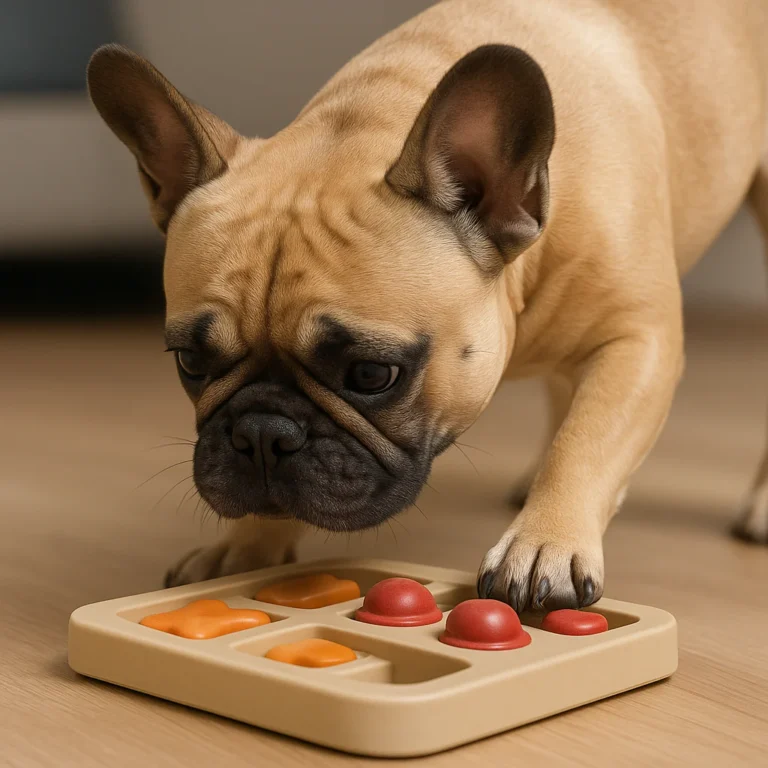
- Use puzzle feeders to slow down eating and reduce bloating.
- Consult your vet for a weight loss plan.
12. Advanced Tricks: Mental Stimulation Without the Panting
The Rule: Brain games > Physical games.
The Why: They need to burn energy without overheating.
The How:
- Teach “touch” (nose targeting).
- Use snuffle mats foraging.
- Practice “find it” with treats hidden in the house.
🚫 Common Mistakes That Sabotage Your Flat-Faced Friend’s Progress
Even the best intentions can go wrong. Here are the traps we’ve seen at Snubby Puppy™:
- ❌ Pushing Through Fatigue: “Just one more sit!” No. If they are panting, stop.
- ❌ Using Punishment: Yelling or physical correction increases stress, which constricts airways further.
- ❌ Ignoring the Environment: Training in a humid, hot room is a recipe for disaster.
- ❌ Overlooking BOAS: Assuming all snorts are normal. If it sounds like a vacuum cleaner, get a vet check.
- ❌ Inconsistent Commands: Using “Down” one day and “Lie” the next confuses an already stressed dog.
🌡️ BOAS and Training: Navigating Brachycephalic Obstructive Airway Syndrome
BOAS is the elephant in the room. You can’t train a dog with BOAS the same way you train a Border Collie.
Understanding the Severity
BOAS ranges from mild (snoring) to severe (cyanosis, collapse).
- Grade 1: Mild snoring, no exercise intolerance.
- Grade 2: Moderate snoring, some exercise intolerance.
- Grade 3: Severe snoring, significant exercise intolerance, potential collapse.
Training Adjustments for BOAS
- Monitor Heart Rate: If their heart rate stays elevated after a short session, they are overexerted.
- Hydration: Always have fresh, cool water available.
- Medication: Some dogs require anti-inflammatories or bronchodilators prescribed by a vet to help with training.
Important: If your dog has Grade 3 BOAS, agility and high-energy training are contraindicated. Focus on low-impact mental games.
🍽️ Nutrition and Weight Management: The Secret to Easier Breathing and Learning
A fat dog is a breathing dog. It’s that simple.
The Weight-Breathing Connection
Every pound of excess fat compresses the chest cavity, making it harder for the lungs to expand. For a snub-nosed dog, this is like trying to run with a backpack full of bricks.
Feding Strategies
- High-Quality Protein: Look for foods with named meat sources.
- Low Carbohydrate: Carbs can cause bloating and gas, which pushes against the diaphragm.
- Slow Feeders: Prevents gulping air (aerophagia), which causes bloating. Try the Outward Hound Fun Feder Slow Bowl.
👉 CHECK PRICE on:
- Slow Feeders: Amazon | Chewy | Petco
- Weight Management Food: Hill’s Science Diet | Royal Canin
🛌 Sleep Training and Rest: Helping Your Dog Breathe Better at Night
Did you know your dog might be struggling to breathe while they sleep? Sleep apnea is common in brachycephalic breeds.
Creating the Perfect Sleep Environment
- Elevated Sleeping: Use a wedge pillow to keep the head elevated. This opens the airway.
- Cool Room: Keep the bedroom cool (65-68°F).
- White Noise: Can help mask sudden sounds that might startle them awake.
Signs of Sleep Distress
- Gasping for air.
- Restless tossing and turning.
- Snoring that sounds like choking.
If you notice these signs, consult your vet. They may recommend surgery (like widening the nares) or CPAP therapy for dogs.
🐾 Breed-Specific Training Nuances: Pugs, Frenchies, Bulldogs, and More
Not all snub-nosed dogs are the same. Here’s how to tailor your approach:
🐶 The Pug
- Personality: Clownish, affectionate, food-motivated.
- Training Tip: Use food rewards generously. They are eager to please but easily distracted by their own silliness.
- Challenge: Prone to overheating quickly.
🐶 The French Bulldog
- Personality: Independent, stubborn, funny.
- Training Tip: Keep it fun. If they get bored, they stop. Use a “game” approach.
- Challenge: Can be very stubborn. Consistency is key.
🐶 The English Bulldog
- Personality: Calm, dignified, lazy.
- Training Tip: Patience. They move at their own pace. Don’t rush them.
- Challenge: Extreme stubborness. They will do exactly what they want.
🐶 The Boston Terier
- Personality: Energetic, intelligent, alert.
- Training Tip: They are the “athletes” of the snub-nosed world. They can handle slightly more activity but still need heat precautions.
- Challenge: High energy can lead to over-exertion.
🧩 Mental Enrichment: Keeping Brains Busy When Bodies Can’t Run
Since we can’t run marathons, let’s run marathons of the mind!
Top Mental Games
- Nose Work: Hide treats around the house and let them sniff them out.
- Puzzle Toys: Use the Nina Ottoson Dog Brick to make them work for treats.
- Trick Training: Teach “spin,” “shake,” or “play dead.”
- Scent Games: Use a snuffle mat for mealtime.
The “Touch” Command (Nose Targeting)
This is a game-changer. Teaching your dog touch your hand with their nose is a low-impact way to build focus and bond.
Video Insight: In the featured video above, you can see how nose targeting is taught. It’s a versatile skill that strengthens the bond and can be used to guide your dog without physical force. Start by presenting your hand and rewarding the investigation. Once they get it, vary the position and distance. This is perfect for agility training and general obedience without the heavy breathing.
🏥 When to Call the Vet: Red Flags During Training Sessions
Training should never be a medical emergency. Know the signs:
- Blue/Grey Gums: Indicates lack of oxygen. EMERGENCY.
- Collapse: Dog falls over and can’t get up.
- Excessive Droling: Can indicate heatstroke or nausea.
- Vomiting: Especially if accompanied by panting.
- Noisy Breathing: If the noise changes from a snort to a wheze or gasp.
Action Plan:
- Stop immediately.
- Move to a cool, shaded area.
- Offer small sips of water.
- Call your vet or the nearest emergency animal hospital.
🏁 Conclusion: Embracing the Unique Charm of the Snub Nose

Training a snub-nosed dog is a journey of patience, observation, and love. It requires us to slow down, to listen to the subtle cues of our breathing companions, and to celebrate their unique quirks. Yes, they snort, yes, they wheze, and yes, they might be a bit stubborn. But they are also the most affectionate, funny, and loyal friends you’ll ever have.
Remember, the goal isn’t to turn your Pug into a Border Collie. The goal is to help your flat-faced friend live their best life, one short, snappy training session at a time. By understanding their anatomy, respecting their limits, and focusing on mental enrichment, you’ll build a bond that transcends the need for perfect obedience.
So, grab those treats, check the temperature, and let’s get training!
🔗 Recommended Links
Here are some essential products and resources to help you on your snub-nosed training journey:
- Cooling Mats:
- K&H Pet Products Cooling Mat
- Chewy Cooling Mats
- No-Pull Harnesses:
- Ruffwear Front Range Harness
- Easy Walk Harness
- Slow Feeders:
- Outward Hound Fun Feder Slow Bowl
- Trixie Activity Puzzle
- Books:
- The Art of Raising a Puppy by the Monks of New Skete
- Brachycephalic Dogs: A Guide to Care and Training
❓ FAQ: Your Burning Questions About Snub-Nosed Dog Training Answered
How does the snub nose affect a dog’s behavior and training needs?
The snub nose causes Brachycephalic Obstructive Airway Syndrome (BOAS), which limits oxygen intake. This leads to quicker fatigue, lower tolerance for heat, and a tendency to prioritize breathing over complex commands. Training must be shorter, cooler, and focused on mental rather than physical exertion.
Read more about “How Do I Choose the Right Snub-Nosed Puppy for My Family? 🐾 (2026)”
What are the most effective commands for snub nosed dogs?
Commands that require minimal physical exertion are best. “Touch” (nose targeting), “Look”, “Leave It”, and “Stay” (short duration) are highly effective. Avoid commands that require jumping or running.
Read more about “🐶 What is a Peekaboo Puppy? The Ultimate 2026 Guide”
How early should you start training a snub nosed puppy?
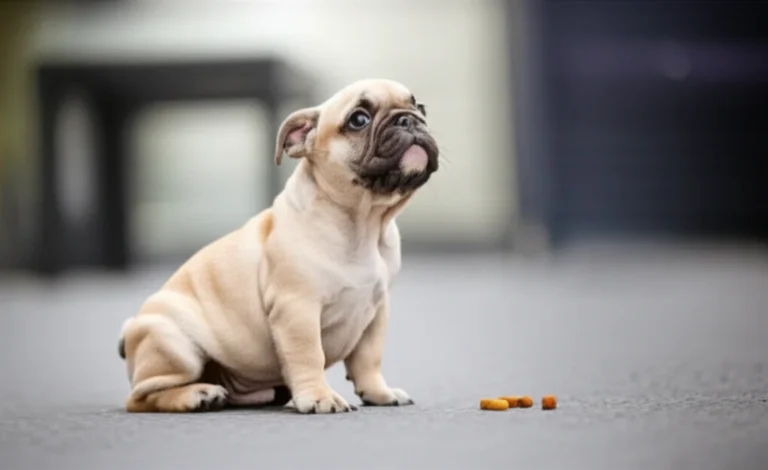
Start as soon as you bring them home, usually around 8 weeks. However, keep sessions extremely short (2-3 minutes) and focus on socialization and desensitization to handling.
Read more about “🐾 How Often Should I Exercise My Boston Terier? (2026 Guide)”
Can snub nosed dogs be trained for obedience and agility?
They can excel in low-impact obedience and rally. Traditional agility (jumping, weaving) is often dangerous due to the risk of overheating and airway collapse. Modified agility with no jumps is possible for some breeds like Boston Teriers, but always consult a vet first.
What challenges are common when training snub nosed dogs?
Common challenges include overheating, stuborness (often due to fatigue), distraction from breathing noises, and anxiety. They may also be prone to skin fold infections which can cause discomfort during training.
Read more about “🐾 10 Safe & Fun Snub-Nosed Dog Activities (2026)”
How do snub nosed dogs differ in training compared to other breeds?
They require shorter sessions, coler environments, and more frequent breaks. They are less motivated by physical activity and more by food and mental challenges. Punishment-based training is ineffective and dangerous due to stress-induced breathing issues.
Read more about “🧠 7 Low-Impact Mental Enrichment Hacks for Brachycephalic Dogs (2026)”
What are the best training techniques for snub nosed dogs?
Positive reinforcement is the gold standard. Use high-value treats, keep sessions short, and focus on mental enrichment (puzzle toys, nose work). Clicker training works well for marking desired behaviors without physical force.
Read more about “Your Snub-Nosed Dog Guide: 10 Breeds & Care Tips! ✨ (2026)”
How do I train a snub nosed dog to stop panting excessively?
You can’t train them to stop panting naturally, as it’s their primary cooling mechanism. However, you can train them to rest when they start panting heavily. If panting is excessive at rest, it indicates a medical issue (BOAS, heatstroke) and requires a vet.
Read more about “How Often Should I Exercise My Boston Terrier? 🐾 (2026 Guide)”
What are the best training techniques for brachycephalic breeds?
Focus on low-impact activities, environmental management (cooling mats, AC), and mental stimulation. Use hand signals to reduce the need for verbal commands that might cause them to pant.
Read more about “💸 The True Cost of Owning a Snub-Nosed Dog (2026)”
How often should I train a snub nose dog in hot weather?
Avoid training in hot weather entirely. If you must, do it early morning or late evening, keep sessions under 5 minutes, and ensure the dog is in a cool, shaded area. Monitor for signs of distress constantly.
Read more about “🐶 15 Dog Breds with Flat Faces: The Ultimate 2026 Guide”
Can snub nosed dogs learn complex tricks easily?
Yes, they are often very intelligent and eager to please. However, they may tire quickly. Break complex tricks into small, manageable steps and reward frequently.
What are common behavioral problems in snub nose dogs?
Separation anxiety, resource guarding, stuborness, and excessive barking are common. These are often exacerbated by their inability to regulate their environment and their high attachment to owners.
Read more about “🌬️ 12 Ways to Care for a Boston Terier’s Short Snout (2026)”
How do I house train a snub nosed puppy effectively?
Establish a strict schedule, use a crate, and reward heavily for going outside. Be patient, as they may have accidents due to anxiety or physical discomfort. Check for skin fold infections that might cause pain.
Read more about “How Can I Train a Snubby Puppy Effectively? 🐾 Your Ultimate 2026 Guide”
Are snub nosed dogs harder to train than other breeds?
Not necessarily “harder,” but different. They require a more tailored approach that accounts for their physical limitations. With the right techniques, they can be just as well-trained as any other breed.
Read more about “🐶 What Are Short Nose Dog Breds? Top 15 Flattest Faces (2026)”
📚 Reference Links
- American Veterinary Medical Association (AVMA): Brachycephalic Dogs
- SNORT Rescue: SNORT Mission and Education
- Optimal Selection: Snub-Nosed Dogs, BOAS, and RFGS
- Royal Canin: Brachycephalic Breed Care
- Hill’s Pet Nutrition: Brachycephalic Dog Health
- Ruffwear: Harness Guide for Flat-Faced Breds