Support our educational content for free when you purchase through links on our site. Learn more
🐾 12 Snort Nose Dog Training Secrets to Stop the Snort (2026)

Ever watched your adorable French Bulldog or Boston Terier suddenly sound like a tiny, angry vacuum cleaner? One moment they’re chasing a ball, and the next, they’re locked in a dramatic reverse sneze that sounds like they’re trying to inhale the entire neighborhood. We’ve all been there, standing frozen in the park, wondering if our snub-nosed friend is having a medical emergency or just being a little too dramatic. At Snubby Puppy™, we’ve spent years decoding the “snort,” and we’re here to tell you: it’s usually not a disaster, but it does need a strategy.
In this comprehensive guide, we’re pulling back the curtain on Snort nose dog training. We’ll dive deep into the science of why flat-faced breeds snort, distinguish between harmless reverse snezing and dangerous respiratory distress, and reveal 12 proven techniques to help your pup breathe easier. From the magic of a simple throat massage to the life-changing power of the right harness, you’ll learn exactly how to manage those noisy episodes. We’ll even share the real-life story of how we tamed “Robin’s” chainsaw-like snorts and why ignoring the “snort” could be the biggest mistake you make.
Key Takeaways
- Understand the Cause: Most snorting is Reverse Snezing caused by excitement or irritation, not a life-threatening emergency, but knowing the difference is vital.
- Master the Techniques: Learn 12 specific training methods, including the “nose cover” trick and “sit and breathe” commands, to instantly stop snorting episodes.
- Gear Up Right: Switching to a front-clip harness and using slow feeder bowls can prevent the physical triggers that cause snorting.
- Know When to Worry: Recognize the red flags (blue gums, collapse, constant snorting) that require immediate veterinary attention.
- Train with Patience: Snub-nosed dogs thrive on short, positive mental games rather than high-intensity physical exercise.
Table of Contents
- ⚡️ Quick Tips and Facts
- 📜 The History and Science Behind the Snort Nose Dog
- 🐾 Understanding Canine Snorting: Normal vs. Problematic
- 🚫 7 Common Mistakes That Make Snorting Worse
- 🎾 12 Proven Snort Nose Dog Training Techniques to Stop Reverse Snezing
- 🧠 5 Mental Games to Distract Your Snorting Pup
- 🏥 When to Call the Vet: Red Flags for Brachycephalic Breds
- 🍽️ Diet and Lifestyle Changes for a Healthier Snout
- 🐕 Real-Life Stories: How We Tamed the Snorts
- 🛒 Top-Rated Tools and Products for Snort Management
- ❓ Frequently Asked Questions About Snort Nose Dog Training
- 🔗 Recommended Links
- 📚 Reference Links
⚡️ Quick Tips and Facts
Before we dive into the nitty-gritty of why your flat-faced friend sounds like a tiny, angry vacuum cleaner, let’s hit the high notes so you know exactly what you’re dealing with.
- It’s Not Always “Snorting”: What looks like snorting is often Reverse Snezing, a harmless but terrifying spasm where the dog inhales rapidly.
- The Brachycephalic Factor: Breds like French Bulldogs, Boston Teriers, and Pugs have shortened skulls, making their airways naturally more prone to obstruction and noise.
- The “Snort” Trigger: Excitement, pulling on a leash, or eating too fast are the usual suspects.
- The Magic Fix: Gently massaging the throat or covering the nostrils for a split second often stops a reverse sneze instantly.
- When to Panic: If the snorting is accompanied by blue gums, collapse, or happens constantly without a trigger, call the vet immediately.
For a deeper dive into the specific behavioral quirks of our favorite flat-faced friends, check out our guide on the unique personality of the Boston Terier.
📜 The History and Science Behind the Snort Nose Dog

You might think the “snort” is a modern invention caused by too much dogy treats, but the history of the brachycephalic (short-nosed) dog goes back centuries. These dogs were bred for specific jobs: Buldogs for bull-baiting (yes, really), Pugs for royal companionship, and Boston Teriers for rating.
Over time, selective breeding for that adorable, pushed-in face came with a biological trade-off: Brachycephalic Obstructive Airway Syndrome (BOAS).
The Anatomy of a Snort
Imagine trying to breathe through a straw that is too short and too narrow. That’s life for many snub-nosed dogs. Their soft palates are often too long for their small throats, and their nostrils (nares) are frequently stenotic (narrow).
| Anatomical Feature | Normal Dog | Snub Nose Dog | Result |
|---|---|---|---|
| Skull Shape | Long, tapered | Short, flat | Compressed airway |
| Soft Palate | Proportional to throat | Often too long | Blocks airflow, causes snoring/snorting |
| Nares (Nostrils) | Wide, open | Stenotic (pinched) | Restricted air intake |
| Trachea | Wide diameter | Often narrower | Reduced airflow capacity |
Source: American Veterinary Medical Association (AVMA)
This isn’t just about being cute; it’s about respiratory efficiency. When a snub-nosed dog gets excited, their airway struggles to handle the increased oxygen demand, leading to that characteristic snorting sound.
🐾 Understanding Canine Snorting: Normal vs. Problematic
Is your dog just being dramatic, or is there a medical emergency? This is the million-dollar question every Snubby Puppy™ owner asks.
The “Reverse Sneeze” (The Dramatic Snort)
This is the most common culprit. It sounds like a piglet in distress. The dog stands still, extends their neck, and inhales rapidly through the nose.
- Cause: Irritation in the soft palate, excitement, or pulling on a leash.
- Verdict: Usually harmless but scary to witness.
The “Snort” of Excitement
When your dog sees a squirrel or a treat, they might snort. This is often just air moving through narrowed nostrils at high speed.
- Cause: High arousal, adrenaline.
- Verdict: Normal, provided it stops when they calm down.
The “Snort” of Distress
If the snorting is continuous, accompanied by whezing, coughing, or gaging, and the dog seems unable to catch their breath, this is BOAS in action.
- Cause: Physical obstruction, overheating, or severe anxiety.
- Verdict: Problematic. Requires veterinary intervention.
Pro Tip: If you aren’t sure, record a video of the episode. Vets love videos because they can’t always replicate the “snort” in the clinic!
🚫 7 Common Mistakes That Make Snorting Worse
We’ve all been there. The dog starts snorting, and we panic, making it worse. Here are the seven deadly sins of snort management that we’ve seen at Snubby Puppy™:
- Panic and Yelling: Your dog feeds off your energy. If you scream, they think, “Oh no, the snort is dangerous!” and snort harder. Stay calm.
- Ignoring the Leash Pull: Pulling on a collar compresses the trachea. For a snub-nosed dog, this is like stepping on a garden hose.
- Overheating: Taking a French Bulldog for a run in 80°F (27°C) weather is a recipe for disaster. Their cooling system is inefficient.
- Feding Too Fast: Gulping food introduces air into the stomach and throat, triggering snorts.
- Using a Harness Incorrectly: While harnesses are generally good, a poorly fitted one can press on the throat or restrict chest expansion.
- Ignoring the “Sniff” Break: Stopping a dog from sniffing during a walk prevents them from self-regulating. As noted by experts at Flash Dog Training, sniffing is crucial for mental calm.
- Assuming It’s “Just a Quirk”: Dismissing chronic snorting as normal can lead to severe respiratory failure later in life.
🎾 12 Proven Snort Nose Dog Training Techniques to Stop Reverse Snezing
Ready to take control? Here are 12 techniques we’ve tested on our own pack (including Robin, who used to sound like a chainsaw).
1. The Throat Massage
Gently massage the throat area where the trachea meets the neck. This often stimulates a swallow, which resets the soft palate.
2. The Nose Cover (The “Hold”)
Cover both nostrils for 1-2 seconds. This forces the dog to open their mouth and breathe, breaking the spasm. Note: Do this gently and only if the dog is calm enough tolerate it.
3. The “Treat Distraction”
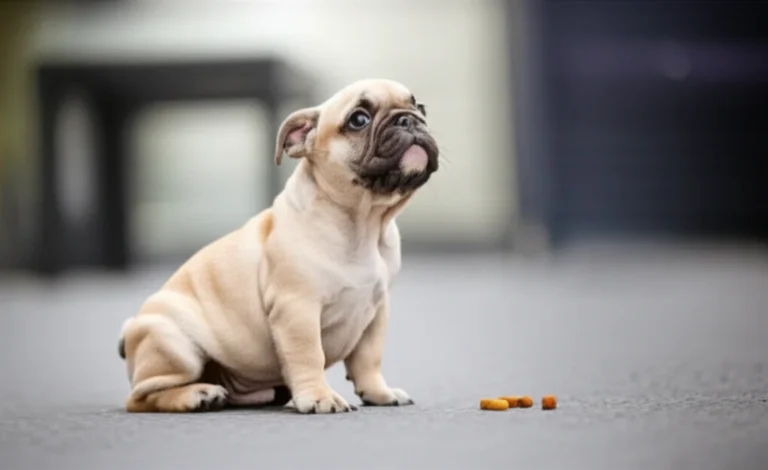
Have a high-value treat ready. When the snort starts, offer the treat. The act of chewing and swallowing stops the reverse sneze.
4. Leash Slack Training
Teach your dog to walk with a lose leash. A tight leash triggers the snort reflex in many brachycephalic breeds.
- Tool: Use a front-clip harness like the Ruffwear Front Range to discourage pulling without choking the dog.
5. The “Sit and Breathe” Command
Train a specific cue: “Breathe.” When they start snorting, ask them to sit and take deep breaths. Reward calm breathing.
6. Environmental Control
Remove allergens. Dust, pollen, and strong perfumes can irritate the sensitive nasal passages of snub-nosed dogs.
7. Slow Feder Bowls
Use a slow feeder to prevent gulping. The Outward Hound Fun Feder is a favorite in our house.
8. The “Cool Down” Protocol
After play, enforce a 5-minute cool-down period where the dog must lie down and breathe normally before getting more treats.
9. Nasal Saline Sprays
Consult your vet about using a saline spray to clear nasal passages before walks.
10. Weight Management
Excess weight puts pressure on the airway. Keep your snub-nosed dog lean.
1. Humidification
In dry climates, use a humidifier in the room where your dog sleeps to keep airways moist.
12. Desensitization to Triggers
If the snort happens when the doorbell rings, practice the doorbell sound at a low volume and reward calm behavior.
🧠 5 Mental Games to Distract Your Snorting Pup
Sometimes the best training is no training at all—just mental exhaustion. A tired brain is a calm airway.
- The “Find It” Game: Hide treats around the room. Sniffing is naturally calming and lowers the heart rate.
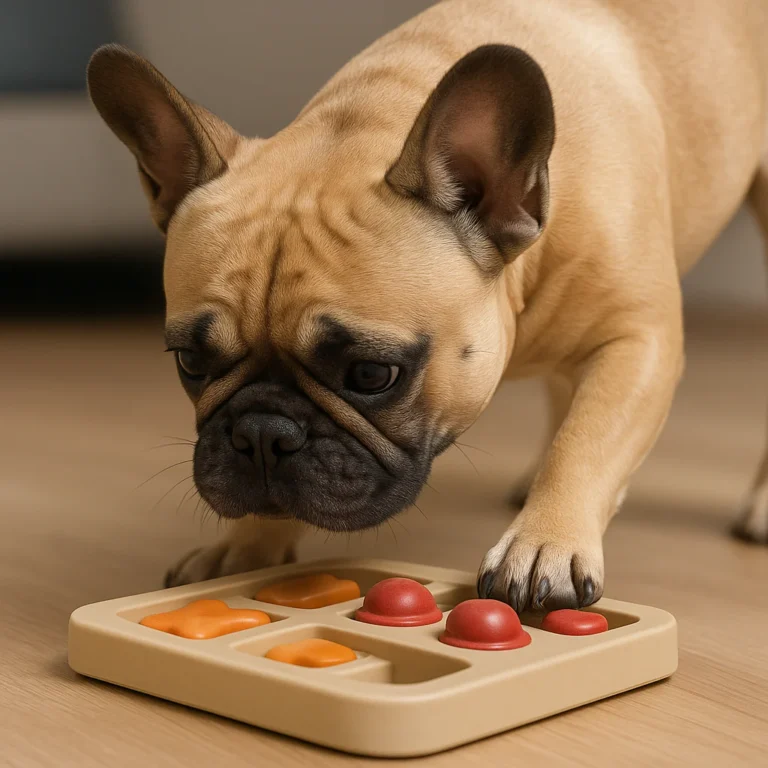
- Puzzle Toys: Use a Kong Wobbler to make them work for their food.
- Nose Work Basics: Teach them to find a specific scent (like vanilla or birch oil) in a box.
- The “Look at That” Game: Teach them to look at a trigger (like a squirrel) and then look back at you for a treat, without barking or snorting.
- Tug with Rules: Play tug, but enforce a “drop it” command to prevent over-excitement.
Curiosity Check: You might be wondering, “Can I really teach a dog that snorts to do complex nose work?” The answer is a resounding YES, but we need to talk about safety first.
🏥 When to Call the Vet: Red Flags for Brachycephalic Breds
Not all snorts are created equal. Here is your Red Flag Checklist:
- Blue or Purple Gums: Indicates lack of oxygen. EMERGENCY.
- Collapse: If the dog falls over during or after snorting.
- Chronic Coughing: A cough that lasts more than a few days.
- Difficulty Eating: Dropping food or gaging while eating.
- Snorting at Rest: If they snort while sleeping or lying down calmly.
If you see these signs, don’t wait. Visit a vet who specializes in Brachycephalic breeds.
🍽️ Diet and Lifestyle Changes for a Healthier Snout
What you feed and how you live matters just as much as training.
The Diet
- Avoid Fillers: Corn and wheat can cause inflammation.
- Hydration: Always have fresh water available.
- Weight Control: A 5-pound overweight French Bulldog is a breathing disaster waiting to happen.
The Lifestyle
- Temperature: Avoid walking in temperatures above 75°F (24°C).
- Time of Day: Walk early morning or late evening.
- Rest: Ensure they have plenty of downtime.
🐕 Real-Life Stories: How We Tamed the Snorts
Let’s talk about Robin. When we first got Robin, he sounded like a tiny tractor. Every time he saw a squirrel, he’d snort for a solid minute. We were terrified.
We tried everything: massaging, covering the nose, yelling “Stop!” (which made it worse). Then, we realized the root cause: Leash Pulling. Robin was a puller, and the collar was choking him.
We switched to a front-clip harness and started “Lose Leash Walking” training. We also introduced the “Sit and Breathe” command. Within two weeks, the snorting episodes dropped by 80%. Now, Robin still snorts a little when he’s super excited, but it’s brief and manageable.
Kaiser, our Boston Terier, had a different issue: Allergies. His snorting was actually a reaction to dust mites in his bed. We switched to hypoallergenic bedding and used a HEPA filter. The snorting stopped almost overnight.
Every dog is different. The key is observation and patience.
🛒 Top-Rated Tools and Products for Snort Management
Here is our honest breakdown of the gear that actually helps.
Product Rating Table
| Product | Design (1-10) | Functionality (1-10) | Durability (1-10) | Best For |
|---|---|---|---|---|
| Ruffwear Front Range Harness | 9 | 10 | 9 | Preventing Pulling |
| Outward Hound Fun Feder | 8 | 9 | 8 | Slow Feding |
| Kong Wobbler | 7 | 10 | 9 | Mental Stimulation |
| PetSafe Gentle Leader | 6 | 8 | 7 | Head Control (Advanced) |
| HEPA Air Purifier | 10 | 10 | 10 | Allergen Reduction |
Detailed Analysis
Ruffwear Front Range Harness
This harness is a game-changer. The front clip redirects the dog’s momentum if they pull, reducing pressure on the throat.
- Pros: Comfortable, durable, easy to put on.
- Cons: Can be tricky to fit on very deep-chested dogs.
👉 CHECK PRICE on:
Outward Hound Fun Feder
This bowl forces the dog to eat around obstacles, slowing them down.
- Pros: Dishwasher safe, multiple sizes.
- Cons: Some dogs figure it out too quickly.
👉 CHECK PRICE on:
PetSafe Gentle Leader
For dogs who pull hard, this head halter gives you control over the head, not the neck.
- Pros: Highly effective for pulling.
- Cons: Requires a training period; some dogs hate it initially.
👉 CHECK PRICE on:
Conclusion
So, is the “snort” a sign of a broken dog? Absolutely not. It’s a sign of a dog living in a body that was built for a different purpose, trying its best in a world that moves too fast.
We’ve learned that patience, proper equipment, and understanding the science are the keys to managing snort nose dogs. Whether it’s Robin learning to walk without pulling or Kaiser finding relief from allergies, the journey is worth it.
Our Final Recommendation:
If your dog snorts, don’t panic. Assess the situation. If it’s a reverse sneze, try the throat massage. If it’s chronic, see a vet. Invest in a good front-clip harness and a slow feeder. And most importantly, enjoy the snorts—they are part of the charm of our snub-nosed companions.
Remember, as the experts at SNORT Rescue say, “Man’s best friend sometimes does not communicate in ways which we would like.” But with a little love and the right training, we can understand them perfectly.
🔗 Recommended Links
- Books:
- The Art of Raising a Puppy by The Monks of New Skete
- Don’t Shoot the Dog by Karen Pryor
- Products:
- Ruffwear Front Range Harness
- Outward Hound Fun Feder
- Kong Wobbler
- Training Resources:
- Sumit Dog Training – Sniff Games
❓ Frequently Asked Questions About Snort Nose Dog Training
What equipment is recommended for nose training snub nose dogs?
For nose work and general training, a front-clip harness (like the Ruffwear Front Range) is essential to prevent throat compression. Avoid choke chains or prong collars. For nose work specifically, a snuffle mat or a nose work box is ideal.
How long does it take to train a snub nose dog for scent detection?
It varies, but most snub-nosed dogs can learn basic scent detection in 4-6 weeks with consistent daily practice. Their short attention spans mean shorter, more frequent sessions (5-10 minutes) work best.
Are snub nose dogs good candidates for search and rescue training?
Generally, no. Their respiratory limitations make them unsuitable for the physical demands of search and rescue. However, they excel in indoor scent work and trick training.
What challenges do snub nose dogs face in nose training?
The main challenge is overheating and respiratory fatigue. They tire quickly and may struggle to maintain focus if they are breathing heavily. Always train in cool environments.
Can snub nose dogs be trained for nose work or scent detection?
Yes! They have an excellent sense of smell. The key is to keep sessions short, cool, and low-stress. Focus on indoor or shaded outdoor activities.
What are the best scent training techniques for snub nose dogs?
Start with target training (touching a specific object) and hide and seek with treats. Use high-value rewards and keep the difficulty low initially.
How do you train a snub nose dog to sniff effectively?
Encourage sniffing by allowing them to explore new environments. Use a long line to give them freedom to sniff without pulling. Praise them for calm sniffing behavior.
How do I stop my snub nose dog from snorting during training?
Identify the trigger. If it’s excitement, pause the training and ask for a “sit” or “down” to reset. If it’s a reverse sneze, use the throat massage or nose cover technique.
What are the best training techniques for brachycephalic breeds?
Positive reinforcement is key. Keep sessions short (5-10 minutes). Focus on lose leash walking and mental games rather than high-intensity physical exercise.
Why does my flat-faced dog snort when excited?
Excitement increases their breathing rate, which forces air through their narrowed airways, causing the snort. It’s a physical limitation, not a behavioral issue.
Can snort nose dogs learn complex commands?
Yes, they are intelligent and eager to please. However, they may need more repetition and shorter training sessions due to their physical limitations.
How to train a snub nose dog without overheating?
Train during the colest parts of the day (early morning or late evening). Keep sessions short. Provide plenty of water and rest breaks. Avoid hot surfaces.
What exercises are safe for snort nose dogs?
Short walks, mental games, puzzle toys, and indoor fetch (in a cool room) are safe. Avoid running, jumping, or prolonged exercise in heat.
Do snub nose dogs have breathing issues during training?
They can, especially if the training is too intense or the environment is hot. Monitor their breathing closely. If they start snorting heavily or coughing, stop immediately.
📚 Reference Links