Support our educational content for free when you purchase through links on our site. Learn more
🎓 Train Your Boston Terier: 7 Golden Rules for Perfect Behavior (2026)

To train a Boston Terier to behave well and listen to commands, you must ditch the old-school “alpha” tactics and embrace short, positive, and consistent sessions that turn learning into a high-value game. When you ask how do I train a Boston terier to behave well and listen to commands?, the answer lies in understanding their unique blend of stubborn intelligence and deep desire to please.
These “American Gentlemen” are famously clever, often figuring out how to get what they want before you even finish your sentence. We once watched a Boston named Barnaby ignore a “stay” command for a full ten minutes just to see if his owner would eventually cave and give him the treat anyway. He didn’t; he learned that patience paid off, but only after we taught his human to be the more consistent one!
Did you know that Boston Teriers were originally bred to be ratters and fighting dogs before becoming the refined companions we know today? This history gives them a high prey drive and a stubborn streak that can feel like a brick wall if you push too hard. The secret isn’t breaking their spirit; it’s channeling that fiery energy into focused obedience.
Key Takeaways
- Positive Reinforcement is Non-Negotiable: Boston Teriers shut down under harsh correction; they thrive on treats, praise, and play as rewards for good behavior.
- Keep Sessions Snappy: Their attention spans are short, so aim for 5–15 minute bursts of training multiple times a day rather than one long, frustrating session.
- Consistency Wins the Day: Every family member must use the exact same commands and rules to prevent your clever pup from exploiting loopholes.
- Navigate Fear Periods with Patience: Expect temporary regression during adolescence (6–18 months) due to developmental fear periods, and respond with calm reassurance rather than force.
- Start Early with Socialization: Prevent “Small Dog Syndrome” by exposing your Boston to diverse people, sounds, and dogs in a positive, controlled manner from puppyhood.
Table of Contents
- ⚡️ Quick Tips and Facts
- 📜 The Boston Terier Legacy: From Ratters to Refined Companions
- 🧠 Decoding the “Tuxedo” Mind: Why Your Boston Acts the Way They Do
- 🏆 The 7 Golden Rules for Boston Terier Obedience Training
- 1. Mastering the Art of Positive Reinforcement
- 2. Taming the Stuborn Streak with Consistency
- 3. Short, Snappy Sessions for Short Attention Spans
- 4. The “Look at Me” Command: Building Focus
- 5. Recall Training: Keeping Your Pocket Rocket Safe
- 6. Crate Training for Housebreaking Success
- 7. Socialization: Preventing the “Small Dog Syndrome”
- 🚫 Common Behavioral Pitfalls and How to Fix Them
- Barking Bouts: Silence the Siren
- Leash Lunging: Walking Without the Yank
- Resource Guarding: Sharing is Caring
- Jumping Up: Four Paws on the Floor
- 🍎 Fueling Focus: Nutrition and Training Success
- 🐾 Puppy vs. Adult: Tailoring Your Approach by Age
- 🛠️ Essential Gear for Boston Terier Training
- 📸 Capturing the Perfect Pose: Boston Terier Photography · Join
- 🏁 Wrapping It Up: Your Boston’s Path to Good Manners
- 🔗 Recommended Links
- ❓ Frequently Asked Questions (FAQ)
- 📚 Reference Links
⚡️ Quick Tips and Facts
So
, you’ve welcomed a charming Boston Terrier into your life, or perhaps you’re considering it? Fantastic! These “American Gentlemen” are bundles of joy, but don’t let their dapper looks fool you – they come with their
own unique set of quirks and a surprising amount of energy. At Snubby Puppy™, we adore these brachycephalic beauties, and we’ve learned a thing or two about helping them become the best-behaved companions they can be.
Here’s a quick rundown of what you need to know to get started on the right paw:
-
Positive Reinforcement is King! Forget harsh corrections. Your Boston Terrier thrives on praise, treats, and toys. We
‘ve seen firsthand how much more effective positive reinforcement is than punishment-based training. -
Consistency is Crucial. Every family member needs to be on the same page with commands and expectations. A confused
Boston is a frustrated Boston, and that leads to unwanted behaviors. -
Short & Sweet Sessions. Boston Terriers, especially puppies, have surprisingly short attention spans. Keep training sessions to 10-15 minutes max to prevent
boredom and maintain engagement. -
Exercise First, Train Second. A tired Boston is a trainable Boston! A good walk or play session before training helps them focus their energy on learning instead of bouncing off the walls.
-
Understand Their Body Language. Your Boston is always communicating. Learning to read their cues – happy, anxious, or frustrated – will help you adjust your training approach and build a stronger bond.
-
Nutrition Matters. A balanced diet, sometimes supplemented with DHA fatty acids (think salmon oil) for brain development in younger dogs, and antioxidants for older pups, can significantly impact their focus and overall well-being.
Want to dive deeper into understanding your Boston’s unique traits? Check out our comprehensive guide to the breed: Boston Terrier: Everything You Need to Know.
📜 The Boston Terrier Legacy: From Ratters to Refined Companions
Ever wonder where that distinctive
“tuxedo” coat and charming personality came from? The Boston Terrier’s story is a fascinating one, deeply rooted in American history. Originating in Boston, Massachusetts, in the late 19th century, these dogs were
initially bred from a bulldog and white English terrier cross, primarily for pit fighting. Yes, you read that right – these dapper little dogs once had a much grittier past!
However, breeders quickly shifted
their focus, recognizing the breed’s potential as a companion animal. Through selective breeding, the aggressive traits were softened, and their friendly, intelligent, and affectionate nature was brought to the forefront. They became known as “American Gentlemen” due
to their refined appearance and gentle demeanor. This rapid evolution from fighting dog to beloved family pet speaks volumes about their adaptability and inherent desire to please, making them incredibly receptive to proper training. Understanding this background helps us appreciate their inherent drive and intelligence
, which, when channeled correctly, makes them fantastic students.
🧠
Decoding the “Tuxedo” Mind: Why Your Boston Acts the Way They Do
Boston Terriers are often described as intelligent, lively, and sometimes a touch stubborn. We, at Snubby Puppy™, wholeheartedly agree! They’re smart
cookies, eager to please their humans, but they also possess a charming independent streak that can sometimes be mistaken for defiance. This isn’t malice; it’s often just their strong personality shining through.
Their intelligence means they pick up commands quickly
, but their sometimes-short attention span means you need to be engaging and consistent. They thrive on routine and clear expectations. Without them, your clever Boston might just decide to invent their own rules for the household! Their sensitivity also
means they respond much better to gentle guidance and positive reinforcement than to harsh corrections, which can make them shut down or become anxious. They are, after all, bred to be companions, and a strong, trusting bond with their owner is paramount
to their well-being and trainability.
🏆 The 7 Golden Rules for Boston Terrier Obedience Training
Training
your Boston Terrier to be a well-behaved and attentive companion is a rewarding journey. We’ve distilled our years of experience with these spirited snub-nosed pups into seven golden rules that will set you and your Boston up for success. Remember
, patience and consistency are your best friends here!
1. Mastering the Art of Positive Reinforcement
This isn’t just a
suggestion; it’s the cornerstone of effective Boston Terrier training. These sensitive, intelligent dogs respond beautifully to rewards and praise. Think of it this way: would you rather work for a boss who yells at you, or one who celebrates
your successes? Your Boston feels the same way!
How to Implement:
- Timing is Everything: Deliver a treat, toy, or verbal praise (like “Yes!” or “Good dog!”) within 1-3 seconds of
your Boston performing the desired behavior. This immediate feedback helps them connect their action with the reward. - High-Value Rewards: While some Bostons are happy with a pat, most are highly food-motivated. Experiment to find what truly
motivates your dog. Small, soft, smelly treats like Zuke’s Mini Naturals or Wellness Soft Puppy Bites are often winners. For toy-motivated pups, a quick game of tug with a KONG Tug Toy can be a fantastic
reward. - Vary Your Rewards: Don’t always use the same treat. Keep your Boston guessing and excited by rotating high-value treats, favorite toys, or even a quick belly rub.
- Fade
the Lure: Initially, you might use a treat to lure your Boston into a “sit” position. Once they understand the command, gradually reduce your reliance on the lure, using only the verbal cue, then rewarding after they perform
the action. - Praise Enthusiastically: Your tone of voice is a powerful reinforcer. Use a happy, upbeat voice to let them know they’ve done something right.
Why it Works for Bostons: Positive
reinforcement builds trust and makes training a fun game, not a chore. This is especially vital for a breed that can be sensitive to harsh tones. It strengthens your bond and encourages them to offer behaviors willingly. For more in-depth understanding of canine
behavior, check out our Behavior Analysis section.
2. Taming the Stubborn Streak with Consistency
Ah, the Boston Terrier stubborn streak! We’ve all encountered it. One minute they’re performing a perfect “sit,” the next they’re looking at you as
if you’ve asked them to solve a complex algebraic equation. The key to navigating this is unwavering consistency.
What Consistency Looks Like:
- Unified Commands: Everyone in the household must use the exact same verbal cues for
commands. If one person says “sit” and another says “sit down,” your Boston will get confused. - Consistent Expectations: Decide what behaviors are acceptable and stick to them. If jumping on guests is sometimes okay and sometimes not, your
Boston won’t understand the rule. - Regular Practice: Don’t just train when you feel like it. Integrate short training bursts into your daily routine. Ask for a “sit” before meals, a “stay” before
opening the door, or a “down” during commercial breaks. - Follow Through: If you give a command, ensure your Boston completes it. If they ignore you, gently guide them into position and then reward them. Don
‘t repeat the command endlessly without action.
The Payoff: Consistency removes ambiguity for your Boston. They learn that commands mean what they mean, every time, regardless of who is asking. This predictability builds confidence and reduces their ”
stubborn” tendencies, which are often just a lack of clear communication.
3. Short, Snappy Sessions for
Short Attention Spans
This is a big one for Boston Terriers! Their energetic and playful nature means they can get bored easily. Long, drawn-out training sessions are a recipe for frustration – for both of you.
The
Snubby Puppy™ Approach:
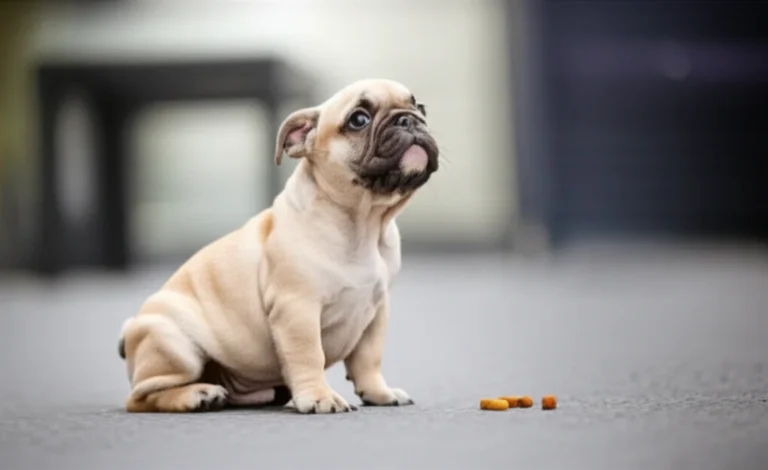
- Keep it Brief: Aim for 5-15 minute training sessions, especially for puppies or when introducing new concepts. You can have several short sessions throughout the
day. - End on a High Note: Always finish a training session after a successful command, even if it’s a simple one they already know. This leaves them feeling accomplished and eager for the next session.
Mix it Up: Don’t just drill the same command repeatedly. Intersperse known commands with new ones, or switch between different types of exercises to keep things fresh.
- Watch for Signs of Fatigue/Boredom:
Excessive sniffing, yawning, looking away, or refusing treats are all signs your Boston has had enough. When you see these, it’s time for a break!
Why it Works: Short sessions prevent mental fatigue and keep training fun
and engaging. Your Boston will associate training with positive, exciting interactions, rather than a tedious chore.
4. The “
Look at Me” Command: Building Focus
This seemingly simple command is a superpower for Boston Terrier owners. It teaches your dog to make eye contact with you on cue, instantly redirecting their attention away from distractions and towards you. It
‘s invaluable for everything from walks to vet visits.
Step-by-Step Guide:
- Start in a Quiet Place: Begin in a low-distraction environment, like your living room.
- Hold
a Treat: Hold a high-value treat near your nose. - Say “Look at Me”: Say the command clearly.
- Wait for Eye Contact: The moment your Boston makes eye contact with you
, even for a split second, immediately mark the behavior with a verbal cue (“Yes!”) and give them the treat. - Repeat and Lengthen: Practice this many times. As they get better, gradually increase the duration
of eye contact before rewarding. - Add Distractions: Once mastered indoors, gradually introduce mild distractions (e.g., another person in the room, a toy on the floor), slowly building up to more challenging environments like a park
.
Snubby Puppy™ Tip: If your Boston struggles, try moving the treat from their nose to your eyes. Their gaze will follow the treat, and you can reward the moment they look at you. This command is a
foundational skill that will make all other training much easier!
5. Recall Training: Keeping Your Pocket Rocket Safe
A
reliable “come” (or recall) command is perhaps the most important command you can teach your Boston Terrier. These little speed demons can bolt after a squirrel or another dog in a flash, and a solid recall can literally save their life.
Building
a Bulletproof Recall:
- Make it a Party: Start in a safe, enclosed area. Get down on their level, use an excited voice, and say “Come!” or “Here!”
- **
Reward Big:** When they come to you, throw a party! Give them multiple high-value treats, enthusiastic praise, and maybe even a quick game with their favorite toy. Make coming to you the most rewarding thing ever.
The “Puppy Ping-Pong”: If you have two people, stand a short distance apart and take turns calling your Boston back and forth, rewarding each time they come.
4. Introduce a Long Lead: Once
they’re reliable indoors, move to a securely fenced yard or a safe, open area. Use a long training lead (15-30 feet) like the Leashboss Long Training Lead. This allows them freedom to explore while giving
you control if they get distracted. If they don’t come, gently reel them in, then reward them when they reach you. Do NOT use the long lead to punish them, only to guide. This is a crucial management tool, especially
during adolescent fear periods when dogs might suddenly become less cooperative or more prone to bolting.
5. Practice in Varying Environments: Gradually introduce more distractions, always starting with the long lead until you’re confident
in their recall.
Remember: Never punish your Boston when they finally come to you, even if it took a while. You want them to associate coming to you with positive outcomes, not punishment.
👉 Shop Long Training Leads:
*
Leashboss Long Training Leash: Amazon | Chewy
6. Crate Training for Housebreaking Success
Crate training is an invaluable tool for housebreaking your Boston Terrier and providing them with a safe, den-like space. Dogs instinctively don’t like to soil their sleeping area
, so a properly sized crate can significantly speed up potty training. It also prevents destructive chewing when you can’t supervise them.
Crate Training Essentials:
- The Right Crate: Choose a
crate that’s just big enough for your Boston to stand up, turn around, and lie down comfortably. If it’s too large, they might use one end as a potty area. Many crates come with dividers, like the Mid
West Homes for Pets Life Stages Crate, allowing you to adjust the size as your puppy grows. - Make it Positive: Never use the crate as punishment. Make it a cozy, inviting place with a soft bed, a favorite chew toy
(like a KONG Classic filled with peanut butter), and an old t-shirt that smells like you. - Gradual Introduction: Start by feeding meals near the crate, then inside it with the door open. Gradually increase
the time they spend inside with the door closed, always rewarding calm behavior. - Short Intervals: Initially, don’t leave your Boston in the crate for too long. Puppies generally can hold it for their age in months
plus one (e.g., a 3-month-old can hold it for 4 hours). - Potty Breaks: Always take your Boston directly outside for a potty break immediately after they come out of their crate.
Benefits: Crate training provides a secure “den” for your Boston, helps with house-training, prevents destructive behaviors when unsupervised, and can be a lifesaver during travel or vet visits.
👉 Shop Recommended Crates &
Accessories:
7. Socialization: Preventing the “Small Dog Syndrome”
Boston Terriers are often friendly, but without proper socialization, they can develop “small dog syndrome” – becoming fearful or reactive towards other dogs, people, or new situations. Early and ongoing positive exposure is key.
The Socialization Blueprint
:
- Puppy Classes: Enroll in a well-run puppy kindergarten class. This provides a safe, structured environment for your Boston to interact with other puppies and people.
- Positive Experiences: Expose your Boston
to a wide variety of sights, sounds, smells, people (of all ages and types), and vaccinated, friendly dogs. Keep these experiences positive and low-stress. - Controlled Introductions: When introducing your Boston to new dogs
, ensure both dogs are on leash (if appropriate) and that the interaction is calm and supervised. Short, positive interactions are better than long, overwhelming ones. - During Fear Periods: Be especially mindful during adolescent fear periods (typically 6-18 months), when a confident puppy can suddenly become fearful or reactive. During these times, focus on maintaining positive, low-pressure exposures, and avoid forcing confrontations with triggers. It’s okay
to cross the street to avoid another dog if your Boston is showing signs of fear. - Reward Calmness: When your Boston encounters something new and reacts calmly, reward them with treats and praise.
The
Goal: A well-socialized Boston Terrier is a confident, happy dog who can navigate the world without undue fear or aggression. This makes them a joy to be around, whether at the dog park or a bustling cafe.
🚫 Common Behavioral Pitfalls and How to Fix Them
Even the best-trained Boston Terrier can develop some challenging habits. The good news is,
most common behavioral issues can be addressed with patience, consistency, and the right techniques. Let’s tackle some of the big ones we often hear about at Snubby Puppy™.
Barking Bouts: Silence the Siren
Bostons can be surprisingly vocal! Whether it’s alert barking at every leaf that blows by, demand barking for attention, or anxiety barking when left alone, excessive
barking can be a real headache.
Strategies for Quieting the Commotion:
-
Identify the Cause: Is it boredom? Loneliness? Fear? Territoriality? Understanding why your Boston is barking is the first step.
-
Manage the Environment: If they’re barking at things outside the window, try closing the blinds or using window film. If it’s demand barking, ignore it completely. This is tough, but any attention (even negative) can reinforce the behavior.
-
Teach “Quiet”: When your Boston barks, let them bark a few times, then say “Quiet” and immediately put a high-value treat in front of their nose. The moment they
stop barking to sniff the treat, praise and reward. Gradually increase the time they must be quiet before getting the treat. -
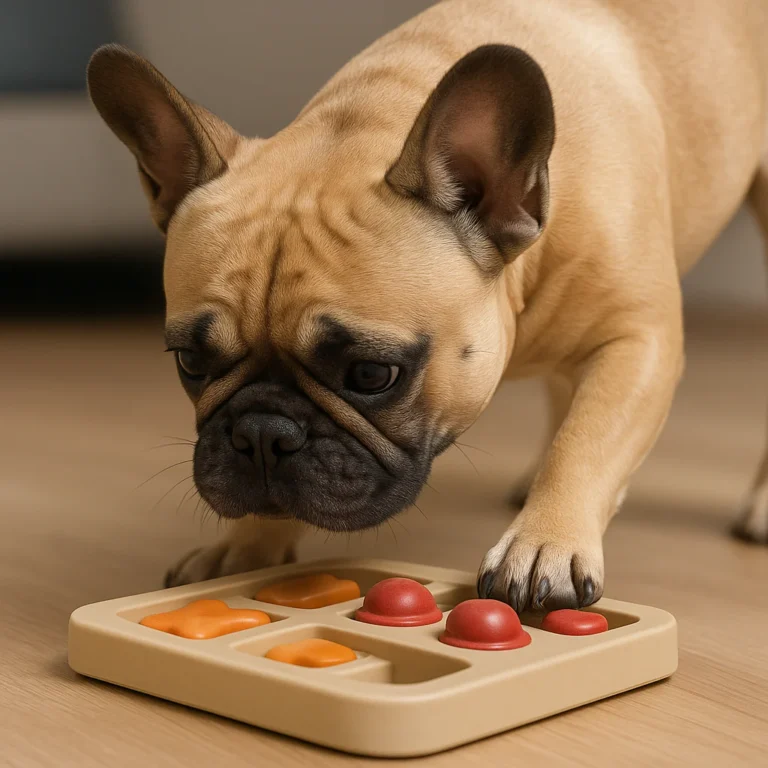
Address Boredom/Anxiety: Ensure your Boston gets enough physical and mental exercise. Puzzle toys like
the Nina Ottosson by Outward Hound Interactive Puzzle Dog Toy can keep their minds engaged. If separation anxiety is the root, consider counter-conditioning and desensitization techniques, potentially with the help of a professional trainer.
Leash Lunging: Walking Without the Yank
Walking a Boston Terrier should be enjoyable, not a wrestling match! Lunging at other dogs, people, or squirrels on
leash is a common, but correctable, issue.
Reclaiming Your Walks:
- Equipment Check: Ensure you’re using a comfortable, well-fitting harness that discourages pulling, like the Ruffwear Front Range
Harness. Avoid retractable leashes, as they teach dogs to pull. - “Look at Me” in Action: When you see a potential trigger (another dog, person) approaching, use your “Look at Me” command *
before* your Boston reacts. Reward heavily for focus on you. - Change Direction: If your Boston starts to fixate, calmly change direction. This breaks their focus and teaches them to pay attention to where you’re going
. - “Engage/Disengage” Game: At a distance where your Boston notices the trigger but doesn’t react, mark and reward them for looking at the trigger, then immediately looking back at you. This
teaches them that seeing the trigger predicts good things from you. - Professional Help: For severe leash reactivity, a certified professional dog trainer can provide tailored guidance and help you implement desensitization and counter-conditioning protocols.
**
Shop Recommended Harnesses:**
Resource Guarding: Sharing is Caring
Resource guarding is when a dog becomes possessive over food, toys, or even people, growling or snapping if someone approaches their valued item. While it
can be concerning, it’s often a natural canine instinct that can be managed.
Teaching Your Boston to Share:
- Trade Up: Never just take an item away. Instead, offer a higher-value treat or toy in
exchange for the guarded item. For example, if they’re guarding a chew, offer a piece of cooked chicken, and when they drop the chew to take the chicken, pick up the chew. - “Drop It” Command:
Teach a reliable “drop it” command using the trade-up method. - Positive Associations: When your Boston is eating or chewing, occasionally walk by and drop an even better treat near them, then walk away.
This teaches them that your approach means good things, not that you’re going to take their stuff. - Separate Feeding: If you have multiple pets, feed them in separate rooms to prevent food-related guarding.
Supervise Chew Time:** Provide high-value chews only when you can supervise, or when your Boston is in their crate.
Jumping
Up: Four Paws on the Floor
An excited Boston Terrier can launch themselves at you or your guests, which can be annoying and even dangerous, especially for children or the elderly.
Keeping Them Grounded:
- Ignore
the Jump: When your Boston jumps, turn your back, cross your arms, and completely ignore them. The moment all four paws are on the floor, immediately turn around and calmly praise and reward. - “Sit to G
reet”: Teach your Boston that the only way to get attention is to sit. When you come home, ask for a “sit” before greeting them. Have guests do the same. - Leash Management: When guests
arrive, keep your Boston on a leash. If they jump, gently guide them back down and ask for a “sit.” Reward the “sit.” - No Rough Play that Encourages Jumping: Avoid games that encourage jumping up
on you, as this can confuse them about when it’s okay.
🍎 Fueling Focus: Nutrition and Training Success
You
might not immediately connect your Boston Terrier’s kibble with their ability to learn “stay,” but trust us, nutrition plays a surprisingly significant role in their overall behavior and trainability. Just like us, a dog running on an empty tank
or unhealthy fuel isn’t going to perform their best.
What’s on the Menu for a Smart Boston?
- High-Quality Diet: Start with a premium dog food that lists real meat as the first
ingredient. Brands like Blue Buffalo Life Protection Formula or Orijen Original are excellent choices. Avoid foods with excessive fillers, artificial colors, or by-products. - DHA for Brain Power: For puppies, look for foods fortified
with DHA (Docosahexaenoic Acid), an omega-3 fatty acid crucial for brain and vision development. You’ll often find it listed as coming from fish oil (salmon, anchovies, pollock) or eggs. This can significantly improve their cognitive function and, consequently, their trainability. - Antioxidants for the Golden Years: For our senior Snubby Puppies (generally over 7 years), antioxidants found in ingredients
like blueberries, kale, and carrots can help combat cognitive decline and support brain health. Keeping their minds sharp means they remain more receptive to commands and less prone to age-related behavioral issues. - Consistent
Meal Times: Feeding 2-3 meals a day on a consistent schedule can help regulate their energy levels and digestion, leading to fewer “potty emergencies” during training sessions. - Hydration: Always
ensure fresh water is available. Dehydration can lead to lethargy and lack of focus.
Snubby Puppy™ Insight: We’ve noticed a distinct difference in focus and energy levels when our Bostons are on a high-quality, balanced
diet. A dog with a rumbling tummy or an upset digestive system isn’t going to be thinking about “sit” or “stay” – they’ll be focused on their discomfort. Always consult your veterinarian before making significant changes to your
Boston’s diet.
👉 Shop Recommended Dog Food & Supplements:
- Blue Buffalo Life Protection Formula: Amazon | Chewy
- O
rijen Original Grain-Free Dry Dog Food: Amazon | Chewy - Zesty Paws Pure Wild Alaskan Salmon Oil: Amazon | Chewy
🐾 Puppy vs. Adult: Tailoring Your Approach by Age
Training isn’t a one-size-fits-all endeavor, especially when you consider the different life stages of your Boston Terrier. What works for a bouncy 8-week-
old puppy might not be effective for a mature adult, and vice-versa. Understanding these nuances is crucial for success.
The Puppy Powerhouse (8 weeks – 6 months):
- Focus on Foundation: This
is the prime time for socialization, house-training, and introducing basic commands like “sit,” “stay,” “come,” and “down.” Their brains are sponges! - Short & Frequent: Remember those 5-15 minute sessions
? They’re especially critical for puppies. - Positive Exposure: Expose them to as many new, positive experiences as possible – different people, sounds, textures, and friendly vaccinated dogs. This helps build a confident adult.
Gentle Corrections: Puppies are sensitive. Use positive reinforcement exclusively and avoid any harsh punishment, which can damage their confidence and your bond.
The Adolescent Rollercoaster (6 months – 18 months):
Ah, adolescence
! This period can feel like your “cute omg-I-can’t-believe-how-smart-she-is-and-how-fast-she’s-learning! puppy suddenly morphs into the ‘stubborn
‘, ‘lazy’, ‘dumb’, ‘uncooperative’, ‘scared’, ‘hyper’, ‘destructive’, or ‘aggressive’/’reactive’ dog.” Sound familiar? This is often due to entirely normal **
adolescent fear periods**.
- Understanding Fear Periods: These are developmental stages where dogs experience sudden, unpredictable fear responses. They can start around 4 months and occur between 6 and 18 months, lasting anywhere from 2-
3 weeks to several months. Your Boston isn’t being stubborn or naughty; they’re genuinely feeling insecure. - Expect Regression: Don’t be surprised if your adolescent Boston suddenly “forgets” commands they
once knew perfectly. Skills learned before a fear period don’t disappear; they resurface once the dog matures and the fear dissipates. - Adjust Your Training: During active fear periods, keep training
sessions short and focus on reviewing known commands rather than introducing new, challenging skills. Avoid new triggers or difficult tasks. - Do NOT Force Confrontation: If your Boston is scared of something, never drag,
push, or lure them closer. Allow them to approach at their own pace, or move away if they need to. Praise them for investigating or for returning to you for guidance. - Maintain Calm
Demeanor: Overly comforting a fearful dog can reinforce the fear. Instead, act nonchalant and calm, reassuring them that “everything is fine” without making a big deal out of the trigger.
Mental Stimulation: Instead of just physical exhaustion, engage their brains with smart toys and games to reduce stress and build confidence.
- Patience, Patience, Patience: This phase requires immense patience and understanding.
Remember, “When you’re going through hell, keep going – that’s a terrible place to stop.” Most dogs come through these periods to become pleasant, mature companions.
The Wise Adult (18 months +):
-
Refinement & Advanced Training: Adult Bostons are often calmer and more focused, making them excellent candidates for advanced obedience, trick training, or even dog sports.
-
Continue Mental Stimulation: Keep their minds active with new challenges to prevent boredom and maintain their cognitive health.
-
Address Lingering Issues: If any behavioral issues persist from adolescence, now is a good time to work on them consistently
, perhaps with the help of a professional. -
Never Too Old to Learn: It’s a myth that old dogs can’t learn new tricks! Adult Bostons can absolutely learn new commands and behaviors with the right motivation
and consistent training.
🛠️ Essential Gear for Boston Terrier Training
Having the right tools can make all the difference in your Boston Terrier
‘s training journey. From tasty treats to comfortable harnesses, these are the Snubby Puppy™ team’s tried-and-true recommendations.
Training Treats: The Ultimate Motivator
| Aspect | Rating (1-10) | Notes
Boston Terriers are a popular breed known for their friendly and lively personalities. While generally good-natured, like any dog, they benefit greatly from consistent training and socialization. This comprehensive guide will explore effective
strategies to help your Boston Terrier become a well-behaved and attentive companion.
Table of Contents
-
📜 The Boston Terrier Legacy: From Ratters to Refined Companions
-
🧠 Decoding the “Tuxedo” Mind: Why Your Boston Acts the Way They Do
-
📸 Capturing the Perfect Pose: Boston Terrier Photography · Join
📸 Capturing the Perfect Pose: Boston Terrier Photography · Join
Once you’ve mastered the art of training your Boston Terrier to behave well and listen to
commands, you’ll discover a delightful bonus: they become fantastic subjects for photography! At Snubby Puppy™, we love capturing the unique charm of these expressive dogs, and a well-trained Boston makes the process infinitely easier and more enjoyable.
Think about it: a Boston who can hold a “stay,” “sit,” or “down” on command, and who responds reliably to “look at me,” opens up a world of photographic possibilities. No more blurry shots of a
dog darting out of frame! Training isn’t just about obedience; it’s about building communication and trust, which translates beautifully into those picture-perfect moments.
How Training Enhances Your Boston’s Photo Ops:
*
Holding a Pose: A solid “stay” command is your best friend for getting those adorable, posed shots.
- Eye Contact on Demand: “Look at me” ensures your Boston’s beautiful, expressive eyes are focused
right on the camera (or you!). - Calm Demeanor: A well-exercised and trained Boston is generally calmer, making them more cooperative during a photoshoot, whether it’s for a quick snap or a more
elaborate setup. - Fun with Props: If your Boston knows “leave it” and “take it,” you can incorporate fun props without them immediately chewing everything up.
We’ve found that using high-value treats and
keeping sessions short and positive, just like regular training, works wonders for getting great photos. It’s another fun way to reinforce those good manners and celebrate your Boston’s progress. Who knows, your well-behaved Boston might just become
the next internet sensation!