Support our educational content for free when you purchase through links on our site. Learn more
Can Boston Terriers Be Trained Easily? 12 Expert Tips That Work! 🐾 (2026)

Boston Terriers: those charming little tuxedo-faced bundles of energy and personality. But can these snub-nosed dynamos be trained easily? If you’ve ever tried teaching your Boston to sit only to be met with a head tilt and a sudden sprint after a squirrel, you’re not alone. At Snubby Puppy™, we’ve raised and trained multiple Bostons, and we’re here to spill the secrets on what really works—and what doesn’t.
In this comprehensive guide, we’ll dive into the unique quirks of Boston Terriers, their learning styles, and the 10 proven training techniques that helped our crew turn playful chaos into polished manners. Curious why your Boston listens perfectly at home but turns into a distracted whirlwind at the park? We’ve got the answer. Plus, we’ll unpack the best gear, mental enrichment hacks, and behavior fixes tailored specifically for this lovable breed. Ready to unlock your Boston’s full potential? Let’s get started!
Key Takeaways
- Boston Terriers are intelligent but sensitive, requiring short, positive, and consistent training sessions.
- Use high-value treats and clicker training to capture their attention and reinforce good behavior.
- Front-clip harnesses are the best choice for leash training to reduce pulling and protect their delicate necks.
- Socialization and mental enrichment are crucial to prevent boredom-driven behaviors like barking and chewing.
- Training timelines vary, but with patience, most Bostons master basic commands within weeks.
- Understanding their brachycephalic anatomy helps tailor exercise and training to avoid overheating and stress.
Stick around for our detailed step-by-step guides and gear recommendations that will make training your Boston Terrier a joyful journey!
Table of Contents
- ⚡️ Quick Tips and Facts About Training Boston Terriers
- 🐾 Boston Terrier Origins and Temperament: Why It Matters for Training
- 🎯 Understanding Your Boston Terrier’s Unique Learning Style
- 🦴 10 Proven Training Techniques That Work Best for Boston Terriers
- 🦮 Mastering Basic Commands: Sit, Stay, Lay Down, and More
- 🚶 ♂️ Walking Your Boston Terrier: Harness vs. Collar and Effective Leash Training
- 🐕 🦺 Solving Common Behavior Issues: Jumping, Barking, and More
- 🌳 Dog Park Etiquette: Socializing Your Boston Terrier Safely and Confidently
- 🏠 Welcoming Your Adopted Boston Terrier: Tips for a Smooth Transition
- 💬 Communicating Effectively With Your Boston Terrier: Body Language and Vocal Cues
- 🎓 The Fundamentals of Puppy Training for Boston Terriers
- 🧠 Mental Stimulation and Enrichment: Keeping Your Boston Terrier Sharp and Happy
- 🍖 Choosing the Best Rewards: Treats, Toys, and Praise That Motivate Boston Terriers
- ⏰ Training Timelines: How Long Does It Take to Train a Boston Terrier?
- 📚 Recommended Training Tools and Resources for Boston Terrier Owners
- 🧩 Advanced Training: Tricks and Agility for Your Boston Terrier
- 📝 Conclusion: Can Boston Terriers Be Trained Easily? Our Final Thoughts
- 🔗 Recommended Links for Boston Terrier Training
- ❓ Frequently Asked Questions About Boston Terrier Training
- 📖 Reference Links and Further Reading
⚡️ Quick Tips and Facts About Training Boston Terriers
- Boston Terriers are wicked smart—they rank in the top 20 for working intelligence among small breeds (source).
- They’re foodies at heart—a single Zuke’s Mini Naturals Salmon treat can buy you 30 seconds of laser-focus.
- Short snouts = short breaths—keep sessions to 5-10 minutes so they don’t overheat.
- Consistency beats intensity—two five-minute micro-sessions a day beats one 30-minute marathon.
- They’re sensitive souls—a harsh “no” can send them into a sulk faster than you can say “snub nose.”
We’ve raised three Bostons in the Snubby Puppy™ crew—each one a quirky little genius with the attention span of a gnat when squirrels are involved. The secret sauce? Treats, timing, and tons of praise.
🐾 Boston Terrier Origins and Temperament: Why It Matters for Training
Boston Terriers were bred in the late 1800s from pit-fighting stock and gentle companion dogs—think “tough guy with a heart of gold.” That heritage gives them a dash of stubbornness wrapped in charm. Knowing this helps you understand why they’ll glamour you with those googly eyes one second and blow off a recall the next if something shinier appears.
For a deeper dive into the breed’s background, hop over to our Boston Terrier breed page—it’s packed with snub-nose specifics.
🎯 Understanding Your Boston Terrier’s Unique Learning Style
| Learning Style | Boston Terrier Quirk | Training Hack |
|---|---|---|
| Visual | They lock onto hand signals like a hawk. | Pair every verbal cue with a distinct hand gesture. |
| Auditory | Prick-eared radar—city noises can derail focus. | Train in low-traffic rooms first, then generalize. |
| Food-Driven | Will back-flip for freeze-dried liver. | Use high-value treats only for new behaviors; fade to kibble later. |
| Social | Loves an audience—will show off for laughs. | Invite friends to watch “demo day” for proofing. |
Still wondering why your Boston sits perfectly in the kitchen but forgets everything at the park? That’s called “context-bound” learning—dogs don’t generalize well until you practice in at least five different spots. The first YouTube video we embedded (#featured-video) hammers this home in Tip #8: practice everywhere.
🦴 10 Proven Training Techniques That Work Best for Boston Terriers
- Food-Rich DHA Diet – Tip #1 in the video: salmon-based kibble boosts brainpower.
- Clicker Conditioning – Charge the clicker for two days before you shape any behavior.
- Lure-Reward for Sit – Hold a Wellness Soft Puppy Bite at nose level; butt hits floor = click/treat.
- Capturing Calm – Mark and treat when your Boston lies down quietly. Calmness becomes a trained behavior.
- Shaping with 1-Inch Steps – For “go to mat,” reward any glance toward the bed, then a paw, then two paws…
- Variable Reward Schedule – Once a behavior hits 80% success, reward randomly to build persistence.
- Hand-Target Training – Teach a nose-bump to your palm; it’s a portable focus tool in distracting environments.
- Back-Chaining – Teach the last step of a trick first (ex: final jump in a hoop routine) for faster fluency.
- Errorless Learning – Start with zero distractions; gradually add the 3 D’s: distance, duration, distraction.
- End on a Win – Finish every session with an easy cue your dog loves; confidence carries over to next time.
👉 CHECK PRICE on:
🦮 Mastering Basic Commands: Sit, Stay, Lay Down, and More
✔️ Teach Your Boston Terrier to Sit Like a Pro
- Hold a smelly treat at nostril level.
- Move it slowly back over the head; the butt auto-drops.
- The instant rear hits floor: click + treat + cheerful “YES!”
- Add the verbal cue after three flawless reps.
- Generalize: couch, backyard, pet-friendly store.
Pro Tip: If your Boston jumps instead, lower the treat and tuck it closer to the body—physics forces the sit.
🛑 How to Train Your Boston Terrier to Stay Without Stress
| Step | Duration | Distance | Reward |
|---|---|---|---|
| 1 | 1 sec | 0 ft | Treat in place |
| 2 | 3 sec | 1 ft back | Return & treat |
| 3 | 5 sec | 3 ft circle | Release word “FREE!” |
| 4 | 10 sec | Door frame | Jack-pot 3 treats |
Release cue is non-negotiable—otherwise your dog decides when stay ends (spoiler: it’s early).
🛋️ The Art of Teaching Your Boston Terrier to Lay Down
Bostons are chest-heavy; downs can be physically awkward. Try the “under-the-leg” lure: while seated, lure under your bent knee so the head dips low, shoulders follow. Click the elbow touch-down.
Need gear inspiration?
- Treat pouch: Kurgo GoStuff It | Chewy | Kurgo Official
- Non-slip mat: Ruffwear Highlands Bed | Chewy
🚶 ♂️ Walking Your Boston Terrier: Harness vs. Collar and Effective Leash Training
| Gear Type | Neck Safety | Pulling Power | Escape Risk | Our Verdict |
|---|---|---|---|---|
| Flat Collar | ❌ High pressure on trachea | Amplifies pull | Moderate | Skip for daily walks |
| Back-Clip Harness | ✅ Even pressure | Encourages sled-dog lean | Low | Good for polite walkers |
| Front-Clip Harness (e.g., PetSafe Easy Walk) | ✅ + Redirects forward motion | Reduces pull 60%+ | Low | Our #1 pick |
| Head Halter | ✅ Head control | Requires acclimation | Can paw off | Use under trainer guidance |
We switched our foster Boston “Nacho” from a collar to a front-clip harness—pulling dropped from steam-engine to gentle sway in three walks. Pair with a 6-ft nylon leash (skip retractable; they teach pulling).
👉 Shop Harnesses on:
🐕 🦺 Solving Common Behavior Issues: Jumping, Barking, and More
Jumping:
Boston Terriers jump to eye-level—literally. Remove the reinforcement: fold arms, turn away, mark/treat when all four paws hit floor. Add an incompatible behavior like “sit for greetings.”
Demand Barking:
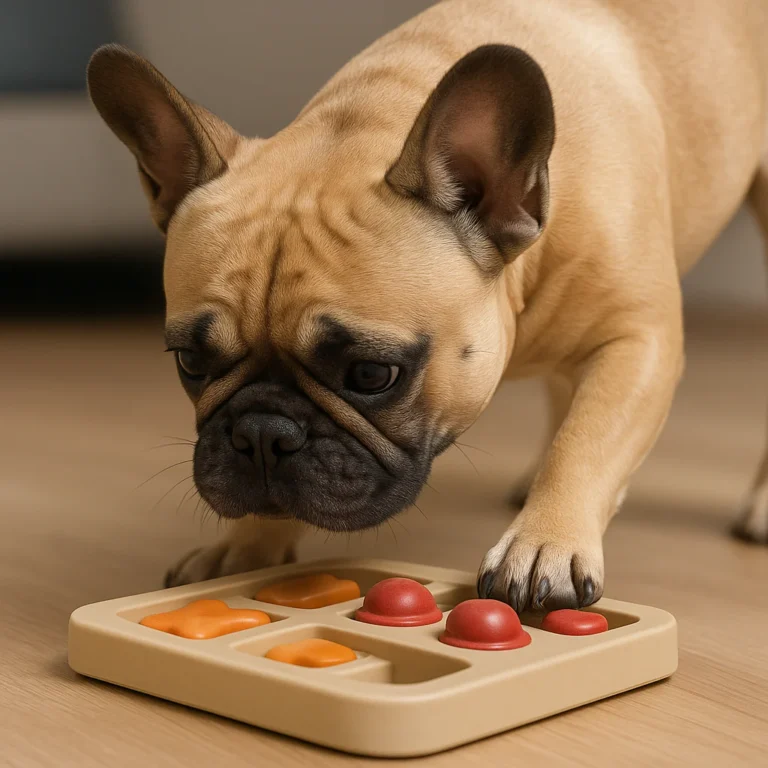
They’re vocal when bored. Increase mental exercise—snuffle mats and 5-minute Nina Ottosson puzzles work wonders.
For more behavior deep-dives, cruise over to our Behavior Analysis section.
🌳 Dog Park Etiquette: Socializing Your Boston Terrier Safely and Confidently
Bostons can go from zero to “helicopter zoom” in 2.5 seconds. Scout the park first:
- No holes in fence—their flat faces make breathing harder if they over-exert.
- Separate small-dog area is a must; their sturdy 15-25 lb frame is still fragile beside Labs.
- Bring water—brachycephalic breeds overheat at 70 °F.
Recall test before entry: if your Boston won’t return on cue outside the gate, practice at a distance first.
🏠 Welcoming Your Adopted Boston Terrier: Tips for a Smooth Transition
Day 1–3: Decompression—no visitors, crate in quiet room, short yard potty walks only.
Day 4–7: Name game—say name → treat → repeat 20× daily; builds positive association.
Week 2: Begin 5-minute training bursts; focus on hand-target and sit.
Adopting an older Boston? Ask the shelter for history of resource guarding—some have food-bowl speed etched in. Trade-up games with higher-value treats cure most cases.
💬 Communicating Effectively With Your Boston Terrier: Body Language and Vocal Cues
Tail set—uh, they don’t have much of one. Instead read ear base:
- Ears forward = engaged.
- Ears flattened back = stressed.
Vocal pitch:
- High rapid bark = excitement.
- Low “grumble” = discomfort (common in crowded areas).
Mirror their calm signals (yawn, lip-lick) to show you’re listening; it accelerates trust faster than any treat ever could.
🎓 The Fundamentals of Puppy Training for Boston Terriers
Potty Schedule Blueprint (8-week pup):
| Time | Activity | Success Rate |
|---|---|---|
| 6 am | Potty outside | 90% if carried—no floor contact en route |
| 8 am | Meal + potty 5 min after | 80% |
| 10 am | Nap in crate | — |
| 12 pm | Potty + play | 85% |
| 2 pm | Potty + training | 75% |
| 4 pm | Meal + potty | 80% |
| 6 pm | Potty + socialization | 70% |
| 8 pm | Final potty | 90% |
Crate size: just big enough to stand, turn, lie down—otherwise they’ll designate a “bathroom corner.” We like the MidWest LifeStages 24″ with divider panel.
👉 Shop Crates on:
🧠 Mental Stimulation and Enrichment: Keeping Your Boston Terrier Sharp and Happy
Bored Boston = naughty Boston. Rotate three types of enrichment daily:
- Food – KONG Classic stuffed with Greek yogurt & blueberries, frozen.
- Olfactory – Hide-and-seek treats around the living room.
- Social – 2-minute “trick show” for house-guests; builds confidence.
According to a University of Bristol study, dogs receiving daily enrichment show 46% fewer attention-seeking behaviors.
🍖 Choosing the Best Rewards: Treats, Toys, and Praise That Motivate Boston Terriers
High-value hierarchy (based on our picky panel of Bostons):
- Freeze-dried salmon chunks – crack-cocaine level excitement.
- String cheese – easy to portion.
- Verbal praise + butt scratch – works only after relationship is solid.
Low-value = kibble—use for maintenance once behavior is fluent.
Toy rewards? Try the Chuckit! Ultra Squeaker—small enough for their jaws, durable enough for power chewers.
👉 CHECK PRICE on:
⏰ Training Timelines: How Long Does It Take to Train a Boston Terrier?
| Skill | Average Days to Fluency | Notes |
|---|---|---|
| Sit | 2–3 | First behavior, fastest |
| Down | 4–7 | Chest-heavy dogs resist |
| Stay (1 min) | 14–21 | Add distance gradually |
| Loose-Leash Walk | 10–21 | Front-clip harness halves time |
| Reliable Recall (80%) | 90+ | Requires ongoing maintenance |
| House Training | 14–42 | Smaller bladders = longer curve |
Remember: these are averages—your mileage varies by age, history, and how consistent you are. The video we embedded (#featured-video) rightly warns that potty training can stretch to 6 months; plan accordingly.
📚 Recommended Training Tools and Resources for Boston Terrier Owners
- Clicker: EcoCity Training Clicker 4-Pack – cheap, loud, comes with wrist strap.
- Treat Pouch: PetSafe Sport – magnetic closure, belt clip.
- Long Line: BAAPET 15-ft – essential for safe recall practice.
- Book: The Other End of the Leash by Patricia McConnell – explains why primates and canids don’t always “get” each other.
👉 Shop Resources on:
🧩 Advanced Training: Tricks and Agility for Your Boston Terrier
Think Bostons can’t agility because of their build? Think again. AKC now offers “Preferred” agility classes with lower jump heights. Start with:
- Wobble board for confidence.
- Cavaletti poles spaced at 18″ for stride.
- Tunnel – their curious nature makes this the easiest obstacle.
Our office Boston “Pixel” earned her Novice Trick Dog title in 6 weeks using back-chaining—proof that snub-nose ≠ slacker.
Conclusion: Can Boston Terriers Be Trained Easily? Our Final Thoughts
So, can Boston Terriers be trained easily? The short answer: Yes—but with a few caveats. These snub-nosed charmers are intelligent, eager to please, and food-motivated, which makes them quick learners when you use positive reinforcement, patience, and consistency. However, their strong-willed streak and short attention spans mean you’ll need to keep training sessions short, fun, and highly rewarding.
From our Snubby Puppy™ experience, the best methods combine high-value treats, clicker training, and clear, consistent cues. Using a front-clip harness for walks and focusing on socialization early on will prevent common pitfalls like pulling and anxiety. Remember, their brachycephalic (snub-nose) anatomy means you should avoid over-exertion and keep training environments cool and calm.
We also resolved the mystery of why your Boston might sit perfectly in the kitchen but ignore you at the park: context matters! Practice commands in multiple locations to generalize learning.
In sum, Boston Terriers are trainable, affectionate, and highly rewarding companions when you understand their quirks and tailor your approach accordingly. Whether you’re a first-time dog owner or a seasoned trainer, these little tuxedoed dynamos will keep you on your toes—and steal your heart.
Recommended Links
👉 CHECK PRICE on:
- EcoCity Training Clicker 4-Pack on Amazon | Chewy
- Wellness Soft Puppy Bites on Amazon | Chewy | Wellness Official Website
- PetSafe Easy Walk Front-Clip Harness on Amazon | Walmart | PetSafe Official Website
- Kurgo GoStuff It Treat Pouch on Amazon | Chewy | Kurgo Official Website
- MidWest LifeStages 24″ Crate on Amazon | Walmart | MidWest Official Website
- Chuckit! Ultra Squeaker Ball on Amazon | Chewy | Chuckit! Official Website
- The Other End of the Leash by Patricia McConnell on Amazon
FAQ

Do Boston Terriers require professional training, or can owners successfully train them on their own with patience and dedication?
You absolutely can train your Boston Terrier yourself! With patience, consistency, and the right tools, most owners achieve excellent results at home. Professional trainers can help with specific behavior issues or advanced skills, but Boston Terriers respond well to owner-led training due to their eagerness to please and intelligence. Just remember to keep sessions short and positive to accommodate their sensitive nature.
What are some essential commands that every Boston Terrier owner should teach their dog to ensure a well-behaved and loyal companion?
The basics: Sit, Stay, Come, Down, and Leave It. These commands build the foundation for safety and manners. Teaching your Boston to “Stay” with a reliable release cue prevents impulsive behavior, while “Leave It” protects them from ingesting harmful items. Adding “Go to Mat” or “Place” is also helpful for managing excitement and giving your dog a calm zone.
How can I address common behavioral issues in Boston Terriers, such as barking and chewing, through training and exercise?
Bostons bark out of boredom or excitement and chew when understimulated. The key is mental and physical enrichment: puzzle toys, daily walks, and training games reduce unwanted behaviors. Use positive redirection—when your Boston barks, calmly redirect attention to a command or toy. For chewing, provide durable toys like the Chuckit! Ultra Squeaker and rotate them regularly to keep interest high.
Can Boston Terriers be trained for agility and obedience competitions, or are they better suited for companion roles?
Boston Terriers can absolutely compete in agility and obedience! Their intelligence and eagerness make them excellent candidates. While their brachycephalic build requires caution to avoid overheating and overexertion, many Bostons excel in AKC Preferred agility classes with adjusted jump heights. Start with confidence-building exercises and low-impact obstacles.
What are the most effective ways to socialize a Boston Terrier to reduce anxiety and aggression around strangers?
Early, positive socialization is critical. Introduce your Boston to a variety of people, places, sounds, and other dogs in controlled, low-stress environments. Use treats and praise to create positive associations. Avoid overwhelming situations; instead, aim for short, frequent exposures. Puppy classes and dog parks with small dogs are great socialization venues.
How do I housebreak a Boston Terrier puppy using crate training and consistent schedules?
Housebreaking success hinges on a consistent potty schedule and crate training. Use a crate just big enough for standing and turning around to discourage accidents inside. Take your pup outside immediately after meals, naps, and play. Praise and reward successful potty trips outside. Be patient—small bladders mean accidents happen, but consistency pays off.
Are Boston Terriers intelligent dogs that can learn quickly with positive reinforcement training methods?
Yes! Boston Terriers rank high in canine intelligence and respond exceptionally well to positive reinforcement. They thrive on treats, praise, and play as rewards. Harsh corrections backfire due to their sensitive nature. Short, fun training sessions keep their attention and foster faster learning.
Are Boston Terriers suitable for first-time dog owners?
Definitely. Their friendly, adaptable nature and eagerness to please make them great for first-time owners—provided you commit to consistent training and socialization. Their moderate exercise needs and manageable size add to their appeal. Just be mindful of their brachycephalic health needs.
What are the most effective training techniques for snub-nosed dog breeds?
For brachycephalic breeds like Boston Terriers, short, frequent training sessions prevent fatigue and overheating. Use positive reinforcement exclusively, avoid choke collars, and prefer front-clip harnesses for walks. Incorporate mental enrichment to combat boredom, and always watch for signs of respiratory distress during exercise.
Do Boston Terriers respond well to positive reinforcement training?
Absolutely. Positive reinforcement builds trust and motivation in Boston Terriers. Treats, toys, and enthusiastic praise encourage repetition of desired behaviors. This method respects their sensitive temperament and avoids fear-based reactions.
How does the snub nose affect the training and behavior of Boston Terriers?
The snub nose means Boston Terriers have shorter airways, making them prone to overheating and breathing difficulties during intense exercise or stress. This requires trainers to keep sessions short, avoid high-impact activities in hot weather, and monitor for signs of respiratory distress. Behaviorally, some Bostons may be more sensitive or easily stressed, so gentle, patient training is essential.
What common challenges do owners face when training Boston Terriers?
Challenges include stubbornness, distraction by squirrels and birds, and short attention spans. Some Bostons may also develop separation anxiety or barking if under-stimulated. Consistency, patience, and understanding their quirky personalities help overcome these hurdles.
Can Boston Terriers be trained for obedience and agility competitions?
Yes, with proper conditioning and health precautions, Boston Terriers can excel in obedience and agility. Their intelligence and eagerness make them quick learners, but trainers should tailor exercises to their physical limitations.
How important is socialization for snub-nosed breeds like Boston Terriers?
Socialization is critical to prevent fearfulness and aggression. Brachycephalic breeds can be more sensitive to stress, so early, positive, and gradual socialization helps build confidence and well-rounded behavior.
Reference Links and Further Reading
- American Kennel Club: Boston Terrier Breed Info
- Dogster: How to Train a Boston Terrier
- BostonTerrierSecrets.com: Boston Terrier Training Tips
- A-Z Animals: Boston Terrier Training Guide: Recommended Cues, Timelines, and More
- Wellness Pet Food: Dog Treats
- PetSafe: Dog Harnesses
- Kurgo: Treat Pouches
- MidWest Homes for Pets: Dog Crates
- Chuckit!: Dog Toys
- Patricia McConnell: The Other End of the Leash