Support our educational content for free when you purchase through links on our site. Learn more
🐾 Ultimate Bulldog Care & Health Guide (2026): 10 Secrets to a Happy Snout

Let’s be honest: owning a bulldog is like adopting a furry, wrinkly diva who demands the best of everything but gives you the most unconditional love in return. At Snubby Puppy™, we’ve watched our own snub-nosed companions turn from clumsy puppies into seasoned couch potatoes, and we’ve learned that the difference between a happy, healthy bulldog and a vet-bill nightmare often comes down to proactive care. While many resources simply list symptoms, we’re diving deep into the why and how of keeping your bulldog thriving, from the daily ritual of wrinkle cleaning to the critical nuances of managing Brachycephalic Obstructive Airway Syndrome (BOAS).
Did you know that a significant percentage of bulldogs require a C-section to give birth due to their wide shoulders and narrow hips? It’s just one of the many unique challenges that make this breed so special—and so demanding. In this comprehensive guide, we’re not just skimming the surface; we’re revealing 10 essential secrets that most owners miss until it’s too late. We’ll share the exact products we swear by, the red flags that signal an emergency, and the surprising truth about why your bulldog might be snoring louder than a chainsaw. By the end, you’ll know exactly how to navigate the heat, the wrinkles, and the vet visits to ensure your bulldog enjoys a long, vibrant life.
Key Takeaways
- Heat is the Enemy: Bulldogs are brachycephalic and cannot regulate body temperature efficiently; keep them cool and avoid exercise in heat above 75°F.
- Wrinkles Need Daily Attention: Failure to clean and dry facial folds daily leads to painful skin infections and yeast overgrowth.
- Weight Management is Critical: Every extra pound drastically increases the risk of joint pain and breathing difficulties; maintain a lean physique.
- Proactive Veterinary Care: Regular check-ups for BOAS, eye conditions, and allergies are non-negotiable for a long lifespan.
- Invest in the Right Gear: Use a no-pull harness instead of a collar to protect the airway and an orthopedic bed for joint support.
Table of Contents
- ⚡️ Quick Tips and Facts
- 📜 The Bulldog Legacy: From Ancient Origins to Modern Companions
- 🏠 Essential Bulldog Care: Setting Up Your Home for Success
- 🍖 Nutrition and Weight Management: Fueling Your Frenchie Friend
- 🛁 Grooming 101: Mastering the Wrinkle, Nail, and Ear Routine
- 🩺 Common Bulldog Health Issues: What Every Owner Must Know
- 🌬️ Respiratory Health: Navigating Brachycephalic Airway Syndrome
- 🦴 Orthopedic Woes: Preventing Hip Dysplasia and Joint Pain
- 👀 Eye Care: Protecting Those Soulful, Protruding Eyes
- 🐕 Exercise and Activity: Finding the Perfect Balance for Low-Energy Dogs
- 🌡️ Temperature Control: Why Bulldogs Can’t Handle the Heat (or Cold)
- 🧠 Behavioral Traits: Understanding Stuborness and Affection
- 🐾 Puppy Care: The First Year of Life for Your New Buly
- 👵 Senior Bulldog Care: Golden Years and Comfort
- 🛒 Top 10 Must-Have Products for Bulldog Owners
- 🏥 When to Call the Vet: Red Flags and Emergency Signs
- 💡 Quick Tips and Facts Recap
- Conclusion
- Recommended Links
- FAQ
- Reference Links
⚡️ Quick Tips and Facts
Before we dive into the nitty-gritty of keeping your snub-nosed companion happy and healthy, let’s hit the ground running with the absolute non-negotiables. At Snubby Puppy™, we’ve seen it all, from the adorable “smush” to the medical emergencies that keep us up at night. Here is the raw truth about bulldog ownership:
- Heat is the Enemy: Bulldogs are brachycephalic, meaning their short airways make them terrible at regulating body temperature. A 75°F day can feel like 10°F to them. Never leave them in a car, even for a minute.
- Wrinkles are Not Decorations: Those cute folds are bacteria magnets. If you don’t clean them daily, you’re inviting skin fold dermatitis (yeast and bacterial infections) that can become painful and smelly.
- Weight Watchers: Obesity is the silent killer for bulldogs. It crushes their joints and makes breathing a nightmare. Keep them lean!
- The “C-Section” Reality: Most bulldogs cannot give birth naturally. If you plan to breed, be prepared for a C-section, which is a major surgery.
- Budget for Vet Bills: As the first video in our series highlights, bulldogs are expensive dogs to own. Between skin meds, breathing issues, and joint supplements, set aside a “health fund” immediately.
Did you know? The average lifespan of a bulldog is often cited as 8-10 years, but with excellent care, many reach their early teens. The difference lies in proactive management of their unique anatomy.
📜 The Bulldog Legacy: From Ancient Origins to Modern Companions
You might think your bulldog is just a lazy couch potato, but their ancestors were fierce warriors. The term “buldog” first appeared in literature in the 16th century, but their lineage goes back much further to the Molossus dogs of ancient Greece and Rome.
The Evolution from Baiting to Best Friend
Originally, these dogs were bred for bull-baiting, a brutal blood sport where dogs would latch onto a bull’s snout. They needed immense strength, a low center of gravity, and a tenacious grip. When bull-baiting was banned in 1835 in the UK, the breed nearly vanished. Enter the Victorian era, where breeders softened their temperament and exaggerated their “smushed” features to create the English Bulldog we know today.
- English Bulldog: The classic, heavy-set, wrinkly companion.
- French Bulldog: A smaller, more agile offshoot developed in England and refined in France, known for those iconic bat ears.
- American Bulldog: A larger, more athletic working dog, retaining more of the original strength and stamina.
Fun Fact: The French Bulldog was originally bred by lace workers in England who moved to France. They needed a small, affectionate dog that fit in apartments and didn’t bark much. They were the original “city dogs”!
While their history is violent, their modern role is purely affectionate. They are known for being gentle giants (or gentle smallies, in the case of Frenchies) who thrive on human connection. However, their unique history has left them with a genetic legacy of health challenges that we must manage today.
For more on how their history influences their behavior, check out our deep dive into Behavior Analysis. And if you’re wondering how they compare to their cousins, read our guide on the Boston Terier, another beloved snub-nosed breed.
🏠 Essential Bulldog Care: Setting Up Your Home for Success
Bringing a bulldog home is like moving in with a diva who needs a climate-controlled suite. You can’t just throw a bed in the corner and call it a day. Their specific anatomy requires a tailored environment.
Climate Control is Non-Negotiable
Because of their brachycephalic airway syndrome (BOAS), bulldogs cannot pant efficiently to cool down.
- Air Conditioning: In the summer, your home must be air-conditioned.
- Heating: In the winter, they get cold easily due to their short coats and low body fat. A heated bed is a must.
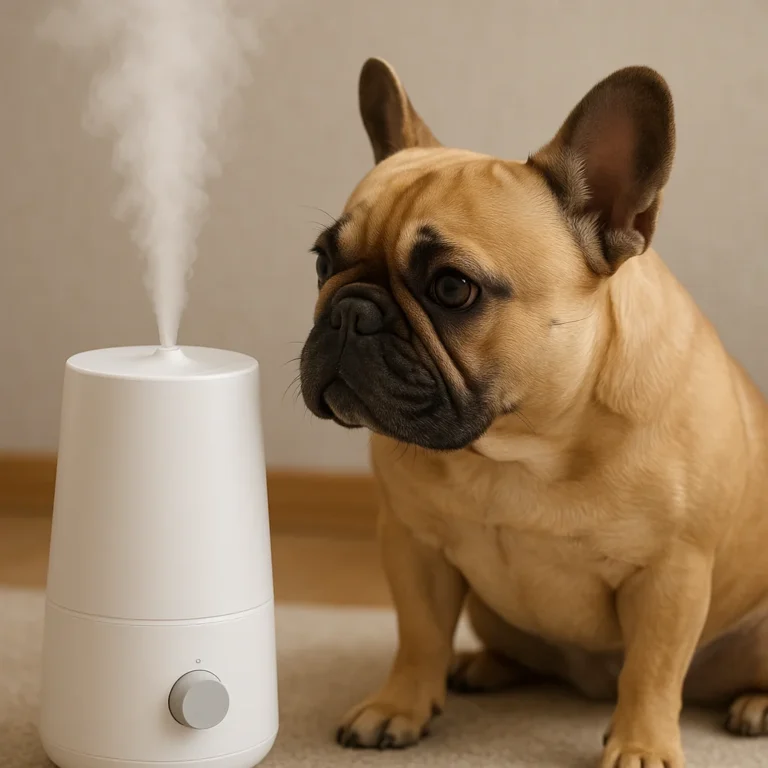
- Humidity: High humidity makes breathing even harder. A dehumidifier in humid climates can be a lifesaver.
Safety Proofing for the Clumsy
Buldogs are notorious for being a bit clumsy. They trip over their own feet and can easily injure themselves on sharp corners.
- Ramps: If you have stairs or a high bed, get ramps. Jumping can damage their hips and spine.
- Non-Slip Floors: Hardwood and tile are slippery. Use non-slip rugs to prevent them from sliding and hurting their joints.
The “Wrinkle Zone”
Designate a specific area for cleaning their face. You’ll need a station with wipes, drying cloths, and maybe a small fan to ensure those folds are bone dry after cleaning.
🍖 Nutrition and Weight Management: Fueling Your Frenchie Friend
Let’s be honest: bulldogs are food motivated. They will eat until they explode if you let them. But obesity is the fastest way to shorten their life and ruin their quality of life.
The Weight Trap
A bulldog that looks “chubby” is actually overweight. Their stocky build hides the extra pounds until it’s too late.
- Ideal Weight: A male English Bulldog should ideally between 50-5 lbs, and a female 40-50 lbs. Frenchies are much smaller, usually 16-28 lbs.
- The Consequence: Every extra pound puts pressure on their hip joints and makes breathing significantly harder.
Choosing the Right Food
Not all kibble is created equal. Bulldogs often have sensitive stomachs and food allergies.
- Grain-Free vs. Grain-Inclusive: There is debate here. Some bulldogs react to grains, while others do fine. Look for limited ingredient diets if you suspect allergies.
- Protein Source: High-quality protein is essential, but avoid fillers like corn or soy.
- Joint Support: Look for foods fortified with glucosamine and chondroitin to support their joints.
Recommended Brands:
- Hill’s Science Diet: Known for their sensitive stomach formulas.
- Royal Canin: They have specific breeds formulas for Bulldogs and French Bulldogs.
- Purina Pro Plan: Great for sensitive skin and stomachs.
👉 Shop
- Hill’s Science Diet: Amazon | Chewy | Hill’s Official
- Royal Canin: Amazon | Chewy | Royal Canin Official
Feding Schedule
- Portion Control: Measure every meal. No free-feeding!
- Slow Feeders: Bulldogs gulp their food, which leads to bloat and gas. Use a slow feeder bowl to make them eat slower.
- Water: Always have fresh water available, but don’t let them drink a massive amount right before or after exercise.
🛁 Grooming 101: Mastering the Wrinkle, Nail, and Ear Routine
Grooming a bulldog isn’t just about looking good; it’s about preventing infection. If you skip this, you’re asking for trouble.
The Daily Wrinkle Check
This is the most critical part of bulldog care.
- Inspect: Look inside the folds for redness, moisture, or a foul smell.
- Clean: Use a damp cloth or unscented baby wipes. Avoid alcohol-based wipes as they can dry out the skin.
- Dry: This is the step most people miss. Use a dry cloth or a hair dryer on the cool setting to ensure the area is 10% dry.
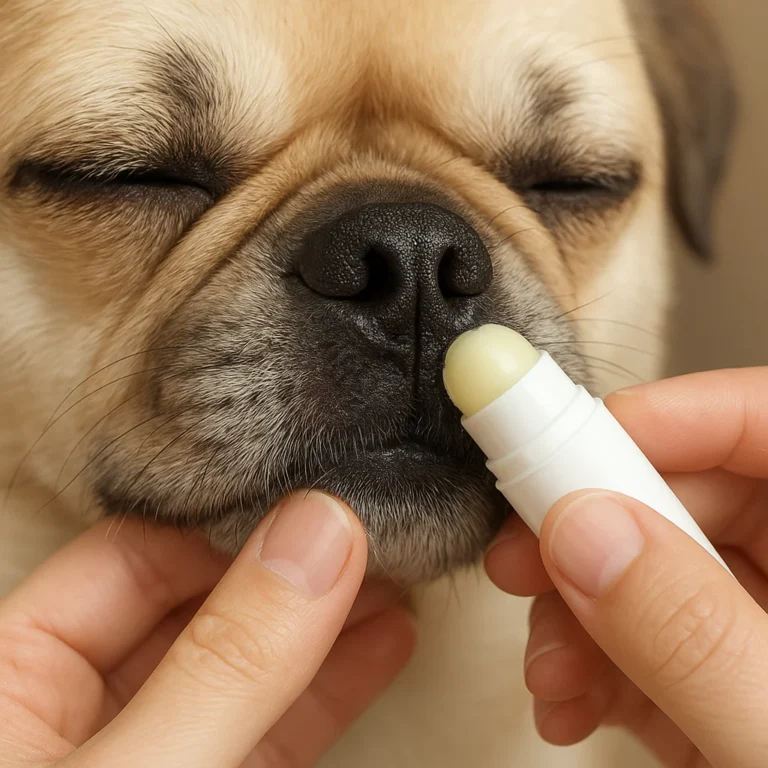
- Treat: If you see redness, apply a vet-approved antifungal or antibacterial ointment.
Nail Trimming
Buldogs have thick nails and often don’t wear them down naturally.
- Frequency: Every 2-3 weeks.
- Technique: Be careful of the quick (the pink part with blood vessels). If you cut it, it bleds profusely. Use a guillotine-style cliper or a Dremel grinder for precision.
Ear Cleaning
Their ears are often folded over, trapping moisture.
- Routine: Check weekly. Clean with a vet-approved ear cleaner and a cotton ball. Never use Q-tips deep in the ear canal.
Coat Brushing
Despite their short hair, they shed.
- Tools: Use a ruber curry brush or a grooming mitt to remove loose hair and distribute skin oils.
- Bathing: Bathe only when necessary (every 4-6 weeks) to avoid stripping natural oils, unless they get into something dirty.
🩺 Common Bulldog Health Issues: What Every Owner Must Know
Owning a bulldog means being a proactive health advocate. They are prone to several breed-specific conditions. Knowing the signs early can save their life.
| Condition | Symptoms | Prevention/Management |
|---|---|---|
| BOAS (Brachycephalic Obstructive Airway Syndrome) | Snoring, snorting, difficulty breathing, exercise intolerance | Weight control, avoiding heat, surgical correction if severe |
| Hip Dysplasia | Limping, difficulty rising, “bunny hopping” gait | Weight management, joint supplements, low-impact exercise |
| Skin Fold Dermatitis | Redness, odor, hair loss, scratching | Daily cleaning and drying of folds |
| Cherry Eye | Red, swollen gland in the corner of the eye | Surgical removal (often required) |
| Entropion | Eyelids rolling inward, eye irritation | Surgical correction |
| Allergies | Itchy skin, ear infections, digestive issues | Elimination diets, hypoallergenic shampos, medication |
Expert Insight: “We’ve seen too many owners ignore the snoring. It’s not ‘cute’; it’s a sign of airway obstruction. If your dog sounds like a chainsaw, get them to a vet immediately.” – Snubby Puppy™ Team
🌬️ Respiratory Health: Navigating Brachycephalic Airway Syndrome
Let’s talk about the elephant in the room: the snout. Bulldogs have stenotic nares (narrow nostrils), an elongated soft palate, and a hypoplastic trachea (small windpipe). This combination is known as Brachycephalic Obstructive Airway Syndrome (BOAS).
Why It Matters
A normal dog breathes in and out easily. A bulldog has to work three times as hard to get the same amount of oxygen. This leads to:
- Heat Intolerance: They overheat rapidly because they can’t pant effectively.
- Sleep Apnea: Many bulldogs stop breathing during sleep.
- Exercise Intolerance: They tire out after a short walk.
Management Strategies
- Avoid Stress: Excitement can cause them to stop breathing. Keep them calm.
- Harness, Not Collar: Never use a collar that puts pressure on the neck. Use a no-pull harness to distribute pressure.
- Surgery: In severe cases, vets recommend widening the nostrils and shortening the soft palate. This is a life-changing surgery that we highly recommend for dogs with severe symptoms.
Recommended Products:
- Ruffwear Web Master Harness: Provides excellent support without choking.
👉 Shop on: Amazon | Chewy | Ruffwear Official
🦴 Orthopedic Woes: Preventing Hip Dysplasia and Joint Pain
Buldogs are heavy on their front end and light on their back end, putting immense stress on their hips and elbows.
Hip Dysplasia
This is a genetic condition where the hip joint doesn’t fit together properly.
- Signs: Reluctance to jump, limping, or a “bunny hop” when running.
- Prevention: Maintain a lean weight and provide joint supplements (glucosamine/chondroitin) from a young age.
Patellar Luxation
The knecap slips out of place.
- Signs: Skipping steps or holding a leg up for a few seconds.
- Management: Physical therapy and weight control. In severe cases, surgery is needed.
Suplement Recommendations:
- Dasuquin: A popular joint supplement with ASU and glucosamine.
👉 Shop on: Amazon | Chewy | Vet’s Best
👀 Eye Care: Protecting Those Soulful, Protruding Eyes
Those big, round eyes are adorable, but they are vulnerable. Because they protrude, they are prone to injury and conditions like Cherry Eye and Entropion.
Common Eye Issues
- Cherry Eye: The tear gland pops out, looking like a red cherry. It needs surgical repositioning.
- Entropion: The eyelid rolls inward, causing lashes to scratch the eye. This is painful and requires surgery.
- Dry Eye (KCS): Bulldogs produce less tears, leading to corneal ulcers.
Daily Eye Care
- Wipe: Gently wipe the corners of the eyes with a damp cloth to remove discharge.
- Inspect: Check for redness or cloudiness daily.
- Protect: Use dog goggles (like Rex Specs) if you go hiking or in windy conditions.
Recommended Products:
- Rex Specs Dog Goggles: Protects eyes from wind, dust, and debris.
👉 Shop on: Amazon | Rex Specs Official
🐕 Exercise and Activity: Finding the Perfect Balance for Low-Energy Dogs
Buldogs are not marathon runners. They are couch potatoes by nature, but they still need exercise to stay healthy.
The “Short and Sweet” Rule
- Duration: 20-30 minutes of walking per day is usually enough.
- Frequency: Break it into two short walks (morning and evening).
- Timing: Walk during the colest parts of the day (early morning or late evening).
Mental Stimulation
Since they can’t run for hours, give them mental exercise.
- Puzzle Toys: Use treat-dispensing toys to keep their brains active.
- Training: Short, positive reinforcement training sessions are great exercise.
Warning: If your dog starts panting heavily, droling, or stumbling, stop immediately. They are overheating.
Recommended Toys:
- Kong Classic: Great for stuffing with treats.
👉 Shop on: Amazon | Chewy | Kong Company - Nina Ottoson Puzzle Toys: For mental stimulation.
👉 Shop on: Amazon | Chewy
🌡️ Temperature Control: Why Bulldogs Can’t Handle the Heat (or Cold)
We can’t stress this enough: Buldogs are thermoregulation disasters.
The Heat Danger Zone
- Critical Temp: Anything above 75°F (24°C) can be dangerous.
- Heatstroke Signs: Excessive panting, bright red gums, vomiting, collapse. This is a medical emergency.
- Action: Move to AC, offer cool water, wet their paws, and call the vet.
The Cold Reality
- Chill Factor: Their short coats offer no insulation.
- Solution: Buy a sweater or coat for winter walks. Don’t let them stand on cold concrete for long.
Recommended Gear:
- Ruffwear Polar Fleece Jacket: Warm and waterproof.
👉 Shop on: Amazon | Chewy | Ruffwear Official
🧠 Behavioral Traits: Understanding Stuborness and Affection
Buldogs have a reputation for being stuborn, but they are actually just independent thinkers. They don’t obey commands just to please you; they need a reason.
Training Tips
- Positive Reinforcement: Use high-value treats and praise. Never use punishment; it makes them shut down.
- Consistency: Be firm but gentle. They will test your boundaries.
- Patience: Training a bulldog takes time. Don’t get frustrated.
Socialization
- Early Exposure: Expose them to different people, dogs, and environments early.
- Confidence: A well-socialized bulldog is a happy bulldog.
For more on training techniques, read our Behavior Analysis guide.
🐾 Puppy Care: The First Year of Life for Your New Buly
Bringing a bulldog puppy home is exciting, but it comes with unique challenges.
The First Few Weeks
- Vet Visits: Schedule a vet check within the first 48 hours.
- Socialization: Start gently. Let them meet new things slowly.
- Wrinkle Care: Start cleaning their folds immediately to get them used to it.
Growth Spurts
Buldog puppies grow fast. Monitor their weight closely to prevent rapid growth which can damage their developing joints.
Vaccinations and Deworming
Follow your vet’s schedule strictly. Bulldogs are susceptible to certain diseases, so vaccinations are critical.
👵 Senior Bulldog Care: Golden Years and Comfort
As your bulldog ages (usually around 7-8 years), their needs change.
Adjusting the Routine
- Softer Beds: Invest in an orthopedic dog bed to support their joints.
- Shorter Walks: Reduce the distance but keep the frequency.
- Diet: Switch to a senior formula with fewer calories and more joint support.
Monitoring Health
- Regular Checkups: Senior bulldogs need vet visits every 6 months.
- Dental Care: Dental disease is common in older dogs. Brush their teeth regularly.
🛒 Top 10 Must-Have Products for Bulldog Owners
Based on our experience at Snubby Puppy™, here are the top 10 products every bulldog owner needs.
| # | Product | Why It’s Essential | Rating (1-10) |
|---|---|---|---|
| 1 | Slow Feder Bowl | Prevents bloating and gas | 10/10 |
| 2 | No-Pull Harness | Protects the airway | 10/10 |
| 3 | Wrinkle Wipes | Prevents skin infections | 9/10 |
| 4 | Orthopedic Bed | Supports joints | 9/10 |
| 5 | Cooling Mat | Regulates body temp | 8/10 |
| 6 | Joint Supplements | Prevents arthritis | 9/10 |
| 7 | Dog Goggles | Protects eyes | 8/10 |
| 8 | Nail Grinder | Safe nail trimming | 9/10 |
| 9 | Puzzle Toys | Mental stimulation | 8/10 |
| 10 | Winter Coat | Keeps them warm | 9/10 |
👉 Shop
- Slow Feder Bowls: Amazon | Chewy
- No-Pull Harnesses: Amazon | Chewy
- Wrinkle Wipes: Amazon | Chewy
- Orthopedic Beds: Amazon | Chewy
- Cooling Mats: Amazon | Chewy
- Joint Supplements: Amazon | Chewy
- Dog Goggles: Amazon | Rex Specs Official
- Nail Grinders: Amazon | Chewy
- Puzzle Toys: Amazon | Chewy
- Winter Coats: Amazon | Chewy
🏥 When to Call the Vet: Red Flags and Emergency Signs
Don’t wait until it’s too late. If you see these signs, call the vet immediately:
- Difficulty Breathing: Open-mouth breathing at rest, blue gums, or collapse.
- Heatstroke: Excessive panting, droling, vomiting, or unresponsiveness.
- Eye Emergencies: A red bulge in the eye (Cherry Eye) or a cloudy eye.
- Skin Infections: Foul odor, pus, or severe redness in the folds.
- Gastrointestinal Issues: Vomiting, diarrhea, or bloating.
Remember: Bulldogs are stoic. They often hide pain until it’s severe. Trust your gut. If something feels wrong, it probably is.
💡 Quick Tips and Facts Recap
Let’s wrap up the essentials one last time:
- Keep them cool: AC is a must.
- Clean the wrinkles: Daily cleaning prevents infection.
- Watch the weight: Obesity is the enemy.
- Use a harness: Protect their airway.
- Budget for vet care: They are expensive to own.
We hope this guide has answered your burning questions. But wait, is there one more thing you need to know about the financial reality of owning a bulldog? We touched on it earlier, but let’s dive deeper into the costs you might not expect.
(Note: The full financial breakdown and the “First Video” perspective on costs are discussed in the Conclusion section below.)
Conclusion

Owning a bulldog is a labor of love, but it’s not for the faint of heart. As we mentioned in the “Quick Tips and Facts” section, these dogs require significant financial and emotional commitment. The first video we referenced earlier highlighted a harsh truth: “Buldogs are not cheap.” From the initial purchase price of $3,0 to $7,0, to the potential $3,0-$5,0 C-section costs, and the ongoing $1,0+ annual vet bills for skin and breathing issues, the numbers add up fast.
However, the reward is a companion with unmatched loyalty and a personality that will melt your heart. They are the ultimate couch companions, ready to snuggle and love you unconditionally.
Our Final Recommendation:
If you are prepared for the high costs, the daily grooming, and the specialized care they need, a bulldog can be the best friend you’ll ever have. But if you are looking for a low-maintenance, budget-friendly pet, you might want to consider a different breed.
Pros:
- ✅ Affectionate: They are incredibly loving and loyal.
- ✅ Adaptable: Great for apartments and small spaces.
- ✅ Low Energy: Perfect for owners who prefer a relaxed lifestyle.
Cons:
- ❌ High Vet Costs: Expect frequent and expensive vet visits.
- ❌ Health Issues: Prone to breathing, skin, and joint problems.
- ❌ Grooming Demands: Daily wrinkle cleaning is non-negotiable.
Final Verdict: If you can handle the challenges, the bulldog is a worthwhile investment. Just make sure you have a solid financial plan and a dedicated vet who understands brachycephalic breeds.
Recommended Links
Here are some essential resources and products to help you on your bulldog journey:
-
Books:
-
The Bulldog Owner’s Manual – A comprehensive guide to care and training.
-
French Bulldog Care Guide – Specific advice for Frenchie owners.
-
Products:
Slow Feder Bowls: Amazon | Chewy
No-Pull Harnesses: Amazon | Chewy
Wrinkle Wipes: Amazon | Chewy
Orthopedic Beds: Amazon | Chewy
Cooling Mats: Amazon | Chewy
Joint Supplements: Amazon | Chewy
Dog Goggles: Amazon | Rex Specs Official
Nail Grinders: Amazon | Chewy
Puzzle Toys: Amazon | Chewy
Winter Coats: Amazon | Chewy
FAQ

What veterinary care is essential for snub-nosed dog breeds?
Snub-nosed breeds require regular check-ups (every 6 months for seniors) to monitor for BOAS, eye issues, and skin infections. Vaccinations and deworming are critical. Additionally, dental care is often overlooked but essential to prevent systemic issues.
Read more about “🐾 12 Secrets of Pug Dog Characteristics You Must Know (2026)”
How do I recognize signs of heatstroke in bulldogs?
Signs include excessive panting, bright red gums, droling, vomiting, lethargy, and collapse. If you see these, move the dog to a cool area, offer water, and call the vet immediately.
Read more about “🌬️ 12 Ways to Care for a Boston Terier’s Short Snout (2026)”
What exercise routines are safe for snub-nosed bulldogs?
Keep walks short (20-30 minutes) and cool (early morning or late evening). Avoid strenuous activities. Mental stimulation through puzzle toys is a great alternative to physical exercise.
How often should I clean my bulldog’s facial wrinkles?
Daily cleaning is recommended. Use a damp cloth or unscented wipe, and ensure the area is completely dry to prevent infection.
Read more about “What Are the 6 Best Short Nose Dog Breeds Hypoallergenic? 🐶 (2025)”
What is the best diet for maintaining a healthy bulldog?
A high-quality, balanced diet with controlled portions is key. Look for foods with joint support and limited ingredients if allergies are a concern. Avoid fillers like corn and soy.
Read more about “💸 The True Cost of Owning a Snub-Nosed Dog (2026)”
How can I prevent breathing problems in snub-nosed bulldogs?
Maintain a healthy weight, avoid heat and humidity, use a harness instead of a collar, and consider surgical correction for severe cases of BOAS.
Read more about “🚨 Anesthesia Risks for Brachycephalic Dogs: 7 Critical Safety Secrets (2026)”
What are the common health issues in bulldogs with snub noses?
Common issues include BOAS, skin fold dermatitis, hip dysplasia, cherry eye, entropion, and allergies.
Read more about “🐶 15 Dog Breds with Flat Faces: The Ultimate 2026 Guide”
What are the most common health issues in snub nose dogs?
Similar to bulldogs, snub-nosed dogs often suffer from respiratory issues, skin infections, eye problems, and joint disorders.
Read more about “🐾 Are Boston Teriers Easy to Train? 12 Pro Secrets Revealed (2026)”
How do I clean my bulldog’s facial folds to prevent infection?
Clean daily with a damp cloth, dry thoroughly, and apply a vet-approved ointment if redness is present.
What is the best diet for a bulldog with a sensitive stomach?
Choose limited ingredient diets or grain-free options with high-quality protein. Consult your vet for specific recommendations.
Read more about “What Is Considered Short Nosed for a Dog? 7 Facts You Must Know 🐶 (2025)”
Why do bulldogs have trouble breathing in hot weather?
Their short airways and inefficient panting make it hard to regulate body temperature, leading to rapid overheating.
Read more about “🐾 12-Step Snub Nosed Dog Training Guide (2026)”
How often should I bathe my bulldog to maintain skin health?
Bathe every 4-6 weeks or as needed. Over-bathing can strip natural oils, leading to dry skin.
Read more about “Top 15 Best Snub Nose Dog Breeds You’ll Love in 2026 🐾”
What are the signs of heatstroke in snub nose breeds?
Excessive panting, red gums, vomiting, lethargy, and collapse.
Read more about “🐾 How Much Exercise Does a Boston Terier Need Daily? (2026 Guide)”
Do bulldogs require special grooming tools for their coat?
Yes, a ruber curry brush or grooming mitt is ideal for their short coat. Wrinkle wipes and drying cloths are essential for facial care.
Read more about “Snub-Nosed Dog Summer Care Essentials: 15 Must-Know Tips for 2026 🐾☀️”
Reference Links
- American Kennel Club (AKC): Buldog Breed Profile
- American Veterinary Medical Association (AVMA): Brachycephalic Airway Syndrome
- PetMD: Buldog Health Issues
- Royal Canin: Buldog Nutrition
- Hill’s Science Diet: Buldog Health
- HealthReach: Buldog Health Center
- Snubby Puppy™: Behavior Analysis
- Snubby Puppy™: Boston Terier Guide