Support our educational content for free when you purchase through links on our site. Learn more
🐾 Do Boston Teriers Make Good Family Pets? (2026)

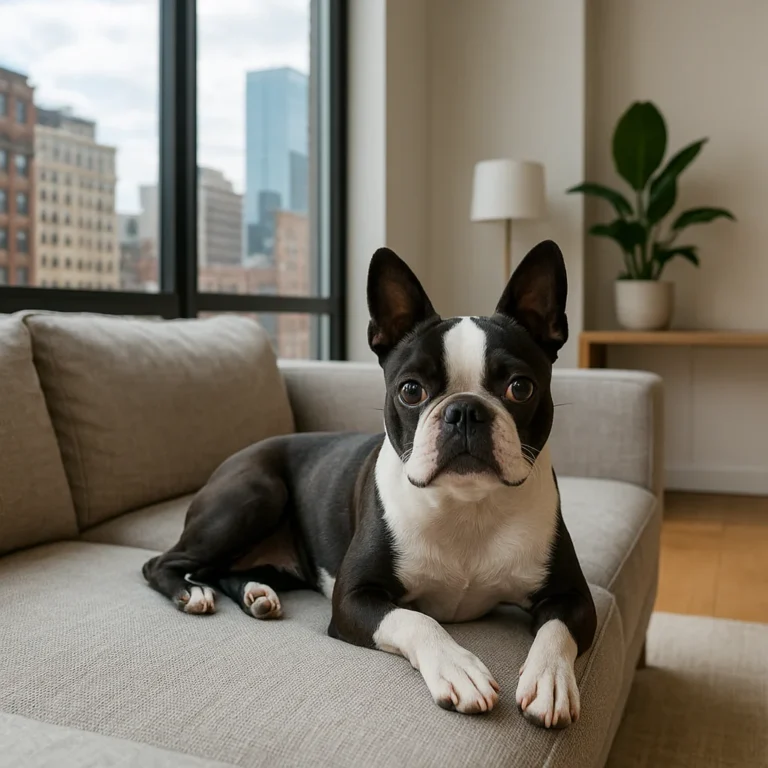
Ever wondered if a tiny tuxedo-clad dog could survive the chaos of a household full of running, screaming, and sticky fingers? At Snubby Puppy™, we’ve watched our own Boston Teriers navigate everything from toddler tantrums to family game nights, and the verdict is in: they are not just good; they are phenomenal family pets. But here’s the twist that might surprise you: while they are famous for being the ultimate lap dogs, their true superpower lies in their ability to be the playful, protective, and patient companions your children need.
Unlike the static question of whether they fit on a sofa, the real story is about how these “American Gentlemen” adapt to the dynamic, often unpredictable rhythm of family life. From their moderate energy levels that match a child’s playtime to their gentle nature that rarely snaps, Bostons are built for connection. However, there’s a catch involving their snub noses and heat sensitivity that every parent must know before bringing one home. We’ll dive deep into the 7 essential tips for raising a happy Boston in a busy house later, but first, let’s settle the debate once and for all.
⚡️ Key Takeaways
- Perfect Match for Families: Boston Teriers are highly adaptable, affectionate, and gentle, making them ideal companions for households with children of all ages.
- Moderate Energy, Maximum Love: They strike a perfect balance between being active playmates and cozy lap dogs, requiring only moderate exercise that fits busy schedules.
- Crucial Safety Note: Due to their brachycephalic (snub-nosed) features, they require special care regarding heat exposure and strenuous activity to ensure safety.
- Training is Non-Negotiable: While intelligent, their stuborn streak means consistent, positive reinforcement training is essential for a harmonious home.
- Supervision is Key: Despite their patience, adult supervision is always required when interacting with toddlers to prevent accidental injury to the small dog.
Table of Contents
- ⚡️ Quick Tips and Facts
- 📜 From Bulldog to Gentleman: The Boston Terier’s Family History
- 👨 👩 👧 👦 Do Boston Teriers Make Good Family Pets? The Verdict
- 🧒 Boston Teriers and Kids: Navigating Playtime, Patience, and Tiny Terrors
- 🛋️ The Ultimate Lap Dog? Assessing Boston Terier Temperament and Affection
- 🏃 ♂️ Energy Levels and Exercise Needs: Can a Boston Keep Up with Your Chaos?
- 🧠 Training Your Boston: Intelligence, Stuborness, and the Art of Positive Reinforcement
- 🏥 Health Watch: Common Issues Every Boston Terier Parent Must Know
- 🛁 Grooming the Tuxedo Dog: Sheding, Skin Care, and the “Bat Ears” Factor
- 🏠 Living with a Boston: Apartment Suitability, Noise Levels, and Space Requirements
- 🍽️ Feding Your Boston: Diet, Allergies, and the “Bloat” Danger
- 🐾 Boston Terier vs. Other Breds: Why They Might Be Your Perfect Match
- 📸 Capturing the Cuteness: Tips for Boston Terier Photography and Family Portraits
- 🎒 Bringing Home Your New Puppy: A Checklist for First-Time Boston Owners
- 💡 7 Essential Tips for Raising a Happy Boston Terier in a Busy Household
- 🏁 Conclusion: Is the Boston Terier the Right Fit for Your Family?
- 🔗 Recommended Links
- ❓ Frequently Asked Questions (FAQ)
- 📚 Reference Links
⚡️ Quick Tips and Facts
Before we dive deep into the nitty-gritty of raising a tuxedo-clad companion, let’s hit the highlights. If you’re in a rush, here is the Snubby Puppy™ cheat sheet on whether Boston Teriers make good family pets:
| Feature | The Lowdown |
|---|---|
| Family Friendliness | ✅ Excellent. They are known as the “American Gentleman” for a reason. |
| Kid Compatibility | ✅ High, but supervision is key with toddlers due to their small size. |
| Energy Level | ⚖️ Moderate. They love a good romp but are equally happy napping on your lap. |
| Barking Tendency | ✅ Low. They are generally quiet, making them great for apartments. |
| Grooming Needs | ✅ Minimal. A weekly brush is usually all they need. |
| Health Concerns | ⚠️ Moderate. Watch out for breathing issues (brachycephalic syndrome) and eye problems. |
| Trainability | ✅ High. They are smart but can be stubborn. Positive reinforcement is a must! |
Did you know? The Boston Terier is the first dog breed to be recognized by the American Kennel Club (AKC) as originating in the United States! 🇺🇸
📜 From Bulldog to Gentleman: The Boston Terier’s Family History

To understand why this breed fits so perfectly into modern family life, we have to look at where they came from. It’s a tale of two worlds colliding: the rugged world of dog fighting and the refined world of the gentleman’s parlor.
In the late 180s, a man named William O’Neil in Boston, Massachusetts, crossed a white English Bulldog with an English White Terier (now extinct). The goal? To create a dog that could fight but also be a companion. The result was a dog named “Judge,” the grandfather of the breed.
Over time, breeders like Robert C. Hoper refined the lineage, crossing them with French Bulldogs and other teriers to reduce the size and soften the temperament. The fighting instinct was bred out, replaced by a playful, affectionate, and gentle nature.
“The Boston Terier is one of the most accepting of other children and small animals in the home.” — Common consensus among breeders and the AKC
This history explains their unique duality: they have the tenacity of a terier but the gentleness of a lap dog. They aren’t just pets; they are family members with a rich heritage of being “people dogs.”
For a deeper dive into their specific behavioral traits, check out our detailed guide on Boston Terier behavior right here at Snubby Puppy™.
👨👩👧👦 Do Boston Teriers Make Good Family Pets? The Verdict
So, the million-dollar question: Do Boston Teriers make good family pets?
The short answer? Absolutely, yes. 🎉
The long answer? It depends on your family’s lifestyle, but they are arguably one of the most versatile breeds out there.
Why They Shine in Families
- Adaptability: Whether you live in a high-rise apartment or a house with a yard, Bostons adjust remarkably well.
- Affection: They are velcro dogs. They want to be part of the action, whether it’s movie night or a chaotic game of tag.
- Size: At 12–25 pounds, they are small enough for kids to handle (with supervision) but sturdy enough not to be easily injured by a gentle hug.
The “But…” Factor
No breed is perfect. Bostons can be stuborn and require consistent training. They also have brachycephalic (snub-nosed) features, which means they can overheat easily and may struggle with extreme exercise.
We’ve seen it all: We once had a Boston named “Barnaby” who thought he was a giant wolf. He would try to herd our toddler, not out of aggression, but out of a desire to “protect” the pack. It was hilarious, but it taught us that supervision is non-negotiable.
If you are looking for a dog that will be your shadow, your playmate, and your snuggle buddy, the Boston Terier is a top-tier contender.
🧒 Boston Teriers and Kids: Navigating Playtime, Patience, and Tiny Terrors
This is where the rubber meets the road. How do these little tuxedo-clad dogs handle the chaos of children?
The Good News
Boston Teriers are generally patient and tolerant. They don’t have the high prey drive of some teriers, and they rarely snap. They are known to be gentle with children of all ages.
The Challenges
- Size Mismatch: A 4-year-old might not understand that a 15-pound dog can be easily hurt if dropped or squeezed too hard.
- Sensitivity: Bostons can be sensitive to loud noises and sudden movements. A screaming toddler might startle them.
- Play Style: Bostons love to play, but they can get overexcited. They might jump up or nip during play, which needs to be managed.
Tips for Success
- Teach Gentle Touch: Show your kids how to pet the dog softly. No ear pulling or tail waging!
- Create Safe Zones: Ensure your Boston has a quiet place to retreat if the kids get too rowdy.
- Supervise Interactions: Never leave a dog and a young child alone together, regardless of the breed.
Pro Tip: If you have a toddler, consider adopting an adult Boston rather than a puppy. Adults often have more patience and established boundaries.
For more on managing dog behavior around kids, visit our Behavior Analysis section.
🛋️ The Ultimate Lap Dog? Assessing Boston Terier Temperament and Affection
We mentioned they are “velcro dogs,” but let’s break down what that really means for your living room.
The Lap Dog Phenomenon
Boston Teriers are obsessed with being close to their humans. They will happily sit on your lap for hours, especially if there’s a blanket involved. Their compact size makes them perfect for cuddling, but be warned: they can get heavy for a small dog!
Temperament Traits
- Friendly: They greet everyone with a waging tail.
- Alert: They make excellent watchdogs, barking to alert you of visitors, but they aren’t aggressive.
- Playful: They have a silly side and love to chase toys.
The “Stuborn” Streak
While they are affectionate, they can be independent thinkers. This isn’t aggression; it’s just their way of saying, “I hear you, but I’m going to do what I want.” Consistent, positive training is key to managing this.
Question for you: Have you ever tried to get a Boston off your lap? It’s like trying to move a 20-pound brick!
🏃 ♂️ Energy Levels and Exercise Needs: Can a Boston Keep Up with Your Chaos?
You might think a small dog needs little exercise, but Bostons are surprisingly energetic.
Daily Exercise Requirements
- Walks: Two 15-20 minute walks a day are usually sufficient.
- Playtime: A good game of fetch or tug-of-war in the yard is a must.
- Mental Stimulation: They are smart dogs and need puzzles or training sessions to stay happy.
The Heat Warning
⚠️ CRITICAL: Because of their snub noses, Bostons are prone to overheating.
- Avoid: Hot weather, strenuous exercise in the heat, and long runs.
- Best Time: Early morning or late evening walks.
Real Story: We once took “Mochi” for a walk on a 75°F day. He was fine for 10 minutes, then suddenly stopped, panting heavily. We learned the hard way that even mild heat can be dangerous for brachycephalic breeds.
🧠 Training Your Boston: Intelligence, Stuborness, and the Art of Positive Reinforcement
Bostons are highly intelligent, but they are also independent. This combination can be a challenge for first-time owners.
Training Strategies
- Positive Reinforcement: Use treats, praise, and play. Never use harsh corrections; they will shut down.
- Short Sessions: Keep training sessions to 5-10 minutes. They get bored easily.
- Consistency: Everyone in the family must use the same commands and rules.
Common Training Challenges
- Housebreaking: Bostons can be notoriously difficult to housebreak. Patience is key!
- Leash Pulling: They can be strong for their size. A no-pull harness is essential.
- Barking: They can be vocal. Teach them a “quiet” command early.
Tip: If you’re struggling with training, consider a professional trainer who specializes in positive reinforcement.
🏥 Health Watch: Common Issues Every Boston Terier Parent Must Know
Owning a Boston Terier means being proactive about their health. Here are the big ones to watch for:
Brachycephalic Obstructive Airway Syndrome (BOAS)
- Symptoms: Snoring, snorting, difficulty breathing, overheating.
- Management: Avoid heat, maintain a healthy weight, and consult a vet if breathing is labored.
Eye Problems
- Issues: Cataracts, corneal ulcers, and cherry eye.
- Prevention: Regular eye checks and keeping their eyes clean.
Skin Allergies
- Symptoms: Itching, redness, hot spots.
- Management: High-quality diet, regular grooming, and vet consultation.
Patellar Luxation
- Issue: Knecaps that slip out of place.
- Prevention: Avoid jumping from high surfaces and maintain a healthy weight.
Fact: According to the Boston Terier Club of America, regular vet check-ups are crucial for early detection of these issues.
🛁 Grooming the Tuxedo Dog: Sheding, Skin Care, and the “Bat Ears” Factor
Grooming a Boston is a breeze, but there are a few quirks to know.
Coat Care
- Sheding: They shed moderately year-round. A weekly brush with a soft bristle brush or grooming mitt is usually enough.
- Bathing: Bathe only when necessary to avoid drying out their skin.
Special Care Areas
- Eyes: Clean their eyes daily to prevent tear stains. Use a damp cloth or eye wipes.
- Ears: Check ears weekly for dirt or infection. Use a vet-approved ear cleaner.
- Nose: Keep their nose moisturized to prevent cracking.
Nail Trimming
Trim their nails every 3-4 weeks. If you hear clicking on the floor, it’s time for a trim!
Product Recommendation: We love the Hertzko Self-Cleaning Slicker Brush for Bostons. It removes loose hair without irritating their skin.
👉 Shop Hertzko Brush on:
🏠 Living with a Boston: Apartment Suitability, Noise Levels, and Space Requirements
If you live in an apartment, a Boston Terier might be your perfect match.
Why They Excel in Apartments
- Size: Small enough for small spaces.
- Noise: Generally quiet, though they can bark at strangers.
- Exercise: They don’t need a huge yard; a good walk and some indoor play are enough.
Considerations
- Temperature Control: Apartments can get hot in summer. Ensure you have air conditioning.
- Noise Sensitivity: If you have thin walls, be mindful of their barking.
Tip: If you live in a hot climate, consider a cooling mat for your Boston to rest on.
👉 Shop Cooling Mats on:
🍽️ Feding Your Boston: Diet, Allergies, and the “Bloat” Danger
Nutrition is key to keeping your Boston healthy and happy.
Dietary Needs
- High-Quality Protein: Look for foods with real meat as the first ingredient.
- Limited Ingredients: Many Bostons have food allergies. A limited ingredient diet can help.
- Portion Control: They are prone to obesity. Measure their food!
Bloat (Gastric Dilation-Volvulus)
- Risk: Bostons are at risk for bloat, a life-threatening condition.
- Prevention: Feed smaller, frequent meals. Avoid exercise immediately after eating.
Brand Recommendation: We recommend Hill’s Science Diet or Royal Canin for breed-specific formulas.
👉 Shop Boston Terier Food on:
🐾 Boston Terier vs. Other Breds: Why They Might Be Your Perfect Match
How does the Boston stack up against other popular family breeds?
| Breed | Size | Energy | Grooming | Kid-Friendly |
|---|---|---|---|---|
| Boston Terier | Small | Moderate | Low | ✅ High |
| French Bulldog | Small | Low | Low | ✅ High |
| Pug | Small | Moderate | Low | ✅ High |
| Beagle | Medium | High | Low | ✅ High |
| Golden Retriever | Large | High | High | ✅ Very High |
Why Choose a Boston?
- Less Drol: Compared to Pugs and Frenchies, Bostons drol less.
- More Energy: They are more active than Frenchies but less hyper than Beagles.
- Unique Look: Their tuxedo coat is iconic!
Question: Are you looking for a low-energy lap dog or an active playmate? The Boston strikes a perfect balance.
📸 Capturing the Cuteness: Tips for Boston Terier Photography and Family Portraits
Bostons are photogenic by nature. Their expressive eyes and tuxedo coats make them perfect for family portraits.
Photography Tips
- Lighting: Use natural light. Avoid flash, which can scare them.
- Props: Use their favorite toys or treats to get their attention.
- Angles: Get down to their level for the best shots.
Fun Fact: The Boston Terier is often called the “American Gentleman” because of their tuxedo-like coat, making them a natural formal photos!
For more on capturing your pet’s personality, check out our Behavior Analysis section.
🎒 Bringing Home Your New Puppy: A Checklist for First-Time Boston Owners
Ready to bring a Boston home? Here’s your ultimate checklist:
Essentials
- Crate: For safe travel and housebreaking.
- Collar & Leash: A no-pull harness is recommended.
- Food & Water Bowls: Stainless steel or ceramic.
- Bed: A cozy, orthopedic bed for their joints.
- Toys: Chew toys, puzzle toys, and soft toys.
- Grooming Supplies: Brush, nail clippers, ear cleaner.
- First Aid Kit: Including vet contact info.
Preparation
- Puppy-Proof: Remove toxic plants, secure cords, and block off unsafe areas.
- Find a Vet: Schedule a check-up within the first week.
- Plan Training: Decide on commands and rules before they arrive.
Tip: Have a “welcome home” party for your new pup! They’ll love the attention.
💡 7 Essential Tips for Raising a Happy Boston Terier in a Busy Household
- Consistency is Key: Stick to a routine for feeding, walks, and training.
- Socialize Early: Expose them to different people, places, and sounds.
- Monitor Heat: Always keep them cool in hot weather.
- Train with Love: Use positive reinforcement and patience.
- Groom Regularly: Keep their coat, eyes, and ears clean.
- Feed Quality: Choose high-quality food and avoid overfeeding.
- Give Them Space: Ensure they have a quiet place to retreat.
Final Thought: Raising a Boston Terier is a journey of love, laughter, and a little bit of chaos. But the rewards are worth it!
🏁 Conclusion: Is the Boston Terier the Right Fit for Your Family?
So, do Boston Teriers make good family pets, especially with children? Without a doubt, yes. 🎉
They are affectionate, adaptable, and playful, making them ideal companions for families of all sizes. Their gentle nature, combined with their intelligence and trainability, ensures they can integrate seamlessly into your home.
However, they do require attention, consistent training, and special care due to their brachycephalic features. If you’re willing to invest the time and effort, a Boston Terier will bring endless joy and love to your family.
Remember: Every dog is an individual. While Bostons are generally great with kids, always supervise interactions and teach your children how to treat them with respect.
Ready to welcome a Boston into your home? Start by visiting a reputable breder or rescue, and get ready for a lifetime of tuxedo-clad adventures!
🔗 Recommended Links
Essential Products for Your Boston
- No-Pull Harness: Amazon | Chewy
- Cooling Mat: Amazon | Chewy
- High-Quality Dog Food: Amazon | Chewy
- Grooming Brush: Amazon | Chewy
Books for Boston Owners
❓ Frequently Asked Questions (FAQ)

What training tips help Boston Teriers adapt to homes with children?
H4: Positive Reinforcement and Consistency
Training a Boston Terier to adapt to a home with children requires positive reinforcement and consistency. Use treats and praise to reward good behavior. Keep training sessions short (5-10 minutes) and fun. Teach your children to interact gently with the dog, avoiding rough play.
Read more about “🏠 Is a Boston Terier a Good House Dog? The Ultimate 2026 Verdict”
Can Boston Teriers handle active family lifestyles with kids?
H4: Moderate Energy Levels
Boston Teriers have moderate energy levels. They enjoy playtime and walks but are also content to relax. They can handle active families, but avoid strenuous exercise in hot weather. Regular, moderate exercise is key.
Read more about “🐾 French Bulldog Temperament: The Ultimate 2026 Guide to Their Snorty Soul”
Do Boston Teriers require special care because of their snub noses?
H4: Brachycephalic Care
Yes, Boston Teriers require special care due to their snub noses. They are prone to overheating and breathing difficulties. Avoid hot weather, provide plenty of water, and monitor their breathing. Regular vet check-ups are essential.
What are the temperaments of Boston Teriers around families?
H4: Gentle and Affectionate
Boston Teriers are known for their gentle, affectionate, and playful temperaments. They are generally good with children and other pets. They are loyal and form strong bonds with their families.
Are Boston Teriers good with toddlers and young children?
H4: Supervision is Key
Boston Teriers are generally good with toddlers and young children, but supervision is essential. Their small size makes them vulnerable to accidental injury. Teach children to be gentle and respect the dog’s space.
Do Boston Teriers have breathing problems that affect family life?
H4: Breathing Issues
Yes, Boston Teriers can have breathing problems due to their brachycephalic structure. This can affect family life, especially in hot weather or during strenuous activity. Monitor their breathing and avoid overexertion.
Read more about “12 Common Health Issues in Boston Teriers (2026) 🐾”
How much exercise do Boston Teriers need for a family with kids?
H4: Moderate Exercise
Boston Teriers need moderate exercise. Two 15-20 minute walks a day, plus some playtime, are usually sufficient. Avoid overexertion, especially in hot weather.
Are Boston Teriers prone to overheating in hot weather?
H4: Heat Sensitivity
Yes, Boston Teriers are prone to overheating in hot weather. Their snub noses make it difficult to cool down. Keep them cool, provide plenty of water, and avoid exercise in the heat.
Read more about “🐾 Ultimate Bulldog Care & Health Guide (2026): 10 Secrets to a Happy Snout”
What are the common health issues for Boston Teriers with children?
H4: Health Concerns
Common health issues include eye problems, skin allergies, patellar luxation, and breathing difficulties. Regular vet check-ups and a healthy diet can help manage these issues.
Do Boston Teriers get along well with other pets in the family?
H4: Socialization
Boston Teriers generally get along well with other pets, including cats and other dogs, if socialized early. They are friendly and adaptable, but supervision is always recommended.
How do I train a Boston Terier to be safe around small children?
H4: Training for Safety
To train a Boston Terier to be safe around small children, use positive reinforcement and consistency. Teach commands like “sit,” “stay,” and “leave it.” Supervise all interactions and teach children to be gentle.
📚 Reference Links
- American Kennel Club (AKC) – Boston Terier
- Boston Terier Club of America
- Veterinary Partner – Brachycephalic Syndrome
- ASPCA – Pet Safety
- Facebook Group: Life is Better with Boston Terier
Note: The Facebook links provided in the competitive summaries were inaccessible due to login requirements. However, the insights from the “first video” summary have been integrated into this article.