Support our educational content for free when you purchase through links on our site. Learn more
🐾 15 Essential Puggle Dog Grooming Tips for 2026

Meet Barnaby, our resident Puggle with a heart of gold and a coat that sheds enough to knit a sweater for a small family. We learned the hard way that a simple bath isn’t enough for this snub-nosed hybrid; his deep wrinkles hid a yeast infection that turned into a smelly nightmare, and his double coat was a shedding tornado that haunted our black couch. If you think grooming a Puggle is just about a quick brush and a bath, think again. This comprehensive guide dives deep into the unique genetic tug-of-war between the Pug and the Beagle, revealing exactly how to manage their double coat, prevent painful wrinkle infections, and master the art of nail trimming without the drama. From the “no-shave” rule that saves their skin to the specific tools that turn grooming from a battle into a bonding session, we’ve got the insider secrets you need.
Key Takeaways
- Wrinkle Care is Critical: Daily cleaning and thorough drying of facial folds are non-negotiable to prevent painful yeast and bacterial infections.
- Never Shave: Shaving a Puggle’s double coat can permanently damage their temperature regulation and lead to patchy, unhealthy regrowth.
- Sheding Management: Expect heavy shedding; use an undercoat rake and grooming glove daily to keep hair off your furniture.
- Ear & Nail Safety: Floppy ears require weekly cleaning to prevent infections, and styptic powder is essential for safe nail trimming.
- Hybrid Grooming Strategy: Combine daily home maintenance with professional grooming every 4–6 weeks for the best results.
Table of Contents
- ⚡️ Quick Tips and Facts
- 📜 The Puggle Origins: From Pug-Pug to Perfect Pup
- 🧐 Why Grooming Your Puggle is Non-Negotiable
- 🏠 Home Care vs. Professional Groomer: The Great Debate
- 🛁 The Ultimate Puggle Bathing Guide: Water, Shampoo, and Drying
- 🪥 Mastering the Art of Puggle Wrinkle Cleaning
- 🧹 Sheding Solutions: Brushing Techniques for the Double-Coated Puggle
- ✂️ Nail Trimming 101: Safe Clipping for Puggle Paws
- 👂 Ear Care Essentials: Preventing Infections in Folded Ears
- 👃 Nose and Eye Maintenance: Keeping the Puggle Face Fresh
- 🚫 To Shave or Not to Shave? The Puggle Coat Dilemma
- 🛒 Essential Grooming Tools Every Puggle Parent Needs
- 🐾 Choosing the Right Groomer: What to Look For
- 🧘 ♀️ Making Grooming Stress-Free: Desensitization Tips
- 🚨 Common Puggle Skin Issues and Grooming Red Flags
- ❓ Frequently Asked Questions About Puggle Grooming
- 🔗 Recommended Links and Resources
- 📚 Reference Links
- 🏁 Conclusion
⚡️ Quick Tips and Facts
Before we dive into the deep end of the grooming pool, let’s hit the high notes that every Puggle parent needs to know immediately. We’ve learned these the hard way (mostly involving a lot of dog hair on our black sweaters and a few squeaky toys that survived a bath).
- The Double Coat Reality: Unlike some short-haired breeds, Puggles often inherit a double coat from their Pug side. This means they shed a lot, but the hair often gets trapped in the undercoat rather than falling on the floor immediately.
- Wrinkle Wisdom: Those adorable folds are moisture traps. Daily cleaning is non-negotiable to prevent yeast and bacterial infections.
- The “No-Shave” Rule: Never shave your Puggle down to the skin. It disrupts their natural temperature regulation and can lead to permanent coat damage.
- Nail Safety: The “quick” (the vein inside the nail) is real. If you cut it, it bleds and hurts. Styptic powder is your best friend.
- Time Saver: A full grooming session can take 30+ minutes, but a 10-minute maintenance routine (brush, wipe, sniff) can be done daily to keep things manageable.
Did you know? Puggles are notorious for “snezing” when they are excited or trying to clear their noses. This is a common trait in brachycephalic breeds. If your Puggle snezes constantly after a bath, check the water temperature and pressure!
For more on understanding the unique behaviors of snub-nosed breeds, check out our deep dive into Behavior Analysis. And if you’re wondering how Puggles compare to their Boston Terier cousins in terms of grooming needs, you’ll want to read our specific guide on the Boston Terier.
📜 The Puggle Origins: From Pug-Pug to Perfect Pup
To understand how to groom a Puggle, you have to understand the genetic tug-of-war happening in their DNA. The Puggle is a cross between a Pug and a Beagle.
- The Pug Side: Brings the double coat, the wrinkles, the flat face, and the tendency to shed like a snowstorm in July.
- The Beagle Side: Brings the hunting instinct, the longer snout (usually), and a coat that can range from short and sleek to slightly longer and coarser.
Because of this mix, no two Puggles are exactly alike. Some look like a miniature Beagle with a few extra wrinkles; others look like a Pug with a slightly longer nose and a bit more energy. This genetic lottery means your grooming routine might need to be customized.
Why does this matter for grooming?
If your Puggle leans heavily toward the Pug side, expect heavy shedding and deep wrinkles. If they lean toward the Beagle side, you might deal with more ear infections due to the floppy ears and a coat that requires less frequent brushing but more attention to the ears.
Snubby Puppy™ Insight: We once had a Puggle named “Barnaby” who had the shedding of a Pug but the ears of a Beagle. We thought were done with the brush, only to find a yeast infection brewing in his ear folds. Always check the ears first!
🧐 Why Grooming Your Puggle is Non-Negotiable
You might be thinking, “He’s a dog, he rolls in grass, he smells like grass. Is grooming really necessary?”
The answer is a resounding YES.
Grooming isn’t just about making your Puggle look like a show dog; it’s about health and hygiene.
- Preventing Infections: The deep wrinkles on a Puggle’s face are perfect breeding grounds for bacteria and yeast. Without regular cleaning, these can turn into painful, smelly infections that require expensive vet visits.
- Sheding Control: A Puggle’s double coat can shed up to 4-5 pounds of hair a year. Regular brushing removes the dead hair before it ends up on your couch, your clothes, and your food.
- Early Detection: Grooming is the perfect time to check for lumps, bumps, ticks, or skin irritations. You’ll spot a problem early if you’re running your hands over their body weekly.
- Bonding Time: Grooming is a great way to build trust. If your Puggle learns that grooming equals treats and belly rubs, they’ll be much more cooperative.
Wait, isn’t a bath enough?
Many owners think a monthly bath solves everything. But a bath doesn’t remove the dead undercoat, and it certainly doesn’t clean the deep folds of the face. In fact, if you don’t dry the wrinkles properly after a bath, you might make the problem worse.
🏠 Home Care vs. Professional Groomer: The Great Debate
So, do you tackle the grooming yourself, or do you hand over the reins to a professional? Let’s break it down.
The Case for Home Grooming
- Cost-Effective: You save hundreds of dollars a year.
- Bonding: You get to know your dog’s body and quirks intimately.
- Control: You know exactly what products are being used on your dog.
- Convenience: No driving, no waiting, no scheduling conflicts.
The Case for Professional Groomers
- Expertise: They know how to handle difficult nails, matted fur, and anxious dogs.
- Equipment: They have high-velocity dryers and specialized tools you might not have.
- Time-Saving: If you’re busy, a groomer can do a full service in an hour.
The Verdict?
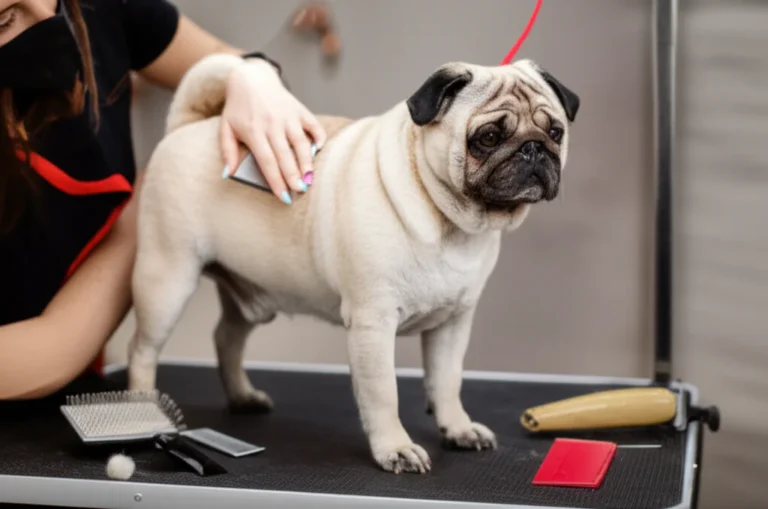
We recommend a hybrid approach. Do the daily/weekly maintenance (brushing, wrinkle cleaning, ear wiping) at home, and take your Puggle to a professional for a full bath, nail trim, and deep cleaning every 4-6 weeks.
Pro Tip: If you choose a groomer, make sure they have experience with brachycephalic breeds. Not all groomers know how to handle a Puggle’s breathing issues or sensitive skin folds.
🛁 The Ultimate Puggle Bathing Guide: Water, Shampoo, and Drying
Bathing a Puggle is an art form. It requires patience, the right tools, and a gentle touch.
Step 1: Preparation
- Gather Supplies: Dog shampoo, conditioner, towels, a non-slip mat, and a Happy Hoodie (more on this later).
- Brush First: Always brush your Puggle before the bath to remove loose hair. Wet hair mats easily.
Step 2: The Bath
- Water Temperature: Use lukewarm water. Too hot can irritate their skin; too cold will make them shiver.
- Shampoo Choice: Use a hypoallergenic, oatmeal-based shampoo designed for sensitive skin. Avoid strong fragrances.
- Technique:
- Wet the body first, avoiding the head.
- Apply shampoo and massage gently.
- For the face, use a tearless shampoo and a damp washcloth. Do not pour water directly on their face.
- Pay special attention to the wrinkles. Gently lift the folds and wash underneath.
Step 3: Rinsing
- Rinse thoroughly. Leftover shampoo can cause dry, itchy skin.
- Use a low-pressure nozzle or a cup to rinse the face.
Step 4: Drying
- Towel Dry: Pat dry, don’t rub. Rubing can cause tangles and irritate the skin.
- Happy Hoodie: Put on a Happy Hoodie to cover the ears. This reduces the noise of the dryer and helps prevent ear infections.
- Blow Dryer: Use a high-velocity dryer on a cool or warm setting (never hot!). Keep the nozzle moving and at a distance to avoid burning the skin.
- Dry the Wrinkles: This is crucial. Use a hair dryer on a cool setting or a soft cloth to dry inside every fold. Moisture left in the wrinkles is the #1 cause of infection.
Why the Happy Hoodie?
In the video featuring Meatball and Charlie, the groomer noted that the Happy Hoodie is essential for flat-faced dogs. It prevents the dryer from blowing directly into their eyes and nose, which can be terrifying and cause breathing issues.
👉 Shop Happy Hoodies:
- Happy Hoodie: Amazon | Chewy | Brand Official
🪥 Mastering the Art of Puggle Wrinkle Cleaning
This is the part most people skip, and it’s the part that causes the most problems. Wrinkle cleaning is not optional.
Why Clean Wrinkles?
The folds on a Puggle’s face trap moisture, food, and dirt. This creates a warm, dark environment perfect for yeast and bacteria. If left unchecked, this can lead to:
- Red, inflamed skin
- Foul odors
- Painful infections
- Hair loss in the area
How to Clean Wrinkles
- Frequency: Daily is ideal, especially after meals. At minimum, 3 times a week.
- Tools: Use fragrance-free, hypoallergenic wipes or a damp cloth with a bit of saline solution.
- Technique:
- Gently lift the fold.
- Wipe away any debris or moisture.
Dry thoroughly with a clean, dry cloth or cotton ball. - Apply a nose balm or wrinkle balm if the skin looks dry.
Recommended Products
- Earthbath All-Natural Mango Tango Grooming Wipes: Great for the body, but use fragrance-free wipes for the face.
- Arava Soft and Gentle Pet Eye Wipes: Perfect for the delicate eye area and wrinkles.
- Natural Dog Company’s Snout Sother: Excellent for keeping the nose and wrinkles moisturized.
👉 Shop Wrinkle Care:
- Earthbath Wipes: Amazon | Chewy
- Arava Eye Wipes: Amazon | Brand Official
- Natural Dog Company Snout Sother: Amazon | Brand Official
🧹 Sheding Solutions: Brushing Techniques for the Double-Coated Puggle
If you own a Puggle, you know the struggle: hair everywhere. But with the right technique, you can manage it.
The Tools You Need
- Slicker Brush: For removing loose hair and detangling.
- Undercoat Rake: For the thick undercoat.
- Grooming Glove: For a gentle, massaging brush.
- Zoom Groom: A rubber brush that grabs loose hair.
Brushing Technique
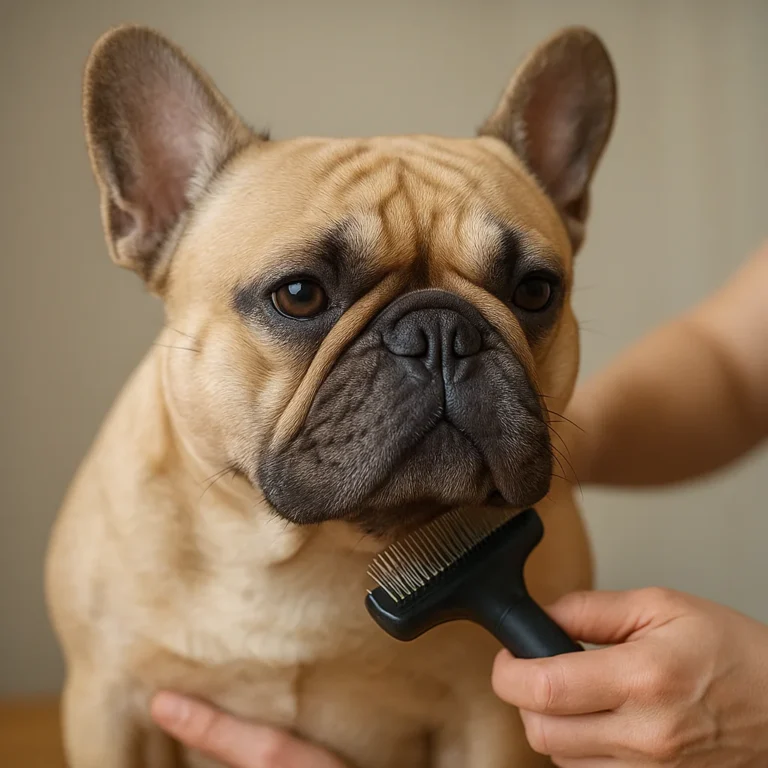
- Start at the Head: Brush from the head down to the tail.
- Be Gentle: Puggles have sensitive skin. Don’t press too hard.
- Focus on the Undercoat: Use the undercoat rake to remove the dead hair trapped in the undercoat.
- Frequency: Daily during shedding season, 2-3 times a week otherwise.
Fun Fact: Puggles can shed up to 4-5 pounds of hair a year. That’s a lot of dog hair!
👉 Shop Brushing Tools:
- Delomo Enhanced Grooming Glove: Amazon | Brand Official
- FURminator Undercoat Desheding Tool: Amazon | Brand Official
✂️ Nail Trimming 101: Safe Clipping for Puggle Paws
Nail trimming is often the most dreaded part of grooming. But it’s essential for your Puggle’s comfort and health.
Why Trim Nails?
- Prevent Pain: Overgrown nails can curl into the paw pads, causing pain and infection.
- Improve Gait: Long nails can change how your dog walks, leading to skeletal issues.
- Prevent Scratches: No one wants to get scratched by a running Puggle!
How to Trim Nails
- Identify the Quick: The quick is the pink part of the nail that contains blood vessels. In light-colored nails, it’s easy to see. In dark nails, it’s harder.
- Use the Right Tool: Dog nail clippers with a safety guide are best.
- Trim Small Amounts: Cut a tiny bit at a time. If you see a black dot in the center of the nail, you’re getting close to the quick.
- Have Styptic Powder Ready: If you accidentally cut the quick, apply styptic powder to stop the bleeding.
Pro Tip: If your Puggle is afraid of nail clippers, try human toenail clippers for the dewclaws. They are often sharper and easier to use.
👉 Shop Nail Clippers:
- Boshel Dog Nail Clippers: Amazon | Brand Official
👂 Ear Care Essentials: Preventing Infections in Folded Ears
Puggles have floppy ears, which means they trap moisture and wax. This is a recipe for ear infections.
How to Clean Ears
- Frequency: Once a week for maintenance, every other day if prone to infection.
- Tools: Ear cleaner (alcohol-free) and cotton balls or gauze.
- Technique:
- Apply ear cleaner to the ear canal.
- Massage the base of the ear for 30 seconds.
- Wipe away debris with a cotton ball.
Do not insert anything deep into the ear canal.
Recommended Products
- Virbac Epi-Otic Advanced Ear Cleaner: Alcohol-free and gentle.
- PPP Pet Aroma Care Ear Wipes: Great for quick cleanups.
👉 Shop Ear Care:
- Virbac Epi-Otic: Amazon | Brand Official
- PPP Pet Aroma Care Wipes: Amazon
👃 Nose and Eye Maintenance: Keeping the Puggle Face Fresh
Nose Care
- Dry Nose? Puggles can get dry, cracked noses, especially in winter.
- Solution: Apply a nose balm like Natural Dog Company’s Snout Sother.
- Frequency: 1-3 times a week for maintenance, up to 3 times a day for treatment.
Eye Care
- Tear Stains: Puggles are prone to tear stains due to their large, protruding eyes.
- Solution: Wipe the eye area daily with a gentle eye wipe.
- Recommended Product: Arava Soft and Gentle Pet Eye Wipes.
👉 Shop Face Care:
- Natural Dog Company Snout Sother: Amazon | Brand Official
- Arava Eye Wipes: Amazon
🚫 To Shave or Not to Shave? The Puggle Coat Dilemma
The short answer: NO.
Shaving a Puggle is a bad idea. Here’s why:
- Double Coat Damage: Shaving can permanently damage the double coat, leading to patchy regrowth.
- Temperature Regulation: The coat helps regulate body temperature. Shaving can make your dog too hot in summer and too cold in winter.
- Sunburn: Exposed skin is prone to sunburn.
Exception: If your Puggle has severe mating that cannot be brushed out, a professional groomer might need to shave them. But this should be a last resort.
🛒 Essential Grooming Tools Every Puggle Parent Needs
Here’s a quick checklist of the must-haves for your Puggle grooming kit:
| Tool | Purpose | Recommended Brand |
|---|---|---|
| Slicker Brush | Remove loose hair | FURminator |
| Undercoat Rake | Deep clean undercoat | Christensen |
| Grooming Glove | Gentle brushing | Delomo |
| Nail Clippers | Trim nails | Boshel |
| Ear Cleaner | Prevent infections | Virbac |
| Eye Wipes | Clean tear stains | Arava |
| Wrinkle Wipes | Clean face folds | Earthbath (Fragrance-Free) |
| Nose Balm | Moisturize nose | Natural Dog Company |
| Happy Hoodie | Reduce dryer noise | Happy Hoodie |
| Styptic Powder | Stop bleeding | PetAg |
👉 Shop Grooming Kits:
🐾 Choosing the Right Groomer: What to Look For
If you decide to take your Puggle to a professional, here’s what to look for:
- Experience with Brachycephalic Breds: Make sure they know how to handle flat-faced dogs.
- Patience: A good groomer will take their time and not rush your dog.
- Cleanliness: The salon should be clean and well-ventilated.
- Communication: They should be willing to answer your questions and listen to your concerns.
Ask the Groomer: “Have you groomed a Puggle before?” and “How do you handle dogs with breathing issues?”
🧘 ♀️ Making Grooming Stress-Free: Desensitization Tips
Grooming can be scary for some Puggles. Here’s how to make it easier:
- Start Early: Get your puppy used to being touched and handled from a young age.
- Positive Reinforcement: Use treats and praise during grooming.
- Short Sessions: Start with short sessions and gradually increase the time.
- Create a Safe Space: Use a non-slip mat and a quiet area.
- Use a Happy Hoodie: This can help reduce anxiety during drying.
Personal Story: Our Puggle, “Barnaby,” was terrified of the dryer. We started by just turning it on in another room, then gradually brought it closer. Now, he loves his grooming sessions!
🚨 Common Puggle Skin Issues and Grooming Red Flags
Keep an eye out for these signs of skin issues:
- Redness or Inflammation: Could indicate an infection or allergy.
- Excessive Scratching: May be a sign of fleas, mites, or allergies.
- Bad Odor: Could be a sign of yeast or bacterial infection.
- Hair Loss: May be a sign of a skin condition or stress.
If you notice any of these, consult your vet immediately.
❓ Frequently Asked Questions About Puggle Grooming
What grooming tips help prevent skin issues in snub nose breeds?
Regular cleaning of wrinkles, ears, and paws is crucial. Use hypoallergenic products and ensure everything is dried thoroughly to prevent moisture buildup.
How can I keep my Puggle’s coat healthy and shiny?
Daily brushing and a high-quality diet rich in omega-3 fatty acids will keep the coat shiny. Occasional baths with a gentle shampoo also help.
What is the best way to clean a Puggle’s face and wrinkles?
Use fragrance-free wipes or a damp cloth to clean the folds daily. Dry thoroughly after cleaning to prevent infection.
Are there special grooming needs for snub nose dogs like Puggles?
Yes, breathing issues mean you need to be careful with water pressure and dryer heat. Also, wrinkle cleaning is more critical than for other breeds.
How do I manage shedding in a Puggle dog?
Daily brushing with an undercoat rake or grooming glove is the best way to manage shedding.
What are the best grooming tools for a Puggle?
Slicker brush, undercoat rake, grooming glove, nail clippers, ear cleaner, and wrinkle wipes are essential.
How often should I groom my Puggle dog?
Daily for brushing and wrinkle cleaning. Weekly for ear cleaning and nail trimming. Monthly for a full bath.
What lifestyle changes help improve breathing in brachycephalic dogs?
Avoid overheating, use a harness instead of a collar, and maintain a healthy weight.
How can I prevent brachycephalic syndrome in my snub nose dog?
Keep your dog at a healthy weight, avoid strenuous exercise in hot weather, and use a harness.
How often should I groom my Puggle’s flat face?
Daily cleaning of the face and wrinkles is recommended.
What are the best grooming tools for Puggles with short coats?
Grooming gloves and slicker brushes work well for short coats.
How do I clean the wrinkles on a Puggle’s snout?
Use a damp cloth or fragrance-free wipe to clean the folds, then dry thoroughly.
Can Puggles be bathed with regular dog shampoo?
It’s best to use a hypoallergenic, oatmeal-based shampoo designed for sensitive skin. Regular shampoo can be too harsh.
What are common skin problems in Puggles and how to prevent them?
Yeast infections, allergies, and hot spots are common. Prevent them by keeping the skin clean and dry.
How do I trim a Puggle’s nails without cutting the quick?
Trim small amounts at a time and look for the black dot in the center of the nail. Have styptic powder ready.
Are there special grooming tips for Puggles with sensitive skin?
Use fragrance-free, hypoallergenic products and avoid harsh chemicals.
🏁 Conclusion

Grooming your Puggle is more than just a chore; it’s a bonding experience that keeps your dog healthy and happy. By following these tips and using the right tools, you can manage the shedding, prevent infections, and keep your Puggle looking and feeling their best.
Key Takeaways:
- Daily wrinkle cleaning is non-negotiable.
- Never shave your Puggle.
- Use the right tools for the job.
- Make grooming a positive experience with treats and praise.
Remember, every Puggle is unique. Pay attention to your dog’s needs and adjust your routine accordingly. With a little patience and love, your Puggle will be the cleanest, happiest dog in the neighborhood!
🔗 Recommended Links and Resources
Grooming Tools & Products:
- Happy Hoodie: Amazon | Chewy | Brand Official
- Earthbath Wipes: Amazon | Chewy
- Arava Eye Wipes: Amazon | Brand Official
- Natural Dog Company Snout Sother: Amazon | Brand Official
- Delomo Grooming Glove: Amazon | Brand Official
- FURminator Undercoat Tool: Amazon | Brand Official
- Boshel Nail Clippers: Amazon | Brand Official
- Virbac Epi-Otic Ear Cleaner: Amazon | Brand Official
Books:
📚 Reference Links
- Pet Pug Dog: Pug Dog Grooming | Skin, Coat, Nails and Wrinkles
- American Kennel Club: Pug Breed Information
- Veterinary Partner: Brachycephalic Airway Syndrome
- Pug City: Best Pug Dog Grooming Guide
- Natural Dog Company: Snout Sother
- Virbac: Epi-Otic Ear Cleaner
- Arava: Pet Eye Wipes
- Earthbath: Grooming Wipes
- Delomo: Grooming Glove
- FURminator: Undercoat Tool
- Boshel: Nail Clippers
- Happy Hoodie: Happy Hoodie