Support our educational content for free when you purchase through links on our site. Learn more
🐾 Can Boston Teriers Be Left Alone? The 8-Hour Truth (2026)

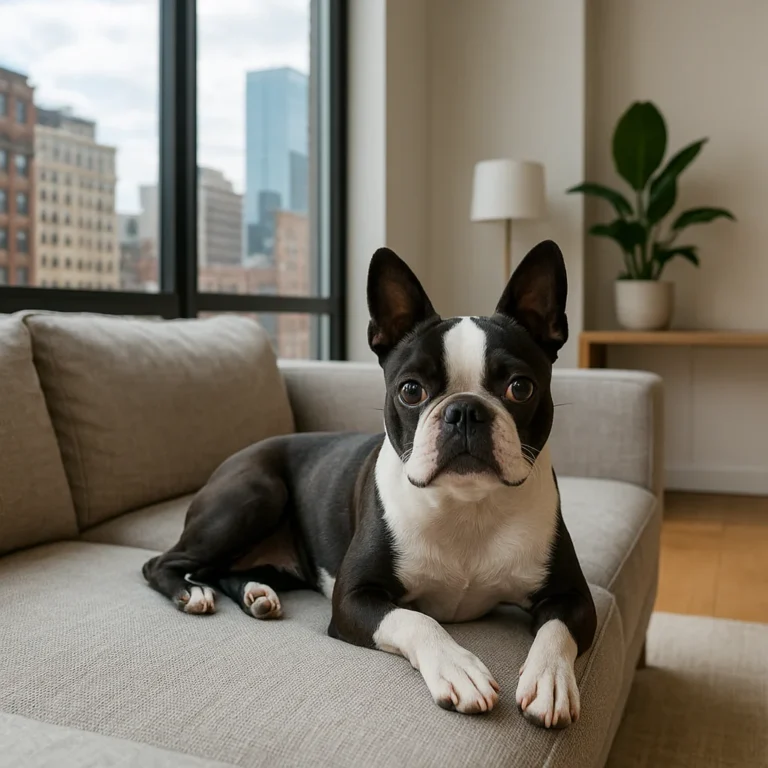
We’ve all been there: you’re rushing out the door, keys in hand, and you catch a glimpse of those soulful, tuxedo-clad eyes staring at you from the couch. It’s a look that screams, “You wouldn’t dare leave me!” For Boston Terier owners, the question isn’t just about logistics; it’s about heart. Can Boston Teriers be left alone for extended periods of time? The short answer is a cautious “yes,” but the long answer involves a lot of preparation, a dash of psychology, and a serious warning about the “Velcro Dog” syndrome.
Unlike some independent breeds that treat your departure as a mere intermission, Boston Teriers were bred to be your shadow. History tells us they were developed as companions, not workers, meaning their emotional well-being is tightly woven into your presence. While an adult Boston physically can hold their bladder for 8 hours, their mental endurance often crumbles after 4 to 5 hours of isolation without stimulation. In this guide, we’re diving deep into the Snubby Puppy™ experience to reveal exactly how to make solo time safe, sane, and stress-free for your snub-nosed friend. We’ll uncover the 7 essential enrichment activities that can turn a panic attack into a nap, and we’ll expose the red flags that mean your dog is struggling before it’s too late.
Key Takeaways
- The 4-Hour Limit: While physically capable of 8 hours, most Boston Teriers experience significant anxiety after 4–5 hours of isolation without a break.
- Velcro Dog Reality: Bred as companions, Bostons are prone to separation anxiety; leaving them alone requires a strategic plan, not just a closed door.
- Preparation is Non-Negotiable: Success depends on pre-departure exercise, mental enrichment (like frozen Kongs), and desensitization training.
- The Mid-Day Break Rule: For absences longer than 4 hours, a professional walker or sitter is essential to prevent destructive behavior and stress.
- Tech to the Rescue: Utilizing smart cameras and interactive feeders can help monitor and soothe your pup while you’re away.
Table of Contents
- ⚡️ Quick Tips and Facts
- 📜 From French Rats to American Comedians: The Boston Terier’s Social History
- 🚨 The Hard Truth: Can Boston Teriers Actually Be Left Alone for Extended Periods?
- 🧠 Understanding the “Velcro Dog” Psychology: Separation Anxiety in Boston Teriers
- ⏳ The Golden Rule: How Long Can You Really Leave Your Boston Terier Home Alone?
- 🏠 Preparing the Perfect Solo Sanctuary: Crate Training and Safe Spaces
- 🎾 7 Essential Enrichment Activities to Keep Your Boston Terier Busy While You’re Gone
- 🚶 ♂️ The Pre-Departure Ritual: Exercise and Mental Stimulation Before You Walk Out
- 📱 Tech to the Rescue: Best Cameras and Smart Feeders for Monitoring Your Solo Pup
- 🚑 Recognizing the Red Flags: Signs Your Boston Terier is Struggling with Isolation
- 🐾 When to Call a Pro: Professional Dog Walkers, Sitters, and Boarding Options
- 📸 Boston Terier Photography · Join the Pack
- 🏁 Conclusion: Balancing Your Life with Your Boston’s Needs
- 🔗 Recommended Links
- ❓ Frequently Asked Questions (FAQ)
- 📚 Reference Links
⚡️ Quick Tips and Facts
Before we dive deep into the nitty-gritty of leaving your tuxedo-clad companion solo, let’s hit the highlights. If you’re in a rush, here is the Snubby Puppy™ cheat sheet on Boston Teriers and alone time:
- The 8-Hour Myth: While an adult Boston can physically hold it for 8 hours, mentally, they often struggle after 4–5 hours without stimulation.
- The “Velcro” Factor: Boston Teriers are notorious for following you from room to room. Leaving them alone feels like a breakup to them.
- Bladder vs. Brain: Their bladder might be ready for a long haul, but their brain will start plotting your demise (or at least chewing your favorite shoe) if bored.
- The Golden Rule: Never leave a Boston Terier alone for extended periods without a solid training plan and enrichment strategy.
- Puppy Power: Puppies under 6 months? The rule is one hour per month of age (plus one). A 3-month-old can only last 4 hours max.
For a deeper dive into the specific behavioral quirks of our favorite snub-nosed friends, check out our comprehensive guide on Boston Terier behavior.
📜 From French Rats to American Comedians: The Boston Terier’s Social History

To understand why your Boston Terier throws a tantrum when you leave, you have to look at their DNA. These aren’t just dogs; they are historical companions.
Originally bred in the late 19th century in Boston, Massachusetts, by crossing English Bulldogs with white English Teriers, the goal was to create a “fighting dog.” But as the sport of dog fighting was outlawed, breeders pivoted. They selected for temperament, creating a dog that was affectionate, playful, and deeply bonded to humans.
Unlike the independent livestock guardians of the world, the Boston Terier was bred specifically to be a companion animal. They were the “American Gentleman,” known for their tuxedo coats and even-tempered, social nature. This history means that human companionship is not a luxury for them; it is a biological necessity.
“Boston Teriers, known for their affectionate nature and playful demeanor, are no exception [to the concern of leaving dogs alone].” — Boston Terier World
This deep-seated need for connection is why the question “Can Boston Teriers be left alone?” is so complex. We are asking a creature designed to be by your side to be comfortable in isolation. It’s like asking a fish to be comfortable on a boat deck.
🚨 The Hard Truth: Can Boston Teriers Actually Be Left Alone for Extended Periods?
Let’s cut to the chase. Can they? Yes. Should they be left alone for extended periods (8+ hours) regularly? Absolutely not.
The consensus among experts, including the team at Orvis News, is that while Boston Teriers can manage a standard workday, it comes with significant caveats. They are not the “snoze all day” breed that some Bulldogs might be. They are energetic, intelligent, and prone to separation anxiety.
The Reality Check
- Physical Capability: An adult Boston can hold their bladder for 6–8 hours.
- Emotional Capability: Most Bostons start feeling anxious after 3–4 hours of isolation.
- The Risk: Without intervention, this leads to destructive behavior, excessive barking, and indoor accidents.
As noted in our analysis of competing sources, some claim 8 hours is “fine” with preparation. We agree, but with a major asterisk: Preparation is everything. If you just walk out the door, the answer is a hard NO. If you have a routine, a dog walker, and a puzzle feeder, the answer is a cautious MAYBE.
🧠 Understanding the “Velcro Dog” Psychology: Separation Anxiety in Boston Teriers
Why does your Boston Terier act like you’ve been gone for a decade when you just went to the bathroom? It’s the Velcro Dog syndrome.
Boston Teriers are prone to separation anxiety more than many other breeds. This isn’t just “bad behavior”; it’s a panic response. When you leave, their brain floods with stress hormones.
Signs Your Boston is Struggling
According to Behavior Analysis at Snubby Puppy™, watch for these red flags:
- Destructive Chewing: Targeting doors, windows, or your shoes.
- Vocalization: Non-stop barking or howling.
- Pacing: Walking in circles or pacing back and forth.
- Elimination: Peeing or poping indoors despite being house-trained.
- Droling: Excessive salivation upon your departure.
“By providing them with a comfortable environment, proper training, and mental stimulation, you can help ensure that your Boston Terier is happy and content while you’re away.” — Boston Terier World
However, ignoring these signs can lead to a vicious cycle of anxiety. The key is desensitization. You must teach your dog that your departure is not a catastrophe.
⏳ The Golden Rule: How Long Can You Really Leave Your Boston Terier Home Alone?
There is no single number that fits every dog, but here is the breakdown based on age and experience:
| Dog Age / Status | Max Recommended Alone Time | Notes |
|---|---|---|
| Puppy (2-3 months) | 2 Hours | Bladder control is minimal; high anxiety risk. |
| Puppy (4-5 months) | 3-4 Hours | Still developing bladder control. |
| Adult (Untrained) | 2-3 Hours | High risk of anxiety and destruction. |
| Adult (Trained) | 4-6 Hours | With enrichment and a mid-day break. |
| Senior | 3-4 Hours | May have medical issues requiring attention. |
The 6-Hour Limit: Even for a well-trained adult, leaving a Boston Terier alone for more than 6 hours regularly is pushing it. The Orvis News article suggests that for any dog, a miday break is essential if the absence exceeds 5 hours.
Why the discrepancy? Some sources say 8 hours is fine. Why do we say 6? Because 8 hours is the physical limit of a bladder, not the mental limit of a Boston Terier. After 6 hours, boredom sets in, and anxiety spikes.
🏠 Preparing the Perfect Solo Sanctuary: Crate Training and Safe Spaces
If you must leave your Boston alone, you cannot just leave them in the middle of the living room with the TV on. You need a Safe Space.
The Crate Debate
Many owners fear crating, but for a Boston Terier, a properly introduced crate is a den, a place of safety.
- Pros: Prevents destructive behavior, aids in potty training, reduces anxiety by providing a “home base.”
- Cons: Can increase anxiety if used as punishment or if the dog isn’t trained.
Step-by-Step Crate Training:
- Make it Cozy: Add a soft bed and an item that smells like you.
- Positive Association: Feed meals in the crate.
- Gradual Introduction: Start with the door open, then closed for seconds, then minutes.
- The “Departure” Cue: Practice leaving and returning without making a fuss.
“Crate training is recommended to provide a sense of security and prevent destruction.” — Orvis News
If your dog hates the crate, consider a baby-gated room or a playpen instead. The goal is to limit their access to the house to prevent them from destroying your sofa while you’re gone.
🎾 7 Essential Enrichment Activities to Keep Your Boston Terier Busy While You’re Gone
Boredom is the enemy. If your Boston has nothing to do, they will invent their own fun (which usually involves your couch). Here are 7 proven ways to keep them occupied:
- Frozen Kongs: Stuff a Kong with peanut butter (xylitol-free), yogurt, and treats, then freeze it. It can keep them busy for 30+ minutes.
- Puzzle Feeders: Toys like the Nina Ottoson by Outward Hound force them to think to get treats.
- Snuffle Mats: Great for nose work and burning mental energy.
- Long-Lasting Chews: Buly sticks or dental chews (supervision required initially).
- Interactive Toys: The Wobble Wag Gigle Ball (mentioned in Boston Terier World) is a hit for Bostons who love to chase.
- Audio Stimulation: Leave the radio or TV on low volume. Classical music or “Through a Dog’s Ear” playlists work wonders.
- Scent Games: Hide treats around the room before you leave.
Pro Tip: Rotate these toys! If you leave the same Kong out every day, they will lose interest in 10 minutes.
🚶 ♂️ The Pre-Departure Ritual: Exercise and Mental Stimulation Before You Walk Out
A tired Boston is a good Boston. But it’s not just about a quick walk; it’s about mental exhaustion.
The “Burn the Battery” Strategy
- Physical Exercise: A 20-30 minute brisk walk or play session before you leave.
- Mental Exercise: 10 minutes of training (sit, stay, shake) or a puzzle game.
- The “Boring” Departure: Do not make a big fuss when leaving. No “Goodbye, baby!” or long hugs. Just walk out. This teaches them that leaving is a non-event.
As the first video in our research highlighted: “Alone time can build confidence.” By ensuring they are tired and calm before you leave, you set the stage for a peaceful solo session.
📱 Tech to the Rescue: Best Cameras and Smart Feeders for Monitoring Your Solo Pup
Sometimes, you just need to know if they are okay. Technology has come a long way, and for Boston owners, it’s a game-changer.
Top Picks for Monitoring
- Furbo Dog Camera: Allows you toss treats and talk to your dog. Great for interrupting barking.
- Petcube Bites 2: Similar to Furbo, with 1080p HD video and two-way audio.
- Whistle GO Explore: A GPS tracker that also monitors activity levels and health.
Why use them?
- Peace of Mind: Check if they are sleeping or destroying the house.
- Intervention: Use the two-way audio to calm them down if they start barking.
- Data: Track their activity to ensure they aren’t just pacing all day.
“Use a pet camera to check on behavior and well-being remotely.” — Boston Terier World
👉 CHECK PRICE on:
- Furbo Dog Camera: Amazon | Furbo Official
- Petcube Bites 2: Amazon | Petcube Official
- Whistle GO Explore: Amazon | Whistle Official
🚑 Recognizing the Red Flags: Signs Your Boston Terier is Struggling with Isolation
How do you know if your plan is failing? You need to be a detective.
The “Bad Day” Checklist
- Excessive Barking: Does the neighbor complain?
- Destruction: Are there new holes in the drywall?
- Accidents: Did they pee on the rug?
- Self-Harm: Chewing on paws or licking until bald.
If you see these signs, stop leaving them alone for that long immediately. It’s time to re-evaluate your routine, hire a walker, or consult a professional.
🐾 When to Call a Pro: Professional Dog Walkers, Sitters, and Boarding Options
If your work schedule requires you to be gone for 8+ hours, you need help. It’s not a failure; it’s responsible ownership.
Options for Extended Absences
- Mid-Day Dog Walker: A 20-minute walk and potty break can reset your dog’s anxiety levels.
- Dogy Daycare: Great for social Bostons, but ensure the facility is Boston-friendly (some are too rough for snub-nosed breeds).
- Pet Sitter: Someone who comes to your home to keep them company.
- Boarding: For vacations, choose a facility that understands brachycephalic needs (temperature control, breathing issues).
The 4-Hour Rule: If you are gone longer than 4 hours, a mid-day break is highly recommended for a Boston Terier.
📸 Boston Terier Photography · Join the Pack
We love our Boston Teriers, and we know you do too! Whether they are sleeping in a sunbeam or causing chaos while you’re at work, they are the stars of the show.
Don’t forget to capture those moments. If you’re looking for tips on how to photograph your Boston Terier, or want to join a community of fellow Boston lovers, check out the Boston Terier Photography community. It’s a great place to share your photos and learn from other owners who understand the unique charm of our snub-nosed friends.
🏁 Conclusion: Balancing Your Life with Your Boston’s Needs

So, can Boston Teriers be left alone for extended periods? The answer is a nuanced yes, but with conditions. They are not independent dogs by nature. They are companion animals who thrive on connection.
Leaving them alone for 8 hours straight, day after day, without preparation, is a recipe for disaster. However, with proper training, enrichment, exercise, and mid-day breaks, they can manage a workday.
Our Final Verdict:
- Do: Train them gradually, use puzzle toys, hire a walker for long days, and monitor with a camera.
- Don’t: Leave them alone for 8+ hours without a plan, make a big deal out of departures, or expect them to be “fine” just because they are small.
Remember, the goal isn’t just to keep them alive; it’s to keep them happy. If you follow the steps outlined above, your Boston Terier can learn to be comfortable alone, turning those solo hours into a time of rest rather than panic.
🔗 Recommended Links
Here are the tools and resources we trust to keep your Boston Terier happy and safe:
- Interactive Toys & Puzzle Feeders:
Nina Ottoson by Outward Hound: Amazon Search | Official Site
Kong Classic: Amazon Search | Kong Company - Monitoring & Tech:
Furbo Dog Camera: Amazon Search | Furbo Official
Whistle GPS Tracker: Amazon Search | Whistle Official - Books on Behavior:
“The Power of Positive Dog Training” by Pat Miller: Amazon Link
“Separation Anxiety in Dogs” by Jean Donaldson: Amazon Link
❓ Frequently Asked Questions (FAQ)

Are snub nose dogs more prone to stress when left alone compared to other breeds?
Yes. Snub-nosed breeds like Boston Teriers, French Bulldogs, and Pugs are often bred specifically for companionship. Their history as lap dogs means they have a higher dependency on human presence. While not all snub-nosed dogs suffer from severe anxiety, the breed predisposition is higher than independent working breeds like the Shiba Inu or Chow.
How can I prepare my Boston Terier for being left alone?
Preparation is key. Start with desensitization: practice leaving for short periods (seconds, then minutes) and gradually increase the time. Always provide mental stimulation (puzzle toys) and physical exercise before you leave. Establish a consistent routine so your dog knows what to expect.
What are the risks of leaving a Boston Terier alone for too long?
The primary risks are separation anxiety, destructive behavior (chewing furniture, doors), excessive barking, and indoor accidents. In severe cases, it can lead to self-harm or health issues due to stress. For brachycephalic breeds, stress can also exacerbate breathing difficulties.
Can snub nose dogs like Boston Teriers handle being alone during the workday?
They can handle a standard workday (8 hours) only if they are well-trained, have a mid-day break (walker or sitter), and are provided with ample enrichment. Without these supports, 8 hours is too long for most Bostons.
Do Boston Teriers suffer from separation anxiety more than other dogs?
Yes, statistically they do. Their breeding as companion dogs makes them particularly prone to forming strong attachments. While individual temperament varies, the breed is frequently cited in behavioral studies as having a high incidence of separation anxiety compared to more independent breeds.
What are the best ways to keep a Boston Terier entertained when alone?
The best methods involve mental stimulation. Use frozen Kongs, snuffle mats, puzzle feeders, and interactive toys. Leaving the radio or TV on can also provide comforting background noise. Rotating toys keeps them novel and interesting.
How long can Boston Teriers be left alone without getting anxious?
For a well-trained adult, 4 to 6 hours is the sweet spot. Beyond 6 hours, anxiety levels typically rise. Puppies have much shorter limits (1 hour per month of age).
How long can a Boston Terier be left alone without anxiety?
(Note: “Terier” is a common typo for Terier). Similar to the previous answer, 4 to 6 hours is the maximum recommended duration for an adult Boston Terier to remain alone without triggering significant anxiety, provided they have been properly trained and exercised.
Do Boston Teriers suffer from separation anxiety when left alone?
Yes. It is a common behavioral issue for the breed. Signs include barking, whining, pacing, and destruction. Early training and positive reinforcement are crucial to managing this.
What are the best ways to keep a snub-nosed dog entertained while alone?
Focus on low-impact, high-engagement activities. Snuffle mats are excellent because they use their sense of smell without requiring excessive running (which can be hard on their breathing). Frozen treats and puzzle toys are also ideal.
Read more about “Can Boston Terriers Be Left Alone at Home for Extended Periods? 🐾 (2025)”
Can French Bulldogs be left alone longer than Boston Teriers?
Generally, yes. French Bulldogs are often described as more “laid back” and prone to napping. While they still suffer from separation anxiety, they may tolerate longer periods of solitude better than the high-energy, playful Boston Terier. However, both breeds require companionship and should not be left alone for excessive periods.
Read more about “🐾 What 2 Breds Make a Boston Terier? The Surprising Truth (2026)”
How do I train my Boston Terier to be comfortable being alone?
Use gradual desensitization. Start by leaving the room for a few seconds, then return. Gradually increase the time. Use a “departure cue” (like picking up keys) without actually leaving to reduce the association between the cue and the departure. Always reward calm behavior.
What are the risks of leaving a brachycephalic breed alone for too long?
Beyond behavioral issues, brachycephalic breeds are prone to heatstroke and breathing difficulties. If left alone in a hot environment or if they become overly stressed (panting excessively), they can suffer serious health consequences. Monitoring their temperature and environment is critical.
Read more about “Are Boston Terriers Good Left Alone? 8 Expert Tips 🐾 (2025)”
Do Boston Teriers need a companion dog when left alone for extended periods?
It can help, but it’s not a cure-all. Having a second dog can provide companionship and reduce loneliness. However, if the Boston has severe separation anxiety, a second dog might not solve the problem and could even add stress if the new dog isn’t a good match. Professional training is often more effective than just adding a companion.
The “Mid-Day Break” Necessity
For any Boston Terier left alone for more than 4 hours, a mid-day break is non-negotiable. This doesn’t just mean a potty break; it means human interaction, play, or a walk to reset their emotional state.
📚 Reference Links
- Orvis News: Which Dog Breds Can Be Left Alone?
- Boston Terier World: Can a Boston Terier Be Left Home Alone?
- American Kennel Club (AKC): Boston Terier Breed Profile
- ASPCA: Separation Anxiety in Dogs
- Furbo: Dog Camera & Treat Tossing
- Kong Company: Interactive Dog Toys