Support our educational content for free when you purchase through links on our site. Learn more
🐾 What 2 Breds Make a Boston Terier? The Surprising Truth (2026)

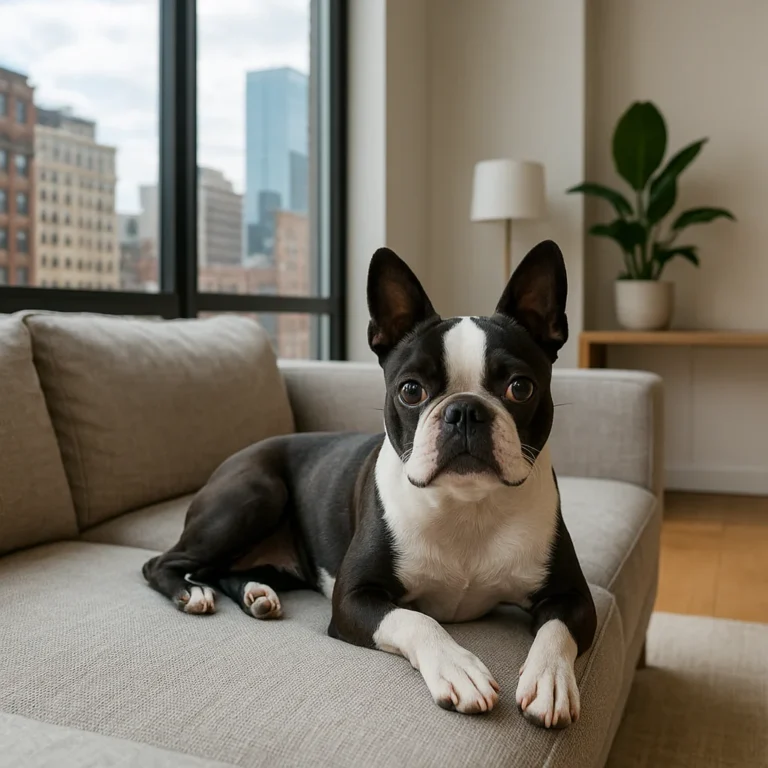
Ever wondered if your “American Gentleman” is actually a secret mix of a Shetland Sheepdog and a Boston, or perhaps a Pug hiding in plain sight? We’ve all seen the viral Facebook posts claiming wild DNA results, but the real story of the Boston Terier’s origins is far more fascinating—and historically grounded—than any modern internet rumor. Born from a deliberate cross between the English Bulldog and the now-extinct White English Terier in 19th-century Boston, this breed was engineered to be the perfect city companion: sturdy yet agile, fierce yet gentle. In this deep dive, we’ll unravel the genetic blueprint, debunk the “Sheltie mix” myths, and reveal exactly how these two distinct lineages created the iconic tuxedo-clad dog we love today. Whether you’re a new owner or a seasoned snub-nose enthusiast, you’ll discover why understanding this unique heritage is the key to keeping your pup healthy and happy for their full 15-year lifespan.
Key Takeaways
- The Genetic Reality: The Boston Terier is a historic cross between the English Bulldog (providing strength and the flat face) and the White English Terier (providing agility, pointed ears, and the tuxedo markings).
- Debunking Myths: Despite viral social media claims, Shetland Sheepdogs and Pugs are not primary parent breeds of the original Boston Terier, though Pugs may have been used later for minor refinements.
- Health Implications: Understanding this lineage explains why Bostons are brachycephalic (snub-nosed) and prone to specific issues like BOAS and overheating, requiring special care.
- Temperament Blend: The breed perfectly balances the courageous, calm nature of the Bulldog with the alert, lively spirit of the Terier, creating the ultimate family companion.
Table of Contents
- ⚡️ Quick Tips and Facts
- 🧬 The Genetic Blueprint: What Breds Make a Boston Terier?
- 📜 A Brief History of the Boston Terier
- 🐕 Ancestral Lineage: Bulldog, Mastiff, and Pug Connections
- 🏆 The “American Gentleman”: Breed Standard and Characteristics
- 🧠 Temperament and Personality: Is the Boston Right for You?
- 🏥 Health Concerns and Lifespan Expectations
- 🧼 Grooming and Care Essentials
- 🍽️ Nutrition and Feding Guidelines
- 🎾 Training and Exercise Needs
- 🏠 Living with a Boston Terier: Apartment vs. House
- 🆚 Boston Terier vs. French Bulldog: Key Differences
- 🆚 Boston Terier vs. English Bulldog: Spoting the Distinctions
- 🛒 Choosing a Reputable Boston Terier Breder
- 🏥 Essential Vet Visits and Preventative Care
- 🎒 Top Gear and Accessories for Boston Owners
- ❤️Life is better with Boston Terier❤️ · Join
- 📝 Conclusion
- 🔗 Recommended Links
- ❓ FAQ
- 📚 Reference Links
⚡️ Quick Tips and Facts
Before we dive deep into the genetic cocktail that created the “American Gentleman,” let’s hit the highlights with some Snubby Puppy™ insider knowledge. If you’re scratching your head wondering, “What 2 breeds make a Boston Terier?”, the short answer is a mix of English Bulldogs and White English Teriers (now extinct), but the story is far more nuanced than a simple 50/50 split.
Here is the rapid-fire breakdown you need to know right now:
- The Genetic Mix: Contrary to popular belief, it wasn’t just one Bulldog and one Terier. It was a specific lineage of Buldogs (heavier, stockier) crossed with White English Teriers (agile, pointed ears) to create the modern Boston.
- The “Tuxedo” Look: That iconic black-and-white coat isn’t just for style; it was a deliberate breeding goal to mimic a formal tuxedo, earning them the nickname “American Gentleman.”
- Brachycephalic Reality: Like all snub-nosed breeds, Bostons have shortened airways. This means they are prone to overheating and breathing issues, requiring special care in hot weather.
- Size Matters: They are small but sturdy. A standard Boston Terier weighs between 12 to 25 pounds, making them perfect for apartment living but tough enough for play.
- Lifespan: With proper care, these little guys are surprisingly long-lived, often reaching 13 to 15 years.
Did you know? The Boston Terier was the first breed developed in the United States to be recognized by the American Kennel Club (AKC) in 1893! 🇺🇸
For a deeper dive into how their unique history shapes their behavior today, check out our comprehensive guide on Boston Terier behavior and personality.
🧬 The Genetic Blueprint: What Breds Make a Boston Terier?
Let’s get scientific for a moment, shall we? When you ask, “What 2 breeds make a Boston Terier?”, you are essentially asking about a historical crossbreding experiment that took place in the late 19th century. It wasn’t a modern-day “designer dog” trend; it was a deliberate effort to create a companion dog that combined the best traits of two distinct lineages.
The Primary Ancestors
The consensus among historians and geneticists is that the Boston Terier is the result of crossing:
- The English Bulldog: Specifically, the 19th-century Bulldog, which was significantly lighter and more athletic than the modern, heavy-set Bulldog we see today. These dogs provided the stocky build, the broad head, and the courageous temperament.
- The White English Terier: This breed is now extinct, but it was known for its agility, alertness, and pointed ears. This breed contributed the refined features, the white markings, and the terier spirit.
The “Judge” and “Gyp” Story
The origin story usually centers around a dog named Judge, a brindle and white dog purchased by Robert C. Hoper in Boston around 1870. Judge was believed to be a cross between an English Bulldog and a White English Terier.
Hoper then bred Judge to a female named Gyp (also known as Kate), who was likely a smaller, more refined terier type. Their offspring, particularly a dog named Well’s Eph, became the foundation sire for the breed.
Snubby Puppy™ Insight: Many people assume the Pug is a parent breed because of the flat face. While Pugs were popular in Boston at the time and may have been introduced later to refine the head shape, the primary genetic drivers were definitely the Bulldog and the White English Terier.
Why the Confusion?
You might find conflicting information online. Some sources mention the French Bulldog or the Pug. Here is why:
- French Bulldogs: They share a similar ancestor (the Bulldog) and were developed around the same time in a neighboring region. They look similar, but the Boston was developed independently in the US.
- Pugs: Pugs were sometimes used in the early days to reduce the size and refine the muzzle, but they are not considered a primary parent breed in the official breed standard.
To understand the nuances of these breeds, we recommend reading the AKC’s official breed history.
📜 A Brief History of the Boston Terier

The Boston Terier’s history is as colorful as its coat. Born in the industrial heart of Boston, Massachusetts, this breed was the product of the city’s vibrant dog fancy culture in the late 180s.
The Birth of the “American Gentleman”
In the 1870s, dog enthusiasts in Boston were looking for a companion that was:
- Compact enough for city living.
- Friendly enough for the family.
- Tough enough to handle the rough-and-tumble of the era.
The cross between the Buldog and the White English Terier hit the sweet spot. The resulting dogs were smaller than Bulldogs but sturdier than Teriers. They were intelligent, affectionate, and had a distinctive tuxedo-like coat.
From Fighting Dog to Family Pet
It’s important to note that the ancestors of the Boston Terier were originally bred for bull-baiting and rating. However, the Boston Terier was quickly domesticated. By the 1890s, they were no longer fighting dogs; they were show dogs and companions.
In 1891, the Boston Terier Club of America was formed, and in 1893, the breed was officially recognized by the AKC. This made the Boston Terier the first American breed to be recognized by the AKC, a title it holds with pride.
The Decline of the White English Terier
The White English Terier, one of the two parent breeds, eventually went extinct. This was partly due to health issues (they were prone to deafness and skin problems) and the fact that they were largely absorbed into the Boston Terier and Manchester Terier breeds.
Fun Fact: The Boston Terier was so popular in the early 20th century that it was the most popular breed in the United States for a brief period!
For more on the evolution of snub-nosed breeds, visit our Behavior Analysis section.
🐕 Ancestral Lineage: Bulldog, Mastiff, and Pug Connections
Let’s clear up the confusion once and for all. While the Buldog and White English Terier are the primary parents, the lineage is a bit more complex.
The Bulldog Connection
The English Bulldog contribution is undeniable. Look at the Boston’s square head, short muzzle, and muscular body. These are classic Bulldog traits. However, the 19th-century Bulldog was much more agile than the modern version.
The Mastiff Myth
Some older texts suggest a Mastiff connection. While the Bulldog itself has Mastiff ancestry, there is no direct evidence that Mastiffs were used in the creation of the Boston Terier. The “Mastiff” traits seen in Bostons are actually inherited through the Bulldog line.
The Pug Influence
The Pug is often mentioned in the context of the Boston Terier. Why?
- Head Shape: Pugs have a very flat face, and some early Boston breeders may have used Pugs to refine the muzzle.
- Temperament: Pugs are known for being affectionate and playful, traits that align with the Boston.
However, the AKC and most breed historians agree that the Pug was not a primary parent breed. The Boston Terier’s unique look is primarily due to the Buldog and White English Terier cross.
Comparison Table: Ancestral Traits
| Trait | Bulldog Contribution | White English Terier Contribution | Modern Boston Terier |
|---|---|---|---|
| Body Build | Stocky, muscular | Lean, agile | Compact, well-muscled |
| Head Shape | Broad, square | Narrower, pointed | Square, short muzzle |
| Ears | Rose or button | Pricked, pointed | Pricked (bat-like) |
| Coat | Short, smooth | Short, smooth | Short, smooth, tuxedo pattern |
| Temperament | Courageous, calm | Alert, energetic | Friendly, lively, gentle |
🏆 The “American Gentleman”: Breed Standard and Characteristics
The Boston Terier is often called the “American Gentleman” because of its tuxedo-like coat and refined demeanor. Let’s break down what makes this breed so special according to the official AKC Breed Standard.
Physical Characteristics
- Size: Divided into three weight classes:
Under 15 lbs
15 to 20 lbs
Over 20 to 25 lbs - Coat: Short, smooth, and fine. The color must be brindle, seal, or black, with white markings.
- Markings: The white markings should include a white muzzle, a white blaze between the eyes, a white collar, and white on the chest and legs.
- Eyes: Large, round, and dark. They should be set wide apart.
- Ears: Small, pointed, and carried erect.
Temperament
The Boston Terier is known for being:
- Friendly: They love people and are great with children.
- Lively: They have a lot of energy and love to play.
- Intelligent: They are quick learners but can be stubborn.
- Gentle: Despite their terier ancestry, they are rarely aggressive.
Snubby Puppy™ Tip: While they are friendly, Bostons can be territorial if not socialized early. Always introduce them to new people and dogs gradually.
For more on their personality, read our article on Boston Terier behavior.
🧠 Temperament and Personality: Is the Boston Right for You?
So, you’re thinking about bringing a Boston Terier into your home? Great choice! But is this breed the right fit for your lifestyle? Let’s dig into their temperament and personality.
The Good Stuff
- Affectionate: Bostons are velcro dogs. They love to be close to their humans and will follow you from room to room.
- Playful: They have a great sense of humor and love to play fetch or tug-of-war.
- Adaptable: Whether you live in a small apartment or a large house, Bostons can adapt. They don’t need a huge yard to be happy.
- Good with Kids: They are generally patient and gentle with children, making them great family pets.
The Challenges
- Separation Anxiety: Bostons can get anxious if left alone for long periods. They thrive on companionship.
- Stuborness: Like many teriers, they can be a bit stuborn during training. Consistency is key!
- Barking: They can be vocal if not trained properly. They may bark at strangers or noises.
- Heat Sensitivity: Due to their brachycephalic nature, they overheat easily. Avoid strenuous exercise in hot weather.
Real-Life Story: The “Brownie and Oreo” Dynamic
Remember Monique from the video we mentioned earlier? She shared a fascinating story about introducing her new puppy, Oreo, to her older dog, Brownie.
“Brownie fell into a depression when Oreo started eating from her bowl. She isolated herself in a different room.”
This highlights a common issue: resource guarding and jealousy in multi-dog households. Monique’s solution?
- Neutral Introductions: Introduce dogs in a neutral setting.
- Remove Resources: Pick up the older dog’s bowls and toys before the new dog arrives.
- Solo Time: Give the older dog alone time to decompress.
This story shows that while Bostons are generally friendly, proper introduction and management are crucial for a harmonious home.
🏥 Health Concerns and Lifespan Expectations
Like all purebred dogs, Boston Teriers are prone to certain health issues. Understanding these can help you provide the best care for your furry friend.
Common Health Issues
- Brachycephalic Obstructive Airway Syndrome (BOAS): Due to their short noses, Bostons can have breathing difficulties. This can lead to snoring, snorting, and overheating.
- Eye Problems: Their large, prominent eyes are prone to cataracts, corneal ulcers, and cherry eye.
- Patellar Luxation: This is a condition where the knecap dislocates. It’s common in small breeds.
- Deafness: Some Bostons, especially those with white coats, may be deaf in one or both ears.
- Skin Allergies: They can be prone to skin allergies and hot spots.
Lifespan
With proper care, Boston Teriers typically live 13 to 15 years. Some even reach 16 years or more!
Preventative Care
- Regular Vet Visits: Annual check-ups are essential.
- Weight Management: Keep your Boston at a healthy weight to reduce stress on their joints and airways.
- Eye Care: Clean their eyes regularly and watch for signs of irritation.
- Dental Care: Brush their teeth regularly to prevent dental disease.
Snubby Puppy™ Insight: Always buy from a reputable breder who tests for genetic health issues. Avoid puppy mills!
🧼 Grooming and Care Essentials
Despite their short coats, Boston Teriers do require some grooming. Here’s what you need to know.
Coat Care
- Brushing: Brush your Boston once a week with a soft-bristle brush or a grooming mitt. This removes loose hair and distributes natural oils.
- Bathing: Bathe your Boston every 4-6 weeks or as needed. Use a gentle, dog-specific shampoo.
- Nail Trimming: Trim their nails every 2-3 weeks to prevent overgrowth and discomfort.
- Ear Cleaning: Clean their ears weekly to prevent infections. Use a dog ear cleaner and a cotton ball.
- Eye Cleaning: Wipe their eyes daily with a damp cloth to remove discharge.
Seasonal Care
- Summer: Keep them cool! Avoid exercise during the hottest parts of the day. Provide plenty of water and shade.
- Winter: Bostons have short coats and can get cold. Consider a dog sweater or coat for walks in cold weather.
Recommended Grooming Products
- Brush: Hertzko Self-Cleaning Slicker Brush
- Shampoo: Burt’s Bes for Dogs Oatmeal Shampoo
- Ear Cleaner: Veterinary Formula Clinical Care Ear Cleaner
👉 CHECK PRICE on:
🍽️ Nutrition and Feding Guidelines
Feding your Boston Terier the right food is crucial for their health and longevity. Here’s what you need to know.
Dietary Needs
- High-Quality Protein: Look for foods with real meat as the first ingredient.
- Moderate Fat: Bostons can gain weight easily, so choose foods with moderate fat levels.
- Carbohydrates: Opt for complex carbohydrates like brown rice or sweet potatoes.
- Vitamins and Minerals: Ensure the food is complete and balanced according to AAFCO standards.
Feding Schedule
- Puppies: Feed 3-4 times a day until they are 6 months old.
- Adults: Feed 2 times a day (morning and evening).
- Seniors: Adjust portion sizes based on activity level and health.
Foods to Avoid
- Chocolate: Toxic to dogs.
- Grapes and Raisins: Can cause kidney failure.
- Onions and Garlic: Can cause anemia.
- Xylitol: Found in some sugar-free products, can be fatal.
Recommended Brands
- Hill’s Science Diet: Hill’s Science Diet Adult Small Breed
- Royal Canin: Royal Canin Boston Terier Adult
- Blue Buffalo: Blue Buffalo Life Protection Formula Small Breed
👉 Shop
🎾 Training and Exercise Needs
Boston Teriers are intelligent and eager to please, but they can also be stuborn. Here’s how to train and exercise them effectively.
Training Tips
- Positive Reinforcement: Use treats, praise, and play to reward good behavior.
- Consistency: Be consistent with commands and rules.
- Short Sessions: Keep training sessions short (5-10 minutes) to maintain their attention.
- Socialization: Expose your Boston to different people, dogs, and environments from a young age.
Exercise Requirements
- Daily Walks: A 30-minute walk twice a day is usually sufficient.
- Playtime: Engage in fetch, tug-of-war, or agility training.
- Mental Stimulation: Use puzzle toys and training games to keep their minds active.
Snubby Puppy™ Tip: Avoid over-exercising your Boston in hot weather. Their short noses make them prone to overheating.
🏠 Living with a Boston Terier: Apartment vs. House
One of the biggest advantages of the Boston Terier is their adaptability. They can thrive in both apartments and houses.
Apartment Living
- Pros: Bostons don’t need a huge yard. They are happy with daily walks and indoor play.
- Cons: They can be vocal, so be prepared for some barking.
House Living
- Pros: They have more space to run and play.
- Cons: They still need daily exercise and mental stimulation.
Tips for Both
- Create a Safe Space: Provide a crate or bed where your Boston can retreat.
- Potty Training: Establish a consistent potty schedule.
- Temperature Control: Keep your home at a comfortable temperature to prevent overheating.
🆚 Boston Terier vs. French Bulldog: Key Differences
The Boston Terier and the French Bulldog are often confused. Here’s how they differ.
| Feature | Boston Terier | French Bulldog |
|---|---|---|
| Origin | United States | France |
| Size | 12-25 lbs | 16-28 lbs |
| Coat | Tuxedo pattern | Solid colors (brindle, fawn, etc.) |
| Ears | Pointed, erect | Bat-like, rounded |
| Temperament | Lively, friendly | Calm, affectionate |
| Exercise Needs | Moderate | Low to Moderate |
Snubby Puppy™ Insight: If you want a more active dog, choose the Boston. If you prefer a couch potato, the French Bulldog might better.
🆚 Boston Terier vs. English Bulldog: Spoting the Distinctions
The English Bulldog is the ancestor of the Boston, but they are quite different today.
| Feature | Boston Terier | English Bulldog |
|---|---|---|
| Size | 12-25 lbs | 40-50 lbs |
| Build | Compact, athletic | Heavy, stocky |
| Coat | Tuxedo pattern | Solid colors |
| Ears | Pointed, erect | Rose or button |
| Temperament | Lively, friendly | Calm, docile |
| Exercise Needs | Moderate | Low |
Snubby Puppy™ Insight: The Boston is much more active and agile than the English Bulldog.
🛒 Choosing a Reputable Boston Terier Breder
Finding a reputable breder is crucial for getting a healthy, well-socialized Boston Terier.
What to Look For
- Health Testing: The breder should test for genetic health issues like patellar luxation and eye problems.
- Socialization: Puppies should be raised in a home environment with plenty of human interaction.
- Transparency: The breder should be open about the health history of the parents.
- Contracts: A good breder will provide a health guarantee and a contract.
Red Flags
- Puppy Mills: Avoid breeders who sell multiple breeds or have many litters at once.
- No Health Testing: If the breder can’t provide health test results, walk away.
- Pressure to Buy: A good breder will ask you questions to ensure you’re a good fit.
Recommended Resources
- Boston Terier Club of America: BTCA Website
- AKC Marketplace: AKC Marketplace
👉 Shop
- Boston Terier Club of America: Official Website
- AKC Marketplace: AKC Marketplace
🏥 Essential Vet Visits and Preventative Care
Regular vet visits are essential for keeping your Boston Terier healthy.
Vaccination Schedule
- Puppies: Start vaccinations at 6-8 weeks and continue every 3-4 weeks until 16 weeks.
- Adults: Annual boosters for rabies, distemper, and parvovirus.
Health Screenings
- Annual Check-ups: Include a physical exam, blood work, and dental check.
- Heartworm Prevention: Monthly preventatives are essential.
- Flea and Tick Control: Use monthly preventatives.
Dental Care
- Brushing: Brush your Boston’s teeth daily or at least 3 times a week.
- Dental Chews: Use dental chews to help reduce plaque.
- Professional Cleaning: Schedule a professional cleaning annually.
🎒 Top Gear and Accessories for Boston Owners
Here are some essential items for your Boston Terier.
Collars and Leashes
- Martingale Collars: Great for dogs with narrow heads.
- Harnesses: Use a no-pull harness for better control.
Beds and Crates
- Orthopedic Beds: Provide support for their joints.
- Crates: Use for training and safe space.
Toys
- Puzzle Toys: Keep their minds active.
- Chew Toys: Durable toys for chewing.
Recommended Products
- Collars: Ruffwear Front Range Harness
- Beds: Big Barker Orthopedic Dog Bed
- Toys: KONG Classic Dog Toy
👉 CHECK PRICE on:
- Ruffwear Harness: Amazon | Chewy
- Big Barker Bed: Amazon | Big Barker Official
- KONG Toy: Amazon | Chewy
❤️Life is better with Boston Terier❤️ · Join
Join the Snubby Puppy™ community! Share your stories, ask questions, and connect with other Boston Terier lovers. Whether you’re a new owner or a seasoned pro, there’s always something new to learn about these amazing dogs.
Remember: The Boston Terier is more than just a pet; they are a family member. Treat them with love, respect, and care, and they will reward you with unconditional love for years to come.
Don’t forget to check out the video featuring Monique and her dogs, Brownie and Oreo, for some real-life tips on integrating a new puppy into your home! 🎥 Watch the video here.
📝 Conclusion

So, we’ve journeyed from the dusty streets of 19th-century Boston to the modern-day living room, uncovering the genetic mystery that lies at the heart of the question: “What 2 breeds make a Boston Terier?”
The answer, as we’ve discovered, is a beautiful blend of the English Bulldog (specifically the athletic, lighter version of the 180s) and the now-extinct White English Terier. This unique cross didn’t just create a dog; it created the “American Gentleman,” a breed that perfectly balances the courage and strength of the Bulldog with the alertness and agility of the Terier.
We started this article with a lingering question about the Pug’s role in the mix. While Pugs may have been introduced later to refine the head shape, the core DNA remains firmly rooted in the Bulldog and White English Terier lineage. This distinction is crucial for understanding their health needs, particularly their brachycephalic nature.
The Snubby Puppy™ Verdict
If you are considering adding a Boston Terier to your family, here is our confident recommendation:
✅ Do Adopt: If you want a compact, affectionate, and intelligent companion that thrives in apartments, loves to play, and brings a smile to your face with their tuxedo coat. They are perfect for first-time owners who are willing to commit to regular vet care and temperature management.
❌ Do Not Adopt: If you live in a hot climate without air conditioning, cannot handle a dog that may snore or snort, or are looking for a low-maintenance dog that doesn’t need attention. Bostons are velcro dogs and suffer from separation anxiety if left alone too long.
Final Thought: The Boston Terier is a testament to the power of thoughtful breeding. They are a living piece of American history, a breed that has evolved from fighting pits to family hearths. Whether you call them a mix of Bulldog and Terier, or the “American Gentleman,” one thing is certain: Life is better with a Boston Terier.
🔗 Recommended Links
Ready to bring home your new best friend or upgrade your current pup’s life? Here are our top picks for books, gear, and resources.
📚 Essential Reading for Boston Owners
- “The Boston Terier: A Complete Guide to Care, Training, and Health” by various experts – Find on Amazon
- “Breed Specific Health: Boston Teriers” – Find on Amazon
🛒 Top Gear for Your Snubby Pup
- Cooling Vests: Essential for summer walks.
Ruffwear Swamp Cooler: Amazon | Chewy - Orthopedic Beds: For joint support.
Big Barker Orthopedic Bed: Amazon | Big Barker Official - No-Pull Harnesses: For safe walks.
Ruffwear Front Range Harness: Amazon | Chewy - Grooming Tools:
Hertzko Self-Cleaning Slicker Brush: Amazon
Burt’s Bes for Dogs Oatmeal Shampoo: Amazon | Walmart
🏥 Health & Nutrition
🏢 Breed Organizations
- Boston Terier Club of America: Official Website
- American Kennel Club (AKC) – Boston Terier: AKC Breed Page
❓ FAQ
What other snub nose dogs are similar to Boston Teriers?
If you love the Boston Terier’s look but want to explore similar breeds, consider the French Bulldog and the Pug.
- French Bulldog: Shares the bat-like ears and compact build but is generally stockier and comes in solid colors.
- Pug: Has a similar flat face and curly tail but is slightly rounder and often has a fawn coat with a black mask.
- Miniature Bull Terier: While not as flat-faced, they share the terier spirit and compact size.
What characteristics do Boston Teriers inherit from their parent breeds?
- From the English Bulldog: They inherit the stocky build, broad head, short muzzle, and courageous temperament.
- From the White English Terier: They inherit the agility, alertness, erect ears, and the white markings (tuxedo pattern).
Are Boston Teriers considered snub nose dogs?
✅ Yes. Boston Teriers are classified as brachycephalic (snub-nosed) dogs. Their shortened skull structure results in a flat face, which can lead to breathing difficulties and overheating.
How did the Boston Terier breed originate?
The breed originated in Boston, Massachusetts, in the late 180s. It was created by crossing an English Bulldog with a White English Terier. The goal was to produce a dog that combined the Bulldog’s strength with the Terier’s speed and agility, resulting in a perfect companion for city living.
What are the parent breeds of a Boston Terier?
The primary parent breeds are the English Bulldog (19th-century variety) and the White English Terier (now extinct).
Are Boston Teriers a mix of Bulldog and Terier?
✅ Yes. They are a mix of the English Bulldog and the White English Terier. This crossbreding created a unique breed that is distinct from both parents.
What breeds were crossed to create the Boston Terier?
The English Bulldog and the White English Terier were crossed to create the Boston Terier. Some historical accounts suggest that Pugs may have been introduced later to refine the head shape, but they are not considered a primary parent breed.
How do the English Bulldog and English Terier, the breeds that make up a Boston Terier, contribute to its unique snub-nose features?
The English Bulldog contributed the shortened muzzle and broad skull, while the White English Terier contributed the refined features and alert expression. The combination resulted in the distinctive flat face and large, round eyes seen in modern Bostons.
Do all snub-nosed dog breeds, like the Boston Terier, require special care to prevent respiratory problems?
✅ Yes. All brachycephalic breeds require special care. This includes:
- Avoiding exercise in hot or humid weather.
- Using a harness instead of a collar to reduce pressure on the neck.
- Monitoring for signs of respiratory distress (snoring, snorting, difficulty breathing).
- Maintaining a healthy weight to reduce stress on the airways.
Are Pugs and Boston Teriers similar in terms of their snub nose characteristics and health issues?
✅ Yes. Both breeds are brachycephalic and share similar health issues, including Brachycephalic Obstructive Airway Syndrome (BOAS), eye problems, and heat sensitivity. However, Pugs tend to have a more curled tail and a fawn coat, while Bostons have a tuxedo pattern.
What are the characteristics of a Boston Terier’s snout and how does it affect their breathing?
The Boston Terier’s snout is short and flat, with a wide nostril structure. This anatomy can lead to narrowed airways, making it difficult for them to breathe efficiently, especially during exercise or in hot weather. This is why they are prone to overheating and respiratory distress.
What did the original Boston Terier look like?
The original Boston Terier, often referred to as the “American Gentleman,” was slightly larger and more robust than modern Bostons. They had a brindle or black coat with white markings, a square head, and erect ears. They were bred to be more athletic than the modern version.
What dog breed looks like a Boston Terier?
The French Bulldog is the most common breed that looks like a Boston Terier. Both have a compact build, flat face, and erect ears. However, Frenchies are generally stockier and come in solid colors, while Bostons have a tuxedo pattern.
What is the Boston Terier a mix of?
The Boston Terier is a mix of the English Bulldog and the White English Terier.
What is the main cause of death in Boston Teriers?
The main causes of death in Boston Teriers are often related to their brachycephalic nature, including respiratory failure, heat stroke, and neurological issues. Other common causes include cancer and heart disease.
Why are Boston Teriers so special?
Boston Teriers are special because they were the first American breed recognized by the AKC. They are known for their gentle temperament, intelligence, and distinctive tuxedo coat. They are perfect companions for city living and are beloved for their playful and affectionate nature.
What dog looks like a Boston Terier?
The French Bulldog and the Pug are the most common breeds that look like a Boston Terier. Both share the flat face and compact build, but differ in coat color and ear shape.
What is the Boston Terier mixed with?
The Boston Terier is mixed with the English Bulldog and the White English Terier.
H4: Understanding the “Shetland Sheepdog and Boston Terier Mix” Myth
You may have seen headlines or social media posts (like the one from the Dogspoting Society group) discussing a “Shetland Sheepdog and Boston Terier mix.” It is important to clarify that Shetland Sheepdogs (Shelties) are not part of the Boston Terier’s original lineage.
- The Confusion: These posts often refer to modern designer mixes (e.g., a “Sheltie-Boston” or “Sheltie-Terier” mix) created by breeders today, not the historical creation of the Boston Terier breed itself.
- The Reality: The Boston Terier was established in the 180s long before Shelties were popular in the US. The “Sheltie” connection is purely a result of modern crossbreding experiments, not the breed’s foundational history.
- Why it matters: Understanding this distinction helps you avoid confusion when researching the breed’s true origins and health needs. The Boston Terier’s unique traits come from the Buldog and White English Terier, not the Sheltie.
📚 Reference Links
- American Kennel Club (AKC): Boston Terier Breed History
- Boston Terier Club of America: Official Breed Standards and History
- The Kennel Club (UK): Boston Terier Breed Profile
- Veterinary Partner: Brachycephalic Obstructive Airway Syndrome (BOAS)
- Facebook Group Discussion: Shetland Sheepdog and Boston Terier mix DNA results – Facebook (Note: This link leads to a discussion about modern designer mixes, not the historical origin of the Boston Terier).
- National Geographic: Dog Breds: Boston Terier
- PetMD: Boston Terier Health Issues