Support our educational content for free when you purchase through links on our site. Learn more
🌬️ 12 Ways to Care for a Boston Terier’s Short Snout (2026)

Is your “American Gentleman” sounding more like a chainsaw than a cute snort? You aren’t alone, and more importantly, you aren’t helpless. At Snubby Puppy™, we’ve watched our own Boston Teriers go from struggling to catch a breath on a simple walk to running with joy, all because we learned to decode the subtle (and not-so-subtle) signals of Brachycephalic Obstructive Airway Syndrome (BOAS). While many assume that snoring and gasping are just “part of the breed,” the truth is far more critical: these are often cries for help from a compromised airway.
In this comprehensive guide, we’re pulling back the curtain on everything you need to know to keep your pup breathing easy. From the anatomy of the short snout to the life-saving details of BOAS surgery, we cover it all. We’ll share the exact temperature thresholds that trigger heat stroke, the specific gear that saves lives, and the feeding hacks that prevent choking. We even reveal the surprising reason why your dog’s sleeping position matters more than you think. Ready to turn those scary gasps into peaceful snores? Let’s dive in.
Key Takeaways
- Recognize the Red Flags: Loud snoring, open-mouth breathing at rest, and exercise intolerance are not normal breed traits; they are signs of airway obstruction requiring attention.
- Environment is Everything: Maintaining a cool, humidified home and strictly avoiding heat/humidity are the most effective non-surgical ways to manage breathing issues.
- Weight & Gear Matter: Keeping your Boston lean and switching from a collar to a no-pull harness can immediately reduce airway pressure.
- Surgery is a Viable Option: For severe cases, BOAS surgery (correcting stenotic nares and elongated soft palates) offers a dramatic improvement in quality of life and longevity.
- Act Early: Don’t wait for a crisis; consult your vet at the first sign of persistent breathing struggles to prevent irreversible laryngeal collapse.
Table of Contents
- ⚡️ Quick Tips and Facts
- 📜 The Boston Terier’s Short Snout: A Brief History of the “American Gentleman”
- 🫁 Understanding Brachycephalic Airway Obstructive Syndrome (BAOS) in Boston Teriers
- 🚨 Recognizing the Red Flags: Symptoms of Breathing Issues in Your Boston
- 🏠 Creating a Breathing-Friendly Home Environment for Your Short-Nosed Pup
- 🏃 ♂️ Exercise, Heat, and Humidity: Managing Activity Levels Safely
- 🍽️ Feding Strategies: Preventing Choking and Reducing Snoring
- 🛌 Sleep Positioning and Nightime Snoring Solutions
- 🩺 When to See a Vet: Diagnosing and Treating BOAS
- 🔪 BOAS Surgery Explained: Procedures, Recovery, and Success Rates
- 🛍️ Top-Rated Gear for Boston Teriers with Breathing Concerns
- 🧠 Training Your Boston: Managing Excitement and Barking
- 🌡️ Seasonal Survival Guide: Summer Heat and Winter Cold
- 💡 Quick Tips and Facts Recap
- ✅ Conclusion
- 🔗 Recommended Links
- ❓ FAQ
- 📚 Reference Links
⚡️ Quick Tips and Facts
Before we dive deep into the world of snout care, let’s hit the ground running with the absolute essentials every Boston Terier parent needs to know. At Snubby Puppy™, we’ve seen it all, from the cute little snorts to the scary moments of respiratory distress. Here is the TL;DR version of saving your pup’s breath:
- Heat is the Enemy: Boston Teriers cannot cool down efficiently. Never exercise them in temperatures above 75°F (24°C) without extreme caution.
- Weight is Life: Keeping your Boston lean isn’t just about looks; excess weight directly compresses their airways, making breathing 10x harder.
- Snoring isn’t “Normal”: While a little noise is cute, loud, constant snoring or gasping is a medical red flag, not a breed trait.
- Harness, Not Collar: Always use a no-pull harness. A collar puts direct pressure on the trachea, which is already compromised.
- Elevated Feding: Raising the food bowl can significantly reduce the risk of choking and regurgitation, common issues for flat-faced breeds.
Did you know? According to the Tufts University Cummings School of Veterinary Medicine, brachycephalic breeds like the Boston Terier are unable to effectively lower their body temperature through panting, making them highly susceptible to heat stroke even on mild days.
📜 The Boston Terier’s Short Snout: A Brief History of the “American Gentleman”
To understand the struggle, we have to understand the story. The Boston Terier, affectionately known as the “American Gentleman,” was bred in the late 19th century in Boston, Massachusetts. They were originally a cross between English Bulldogs and White English Teriers, intended for rating and fighting.
Over time, breeders selected for a shorter muzzle and a more compact body to create the distinct “tuxedo” look we love today. However, this aesthetic selection came at a cost. The brachycephalic skull structure (shortened snout) was exaggerated to meet breed standards, inadvertently compressing the nasal passages, soft palate, and trachea.
While the PDSA (People’s Dispensary for Sick Animals) has raised ethical concerns about breeding for these features, noting the “degree of potential suffering,” we at Snubby Puppy™ believe that if you already have a Boston, or are committed to one, knowledge is your best defense. We aren’t here to judge the breed’s history; we are here to ensure your “Gentleman” breathes easy for a long, happy life.
If you want to dive deeper into the behavioral quirks that come with this unique anatomy, check out our guide on Behavior Analysis or read our full profile on the Boston Terier.
🫁 Understanding Brachycephalic Airway Obstructive Syndrome (BAOS) in Boston Teriers
So, what exactly is happening inside that cute little head? It’s not just a “short nose”; it’s a complex anatomical puzzle known as Brachycephalic Obstructive Airway Syndrome (BOAS).
The Four Pillars of the Problem
BOAS isn’t a single issue; it’s a cascade of four main anatomical defects that often occur together:
- Stenotic Nares: These are narrowed nostrils. Imagine trying to breathe through a straw that is half-collapsed. Your Boston has to work twice as hard just to get air in.
- Elongated Soft Palate: The soft tissue at the back of the roof of the mouth is too long for the shortened skull. It hangs down like a curtain, blocking the entrance to the windpipe.
- Everted Laryngeal Saccules: These are small pouches of tissue in the larynx. Due to the constant negative pressure created by the dog struggling to breathe, these pouches get sucked into the airway, further blocking it.
- Hypoplastic Trachea: In some cases, the windpipe itself is narrower than normal, adding another layer of restriction.
The “Normal” Myth: Many owners assume snorting and snoring are just “Boston noises.” As Dr. Jacque Stahl from the Animal Clinic of Clifton notes, “Snoring, panting, and exercise intolerance are not simply cute breed traits. They are signs that your dog may be working too hard to breathe.”
Why Does This Matter?
When air can’t flow freely, the dog creates negative pressure in the throat. This sucks the soft tissues into the airway, causing inflammation, swelling, and a vicious cycle of obstruction. Over time, this can lead to laryngeal collapse, a severe condition where the cartilage of the voice box collapses inward, often requiring emergency surgery.
🚨 Recognizing the Red Flags: Symptoms of Breathing Issues in Your Boston
How do you know if your pup is just being a “loud sleeper” or if they are in distress? We’ve compiled a checklist based on our years of experience and veterinary insights.
The “Cute” vs. The “Dangerous”
| Symptom | 🟢 Likely Normal (Cute) | 🔴 Red Flag (Dangerous) |
|---|---|---|
| Snoring | Occasional, soft snoring when deeply asleep. | Loud, gasping snoring; waking up gasping for air. |
| Panting | After exercise or in warm weather, stops quickly. | Excessive panting in cool environments; open-mouth breathing at rest. |
| Exercise | Gets tired but recovers quickly. | Exercise intolerance; stops mid-walk, collapses, or gums turn blue/purple. |
| Sound | Soft snorts. | High-pitched whezing, stridor (whistling), or gaging. |
| Regurgitation | Rare, maybe after eating too fast. | Frequent vomiting or regurgitation of food/foam. |
The “Blue Tongue” Warning
If you ever see your Boston’s gums or tongue turn blue, purple, or grey, this is cyanosis, indicating a lack of oxygen. This is a medical emergency. Do not wait. Head to the nearest emergency vet immediately.
Pro Tip: Record a video of your dog breathing while they are asleep or resting. Show this to your vet. It’s often easier for a vet to diagnose the issue by hearing the specific sound of the obstruction than by listening to a description.
🏠 Creating a Breathing-Friendly Home Environment for Your Short-Nosed Pup
Your home is your Boston’s sanctuary. If the air is bad, the breathing is bad. Here is how to optimize your living space.
Temperature and Humidity Control
- Air Conditioning is Non-Negotiable: As noted by Tufts University, air conditioning is mandatory for owners of brachycephalic breeds. Keep the house between 68°F and 72°F (20°C – 2°C).
- Humidity Matters: Dry air can irritate inflamed airways. Use a humidifier in the bedroom, especially during winter when heating systems dry out the air. Conversely, in humid summers, a dehumidifier can help reduce the effort required to breathe.
The “Cool Zone” Strategy
Create a designated cool zone with tile floors or cooling mats.
- Cooling Mats: Dogs can lie on these to dissipate heat through their belly.
- Fans: Keep a fan circulating air, but never blow it directly into the dog’s face, as this can cause them to inhale too much air too quickly.
Stress Reduction
Excitement triggers panting. A calm environment is crucial.
- Quiet Hours: Avoid loud noises or chaotic play sessions right before bedtime.
- Safe Spaces: Ensure your dog has a quiet crate or bed where they can retreat if they feel overwhelmed.
🏃 ♂️ Exercise, Heat, and Humidity: Managing Activity Levels Safely
We love our Bostons, and they love to play! But their engine is small, and the exhaust pipe is clogged. We have to be the pit crew.
The “Two-Minute Rule”
A general rule of thumb for Boston Teriers with breathing issues is the two-minute rule. If your dog is panting heavily after two minutes of activity, stop immediately. Let them cool down before continuing.
Best Times to Walk
- Early Morning: 5:0 AM – 7:0 AM is usually the coolest part of the day.
- Late Evening: After sunset, when the pavement has cooled down.
- Avoid Mid-Day: Never walk between 10:0 AM and 4:0 PM in warm weather.
The “Pavement Test”
Place the back of your hand on the pavement for 7 seconds. If it’s too hot for your hand, it’s too hot for your dog’s paws. Hot pavement raises their core temperature rapidly.
Swimming: A Double-Edged Sword
While swimming is low-impact, Boston Teriers are not natural swimmers. Their front-heavy build and short snout make them prone to drowning.
- Life Jacket: Always use a canine life preserver.
- Supervision: Never leave them alone near water.
- Exit Strategy: Ensure they can easily get out of the pool.
Fun Fact: Did you know that 80% of dogs over three years old have some form of dental disease? Poor dental health can lead to bacteria entering the bloodstream, potentially affecting the heart and lungs, worsening breathing issues. Check out this video on dental care for more insights!
🍽️ Feding Strategies: Preventing Choking and Reducing Snoring
Eating can be a challenge for a Boston. Their short snout means they often gulp food, leading to regurgitation and aspiration pneumonia.
The Elevated Bowl Method
Raising the food and water bowls to chest level helps gravity assist in moving food down the esophagus, reducing the risk of choking.
- Recommended Height: The bowl should be level with the dog’s lower chest.
Slow Feeders
Use a slow feeder bowl to prevent gulping.
- Benefits: Reduces air intake during eating, minimizes bloating, and slows down the eating pace.
Diet Composition
- High-Quality Protein: Ensure the diet is easily digestible.
- Weight Management: Obesity is the #1 enemy of a Boston’s airway. Even a few extra pounds can close the airway further.
- Hydration: Always have fresh water available. Dehydration thickens mucus, making breathing harder.
Did you know? Some Bostons benefit from a soft food diet or soaking kibble in water to make it easier to swallow, especially if they have an elongated soft palate.
🛌 Sleep Positioning and Nightime Snoring Solutions
Does your Boston sound like a chainsaw at night? You aren’t alone. But we can help.
The “Sternal” Position
Encourage your dog to sleep in a sternal position (lying on their chest with legs tucked under). This position opens the airway more than lying on their back (supine), which can cause the tongue to fall back and block the throat.
Orthopedic Beds with Bolsters
Use a bed with a raised bolster or a wedge pillow. This supports the head and neck in a neutral position, preventing the airway from kinking.
Humidifiers
As mentioned earlier, dry air is the enemy. Running a cool-mist humidifier in the bedroom can keep the nasal passages moist and reduce snoring.
When to Worry
If your dog wakes up gasping, coughing, or seems panicked, it’s time to consult a vet. This could indicate sleep apnea or severe airway obstruction.
🩺 When to See a Vet: Diagnosing and Treating BOAS
If you notice the red flags mentioned earlier, don’t wait. Early intervention is key.
The Diagnostic Process
- Physical Exam: The vet will listen to the heart and lungs and check the nostrils.
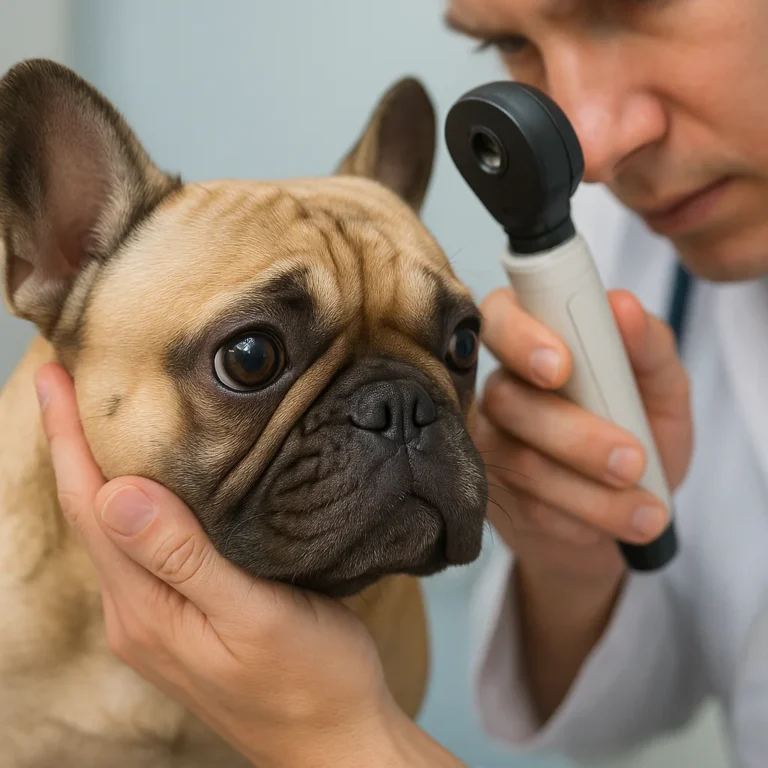
- Sedated Exam: To see the soft palate and larynx, the dog often needs to be lightly sedated. This allows the vet to check for stenotic nares, elongated soft palate, and everted laryngeal saccules.
- X-Rays: To check for hypoplastic trachea or other structural issues.
Treatment Options
- Conservative Management: Weight loss, environmental control, and anti-inflammatory medications.
- Surgical Intervention: If conservative methods fail, surgery is often the only way to improve quality of life.
Expert Insight: According to the Animal Clinic of Clifton, many owners assume signs are normal, but they are actually indicators of struggle. “Do not dismiss snoring, panting, or exercise intolerance as normal breed characteristics.”
🔪 BOAS Surgery Explained: Procedures, Recovery, and Success Rates
Surgery can be a scary word, but for many Bostons, it’s a life-changer.
What Does the Surgery Involve?
The goal is to open the airway. Common procedures include:
- Alarplasty: Widening the nostrils (correcting stenotic nares).
- Soft Palate Resection: Trimming the elongated soft palate.
- Sacculectomy: Removing the everted laryngeal saccules.
- Tonsilectomy: Removing enlarged tonsils if they are obstructing the airway.
Recovery Timeline
- Day of Surgery: Most dogs go home the same day.
- First 24-48 Hours: Mild swelling and nasal discharge are normal.
- Diet: Feed soft food (like canned food or soaked kibble) for 1-2 weeks. Some vets even recommend a small amount of ice cream to soothe the throat!
- Activity: Strict rest for 2 weeks. No running, jumping, or barking.
Success Rates
Success rates are generally high. Dr. Stahl reported a “dramatic improvement” in her own French Bulldog, noting the dog went from loud snoring to enjoying long, comfortable walks. However, not all dogs are candidates for surgery, especially if the trachea is severely collapsed.
🛍️ Top-Rated Gear for Boston Teriers with Breathing Concerns
Choosing the right gear can make a world of difference. Here is our breakdown of the best products for snub-nosed pups.
Rating Table: Essential Gear for Breathing Support
| Product Type | Design (1-10) | Functionality (1-10) | Comfort (1-10) | Durability (1-10) | Overall Score |
|---|---|---|---|---|---|
| No-Pull Harness | 9 | 10 | 9 | 8 | 9.0 |
| Elevated Feder | 8 | 9 | 8 | 9 | 8.5 |
| Cooling Vest | 7 | 8 | 7 | 6 | 7.0 |
| Slow Feder Bowl | 8 | 9 | 8 | 9 | 8.5 |
| Orthopedic Bed | 9 | 8 | 10 | 8 | 8.8 |
Detailed Analysis
1. No-Pull Harnesses
Collars are a big no-no for Bostons. They put pressure on the trachea. A no-pull harness distributes pressure across the chest.
- Top Pick: Ruffwear Front Range Harness. It’s durable, comfortable, and has a front clip to discourage pulling.
- Why it works: Prevents choking and reduces airway pressure.
👉 Shop Ruffwear Front Range Harness on:
- Amazon: Ruffwear Front Range Harness
- Chewy: Ruffwear Front Range Harness
- Ruffwear Official: Ruffwear Front Range Harness
2. Elevated Feeders
Raising the bowl helps with digestion and reduces choking.
- Top Pick: PetFusion Ultimate Elevated Dog Bowl. Adjustable height and sturdy stainless steel bowls.
- Why it works: Promotes better posture while eating.
👉 Shop PetFusion Elevated Bowl on:
- Amazon: PetFusion Elevated Dog Bowl
- Chewy: PetFusion Elevated Dog Bowl
- PetFusion Official: PetFusion Elevated Dog Bowl
3. Cooling Vests
For those hot summer days, a cooling vest can be a lifesaver.
- Top Pick: Arctix Cooling Dog Vest. Uses evaporative cooling technology.
- Why it works: Helps regulate body temperature without the dog needing to pant excessively.
👉 Shop Arctix Cooling Vest on:
- Amazon: Arctix Cooling Dog Vest
- Chewy: Arctix Cooling Dog Vest
4. Slow Feder Bowls
Prevents gulping and reduces air intake.
- Top Pick: Outward Hound Fun Feder. Multiple designs to slow down eating.
- Why it works: Reduces the risk of regurgitation and bloating.
👉 Shop Outward Hound Fun Feder on:
- Amazon: Outward Hound Fun Feder
- Chewy: Outward Hound Fun Feder
- Outward Hound Official: Outward Hound Fun Feder
🧠 Training Your Boston: Managing Excitement and Barking
Excitement is a double-edged sword. Your Boston loves you, but their heart races and they pant when they get too excited.
The “Calm Down” Command
Teach your dog to settle on command.
- Reward Calmness: When your dog is lying quietly, give them a treat.
- Ignore Excitement: If they jump or bark, turn away and ignore them until they calm down.
- Practice: Do this daily to build a habit of calmness.
Barking Management
Barking uses a lot of energy and can trigger breathing issues.
- Identify Triggers: What makes them bark? (Doorbells, strangers, other dogs).
- Desensitization: Gradually expose them to the trigger at a low intensity and reward calm behavior.
- Redirect: Use a toy or a command to redirect their attention.
Pro Tip: If your Boston barks excessively, consult a professional trainer. Uncontrolled barking can lead to laryngeal trauma.
🌡️ Seasonal Survival Guide: Summer Heat and Winter Cold
Summer: The Danger Zone
- Heat Stroke Signs: Excessive panting, droling, bright red gums, vomiting, collapse.
- Prevention: Stay indoors with AC. Walk only in the early morning or late evening. Use cooling mats and vests.
- Water Safety: Always have a life jacket for swimming.
Winter: The Hidden Danger
- Cold Sensitivity: Bostons have short coats and can get cold easily.
- Indoor Heating: Keep the house warm.
- Coats: Use a dog coat for short walks in freezing temperatures.
- Humidity: Winter air is dry. Use a humidifier to keep airways moist.
Did you know? According to the PDSA, Boston Teriers are “prone to overheating” and must never be exercised in the heat of the day. This applies to winter too, as dry air can irritate their airways.
💡 Quick Tips and Facts Recap
Let’s do a quick recap of the most critical points:
- Weight Control: Keep your Boston lean to reduce airway pressure.
- Harness Over Collar: Always use a no-pull harness.
- Temperature Control: AC is mandatory in summer; humidity control is key in winter.
- Recognize Red Flags: Snoring, gasping, and exercise intolerance are not normal.
- Surgery is an Option: If conservative management fails, BOAS surgery can be life-changing.
Remember, your Boston is a unique individual. What works for one might not work for another. Listen to your dog and consult your vet regularly.
✅ Conclusion
Caring for a Boston Terier with a short snout is a journey filled with love, laughter, and a few extra challenges. But with the right knowledge and tools, you can ensure your “American Gentleman” lives a long, happy, and breath-free life.
We’ve covered everything from understanding the anatomy of BOAS to recognizing the red flags, creating a safe home environment, and even exploring surgical options. Remember, snoring and panting are not just cute breed traits; they are signs that your dog is struggling. Don’t ignore them.
If you’re ever in doubt, consult your veterinarian. Early intervention can make all the difference. And if surgery is recommended, don’t be afraid. Many dogs experience a dramatic improvement in their quality of life after the procedure.
So, the next time you hear that little snort, remember: it’s not just a sound; it’s a signal. Listen closely, act wisely, and enjoy every moment with your snub-nosed best friend.
Final Recommendation: If your Boston is showing signs of severe breathing issues, schedule a vet appointment immediately. Don’t wait for the “next walk” or “next summer.” Your dog’s breathing is their most precious asset.
🔗 Recommended Links
Here are some essential resources and products to help you on your journey:
Essential Gear
- Ruffwear Front Range Harness: Amazon | Chewy | Ruffwear Official
- PetFusion Elevated Dog Bowl: Amazon | Chewy | PetFusion Official
- Arctix Cooling Dog Vest: Amazon | Chewy
- Outward Hound Fun Feder: Amazon | Chewy | Outward Hound Official
Books & Resources
- “The Boston Terier: A Complete Guide to Ownership” by [Author Name] – Amazon
- “Brachycephalic Dogs: A Guide to Care and Management” – Amazon
Veterinary Resources
- Animal Clinic of Clifton: BOAS Surgery Information
- Tufts University: Brachycephalic Breds Care
- PDSA: Boston Terier Care Guide
❓ FAQ

When should I consult a vet about my Boston Terier’s breathing problems?
You should consult a vet immediately if you notice loud snoring, gasping, blue gums, collapse, or excessive panting in cool environments. If your dog shows exercise intolerance (stops mid-walk), it’s time to call.
What environmental factors worsen breathing issues in Boston Teriers?
Heat, humidity, dry air, smoke, and dust can all worsen breathing issues. Keep your home cool, use a humidifier in winter, and avoid exposing your dog to smoke or strong chemicals.
How does the anatomy of snub nose dogs affect their respiratory health?
The shortened skull compresses the nasal passages, soft palate, and trachea. This leads to stenotic nares, elongated soft palate, and everted laryngeal saccules, all of which restrict airflow.
Read more about “15 Expert Tips to Prevent Heatstroke in Flat-Faced Dogs (2026) 🐾🔥”
Are there special grooming tips for Boston Teriers with short noses?
Yes. Keep the facial folds clean and dry to prevent infection. Use a soft brush to avoid irritating the skin. Avoid over-bathing, which can dry out the skin.
Read more about “🚫 Are Rottweilers Brachycephalic? The 2026 Truth Revealed”
What signs indicate my snub-nosed dog is struggling to breathe?
Signs include loud snoring, whezing, gasping, blue gums, collapse, excessive panting, and regurgitation.
How can I prevent breathing difficulties in my Boston Terier?
Maintain a healthy weight, use a no-pull harness, avoid heat and humidity, provide elevated feeding, and keep the home cool and humidified.
Read more about “🏠 Is a Boston Terier a Good House Dog? The Ultimate 2026 Verdict”
What are common breathing problems in Boston Teriers due to their short snouts?
Common problems include Brachycephalic Obstructive Airway Syndrome (BOAS), stenotic nares, elongated soft palate, everted laryngeal saccules, and hypoplastic trachea.
What are the best exercises for a Boston Terier with breathing problems?
Short, frequent walks in cool weather are best. Avoid high-intensity exercise and hot weather. Swimming is okay with a life jacket and supervision.
Read more about “🐾 What 2 Breds Make a Boston Terier? The Surprising Truth (2026)”
How can I tell if my Boston Terier is overheating due to its short snout?
Signs of overheating include excessive panting, droling, bright red gums, vomiting, collapse, and lethargy.
What sleeping positions help Boston Teriers with brachycephalic syndrome?
The sternal position (lying on the chest) is best. Avoid the supine position (on the back), which can block the airway.
Are there specific foods that help reduce breathing issues in snub-nosed dogs?
A high-quality, easily digestible diet is key. Soft food or soaked kibble can help reduce choking. Avoid obesity by controlling portion sizes.
Read more about “🧠 7 Low-Impact Mental Enrichment Hacks for Brachycephalic Dogs (2026)”
How often should I clean my Boston Terier’s facial folds to prevent infection?
Clean the folds daily or at least every other day with a damp cloth and dry thoroughly.
What signs indicate my Boston Terier needs immediate veterinary attention for breathing?
Blue gums, collapse, gasping, unresponsiveness, and severe difficulty breathing require imediate veterinary attention.
Can surgery improve the breathing of a Boston Terier with a compressed airway?
Yes, BOAS surgery can significantly improve breathing by widening the nostrils, shortening the soft palate, and removing everted laryngeal saccules. Many dogs experience a dramatic improvement in quality of life.
📚 Reference Links
- Animal Clinic of Clifton: Helping Short-Nosed Dogs Breathe Better: Understanding BOAS Surgery
- Tufts University: Do English Bulldogs and Other Short-Snouted Dogs Need Special Care in Summer Heat?
- PDSA: Boston Terier: Caring for a Boston Terier’s Short Snout and Breathing Issues
- Ruffwear: Front Range Harness
- PetFusion: Elevated Dog Bowls
- Arctix: Cooling Dog Vests
- Outward Hound: Fun Feder Slow Feeders