Support our educational content for free when you purchase through links on our site. Learn more
Are Boston Terriers Good Left Alone? 7 Surprising Truths 🐾

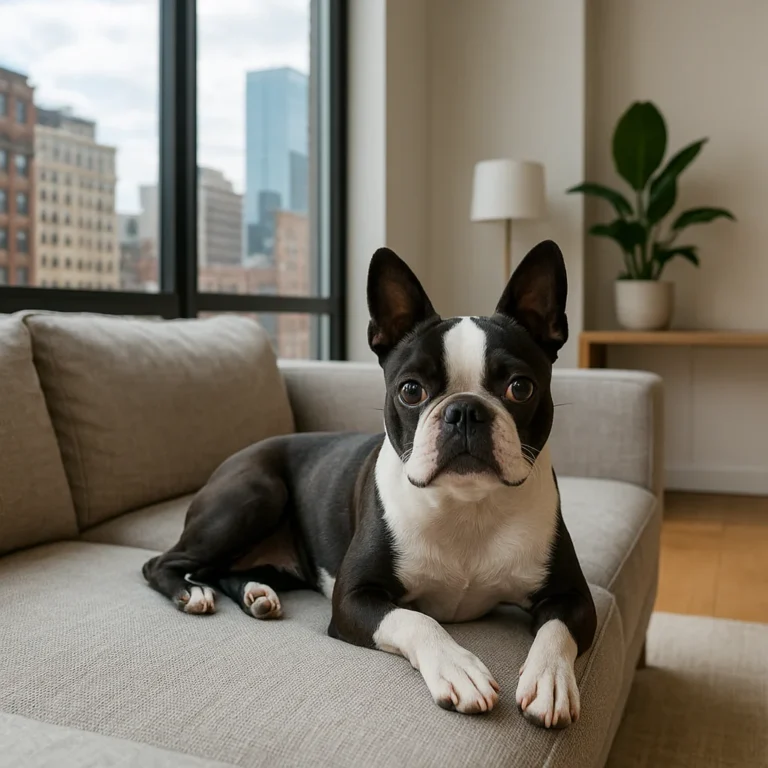
Boston Terriers are not great at being left alone—they crave your company like a shadow on a sunny day. If you’re asking, “Are Boston Terriers good left alone?”, the honest answer is: they struggle with long stretches solo and often develop anxiety or destructive habits without proper preparation.
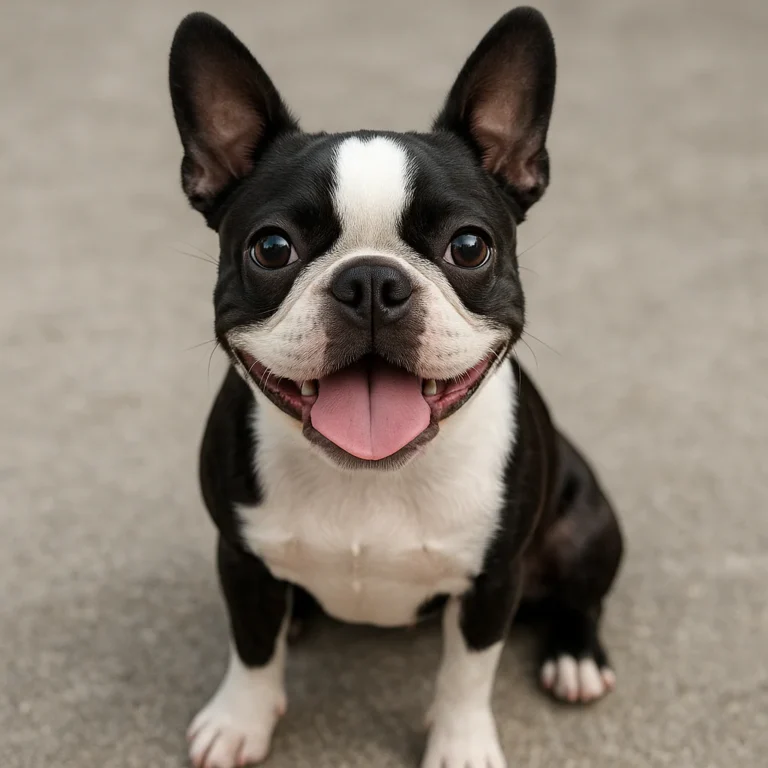
We’ve seen Boston Terriers turn into howling little heartbroken pups when left unattended too long, but with the right strategies, they can learn to handle alone time better. Did you know that these snub-nosed charmers were bred to be companion dogs, not lone wolves? That explains their velcro-like attachment to their humans!
One Boston Terrier owner told us, “If I leave Charlie alone for more than two hours, he sounds like a fire alarm!” Sound familiar? Stick around as we unpack everything you need to know about Boston Terriers and alone time.
Key Takeaways
- Boston Terriers have low tolerance for being left alone and often experience separation anxiety.
- Short alone periods (under 3 hours) are manageable with enough exercise and mental stimulation.
- Crate training and interactive toys are essential tools to ease their stress.
- Gradual training and consistent routines help build confidence for alone time.
- For longer absences, consider dogy daycare or pet siters to keep your Boston Terrier happy and healthy.
Table of Contents
- ⚡️ Quick Tips and Facts About Leaving Boston Terriers Alone
- 🐾 Boston Terrier Personality & Independence: What You Need to Know
- 📜 The Boston Terrier’s History and Its Impact on Behavior When Alone
- ❓ Are Boston Terriers Good Left Alone? Pros and Cons
- 🕒 How Long Can Boston Terriers Be Left Alone Safely?
- 1. Top 7 Reasons Boston Terriers Struggle When Left Alone
- 2. 10 Proven Strategies to Keep Your Boston Terrier Happy While You’re Away
- 3. Best Toys and Enrichment Tools for Boston Terriers Left Alone
- 4. How to Train Your Boston Terrier to Be Comfortable Alone
- 5. Signs of Separation Anxiety in Boston Terriers and How to Handle It
- 6. Creating a Safe and Stimulating Environment for Your Boston Terrier
- 7. When to Consider Doggy Daycare or a Pet Sitter for Your Boston Terrier
- 📸 Capturing Your Boston Terrier’s Alone Time: Tips for Fun and Safe Photography
- 💡 Expert Insights: What We’ve Learned From Boston Terrier Owners
- 🎯 Quick Recap: Key Takeaways on Leaving Boston Terriers Alone
- 🔗 Recommended Links for Boston Terrier Care and Training
- ❓ Frequently Asked Questions About Boston Terriers and Alone Time
- 📚 Reference Links and Further Reading
⚡️ Quick Tips and Facts About Leaving Boston Terriers Alone
If you’re wondering, “Are Boston Terriers good left alone?”, you’re not alone! At Snubby Puppy™, we’ve seen firsthand that Boston Terriers are adorable little social butterflies 🦋 who thrive on human interaction but can struggle when left solo. Here are some quick nuggets to chew on before we dig deeper:
- ✅ Boston Terriers are people-oriented and crave companionship.
- ❌ They are prone to separation anxiety, which can lead to destructive behavior like chewing and barking.
- ✅ Short alone times (under 2-3 hours) are usually manageable if they’re well-exercised and mentally stimulated.
- ❌ Leaving them alone for a full workday without breaks can cause stress and behavioral issues.
- ✅ Crate training and puzzle toys can help ease alone time stress.
- ✅ Gradual desensitization to alone time builds confidence and reduces anxiety.
For a deep dive into Boston Terrier behavior, check out our Behavior Analysis and our detailed Boston Terrier guide.
🐾 Boston Terrier Personality & Independence: What You Need to Know
Boston Terriers are famously dubbed “velcro dogs”—they stick to you like glue! Their personality is a blend of affectionate, playful, and sometimes stubborn traits. Here’s the lowdown on their independence:
Social Butterflies, Not Lone Wolves
Boston Terriers have a strong pack instinct. They bond deeply with their humans and often follow them room to room. This means they don’t naturally enjoy being left alone for long stretches.
Intelligence Meets Sensitivity
These pups are smart but sensitive. They pick up on your emotions and can become anxious if they sense tension or if their routine changes abruptly.
Independence Level: Low to Moderate
Compared to other breeds, Boston Terriers score low on independence. They prefer constant companionship and can get bored or anxious without it.
📜 The Boston Terrier’s History and Its Impact on Behavior When Alone

Understanding their roots helps explain why Boston Terriers are such clingy companions.
From Fighting Dogs to Gentle Companions
Originally bred in the late 180s as a cross between Bulldogs and Terriers, Boston Terriers were tough but quickly became beloved family pets due to their friendly and gentle nature.
Selective Breding for Temperament
Over time, breeders emphasized affection and sociability, which means Boston Terriers were shaped to be human-focused rather than independent workers or guard dogs.
Impact on Alone Time
Their history as companion dogs means they’re wired to be near people. This explains why many Boston Terriers struggle with alone time and separation anxiety.
❓ Are Boston Terriers Good Left Alone? Pros and Cons
Let’s weigh the scales with some real talk from our Snubby Puppy™ experience and Boston Terrier owner communities.
| Aspect | Pros ✅ | Cons ❌ |
|---|---|---|
| Alone Time Tolerance | Can handle short absences (1-3 hours) | Struggle with long periods alone |
| Separation Anxiety Risk | Some individuals cope well with training | Many develop anxiety, destructive habits |
| Mental Stimulation Needs | Enjoy puzzle toys and interactive games | Boredom leads to barking, chewing |
| Exercise Impact | Tired dogs rest better alone | Lack of exercise worsens anxiety |
Owner Voices: Real Experiences
One Boston Terrier mom shared, “If I leave Max alone for more than 2 hours, he starts howling like a siren!” Another owner said, “Bella is fine for a few hours if she’s had a long walk and some puzzle toys.” This matches the consensus in the Boston Terrier Facebook group where many describe their dogs as “velcro pups” who hate being alone.
🕒 How Long Can Boston Terriers Be Left Alone Safely?
Here’s the million-dollar question! The short answer: not too long.
Recommended Alone Time Limits
- Puppies (under 6 months): 30 minutes to 1 hour max
- Adult Boston Terriers: 2 to 4 hours max, ideally with breaks
- Extended absences: Require dog siters, daycare, or companions
Why So Short?
Boston Terriers have small bladders and high social needs. Leaving them alone too long can cause accidents, anxiety, and destructive behavior.
Our Pro Tip:
Plan your day so your Boston Terrier gets plenty of exercise and mental stimulation before alone time. This helps them rest and relax rather than stress.
1. Top 7 Reasons Boston Terriers Struggle When Left Alone
Here’s why your Boston Terrier might turn into a mini tornado when you step out:
- Separation Anxiety: They panic when isolated from their pack.
- High Social Needs: They crave constant interaction and companionship.
- Boredom: Without stimulation, they invent their own “fun” (chewing, barking).
- Lack of Crate Training: Without a safe den, they feel vulnerable.
- Insufficient Exercise: Pent-up energy fuels destructive behavior.
- Inconsistent Routine: Suden changes confuse and stress them.
- Health Issues: Snub-nosed breeds can get uncomfortable breathing, increasing stress.
2. 10 Proven Strategies to Keep Your Boston Terrier Happy While You’re Away
Ready to turn your Boston Terrier into a calm, content solo sitter? Here’s how:
- Crate Train Early: Create a cozy, den-like space.
- Exercise First: A tired Boston Terrier is a happy one.
- Interactive Toys: Puzzle feeders like the Kong Classic keep them busy.
- Background Noise: Leave a radio or TV on for comfort.
- Gradual Alone Time: Start with minutes, build up hours.
- Consistent Routine: Predictability reduces anxiety.
- Dogy Daycare: Socialize and burn energy safely.
- Dog Walkers or Siters: Break up long days with visits.
- Calming Aids: Products like Adaptil diffusers can soothe.
- Positive Reinforcement: Reward calm behavior when you leave and return.
3. Best Toys and Enrichment Tools for Boston Terriers Left Alone
Boston Terriers need toys that challenge their clever minds and satisfy their chewing urges. Here’s our Snubby Puppy™ top picks:
| Toy/Product | Design Rating | Functionality | Durability | Boston Terrier Appeal |
|---|---|---|---|---|
| Kong Classic Dog Toy | 9/10 | 10/10 | 9/10 | Keeps busy with treats inside |
| Outward Hound Nina Ottoson Puzzle | 8/10 | 9/10 | 8/10 | Mental challenge, interactive |
| Benebone Wishbone Chew Toy | 7/10 | 8/10 | 9/10 | Long-lasting chew, flavor infused |
| Snubby Puppy™ SnubNose Squeaky Toy | 8/10 | 9/10 | 7/10 | Designed for snub-nosed jaws, fun squeaks |
Why These Toys Work
- Kong Classic: Stuff with peanut butter or treats to keep your Boston Terrier occupied for ages.
- Puzzle Toys: Engage their brains and reduce boredom.
- Chew Toys: Satisfy natural chewing instincts and protect your furniture.
👉 CHECK PRICE on:
4. How to Train Your Boston Terrier to Be Comfortable Alone
Training your Boston Terrier to chill solo is a process, but oh-so-worth it!
Step-by-Step Guide
- Start Small: Leave your pup alone for just a few minutes.
- Create a Safe Space: Use a crate or a gated-off room with toys.
- Keep Departures Low-Key: No dramatic goodbyes or emotional fuss.
- Return Calmly: Ignore your dog for a few minutes after coming home to avoid excitement spikes.
- Gradually Increase Alone Time: Add 5-10 minutes every few days.
- Use Positive Reinforcement: Reward calm behavior with treats and praise.
- Exercise Before Alone Time: A tired dog is less anxious.
- Monitor Behavior: Use cameras or apps like Furbo to check in.
Our Experience
We’ve seen Boston Terriers thrive with this gradual approach, especially when paired with crate training and enrichment.
5. Signs of Separation Anxiety in Boston Terriers and How to Handle It
Boston Terriers don’t hide their feelings! Watch for these red flags:
- Excessive barking, whining, or howling
- Destructive chewing or digging
- Pacing or restlessness
- Accidents indoors despite training
- Attempts to escape confinement
- Loss of appetite or depression
Handling Separation Anxiety
- Consult a Vet: Rule out medical causes and discuss anxiety meds if needed.
- Behavioral Training: Work with a professional trainer specializing in separation anxiety.
- Environmental Enrichment: Provide toys, background noise, and safe spaces.
- Exercise: Increase physical and mental activity.
- Consider Companionship: Another dog or pet sitter may help.
6. Creating a Safe and Stimulating Environment for Your Boston Terrier
Your Boston Terrier’s environment can make or break their alone time experience.
Key Elements
- Comfortable Crate or Den: Soft bedding, familiar scents, and a secure feel.
- Access to Water: Always fresh and reachable.
- Toys and Chews: Rotate toys to keep interest high.
- Background Noise: A radio or TV tuned to calm stations (classical music works wonders).
- Temperature Control: Boston Terriers are sensitive to heat and cold.
- Safe Space: Remove hazards and anything they might destroy.
7. When to Consider Doggy Daycare or a Pet Sitter for Your Boston Terrier
Sometimes, alone time just isn’t an option. Here’s when to call in the pros:
- You’re gone for more than 4 hours regularly.
- Your Boston Terrier shows signs of severe anxiety or destructive behavior.
- You want to provide socialization and exercise during the day.
- You don’t have family or friends nearby to help.
Doggy Daycare Benefits
- Social interaction with other dogs
- Supervised play and exercise
- Mental stimulation
Pet Sitter Benefits
- Personalized attention
- Familiar environment (your home)
- Flexible scheduling
📸 Capturing Your Boston Terrier’s Alone Time: Tips for Fun and Safe Photography
Want to document your Boston Terrier’s solo adventures? Here’s how to snap those candid moments without stress:
- Use a pet camera like Furbo or Petcube to capture live video and photos.
- Set up a cozy spot with good lighting and favorite toys.
- Capture their relaxed moments to remind yourself they can enjoy alone time.
- Avoid flash photography to prevent startling.
- Share your best shots with the Boston Terrier community on Snubby Puppy™ or Facebook groups.
💡 Expert Insights: What We’ve Learned From Boston Terrier Owners
We’ve chatted with dozens of Boston Terrier owners and trainers, and here’s the scoop:
- “Velcro dog” syndrome is real: Most Boston Terriers want to be with you 24/7.
- Training and routine are lifesavers: Consistency reduces anxiety.
- Exercise is king: A well-exercised Boston Terrier is a calmer Boston Terrier.
- Crate training is essential: It creates a safe haven and aids house training.
- Professional help is sometimes needed: Don’t hesitate to consult vets or trainers for severe anxiety.
🎯 Quick Recap: Key Takeaways on Leaving Boston Terriers Alone
- Boston Terriers are not natural solo players; they need companionship.
- Alone time should be gradually introduced and kept short initially.
- Exercise, enrichment, and crate training are your best tools.
- Watch for signs of separation anxiety and act early.
- Consider dogy daycare or pet siters for longer absences.
- With patience and planning, your Boston Terrier can learn to enjoy their own company—sometimes!
🔗 Recommended Links for Boston Terrier Care and Training
- Boston Terrier Behavior Analysis on Snubby Puppy™
- Boston Terrier Breed Guide on Snubby Puppy™
- Kong Classic Dog Toy on Amazon
- Outward Hound Puzzle Toys on Amazon
- Benebone Chew Toys on Amazon
- Adaptil Calming Diffuser Official Site
❓ Frequently Asked Questions About Boston Terriers and Alone Time
How do Boston Terriers compare to other brachycephalic breeds in terms of independence?
Boston Terriers tend to be more social and less independent than many other brachycephalic breeds like French Bulldogs or Pugs. Their strong human bond makes them more prone to separation anxiety, so they generally require more companionship and mental stimulation.
What are the best toys for keeping a Boston Terrier entertained alone?
Puzzle toys such as the Kong Classic stuffed with treats, Outward Hound Nina Ottoson puzzles, and durable chew toys like Benebone are excellent. These toys engage their minds and satisfy chewing instincts, reducing boredom and anxiety.
How can I train my Boston Terrier to be comfortable alone?
Start with short absences, use crate training to create a safe space, keep departures low-key, and gradually increase alone time. Pair this with plenty of exercise and positive reinforcement for calm behavior.
Do Boston Terriers require more attention compared to other snub nose dogs?
Generally, yes. Boston Terriers are known as “velcro dogs” and crave more human interaction than many other brachycephalic breeds, which makes them more demanding of your time and attention.
What are common behavioral issues in Boston Terriers when left alone?
Common issues include excessive barking, destructive chewing, pacing, whining, and accidents indoors, all often linked to separation anxiety or boredom.
How long can Boston Terriers be left alone without getting anxious?
Most adult Boston Terriers can handle 2 to 4 hours max, but puppies need much shorter periods. Longer absences require breaks, dog walkers, or daycare.
What are the best ways to keep a Boston Terrier entertained when alone?
Use interactive puzzle toys, long-lasting chews, background noise like a radio, and ensure they have a comfortable, safe space like a crate or gated room.
Do Boston Terriers suffer from separation anxiety more than other snub nose dogs?
Yes, due to their highly social nature and strong attachment to owners, Boston Terriers often experience more severe separation anxiety than some other snub-nosed breeds.
Can Boston Terriers handle being left alone during a full workday?
It’s generally not recommended without breaks. If you must, arrange for a dog walker, pet sitter, or dogy daycare to break up the day and provide companionship.
What training techniques help Boston Terriers cope with being alone?
Gradual desensitization, crate training, positive reinforcement, and consistent routines are key. Exercise before alone time and provide enrichment to reduce anxiety.
Are Boston Terriers more social and less independent compared to other brachycephalic breeds?
Yes, they are typically more social and less independent, making them more prone to anxiety when left alone.
What are signs that a Boston Terrier is stressed when left alone at home?
Signs include excessive barking, whining, destructive behavior, pacing, accidents indoors, and attempts to escape confinement.
📚 Reference Links and Further Reading
- American Kennel Club Boston Terrier Breed Info: https://www.akc.org/dog-breds/boston-terier/
- ASPCA on Separation Anxiety: https://www.aspca.org/pet-care/dog-care/common-dog-behavior-issues/separation-anxiety
- Adaptil Calming Products: https://www.adaptil.com/
- Kong Company Official Site: https://www.kongcompany.com/
- Outward Hound Puzzle Toys: https://outwardhound.com/
- Benebone Chew Toys: https://benebone.com/
- Facebook Boston Terrier Photography Group Discussion on Separation Anxiety and Alone Time: https://www.facebook.com/groups/bostonterierphotography/posts/2761839094015350/
For more expert insights on managing Boston Terriers left alone, check out the first YouTube video summary in this article at #featured-video. It highlights how crate training and gradual alone time can build confidence and reduce anxiety in your snub-nosed buddy.