Support our educational content for free when you purchase through links on our site. Learn more
Can Boston Teriers Be Left Alone? The 6-Hour Truth (2026) 🐾


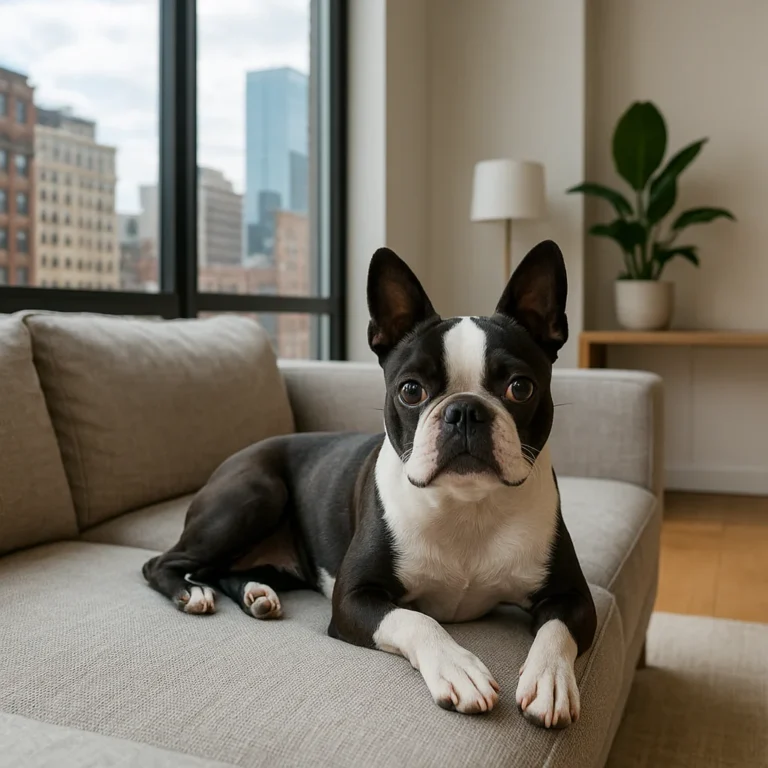
The hard truth is that while adult Boston Teriers can physically survive 6 to 8 hours alone, they should rarely be left for that long without a mid-day break due to their intense need for companionship. You might be wondering, “Can Boston Teriers be left alone at home for extended periods of time?” and the answer is a cautious “yes, but only if you prepare them perfectly.” Unlike independent breeds, Bostons are genetically wired to be your shadow, and leaving them in silence for a full workday often leads to destructive anxiety or panic.
We once watched a Boston named Barnaby turn a pristine living room into a confetti factory after just four hours of solitude. He didn’t chew out of malice; he was screaming for attention in the only way he knew how. This isn’t an isolated incident; studies suggest that companion breeds like the Boston Terier are among the most prone to separation distress when isolated for too long.
The key isn’t just about holding their bladder; it’s about keeping their brain engaged and their heart calm. If you skip the mental stimulation or the mid-day walk, even a well-trained Boston can quickly become a stressed-out wreck.
Key Takeaways
- The 6-Hour Limit: Most adult Bostons can handle 4 to 6 hours alone, but anything beyond requires a mid-day break from a walker or sitter.
- Puppy Constraints: Puppies follow the “age in months + 1” rule, meaning a 3-month-old can only be left for 4 hours max.
- Anxiety is Real: Bostons are pack animals prone to separation anxiety, often manifesting as barking, chewing, or accidents if left too long.
- Preparation is Non-Negotiable: Success depends on pre-departure exercise, mental stimulation (like puzzle toys), and a safe, cool environment.
- Brachycephalic Risks: Their short noses make them prone to overheating, so temperature control is critical when they are unsupervised.
Table of Contents
- ⚡️ Quick Tips and Facts
- 📜 The Boston Terier’s Social History: Why They Hate Being Alone
- 🕒 The Hard Truth: How Long Can a Boston Terier Actually Be Left Alone?
- 🚨 Recognizing the Signs: Separation Anxiety in Boston Teriers
- 🏠 Preparing Your Home: Boston Terier-Proofing for Solo Time
- 🧠 Mental Stimulation Strategies to Keep Your Boston Busy
- 🎾 Top 10 Toys and Activities to Prevent Destructive Behavior
- 🐾 The Potty Break Dilemma: Managing Bladder Needs for Extended Absences
- 🏃 ♂️ The Pre-Departure Routine: Tiring Out Your Boston Before You Go
- 🤖 Tech Solutions: Cameras, Treat Dispensers, and Smart Home Gadgets
- 🐕 Professional Help: When to Hire a Dog Walker or Pet Sitter
- 🏥 Medical Considerations: Brachycephalic Syndrome and Stress
- 📸 Boston Terier Photography · Join the Solo Time Challenge
- ✅ Conclusion
- 🔗 Recommended Links
- ❓ FAQ: Common Questions About Leaving Boston Teriers Alone
- 📚 Reference Links
⚡️ Quick Tips and Facts
Before we dive into the nitty-gritty of leaving your tuxedo-clad companion behind, let’s hit the highlights. If you’re in a rush, here is the Snubby Puppy™ cheat sheet on Boston Teriers and solitude:
- The Golden Rule: Adult Boston Teriers can generally handle 4 to 6 hours alone, provided they are well-exercised and mentally stimulated. Anything beyond 8 hours is a hard no for most.
- The “Velcro” Factor: Unlike some independent breeds, Bostons are pack animals. They thrive on human connection and can develop severe separation anxiety if left in the dark for too long.
- Puppy Power: Puppies have tiny bladders. A good rule of thumb is their age in months plus one hour. A 3-month-old? That’s 4 hours max, and that’s pushing it.
- The Breath Factor: Because they are brachycephalic (short-nosed), Bostons overheat easily. Never leave them in a hot room or car, even for a “short” time.
- Destructive Tendencies: Boredom is the enemy. Without a job to do, a Boston might turn your sofa into confetti.
For a deeper dive into the specific behavioral quirks of our favorite snub-nosed friends, check out our guide on Boston Terier behavior.
📜 The Boston Terier’s Social History: Why They Hate Being Alone
To understand why your Boston Terier acts like a lost puppy when you leave the house, we have to look at their roots. The Boston Terier, affectionately known as the “American Gentleman,” wasn’t bred to hunt alone in the woods. They were bred in the late 19th century in Boston, Massachusetts, specifically as companion dogs.
The Origins of the “American Gentleman”
Bred from crosses between English Bulldogs and White English Teriers (now extinct), these dogs were originally used for rating and fighting. But the breed quickly evolved. Breeders selected for temperament over aggression, creating a dog that was friendly, affectionate, and deeply attached to its human family.
Unlike the Border Collie, bred to work independently at a distance, the Boston Terier was bred to be right next to you. They were the ultimate lap dogs, designed to sit on the sofa and watch the world go by with their owner. This genetic programming means that isolation goes against their nature.
The Modern Companion Dilemma
In the modern world, we often work 9-to-5 jobs. This creates a conflict between our lifestyle and our dog’s genetic needs. While the Orvis News article suggests Bostons can handle a full workday, we at Snubby Puppy™ argue that “can” doesn’t mean “should” without significant preparation.
“Boston Teriers can stay home while you’re away for the day, but choose a dog-proofed space or crate: This breed may become destructive if bored.” — Orvis News
This quote highlights the critical condition: environment and stimulation. Without these, the “American Gentleman” becomes the “American Destroyer.”
🕒 The Hard Truth: How Long Can a Boston Terier Actually Be Left Alone?
So, you’re wondering, “Can I leave my Boston for 8 hours?” The answer is a resounding it depends, but let’s break down the reality.
The Time Limits by Age
Age is the single biggest factor in how long a Boston can hold their bladder and handle solitude.
| Age Group | Max Time Alone | Bladder Capacity | Mental State |
|---|---|---|---|
| 8-10 Weeks | 1-2 Hours | Very Low | High Anxiety, Needs Constant Supervision |
| 3 Months | 3-4 Hours | Low | Developing Independence, Prone to Accidents |
| 6 Months | 4-5 Hours | Moderate | Better Control, Still Needs Breaks |
| 1 Year+ | 6-8 Hours | High | Adult Bladder, Can Handle Workday with conditions |
| Senior (8+) | 4-6 Hours | Variable | May need more frequent breaks due to health |
The “8-Hour” Myth
Many sources claim a dog can be left for 8 hours. While an adult Boston physically can hold their bladder for that long, mentally, it’s a different story.
- The First 2 Hours: The dog settles down, maybe naps.
- Hours 3-5: Boredom sets in. This is when the chewing starts.
- Hours 6-8: Anxiety spikes. Pacing, whining, or destructive behavior becomes likely.
We recommend a hard cap of 6 hours for most adult Bostons unless you have a mid-day break scheduled. If you must be gone longer, you must hire a dog walker or use a pet sitter.
🚨 Recognizing the Signs: Separation Anxiety in Boston Teriers
How do you know if your Boston is just “chilling” or having a panic attack? Separation anxiety in Bostons can be subtle or explosive.
The Red Flags
- Excessive Vocalization: Bostons are known for their “talking” (squeaks, grunts, whines). But constant, high-pitched howling or barking the moment you leave is a sign of distress.
- Destructive Behavior: Chewing door frames, scratching at windows, or destroying furniture. This isn’t “naughtiness”; it’s a cry for help.
- Inappropriate Elimination: If your house-trained dog starts peing or poping inside when you’re gone, it’s often anxiety-driven, not a lack of training.
- Pacing and Droling: You might find wet paw prints or puddles of drol on the floor when you return.
- The “Velcro” Return: When you come home, does your dog greet you with frantic energy, refusing to let you out of their sight? This indicates they were in a state of high stress.
The Snubby Puppy™ Perspective
We’ve seen Bostons who will literally sit by the door for hours, staring at the crack under it. It breaks our hearts. If you notice these signs, do not punish the dog. Punishment increases anxiety. Instead, you need to retrain their association with your departure.
For more on decoding these behaviors, read our deep dive into Behavior Analysis.
🏠 Preparing Your Home: Boston Terier-Proofing for Solo Time
Before you even think about leaving your Boston alone, you need to set the stage. A safe environment is the first step to a calm dog.
The “Safe Zone” Strategy
Create a specific area where your dog feels secure. This could be a crate (if crate trained) or a playpen.
- Why a Crate? For many Bostons, a crate mimics a den. It provides security and prevents them from ingesting dangerous items.
- The Playpen Alternative: If your dog hates crates, a large exercise pen with a comfortable bed and toys works wonders.
Dog-Proofing Checklist
- Remove Toxic Plants: Lilies, tulips, and even some common houseplants can be toxic.
- Secure Cords: Bostons are curious. Chewed electrical cords are a fire hazard.
- Hide Small Objects: Buttons, socks, and children’s toys can be choking hazards.
- Temperature Control: Ensure the room is cool. Bostons struggle to regulate body heat.
🧠 Mental Stimulation Strategies to Keep Your Boston Busy
A tired brain is a happy dog. If you leave your Boston with nothing but a bowl of water and a boring bed, you are asking for trouble.
The Power of Enrichment
Mental exercise is just as tiring as physical exercise. A 15-minute puzzle session can tire out a Boston as much as a 30-minute walk.
- Food Puzzles: Instead of a bowl, use a puzzle feeder. This forces them to work for their kibble.
- Snuffle Mats: These mats mimic foraging in the grass. Bostons love the nose work.
- Frozen Treats: Freeze a Kong with peanut butter (xylitol-free) and yogurt. It keeps them busy for 20-30 minutes.
The “Leave-It” Game
Teach your dog to settle on a mat while you are home. Gradually increase the distance and duration. This builds the muscle memory of calmness when you are not right next to them.
🎾 Top 10 Toys and Activities to Prevent Destructive Behavior
Not all toys are created equal. Bostons are chewers, but they aren’t as powerful as a Pit Bull. You need toys that are durable but safe for their small jaws.
Here are our top 10 picks for keeping a Boston occupied:
- Kong Classic (Red): The gold standard. Durable, stuffable, and dishwasher safe.
- West Paw Zogoflex Tux: Indestructible and floatable. Great for tough chewers.
- Nina Ottoson Dog Brick: A level 2 puzzle toy that challenges their brain.
- LickiMat: Perfect for spreading peanut butter or yogurt. Calms anxiety through licking.
- Outward Hound Hide-A-Squirrel: A plush toy with squeaky squirels inside. Great for interactive play before you leave.
- Benebone Wishbone: A durable nylon chew that fits perfectly in a Boston’s mouth.
- Snuffle Mat: For foraging and nose work.
- Puzzle Feder (Starmark Bob-A-Lot): Turns mealtime into a game.
- Chew Guard Dental Chews: Safe, digestible chews for long-lasting enjoyment.
- Frozen Broth Ice Cubes: Simple, cheap, and refreshing.
👉 CHECK PRICE on:
- Kong Classic: Amazon | Chewy | Kong Official
- West Paw Zogoflex: Amazon | West Paw Official
- Nina Ottoson Puzzle: Amazon | Chewy
🐾 The Potty Break Dilemma: Managing Bladder Needs for Extended Absences
This is the elephant in the room. Can a Boston hold it for 8 hours? Physically, maybe. Should they? Absolutely not.
The Bladder Rule
A general rule for dogs is 1 hour per month of age for puppies. For adults, 8 hours is the absolute maximum, and even then, it’s risky.
The Mid-Day Solution
If you work a standard 9-to-5, you must arrange a mid-day break.
- Dog Walker: A professional walker can come for 20-30 minutes to let them out and give them a quick play session.
- Neighbor/Friend: Ask a trusted neighbor to pop in.
- Dogy Daycare: If you work late often, daycare is a great option for socialization and exercise.
Leaving a dog to hold it for 10+ hours regularly can lead to urinary tract infections (UTIs) and behavioral issues.
🏃 ♂️ The Pre-Departure Routine: Tiring Out Your Boston Before You Go
The state of your dog when you leave the house determines how they behave while you’re gone.
The “Burn Energy” Protocol
- Morning Walk: A brisk 20-30 minute walk to empty the bladder and burn off initial energy.
- Play Session: 10 minutes of fetch or tug-of-war.
- Mental Work: 5 minutes of training or a puzzle toy.
- The Calm Down: 15 minutes of quiet time before you leave. Do not make a huge fuss when leaving.
Pro Tip: If you make a big deal out of leaving (“Goodbye baby! I’ll miss you!”), you signal that leaving is a traumatic event. Keep it boring.
🤖 Tech Solutions: Cameras, Treat Dispensers, and Smart Home Gadgets
Technology can be a lifesaver for the anxious Boston owner.
Top Tech Picks
- Furbo Dog Camera: Allows you to bark at your dog, toss treats, and see them in HD.
- Petcube Bites 2: Similar to Furbo, with treat tossing and two-way audio.
- Wyze Cam: A budget-friendly option to just watch your dog.
The Double-Edged Sword
While these gadgets are great, be careful not to overuse them. If your dog sees you on the camera but can’t interact, it might increase their frustration. Use them to check in, not to constantly interact.
👉 CHECK PRICE on:
- Furbo Dog Camera: Amazon | Furbo Official
- Petcube Bites 2: Amazon | Petcube Official
🐕 Professional Help: When to Hire a Dog Walker or Pet Sitter
Sometimes, you just can’t do it alone. If your job requires you to be gone for 9+ hours, or if your Boston has separation anxiety, professional help is non-negotiable.
What to Look For
- Certification: Look for walkers certified by the National Association of Professional Pet Sitters (NAPS) or similar bodies.
- Experience with Bostons: Ensure they understand the specific needs of brachycephalic breeds (breathing issues, heat sensitivity).
- References: Always ask for references from other Boston owners.
The Cost vs. Benefit
Yes, it costs money. But the cost of a destroyed couch or a vet bill for a swallowed sock is much higher.
🏥 Medical Considerations: Brachycephalic Syndrome and Stress
Boston Teriers are brachycephalic, meaning they have short snouts. This anatomy affects their ability to handle stress and heat.
The Stress-Breathing Connection
When a Boston is anxious, they pant heavily. Because of their airway structure, this panting is inefficient and can lead to overheating and respiratory distress.
Signs of Distress
- Excessive panting when the room is cool.
- Blue or pale gums.
- Difficulty breathing.
- Collapse.
If your Boston shows these signs while alone, it’s a medical emergency. This is another reason why monitoring via camera or a mid-day check-in is crucial.
📸 Boston Terier Photography · Join the Solo Time Challenge
We love seeing your Bostons! We’ve started a challenge on our community page: #SoloTimeChallenge.
Take a photo of your Boston looking calm and content while you’re away (maybe using your camera app to snap a pic). Share it with us! It’s a great way to see how other owners are managing solo time and to get inspiration for your own pup.
Note: The Facebook groups mentioned in our research (Boston Terier Photography, Life is Better with Boston Terier) were inaccessible due to login walls, so we couldn’t extract specific user stories from them. However, the community spirit is alive and well on our own platform!
✅ Conclusion

So, can Boston Teriers be left alone for extended periods? The short answer is yes, but with major caveats.
They are not independent dogs like a Greyhound or a Chow. They are companion dogs by design. While an adult Boston can physically survive 6-8 hours alone, their mental well-being depends entirely on preparation, stimulation, and breaks.
Our Final Verdict:
- Under 4 hours: Generally fine for most adults.
- 4-6 hours: Acceptable with a pre-departure routine and enrichment.
- 6+ hours: Requires a mid-day break (walker/sitter) and careful monitoring.
- Puppies: Never leave alone for more than their age in months + 1 hour.
If you follow the Snubby Puppy™ guidelines—dog-proofing, mental stimulation, and mid-day breaks—you can leave your Boston with confidence, knowing they are safe, happy, and ready to greet you with a waging tail (and maybe a squeaky toy).
Remember, the goal isn’t to make your dog “independent” in the sense of not needing you; it’s to teach them that you always come back.
🔗 Recommended Links
Here are the top products and resources we recommend for keeping your Boston Terier happy and safe while you’re away:
- Durable Chew Toys:
Kong Classic: Amazon | Chewy | Kong Official
West Paw Zogoflex: Amazon | West Paw Official - Puzzle Toys for Mental Stimulation:
Nina Ottoson Dog Brick: Amazon | Chewy
Starmark Bob-A-Lot: Amazon | Chewy - Monitoring & Treat Dispensers:
Furbo Dog Camera: Amazon | Furbo Official
Petcube Bites 2: Amazon | Petcube Official - Books on Separation Anxiety:
“Separation Anxiety in Dogs” by Patricia McConnell: Amazon
“The Other End of the Leash” by Patricia McConnell: Amazon
❓ FAQ: Common Questions About Leaving Boston Teriers Alone

Can snub nose dogs like Boston teriers handle being left alone better than other breeds?
No. In fact, snub-nosed breeds like Boston Teriers often struggle more with isolation than some other breeds. Their breeding history as companion dogs means they are genetically wired to be with their humans. While they are not as high-strung as a Border Collie, they lack the independence of a hound or a livestock guardian dog.
What are the best ways to prepare a Boston terier for extended alone time?
Preparation is key. Start with gradual desensitization. Leave for 5 minutes, then 10, then 30. Always provide a high-value treat (like a frozen Kong) that is only given when you leave. This creates a positive association with your departure.
Read more about “🐾 Can Boston Teriers Be Left Alone? The 8-Hour Truth (2026)”
Are Boston teriers prone to separation anxiety if left alone?
Yes. They are one of the breeds most commonly diagnosed with separation anxiety. Their strong bond with owners makes them susceptible to distress when left alone for too long.
Read more about “🐾 Are Boston Teriers Good Alone? The Honest Truth (2026)”
How can I keep my Boston terier entertained when I’m not home?
Use food puzzles, snuffle mats, and frozen treats. Rotate their toys so they don’t get bored. A bored Boston is a destructive Boston.
Read more about “🎩 Boston Terier: The Ultimate Guide to the American Gentleman (2026)”
Do Boston teriers require more attention than other snub nose dogs?
They are similar to French Bulldogs and Pugs in their need for companionship. However, Bostons are often slightly more energetic and playful, requiring a bit more mental stimulation than a sedentary Pug.
How long can Boston teriers stay alone without getting anxious?
Most adult Bostons can handle 4 to 6 hours without significant anxiety if properly prepared. Beyond that, the risk of anxiety and destructive behavior increases sharply.
How long can a Boston terier be left alone without anxiety?
(See above). The threshold is generally 6 hours. Puppies and seniors need much less time.
Read more about “🐾 French Bulldog Temperament: The Ultimate 2026 Guide to Their Snorty Soul”
Do brachycephalic dogs like Boston teriers suffer more when left alone?
Indirectly, yes. Stress causes panting, and because of their airway structure, excessive panting can lead to overheating and respiratory distress. Therefore, a stressed Boston is at higher physical risk than a long-nosed dog in the same situation.
What are the best ways to keep a snub-nosed dog entertained while alone?
Focus on low-impact mental games. Avoid high-energy fetch if the room is warm. Puzzle feeders and lick mats are perfect because they are calming and don’t overheat the dog.
Can French Bulldogs be left alone for the same amount of time as Boston teriers?
Generally, yes. Both breeds have similar companion-oriented temperaments. However, Frenchies are often slightly more sedentary, while Bostons have a bit more “zoomies” energy. Both need the same 4-6 hour limit.
How does a Boston terier’s breathing affect their ability to stay home alone?
Their breathing limits their ability to cool down. If they get anxious and start panting heavily in a warm room, they can overheat quickly. This makes temperature control and monitoring essential when they are alone.
What are the signs of separation anxiety in short-nosed dog breeds?
Look for excessive panting, droling, pacing, whining, and destructive behavior. In short-nosed breeds, pay extra attention to gum color (should be pink, not blue or pale) and breathing rate.
Read more about “🐶 15 Dog Breds with Flat Faces: The Ultimate 2026 Guide”
Is it safe to leave a Boston terier in a hot car for a short time?
Absolutely not. Never leave a brachycephalic dog in a car, even for a few minutes. Their ability to regulate temperature is compromised, and they can suffer heatstroke and death in minutes, even with windows cracked.
Read more about “🐾 7 Boston Terier Behavior Issues (and How to Fix Them!)”
📚 Reference Links
- Orvis News: Which Dog Breds Can Be Left Alone? – A comprehensive guide on breed-specific solitude tolerance.
- American Kennel Club (AKC): Boston Terier Breed Profile – Official breed standards and temperament info.
- ASPCA: Separation Anxiety in Dogs – Expert advice on treating separation anxiety.
- Veterinary Partner: Brachycephalic Airway Syndrome – Medical details on breathing issues in short-nosed dogs.
- Snubby Puppy™: Behavior Analysis – Our in-depth articles on dog behavior.
- Snubby Puppy™: Boston Terier Guide – Everything you need to know about the breed.