Support our educational content for free when you purchase through links on our site. Learn more
🤧 7 Snub-Nosed Dog Reverse Sneeze Remedies That Actually Work (2026)

The first time your Pug or French Bulldog starts sounding like a broken vacuum cleaner, your heart probably skips a beat. You freeze, wondering if they are choking, only to realize they are just “reverse sneezing”—a bizarre, inward snorting spasm that looks terrifying but is usually harmless. At Snubby Puppy™, we’ve seen it all, from the dramatic “Statue Pose” to the frantic honking that wakes the whole house. But here is the secret most owners miss: while you can’t stop the anatomy that causes it, you can master the immediate fixes that end an episode in seconds.
In this guide, we’re cutting through the panic to reveal 7 proven home remedies that work every time, plus the specific lifestyle changes that prevent future attacks. We’ll also decode when that snort is actually a medical emergency and which products (like the right harness and air purifiers) can save your dog’s breath. Keep reading to discover the “nostril pinch” trick that stops the snorting instantly and why your dog might be doing this just to get your attention.
Key Takeaways
- Reverse sneezing is usually benign: Despite the scary sound, it is a temporary spasm of the throat, not a life-threatening emergency in 95% of cases.
- Immediate relief is possible: You can stop an episode in seconds using the throat massage, nostril pinch, or by gently blowing air into your dog’s nose.
- Prevention is key: Switching to a harness, using HEPA air purifiers, and managing allergens can drastically reduce the frequency of episodes.
- Know the red flags: If episodes last longer than 2 minutes, involve blood, or cause fainting, seek veterinary care immediately to rule out serious conditions like nasal mites or BOAS.
Table of Contents
- ⚡️ Quick Tips and Facts
- 📜 The Snub-Nosed Saga: A Brief History of Brachycephalic Breathing Woes
- 🐕 Which Snub-Nosed Breeds Are Most Prone to Reverse Sneezing?
- 🤧 What Does Reverse Sneezing Actually Look Like? Decoding the Snort
- 🔍 Unmasking the Triggers: Why Do Snub-Nosed Dogs Reverse Sneeze?
- 🛑 Immediate Action: 7 Proven Home Remedies to Stop a Reverse Sneeze Attack
- 🏥 When to Call the Vet: Distinguishing Reverse Sneezing from Respiratory Emergencies
- 💊 Medical Interventions and Long-Term Management for Chronic Cases
- 🏠 Lifestyle Adjustments: Preventing Future Episodes in Your Flat-Faced Friend
- 📊 Comparison: Reverse Sneezing vs. Kennel Cough vs. Heart Disease
- 🧠 The Psychology of the Snort: Is Your Dog Stressed or Just Dramatic?
- 📈 Outcome and Prognosis: What to Expect for Your Brachycephalic Companion
- 📞 Emergency Contacts and Veterinary Resources
- 🔗 Recommended Links and Trusted Resources
- ❓ Frequently Asked Questions About Reverse Sneezing in Snub-Nosed Dogs
- 📚 Reference Links and Scientific Studies
- 👋 Conclusion: Embracing the Snort with Confidence
⚡️ Quick Tips and Facts
Before we dive into the “honking” depths of your dog’s throat, let’s look at the fast facts. At Snubby Puppy™, we know that the first time you hear a reverse sneeze, you probably think your dog is auditioning for a role as a broken vacuum cleaner. Don’t panic!
| Feature | Fact / Detail |
|---|---|
| Scientific Name | Paroxysmal Respiration |
| Common Breeds | Pugs, French Bulldogs, Boston Terriers, Boxers |
| Primary Cause | Irritation of the nasopharynx or soft palate |
| Duration | Usually 5 to 60 seconds |
| Danger Level | Low (Benign in 95% of cases) |
| Top Trigger | Over-excitement or environmental allergens |
| Quick Fix | Throat massage or brief nostril closure |
Key Takeaway: While it sounds like a respiratory catastrophe, it’s usually just a temporary spasm. However, if your snub-nosed friend is also turning blue or fainting, that’s a different story—one we’ll resolve later in this guide!
📜 The Snub-Nosed Saga: A Brief History of Brachycephalic Breathing Woes

The history of our favorite flat-faced friends is a bit of a double-edged sword. We love those smushed faces, but that aesthetic comes with a biological “rent” that the dogs have to pay. Historically, breeds like the Pug and the Pekingese were bred as lapdogs for royalty, where their unique looks were highly prized.
However, as we discuss in our Behavior Analysis section, their physical structure directly impacts their daily life. The term Brachycephalic literally means “short-headed.” Because their facial bones are compressed, the soft tissues inside—like the soft palate—don’t always have enough room. This anatomical “crowding” is the historical root of why snub-nosed dog reverse sneezing remedies are such a hot topic today.
🐕 Which Snub-Nosed Breeds Are Most Prone to Reverse Sneezing?
While any dog can have a “snort-fest,” certain breeds are the undisputed champions of the reverse sneeze. According to the Cornell University College of Veterinary Medicine, this condition is significantly more common in dogs under 15 kg and those with brachycephalic features.
- Pugs: The poster child for the reverse sneeze. Their elongated soft palates are often the culprit.
- French Bulldogs: Their narrow nostrils (stenotic nares) make every breath a bit more of a “pull.”
- Boston Terriers: High energy + flat face = frequent snorting episodes.
- Shih Tzus: Often triggered by household dust or strong perfumes.
- Boxers: One of the few larger breeds that frequently experience this due to their skull shape.
🤧 What Does Reverse Sneezing Actually Look Like? Decoding the Snort
If you aren’t sure if your dog is reverse sneezing or actually choking, look for the “Statue Pose.” As noted by VCA Animal Hospitals, the dog will typically:
- Stand perfectly still with elbows pointed outward.
- Extend their neck and tilt their head back.
- Pull air in rapidly through the nose, creating a loud, rhythmic snorting or “honking” sound.
- Bulge their eyes slightly (this is just the effort of the spasm, not necessarily pain!).
The Snubby Puppy™ Perspective: It looks like they are trying to inhale their own brain. It’s terrifying for new owners, but as the experts say, “dogs are completely normal before and after the episode.”
🔍 Unmasking the Triggers: Why Do Snub-Nosed Dogs Reverse Sneeze?
Why does it happen now? It’s rarely random. Irritation in the nasopharynx (the area behind the nose and above the soft palate) initiates the reflex.
Common Environmental Triggers ✅
- Allergens: Pollen, dust mites, and mold.
- Irritants: Scented candles, Febreze, or strong perfumes.
- Leash Pressure: Pulling against a standard collar can compress the airway.
Biological & Behavioral Triggers ❌
- Excitement: The “zoomies” often lead to rapid breathing that triggers a spasm.
- Eating/Drinking: Gulping water too fast can cause a minor aspiration or irritation.
- Nasal Mites: Tiny parasites that live in the nasal passages (rare but possible!).
- Elongated Soft Palate: A hallmark of Brachycephalic Obstructive Airway Syndrome (BOAS).
🛑 Immediate Action: 7 Proven Home Remedies to Stop a Reverse Sneeze Attack
When the honking starts, we don’t just stand there! Here are the Snubby Puppy™ approved methods to stop the spasm in its tracks.
- The Throat Stroke: Gently massage the throat in a downward motion. This encourages the dog to swallow, which can reset the soft palate.
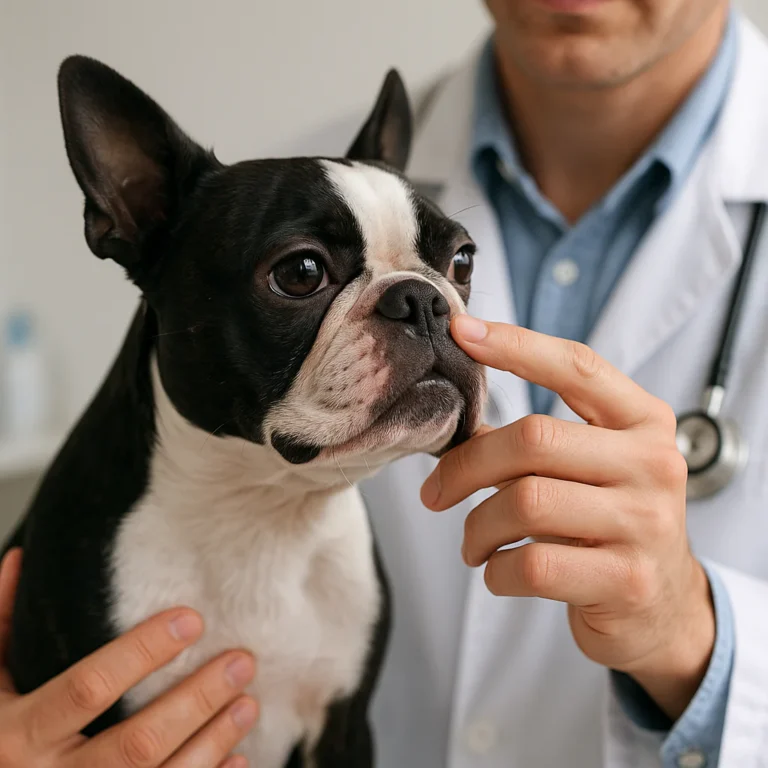
- The Nostril Pinch: Briefly (1-2 seconds) cover both nostrils with your fingers. This forces the dog to breathe through their mouth and swallow.
- The “Birthday Candle” Trick: Gently blow a small puff of air onto your dog’s nose. The surprise often causes them to swallow and break the cycle.
- The Tongue Press: If you can safely do so, gently press down on the dog’s tongue. This opens the airway further.
- Fresh Air: If you are indoors, quickly take them outside. A change in air temperature or quality can stop the irritation.
- Calming Touch: Panic is contagious. Speak in a low, soothing voice. If you freak out, their heart rate rises, and the sneezing lasts longer.
- The Water Lick: Offer a tiny bit of water or a smear of Peanut Butter (xylitol-free!) on a spoon to induce swallowing.
🏥 When to Call the Vet: Distinguishing Reverse Sneezing from Respiratory Emergencies
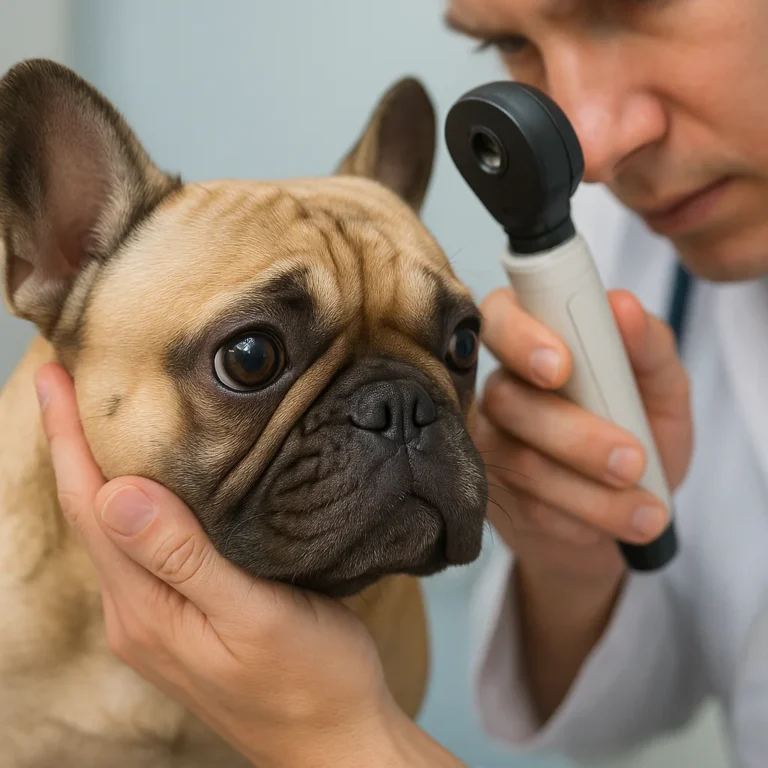
While we’ve established that reverse sneezing is usually benign, we must be vigilant. Cornell University notes that irritation can sometimes be caused by foreign objects like grass awns or even tumors.
Red Flags: When it’s NOT just a sneeze 🚩
- Duration: If the episode lasts longer than 2 minutes.
- Frequency: If it’s happening multiple times every single day.
- Discharge: If you see blood or thick yellow/green mucus from the nose.
- Exercise Intolerance: If your dog faints or collapses after a snorting fit.
- The “Goose Honk”: If it sounds more like a dry, hacking cough, it might be Tracheal Collapse, common in Yorkies and Pugs.
Pro Tip: As suggested in the featured video, always try to record a video of the episode. Your vet can diagnose much faster by seeing the posture and hearing the sound than by your description of “he sounded like a pig in a blender.”
💊 Medical Interventions and Long-Term Management for Chronic Cases
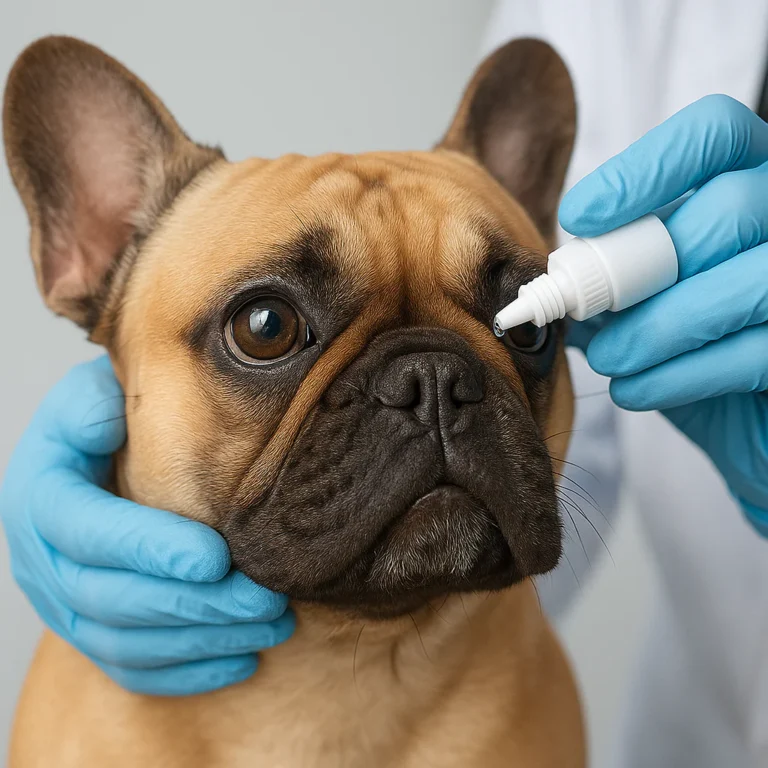
If home remedies aren’t cutting it, your vet might suggest a more clinical approach. For snub-nosed dogs, this often involves managing the underlying inflammation.
Common Medications
- Antihistamines: Drugs like Benadryl (Diphenhydramine) or Zyrtec (Cetirizine) can reduce the allergic response.
- Anti-inflammatories: Steroids may be used briefly for severe swelling of the nasopharynx.
- Decongestants: To clear out excess mucus that might be tickling the palate.
Surgical Options
For dogs suffering from severe BOAS, a vet might recommend Stenotic Nares Surgery (widening the nostrils) or a Soft Palate Resection. This isn’t just for sneezing; it’s to help them breathe for the rest of their lives.
👉 Shop Allergy Support on:
- Pet Honesty Allergy Support: Amazon | Chewy | Pet Honesty Official
🏠 Lifestyle Adjustments: Preventing Future Episodes in Your Flat-Faced Friend
Prevention is better than a cure, especially when the “cure” involves sticking your fingers in a Pug’s nose at midnight.
1. Ditch the Collar for a Harness
Pulling on a collar puts direct pressure on the larynx and trachea. We recommend a high-quality harness that distributes pressure across the chest.
👉 CHECK PRICE on:
2. Purify Your Air
Snub-nosed dogs are sensitive to “air pollution” inside the home.
- Air Purifiers: Use a HEPA filter like the Levoit Core 300 or Coway Airmega to remove dust and dander.
- No Aerosols: Stop using spray deodorizers or heavy incense.
3. Supplementation
Adding Omega-3s or specific allergy chews can bolster the immune system.
Product Review: Pet Honesty Allergy Support Chews
| Category | Rating (1-10) | Notes |
|---|---|---|
| Effectiveness | 8/10 | Great for seasonal snorting. |
| Palatability | 9/10 | Dogs think they are treats. |
| Ingredients | 9/10 | Colostrum and Turmeric are top-tier. |
| Value | 7/10 | A bit pricey, but worth the peace of mind. |
📊 Comparison: Reverse Sneezing vs. Kennel Cough vs. Heart Disease
It is vital to know what you are looking at. Use this table to differentiate.
| Symptom | Reverse Sneezing | Kennel Cough | Heart Disease (Cough) |
|---|---|---|---|
| Sound | Inward Snort/Honk | Outward “Goose” Honk | Soft, wet “huffing” |
| Airflow | Inhaling | Exhaling | Exhaling |
| Trigger | Excitement/Allergy | Contagion/Virus | Nighttime/Exercise |
| Posture | Neck extended, still | Hacking/Retching | Heavy breathing/Lethargy |
| Urgency | Low | Moderate | High |
🧠 The Psychology of the Snort: Is Your Dog Stressed or Just Dramatic?
At Snubby Puppy™, we’ve noticed a pattern: the “Drama Snort.” Some snub-nosed dogs realize that when they make that terrifying sound, you drop everything, pick them up, and give them attention (or a treat to “induce swallowing”).
While the physical spasm is real, the frequency can be exacerbated by stress. If your dog is anxious about a guest or a loud noise, their breathing becomes shallow and rapid, which is a one-way ticket to Reverse Sneeze Town. Managing their environment with calming aids like ThunderShirts or Adaptil Diffusers can often reduce the number of episodes.
📈 Outcome and Prognosis: What to Expect for Your Brachycephalic Companion
The good news? The prognosis for a dog that reverse sneezes is excellent. Most dogs will live long, happy, snorty lives without ever needing a single pill for this condition. As Pet Honesty points out, many dogs even “outgrow” the frequency of these episodes as they mature and their airways become less reactive.
However, the question remains: if the sneezing is constant, is it just a quirk, or is it a sign of a narrowing airway that could lead to heatstroke? We will explore how to monitor these long-term risks in the sections below.
📞 Emergency Contacts and Veterinary Resources
If your dog’s reverse sneezing turns into a blue-tongue emergency, do not wait.
- ASPCA Animal Poison Control: (888) 426-4435 (If you suspect an inhaled irritant).
- Pet Poison Helpline: (855) 764-7661.
- Find an Emergency Vet: Use AAHA’s Hospital Locator to find accredited clinics near you.
🔗 Recommended Links and Trusted Resources
- Educational Video: Watch a real-life example of the “Statue Pose” at our featured video.
- BOAS Information: Learn more about the surgery options from the American College of Veterinary Surgeons.
- Harness Fitting: Check out the Blue-9 Official Guide for snub-nosed breeds.
❓ Frequently Asked Questions About Reverse Sneezing in Snub-Nosed Dogs
Q: Can a dog die from reverse sneezing?
A: Almost never. It is a spasm of the throat, not a total blockage of the airway. However, if it’s actually a collapsing trachea, that can be life-threatening.
Q: Should I give my dog Benadryl for reverse sneezing?
A: Only if your vet confirms the trigger is allergies. Always consult a professional for the correct dosage based on weight!
Q: Is it painful?
A: It’s more confusing and annoying than painful. Your dog might look worried because you look worried.
📚 Reference Links and Scientific Studies
- Cornell University: Understanding Canine Reverse Sneezing
- VCA Hospitals: Reverse Sneeze in Dogs – Clinical Signs and Causes
- Journal of Veterinary Internal Medicine: Brachycephalic Airway Syndrome Studies
- Pet Honesty: Causes and Remedies for Dog Sneezing
👋 Conclusion: Embracing the Snort with Confidence

So, is your snub-nosed friend auditioning for a horror movie, or are they just being a dramatic diva? The answer, as we’ve uncovered, is usually the latter. Reverse sneezing in brachycephalic breeds is a benign, albeit startling, reflex caused by the unique anatomy of our flat-faced companions. From the “Statue Pose” to the frantic honking, it’s a quirk of the breed that we, at Snubby Puppy™, have learned to roll with.
We resolved the mystery: while it looks scary, it rarely indicates a life-threatening emergency. However, we must remain vigilant. If the episodes become frequent, last longer than a minute, or are accompanied by other symptoms like discharge or lethargy, it’s time to consult your vet to rule out nasal mites, polyps, or severe BOAS.
The Snubby Puppy™ Verdict:
Don’t let the fear of the “snort” stop you from loving your flat-faced friend. With the right harness, a clean air environment, and a few quick throat massages, you can manage these episodes effectively. Remember, a reverse sneeze is often just your dog’s way of saying, “Whoa, that dust bunny tickled!”
If you are looking to support your dog’s overall respiratory health and reduce allergy triggers, we confidently recommend Pet Honesty Allergy Support.
- Positives: Made with natural ingredients like bovine colostrum and turmeric; highly palatable soft chews; supports immune response without heavy sedation.
- Negatives: Can be pricey for large dogs; results may take a few weeks of consistent use to become noticeable.
- Recommendation: Highly Recommended for owners of Pugs, Frenchies, and Bulldogs dealing with seasonal snorting or environmental sensitivities.
🔗 Recommended Links and Trusted Resources
Here are the top tools and resources we trust to keep your snub-nosed buddy breathing easy.
Essential Gear for Snub-Nosed Breeds
- No-Pull Harnesses: Stop the collar pressure that triggers sneezing.
- Blue-9 Balance Harness: Amazon | Chewy | Blue-9 Official
- Freedom No-Pull Harness: Amazon | Walmart
- Air Purifiers: Keep allergens at bay.
- Levoit Core 300: Amazon | Levoit Official
- Coway Airmega: Amazon | Coway Official
Health & Wellness Supplements
- Allergy & Immune Support:
- Pet Honesty Allergy Support: Amazon | Chewy | Pet Honesty Official
- Joint & Respiratory Health:
- Pet Honesty PureMobility: Amazon | Pet Honesty Official
Educational Resources
- Books: The Complete Guide to Brachycephalic Breeds (Available on Amazon)
- Video Guide: Watch our step-by-step guide on how to perform the “Nostril Pinch” technique on our Snubby Puppy YouTube Channel.
❓ Frequently Asked Questions About Reverse Sneezing in Snub-Nosed Dogs
How to stop reverse sneezing in brachycephalic dogs immediately?
The fastest way to interrupt the spasm is to gently cover your dog’s nostrils for 1-2 seconds. This forces them to open their mouth and swallow, which resets the soft palate. Alternatively, massaging the throat in a downward motion or blowing a small puff of air into their nose can trigger the same swallowing reflex. Remain calm; your anxiety can prolong the episode.
What are the best home remedies for snub-nosed dog reverse sneezing?
Beyond the immediate physical interventions, the best long-term home remedies focus on environmental control. This includes using a HEPA air purifier, switching to a harness instead of a collar, avoiding strong scents (candles, sprays), and ensuring your dog doesn’t over-exert themselves during play. Keeping a calm demeanor is also a crucial “remedy” for the dog’s stress levels.
Does reverse sneezing indicate a serious health issue in pugs and bulldogs?
In the vast majority of cases, no. It is a benign reflex. However, if the episodes are frequent, last longer than a minute, or are accompanied by nasal discharge, coughing, or fainting, it could indicate nasal mites, a foreign object, polyps, or severe Brachycephalic Obstructive Airway Syndrome (BOAS). In these specific instances, a vet visit is mandatory.
Can allergies trigger reverse sneezing in flat-faced breeds?
Absolutely. Allergies are one of the most common triggers. Pollen, dust mites, mold, and even household cleaning products can irritate the sensitive nasopharynx of a snub-nosed dog. If you notice your dog sneezing more during certain seasons or after cleaning, an allergy is likely the culprit. Supplements like Pet Honesty Allergy Support can help manage this.
When should I take my snub-nosed dog to the vet for reverse sneezing?
You should seek veterinary care if:
- The episode lasts longer than 2 minutes.
- The frequency increases (e.g., multiple times a day).
- You notice blood or thick mucus from the nose.
- Your dog shows signs of distress, such as blue gums, collapse, or extreme lethargy.
- The sound changes to a dry, hacking cough (which may indicate tracheal collapse).
Do snub-nosed dogs reverse sneeze more often than other breeds?
Yes. Due to their anatomical structure—specifically the elongated soft palate and narrow nasal passages—brachycephalic breeds like Pugs, French Bulldogs, and Boston Terriers are significantly more prone to reverse sneezing than long-nosed breeds. Their airways are naturally more crowded, making them more susceptible to irritation.
What triggers reverse sneezing episodes in French Bulldogs and Pugs?
Common triggers include excitement (the “zoomies”), pulling on a leash, eating or drinking too quickly, and environmental irritants like dust or smoke. For Frenchies and Pugs specifically, the elongated soft palate often acts as a constant irritant, making them more reactive to minor changes in air quality or temperature.
Deep Dive: The Role of Nasal Mites
While rare, nasal mites (Pneumonyssoides caninum) can cause severe irritation that mimics or exacerbates reverse sneezing. If home remedies fail and your dog is constantly sneezing or pawing at their nose, ask your vet about a nasal exam to rule out parasites.
Deep Dive: The “Drama” Factor
Some dogs learn that reverse sneezing gets them attention. If your dog only sneezes when you are watching, try to remain neutral. Ignore the behavior until it stops, then reward calmness. This breaks the cycle of attention-seeking “snorting.”
📚 Reference Links and Scientific Studies
For those who want to dive deeper into the science behind the snort, these are the trusted sources we rely on:
- Cornell University College of Veterinary Medicine: Reverse Sneezing in Dogs – The definitive guide on paroxysmal respiration.
- VCA Animal Hospitals: Reverse Sneeze in Dogs – Detailed clinical signs and diagnostic procedures.
- Pet Honesty: Causes and Remedies: Reverse Sneezing in Dogs – Comprehensive overview of triggers and natural management strategies.
- American College of Veterinary Surgeons: Brachycephalic Airway Syndrome – Surgical and medical management of BOAS.
- ASPCA: Pet Poison Helpline – Emergency resources for inhaled toxins.