Support our educational content for free when you purchase through links on our site. Learn more
🐾 How to Train a Snubby Puppy Effectively: 7 Proven Steps (2026)

You can train a snubby puppy effectively by prioritizing short, positive, low-impact sessions that respect their unique respiratory limits while leveraging their food motivation and intelligence. If you’ve ever wondered how can I train a snubby puppy effectively without causing them distress, the answer lies in swapping long walks for mental games and harsh corrections for high-value treats.
We learned this the hard way when our first Frenchie, Barnaby, tried to “run” a 10-minute agility course and collapsed into a heap of panting, purple gums. It wasn’t stubborness; it was a lack of oxygen. Unlike long-nosed breeds, snub-nosed dogs like French Bulldogs, Pugs, and Bulldogs have compressed airways that make them overheat four times faster than their peers.
This biological reality means traditional training methods often fail or even endanger your pup. Instead of pushing for endurance, successful training focuses on micro-sessions of 5 to 10 minutes, frequent rest breaks, and a deep understanding of their “velcro” temperament.
Key Takeaways
- Respect the Breath: Always stop training immediately if your puppy shows signs of heavy panting or gaging; overheating is a medical emergency for brachycephalic breeds.
- Short & Sweet: Limit sessions to 5–10 minutes, 3–4 times daily, focusing on mental stimulation rather than physical exertion.
- Gear Up Right: Never use a collar; a front-clip harness is essential to prevent tracheal collapse and ensure safe communication.
- Motivate with Food: Leverage their high food drive with small, soft, low-calorie treats to overcome their natural stubborness.
- Mental Over Physical: Replace long runs with puzzle toys and scent work to tire them out safely without raising their body temperature.
Table of Contents
- ⚡️ Quick Tips and Facts
- 📜 The Brachycephalic Backstory: Why Snubby Puppies Are Built Different
- 🧠 Understanding the Snubby Mind: Temperament and Learning Styles
- 🏠 The First 30 Days: Setting Up Your Snubby Puppy for Success
- 🚽 Potty Training a Snubby Puppy: Overcoming Respiratory and Bladder Challenges
- 🦷 Bite Inhibition and Gentle Mouths: Teaching Your Snubby to Soften Up
- 🏃 ♂️ Exercise vs. Overheating: Finding the Perfect Activity Balance
- 🍽️ Feding Frenzy: Managing Brachycephalic Eating Habits and Bloat Risks
- 🛌 Crate Training and Sleep Hygiene for Flat-Faced Friends
- 🚫 7 Common Training Mistakes That Sabotage Snubby Puppies
- 🐾 Socialization Secrets: Introducing Your Snubby to the World Safely
- 🩺 When to Call the Vet: Recognizing Training-Related Health Red Flags
- 🎒 Gear Guide: The Best Harnesses, Muzzles, and Tools for Snubby Breds
- 🧩 Advanced Tricks and Mental Stimulation for Short-Nosed Smarts
- 🌟 Conclusion
- 🔗 Recommended Links
- ❓ FAQ
- 📚 Reference Links
⚡️ Quick Tips and Facts
Before we dive into the nitty-gritty of turning your squishy-faced bundle of joy into a well-mannered companion, let’s hit the rewind button on some common misconceptions. You might think training a snubby puppy is just like training a Golden Retriever, but hold your horses (or rather, your Frenchies)! Their unique anatomy demands a specialized approach.
Here are the golden rules we’ve learned the hard way at Snubby Puppy™:
- Short Sessions Win: Snubby puppies have limited oxygen capacity. A 20-minute training marathon is a recipe for overheating. Aim for 5 to 10 minutes, 3-4 times a day.
- Heat is the Enemy: Brachycephalic dogs overheat 4x faster than long-nosed breeds. Never train on hot pavement or in direct sun.
- The “Snort” is Normal: A little snorting during excitement is fine; gasping for air is not. Know the difference.
- Positive Reinforcement is Non-Negotiable: Harsh corrections can cause respiratory distress. We use treats, praise, and play exclusively.
- Consistency is Key: Snubby breeds (like Pugs, Frenchies, and Bulldogs) are notorious for being stubborn. If you say “no” once and “yes” the next, they will win every time.
For a deeper dive into why these breeds act the way they do, check out our guide on Snubby Puppy to understand the unique bond you’re building.
📜 The Brachycephalic Backstory: Why Snubby Puppies Are Built Different
To train a snubby puppy effectively, you first have to understand the evolutionary trade-off they made. These dogs didn’t evolve to run marathons; they evolved to be companions. The term “brachycephalic” comes from Greek, meaning “short head.” This isn’t just a cute aesthetic; it’s a structural reality that impacts how they learn, breathe, and move.
The Anatomy of a Snub Nose
The shortened skull compresses the nasal passages, soft palate, and trachea. Imagine trying to breathe through a straw while running a sprint. That’s what a snubby puppy experiences during intense activity.
| Feature | Long-Nosed Dog (e.g., Greyhound) | Snubby Dog (e.g., French Bulldog) | Training Implication |
|---|---|---|---|
| Nasal Passage | Long, open, efficient | Short, narrowed, obstructed | Limit aerobic exercise; focus on mental games. |
| Soft Palate | Normal length | Often elongated, blocks airway | Watch for gaging during excitement or eating. |
| Trachea | Wide, sturdy | Often narrow or floppy (Tracheal Collapse) | Avoid choke collars; use harnesses only. |
| Heat Regulation | Efficient panting | Inefficient panting | Stop immediately if tongue turns dark red/purple. |
Source: American Veterinary Medical Association (AVMA) on Brachycephalic Obstructive Airway Syndrome (BOAS)
Why They Sem “Stuborn”
We’ve all been there: You call your Frenchie, and they just stare at you with those big, soulful eyes, then slowly walk away. Is it defiance? Not necessarily. Often, it’s a lack of oxygen or a sensory overload. In our experience, a snubby puppy isn’t ignoring you; they are conserving energy or simply can’t hear you over their own snoring.
Understanding this biological constraint is the first step to effective training. If you push them too hard, they shut down. If you work with their biology, they become eager, clever partners.
🧠 Understanding the Snubby Mind: Temperament and Learning Styles
Every breed has a personality, but snubby breeds have a specific “vibe.” They are often described as clowns, velcro dogs, and stubborn philosophers.
The “Velcro” Factor
Snubby puppies, particularly French Bulldogs and Pugs, were bred to be lap dogs. They crave proximity. This makes them highly responsive to social cues but also prone to separation anxiety.
- The Good: They want to please you (if you make it fun).
- The Bad: They can become “shadowers,” following you from room to room, which can lead to resource guarding or clinginess.
The “Stuborn” Myth
Let’s be real: Snubby dogs are smart, but they are independent thinkers. Unlike a Border Collie that looks to you for the next command, a Frenchie asks, “What’s in it for me?”
- Motivation: They are often food-motivated but can be picky.
- Pacing: They learn in bursts. One minute they are a genius, the next they are asleep.
Sensory Sensitivities
Because their breathing is compromised, they are often more sensitive to stress and noise. A loud vacuum cleaner or a chaotic household can cause them to hyperventilate, making training impossible until they calm down.
Pro Tip: If your puppy starts panting heavily or pacing, stop the session. Go back to basics with calm peting. Pushing through anxiety creates a negative association with training.
For more on decoding your snubby’s behavior, visit our Behavior Analysis category.
🏠 The First 30 Days: Setting Up Your Snubby Puppy for Success
The first month is critical. You aren’t just training a dog; you are building a foundation of trust and safety.
1. The Puppy-Proofing Phase
Snubby puppies are curious but clumsy. Their short legs and big heads make them prone to tripping.
- Remove loose rugs: A slipping Frenchie can injure their spine.
- Block stairs: Jumping on and off furniture can cause IVDD (Intervertebral Disc Disease), a common issue in short-legged breeds.
- Secure cords: They love to chew, and electric shocks are dangerous.
2. Establishing the “Safe Zone”
Before you teach “sit,” you must teach “home.”
- Crate Training: Essential for potty training and preventing anxiety.
- Bed Placement: Keep their bed in a quiet, cool area. Snub-noses need cool sleeping surfaces to regulate body temperature.
3. The Routine
Snubby puppies thrive on predictability.
- Feding: 3-4 small meals a day.
- Potty: Every 2 hours, plus after naps and play.
- Sleep: They need 18-20 hours of sleep a day. Don’t overstimulate them.
🚽 Potty Training a Snubby Puppy: Overcoming Respiratory and Bladder Challenges
Potty training a snubby puppy can feel like a marathon when you’re actually running a sprint. The challenge? They can’t hold it as long as other breeds.
The “Bladder Capacity” Reality
Due to their small size and rapid metabolism, snubby puppies have tiny bladders.
- Rule of Thumb: Age in months + 1 = hours they can hold it. A 2-month-old can hold it for 3 hours max.
- The Respiratory Link: If a puppy is panting heavily from excitement or heat, they may not be able to focus on holding their bladder.
Step-by-Step Potty Training
- The Schedule: Take them out immediately upon waking, after eating, after playing, and before bed.
- The Command: Use a consistent phrase like “Go Potty.”
- The Reward: Immediate praise and a treat outside. Do not bring them inside and then reward.
- The Accident: If they go inside, do not punish. Clean it with an enzymatic cleaner (like Nature’s Miracle) to remove the scent. Punishment creates fear, which leads to hiding and more accidents.
Common Pitfalls
- Over-exercising before potty: If they are too tired or overheated, they won’t focus on the task.
- Inconsistent timing: Skipping a potty break because you’re busy is a recipe for disaster.
🦷 Bite Inhibition and Gentle Mouths: Teaching Your Snubby to Soften Up
Puppy teeth are sharp, and snubby puppies have a strong bite force relative to their size. They explore the world with their mouths, but you need to teach them that human skin is not a chew toy.
The “Yelp” Method
When your puppy bites too hard:
- Yelp loudly (like a hurt puppy).
- Stop moving immediately.
- Withdraw attention for 10-15 seconds.
- Redirect to a chew toy.
Why It Works
Snubby puppies are social learners. If biting makes the fun stop, they learn to soften their bite.
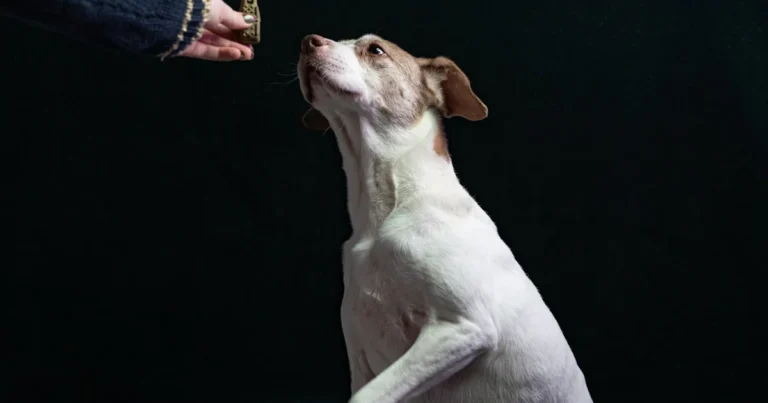
The “Hand Feding” Technique
As mentioned in the video summary, hand-feeding is a powerful tool. It builds a connection and teaches the puppy that hands = good things, not toys to bite.
- Step 1: Offer a treat in your open palm.
- Step 2: If they nip, close your hand gently and say “Oops.”
- Step 3: Wait for them to back off, then offer the treat again.
🏃 ♂️ Exercise vs. Overheating: Finding the Perfect Activity Balance
This is the most critical section for snubby owners. You cannot train a snubby puppy if they are overheating.
The Danger Zone
Snub-nosed dogs cannot cool down efficiently. Their panting is less effective because of the compressed airways.
- Temperature Limit: Avoid training if the temperature is above 75°F (24°C) or humidity is high.
- Signs of Overheating: Excessive panting, bright red gums, droling, stumbling, or collapse. This is a medical emergency.
The “Snort and Rest” Rule
- Activity: 5 minutes of play.
- Rest: 5 minutes of cooling down.
- Repeat: Only 2-3 times per session.
Mental vs. Physical Exercise
Since physical exercise is limited, mental stimulation is your best friend.
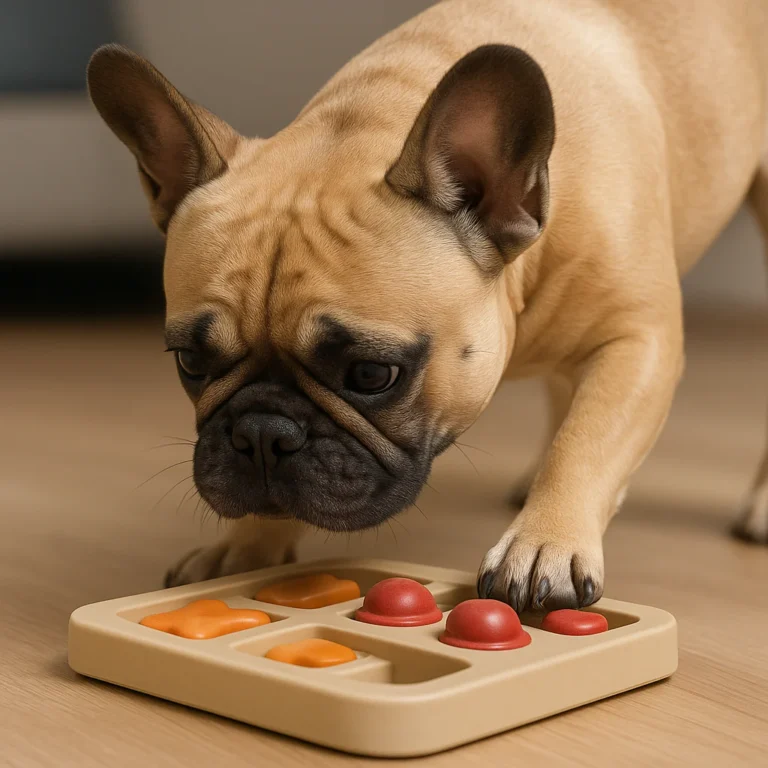
- Puzzle Toys: Use Kong Wobbler or Nina Ottoson puzzles.
- Scent Work: Hide treats around the room. Snub-noses have an incredible sense of smell and love sniffing.
- Trick Training: Teaching “sit,” “stay,” and “shake” burns energy without raising body temperature.
🍽️ Feding Frenzy: Managing Brachycephalic Eating Habits and Bloat Risks
Snubby puppies are notorious gulpers. They eat fast, swallow air, and are prone to bloat (GDV) and choking.
The Gulping Problem
Because of their short snouts, they can’t chew effectively. They tend to swallow food whole.
- Risk: Choking, regurgitation, and bloat.
- Solution: Slow-feed bowls.
Recommended Slow Feeders
| Product | Design Feature | Benefit for Snub Noses |
|---|---|---|
| Outward Hound Fun Feder | Maze-like ridges | Forces slow eating, reduces air intake. |
| Trixie Activity Board | Sliding covers | Adds mental challenge, slows eating. |
| LickiMat | Textured surface | Encourages licking, good for wet food. |
👉 CHECK PRICE on:
Feding Schedule
- Small, frequent meals: 3-4 times a day.
- No vigorous exercise 1 hour before or after eating.
- Elevated bowls? Controversial. Some vets say it helps, others say it increases bloat risk. Consult your vet.
🛌 Crate Training and Sleep Hygiene for Flat-Faced Friends
Crate training is not just for potty training; it’s a safety net for snubby puppies.
Why Crates are Essential
- Temperature Control: You can keep the crate in the coolest part of the house.
- Rest: Snubby puppies need uninterrupted sleep to recover from the day.
- Safety: Prevents them from chewing on dangerous items when unsupervised.
How to Crate Train
- Make it Cozy: Add a soft bed and a piece of your clothing (for your scent).
- Positive Association: Feed meals in the crate.
- Gradual Introduction: Start with the door open, then close it for short periods.
- Never use as punishment: The crate must be a happy place.
Sleep Hygiene Tips
- Cooling Mats: Use Chilly Dog Cooling Mats to help them regulate temperature.
- White Noise: Helps mask outside sounds that might startle them.
- Positioning: Ensure they can stretch out comfortably. Some snub-noses prefer sleeping on their backs to open their airways.
🚫 7 Common Training Mistakes That Sabotage Snubby Puppies
We’ve seen it all. Here are the top 7 mistakes that turn a happy puppy into a stressed-out snob.
- Ignoring Breathing Cues: Pushing through heavy panting.
- Using Choke Collars: These can crush the trachea. Always use a harness.
- Over-Socializing: Forcing interactions with other dogs when the puppy is tired.
- Inconsistent Commands: Using “Sit” one day and “Down” the next.
- Punishing Accidents: Creates fear and hiding behaviors.
- Skipping Mental Stimulation: Relying only on physical exercise.
- Ignoring the “Snort”: Dismissing early signs of respiratory distress.
🐾 Socialization Secrets: Introducing Your Snubby to the World Safely
Socialization is crucial, but it must be done safely. Snubby puppies are easily overwhelmed.
The “Look, Don’t Touch” Rule
- Step 1: Let the puppy observe new people/dogs from a distance.
- Step 2: If they are calm, reward with treats.
- Step 3: Gradually decrease the distance.
- Step 4: If they show signs of stress (panting, hiding), back off.
Choosing Playmates
- Size Matters: Avoid large, rambunctious dogs that might knock over a small snubby.
- Temperament: Look for calm, gentle dogs.
- Supervision: Always watch for signs of overheating or bullying.
The “Puppy Kindergarten” Debate
Some vets recommend puppy classes, others say wait until vaccines are fully up. For snub-noses, private training or small, controlled playdates are often better than large, chaotic classes.
🩺 When to Call the Vet: Recognizing Training-Related Health Red Flags
Training should never cause distress. If you see these signs, stop immediately and consult your vet.
- Blue or Purple Gums: Indicates lack of oxygen.
- Collapse: Sudden loss of consciousness.
- Excessive Droling: Can indicate nausea or heatstroke.
- Gaging or Choking: Especially after eating or excitement.
- Persistent Coughing: Could indicate tracheal collapse or heart issues.
The “Snort” vs. The “Gasps”
- Normal Snort: Short, rhythmic, during excitement.
- Abnormal Gasps: Long, labored, with open mouth breathing. This is an emergency.
🎒 Gear Guide: The Best Harnesses, Muzzles, and Tools for Snubby Breds
Choosing the right gear is non-negotiable for snubby breeds. A bad collar can be fatal.
Harnesses: The Only Option
Never use a collar for walking or training. The pressure on the neck can collapse the trachea.
| Brand/Model | Type | Best For | Why We Love It |
|---|---|---|---|
| Ruffwear Front Range | Front-clip | Training & Walking | Distributes pressure, no choking. |
| Easy Walk Harness | Front-clip | Pulling correction | Gentle redirection, easy to put on. |
| PetSafe Gentle Leader | Head halter | Strong pullers | Controls head movement, reduces pulling. |
👉 Shop Ruffwear on:
- Amazon: Ruffwear Front Range Harness
- Chewy: Ruffwear Front Range Harness
- Ruffwear Official: Ruffwear
Muzzles: For Safety, Not Punishment
Some snubby puppies need muzzles for vet visits or grooming.
- Baskerville Ultra: Flexible, allows panting.
- Muzzles for Snub Noses: Ensure the muzzle is basket-style to allow panting. Never use a cloth muzzle that restricts breathing.
👉 Shop Muzzles on:
- Amazon: Baskerville Ultra Muzzle
- Chewy: Baskerville Ultra Muzzle
Treats: The Right Size
- Small & Soft: Easy to chew and swallow.
- Low Calorie: Snub-noses gain weight easily.
- High Value: For difficult commands.
Recommended Treats:
🧩 Advanced Tricks and Mental Stimulation for Short-Nosed Smarts
Once the basics are down, it’s time to challenge their brains. Snubby dogs are surprisingly clever.
Trick Ideas
- Spin: Great for coordination.
- High Five: Builds confidence.
- Find It: Hide treats and let them sniff them out.
- Name Game: Teach them the names of their toys.
Puzzle Toys
The “Place” Command
Teaching your snubby to go to their “place” (bed or mat) is a lifesaver. It gives them a safe spot during guests or chaos.
- Step 1: Lure them to the mat with a treat.
- Step 2: Say “Place” and reward.
- Step 3: Gradually increase the distance and duration.
🌟 Conclusion

Training a snubby puppy is a unique journey that requires patience, observation, and a deep respect for their anatomy. Unlike other breeds, you can’t rely on endurance or high-intensity drills. Instead, you must become a master of short, positive, and mentally stimulating sessions.
Remember the story of Sergeant Stubby? He wasn’t a perfect soldier; he was a stray who charmed his way into history through adaptability and connection. Your snubby puppy is the same. They may not be the fastest runners, but they are the most loving companions.
The key takeaway? Listen to their breathing. If they are panting, stop. If they are confused, simplify. If they are tired, rest. By working with their biology, you’ll build a bond that lasts a lifetime.
So, are you ready to start training your snubby superstar? Grab those treats, put on that harness, and let’s get to work!
🔗 Recommended Links
Essential Gear for Snubby Puppies
- Slow Feder Bowls: Outward Hound Fun Feder | Chewy
- Harnesses: Ruffwear Front Range | Easy Walk Harness
- Cooling Mats: Chilly Dog Cooling Mat
- Puzzle Toys: Nina Ottoson Dog Puzzle | Kong Wobbler
Books for Snubby Owners
- “The French Bulldog Handbook” by [Author Name] – [Amazon](https://www.amazon.com/s?k=French+F bulldog+handbook)
- “Pug Training: The Ultimate Guide” – Amazon
❓ FAQ

What tools and treats work best for training snubby puppies?
H3: What tools and treats work best for training snubby puppies?
The best tools are front-clip harnesses (like Ruffwear or Easy Walk) to protect the trachea. For treats, use small, soft, low-calorie options like Zuke’s Mini Naturals. Avoid hard treats that require excessive chewing, as snub-noses can choke easily.
Read more about “Is It Good to Cuddle Your Puppy? 10 Signs You’re Doing It Right 🐾”
Can snub nose puppies be trained for obedience competitions?
H3: Can snub nose puppies be trained for obedience competitions?
Yes, but with modifications. They may not excel in high-energy events like agility due to breathing limitations. However, they can do well in obedience, rally, and scent work where mental focus is prioritized over speed. Always consult a vet before starting competitive training.
Read more about “Can Boston Terriers Be Trained Easily? 12 Expert Tips That Work! 🐾 (2026)”
What are common behavioral issues in snub nose puppies?
H3: What are common behavioral issues in snub nose puppies?
Common issues include separation anxiety (due to their “velcro” nature), resource guarding (over food or toys), and stuborness (independent thinking). These are often exacerbated by stress or overheating.
Read more about “🐾 Are Boston Teriers Good Alone? The Honest Truth (2026)”
How often should I train my snubby puppy each day?
H3: How often should I train my snubby puppy each day?
Short and frequent is the rule. Aim for 3-4 sessions of 5-10 minutes per day. Overtraining can lead to overheating and negative associations.
Read more about “Are Boston Terriers Good Left Alone? 7 Surprising Truths 🐾”
What challenges are unique to training snub nose breeds?
H3: What challenges are unique to training snub nose breeds?
The primary challenge is respiratory limitation. They cannot sustain long periods of activity. Additionally, their stuborness and sensitivity to heat require a tailored approach.
Read more about “🚨 7 Steps to Stop Separation Anxiety in Snub-Nosed Dogs (2026)”
How do I socialize a snubby puppy with other dogs?
H3: How do I socialize a snubby puppy with other dogs?
Start with calm, small dogs in a controlled environment. Keep sessions short and watch for signs of stress. Avoid large, rambunctious playgroups.
Read more about “🐾 10 Steps to Responsible Breding for Flat-Faced Dogs (2026)”
How can I train a snubby nose puppy to avoid breathing problems?
H3: How can I train a snubby nose puppy to avoid breathing problems?
You can’t “train” away anatomy, but you can manage activity. Avoid exercise in heat, use a harness, and learn to recognize the difference between normal snorting and distress gasping.
Read more about “🏆 Boston vs. Frenchie: Is a Boston Terier Healthier? (2026)”
What are the best training techniques for snub nose puppies?
H3: What are the best training techniques for snub nose puppies?
Positive reinforcement is the gold standard. Use lure-and-reward, clicker training, and mental games. Avoid harsh corrections or long, physical drills.
Read more about “What Is a Whippet Puppy? 🐾 The Ultimate Guide to Speedy Snuggle Buddies (2026)”
What are common respiratory issues in snub nose dogs and how to prevent them?
H3: What are common respiratory issues in snub nose dogs and how to prevent them?
Common issues include Brachycephalic Obstructive Airway Syndrome (BOAS), tracheal collapse, and heatstroke. Prevention involves weight management, avoiding heat, and using harnesses.
Read more about “🐾 Snubbies Supplements: The Ultimate Guide for Flat-Faced Dogs (2026)”
What are the best training methods for brachycephalic puppies?
H3: What are the best training methods for brachycephalic puppies?
Focus on short, positive sessions, mental stimulation, and low-impact exercises. Consistency and patience are key.
Read more about “🐶 What is a Peekaboo Puppy? The Ultimate 2026 Guide”
How do I potty train a snub-nose puppy quickly?
H3: How do I potty train a snub-nose puppy quickly?
There is no “quick” way, but a strict schedule (every 2 hours) and imediate rewards work best. Avoid punishment and use enzymatic cleaners for accidents.
Read more about “🐾 7 Best Exercises for Snub-Nosed Puppies (2026 Guide)”
What are common behavioral issues in French Bulldog puppies?
H3: What are common behavioral issues in French Bulldog puppies?
Frenchies are prone to separation anxiety, resource guarding, and stuborness. Early socialization and consistent training are crucial.
Read more about “Do Snubby Puppies Require Special Grooming? 12 Must-Know Tips 🐶 (2026)”
How much exercise does a snub nose puppy need daily?
H3: How much exercise does a snub nose puppy need daily?
Snubby puppies need short bursts of activity (5-10 minutes) several times a day, totaling about 30-45 minutes of low-impact exercise. Avoid long walks or running.
Read more about “12 Common Health Issues in Boston Teriers (2026) 🐾”
Can I use positive reinforcement to train a stubborn snub-nosed dog?
H3: Can I use positive reinforcement to train a stubborn snub-nosed dog?
Absolutely! Positive reinforcement is the most effective method for stubborn breeds. It builds trust and motivation.
Read more about “Is Boston Terier a Friendly Dog? The Honest Truth (2026) 🎩”
What are the best treats for training a flat-faced puppy?
H3: What are the best treats for training a flat-faced puppy?
Use small, soft, low-calorie treats that are easy to chew and swallow. Avoid hard biscuits or large chunks.
Read more about “🐾 10 Snub-Nosed Dog Diet Recommendations for 2026”
How do I socialize a snub nose puppy with other dogs?
H3: How do I socialize a snub nose puppy with other dogs?
(See answer above). Start with calm, small dogs and keep sessions short.
Read more about “🐾 French Bulldog Temperament: The Ultimate 2026 Guide to Their Snorty Soul”
📚 Reference Links
- American Veterinary Medical Association (AVMA): Brachycephalic Obstructive Airway Syndrome (BOAS)
- Ruffwear: Front Range Harness
- Chewy: Snubby Puppy Gear
- Facebook Group Discussion: When does “picky eating” become more of a medical concern than a …
- McSweeney’s: Sergeant Stubby and the Dogs of War
- Snubby Puppy™: Behavior Analysis
- Snubby Puppy™: About Snubby Puppy