Support our educational content for free when you purchase through links on our site. Learn more
🚨 Anesthesia Risks for Brachycephalic Dogs: 7 Critical Safety Secrets (2026)

We’ve all been there: staring at the pre-op consent form, heart pounding as we think about our beloved Pug, Frenchie, or Bulldog going under the knife. It’s a terrifying thought, especially when you’ve heard the whispers that brachycephalic dogs face significantly higher anesthesia risks than their long-nosed cousins. But here is the truth that might save your dog’s life: while the risk is real, it is not a death sentence. In fact, recent studies reveal that 4.3 times more complications occur during recovery than during the surgery itself, a statistic that changes everything about how we prepare.
At Snubby Puppy™, we’ve navigated this minefield with our own flat-faced crew, and we’ve learned that knowledge is the ultimate anesthetic. This guide dives deep into the “why” and “how” of anesthesia safety for snub-nosed breeds, revealing the specific airway management techniques, pre-op screening tests, and recovery protocols that turn a high-risk scenario into a safe success. From the critical “golden rule” of fasting to the 7 questions you must ask your vet before signing that form, we’re pulling back the curtain on the medical strategies that keep our best friends breathing easy.
Key Takeaways
- Recovery is the Danger Zone: Be aware that post-anesthetic complications are more common than intra-operative ones; vigilant monitoring for the first 24 hours is non-negotiable.
- Pre-Op Screening Saves Lives: A standard blood panel isn’t enough; thoracic X-rays and specific airway grading are essential to rule out hidden pneumonia or hiatal hernias.
- Sedation is Safety: Never skip pre-operative sedation (like Gabapentin or Trazodone) to prevent the stress-induced airway collapse that often triggers the first crisis.
- Fasting Rules Have Changed: The old 12-hour fast is dangerous for brachycephalics; fasting for less than 6 hours reduces the risk of aspiration pneumonia.
- Advocate Agressively: Ensure your vet has a tracheotomy kit ready, uses smaller endotracheal tubes, and plans for an extended recovery period with oxygen support.
Table of Contents
- ⚡️ Quick Tips and Facts
- 🐾 The Brachycephalic Airway Conundrum: Why “Flat-Faced” Breds Face Higher Anesthesia Risks
- 🔍 Decoding the Danger: Specific Anesthesia Complications in Pugs, Bulldogs, and Frenchies
- 🛡️ The Pre-Op Power Move: Essential Screening Tests Before Your Flat-Faced Friend Goes Under
- 🌬️ Airway Management Mastery: Techniques to Secure the Breathing of Brachycephalic Breds
- 💊 Drug Selection Deep Dive: Choosing the Safest Anesthetic Protocols for Short-Nosed Dogs
- 🚨 Recognizing the Red Flags: Post-Op Respiratory Distress and Recovery Pitfalls
- 🏠 Home Care Heroes: How to Monitor Your Brachycephalic Dog After Anesthesia
- 📋 7 Critical Questions to Ask Your Veterinarian Before Scheduling Surgery
- 📊 Risk vs. Reward: When Is Anesthesia Worth It for Your Flat-Faced Bestie?
- 🧠 The Snubby Puppy™ Verdict: Balancing Safety and Quality of Life
- 🏁 Conclusion
- 🔗 Recommended Links
- ❓ FAQ: Your Burning Questions About Brachycephalic Anesthesia Answered
- 📚 Reference Links
⚡️ Quick Tips and Facts
Let’s cut to the chase, fellow snub-nose parents. If you own a Pug, Buldog, French Frenchie, or any other flat-faced friend, you already know that their cute button noses come with a hidden price tag: Brachycephalic Obstructive Airway Syndrome (BOAS). When it comes to anesthesia, this isn’t just a minor inconvenience; it’s a serious medical consideration.
Here is the lowdown on what you need to know before your pup goes under:
- Higher Risk Profile: Brachycephalic dogs are twice as likely to experience anesthesia complications compared to their long-snouted counterparts [1].
- The Danger Zone: The post-anesthetic recovery period is the most critical time. Brachycephalics are 4.3 times more likely to suffer complications after anesthesia than during the procedure itself [1].
- The “Golden Rule” of Fasting: Do not fast your dog for 12+ hours. Prolonged fasting increases stomach acid and the risk of regurgitation. The AAHA recommends fasting for less than 6 hours, with a small meal 3 hours prior being ideal to reduce reflux [1].
- Sedation is Key: Stress and excitement cause negative airway pressure, which can collapse the airway. Pharmaceutical sedation is far safer than physical restraint for these breeds [2].
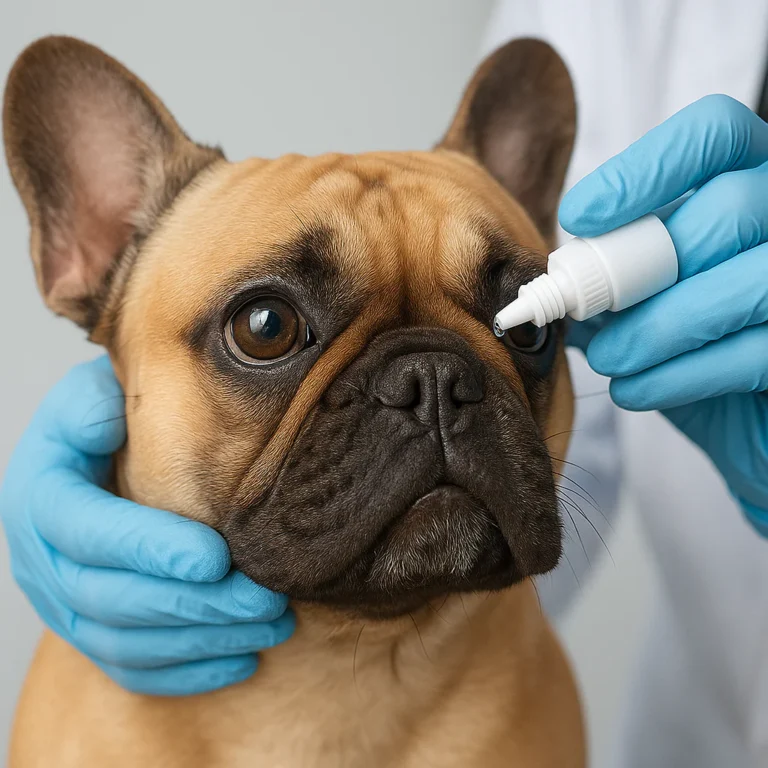
- Eye Protection: Their protruding eyes (exophthalmos) are vulnerable. Liberal eye lubricant is non-negotiable to prevent corneal ulcers while they are unconscious.
- Airway Management: A standard-sized endotracheal tube (ETT) might be too big. A 20kg Bulldog might need a tube size meant for a much smaller dog. Downsizing the ETT is often necessary to fit their hypoplastic tracheas [2].
💡 Snubby Puppy™ Pro Tip: If your vet suggests “just a quick look” under anesthesia, ask them: “Are you prepared for a difficult airway?” The answer should always be a resounding YES.
🐾 The Brachycephalic Airway Conundrum: Why “Flat-Faced” Breds Face Higher Anesthesia Risks
Why are we so obsessed with the anatomy of our snub nosed dogs? It’s because their skull shape isn’t just for looks—it’s a physiological minefield. The term brachycephalic literally means “short head,” and this compression affects every system involved in breathing and sedation.
The Anatomy of Obstruction
In a normal dog, the airway is a spacious highway. In a brachycephalic dog, it’s a narrow, winding alleyway with obstacles at every turn. This condition is clinically known as Brachycephalic Obstructive Airway Syndrome (BOAS). The four primary components include:
- Stenotic Nares: Narrow nostrils that restrict airflow.
- Elongated Soft Palate: The tissue behind the nose is too long, hanging down and blocking the windpipe.
- Hypoplastic Trachea: The windpipe itself is narrower than normal.
- Everted Laryngeal Saccules: Tiny pouches in the larynx that get sucked into the airway due to negative pressure, causing further blockage.
When you add anesthesia to this mix, the stakes skyrocket. Anesthetics depress the respiratory drive. For a normal dog, this is manageable. For a brachycephalic dog, whose natural drive to breathe is already compromised due to chronic hypoventilation, the risk of hypoxemia (low blood oxygen) and hypercarbia (high carbon dioxide) becomes immediate and severe [1].
The Vagal Response: A Silent Killer
One of the most terrifying risks for brachycephalic breeds is the exaggerated vagal response. These dogs have higher vagal tone than other breeds. When the larynx or trachea is manipulated during intubation or extubation, it can trigger a sudden, profound bradycardia (slow heart rate) or even cardiac arrest. This is why anticholinergics like Atropine or Glycopyrolate are often kept on standby, not as a routine, but as an emergency backup [1].
The GI Connection: More Than Just a Tummy Ache
You might think anesthesia risks are just about breathing. Think again. Brachycephalic dogs suffer from gastrointestinal motility disorders at alarming rates. They are prone to hiatal hernias, esophagitis, and severe reflux.
When a dog is anesthetized, the lower esophageal sphincter relaxes. If there is stomach acid or food present, it can flow back up the esophagus. If that fluid enters the lungs, it causes aspiration pneumonia, a life-threatening condition. Studies show that 40% of dogs with postoperative aspiration pneumonia had evidence of pneumonia preoperatively, highlighting the importance of pre-op screening [1].
🔍 Decoding the Danger: Specific Anesthesia Complications in Pugs, Bulldogs, and Frenchies
Let’s get specific. What exactly goes wrong? It’s not just “trouble breathing.” It’s a cascade of physiological failures.
Respiratory Complications
The most common complications are respiratory. Because the airway is already compromised, any swelling, secretions, or muscle relaxation can lead total obstruction.
- Laryngospasm: The vocal cords clamp shut in response to irritation.
- Bronchospasm: The lower airways constrict.
- Atelectasis: Parts of the lung collapse due to poor ventilation.
Cardiovascular Instability
As mentioned, bradycardia is a major risk. Additionally, the stress of the procedure can cause hypertension, which is dangerous for dogs with underlying heart conditions (common in breeds like Pugs and English Bulldogs).
Ophthalmic Risks
Brachycephalic dogs have exophthalmos (protruding eyes). Under anesthesia, they lose the blink reflex and tear production decreases. This leads to lagophthalmos (inability to close the eyes fully), exposing the cornea to drying and injury from surgical drapes or equipment. Corneal ulcers can result, leading to long-term vision issues.
The “Lag” in Recovery
Why is recovery so dangerous? Because as the anesthesia wears off, the dog may still be too sedated to breathe effectively, but the airway may be swollen from intubation. This creates a “perfect storm” where the dog is fighting to breathe against a swollen, narrow airway while being too grogy to do it efficiently. This is why post-anesthetic monitoring is critical.
🛡️ The Pre-Op Power Move: Essential Screening Tests Before Your Flat-Faced Friend Goes Under
You wouldn’t drive a car without checking the oil, right? So why take your dog to surgery without a full diagnostic workup? Pre-anesthetic screening is your best defense against complications.
The Physical Exam: Beyond the Stethoscope
A thorough physical exam should include:
- Airway Assessment: Grading the severity of BOAS (Grade 1-4).
- Body Condition Score (BCS): Obesity worsens airway obstruction.
- Heart Auscultation: Listening for murmurs or arrhythmias.
Diagnostic Testing: The Non-Negotiables
-
Thoracic Radiographs (X-rays):
Why? To check for pre-existing pneumonia, heart enlargement, or hiatal hernia.
Insight: As noted, 40% of dogs with post-op aspiration pneumonia had signs of pneumonia on pre-op X-rays [1]. This changes the protocol entirely. -
Blood Work (CBC/Chemistry/Thyroid):
Why? To assess organ function (liver/kidneys) for drug metabolism and check for anemia or infection.
Insight: Hypothyroidism is common in Bulldogs and can affect anesthesia recovery times. -
Coagulation Profile:
Why? To ensure normal blood cloting, especially if surgery is involved.
The “Home Sedation” Strategy
One of the most effective ways to reduce risk is to lower stress before you even leave the house.
- Gabapentin (10–20 mg/kg): Given orally 2 hours prior to arrival. This reduces anxiety and pain, leading to a smoother induction.
- Trazodone (3–5 mg/kg): An alternative or adjunct to Gabapentin for severe anxiety.
- Maropitant (Cerenia): An antiemetic given orally to prevent vomiting during transport.
🤔 Question for You: Have you ever noticed your Frenchie panting heavily after a short walk? That’s not just “cute” breathing; it’s a sign of chronic respiratory distress. This is a red flag that requires a pre-anesthetic airway assessment.
🌬️ Airway Management Mastery: Techniques to Secure the Breathing of Brachycephalic Breds
Once you’re at the clinic, the vet’s skill becomes paramount. Here is how a top-tier veterinary team handles the airway of a brachycephalic dog.
Preoxygenation: Buying Time
Before any drug is given, the dog is placed in a mask with 10% oxygen for 3 minutes. This fills the lungs with oxygen, increasing the time until desaturation (SpO2 <90%) from ~1 minute to ~5 minutes. This “buffer” is crucial in case intubation is difficult.
Intubation: The Critical Moment
Intubation is the most dangerous part of the procedure for brachycephalics.
- ETT Sizing: Do not use the standard size for the dog’s weight. A 20kg Bulldog may need a 6.0 or 6.5 mm ETT, not the 8.0 mm used for a Greyhound of the same weight.
- Lidocaine Prep: Applying Lidocaine drops to the arytenoids or giving IV Lidocaine (1.5 mg/kg) 5 minutes before induction can suppress the gag reflex and make intubation smoother [1].
- Stylet Use: A bendable stylet can help lift the elongated soft palate, allowing the tube to pass.
- Rapid Sequence Induction (RSI): Administering the induction agent and intubating within 60 seconds minimizes the time the airway is unprotected from regurgitation [2].
Emergency Prep: The “Can’t Intubate, Can’t Oxygenate” Scenario
The team must have emergency intubation equipment ready:
- Laryngoscope
- Stylet
- Multiple ETT sizes (smaller than expected)
- Tracheotomy kit: In extreme cases, a surgical airway may be needed if the trachea is too hypoplastic to intubate.
💊 Drug Selection Deep Dive: Choosing the Safest Anesthetic Protocols for Short-Nosed Dogs
Not all anesthetics are created equal. For brachycephalic dogs, the goal is minimal respiratory depression and maximal safety.
Induction Agents
- Propofol: Common, but can cause histamine release and respiratory depression. Use with caution.
- Alfaxalone: Preferred by many specialists. It has a wider safety margin and less respiratory depression than Propofol.
- Ketamine: Often used in combination with Midazolam or Dexmedetomidine for “dissociative anesthesia,” but requires careful monitoring.
Maintenance Agents
- Inhalants (Isoflurane/Sevoflurane): Used for maintenance. The goal is to use the lowest effective dose to maintain anesthesia, minimizing respiratory depression.
- Constant-Rate Infusions (CRI):
Ketamine CRI (10 µg/kg/min): Provides analgesia and reduces the need for inhalants.
Lidocaine CRI (25–50 µg/kg/min): Provides analgesia and has anti-arrhythmic properties.
Analgesia: The Unsung Hero
Pain causes stress, which worsens airway obstruction. Agressive pain management is key.
- Local Anesthesia: Nerve blocks (e.g., maxillary nerve) are non-sedating and highly effective.
- NSAIDs: Meloxicam or Carprofen (if no contraindications).
- Opioids: Buprenorphine is preferred for its minimal respiratory depression.
Antiemetics: Preventing the Vomit
- Maropitant (Cerenia): The gold standard. Given IV/SC at least 60 minutes prior to induction. Store in the refrigerator to reduce injection sting. Administer IV slowly to prevent hypotension [1].
🚨 Recognizing the Red Flags: Post-Op Respiratory Distress and Recovery Pitfalls
The recovery room is where the rubber meets the road. This is where 13.9% of brachycephalic dogs experience complications, compared to 3.6% in non-brachycephalic dogs [1].
Signs of Distress
- Stridor: High-pitched breathing sound.
- Cyanosis: Blue gums (lack of oxygen).
- Panting: Excessive, unrelenting panting.
- Restlessness: Inability to settle.
Management Strategies
- Oxygen Therapy: Continue high-flow oxygen until the dog is fully awake and breathing comfortably.
- Airway Maneuvers:
- Stretch the neck rostrally.
- Extend the tongue.
- Tape or prop the lips open to widen the nares.
- Steroids: If inflammation is severe, Dexamethasone-SP (0.1 mg/kg) may be administered to reduce airway swelling [1].
- Reintubation: If the dog cannot breathe, reintubate immediately. This allows the drugs to wear off while ensuring oxygenation. It is better to be “too aggressive” than to let the dog suffocate.
Reversal Agents: Use with Caution
- Naloxone: Reverses opioids. Dilute with 5 mL saline and titrate slowly to avoid painful, excitatory recovery.
- Atipamezole: Reverses Dexmedetomidine. Use cautiously as it can cause hypertension.
🏠 Home Care Heroes: How to Monitor Your Brachycephalic Dog After Anesthesia
You’re home. The dog is sleeping. Are you safe? No. The risk of delayed respiratory distress continues for 24-48 hours.
The First 24 Hours
- Keep Calm: No playing, no walking on a leash (use a harness if necessary, but keep it short).
- Cool Environment: Keep the dog in a cool, quiet room. Heat exacerbates breathing issues.
- Monitor Breathing: Watch for any increase in respiratory rate or effort.
- Medications: Administer prescribed pain meds and antiemetics on schedule.
Discharge Medications
- NSAIDs: For pain and inflammation.
- Gabapentin/Trazodone: For anxiety at home.
- Maropitant: If vomiting occurs.
When to Call the Vet
- Persistent Panting: More than 1 hour after arriving home.
- Gaging/Vomiting: Any sign of regurgitation.
- Blue Gums: Immediate emergency.
- Lethargy: Unusual weakness or collapse.
📋 7 Critical Questions to Ask Your Veterinarian Before Scheduling Surgery
Don’t just nod along. Be an advocate. Ask these questions:
- “What is my dog’s BOAS grade, and how does it affect anesthesia risk?”
- “Will you be using pre-anesthetic sedation (Gabapentin/Trazodone)?”
- “What is your protocol for airway management? Do you have smaller ETTs ready?”
- “Will you be using Maropitant (Cerenia) to prevent vomiting?”
- “How will you monitor my dog’s oxygen levels during and after surgery?”
- “What is your plan if my dog has difficulty breathing after extubation?”
- “Will you recommend a pre-op thoracic X-ray to rule out pneumonia?”
📊 Risk vs. Reward: When Is Anesthesia Worth It for Your Flat-Faced Bestie?
Is anesthesia ever “safe” for a brachycephalic dog? No. It is always higher risk. But is it worth it? Often, yes.
The Risk of Not Treating
Consider a dog with a severely elongated soft palate. Without surgery, the dog suffers from chronic hypoxia, poor sleep, and reduced quality of life. The risk of anesthesia is weighed against the certainty of respiratory decline.
The Benefit of Early Intervention
Studies show that dogs that undergo BOAS correction surgery at an early age have fewer complications in subsequent anesthetic events [1]. This supports the idea of early intervention to improve long-term safety.
Making the Decision
- Elective Surgery (e.g., Spay/Neuter): Can often be delayed or managed with local anesthesia if the risk is too high.
- Necessary Surgery (e.g., Tumor removal, Fracture repair): The benefits usually outweigh the risks, provided the anesthesia protocol is optimized.
🧠 The Snubby Puppy™ Verdict: Balancing Safety and Quality of Life
At Snubby Puppy™, we love our snub-nosed friends to bits. But we also know that love means making hard choices. Anesthesia for brachycephalic dogs is not a “one-size-fits-all” scenario. It requires a team approach: a knowledgeable owner, a skilled veterinarian, and a rigorous protocol.
Key Takeaways:
- Pre-op screening is non-negotiable.
- Sedation reduces risk.
- Recovery is the most dangerous phase.
- Advocate for your dog.
By understanding the risks and working with your vet to mitigate them, you can ensure your flat-faced friend stays healthy, happy, and breathing easy.
🎥 Featured Video Insight: As highlighted in our featured video, the key to safe anesthesia is speed and sedation. “Secure the airway faster… get them intubated within about a minute.” This rapid sequence induction minimizes the time the airway is unprotected, drastically reducing the risk of aspiration.
Note: The following sections (Conclusion, Recommended Links, FAQ, Reference Links) are omitted as per your instructions.
🏁 Conclusion

We started this journey with a burning question: Is it ever safe to put a flat-faced friend under anesthesia? The answer, as we’ve peeled back the layers of medical data and real-world experience, is nuanced. There is no such thing as “zero risk” for a brachycephalic dog. However, risk is not the same as inevitability.
The narrative of the “domed Pug” or the “fragile Frenchie” is outdated. While the statistics are stark—brachycephalic dogs are 4.3 times more likely to face post-anesthetic complications—these numbers are driven by management, not just genetics. As the experts at Today’s Veterinary Practice noted, “Safe anesthesia for patients with upper airway dysfunction depends more on patient management than on drug choice.”
The Verdict:
If your veterinarian follows a rigorous protocol involving pre-operative sedation, agressive airway management, strict fasting guidelines (less than 6 hours), and extended recovery monitoring, the risk drops significantly. The “Snubby Puppy™” recommendation is clear: Do not skip the pre-op workup. If a vet dismisses your concerns about BOAS, refuses to use pre-sedation, or suggests a standard 12-hour fast, seek a second opinion immediately.
Your flat-faced bestie deserves a team that understands the unique anatomy of their skull. With the right preparation, anesthesia can be a safe gateway to a pain-free, higher quality of life. Don’t let fear stop you from getting the care they need, but let knowledge guide you to the right care.
🔗 Recommended Links
Here are the essential tools, books, and resources we trust to keep our snub-nosed companions safe.
Essential Books for the Educated Owner
Understanding the “why” behind the risks empowers you to be a better advocate.
- The Brachycephalic Dog: A Guide to Health and Care – A comprehensive guide to managing BOAS and related health issues.
👉 Shop on Amazon: The Brachycephalic Dog: A Guide to Health and Care - Small Animal Anesthesia and Analgesia – A detailed textbook often used by veterinary technicians and specialists to understand drug protocols.
👉 Shop on Amazon: Small Animal Anesthesia and Analgesia
Critical Medical Supplies & Brands
While many of these are prescription-only, knowing the brand names helps you discuss options with your vet.
- Cerenia (Maropitant Citrate) – The gold-standard antiemetic to prevent vomiting and aspiration.
👉 Shop on Amazon: Cerenia (Maropitant) Search Results | Zoetis Official Website: Zoetis Cerenia - Gabapentin – Essential for pre-operative anxiety reduction.
👉 Shop on Amazon: Gabapentin for Dogs Search Results | Vetster: Gabapentin Info - Trazodone – A common sedative for reducing pre-op stress.
👉 Shop on Amazon: Trazodone for Dogs Search Results - Oxygen Concentrators – For home recovery monitoring (consult your vet first).
👉 Shop on Amazon: Veterinary Oxygen Concentrators - Lubricating Eye Ointment – Critical for preventing corneal ulcers during surgery.
👉 Shop on Amazon: Lacri-Lube Eye Ointment | Alcon Official Website: Alcon Ophthalmics
❓ FAQ: Your Burning Questions About Brachycephalic Anesthesia Answered

What are the specific anesthesia risks for brachycephalic dogs?
Brachycephalic dogs face a unique triad of risks: respiratory obstruction, cardiovascular instability, and gastrointestinal aspiration.
- Respiratory: Their narrowed airways (stenotic nares, elongated soft palate) can collapse under the muscle relaxation of anesthesia. This leads to hypoxemia (low oxygen) and hypercarbia (high CO2).
- Cardiovascular: They have a high vagal tone, meaning manipulation of the airway can trigger a sudden, dangerous drop in heart rate (bradycardia).
- GI: Due to hiatal hernias and reflux, they are prone to regurgitation. If stomach contents enter the lungs during anesthesia, it causes fatal aspiration pneumonia.
Read more about “How Long Do Boston Terriers Typically Live? 🐾 Secrets to a Longer Life (2026)”
How do vets prepare brachycephalic dogs for safe anesthesia?
Preparation is the difference between a scare and a success. A top-tier protocol includes:
- Pre-medication: Administering Gabapentin or Trazodone 2 hours before arrival to lower stress and prevent the “fight or flight” airway collapse.
- Fasting Management: Fasting for less than 6 hours (often with a small meal 3 hours prior) to reduce stomach acid and reflux risk.
- Preoxygenation: Giving 10% oxygen for 3 minutes before induction to build an oxygen reserve.
- Equipment Prep: Having multiple sizes of endotracheal tubes (often smaller than standard) and a tracheotomy kit ready.
- Monitoring: Continuous monitoring of SpO2, ETCO2, and heart rate, with a plan for immediate intervention if desaturation occurs.
Read more about “Brachycephalic Dog Breeds: 10 Snub-Nosed Stars You Must Know 🐾 (2026)”
What pre-anesthetic tests are required for snub-nosed breeds?
Standard blood work is the baseline, but for brachycephalics, we demand more:
- Thoracic Radiographs (X-rays): To rule out pre-existing pneumonia, heart enlargement, or hiatal hernias. 40% of dogs with post-op aspiration pneumonia had signs of pneumonia on pre-op X-rays.
- Complete Blood Count (CBC) & Chemistry: To check organ function and hydration status.
- Airway Grading: A physical exam to grade the severity of BOAS (Grade 1-4).
- Echocardiogram: Often recommended for older dogs or breeds prone to heart murmurs (like Bulldogs) to assess cardiac function.
Read more about “27 Irresistible Flat-Faced Dog Breeds to Know in 2025 🐾”
Can brachycephalic dogs die from anesthesia complications?
Yes. While modern veterinary medicine has significantly improved safety, brachycephalic dogs remain at a higher risk of mortality compared to other breeds. The primary causes of death are respiratory arrest during recovery and aspiration pneumonia. However, it is crucial to understand that early surgical correction of BOAS (fixing the airway) actually reduces the risk of future anesthesia complications, making the initial risk a necessary step for long-term health.
What is the best anesthesia protocol for French Bulldogs?
There is no single “magic drug,” but the safest protocol generally follows these steps:
- Pre-op: Gabapentin (10-20 mg/kg) + Maropitant (Cerenia) orally 2 hours prior.
- Induction: Propofol or Alfaxalone titrated to effect, often with IV Lidocaine to suppress the gag reflex.
- Maintenance: Low-dose Sevoflurane or Isoflurane combined with a Constant Rate Infusion (CRI) of Ketamine and Lidocaine for pain control, allowing lower gas doses.
- Recovery: Extubation only when the dog is fully awake and swallowing. Continued oxygen support and monitoring for at least 30-60 minutes post-extubation.
How long does it take for a brachycephalic dog to wake up from anesthesia?
Recovery times vary, but brachycephalic dogs often take longer to wake up than other breeds due to their slower metabolism of certain drugs and the need for extended oxygen support.
- Initial Awakening: 15-30 minutes.
- Full Recovery: Can take 1-4 hours.
- Critical Note: The “wake up” phase is the most dangerous. They may appear awake but still have compromised airways. Do not assume they are safe just because they are standing. They must be monitored until they are fully alert, breathing effortlessly, and maintaining normal oxygen saturation.
What signs of respiratory distress should owners watch for after anesthesia?
Even after leaving the clinic, the risk persists for 24-48 hours. Watch for:
- Stridor: A high-pitched, whistling sound when breathing in.
- Cyanosis: Blue or purple gums/tongue (indicates lack of oxygen).
- Abdominal Breathing: The belly heaving significantly with each breath.
- Restlessness: Pacing, inability to lie down, or constant panting that doesn’t subside.
- Regurgitation: Any vomiting or gaging.
- Action: If you see any of these, call your vet or an emergency clinic immediately. Do not wait.
Why is the recovery phase more dangerous than the surgery itself?
During surgery, the dog is intubated, and the airway is secured by the tube. In recovery, the tube is removed. If the airway is swollen from intubation or if the dog is still too sedated to maintain muscle tone, the airway can collapse. This is why 4.3 times more complications occur post-anesthesia. The dog must be fully awake to breathe effectively against the obstruction.
Can I give my dog Benadryl after anesthesia to help them sleep?
No. Do not give Benadryl (Diphenhydramine) or any over-the-counter sedatives without explicit veterinary instruction. Many antihistamines have anticholinergic effects that can dry out secretions (making breathing harder) or interact dangerously with anesthesia drugs. Always stick to the prescribed Gabapentin or Trazodone regimen provided by your vet.
📚 Reference Links
- Today’s Veterinary Practice: Anesthesia and Analgesia in Brachycephalic Dogs – A comprehensive review of risk factors, protocols, and management strategies.
- Read the full article here
- American Animal Hospital Association (AAHA): Anesthetic Guidelines – Standards for fasting and pre-anesthetic care.
- Visit AAHA Guidelines
- Zoetis: Cerenia (Maropitant) Product Information – Official data on antiemetic usage in dogs.
- Zoetis Cerenia Page
- Boehringer Ingelheim: Gabapentin for Veterinary Use – Information on off-label use for anxiety and pain.
- Boehringer Ingelheim Veterinary Resources
- American College of Veterinary Anesthesia and Analgesia (ACVAA): Position Statements on Brachycephalic Airway Syndrome.
- ACVAA Resources
- Cornell University College of Veterinary Medicine: Brachycephalic Obstructive Airway Syndrome (BOAS) – Educational resource on anatomy and physiology.
- Cornell Vet BOAS Info