Support our educational content for free when you purchase through links on our site. Learn more
🐶 Top 10 Most Popular Snub-Nosed Dog Breds (2026)


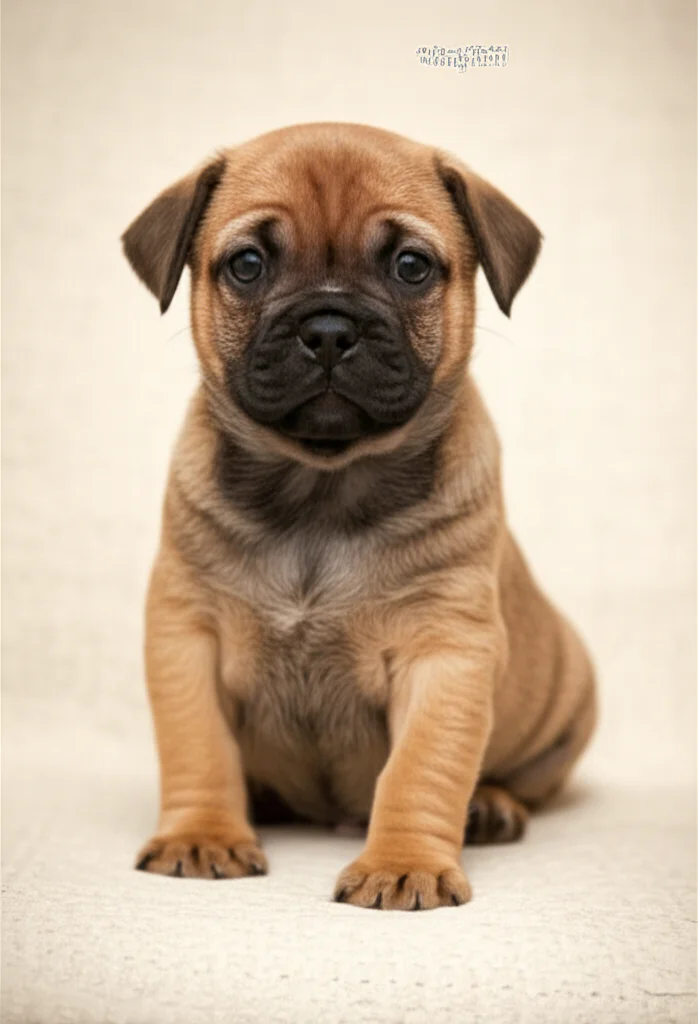
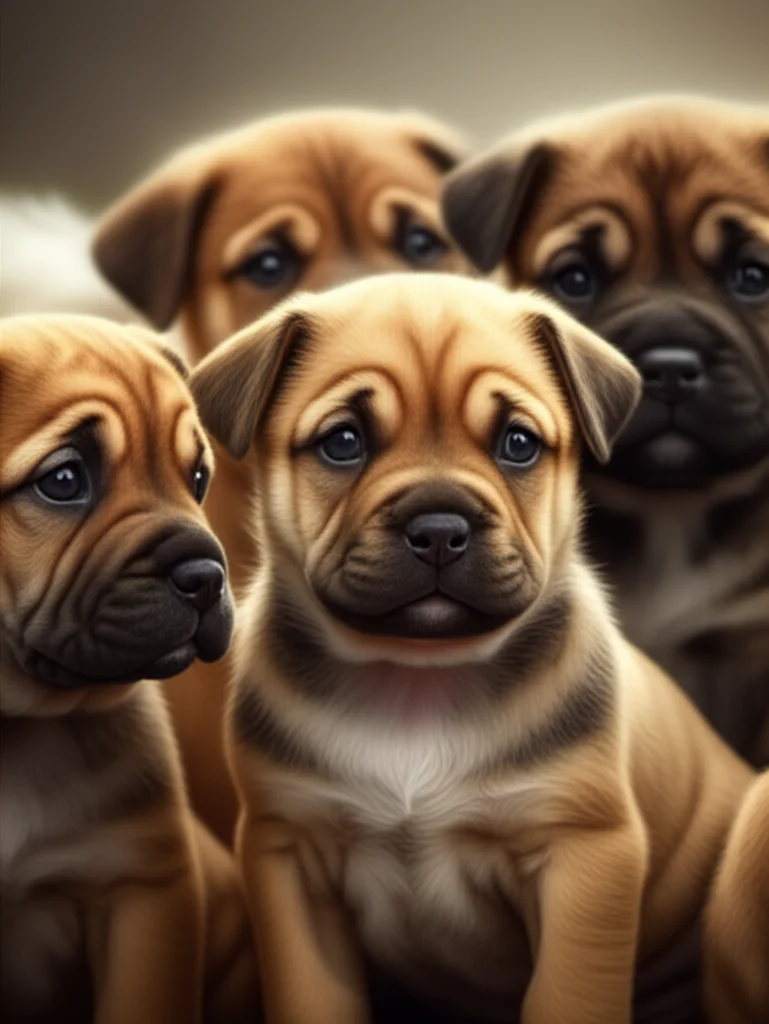
The French Bulldog, Pug, and English Bulldog currently dominate the list of what are the most popular snub nosed dog breeds, offering unmatched charm but demanding specialized care. If you are wondering which flat-faced friend fits your lifestyle, the answer lies in balancing their adorable personalities with their unique health needs.
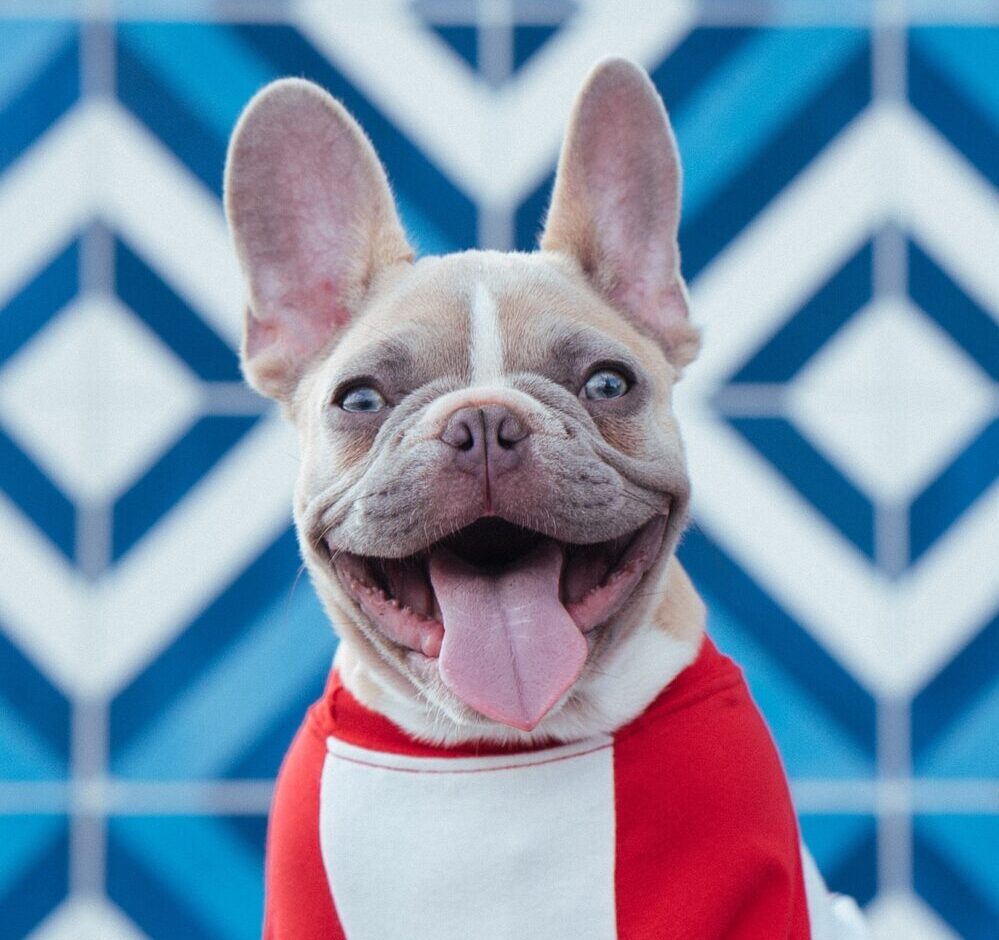
When we first brought our Frenchie, Barnaby, home, were blinded by his squished face and bat ears, only to realize minutes later that he couldn’t run a lap without whezing like a broken accordion. That moment taught us that loving a brachycephalic breed means becoming a vigilant guardian of their breathing and temperature.
You might be surprised to learn that the term “brachycephalic” comes from Greek roots meaning “short head,” a trait humans have selectively bred for centuries to create these distinctive companions. Today, these dogs are everywhere, from city apartments to celebrity Instagram feeds, yet many owners remain unaware of the serious medical realities behind the cute wrinkles.
Key Takeaways
- Top Contenders: The French Bulldog, Pug, and English Bulldog lead the pack in popularity, followed closely by the Boston Terier and Shih Tzu.
- Health First: Owning a snub-nosed dog requires proactive management of Brachycephalic Airway Obstructive Syndrome (BAOS), eye care, and strict heat avoidance.
- Lifestyle Match: While perfect for apartment living due to low exercise needs, these breeds are not suitable for hot climates or owners seeking a high-energy running partner.
- Ethical Breding: Always choose a breder who prioritizes functional health and a slightly longer muzzle over extreme flat-faced aesthetics to ensure a longer, happier life for your pup.
Table of Contents
- ⚡️ Quick Tips and Facts
- 📜 The History of the Flat-Faced Phenomenon: How Brachycephaly Shaped Dog Breds
- 🏆 The Top 10 Most Popular Snub-Nosed Dog Breds You Need to Know
- 1. The French Bulldog: The Urban Trendsetter
- 2. The Pug: The Clown with a Wrinkle
- 3. The English Bulldog: The Gentle Giant of the Flat Face
- 4. The Boston Terier: The American Gentleman
- 5. The Shih Tzu: The Royal Lap Dog
- 6. The Cavalier King Charles Spaniel: The Affectionate Companion
- 7. The Boxer: The Energetic Protector
- 8. The Pekingese: The Lion-Like Lap Dog
- 9. The Japanese Chin: The Aristocratic Stare
- 10. The Brussels Griffon: The Big Dog in a Small Package
- 🧬 Understanding Brachycephalic Airway Obstructive Syndrome (BAOS) and Health Risks
- 🏥 Essential Health Care for Flat-Faced Breds: Breathing, Eyes, and Skin
- 🌡️ Summer Survival Guide: Keeping Your Snub-Nosed Pup Cool and Safe
- ✈️ Flying With Snub-Nosed Dogs: The Ultimate Airline Travel Guide
- 🌍 Traveling in Europe with a Brachycephalic Dog: Regulations and Tips
- 🏠 Choosing the Right Snub-Nosed Breed for Your Lifestyle
- 🍽️ Feding and Grooming Special Needs for Short-Muzzled Dogs
- 🎾 Exercise Requirements: Balancing Playtime with Safety
- 💡 Quick Tips and Facts Recap
- 🏁 Conclusion
- 🔗 Recommended Links
- ❓ FAQ
- 📚 Reference Links
⚡️ Quick Tips and Facts
Before we dive into the wrinkle-filled world of our favorite flat-faced friends, let’s get the critical stuff out of the way. If you’re thinking about bringing a snub-nosed dog home, you need to know that love comes with a price tag of vigilance. These aren’t your average “run around the park until they drop” dogs. They are the divas of the dog world, requiring specific care, temperature control, and a lot of patience.
Here is the Snubby Puppy™ cheat sheet for the uninitiated:
- 🌡️ Heat is the Enemy: Brachycephalic dogs cannot regulate their body temperature efficiently. A 75°F (24°C) day can feel like 90°F to them. Never leave them in a car, even for a minute.
- 💤 The Snore Symphony: If you think your partner snores, wait until you get a Pug. These dogs are notorious for loud snoring, whezing, and reverse snezing. It’s cute until 3 AM.
- 🏃 ♂️ Exercise Limits: Short bursts of play are great; marathons are not. They overheat fast.
- 👀 Eye Care: Those big, bulging eyes are prone to injury and dryness. Daily cleaning is non-negotiable.
- 🍽️ Eating Struggles: Many struggle to chew or swallow due to their jaw structure, leading to bloating or choking hazards. Slow-feed bowls are a lifesaver.
Did you know? The term “brachycephalic” comes from Greek, meaning “short head.” It’s not just a cute description; it’s a medical classification that dictates how you care for your pup.
For a deeper dive into the unique behavioral quirks of these breeds, check out our guide on snub-nosed dogs and our Behavior Analysis section.
📜 The History of the Flat-Faced Phenomenon: How Brachycephaly Shaped Dog Breds

How did we get from the wolf-like ancestors of dogs to the adorable, squished faces of the French Bulldog? It’s a story of human intervention, art, and a bit of accidental breeding.
The Ancient Roots
Believe it or not, flat-faced dogs aren’t a modern invention. Archaeologists have found skulls resembling Pugs and Pekingese dating back to ancient China, where they were revered as royal companions. The Chinese emperors kept these dogs in the palace, and they were often guarded by eunuchs! The Pekingese, specifically, was bred to resemble the Chinese lion, a mythical guardian.
The Victorian Obsession
Fast forward to the 19th century in Europe. The Victorian era saw a surge in “fancying” dogs. Breeders began selecting for extreme features: shorter muzzles, larger eyes, and more wrinkles. The English Bulldog transformed from a fierce bull-baiting dog into the gentle, stocky companion we know today. The Pug was imported from China to Europe, where Queen Victoria’s love for the breed skyrocketed its popularity.
The Modern Controversy
Today, the trend has gone too far for many. While we love the look, the extreme brachycephaly causes significant health issues. The American Kennel Club (AKC) and veterinary organizations are now urging breeders to prioritize health over aesthetics, aiming for a slightly longer muzzle to improve breathing.
The Big Question: Can we still enjoy these breeds without compromising their health? We’ll explore the balance between breding ethics and popularity later in this article.
🏆 The Top 10 Most Popular Snub-Nosed Dog Breds You Need to Know
We’ve all seen them on Instagram, but which one is right for your lifestyle? Here are the top 10 snub-nosed breeds that have stolen our hearts (and our sofas).
1. The French Bulldog: The Urban Trendsetter
The French Bulldog (or “Frenchie”) is currently the most popular dog in the US. Why? They are the perfect apartment dog: low energy, quiet (mostly), and incredibly affectionate. They don’t need a yard; they need a couch and a belly rub.
- Pros: Low exercise needs, great with kids, hypoallergenic-ish (low shedding).
- Cons: Prone to spinal issues, expensive, can be stubborn.
2. The Pug: The Clown with a Wrinkle
The Pug is the original “clown.” They are mischievous, loving, and always ready for a nap. Their curly tail and expressive face make them impossible to resist.
- Pros: Highly social, adaptable, great for first-time owners.
- Cons: Heavy sheders, prone to obesity, eye issues.
3. The English Bulldog: The Gentle Giant of the Flat Face
Don’t let the tough exterior fool you; the English Bulldog is a couch potato with a heart of gold. They are slow, deliberate, and incredibly loyal.
- Pros: Calm demeanor, great with children, low exercise needs.
- Cons: High grooming needs (wrinkles), prone to skin infections, expensive vet bills.
4. The Boston Terier: The American Gentleman
Known as the “American Gentleman” for their tuxedo-like coat, the Boston Terier is a lively, friendly companion. They are smaller than Frenchies but pack a lot of personality.
- Pros: Intelligent, easy to train, less prone to overheating than some other brachycephalic breeds.
- Cons: Can be yappy, sensitive to cold.
5. The Shih Tzu: The Royal Lap Dog
Bred to be a companion for Chinese royalty, the Shih Tzu is a small, sturdy dog with a big attitude. They are known for their long, flowing coats and friendly nature.
- Pros: Great with kids, low exercise needs, affectionate.
- Cons: High grooming maintenance, prone to eye issues.
6. The Cavalier King Charles Spaniel: The Affectionate Companion
While not as “squished” as a Pug, the Cavalier has a short muzzle and is often grouped with brachycephalic breeds due to similar health concerns. They are the ultimate lap dogs.
- Pros: Extremely gentle, adaptable, great with other pets.
- Cons: Prone to heart issues (Mitral Valve Disease), need regular grooming.
7. The Boxer: The Energetic Protector
The Boxer is a larger brachycephalic breed. They are high-energy, playful, and protective. They need more exercise than the average snub-nosed dog.
- Pros: Loyal, playful, good with kids.
- Cons: High energy, prone to bloat, need lots of space.
8. The Pekingese: The Lion-Like Lap Dog
The Pekingese is a tiny dog with a lion’s heart. They are independent, dignified, and can be a bit alof with strangers.
- Pros: Low exercise needs, great for apartments, loyal.
- Cons: Can be stubborn, high grooming needs, prone to eye injuries.
9. The Japanese Chin: The Aristocratic Stare
The Japanese Chin is a delicate, elegant dog with a cat-like personality. They are quiet, clean, and love to perch on high places.
- Pros: Low shedding, quiet, adaptable.
- Cons: Fragile, sensitive to heat, can be shy.
10. The Brussels Griffon: The Big Dog in a Small Package
The Brussels Griffon is a small dog with a big personality. They are alert, curious, and often described as “human-like” in their expressions.
- Pros: Affectionate, intelligent, low exercise needs.
- Cons: Can be yappy, sensitive to cold, prone to dental issues.
| Breed | Energy Level | Grooming Needs | Heat Sensitivity | Best For |
|---|---|---|---|---|
| French Bulldog | Low | Low | High | Apartments, Families |
| Pug | Medium | Medium | High | First-time owners |
| English Bulldog | Low | High | High | Quiet homes |
| Boston Terier | Medium | Low | Medium | Active singles |
| Shih Tzu | Low | High | High | Seniors, Families |
| Cavalier King Charles | Medium | Medium | Medium | Families, Seniors |
| Boxer | High | Low | High | Active families |
| Pekingese | Low | High | High | Quiet homes |
| Japanese Chin | Low | Medium | High | Apartments |
| Brussels Griffon | Medium | Medium | High | Seniors, Singles |
🧬 Understanding Brachycephalic Airway Obstructive Syndrome (BAOS) and Health Risks
Let’s get serious for a moment. The cute factor of a snub-nosed dog often hides a serious medical condition: Brachycephalic Airway Obstructive Syndrome (BAOS). This isn’t just a “snort”; it’s a life-threatening condition.
What is BAOS?
BAOS is a collection of anatomical abnormalities that obstruct the airway. It includes:
- Stenotic Nares: Narrow nostrils that make it hard to breathe in.
- Elongated Soft Palate: The soft tissue at the back of the throat is too long, blocking the airway.
- Hypoplastic Trachea: A windpipe that is too narrow.
- Everted Laryngeal Saccules: Tissue in the throat that gets sucked into the airway.
The Consequences
Without treatment, BAOS can lead to respiratory failure, heat stroke, and even death. Dogs with BAOS often struggle to sleep, exercise, or even eat.
The Reality Check: Many breeders ignore these issues to maintain the “perfect” flat face. As owners, we must demand health testing and ethical breeding.
For more on the medical side, check out the UC Davis Veterinary Medicine resources on brachycephalic dogs.
🏥 Essential Health Care for Flat-Faced Breds: Breathing, Eyes, and Skin
Caring for a snub-nosed dog requires a proactive approach. You can’t just wait for something to go wrong; you have to prevent it.
Breathing Support
- Monitor Breathing: Listen for whezing, snoring, or gasping. If your dog is breathing heavily at rest, it’s a red flag.
- Weight Management: Obesity makes breathing much worse. Keep your dog at a healthy weight.
- Surgical Intervention: In severe cases, surgery to widen the nostrils or shorten the soft palate can improve quality of life.
Eye Care
- Daily Cleaning: Use a soft, damp cloth to clean around the eyes. Look for redness, discharge, or cloudiness.
- Protective Gear: Consider dog goggles (like RX Dog Goggles) for outdoor activities to protect their bulging eyes.
- Regular Vet Checks: Annual eye exams are crucial.
Skin Care
- Wrinkle Cleaning: Clean the facial folds daily to prevent infections. Use a moisturizing wipe or a damp cloth.
- Moisturize: Keep the skin hydrated to prevent cracking.
- Watch for Infections: Redness, odor, or itching are signs of infection.
👉 Shop for Snub-Nosed Care Products:
- Wrinkle Wipes: Chewy | Amazon | Brand Official
- Dog Goggles: Chewy | Amazon | Brand Official
🌡️ Summer Survival Guide: Keeping Your Snub-Nosed Pup Cool and Safe
Summer is dangerous for snub-nosed dogs. Their ability to cool down is severely compromised. Here’s how to keep them safe.
The Golden Rules
- No Miday Walks: Walk only in the early morning or late evening.
- Indoor Cooling: Keep the house cool with AC or fans.
- Hydration: Always have fresh water available.
- Cooling Mats: Invest in a cooling mat for them to lie on.
Signs of Heat Stroke
- Excessive panting
- Droling
- Bright red gums
- Vomiting or diarrhea
- Collapse
If you see these signs, act immediately. Move them to a cool area, offer water, and call the vet.
Pro Tip: Never leave your dog in a car, even with the windows cracked. The temperature inside can rise to lethal levels in minutes.
✈️ Flying With Snub-Nosed Dogs: The Ultimate Airline Travel Guide
Flying with a brachycephalic dog is risky. Many airlines have banned them from cargo holds due to the high risk of heat stroke and death.
The Rules
- Cargo Ban: Most major airlines (Delta, United, American) do not allow snub-nosed dogs in cargo.
- Cabin Travel: If the dog is small enough, they can travel in the cabin.
- Health Certificate: A vet health certificate is required, often within 10 days of travel.
Alternatives
- Ground Transport: Consider pet-friendly ground transport services.
- Train/Bus: Some trains and buses allow pets in carriers.
The Hard Truth: If you must fly, choose a direct flight and avoid extreme temperatures. Never fly during the summer months.
For more on travel, check out our guide on Traveling in Europe with a Brachycephalic Dog.
🌍 Traveling in Europe with a Brachycephalic Dog: Regulations and Tips
Europe has stricter regulations for pet travel, especially for brachycephalic breeds.
Key Requirements
- Microchip: Required for all pets.
- Rabies Vaccination: Must be up to date.
- EU Pet Passport: Required for travel within the EU.
- Health Certificate: Some countries require a health certificate from a vet.
Airline Restrictions
Many European airlines have banned brachycephalic dogs from cargo. Always check the specific airline policy before booking.
Did you know? Some countries in Europe have banned the breeding of extreme brachycephalic breeds due to health concerns.
🏠 Choosing the Right Snub-Nosed Breed for Your Lifestyle
Not all snub-nosed dogs are the same. Here’s how to pick the right one for you.
Apartment Living
- Best: French Bulldog, Pug, Boston Terier
- Avoid: Boxer (needs space)
Active Families
- Best: Boxer, Boston Terier
- Avoid: English Bulldog, Pekingese
Seniors
- Best: Cavalier King Charles, Japanese Chin
- Avoid: Boxer, Brussels Griffon
First-Time Owners
- Best: Pug, Boston Terier
- Avoid: English Bulldog (high maintenance)
The Big Question: Are you ready for the commitment of a snub-nosed dog? It’s not just about the cute face; it’s about the daily care and veterinary costs.
🍽️ Feding and Grooming Special Needs for Short-Muzzled Dogs
Feding
- Slow-Feed Bowls: Prevents bloating and choking.
- High-Quality Diet: Choose a diet that supports respiratory health.
- Hydration: Always have fresh water available.
Grooming
- Wrinkle Cleaning: Clean daily to prevent infections.
- Eye Care: Clean daily to prevent iritation.
- Nail Trimming: Regular trimming to prevent overgrowth.
👉 Shop for Feding and Grooming Products:
- Slow-Feed Bowls: Chewy | Amazon | Brand Official
- Wrinkle Wipes: Chewy | Amazon | Brand Official
🎾 Exercise Requirements: Balancing Playtime with Safety
Snub-nosed dogs need exercise, but it must be controlled.
The Right Way to Exercise
- Short Walks: 10-15 minutes, 2-3 times a day.
- Indoor Play: Use interactive toys to keep them active.
- Avoid Heat: Never exercise in hot or humid weather.
Signs of Overexertion
- Heavy panting
- Lethargy
- Collapse
The Bottom Line: Quality over quantity. A short, cool walk is better than a long, hot run.
💡 Quick Tips and Facts Recap
Let’s recap the most important points:
- Heat is dangerous for snub-nosed dogs.
- BAOS is a serious condition that requires veterinary attention.
- Daily care (eyes, wrinkles, breathing) is essential.
- Travel requires planning and caution.
- Choosing the right breed depends on your lifestyle.
Final Thought: Are you ready to take on the challenge of owning a snub-nosed dog? If you are, you’ll be rewarded with unconditional love and endless joy.
🏁 Conclusion
Owning a snub-nosed dog is a rewarding but challenging experience. These breeds are loving, affectionate, and adorable, but they require special care and vigilance. From managing BAOS to keeping them cool in the summer, every day is a commitment.
Our Recommendation
If you’re considering a snub-nosed dog, do your research. Choose a reputable breder who prioritizes health over aesthetics. Be prepared for veterinary costs and daily care. If you’re ready for the challenge, you’ll be rewarded with a loyal companion for life.
The Final Question: Are you ready to welcome a snub-nosed dog into your home? If you are, you’re in for a lifetime of love and laughter.
🔗 Recommended Links
Essential Products for Snub-Nosed Dogs
- Slow-Feed Bowls: Chewy | Amazon | Brand Official
- Wrinkle Wipes: Chewy | Amazon | Brand Official
- Dog Goggles: Chewy | Amazon | Brand Official
- Cooling Mats: Chewy | Amazon | Brand Official
Books on Snub-Nosed Dogs
❓ FAQ
What are the health problems associated with snub nosed dog breeds?
Snub-nosed dogs are prone to Brachycephalic Airway Obstructive Syndrome (BAOS), which includes stenotic nares, elongated soft palate, and hypoplastic trachea. They are also susceptible to eye injuries, skin infections, and heat stroke.
Read more about “🏛️ The Secret History of Flat-Faced Dogs (2026)”
Which snub nosed dog breed is best for apartment living?
The French Bulldog, Pug, and Boston Terier are excellent for apartment living due to their low exercise needs and quiet nature.
Read more about “🐾 15 Top Brachycephalic Dog Breds: The Ultimate 2026 Care Guide”
How do you care for a snub nosed dog in hot weather?
Keep them indors with AC, avoid miday walks, provide cooling mats, and ensure constant hydration. Never leave them in a car.
Read more about “❄️ 10 Critical Cold Weather Safety Rules for Snub-Nosed Breds (2026)”
Are there any hypoallergenic snub nosed dog breeds?
No snub-nosed breed is truly hypoallergenic, but the French Bulldog and Boston Terier shed less than others.
Read more about “🐾 Do Snub-Nosed Dogs Require Special Grooming? (2026)”
What is the average lifespan of a snub nosed dog?
The average lifespan is 10-14 years, depending on the breed and health care.
Read more about “7 Safe & Stylish Fashion Accessories for Brachycephalic Dogs (2026) 🐾”
Do snub nosed dogs snore more than other breeds?
Yes, snub-nosed dogs are notorious for loud snoring due to their obstructed airways.
Read more about “🐶 7 Snub-Nosed Dog Breed Comparisons for Health (2026)”
How much exercise does a brachycephalic dog need daily?
Most brachycephalic dogs need 10-30 minutes of light exercise daily, split into short walks and indoor play.
Read more about “🐾 How to Train a Snubby Puppy Effectively: 7 Proven Steps (2026)”
📚 Reference Links
- UC Davis Veterinary Medicine: Brachycephalic (Short-nosed) Dogs
- American Kennel Club: Brachycephalic Breds
- Brachycephalic.org: Health and Welfare
- Pug Rescue: Health and Care
- French Bulldog Rescue Network
Featured Video: For a visual guide on the challenges of brachycephalic dogs, watch the first YouTube video embedded above. It provides a comprehensive overview of the health risks and care requirements for these beloved breeds.