Support our educational content for free when you purchase through links on our site. Learn more
🏛️ The Secret History of Flat-Faced Dogs (2026)

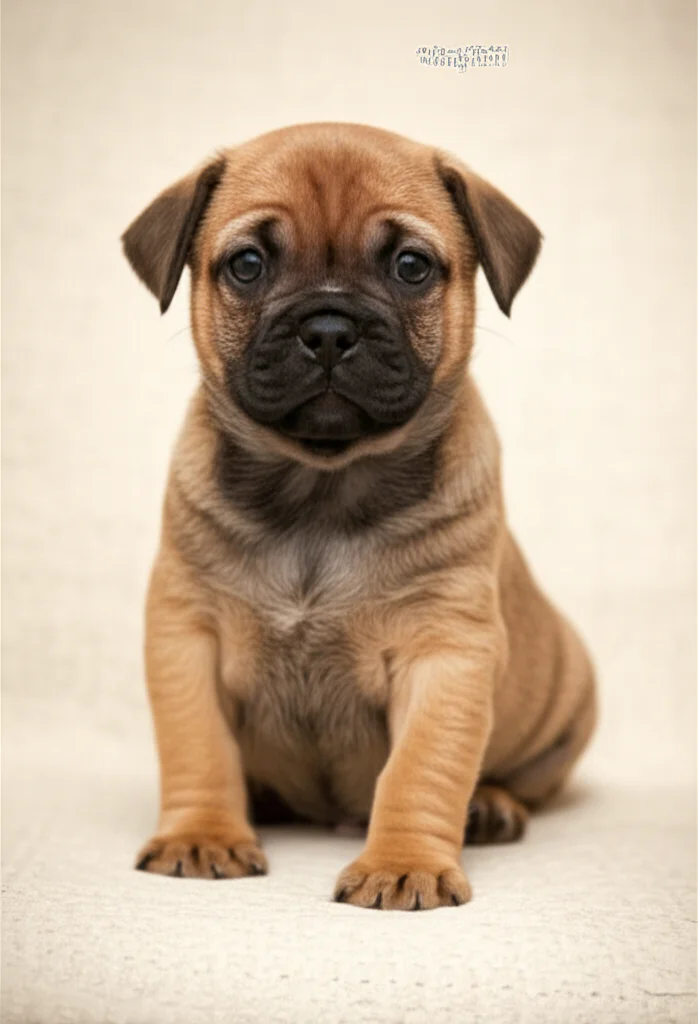
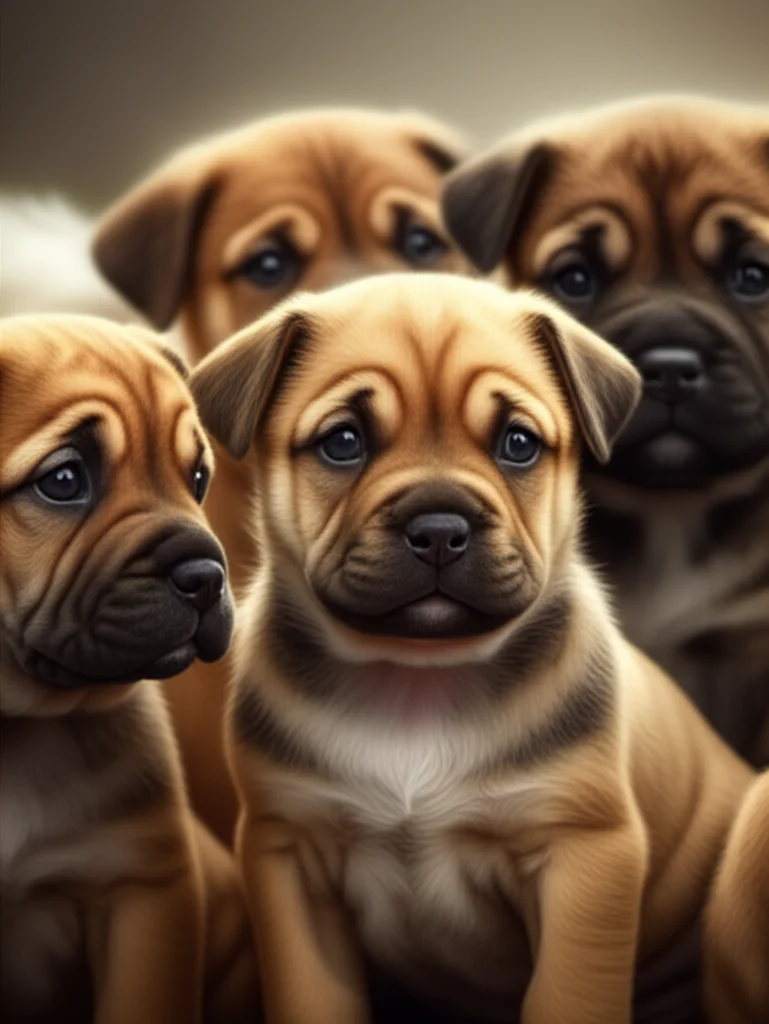
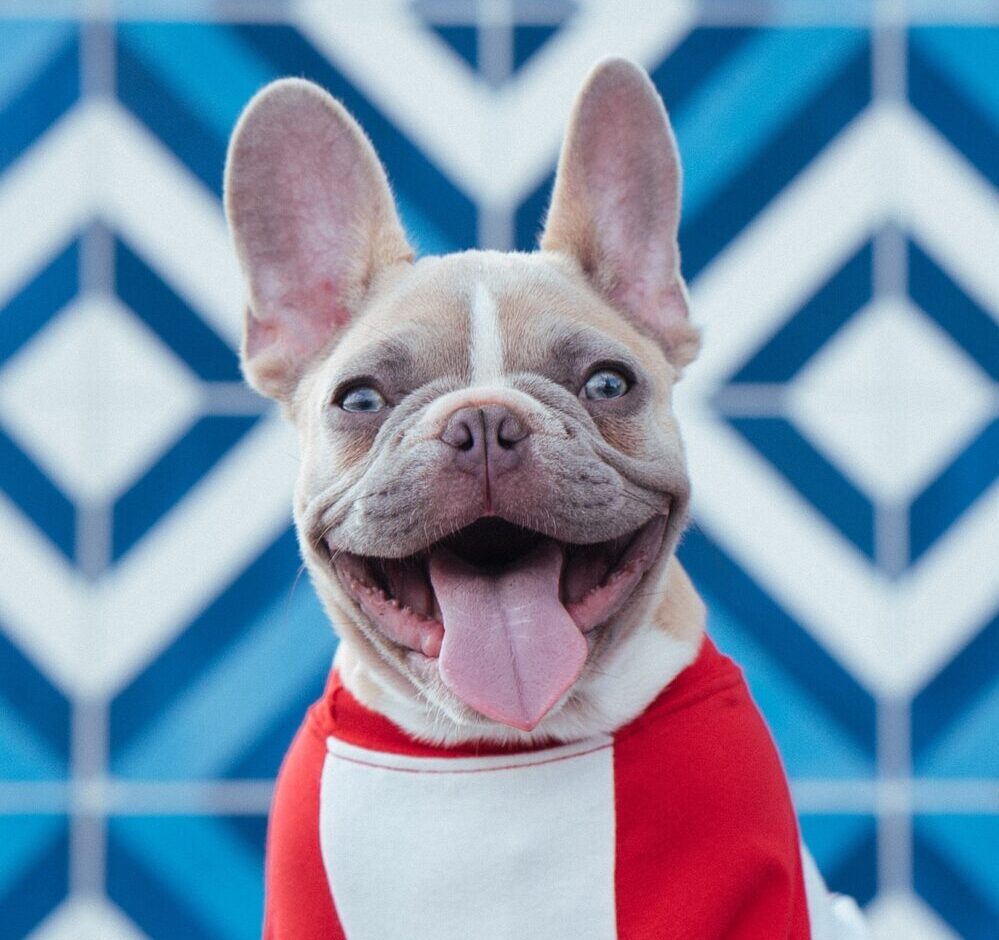
The squished faces of Pugs and French Bulldogs aren’t a modern accident but the result of centuries of deliberate selective breeding that began in ancient China and evolved through royal European courts. Understanding the historical origins of flat-faced dog breeds reveals a fascinating journey from imperial status symbols to the beloved, albeit health-challenged, companions we know today.
Did you know that the iconic “smushed” look of the modern Pug was largely engineered in the 1860s after British troops loted the Summer Palace in Beijing? Before this, Pugs had longer muzzles and looked more like small teriers. The introduction of the “Happa” dogs from China completely reshaped the breed’s anatomy, prioritizing extreme flatness over respiratory health.
This shift wasn’t just about aesthetics; it reflected a changing human desire for “exotic” and “cute” pets over working dogs. As we trace these historical origins of flat-faced dog breeds, we uncover how human vanity and affection have physically altered the anatomy of our canine friends, often with serious consequences for their quality of life.
Key Takeaways
- Ancient Roots: The historical origins of flat-faced dog breeds trace back to the Lo-Sze dogs of ancient China, bred specifically for the Imperial Court.
- The 1860s Shift: The modern extreme flat face was solidified in the 19th century through the cross-breding of imported Chinese “Happa” dogs with existing European lines.
- Health vs. Looks: While selective breeding created the adorable “squish,” it inadvertently caused Brachycephalic Obstructive Airway Syndrome (BOAS) and other severe health issues.
- Ethical Evolution: Modern breeders and kennel clubs are now revising standards to prioritize healthier muzzles and reduce the severity of the flat face.
Table of Contents
- ⚡️ Quick Tips and Facts
- 📜 The Ancient Roots: Tracing the Historical Origins of Flat-Faced Dog Breds
- 🏛️ From Imperial China to Victorian England: The Evolution of Brachycephalic Companions
- 🐕 The Big Five: A Deep Dive into the Most Iconic Flat-Faced Breds
- 1. The Pug: The Original Clown of the Court
- 2. The French Bulldog: The Bat-Eared Aristocrat
- 3. The Bulldog: England’s Gentle Giant with a Flattened Face
- 4. The Boston Terier: America’s Gentleman in Black and White
- 5. The Shih Tzu: The Lion Dog of the Forbidden City
- 🧬 Genetics 101: Understanding Brachycephaly and Selective Breding Practices
- 🏥 Health Realities: Navigating Brachycephalic Obstructive Airway Syndrome (BOAS)
- 🌡️ Climate Control: Why Flat-Faced Dogs Struggle in Heat and Humidity
- 🍽️ Feding and Grooming: Special Care Routines for Short-Nosed Pups
- 🎨 The Modern Controversy: Ethical Debates on Breding for Appearance
- 🏆 Choosing a Responsible Breder vs. Adoption: What You Need to Know
- 💡 Quick Tips and Facts: Snubby Puppy™ Insider Secrets
- 📚 Conclusion
- 🔗 Recommended Links
- ❓ FAQ
- 📖 Reference Links
⚡️ Quick Tips and Facts
Before we dive headfirst into the dusty archives of canine history, let’s get the Snubby Puppy™ housekeeping out of the way. If you’re here because you’re smitten with a flat-faced friend or considering bringing one home, you need the raw truth, not just the cute photos.
Here is the Snubby Puppy™ cheat sheet on the world of brachycephalic breeds:
| Fact | The Reality Check |
|---|---|
| The Name | “Brachycephalic” comes from Greek: brachys (short) + kephale (head). It’s a fancy word for “short-headed.” |
| The Heat Risk | ❌ Never leave them in a car, even for a minute. Their short airways make them three times more prone to heatstroke than other dogs. |
| The Snore Factor | ✅ Yes, they snore. A lot. It’s the sound of love (and a narrowed airway). |
| The Eye Danger | Their eyes are so prominent they can pop out (proptosis) if they get bumped. Keep them away from thorny bushes! |
| The Obesity Trap | Pugs are three times more likely to be obese than other breeds. Portion control is non-negotiable. |
| The Lifespan | While some live into their teens, the average is often lower due to respiratory issues. Responsible breeding is the only way to change this. |
Did you know? The term “Pug” might actually come from the Latin word pugnus, meaning “fist,” because early Pugs had cropped ears and a profile that looked like a closed fist! 🤜
If you want to understand the behavioral quirks that come with this unique anatomy, check out our deep dive into Behavior Analysis to see how their history shapes their personality today. And if you’re wondering why we at Snubby Puppy™ are so obsessed with these wrinkly faces, read our story here.
📜 The Ancient Roots: Tracing the Historical Origins of Flat-Faced Dog Breds
How did we get from the majestic, wolf-like canines of the steppes to the squished, snorting companions we cuddle on the couch today? It wasn’t an accident; it was a deliberate, centuries-long journey of selective breeding driven by human fascination, royalty, and a bit of luck.
The story begins not in Europe, but in the Far East. Long before the Victorians were obsessed with their “dainty” dogs, the Chinese Imperial Court was breeding the Lo-Sze (or Lo-Chiang-Sze). These were the ancestors of the modern Pug. Unlike the Pekingese, which had long hair and a longer muzzle, the Lo-Sze was short-legged, short-coated, and possessed that signature short muzzle.
“The little Pug dog or Dutch mastiff has quitted London for Padua, I perceive. Every carriage I meet here has a Pug in it.” — Hester Piozzi, 1789
These dogs weren’t just pets; they were status symbols. They lived in luxury, were guarded by soldiers, and were often given as diplomatic gifts. The Buddhist monks in Tibet also kept similar short-faced dogs, believing they brought good luck.
But the plot thickens. While the Chinese were perfecting the Pug, other ancient civilizations were also experimenting with short-faced dogs. The Phoenicians, Greeks, and Romans all had depictions of dogs with flattened faces in their art and sculptures. These weren’t necessarily the same breeds we know today, but they suggest that the brachycephalic trait was appealing to humans across different cultures and eras.
Why did they do it?
- Companionship: They were perfect lap dogs for emperors and empresses.
- Aesthetics: The “monkey-like” face was considered cute and exotic.
- Function: Some theories suggest the shorter muzzle made them less aggressive, perfect for indoor living.
However, the modern flat-faced look we recognize today is largely a product of the 19th century. This is where the story takes a dramatic turn involving war, loting, and a specific strain of dog that changed everything.
🏛️ From Imperial China to Victorian England: The Evolution of Brachycephalic Companions
The journey of the flat-faced dog from the East to the West is a tale of trade, war, and royal favor.
The Dutch East India Company Connection
In the 16th century, the Dutch East India Company began trading with China. They brought the Pug back to Europe. It was an instant hit. In 1572, the breed became the official dog of the House of Orange in the Netherlands. Legend has it that a Pug named Pompey saved the life of the Prince of Orange by alerting him to approaching assassins.
When William III and Mary II moved to England in 168, they brought their Pugs with them. The breed was instantly adopted by the British aristocracy.
The “Happa” Revolution of 1860
Here is the pivotal moment that shaped the modern Pug. In 1860, during the Second Opium War, French and British troops loted the Old Summer Palace in Beijing. Among the treasures they stole were a new strain of dogs known as “Happa” dogs (sometimes called “Pekingese pugs”).
These Happa dogs were different from the Pugs already in Europe:
- They had shorter legs.
- They had a flatter nose (the modern “squish”).
- They often had black-and-white coloring.
Famous Happa dogs named Moss and Lamb were brought back to Britain. They were bred with the existing Willoughby and Morrison lines.
- Willoughby Line: Described as having a “bad colour” (stone fawn) and a face “much longer than would now be approved.”
- Morrison Line: Richer yellow fawn with well-defined black masks, cobbier, and shorter-muzzled.
The cross-breding of these lines, and reportedly some English Bulldog crosses to broaden the head, created the modern Pug we know today. This is why you see such a drastic difference between 18th-century paintings of Pugs (which look more like small teriers) and the flat-faced dogs of the 20th century.
The Rise of the Bulldog and French Bulldog
While the Pug was being refined in China and England, the Buldog was undergoing its own transformation. Originally bred for bull-baiting (a brutal blood sport), the Bulldog was a fierce, muscular fighter. After bull-baiting was banned in 1835, breeders needed a new purpose for the breed. They selected for a gentler temperament and a flatter face, turning a fighter into a beloved companion.
The French Bulldog emerged later, in the mid-19th century, likely from a cross between English Bulldogs and Parisian ratters (small teriers). They gained massive popularity among the Parisian working class and later the bohemian elite, becoming the “bat-eared aristocrat” we love today.
🐕 The Big Five: A Deep Dive into the Most Iconic Flat-Faced Breds
Let’s meet the stars of the show. While there are many brachycephalic breeds, these five are the heavy hitters of the snub-nose world.
1. The Pug: The Original Clown of the Court
- Origin: China (Song Dynasty)
- Personality: Mischievous, affectionate, and stubborn.
- Key Trait: The “corkscrew” tail and the multum in parvo (“much in little”) motto.
- Health Note: Prone to Pug Dog Encephalitis (PDE) and severe Brachycephalic Obstructive Airway Syndrome (BOAS).
2. The French Bulldog: The Bat-Eared Aristocrat
- Origin: France (19th Century)
- Personality: Playful, adaptable, and surprisingly quiet (they rarely bark).
- Key Trait: Those iconic bat ears and a compact, muscular body.
- Health Note: High risk of spinal issues (hemivertebrae) and heat intolerance.
3. The Bulldog: England’s Gentle Giant with a Flattened Face
- Origin: England (Medieval times, modernized in 19th century)
- Personality: Calm, courageous, and incredibly sweet.
- Key Trait: The saddleback and the underbite.
- Health Note: Severe skin fold dermatitis and hip dysplasia.
4. The Boston Terier: America’s Gentleman in Black and White
- Origin: USA (Late 19th Century)
- Personality: Friendly, lively, and intelligent.
- Key Trait: The “tuxedo” coat pattern and a slightly longer muzzle than the Pug.
- Health Note: Generally healthier than the Pug, but still prone to eye issues and allergies.
5. The Shih Tzu: The Lion Dog of the Forbidden City
- Origin: Tibet/China
- Personality: Outgoing, affectionate, and regal.
- Key Trait: The long, flowing coat and the upturned nose.
- Health Note: Eye protrusion and dental crowding are common.
Wait, what about the Pekingese?
You might be wondering why the Pekingese isn’t on this list. They are definitely a flat-faced breed! However, their history is distinct from the Pug, and they often have a slightly different set of health challenges. We’ll touch on them in the “Retro” section later.
🧬 Genetics 101: Understanding Brachycephaly and Selective Breding Practices
So, how does a dog end up with a face that looks like it was squished by a giant thumb? It’s all in the genetics.
Brachycephaly is a genetic mutation that affects the development of the skull. In a normal dog (dolichocephalic or mesaticephalic), the skull grows forward to accommodate the teeth and nasal passages. In a brachycephalic dog, the maxilla (upper jaw) and mandible (lower jaw) are shortened, but the brain case remains the same size.
The “Short Muzzle” Gene
Scientists have identified specific genetic markers associated with brachycephaly. It’s not just one gene; it’s a complex interplay of several. When breeders select for a shorter muzzle, they are inadvertently selecting for a host of other traits, including:
- Shortened nasal turbinates: The scroll-like bones inside the nose that filter and humidify air.
- Elongated soft palate: The soft tissue at the back of the throat that can block the airway.
- Stenotic nares: Narrow nostrils that restrict airflow.
The Danger of “Extreme” Breding
In the 19th century, the goal was to make the face flatter and flatter. This led to the “extreme” brachycephalic dogs we see today. The problem is that the anatomy of the dog hasn’t changed to match the appearance. The dog still needs to breathe, eat, and cool down, but the airway is too small to do these things efficiently.
The “Retro” Movement:
In recent years, there has been a push to breed “Retro Pugs” or “Retro Bulldogs.” These dogs are bred to have longer muzzles and straighter legs to improve their health while maintaining the breed’s appearance. It’s a controversial but necessary step.
🏥 Health Realities: Navigating Brachycephalic Obstructive Airway Syndrome (BOAS)
Let’s talk about the elephant in the room. Or rather, the snorting dog in the room. Brachycephalic Obstructive Airway Syndrome (BOAS) is the umbrella term for the breathing problems that plague flat-faced dogs.
What is BOAS?
BOAS is a combination of four main issues:
- Stenotic Nares: Narrow nostrils that make it hard to breathe in.
- Elongated Soft Palate: The soft tissue at the back of the throat is too long and blocks the airway.
- Hypoplastic Trachea: The windpipe is too narrow.
- Everted Laryngeal Saccules: Small sacs in the throat that get sucked into the airway due to the negative pressure of trying to breathe.
The Symptoms
- Snoring and snorting: Even when sleeping.
- Exercise intolerance: Getting tired after a short walk.
- Heat intolerance: Inability to cool down via panting.
- Gaging or retching: Especially after eating or drinking.
- Blue gums: A sign of oxygen deprivation (emergency!).
The Statistics
- A study in the UK found that 60% of Pugs suffer from BOAS.
- 1 in 5 Pugs are diagnosed as obese annually, which worsens the condition.
- The average lifespan of a Pug is 7.65 years, significantly lower than the average dog.
Can it be fixed?
Surgery can help! Procedures like alarplasty (widening the nostrils) and soft palate resection can improve breathing. However, surgery is not a cure-all, and the dog’s anatomy will always be compromised.
🌡️ Climate Control: Why Flat-Faced Dogs Struggle in Heat and Humidity
If you live in a hot climate, owning a flat-faced dog is like owning a human with a broken air conditioner.
The Science of Cooling
Dogs cool themselves primarily by panting. When they pant, moisture evaporates from their tongue and respiratory tract, cooling the blood. But for a brachycephalic dog, the airway is so narrow that they can’t move enough air to cool down effectively.
The Danger Zones
- Temperatures above 75°F (24°C): Can be dangerous for extreme brachycephalics.
- Humidity: High humidity makes evaporation less effective, making it even harder for them to cool down.
- Exercise: Even a short walk in the heat can lead to heatstroke and death.
How to Keep Them Safe
- Avoid miday heat: Walk early in the morning or late at night.
- Air conditioning: Keep your home cool.
- Cooling mats: Use specialized mats to help them regulate body temperature.
- Hydration: Always have fresh water available.
Pro Tip: If your dog is panting heavily, droling, or acting lethargic in the heat, get them to a vet immediately. Heatstroke can kill a flat-faced dog in minutes.
🍽️ Feding and Grooming: Special Care Routines for Short-Nosed Pups
Caring for a flat-faced dog requires a bit of extra effort, but it’s worth it for those soulful eyes.
Feding
- Slow Feeders: Because of their short snouts, they often gulp food, leading to bloat or vomiting. Use a slow feeder bowl to make them eat slower.
- Elevated Bowls: Some dogs find it easier to eat from an elevated bowl, though this is debated.
- Portion Control: They are prone to obesity, which worsens breathing. Measure their food!
Grooming
- Wrinkle Cleaning: The deep folds on their face can trap moisture and bacteria, leading to infections. Clean them daily with a damp cloth and dry thoroughly.
- Eye Care: Their eyes are prone to scratches and proptosis. Check them daily for redness or discharge.
- Dental Care: Their teeth are often crowded, leading to tartar buildup. Brush their teeth regularly.
Recommended Products
- Slow Feder Bowls: Outward Hound Fun Feder
- Wrinkle Wipes: Burt’s Bes for Dogs Wipes
- Cooling Mats: K&H Pet Products Cooling Mat
🎨 The Modern Controversy: Ethical Debates on Breding for Appearance
This is the part of the article where we have to get serious. The question on everyone’s mind: Is it ethical to breed dogs with health problems just because they look cute?
The Two Sides of the Argument
- Pro-Traditional Breding: Some argue that the breed standard is part of the dog’s identity. They believe that with proper care, these dogs can live happy lives.
- Pro-Health Breding: Others argue that breeding for extreme features is cruel and that the breed standard should be changed to prioritize health.
The Shift in Standards
In recent years, kennel clubs around the world have started to revise their breed standards.
- The UK Kennel Club has updated the Pug standard to discourage extreme flat faces.
- The Netherlands has placed limitations on breeding conventional flat-faced Pugs.
- The Australian National Kennel Council has also moved towards health-focused standards.
The “Retro” Movement
As mentioned earlier, the “Retro” movement is gaining traction. Breeders are intentionally breeding dogs with longer muzzles to improve their health. This is a positive step, but it’s still a small part of the market.
What do we think?
At Snubby Puppy™, we believe that health must come first. A dog that can’t breathe properly is not a happy dog. We support breeders who prioritize health and are working to improve the breed.
🏆 Choosing a Responsible Breder vs. Adoption: What You Need to Know
So, you’re ready to bring a flat-faced dog home. How do you find a responsible breder or a rescue?
Signs of a Responsible Breder
- Health Testing: They test for BOAS, hip dysplasia, and eye issues.
- Transparency: They are open about the health of the parents and the puppies.
- No “Puppy Mills”: They don’t sell on third-party websites or have multiple litters at once.
- Lifetime Support: They take the dog back if you can’t keep it.
Signs of a Puppy Mill
- No Health Testing: They don’t care about the health of the dogs.
- Multiple Breds: They sell many different breeds.
- No Questions Asked: They don’t ask you about your home or lifestyle.
- Online Sales: They sell puppies online without meeting you.
Adoption
Adopting a flat-faced dog from a rescue is a great option. Many of these dogs are in need of a loving home. Just be prepared for the special care they might need.
Where to look?
Check out Pug Rescue or French Bulldog Rescue for available dogs.
💡 Quick Tips and Facts: Snubby Puppy™ Insider Secrets
We’ve covered a lot of ground, but here are a few insider secrets we’ve learned from years of living with snub-nosed friends.
- The “Pug Sneeze”: Pugs often sneze when they are excited. It’s not a cold; it’s just their way of saying “I’m happy!”
- The “Frenchie Grunt”: French Bulldogs often grunt when they are content. It’s their version of a pur.
- The “Buldog Snore”: Bulldogs are the kings of snoring. If you can’t sleep, try a white noise machine.
- The “Shih Tzu Groom”: Shih Tzus need daily brushing to prevent mats. It’s a commitment, but their coats are beautiful.
- The “Boston Terier Energy”: Boston Teriers are surprisingly energetic. They need regular exercise, even if they look lazy.
One last thing: If you’re thinking about getting a flat-faced dog, ask yourself: Am I ready for the extra care? If the answer is yes, then you’re in for a lifetime of love and laughter.
📚 Conclusion

The journey of the flat-faced dog is a fascinating tale of human history, art, and love. From the Imperial courts of China to the Victorian salons of England, these dogs have captured our hearts for centuries. But with that love comes a responsibility.
We’ve seen how selective breeding has shaped their appearance, often at the cost of their health. We’ve learned about the health challenges they face, from BOAS to heat intolerance. And we’ve discussed the ethical debates surrounding their breeding.
The good news is that the tide is turning. More breeders are prioritizing health over appearance, and kennel clubs are revising their standards. The “Retro” movement is a beacon of hope for the future of these breeds.
Our Recommendation:
If you are considering a flat-faced dog, do your research. Find a responsible breder who prioritizes health, or consider adoption. Be prepared for the extra care they need, and commit to giving them the best life possible.
Remember, a flat-faced dog is not just a cute face; they are a living, breathing companion with unique needs. Treat them with the love and respect they deserve.
Final Thought:
The next time you see a Pug snoring on the couch or a French Bulldog grunting in the park, remember the ancient history behind that squished face. And maybe, just maybe, give them an extra scratch behind the ears. They’ve earned it.
🔗 Recommended Links
Here are some great resources and products to help you on your journey with a flat-faced dog:
- Books:
- The Pug: A Complete Guide to the Breed
- Brachycephalic Dogs: A Guide to Health and Care
- Rescue Organizations:
- Pug Rescue
- French Bulldog Rescue
- Buldog Rescue
- Products:
Slow Feder Bowls: Outward Hound Fun Feder
Wrinkle Wipes: Burt’s Bes for Dogs Wipes
Cooling Mats: K&H Pet Products Cooling Mat
Air Purifiers: Levoit Air Purifier (Great for reducing allergens in the home)
❓ FAQ

What is the history behind the development of flat-faced dog breeds?
The history of flat-faced dogs dates back to ancient China, where the Lo-Sze was bred as a companion for the imperial court. These dogs were later brought to Europe by the Dutch East India Company in the 16th century. The modern flat-faced look was largely shaped in the 19th century by the introduction of the “Happa” dogs from China and the cross-breding with English Bulldogs.
Read more about “✈️ Are Snub-Nosed Dogs Allowed on Planes? (2026 Rules)”
Why were brachycephalic dogs originally bred for specific purposes?
Originally, brachycephalic dogs were bred for companionship and status. In ancient China, they were kept by emperors and guarded by soldiers. In Europe, they became popular among the aristocracy as lap dogs. The short muzzle was selected for because it was considered cute and exotic.
Which ancient civilizations first bred snub-nosed dogs?
The Chinese were the first to breed snub-nosed dogs, specifically the Lo-Sze. However, the Phoenicians, Greeks, and Romans also had depictions of dogs with flattened faces in their art, suggesting that the brachycephalic trait was appealing to humans across different cultures.
Read more about “🐶 What is a Snub-Nosed Breed of Dog? (2026 Guide)”
How did the appearance of flat-faced dogs change over centuries?
In the 18th and 19th centuries, the appearance of flat-faced dogs changed dramatically. The introduction of the “Happa” dogs from China in 1860 led to a flatter nose and shorter legs. The cross-breding with English Bulldogs further broadened the head and flattened the face. This resulted in the extreme brachycephalic look we see today.
What are the earliest recorded ancestors of modern brachycephalic breeds?
The earliest recorded ancestors of modern brachycephalic breeds are the Lo-Sze (or Lo-Chiang-Sze) from ancient China. These dogs were short-legged, short-coated, and had a short muzzle. They were the foundation for the modern Pug.
Did ancient Egyptians or Romans influence the creation of flat-faced dogs?
While there is no direct evidence that the Egyptians or Romans created flat-faced dogs, they did have depictions of dogs with flattened faces in their art. This suggests that the brachycephalic trait was appealing to humans across different cultures, even if they didn’t actively breed for it.
How did selective breeding shape the facial structure of snub nose dogs?
Selective breeding has played a huge role in shaping the facial structure of snub-nosed dogs. Breeders selected for a shorter muzzle, flatter face, and shorter legs. This has led to the extreme brachycephalic look we see today, but it has also come at the cost of the dog’s health.
Read more about “🐶 7 Snub-Nosed Dog Breed Comparisons for Health (2026)”
What are the health risks associated with flat-faced dogs?
Flat-faced dogs are prone to Brachycephalic Obstructive Airway Syndrome (BOAS), which includes stenotic nares, elongated soft palate, and hypoplastic trachea. They are also prone to heat intolerance, eye issues, and obesity.
Read more about “💸 Are Boston Teriers Expensive? The 2026 Cost Truth”
Can flat-faced dogs live long, healthy lives?
Yes, flat-faced dogs can live long, healthy lives, but it requires extra care. They need to be kept in a cool environment, fed a healthy diet, and monitored for health issues. With proper care, many flat-faced dogs live into their tens.
Read more about “Top 15 Best Snub Nose Dog Breeds You’ll Love in 2026 🐾”
What is the “Retro” movement?
The “Retro” movement is a trend in breeding where dogs are bred to have longer muzzles and straighter legs to improve their health. This is a positive step towards reducing the health risks associated with extreme brachycephaly.
📖 Reference Links
- Wikipedia: Pug
- American Kennel Club: Pug Breed Standard
- The Kennel Club (UK): Pug Breed Standard
- Brachycephalic Obstructive Airway Syndrome (BOAS) – RSPCA
- Facebook: Mark Vette Animal Behaviourist – Breed of the Month: Pug
- The Animal Rescue Site: Flat-Faced Dogs
- Featured Video: Historical Origins of Brachycephalic Breds