Support our educational content for free when you purchase through links on our site. Learn more
What Dog Breds Are Snub-Nosed? 15 Flat-Faced Dogs 🐶

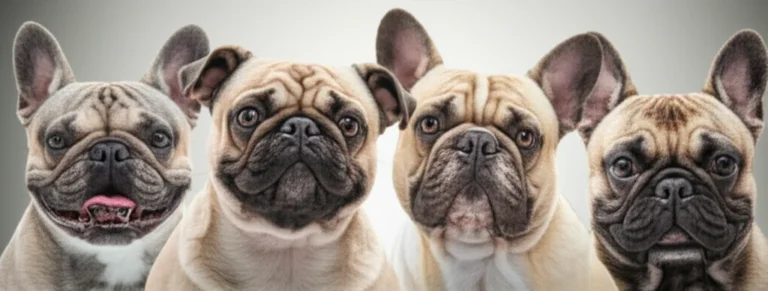
What dog breeds are considered snub-nosed? Common examples include French and English Bulldogs, Pugs, Boston Terriers, Boxers, Shih Tzus, Pekingese, and other dogs with shortened muzzles. The term usually overlaps with brachycephalic, but a flat face alone doesn’t tell you whether an individual dog has breathing problems.
At Snubby Puppy™, we’ve learned that snorts can be charming right up until a warm-day walk turns them into a reason to slow down. Short-faced dogs can have different airway needs, so it’s worth knowing the common breeds—and the signs that mean “check with your vet,” not “that’s just how they sound.”
Key Takeaways
- Snub-nosed dogs have shortened muzzles. Common examples include French Bulldogs, English Bulldogs, Pugs, Boston Terriers, Boxers, Shih Tzus, and Pekingese.
- “Snub-nosed” describes appearance; “brachycephalic” describes skull shape. Neither term by itself diagnoses airway disease.
- Breathing and heat tolerance vary by individual. Persistent noisy or labored breathing, poor exercise recovery, or overheating warrants veterinary advice.
- Warm weather and strenuous exercise can increase risk. Choose cooler walk times, offer water and shade, and stop if your dog struggles.
- Plan carefully before flying. Ask your veterinarian about your dog’s fitness to travel and confirm current airline rules directly.
Table of Contents
- ⚡️ Quick Tips and Facts About Snub-Nosed Dogs
- What Does “Snub-Nosed” Mean? Understanding Brachycephalic Dogs
- Snub-nosed vs. brachycephalic: Is there a difference?
- How vets assess a dog’s muzzle and breathing
- 15 Dog Breds Commonly Considered Snub-Nosed
- 1. French Bulldog
- 2. English Bulldog
- 3. Pug
- 4. Boston Terrier
- 5. Boxer
- 6. Shih Tzu
- 7. Pekingese
- 8. Japanese Chin
- 9. Brussels Griffon
- 10. Affenpinscher
- 11. Lhasa Apso
- 12. Dogue de Bordeaux
- 13. Cane Corso
- 14. Bullmastiff
- 15. American Buly
- Are Mixed-Breed Dogs Snub-Nosed Too?
- Why Some Dogs Have Flat Faces: Breed History and Anatomy
- Brachycephalic Airway Syndrome: Signs and Health Risks
- Snoring, snorting, and noisy breathing: What’s normal?
- Warning signs that need veterinary attention
- Heat, Exercise, and Everyday Care for Flat-Faced Dogs
- Flying With a Snub-Nosed Dog: Airline and Travel Considerations
- Why air travel can be risky for brachycephalic breeds
- Questions to ask your veterinarian and airline
- Safer alternatives to flying
- Choosing or Adopting a Snub-Nosed Breed
- Health checks to discuss with a breeder or rescue
- What to know about surgery and long-term care
- Conclusion
- Recommended Links
- FAQ
- Which dog breeds are considered snub-nosed?
- Are all flat-faced dogs brachycephalic?
- Can snub-nosed dogs breathe normally?
- Do snub-nosed dogs have trouble in hot weather?
- Can snub-nosed dogs fly on airplanes?
- Which snub-nosed breeds tend to have fewer breathing problems?
- Reference Links
⚡️ Quick Tips and Facts About Snub-Nosed Dogs
At Snubby Puppy™, we focus on the joys and practical realities of sharing life with short-muzzled dogs. “Snub-nosed” usually describes dogs with a shortened muzzle and broad, relatively flat face; vets often use the term brachycephalic, meaning “short-headed.” The labels overlap, but not every dog with a short-looking face has the same anatomy or health risks.
| Quick fact | What it means for you |
|---|---|
| Common examples include French and English Bulldogs, Pugs, Boston Terriers, Boxers, Pekingese, Shih Tzus, and Lhasa Apsos. | Breed lists are examples, not a universal checklist. Some mastiffs and mixed-breed dogs may also have brachycephalic features. |
| A flat face does not automatically mean a dog has breathing disease. | A veterinarian can assess the individual dog’s nostrils, breathing, fitness, and symptoms. |
| Narrow nostrils and crowded upper airways can make breathing harder. | Noisy breathing, overheating, and poor exercise tolerance deserve attention—not a shrug and a “that’s just the breed.” |
| Heat and exertion can increase respiratory strain. | Choose cooler parts of the day for walks, provide water and shade, and stop if your dog struggles. |
| Air travel needs special consideration. | Ask your veterinarian and airline about cabin eligibility, restrictions, and temperature-related rules well before booking. |
The American Veterinary Medical Association (AVMA) calls short-nosed dogs “short-nosed” or “brachycephalic” and lists breeds such as Pugs, Boston Terriers, Boxers, Pekingese, Lhasa Apsos, Shih Tzus, and Bulldogs. Its examples are useful, but they aren’t a complete registry of every breed or mix with a short muzzle.
The practical rule: judge the dog in front of you, not just the breed label. We’ll look at the common breeds next—and explain why two dogs with similarly flat faces can have very different breathing needs.
What Does “Snub-Nosed” Mean? Understanding Brachycephalic Dogs
“Snub-nosed” is a familiar, informal description. Brachycephalic is the veterinary term most often used for a shortened skull and muzzle. The Merck Veterinary Manual discusses brachycephalic airway syndrome as a group of upper-airway abnormalities that can affect some short-headed dogs.
A short muzzle changes more than a dog’s profile. The soft tissues and airway structures still need room, and in some dogs the space is cramped. Potential problems include narrow nostrils, an elongated or thickened soft palate, and a narrow windpipe. Not every brachycephalic dog has every abnormality, and severity varies.
Snub-nosed vs. brachycephalic: Is there a difference?
In everyday conversation, the terms are commonly used for the same general type of dog. The distinction is that “snub-nosed” describes appearance, while “brachycephalic” refers to skull shape and is commonly used in veterinary discussions.
| Term | What it describes | Helpful caveat |
|---|---|---|
| Snub-nosed / short-nosed | A visibly short muzzle | Informal wording; different organizations may use different breed lists. |
| Brachycephalic | A short-headed skull shape | Doesn’t, by itself, diagnose breathing disease. |
| Brachycephalic obstructive airway syndrome (BOAS) | Airway abnormalities associated with obstruction in some brachycephalic dogs | A veterinary assessment is needed to evaluate an individual dog. |
Breed lists differ because organizations have different purposes. An airline may identify breeds for transport restrictions, while a veterinary source may give examples of dogs that commonly have shortened skulls. Neither list should be treated as a diagnosis.
How vets assess a dog’s muzzle and breathing
A vet considers the whole dog—not simply whether the face looks flat. Assessment may include:
- Breathing at rest: Is it quiet and comfortable, or persistently noisy and effortful?
- Nostril shape: Are the nostrils open enough for airflow?
- Exercise tolerance and recovery: Does the dog tire unusually quickly or take a long time to recover?
- Heat response: Does warm weather bring on heavy panting or distress?
- Body condition: Extra weight can add strain to an already compromised airway.
- Clinical examination and further testing: Your veterinarian decides whether additional evaluation is appropriate.
A video on this page can offer another overview of brachycephalic anatomy and care at #featured-video. Treat it as general education, not a substitute for veterinary advice. If breathing is labored, the gums look blue or gray, or your dog collapses, seek urgent veterinary care.
15 Dog Breds Commonly Considered Snub-Nosed
These breeds are often described as snub-nosed or brachycephalic. The list is a practical guide, not a medical ranking: individual dogs vary in muzzle length, airway anatomy, and health. The AVMA’s examples include several breeds below, while other breeds are commonly included in broader brachycephalic discussions.
| Breed | Commonly recognized for | Care consideration |
|---|---|---|
| French Bulldog | Compact build, bat-like ears, short muzzle | Pay attention to breathing, heat tolerance, and exercise recovery. |
| English Bulldog | Broad head and heavy, muscular build | Keep cool and maintain a healthy body condition. |
| Pug | Wrinkled face and curled tail | Monitor breathing, eyes, skin folds, and weight. |
| Boston Terrier | Tuxedo-like coat and lively character | Avoid pushing through noisy or labored breathing. |
| Boxer | Athletic, medium-to-large build | Short muzzle can affect heat and exertion tolerance. |
| Shih Tzu | Long coat and compact face | Keep facial hair and folds clean; watch for eye irritation. |
| Pekingese | Low-set body and very short face | Limit heat exposure and strenuous activity. |
| Japanese Chin | Small companion dog with a short muzzle | Be alert to breathing and eye irritation. |
| Brussels Griffon | Expressive face and small size | Ask your vet about breathing and dental care. |
| Affenpinscher | Small, distinctive face and wiry coat | Individual muzzle shape and airway function vary. |
| Lhasa Apso | Long coat and relatively short muzzle | Grooming around the face can help keep eyes and skin clean. |
| Dogue de Bordeaux | Large, heavily wrinkled head | Watch heat tolerance and keep skin folds clean. |
| Cane Corso | Powerful mastiff-type build | Some individuals have shorter muzzles; assess the dog, not just the breed. |
| Bullmastiff | Large, broad-headed mastiff | Ask a veterinarian about breathing, heat, and body condition. |
| American Buly | Muscular build; head and muzzle vary by type | Short-muzzled individuals may need extra airway and heat awareness. |
1. French Bulldog
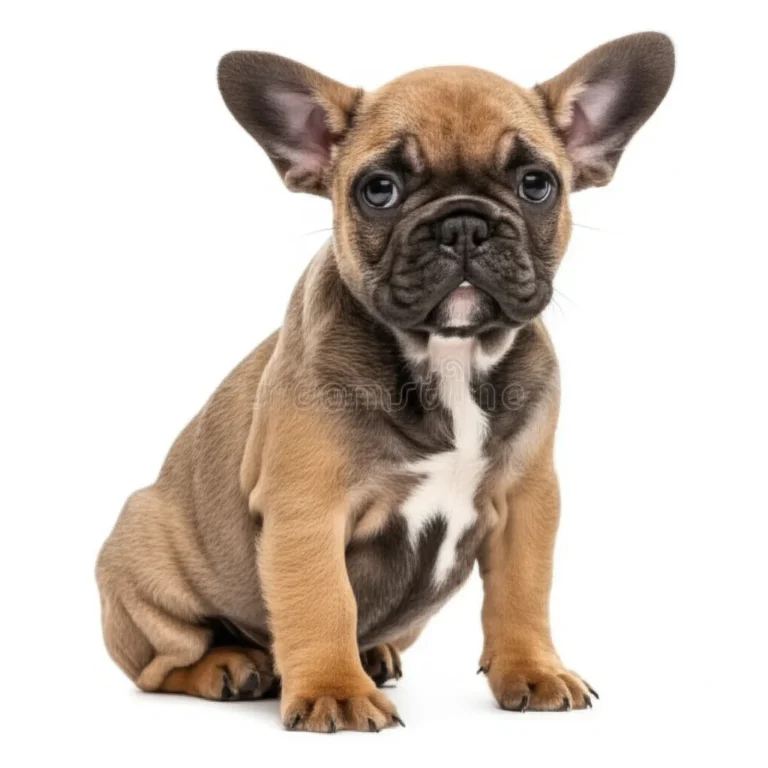
French Bulldogs are one of the best-known short-faced breeds. A compact body and playful temperament can make them delightful companions, but those traits don’t cancel out the need to monitor breathing and heat tolerance. A dog who routinely struggles after light activity should be assessed by a vet rather than encouraged to “build stamina” without guidance.
2. English Bulldog
The English Bulldog’s broad head and short muzzle are defining features. Their sturdy appearance can tempt people to assume they’re built for hard exercise; in practice, heat and heavy exertion may be a poor combination for some individuals. Short, controlled walks and a cool resting space are safer than long outings in warm weather.
3. Pug
Pugs are recognizable by their rounded head, short muzzle, and facial folds. Keep an eye on breathing, body condition, eyes, and skin folds. Gentle cleaning can help with hygiene, but persistent redness, discharge, odor, or irritation calls for veterinary advice.
4. Boston Terrier
Boston Terriers are often lively and eager to play. That enthusiasm can outlast their ability to cool down, so build in breaks and watch for heavy or labored breathing. A dog shouldn’t have to pant excessively to keep up with a game.
5. Boxer
Boxers are athletic dogs with a shorter muzzle than many breeds. Their energy is real, but so is the need to manage intensity and temperature. If your Boxer’s breathing becomes noisy or strained, stop activity and let them recover in a cool area.
6. Shih Tzu
Shih Tzus are small companion dogs with a shortened muzzle and often a long coat. Keep hair away from the eyes, check for skin irritation, and avoid assuming that small size makes heat harmless. Thick coats and warm weather can make comfort harder to manage.
7. Pekingese
Pekingese have a very short face and a low-set build. Keep walks gentle and schedule them in cooler conditions. If your dog’s breathing worsens during ordinary activity, book a veterinary assessment.
8. Japanese Chin
Japanese Chin are small companion dogs with short-faced features. Their size makes them easy to carry, but it doesn’t eliminate the need for careful heat and breathing management. Watch for eye watering or irritation as well as changes in breathing.
9. Brussels Griffon
Brussels Griffons have a distinctive, expressive face and a compact frame. Their muzzle shape varies, so don’t assume every dog has the same airway risk. A vet can help assess breathing and oral health.
10. Affenpinscher
Affenpinschers are small, wiry-coated dogs whose facial shape may appear short. As with other breeds on this list, appearance alone can’t determine whether an individual has obstructed airflow. Keep routine veterinary checkups and mention any snoring, exercise intolerance, or noisy breathing.
11. Lhasa Apso
Lhasa Apsos have a long coat and a relatively short muzzle. Grooming is part of comfort: keep the face clean, and ask a groomer or vet for advice if hair or skin folds irritate the eyes. The AVMA includes Lhasa Apsos among examples of short-nosed breeds.
12. Dogue de Bordeaux
This large mastiff breed has a broad, heavily wrinkled face. The folds need appropriate care, and the dog’s size can make overheating especially concerning. Avoid strenuous activity in hot conditions and discuss any breathing concerns with your veterinarian.
13. Cane Corso
Cane Corsos are mastiff-type dogs, but muzzle length and facial structure vary. Some individuals have a noticeably short muzzle; the breed name alone doesn’t establish that a dog is brachycephalic or has airway disease. Look at the individual’s breathing and get professional guidance when symptoms appear.
14. Bullmastiff
Bullmastiffs have a broad head and powerful build. Some are short-muzzled enough to raise brachycephalic concerns. Keep exercise measured in warm weather and maintain a healthy body condition to avoid adding unnecessary strain.
15. American Buly
American Bullies vary in build and head shape, so the degree of short-muzzled anatomy can differ. If your dog has a very short muzzle, noisy breathing, or low heat tolerance, discuss those signs with your vet. A breed label isn’t a health clearance.
Are Mixed-Breed Dogs Snub-Nosed Too?
Yes. A mixed-breed dog can inherit a short muzzle or other brachycephalic features from one or both parents. A dog doesn’t have to be a registered purebred French Bulldog or Pug to have a short-faced airway.
When considering a mixed-breed dog:
- Look at muzzle length and nostril shape, but don’t try to diagnose airway disease from appearance alone.
- Watch the dog breathe at rest and during gentle activity.
- Ask the rescue, shelter, or previous owner about snoring, overheating, exercise tolerance, and any airway treatment.
- Arrange a veterinary checkup after adoption, and bring up any noisy or effortful breathing.
- Plan for heat management if the dog has a short muzzle or seems to struggle in warm weather.
If you’re sorting through confusing behavior or care questions, our Behavior Analysis resources may help you think through what you’re seeing. For breathing concerns, though, start with your veterinarian.
Why Some Dogs Have Flat Faces: Breed History and Anatomy

Short-faced breeds developed through human selection for particular appearances and breed traits. Their histories differ, and it’s too simple to claim that every short-muzzled breed was developed for the same purpose. Selective breeding can shape a dog’s appearance, but a desired face shape may also affect the room available for important airway structures.
Here’s the key anatomical point: the muzzle becomes shorter, but soft tissues do not always shrink in the same proportion. In some dogs, this leaves less space for airflow and can contribute to airway obstruction.
| Structural feature | What it can mean |
|---|---|
| Narrow nostrils | Less room for air to enter through the nose |
| Elongated or thickened soft palate | Soft tissue may interfere with airflow at the back of the mouth |
| Narrow trachea | Reduced space for air to move through the windpipe |
| Crowded teeth | A short jaw can leave less room for teeth, increasing dental-care needs |
| Prominent eyes or facial folds | Some dogs may need attention to eye comfort and skin hygiene |
Breed descriptions tell you about tendencies, not an individual diagnosis. The Merck Veterinary Manual explains airway abnormalities associated with brachycephalic dogs, while your own veterinarian can assess whether they affect your dog.
Brachycephalic Airway Syndrome: Signs and Health Risks
Brachycephalic obstructive airway syndrome (BOAS) refers to airway problems associated with the head and airway structure of some brachycephalic dogs. Signs can range from mild to serious. Not every short-faced dog has BOAS, and a dog can develop trouble that becomes more obvious with exercise, stress, heat, or excess body weight.
The AVMA describes how short-nosed dogs can have crowded airway structures and notes that stress, exercise, overheating, and obesity may worsen breathing. Its comparison to “breathing through a straw” captures what obstruction can feel like, but it should not make constant noisy breathing sound harmless.
Snoring, snorting, and noisy breathing: What’s normal?
Many owners become accustomed to a dog’s snorts and snores. Familiarity isn’t the same as safety. Persistent loud breathing, effortful breathing, or noisy breathing that worsens over time deserves a veterinary conversation.
Keep a simple symptom log:
- What was happening when the noise started?
- Was the dog asleep, resting, eating, playing, or walking?
- Was the weather warm or humid?
- How quickly did breathing return to normal?
- Did you notice coughing, gaging, weakness, or a change in gum color?
A short video can help your vet understand what happens at home, but it doesn’t replace an examination.
Warning signs that need veterinary attention
Contact a veterinarian promptly if your dog has:
- Breathing that appears labored or unusually fast at rest
- Gasping, repeated choking sounds, or worsening respiratory noise
- Heavy panting that doesn’t settle after rest in a cool place
- Poor exercise tolerance or a sudden decline in stamina
- Repeated gaging, coughing, or difficulty recovering after activity
- Blue, gray, or very pale gums, collapse, or severe distress
Collapse, blue or gray gums, or severe breathing difficulty are emergencies. Move the dog to a cool, calm place and contact an emergency veterinary clinic immediately.
Heat, Exercise, and Everyday Care for Flat-Faced Dogs
Dogs cool themselves largely through panting. If a dog’s airway makes airflow less efficient, heat and hard exercise can be especially challenging. The AVMA’s air-travel FAQ also identifies overheating and exercise as factors that can aggravate breathing problems in short-nosed dogs.
A practical warm-weather routine
- Walk during cooler hours. Early mornings and evenings are usually better than hot afternoons.
- Keep the pace gentle. Turn back before your dog looks exhausted; don’t wait for a crisis to end the walk.
- Bring water and choose shade. Give your dog frequent opportunities to rest.
- Use a harness rather than pulling on a neck collar if your vet recommends it for your dog’s comfort and control.
- Stop at the first sign of distress. Heavy, persistent panting, unusual breathing, weakness, or confusion means it’s time to get cool and seek help as needed.
- Maintain a healthy body condition. Ask your vet for a suitable diet and activity plan rather than trying an abrupt weight-loss routine.
- Keep indoor spaces cool. Air conditioning, fans, shade, and access to fresh water can make a meaningful difference.
For dogs with facial folds, keep skin clean and dry as advised by your veterinary team. If you notice redness, odor, or discharge around the folds or eyes, seek guidance rather than adding human creams or cleansers.
Flying With a Snub-Nosed Dog: Airline and Travel Considerations
Air travel deserves extra planning for short-nosed dogs. The AVMA reports that short-faced breeds were more likely than dogs with normal-length muzzles to die during air travel. In the data summarized by the AVMA, about half of 122 dog deaths associated with airline flights over five years involved short-faced breeds; 25 were English Bulldogs and 11 were Pugs. The AVMA also notes that these deaths were few compared with the hundreds of thousands of animals that fly annually.
Those figures are a caution, not a prediction that every snub-nosed dog will have a travel emergency. Risk depends on the individual dog, travel conditions, route, airline policies, and whether the dog travels in the cabin or cargo. Airlines can change their rules, so confirm current requirements directly with the carrier.
A Facebook discussion titled “What are tips for flying snub-nosed dogs from UK to US?” may be useful as a prompt for questions, but the post’s content isn’t independently verifiable here. Treat social-media experiences as personal anecdotes, not airline policy or veterinary advice.
Why air travel can be risky for brachycephalic breeds
Stress, warm temperatures, exertion, and respiratory obstruction can combine to make breathing more difficult. The AVMA uses the image of “breathing through a straw” to describe how airway narrowing may affect a dog under strain. Cargo travel can add factors you cannot directly control, including temperature exposure and the dog’s distance from you.
This is why the right question isn’t just “Does the airline accept this breed?” Ask whether your individual dog is medically fit for this specific trip.
Questions to ask your veterinarian and airline
Use this checklist well before booking:
- Veterinarian: Is my dog fit for air travel, given their breathing history and overall health?
- Veterinarian: Are there signs that make flying or cargo travel inadvisable for this dog?
- Airline: Is my dog permitted in the cabin on this route, and what are the current carrier requirements?
- Airline: Are there breed-specific restrictions or temperature-related cargo embargoes?
- Airline: How will the animal be checked in, transferred, and handled during delays?
- You: Can you choose a direct flight and avoid the hottest times of day?
- You: Is ground travel or postponing the trip a safer option?
The AVMA recommends keeping pets at a healthy weight, helping them become comfortable with a secure travel crate, avoiding thick or fluffy crate bedding, and asking the airline about cabin travel, carrier limits, breed restrictions, and temperature-related cargo rules. The AVMA strongly advises against tranquilizing pets for air travel; discuss any medication with your veterinarian rather than sedating a dog on your own.
Safer alternatives to flying
If the vet or airline raises concerns, consider:
- Traveling by car with planned rest stops and climate control
- Taking a train or other ground transport that permits pets
- Leaving your dog with a trusted caregiver
- Using a reputable in-home pet sitter or boarding facility
- Postponing travel if conditions are unsuitable
No single option suits every household, but “we’ve already booked” is not a medical clearance. If a trip is essential, plan early enough to change the arrangement when needed.
Choosing or Adopting a Snub-Nosed Breed
A short-faced dog can be an affectionate, funny companion, but it’s wise to ask about health—not just color, personality, and how adorable the puppy looks when it snores. Responsible selection means prioritizing comfortable breathing and good care over an exaggeratedly flat face.
If you’re speaking with a breeder, shelter, or rescue, ask specific questions and pay attention to how openly they answer. A knowledgeable, responsible source should welcome questions about the dog’s health and history.
Health checks to discuss with a breeder or rescue
Ask about:
- Any history of noisy or effortful breathing
- Exercise tolerance and recovery after walks or play
- Heat intolerance or previous heat-related illness
- Veterinary examinations and any diagnosed airway issues
- Whether the dog has needed treatment or surgery for breathing
- Eye, skin-fold, and dental-care needs
- The health and breathing history of the parents, where known
- What support is available if health concerns emerge after adoption
When adopting an adult dog, observe their breathing at rest and after calm activity, but don’t deliberately push them to exhaustion as a “test.” A veterinary examination is the safer way to evaluate health.
What to know about surgery and long-term care
Some dogs with obstructive airway abnormalities may benefit from veterinary treatment, which can include surgery in selected cases. The right recommendation depends on the dog’s anatomy, signs, age, and overall health. Surgery is not a blanket fix or a substitute for a personalized diagnosis, and some dogs still need ongoing heat, exercise, and weight management afterward.
Your veterinarian can explain the expected benefits, risks, recovery, and follow-up. Ask what changes at home would help your dog breathe and stay comfortable, and what signs mean you should return for reassessment.