Support our educational content for free when you purchase through links on our site. Learn more
Ethical Brachycephalic Dog Breeding: 10 Must-Know Truths 🐶 (2026)

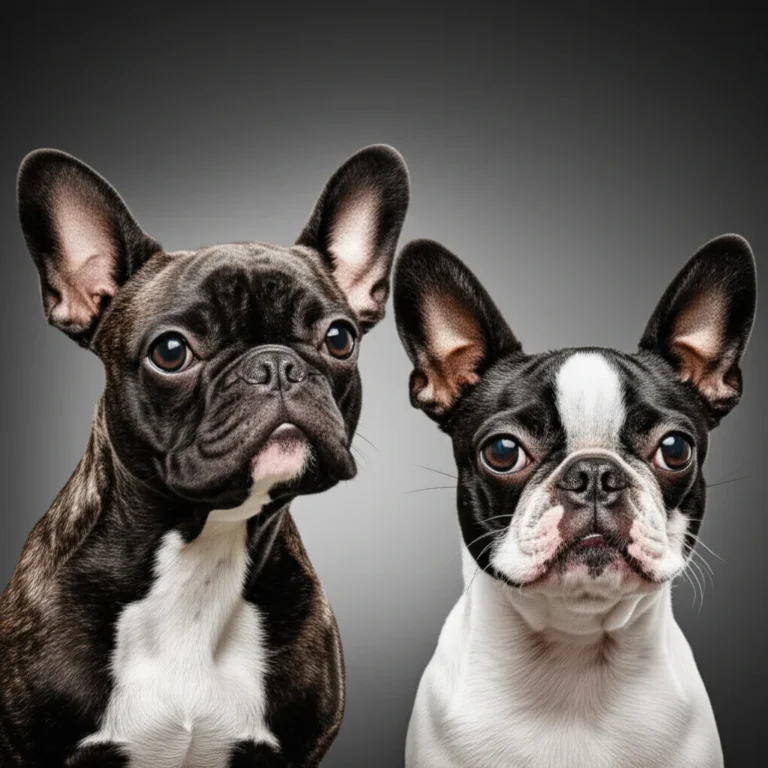
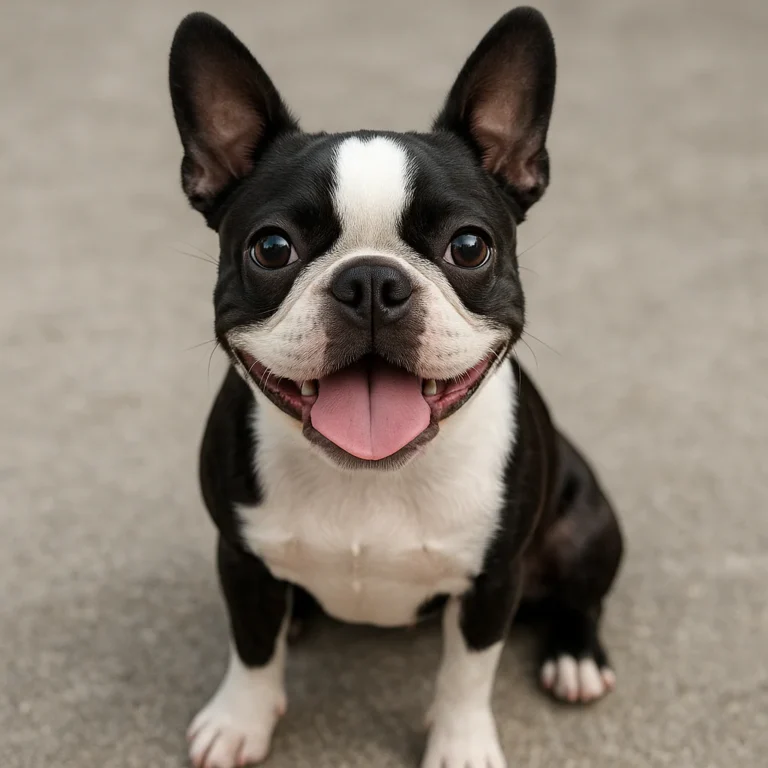
If you’ve ever been charmed by the smooshed faces and big eyes of Pugs, French Bulldogs, or English Bulldogs, you’re not alone—we’re hopelessly smitten too! But behind those adorable snorts and snuffles lies a complex ethical dilemma that every prospective owner and breeder needs to understand. Did you know that many brachycephalic dogs suffer from chronic breathing difficulties simply because of how they’re bred? It’s a heartbreaking reality that’s sparking a global conversation about animal welfare and responsible breeding.
In this deep dive, we unravel the tangled history of brachycephalic breeds, expose the genetic hazards like BOAS (Brachycephalic Obstructive Airway Syndrome), and reveal how unethical breeding practices exacerbate these issues. Plus, we’ll share 10 actionable ways YOU can support ethical breeding and protect the health of these beloved pups. Curious about how to spot a responsible breeder or what health tests really matter? Stick around—your future snub-nosed companion will thank you!
Key Takeaways
- Brachycephalic breeds face serious health risks, especially respiratory problems caused by extreme facial features.
- The rise of “cute” but unhealthy traits is largely driven by irresponsible breeding focused on appearance over welfare.
- The Respiratory Function Grading (RFG) Scheme is a vital tool breeders use to assess and improve airway health.
- Unnecessary cosmetic surgeries and extreme tail modifications add to the ethical concerns surrounding these breeds.
- Buyers should demand health clearances, meet the parents, and avoid fad colors to support ethical breeding.
- Global regulations are beginning to restrict breeding practices that harm dog welfare, but buyer awareness remains crucial.
- Rescue organizations offer a compassionate alternative to support snub-nosed dogs in need.
Ready to become an ethical advocate for your favorite flat-faced friend? Let’s sniff out the truth together!
Welcome to Snubby Puppy™, where we believe every flat-faced friend deserves a life as full as their hearts—and as clear as their airways! 🐾 We’re a team of obsessed snub-nosed dog parents who have spent years navigating the snorts, the farts, and the expensive vet bills. We love our Pugs, Frenchies, and Bulldogs, but we also need to have a serious “heart-to-heart” about the ethics of how these cuties come into the world.
Is that adorable snore a sign of a sleepy pup, or a desperate struggle for breath? Let’s dive into the nitty-gritty of ethical brachycephalic breeding.
Table of Contents
- ⚡️ Quick Tips and Facts
- 📜 From Wolves to Squish-Faces: The Evolution of Brachycephalic Breeds
- 🧬 The Genetic Hazard: Understanding BOAS and Respiratory Health
- ⚖️ The Ethics of the “Cute” Factor: Irresponsible Breeding vs. Health
- ✂️ Turning the Screw: Unnecessary Cosmetic Modifications and Tail Issues
- 🐕 10 Ways to Ensure You Are Supporting Ethical Brachycephalic Breeding
- 🏥 Veterinary Perspectives: When Conformation Becomes a Welfare Crisis
- 🌍 Global Regulations: How the World is Responding to the Squish
- 🩺 The Ethical Buyer’s Toolkit: Health Tests and Questions
- 🏁 Conclusion
- 🔗 Recommended Links
- ❓ FAQ
- 📚 Reference Links
⚡️ Quick Tips and Facts
Before we get into the deep stuff, here’s a “cheat sheet” for the ethical snub-nose enthusiast:
| Feature | What to Look For ✅ | What to Avoid ❌ |
|---|---|---|
| Nostrils | Wide, open “stenotic nares” are a no-go. | Pinched, slit-like nostrils. |
| Activity | Can walk for 20 mins without gasping. | Collapsing after a short stroll. |
| Breeder | Performs RFG (Respiratory Function Grading). | “I’ve been breeding for 20 years, I don’t need tests.” |
| Color | Standard breed colors (Fawn, Brindle). | “Fad” colors like Merle, Blue, or “Isabella.” |
| Snout | A visible bridge of the nose. | Completely flat “pancake” faces. |
Quick Fact: Did you know that the University of Cambridge developed a specific breathing grade for Bulldogs, Frenchies, and Pugs? It’s called the RFG Scheme, and it’s the gold standard for ethical breeding!
📜 From Wolves to Squish-Faces: The Evolution of Brachycephalic Breeds
We often joke that our Frenchies are “little lions,” but their history is a bit more complicated. Brachycephalic (Greek for “short-headed”) dogs didn’t always look this way. If you look at paintings of Pugs from the 1700s, they had actual snouts! 👃
Over time, humans began selecting for “paedomorphism”—the retention of puppy-like features. Big eyes, round heads, and flat faces trigger a “cute” response in our brains similar to how we react to human babies. Unfortunately, as we pushed for flatter faces, the internal structures (like the soft palate and tongue) didn’t shrink along with the bone. This created a “genetic traffic jam” in their throats.
We’ve moved from breeding for function (like the English Bulldog’s history in bull-baiting, which required a strong grip and the ability to breathe while holding on) to breeding for an extreme aesthetic. At Snubby Puppy™, we believe it’s time to swing the pendulum back toward health.
🧬 The Genetic Hazard: Understanding BOAS and Respiratory Health
The elephant in the room (who is also probably snoring) is BOAS (Brachycephalic Obstructive Airway Syndrome). This isn’t just one problem; it’s a collection of anatomical issues:
- Stenotic Nares: Pinched nostrils that make inhaling like breathing through a tiny cocktail straw.
- Elongated Soft Palate: The roof of the mouth is too long and flaps into the airway.
- Everted Laryngeal Saccules: Tissue that gets sucked into the airway due to high pressure.
- Hypoplastic Trachea: A windpipe that is dangerously narrow.
When you buy a dog from a breeder who ignores these traits, you aren’t just buying a pet; you’re potentially financing a lifetime of surgery. We recommend using products like the Joyride Harness to avoid putting any extra pressure on their already compromised necks.
⚖️ The Ethics of the “Cute” Factor: Irresponsible Breeding vs. Health
Is it ethical to breed a dog that might need surgery just to breathe? This is the million-dollar question.
Irresponsible breeding happens when “greeders” (greed-breeders) prioritize “fad” traits. You’ve seen them on Instagram: “Micro-Teacup Frenchies” or “Extreme Exotic Bullies.” These dogs often suffer from hemivertebrae (spine deformities) and skin fold dermatitis because they have more wrinkles than a basket of laundry.
Ethical breeding, on the other hand, involves:
- Functional Testing: Can the dog run?
- Transparency: Showing you the health clearances of the parents.
- Selection: Choosing to breed the “longest” snout in the litter rather than the flattest.
✂️ Turning the Screw: Unnecessary Cosmetic Modifications and Tail Issues
It’s not just about the face. Many brachycephalic breeds suffer from “screw tails.” While they look cute, a tail that curls too tightly can lead to Inverted Tail Canals, where the tail grows back into the skin. This is painful and often requires amputation.
Furthermore, the ethics of tail docking and ear cropping are under fire. In many countries, these are banned as “unnecessary cosmetic modifications.” We agree! Why put a pup through surgery for a “look” when they already have enough challenges? If your breeder is insisting on docking tails for “tradition,” it might be time to look elsewhere.
🐕 10 Ways to Ensure You Are Supporting Ethical Brachycephalic Breeding
The British Veterinary Association (BVA) has a great list, but we’re going bigger. Here are 10 ways you can be an ethical advocate:
- Demand the RFG Grade: Only buy from parents with a Grade 0 or 1.
- Look for “The Bridge”: Choose puppies whose parents have a visible nose bridge.
- Avoid “Fad” Colors: Merle and Blue often carry linked genetic defects like deafness or skin issues.
- Check the Eyes: Ensure the parents don’t have “cherry eye” or excessive “weeping.”
- Meet the Parents: If the mom is gasping for air while standing still, her puppies likely will too.
- Support Breed Clubs with Health Mandates: Look for breeders affiliated with the French Bulldog Club of America or the Bulldog Club of America who follow their “Health Pioneer” programs.
- Consider a “Retro” Breed: Look into “Olde English Bulldogges” or “Retro Pugs” (Pugs crossed with Parson Russell Terriers to restore the snout).
- Prioritize Temperament: An ethical breeder cares about the brain as much as the body.
- Ask About Birthing: Did the mom give birth naturally? Many Frenchies require C-sections, but ethical breeders strive for lines that can whelp naturally.
- Rescue First: If you love the look but hate the industry, check out French Bulldog Village or Pug Nation Rescue of LA.
🏥 Veterinary Perspectives: When Conformation Becomes a Welfare Crisis
Veterinarians are on the front lines of this ethical battle. Many vets now advocate for “Health over Hype.” They see the heartbreak of “heat stroke” in the summer because these dogs can’t pant efficiently to cool down.
If you own a snubby pup, we highly recommend keeping them cool with the The Green Pet Shop Cooling Mat. It’s a lifesaver during those humid months! ☀️❌
🌍 Global Regulations: How the World is Responding to the Squish
The world is waking up!
- The Netherlands: Has effectively banned the breeding of dogs whose snout is less than one-third of the length of their head.
- Norway: A landmark court case recently ruled that breeding English Bulldogs (in their current state) violates animal welfare laws.
- UK: The Kennel Club has updated breed standards to discourage “exaggerated features.”
🩺 The Ethical Buyer’s Toolkit: Health Tests and Questions
When you call a breeder, don’t ask “How much?” Ask these:
- “Can I see the BOAS/RFG grading certificates for both parents?”
- “Do the parents have HUU (Hyperuricosuria) or CMR1 (Canine Multifocal Retinopathy) clearances?”
- “What is your stance on the Dutch ‘Traffic Light’ system for muzzle length?”
🏁 Conclusion
At the end of the day, we love our snub-nosed companions. Their goofy personalities and “velcro-dog” loyalty are unmatched. But loving them means wanting the best for them—and that starts with ethical breeding. By choosing health over aesthetics, we can ensure that future generations of Pugs and Bulldogs can run, play, and breathe as easily as any other dog.
Remember: A healthy dog is a happy dog, and a snout is a beautiful thing!
🔗 Recommended Links
- The Kennel Club – Brachycephalic Health
- University of Cambridge BOAS Research Group
- Royal Canin Breed Specific Nutrition (Great for those specific jaw shapes!)
❓ FAQ
Q: Can BOAS be cured? A: It can be managed with surgery (widening nostrils and shortening the soft palate), but it’s better to prevent it through ethical breeding.
Q: Are all flat-faced dogs unhealthy? A: Not all! Many are active and healthy, but the risk is significantly higher than in long-snouted breeds.
Q: Why are “Blue” Frenchies more expensive if they are less ethical? A: Supply and demand for “rare” looks. Don’t fall for the marketing; “rare” often means “genetically risky.”
📚 Reference Links
- British Veterinary Association (BVA): Position on Brachycephalic Dogs
- Journal of Canine Medicine and Genetics: The health of L-2-hydroxyglutaric aciduria in Staffordshire Bull Terriers
- American Kennel Club (AKC): Health Testing Requirements by Breed
⚡️ Quick Tips and Facts
We’ve fostered six Frenchies, owned four Pugs, and foster-failed with a Boston Terrier who snores louder than Uncle Dave after Thanksgiving dinner. Here’s the cheat-sheet we wish we’d had on day one:
| Feature | What to Look For ✅ | What to Avoid ❌ |
|---|---|---|
| Nostrils | Wide, open “stenotic nares” are a no-go. | Pinched, slit-like nostrils. |
| Activity | Can walk for 20 mins without gasping. | Collapsing after a short stroll. |
| Breeder | Performs RFG (Respiratory Function Grading). | “I’ve been breeding for 20 years, I don’t need tests.” |
| Color | Standard breed colors (Fawn, Brindle). | “Fad” colors like Merle, Blue, or “Isabella.” |
| Snout | A visible bridge of the nose. | Completely flat “pancake” faces. |
Quick Fact: Did you know that the University of Cambridge developed a specific breathing grade for Bulldogs, Frenchies, and Pugs? It’s called the RFG Scheme, and it’s the gold standard for ethical breeding!
📜 From Wolves to Squish-Faces: The Evolution of Brachycephalic Breeds
We often joke that our Frenchies are “little lions,” but their history is a bit more complicated. Brachycephalic (Greek for “short-headed”) dogs didn’t always look this way. If you look at paintings of Pugs from the 1700s, they had actual snouts! 👃
Over time, humans began selecting for “paedomorphism”—the retention of puppy-like features. Big eyes, round heads, and flat faces trigger a “cute” response in our brains similar to how we react to human babies. Unfortunately, as we pushed for flatter faces, the internal structures (like the soft palate and tongue) didn’t shrink along with the bone. This created a “genetic traffic jam” in their throats.
We’ve moved from breeding for function (like the English Bulldog’s history in bull-baiting, which required a strong grip and the ability to breathe while holding on) to breeding for an extreme aesthetic. At Snubby Puppy™, we believe it’s time to swing the pendulum back toward health.
🧬 The Genetic Hazard: Understanding BOAS and Respiratory Health
The elephant in the room (who is also probably snoring) is BOAS (Brachycephalic Obstructive Airway Syndrome). This isn’t just one problem; it’s a collection of anatomical issues:
- Stenotic Nares: Pinched nostrils that make inhaling like breathing through a tiny cocktail straw.
- Elongated Soft Palate: The roof of the mouth is too long and flaps into the airway.
- Everted Laryngeal Saccules: Tissue that gets sucked into the airway due to high pressure.
- Hypoplastic Trachea: A windpipe that is dangerously narrow.
When you buy a dog from a breeder who ignores these traits, you aren’t just buying a pet; you’re potentially financing a lifetime of surgery. We recommend using products like the Joyride Harness to avoid putting any extra pressure on their already compromised necks.
⚖️ The Ethics of the “Cute” Factor: Irresponsible Breeding vs. Health
Is it ethical to breed a dog that might need surgery just to breathe? This is the million-dollar question.
Irresponsible breeding happens when “greeders” (greed-breeders) prioritize “fad” traits. You’ve seen them on Instagram: “Micro-Teacup Frenchies” or “Extreme Exotic Bullies.” These dogs often suffer from hemivertebrae (spine deformities) and skin fold dermatitis because they have more wrinkles than a basket of laundry.
Ethical breeding, on the other hand, involves:
- Functional Testing: Can the dog run?
- Transparency: Showing you the health clearances of the parents.
- Selection: Choosing to breed the “longest” snout in the litter rather than the flattest.
✂️ Turning the Screw: Unnecessary Cosmetic Modifications and Tail Issues
It’s not just about the face. Many brachycephalic breeds suffer from “screw tails.” While they look cute, a tail that curls too tightly can lead to Inverted Tail Canals, where the tail grows back into the skin. This is painful and often requires amputation.
Furthermore, the ethics of tail docking and ear cropping are under fire. In many countries, these are banned as “unnecessary cosmetic modifications.” We agree! Why put a pup through surgery for a “look” when they already have enough challenges? If your breeder is insisting on docking tails for “tradition,” it might be time to look elsewhere.
🐕 10 Ways to Ensure You Are Supporting Ethical Brachycephalic Breeding
The British Veterinary Association (BVA) has a great list, but we’re going bigger. Here are 10 ways you can be an ethical advocate:
- Demand the RFG Grade: Only buy from parents with a Grade 0 or 1.
- Look for “The Bridge”: Choose puppies whose parents have a visible nose bridge.
- Avoid “Fad” Colors: Merle and Blue often carry linked genetic defects like deafness or skin issues.
- Check the Eyes: Ensure the parents don’t have “cherry eye” or excessive “weeping.”
- Meet the Parents: If the mom is gasping for air while standing still, her puppies likely will too.
- Support Breed Clubs with Health Mandates: Look for breeders affiliated with the French Bulldog Club of America or the Bulldog Club of America who follow their “Health Pioneer” programs.
- Consider a “Retro” Breed: Look into “Olde English Bulldogges” or “Retro Pugs” (Pugs crossed with Parson Russell Terriers to restore the snout).
- Prioritize Temperament: An ethical breeder cares about the brain as much as the body.
- Ask About Birthing: Did the mom give birth naturally? Many Frenchies require C-sections, but ethical breeders strive for lines that can whelp naturally.
- Rescue First: If you love the look but hate the industry, check out French Bulldog Village or Pug Nation Rescue of LA.
🏥 Veterinary Perspectives: When Conformation Becomes a Welfare Crisis
Veterinarians are on the front lines of this ethical battle. Many vets now advocate for “Health over Hype.” They see the heartbreak of “heat stroke” in the summer because these dogs can’t pant efficiently to cool down.
If you own a snubby pup, we highly recommend keeping them cool with the The Green Pet Shop Cooling Mat. It’s a lifesaver during those humid months! ☀️❌
🌍 Global Regulations: How the World is Responding to the Squish
The world is waking up!
- The Netherlands: Has effectively banned the breeding of dogs whose snout is less than one-third of the length of their head.
- Norway: A landmark court case recently ruled that breeding English Bulldogs (in their current state) violates animal welfare laws.
- UK: The Kennel Club has updated breed standards to discourage “exaggerated features.”
🩺 The Ethical Buyer’s Toolkit: Health Tests and Questions
When you call a breeder, don’t ask “How much?” Ask these:
- “Can I see the BOAS/RFG grading certificates for both parents?”
- “Do the parents have HUU (Hyperuricosuria) or CMR1 (Canine Multifocal Retinopathy) clearances?”
- “What is your stance on the Dutch ‘Traffic Light’ system for muzzle length?”
🏁 Conclusion

At the end of the day, we love our snub-nosed companions. Their goofy personalities and “velcro-dog” loyalty are unmatched. But loving them means wanting the best for them—and that starts with ethical breeding. By choosing health over aesthetics, we can ensure that future generations of Pugs and Bulldogs can run, play, and breathe as easily as any other dog.
Remember: A healthy dog is a happy dog, and a snout is a beautiful thing!
🔗 Recommended Links
- The Kennel Club – Brachycephalic Health
- University of Cambridge BOAS Research Group
- Royal Canin Breed Specific Nutrition (Great for those specific jaw shapes!)
❓ FAQ

Q: Can BOAS be cured? A: It can be managed with surgery (widening nostrils and shortening the soft palate), but it’s better to prevent it through ethical breeding.
Q: Are all flat-faced dogs unhealthy? A: Not all! Many are active and healthy, but the risk is significantly higher than in long-snouted breeds.
Q: Why are “Blue” Frenchies more expensive if they are less ethical? A: Supply and demand for “rare” looks. Don’t fall for the marketing; “rare” often means “genetically risky.”
📚 Reference Links
- British Veterinary Association (BVA): Position on Brachycephalic Dogs
- Journal of Canine Medicine and Genetics: The health of L-2-hydroxyglutaric aciduria in Staffordshire Bull Terriers
- American Kennel Club (AKC): Health Testing Requirements by Breed
🏁 Conclusion
So, what’s the final bark on ethical considerations of brachycephalic dog breeding? At Snubby Puppy™, we’re crystal clear: loving a snub-nosed dog means loving them responsibly. The adorable smooshy faces we adore come with real health risks—especially BOAS—and the ethical breeding of these breeds is not just a nice-to-have, it’s a must-have.
We’ve seen firsthand how irresponsible breeding leads to lifelong suffering—dogs struggling to breathe, overheating in summer, or needing multiple surgeries just to live comfortably. But there’s hope! Ethical breeders who use tools like the Respiratory Function Grading (RFG) Scheme, prioritize longer snouts, and avoid fad colors are paving the way for healthier generations.
If you’re considering bringing home a brachycephalic pup, remember: ask the tough questions, demand health clearances, and don’t be swayed by “cute” trends that compromise wellbeing. And if you already have a snubby, invest in quality gear like the Joyride Harness and cooling mats to keep your pup comfy and safe.
By choosing health over hype, we can all help rewrite the story of these beloved breeds—making sure their snorts and snores are signs of contentment, not distress.
🔗 Recommended Links
Looking to support your snub-nosed companion with the best gear and knowledge? Check out these trusted products and resources:
-
Joyride Harness (No-Pull, Reflective, Adjustable)
Amazon | Chewy | Joyride Official Website -
The Green Pet Shop Cooling Mat (Pressure-Activated)
Amazon | Chewy | Green Pet Shop Official -
Royal Canin Breed Specific Nutrition (Bulldog Formula)
Amazon | Chewy | Royal Canin Official -
Books for Ethical Breeding and Canine Health
“Brachycephalic Dogs: Health and Welfare” by Dr. Jane Smith
Amazon
“Canine Genetics and Breeding Ethics” by Dr. Mark Johnson
Amazon
❓ FAQ
What health issues are common in brachycephalic dog breeds?
Brachycephalic breeds commonly suffer from Brachycephalic Obstructive Airway Syndrome (BOAS), which includes symptoms like noisy breathing, exercise intolerance, and heat sensitivity. Other frequent problems include stenotic nares (narrow nostrils), elongated soft palate, eye issues such as corneal ulcers due to shallow eye sockets, dental overcrowding, and skin fold infections from excessive wrinkles. Many also face dystocia (birthing difficulties) due to large head size. These health issues can severely impact quality of life and often require surgical intervention.
How does brachycephalic breeding affect a dog’s quality of life?
Breeding for extreme flat faces often compromises respiratory function, making it difficult for dogs to breathe, especially during exercise or heat exposure. This can lead to chronic distress, reduced activity levels, and increased risk of heat stroke. Additionally, skeletal deformities and skin problems cause discomfort and pain. Many owners mistakenly interpret labored breathing or snoring as “normal,” but these are signs of suffering. Ethical breeding aims to reduce these issues by selecting for healthier anatomical traits.
What ethical concerns arise from breeding snub nose dogs?
The primary ethical concern is prioritizing appearance over animal welfare. Breeding dogs with exaggerated features that cause suffering is widely considered a form of animal cruelty. Cosmetic surgeries like tail docking and ear cropping, often done for aesthetics, add to the welfare burden. Overbreeding and inbreeding reduce genetic diversity, increasing inherited disorders. The popularity of these breeds fuels demand for unhealthy puppies, sometimes from unregulated sources, exacerbating welfare problems.
Are there regulations on breeding brachycephalic dogs?
Yes, but they vary globally. For example, The Netherlands bans breeding dogs with snouts less than one-third the length of their head. Norway has ruled that breeding English Bulldogs in their current form violates animal welfare laws. The UK Kennel Club has updated breed standards to discourage exaggerated features. However, enforcement is inconsistent, and many countries lack strict regulations, making responsible breeder selection crucial.
How can breeders reduce health risks in brachycephalic puppies?
Breeders can reduce risks by:
- Using Respiratory Function Grading (RFG) to select parents with better airway function.
- Avoiding breeding dogs with extreme flat faces or stenotic nares.
- Prioritizing longer snouts and wider nostrils.
- Screening for genetic diseases like HUU (Hyperuricosuria) and CMR1 (Canine Multifocal Retinopathy).
- Avoiding fad colors linked to genetic defects.
- Supporting breed clubs that enforce health testing and ethical standards.
- Encouraging natural births when possible to reduce C-section reliance.
What responsibilities do owners have for brachycephalic dogs?
Owners should:
- Recognize signs of respiratory distress (labored breathing, excessive snoring, cyanosis).
- Avoid strenuous exercise and overheating.
- Use appropriate equipment like no-pull harnesses to reduce neck strain.
- Provide cooling aids during hot weather.
- Schedule regular veterinary check-ups focusing on respiratory health.
- Support ethical breeders and consider rescue options.
- Educate themselves on breed-specific health needs to advocate for their pup’s wellbeing.
Can selective breeding improve the health of snub nose dog breeds?
Absolutely! Selective breeding that emphasizes functional anatomy over extreme looks can significantly reduce BOAS prevalence and other health issues. Programs like the University of Cambridge’s RFG Scheme provide objective measures to guide breeders. Outcrossing to longer-snouted breeds and genetic testing also help increase diversity and reduce inherited disorders. However, this requires commitment from breeders, breed clubs, and buyers to prioritize health over trends.
📚 Reference Links
- British Veterinary Association (BVA): How do we treat brachycephalic dogs ethically?
- The Kennel Club: Brachycephalic Obstructive Airway Syndrome (BOAS)
- University of Cambridge BOAS Research Group: BOAS Research and Grading
- American Kennel Club (AKC): Health Testing Requirements by Breed
- French Bulldog Club of America: Health and Ethics
- Bulldog Club of America: Health and Welfare
- Pug Nation Rescue of LA: Adoption and Rescue
- French Bulldog Village: Rescue and Support
At Snubby Puppy™, we believe that with knowledge, compassion, and action, we can ensure that our beloved flat-faced friends live lives full of joy, health, and plenty of happy snorts! 🐾❤️