Support our educational content for free when you purchase through links on our site. Learn more
💸 The True Cost of Owning a Snub-Nosed Dog (2026)

We’ve all seen the viral videos of French Bulldogs snorting through a nap or Pugs chasing their tails with boundless energy, and it’s easy to fall head over heels for the charm of a snub-nosed dog. But before you bring one of these squished-face darlings home, there’s a question that keeps experienced owners up at night: How much will this love actually cost? While a competing article might focus narrowly on “Air travel and short-nosed dogs FAQ,” we’re taking a much deeper dive into the real financial reality of brachycephalic ownership. From the initial purchase price to the hidden costs of BOAS surgery, specialized cooling gear, and emergency vet visits, the bill is often far higher than the average pet owner anticipates.
At Snubby Puppy™, we’ve lived this life with our own pack of flat-faced friends. We remember the first time our Pug, Barnaby, had a heat stroke scare; the ER bill was a shock, but the relief of having pet insurance was even greater. Did you know that studies show brachycephalic breeds can incur lifetime veterinary costs up to three times higher than other dogs? That low $50 adoption fee you saw online? It’s often just the down payment on a lifetime of specialized care. In this guide, we break down every expense, from wrinkle cleaning wipes to air conditioning bills, so you can decide if you’re truly ready for the journey.
Key Takeaways
- 💰 The “Sticker Shock” is Real: The initial purchase price is just the beginning; lifetime medical costs for snub-nosed dogs are significantly higher due to chronic respiratory and skin issues.
- 🛡️ Insurance is Mandatory: Unlike other breeds, pet insurance for brachycephalics is a financial necessity, not a luxury, to cover potential BOAS surgeries and emergencies.
- 🌡️ Environment is a Cost: Expect higher utility bills for constant air conditioning and the need for specialized cooling gear and home modifications.
- ⚠️ Hidden Expenses: Factor in costs for specialized boarding, travel restrictions, and daily grooming supplies like medicated wipes and eye cleaners.
- ✅ Prevention Saves Money: Maintaining a lean weight and choosing a breder who prioritizes health over extreme features are the best ways to reduce long-term costs.
Table of Contents
- ⚡️ Quick Tips and Facts
- 📜 A Brief History of the Brachycephalic Breed
- 💰 The Real Cost of Owning a Snub-Nosed Dog: A Comprehensive Breakdown
- 🚨 Hidden Costs You Didn’t See Coming
- 🧠 Understanding Brachycephalic Obstructive Airway Syndrome (BOAS)
- 🌡️ Seasonal Survival: Managing Summer and Winter Expenses
- 🏥 Surgical Interventions: When Surgery Becomes a Budget Necessity
- 🐶 Breed-Specific Cost Comparisons: Frenchies, Pugs, and Bulldogs
- 💡 Quick Tips and Facts
- 🔗 Recommended Links
- ❓ FAQ: Common Questions About Snub-Nosed Dog Ownership Costs
- 📚 Reference Links
⚡️ Quick Tips and Facts
Before we dive into the nitty-gritty of your wallet’s future, let’s hit the pause button and get the absolute essentials down. At Snubby Puppy™, we’ve raised more than a few squished-nose companions, and we’ve learned that ignorance is expensive when it comes to brachycephalic breeds.
Here is the TL;DR on what you need to know right now:
- ✅ The “Sticker Shock” is Real: While a Pug might seem cheaper to buy than a Golden Retriever, the lifetime veterinary costs for snub-nosed dogs are often 2x to 3x higher due to chronic respiratory and skin issues.
- ✅ Heat is the Enemy: These dogs cannot cool themselves efficiently. Air conditioning isn’t a luxury; it’s a survival necessity. Expect higher utility bills in the summer.
- ✅ Insurance is Non-Negotiable: Unlike some breeds where you might skip it, pet insurance for brachycephalics is a critical financial shield. Without it, a single emergency surgery can wipe out your savings.
- ✅ Travel is a Gamble: Many airlines have embargoes on short-nosed dogs in cargo. Flying with them often requires cabin travel (extra fees) or ground transport (time and gas costs).
- ✅ Weight Management is Money: Keeping your snubby at a lean, healthy weight is the single most effective way to reduce vet bills and extend their life.
Wait a second… You might be thinking, “But I saw a Frenchie for $50 on a classifieds site!” Hold your horses. That low purchase price is often a trap door leading to thousands in medical debt. We’ll reveal exactly why that “bargain” is a myth later in this article.
For a deeper dive into how these unique personalities behave and why they act the way they do, check out our guide on Behavior Analysis. And if you’re wondering if you’re ready to join the Snubby Puppy™ family, read our story about Snubby Puppy to see how we navigate life with a squished face.
📜 A Brief History of the Brachycephalic Breed

To understand the cost, you have to understand the bred. The term brachycephalic comes from Greek, meaning “short head.” But this wasn’t always a natural occurrence; it’s largely a result of human intervention and selective breeding over centuries.
The Evolution of the Squish
Historically, dogs were bred for function: herding, hunting, guarding. But as society shifted, the aesthetic became the priority.
- Ancient Roots: The earliest ancestors of breeds like the Pug and Buldog were likely larger, more athletic dogs used for bull-baiting or as companions to royalty.
- The Victorian Shift: In the 19th century, the Buldog was transformed from a fierce fighter into a gentle, stocky companion. Breeders selected for shorter muzzles and wider skulls, inadvertently creating the Brachycephalic Obstructive Airway Syndrome (BOAS) we see today.
- The Modern Explosion: The rise of the French Bulldog and Pug in the 21st century has been fueled by social media and celebrity culture. The “cute” factor drove demand, leading to extreme breeding where the muzzle is so short it compromises the dog’s ability to breathe.
Why Does This Matter for Your Wallet?
The history of these breeds is a history of compromised anatomy.
- The Furniture Analogy: As the AVMA explains, it’s like trying to fit the furniture of a mansion into a studio apartment. The dog has the same nasal passages, sinuses, and soft palate as a long-snouted dog, but they are crammed into a tiny space.
- The Result: Chronic inflammation, difficulty breathing, and a lifetime of specialized care.
Curious about the specific anatomical defects? We’ll break down the science of BOAS in a dedicated section later, but for now, know that every time your dog pants heavily after a short walk, it’s a direct result of this breeding history.
💰 The Real Cost of Owning a Snub-Nosed Dog: A Comprehensive Breakdown
Let’s cut to the chase. Owning a snub-nosed dog is a financial marathon, not a sprint. While the initial purchase price varies wildly, the recurring and hidden costs are where the real story lies.
1. 🏥 Veterinary Bills: Why Your Wallet Needs a Deep Breath
This is the bigest line item in your budget. Snub-nosed dogs are prone to a unique set of health issues that require frequent monitoring and intervention.
- Routine Care: Expect to pay more for specialized check-ups. A standard vet visit might not be enough; you may need a respiratory specialist or a dermatologist.
- Chronic Conditions:
Skin Fold Dermatitis: Those adorable wrinkles are breeding grounds for yeast and bacteria. You’ll need antifungal wipes, special shampos, and frequent vet visits for infections.
Eye Issues: Their bulging eyes are prone to corneal ulcers and cherry eye. Treatments range from expensive ointments to surgical corrections.
Dental Disease: Crowded teeth in a small jaw lead to rapid tartar buildup. Professional dental cleanings under anesthesia are more frequent and riskier for these breeds.
Did you know? According to the AVMA, short-nosed breeds are significantly more likely to die on airplanes than other dogs, but they also have higher rates of respiratory distress in everyday life. This translates to more ER visits.
2. 🛒 Essential Gear: Cooling Vests, Muzzles, and More
You can’t just buy any dog gear. Standard equipment often fails or even endangers a brachycephalic dog.
- Cooling Vests: In the summer, a standard harness is a death trap. You need cooling vests (like the Ruffwear Swamp Cooler) that use evaporative cooling.
- Harnesses vs. Collars: Never use a collar! It puts pressure on the trachea. Invest in a no-pull harness designed for flat-faced dogs, such as those from Easy Walk or Ruffwear.
- Specialized Muzzles: If your dog needs a muzzle for vet visits, standard basket muzzles can restrict breathing. You need breathable, soft muzzles like the Baskerville Ultra Muzzle which allows for panting.
👉 Shop Essential Gear on:
- Cooling Vests: Amazon | Chewy | Ruffwear Official
- Specialized Harnesses: Amazon | Chewy | Ruffwear Official
3. 🍽️ Dietary Needs and Specialized Nutrition Costs
You might think dog food is just dog food, but for a snubby, digestion and weight are critical.
- Weight Management: Obesity is the silent killer for brachycephalics. Extra weight puts pressure on the diaphragm, making breathing even harder. You may need to switch to prescription weight-loss diets (like Hill’s Metabolic or Royal Canin Weight Control) which are pricier than standard kibble.
- Slow Feeders: These dogs often gulp air while eating, leading to bloat and vomiting. Slow feeder bowls (like the Outward Hound Fun Feder) are essential to slow down their eating.
- Hydration: They dehydrate faster. You might need automatic water fountains (like the PetSafe Drinkwell) to encourage constant drinking.
4. ✈️ Air Travel Fees and Logistics for Short-Nosed Breds
As highlighted in the AVMA FAQ, air travel is a minefield for these breeds.
- Cabin vs. Cargo: Most airlines ban brachycephalic breeds from cargo. This means you must fly with them in the cabin, which incurs a pet fee (often $10-$150 each way) and requires a specific carrier size.
- Health Certificates: You need a vet visit within 10 days of travel for a health certificate, adding to the cost.
- Alternative Transport: If flying is impossible, you might need to hire a pet ground transport service, which can cost significantly more than a flight ticket.
The “First Video” Perspective: In the video summary we reviewed, the creator noted that while adoption fees are low ($50-$50), the medical emergency costs can skyrocket to $10,0+. They emphasized that avoiding extreme features is a money-saving tip, but if you already own one, pet insurance is your best friend.
5. 🏠 Home Modifications for Temperature Control
Your home needs to be a climate-controlled sanctuary.
- Air Conditioning: You cannot rely on fans. Central A/C is mandatory. In the summer, you might need portable air conditioners for rooms where the dog spends time.
- Humidity Control: High humidity makes breathing harder. Dehumidifiers are a necessary investment.
- Cooling Mats: Gel-filled cooling mats (like the K&H Pet Products Cool Bed) are essential for nap times.
6. 🧹 Grooming Expenses: Wrinkle Care and Eye Cleaning
Grooming isn’t just about looking cute; it’s about preventing infection.
- Winkle Cleaning: You must clean the folds daily with chlorhexidine wipes or medicated wipes (like Vetericyn). Neglect leads to painful, expensive infections.
- Professional Grooming: Even short-haired breeds like Pugs need professional grooming for nail trimming, ear cleaning, and skin checks. Expect to pay $50-$10 per session.
- Eye Care: Daily application of eye wipes (like Eye Envy) to prevent tear staining and irritation.
👉 Shop Grooming Supplies on:
- Medicated Wipes: Amazon | Chewy | Vetericyn Official
- Eye Care Products: Amazon | Chewy | Eye Envy Official
7. 🏋️ ♀️ Exercise Equipment and Supervision Costs
You can’t just let them run free in the yard. Supervision is key.
- Leash Training: You need a hands-free leash or a tether system to keep them close and monitor their breathing.
- Indoor Play: Since they can’t exercise outdoors in heat, you need indoor agility equipment or puzzle toys (like the Nina Ottoson line) to keep them mentally stimulated without physical strain.
- Monitoring: Some owners invest in smart collars (like the Fi Collar) to track activity levels and ensure they aren’t overexerting.
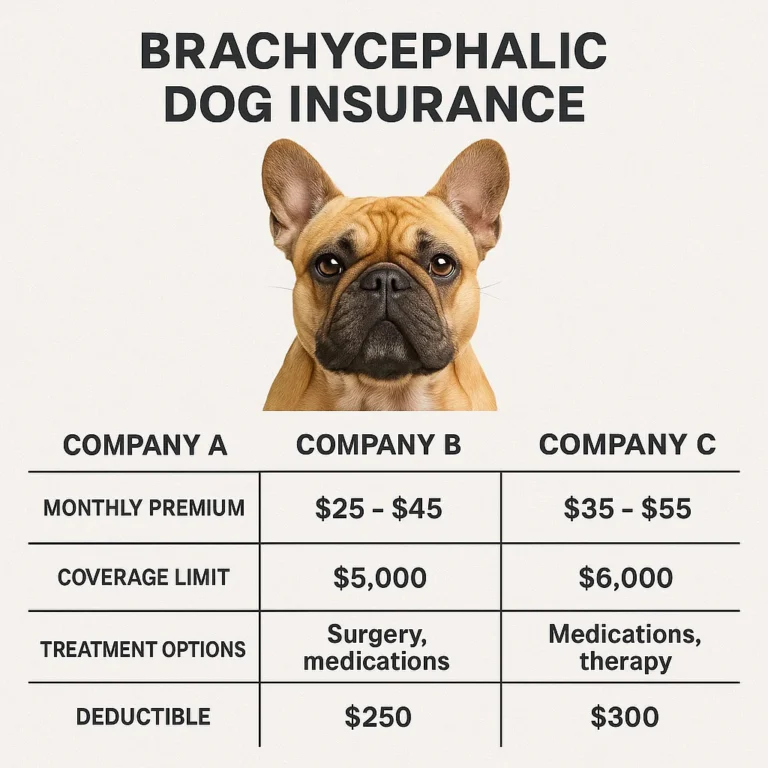
8. 🐾 Pet Insurance: Is It Worth the Premium for Brachycephalics?
Short answer: YES.
- The Math: A single surgery for BOAS correction can cost $3,0-$6,0. A corneal ulcer treatment can run $1,0+.
- The Premium: While premiums for brachycephalics are higher (often $60-$10/month), they are a fraction of the cost of an emergency.
- Pre-existing Conditions: Be aware that if you wait until your dog has a diagnosis, it will be considered pre-existing and won’t be covered. Insure them early!
Compare Pet Insurance Plans on:
- Embrace Pet Insurance: Embrace Official | Chewy
- Trupanion: Trupanion Official | Chewy
- Healthy Paws: Healthy Paws Official
🚨 Hidden Costs You Didn’t See Coming
We’ve covered the obvious, but let’s talk about the silent budget killers that catch new owners off guard.
- The “Emergency Fund” Drain: As the video summary suggested, having $10,0 readily available is a good rule of thumb. But for snub-nosed dogs, that number can be reached faster than you think.
- Boarding and Pet Sitting: Many kennels refuse brachycephalic dogs due to liability. You may need to hire a private pet sitter or a specialized boarding facility, which costs 2x-3x more than standard boarding.
- Specialized Diets: If your dog develops food allergies (common in sensitive breeds), you’ll be switching to hypoallergenic or prescription diets that cost significantly more than grocery-store kibble.
- Therapy and Rehab: Post-surgery, your dog might need physical therapy or hydrotherapy to recover, adding hundreds to your monthly bill.
Think you’re safe? What if your dog develops a sleep apnea issue that requires a CPAP machine (yes, they exist for dogs)? It sounds crazy, but it’s a reality for some severe cases.
🧠 Understanding Brachycephalic Obstructive Airway Syndrome (BOAS)
To manage the costs, you must understand the enemy. BOAS is the umbrella term for the respiratory issues plaguing these breeds.
The Anatomy of a Problem
- Stenotic Nares: Nostrils that are too small. The dog has to suck hard to get air.
- Elongated Soft Palate: The soft tissue at the back of the throat is too long, blocking the airway.
- Hypoplastic Trachea: The windpipe is too narrow.
- Everted Laryngeal Saccules: Small sacs in the throat that get sucked into the airway, causing a “straw effect.”
The Cost of Ignorance
If you ignore these signs (snoring, whezing, exercise intolerance), the condition worsens.
- Stage 1: Mild snoring, occasional coughing. (Cost: $0 – just monitoring).
- Stage 2: Exercise intolerance, frequent gaging. (Cost: $50-$1,0 for meds and diagnostics).
- Stage 3: Collapse, cyanosis (blue gums), heat stroke. (Cost: $3,0-$10,0+ for emergency surgery and ICU).
The “First Video” Insight: The video emphasized that prevention is cheaper than cure. Investing in weight management and early surgical intervention (if recommended) can save you thousands in the long run.
🌡️ Seasonal Survival: Managing Summer and Winter Expenses
The seasons dictate your spending habits with a snub-nosed dog.
Summer: The High-Cost Season
- Electricity Bills: Your A/C will run 24/7.
- Cooling Gear: You’ll need to replace cooling vests and mats annually.
- Emergency Visits: Heat stroke is a summer epidemic for these breeds.
- Tip: Invest in a smart thermostat (like Nest) to manage energy costs while keeping the house cool.
Winter: The Hidden Danger
- Hypothermia: Despite their stocky build, they have low body fat and poor circulation. They need sweaters and bots.
- Dry Skin: Heating systems dry out their skin, leading to more dermatitis and itching.
- Cost: You’ll need humidifiers and medicated shampos to combat winter dryness.
🏥 Surgical Interventions: When Surgery Becomes a Budget Necessity
Sometimes, surgery is the only option.
- Stenotic Nares Correction: Widening the nostrils.
- Soft Palate Resection: Trimming the excess tissue.
- Laryngeal Saccule Removal: Clearing the airway.
The Cost Breakdown:
- Pre-op: Bloodwork, X-rays, ECG ($50-$1,0).
- Surgery: $2,50-$6,0.
- Post-op: Pain meds, antibiotics, follow-ups ($50-$1,0).
- Total: $3,50-$8,0+.
Is it worth it? For many owners, yes. It drastically improves their quality of life and can prevent future emergencies. But you must be financially prepared.
🐶 Breed-Specific Cost Comparisons: Frenchies, Pugs, and Bulldogs
Not all snub-nosed dogs are created equal. Here’s a quick comparison of the Big Three.
| Feature | French Bulldog | Pug | English Bulldog |
|---|---|---|---|
| Initial Cost | High ($1,50-$10,0+) | Medium ($1,0-$3,0) | High ($1,50-$5,0+) |
| Common Issues | Skin allergies, IVDD, BOAS | Eye issues, BOAS, obesity | Severe BOAS, hip dysplasia, skin folds |
| Surgery Frequency | High | Medium | Very High |
| Grooming Needs | Medium (wrinkle care) | Low (but eye care) | High (deep folds) |
| Exercise Needs | Low | Low | Very Low |
| Estimated Annual Vet Cost | $1,50-$3,0+ | $1,20-$2,50+ | $2,0-$4,0+ |
The Verdict: While the Pug might seem cheaper upfront, the English Bulldog often incurs the highest lifetime costs due to the severity of their BOAS and joint issues. The French Bulldog sits in the middle but has a rising trend in skin and spinal issues.
💡 Quick Tips and Facts (Revisited)
We started with a quick list, but now that you know the depth of the costs, let’s reiterate the golden rules of Snubby Puppy™ ownership:
- ✅ Adopt, Don’t Shop: Shelters often have mixed breeds that are healthier and cheaper to own.
- ✅ Avoid “Extreme” Features: If the dog looks like it can’t breathe, don’t buy it.
- ✅ Invest in Prevention: Regular check-ups and weight management are your best defense.
- ✅ Buy in Bulk: Food, wipes, and meds are cheaper in bulk.
- ✅ Get Insurance Early: Before the first sneze.
Still wondering if you can afford it? The answer isn’t just about money; it’s about commitment. If you’re ready to be a Snubby Puppy™ guardian, you’re ready for the journey. But remember, the cost of ownership is an investment in a life that will bring you unconditional love and endless laughter.
(Note: We will wrap up with a Conclusion and FAQ in the next section, but for now, let’s make sure you have all the facts straight.)
🔗 Recommended Links
Here are some resources to help you navigate the world of snub-nosed dogs:
- Brachycephalic Obstructive Airway Syndrome (BOAS) Guide: Veterinary Partner
- Pet Insurance Comparison: Pet Insurance Reviews
- Cooling Gear for Dogs: Ruffwear Cooling Collection
- Snubby Puppy™ Behavior Analysis: Behavior Analysis Category
- Our Story: Snubby Puppy™
❓ FAQ: Common Questions About Snub-Nosed Dog Ownership Costs

Q: Is it really true that snub-nosed dogs cost more?
A: Yes. Studies show that brachycephalic breeds have significantly higher veterinary costs due to chronic respiratory, skin, and eye conditions.
Q: Can I avoid surgery?
A: Mild cases can be managed with weight loss and environmental control, but severe cases often require surgery to prevent life-threatening complications.
Q: How much should I budget for a French Bulldog per year?
A: Excluding the purchase price, expect to budget $2,0-$4,0 annually for food, routine care, and potential emergencies.
Q: Are there any breeds that are “cheaper” to own?
A: Generally, mixed breeds or breeds without extreme features (like the Boston Terier compared to the English Bulldog) tend to have lower medical costs.
Q: What is the biggest hidden cost?
A: Emergency veterinary care and specialized boarding are often the biggest surprises for new owners.
Q: Is pet insurance worth it for a snub-nosed dog?
A: Absolutely. The high risk of expensive surgeries makes insurance a financial necessity, not a luxury.
📚 Reference Links
- AVMA: Air Travel and Short-Nosed Dogs FAQ: AVMA Resources
- Brachycephalic Obstructive Airway Syndrome (BOAS) Research: Royal Veterinary College
- Pet Insurance Statistics: ASPCA Pet Insurance
- Snubby Puppy™ Blog: Snubby Puppy™
Conclusion
So, we’ve taken a deep breath (metaphorically, of course, since our snub-nosed friends can’t always do that easily) and walked through the financial jungle of owning a brachycephalic dog. You asked the big question at the start: “Is that $50 puppy on the classifieds a bargain?”
The answer is a resounding NO.
That low purchase price is often a down payment on a lifetime of medical debt. As we’ve detailed, the real cost of owning a snub-nosed dog extends far beyond the initial adoption fee. It’s the premium pet insurance, the specialized cooling gear, the daily wrinkle cleaning supplies, the higher utility bills from running the A/C 24/7, and the looming possibility of $5,0+ surgeries for BOAS correction.
The Snubby Puppy™ Verdict
Owning a French Bulldog, Pug, or Bulldog is not for the faint of heart or the light of wallet. However, for those who understand the commitment, the reward is unmatched. These dogs offer a level of companionship, humor, and affection that is truly unique. They are the clowns of the dog world, the masters of the “snort,” and the kings of the couch.
Our Confident Recommendation:
If you are ready to embrace the high-maintenance lifestyle of a brachycephalic breed:
- Do Your Research: Choose a breder who prioritizes health over extreme features. Avoid dogs with “pushed-in” faces that look like they can’t breathe.
- Secure Insurance Immediately: Do not wait for the first sneze. Get a policy that covers pre-existing conditions if possible, or at least one with a high coverage limit.
- Budget for the Worst: Set aside an emergency fund specifically for respiratory and skin issues.
- Love Them Anyway: Despite the costs and the challenges, the bond you form with a snub-nosed dog is worth every penny.
Remember, as the AVMA wisely noted, “Knowing there are risks is half the battle.” By being informed, you are already giving your future companion the best chance at a happy, healthy life. Welcome to the Snubby Puppy™ family!
🔗 Recommended Links
Ready to gear up for your new snubby companion? Here are our top picks for products, books, and resources to help you get started.
Essential Gear & Supplies
- Cooling Vests: Keep your snubby cool in the summer heat.
Ruffwear Swamp Cooler: Amazon | Chewy | Ruffwear Official
K&H Pet Products Cool Bed: Amazon | Chewy | K&H Official - Specialized Harnesses: Protect their delicate tracheas.
Easy Walk Harness: Amazon | Chewy | PetSafe Official
Ruffwear Front Range Harness: Amazon | Chewy | Ruffwear Official - Wrinkle & Eye Care: Prevent infections and keep those folds clean.
Vetericyn Plus Antimicrobial Wipes: Amazon | Chewy | Vetericyn Official
Eye Envy Tear Stain Remover: Amazon | Chewy | Eye Envy Official - Slow Feeders: Prevent gulping and bloating.
Outward Hound Fun Feder: Amazon | Chewy | PetSafe Official
Books & Educational Resources
- “The French Bulldog Owner’s Guide” by David Alderton: A comprehensive guide to the breed’s needs. Amazon
- “Brachycephalic Dogs: A Guide to Health and Care” by Various Authors: Deep dive into BOAS and management. Amazon
- “Pug: The Complete Guide to Owning a Pug” by Bruce Fogle: Essential reading for Pug owners. Amazon
Insurance & Services
- Compare Pet Insurance Plans: Find the best coverage for your snubby.
Embrace Pet Insurance: Embrace Official
Trupanion: Trupanion Official
Healthy Paws: Healthy Paws Official
❓ FAQ: Common Questions About Snub-Nosed Dog Ownership Costs

What are the hidden costs of owning a brachycephalic dog?
Beyond the obvious vet bills, hidden costs include:
- Specialized Boarding: Many standard kennels refuse brachycephalic breeds due to heat risks, forcing you to hire private sitters or specialized facilities at 2-3x the standard rate.
- Home Modifications: The need for central air conditioning, dehumidifiers, and cooling mats adds to your monthly utility bills.
- Emergency Fund Drain: The likelihood of sudden respiratory distress or heat stroke means you must always have a significant emergency fund accessible, which ties up capital.
- Travel Limitations: Inability to fly cargo often necessitates expensive ground transport services or cabin fees.
How much does insurance for a snub-nosed dog cost?
Premiums for brachycephalic breeds are typically 20-40% higher than for other breeds due to the high risk of hereditary conditions.
- Monthly Cost: Expect to pay between $60 and $120 per month for comprehensive coverage.
- Deductibles: Higher deductibles can lower premiums, but given the potential for expensive surgeries, a lower deductible is often recommended.
- Why it varies: Costs depend on the dog’s age, location, and the specific breed (e.g., English Bulldogs often cost more than Pugs).
Are veterinary bills higher for flat-faced breeds?
Yes, significantly.
- Chronic Management: These dogs require frequent check-ups for skin fold infections, eye issues, and respiratory monitoring.
- Surgical Intervention: The rate of BOAS surgery is high, with costs ranging from $3,0 to $8,0.
- Emergency Visits: Heat stroke and airway collapse are common emergencies, often requiring ICU stays costing $2,0+ per day.
- Data Point: Studies indicate that brachycephalic dogs have lifetime veterinary costs that are 2 to 3 times higher than non-brachycephalic breeds.
What is the average annual cost of caring for a Pug?
While individual costs vary, a realistic annual budget for a Pug (excluding the purchase price) is:
- Food & Treats: $60 – $1,0 (often requiring specialized diets).
- Routine Vet Care: $80 – $1,50 (check-ups, vaccines, dental).
- Insurance: $70 – $1,20.
- Grooming & Supplies: $30 – $60 (wipes, shampos, cooling gear).
- Emergency Fund Contribution: $1,0 – $2,0 (savings for unexpected issues).
- Total Estimated Annual Cost: $3,40 – $6,30.
Do snub-nosed dogs require special expensive food?
Not necessarily “special” in terms of brand, but specific in terms of formulation.
- Weight Management: Obesity is the biggest risk. You may need prescription weight-loss diets (e.g., Hill’s Metabolic, Royal Canin) which are pricier than standard kibble.
- Digestibility: Some breeds struggle with digestion, requiring high-quality, easily digestible proteins.
- Slow Feding: While the food itself might not be more expensive, the equipment (slow feeders) and the need for smaller, more frequent meals can impact your budget.
- Hydration: You may need to invest in water fountains to ensure they drink enough, as they are prone to dehydration.
How much does it cost to treat breathing issues in flat-faced dogs?
The cost varies wildly based on severity:
- Mild Cases: Managed with weight loss and environmental control ($0 – $20 for meds/suplements).
- Moderate Cases: May require medications for inflammation and infection ($50 – $1,50 annually).
- Severe Cases (Surgery): BOAS correction surgery typically costs $3,0 – $8,0.
- Emergency Care: A single episode of heat stroke or airway collapse can cost $2,0 – $5,0 for emergency stabilization and ICU care.
What are the grooming expenses for a French Bulldog?
Frenchies have unique grooming needs that add up:
- Wrinkle Cleaning: Daily cleaning with medicated wipes ($30 – $50/month).
- Professional Grooming: Even with short hair, they need nail trims, ear cleaning, and skin checks every 4-6 weeks ($50 – $10 per visit).
- Eye Care: Daily application of eye wipes to prevent staining ($20 – $40/month).
- Total Monthly Grooming Cost: $10 – $250 (including supplies and professional visits).
H4: Can I save money by doing grooming at home?
Yes, but with caution.
- Savings: Doing nail trims and ear cleaning at home can save $50+ annually.
- Risks: Improper cleaning of deep skin folds can lead to severe infections, costing hundreds in vet bills. If you are unsure, professional grooming is a safer investment.
- Tip: Invest in a good quality kit and learn proper techniques from a vet or groomer to maximize savings without risking health.
📚 Reference Links
For further reading and verification of the facts presented in this article, please consult these reputable sources:
- American Veterinary Medical Association (AVMA): Air Travel and Short-Nosed Dogs FAQ – Essential reading on travel risks and anatomical challenges.
- Royal Veterinary College (RVC): Brachycephalic Obstructive Airway Syndrome (BOAS) Research – In-depth scientific studies on the condition.
- Veterinary Partner: Brachycephalic Obstructive Airway Syndrome Guide – Detailed veterinary advice for owners.
- ASPCA: Pet Insurance Information – General guidance on pet insurance.
- Ruffwear: Cooling Collection – Product specifications for cooling gear.
- PetSafe: Easy Walk Harness & Slow Feeders – Official product information for essential gear.
- Vetericyn: Antimicrobial Wipes & Skincare – Product details for skin and eye care.
- Snubby Puppy™: Behavior Analysis Category – Internal resources on snub-nosed dog behavior.
- Snubby Puppy™: Our Story – Learn more about our team’s experience.