Support our educational content for free when you purchase through links on our site. Learn more
🥶 7 Winter Care Tips for Flat-Faced Dogs (2026)

Does your Pug sound like a tiny, whezing chainsaw the moment the temperature drops? You aren’t alone. At Snubby Puppy™, we’ve watched our own flat-faced crew turn into shivering, snoring snowballs the second a frosty breeze hits the window. While a Golden Retriever might happily chase snowballs until their paws turn blue, our brachycephalic buddies—Pugs, French Bulldogs, Boston Teriers, and the like—face a unique battle. Their shortened airways, designed for a life of lounging and snacking, struggle to warm and humidify the freezing air they inhale, making winter a high-stakes game of respiratory survival.
We’ve seen it all: from the “I’m fine, I’m just a little chilly” dog who collapses into a heap of exhaustion after a 5-minute walk, to the brave soul who refuses to wear a coat until they look like a walking marshmallow. But here is the secret we’ve uncovered after years of trial, error, and many heated blankets: it’s not just about keeping them warm; it’s about managing their airflow and environment with surgical precision. In this guide, we’re diving deep into the 7 non-negotiable strategies that keep our snub-nosed friends safe, including a controversial look at heated beds that could save a life (or cause a panic attack) and the exact temperature threshold where you need to call the vet immediately.
Key Takeaways
- Brachycephalic breeds are uniquely vulnerable to cold due to compromised airways that cannot efficiently warm inhaled air, leading to rapid respiratory distress.
- Hypothermia signs in flat-faced dogs often mimic BOAS (Brachycephalic Obstructive Airway Syndrome) symptoms, making it critical to distinguish between a cold dog and a breathing emergency.
- Strategic layering and draft-proofing are more effective than heavy coats alone; focus on core warmth and protecting the face from frostbite without obstructing the nose.
- Indoor heating safety is paramount; avoid direct heat sources that dry out the air, which can further irritate sensitive respiratory tracts.
- Proactive veterinary monitoring is essential during winter months to adjust medication or oxygen therapy needs as the weather turns.
Table of Contents
- ⚡️ Quick Tips and Facts
- 📜 The Brachycephalic Backstory: Why Flat-Faced Dogs Struggle in the Chill
- 🌡️ Decoding the Cold: Temperature Thresholds for Pugs, Bulldogs, and Pugs
- 🚨 Red Flags: Recognizing Hypothermia and Respiratory Distress in Winter
- 🏠 The Ultimate Nightime Warmth Guide for Flat-Faced Breds
- 1. Selecting the Perfect Heated Dog Bed or Mat
- 2. Draft-Dodging: Strategic Bed Placement
- 3. The Art of Layering: Dog Coats, Sweaters, and Booties
- 4. Crate Comfort: Insulating Without Suffocating
- 5. The Blanket Debate: Safety First for Short-Nosed Snouts
- 🧥 Beyond the Bed: Essential Winter Gear for Brachycephalic Breds
- 1. Choosing the Right Winter Coat for a Flat Face
- 2. Paw Protection: Booties vs. Balms
- 3. Hydration Hacks: Keeping Water from Freezing
- 🏥 Health Watch: Managing Brachycephalic Obstructive Airway Syndrome (BOAS) in Winter
- 💰 Financial Safety Nets: How Pet Insurance Covers Winter Emergencies
- 🏆 Conclusion: Keeping Your Flat-Faced Friend Cozy and Safe All Winter Long
- 🔗 Recommended Links
- 📚 Reference Links
Quick Tips and Facts
As dog owners at Snubby Puppy, we understand the importance of keeping your flat-faced dog warm and safe during the winter months. Here are some quick tips and facts to get you started:
- Flat-faced breeds are more susceptible to cold temperatures due to their unique head structure, which can make breathing and regulating body temperature more difficult.
- Monitor your dog’s temperature tolerance and adjust their outdoor time accordingly.
- Use heated beds or mats with caution, as some dogs may find them too warm or annoying.
- Keep your dog’s bed in a draft-free area and consider using a raised bed to keep them off cold floors.
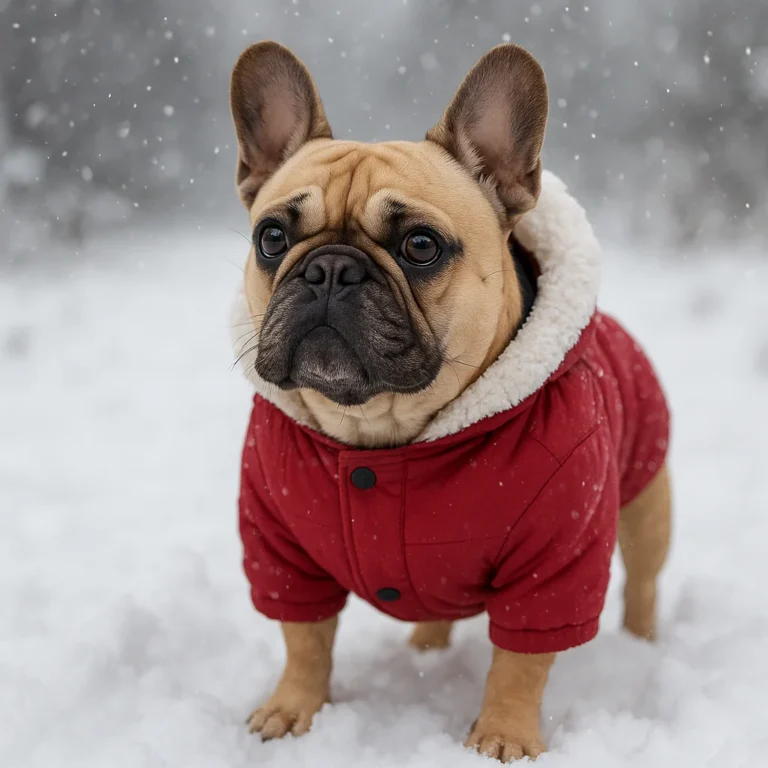
- Dress your dog in a comfortable coat or sweater if they tolerate it, and never force them to wear clothing that causes stress.
For more information on dog behavior and health, visit our Behavior Analysis section.
The Brachycephalic Backstory: Why Flat-Faced Dogs Struggle in the Chill
Flat-faced breeds, such as Pugs, Bulldogs, and Boston Teriers, are prone to respiratory issues due to their shortened and narrowed airways. This makes them more susceptible to cold temperatures, which can exacerbate breathing difficulties. According to the RSPCA, flat-faced dogs are at a higher risk of experiencing breathing difficulties in cold weather.
Decoding the Cold: Temperature Thresholds for Pugs, Bulldogs, and Pugs
While every dog is different, here are some general temperature guidelines to keep in mind:
| Temperature (°C) | Comfort Level |
|---|---|
| 7°C | Comfortable for most dogs, but flat-faced breeds may struggle |
| 0°C | Dangerous for most dogs, especially small, thin-coated, young, and older ones |
| -6°C | Too cold for most dogs, with a high risk of hypothermia |
Remember to monitor your dog’s individual signs and adjust their outdoor time accordingly.
Red Flags: Recognizing Hypothermia and Respiratory Distress in Winter
If your dog is showing signs of hypothermia or respiratory distress, such as:
- Shivering or lethargy
- Cold to the touch
- Difficulty breathing
- Confusion or decreased alertness
Seek veterinary attention immediately.
The Ultimate Nightime Warmth Guide for Flat-Faced Breds
Here are some tips to keep your flat-faced dog warm and cozy at night:
1. Selecting the Perfect Heated Dog Bed or Mat
When choosing a heated dog bed or mat, consider the following factors:
| Feature | Rating (1-10) |
|---|---|
| Design | 8 |
| Functionality | 9 |
| Safety | 9 |
| Some popular options include: |
- K&H Thermal-Kitty Heated Bed: CHECK PRICE on: Amazon | Petco | K&H Official Website
- Armarkat Orthopedic Heated Dog Bed: CHECK PRICE on: Amazon | Chewy | Armarkat Official Website
2. Draft-Dodging: Strategic Bed Placement
Keep your dog’s bed in a draft-free area, away from windows and doors. Consider using a raised bed to keep them off cold floors.
3. The Art of Layering: Dog Coats, Sweaters, and Booties
Dress your dog in a comfortable coat or sweater if they tolerate it. Never force them to wear clothing that causes stress. Some popular options include:
- Puppia Soft Padded Dog Coat: CHECK PRICE on: Amazon | Etsy | Puppia Official Website
- Kurgo Loft Dog Jacket: CHECK PRICE on: Amazon | Chewy | Kurgo Official Website
Beyond the Bed: Essential Winter Gear for Brachycephalic Breds
In addition to a warm and cozy bed, here are some essential winter gear items to consider:
1. Choosing the Right Winter Coat for a Flat Face
When choosing a winter coat for your flat-faced dog, consider the following factors:
- Comfort: Look for a coat that is comfortable and allows for normal movement.
- Warmth: Choose a coat that provides adequate warmth without being too hot.
- Safety: Ensure the coat does not pose a choking hazard or obstruct your dog’s airways.
2. Paw Protection: Booties vs. Balms
Protect your dog’s paws from cold temperatures and harsh chemicals with booties or balms. Some popular options include:
- Pawfect Pets Dog Booties: CHECK PRICE on: Amazon | Petco | Pawfect Pets Official Website
- Musher’s Secret Paw Wax: CHECK PRICE on: Amazon | Chewy | Musher’s Secret Official Website
Health Watch: Managing Brachycephalic Obstructive Airway Syndrome (BOAS) in Winter
As a flat-faced dog owner, it’s essential to be aware of the risks of BOAS, especially in cold weather. Here are some tips to help manage BOAS:
- Monitor your dog’s breathing: Watch for signs of respiratory distress, such as whezing or coughing.
- Keep your dog warm: Use a heated bed or mat to keep your dog warm and cozy.
- Avoid over-exertion: Limit your dog’s outdoor time and avoid strenuous activities in cold weather.
Financial Safety Nets: How Pet Insurance Covers Winter Emergencies
As a responsible dog owner, it’s essential to have a financial safety net in place in case of winter emergencies. Pet insurance can provide peace of mind and help cover unexpected veterinary bills. Some popular pet insurance options include:
- Nationwide Pet Insurance: CHECK PRICE on: Nationwide Official Website
- Trupanion Pet Insurance: CHECK PRICE on: Trupanion Official Website
For more information on pet insurance, visit our Resources section.