Support our educational content for free when you purchase through links on our site. Learn more
🛑 How to Calm a Psycho Puppy: 7 Instant Fixes (2026)

To calm a “psycho” puppy, you must stop fighting their energy and instead force a biological reset by recognizing they are likely overtired, not bad. When you ask, “How do you calm a psycho puppy?”, the answer isn’t more discipline; it’s immediate removal from stimulation, a enforced nap, or a high-value sniffing session to lower their heart rate.
We’ve all been there: you walk into the living room, and your sweet 12-week-old French Bulldog is sprinting in circles, biting your ankles, and barking at the air like a tiny, furry demon. It feels personal, but it’s actually biology. According to experts, puppies need 16 to 18 hours of sleep a day, and when they miss that window, their brains flood with cortisol, turning them into chaotic tornadoes.
This isn’t a character flaw; it’s the “Witching Hour” in full effect. One minute they are sleeping like angel, and the next, they are attacking your shoelaces with the intensity of a shark. The secret isn’t to yell “No!” but to realize that a tired puppy is a crazy puppy.
Key Takeaways
- The Real Cause: Most “psycho” behavior is actually a sign of overtiredness or overstimulation, not a lack of training.
- The Immediate Fix: Stop all interaction, use a time-out in a boring room, or force a sniffing session to reset their nervous system.
- The Golden Rule: Puppies need 16–18 hours of sleep; pushing them past their limit guarantees a meltdown.
- Channel, Don’t Suppress: Redirect biting toys and channel zoomies into structured play before attempting to calm them down.
Table of Contents
- ⚡️ Quick Tips and Facts
- 🧠 The “Psycho” Puppy Phenomenon: Why Your Dog Goes Bonkers
- 🌙 Taming the Witching Hour: Nightime Zoomies Explained
- 🛑 7 Proven Strategies to Stop Puppy Biting and Nipping
- 🧘 ♂️ 5 Calming Techniques for an Overstimulated Dog
- 🍽️ Diet, Supplements, and Tools for a Chill Canine
- 🏃 ♂️ Mental vs. Physical Exercise: The Secret to a Quiet Puppy
- 🚫 Common Mistakes That Make Puppy Hyperactivity Worse
- 🐾 Breed-Specific Advice: From Border Collies to Golden Retrievers
- 🏆 Golden Retriever Club · Join
- ✅ Conclusion
- 🔗 Recommended Links
- ❓ FAQ
- 📚 Reference Links
Before we dive into the deep end of the “psycho puppy” pool, let’s get the immediate life-savers out of the way. If you are currently being chased by a 10-pound tornado of fur and teeth, stop running. Seriously. Running triggers their prey drive, and you are now the fastest, most delicious toy in the room.
Here is the Snubby Puppy™ rapid-fire survival guide:
- The 16-Hour Rule: Puppies need 16 to 18 hours of sleep a day. If your dog is acting like a caffeinated squirrel, they are likely overtired, not “bad.” It’s the canine equivalent of a toddler hitting the sugar crash.
- The “Look at Me” Reset: When the zoomies hit, try a high-value treat and say “Watch Me.” If they lock eyes, you’ve won a micro-victory. If they ignore you, they are in full overstimulation mode, and you need to switch tactics immediately.
- Sniffing is Sedative: A dog sniffing is a dog calming down. Scatter kibble on the floor or use a snuffle mat. It forces them to lower their head, which naturally lowers their heart rate.
- The Witching Hour is Real: Between 5 PM and 9 PM, many puppies lose their minds. This isn’t a training failure; it’s biology. They are crepuscular, meaning they are naturally wired to be active at dawn and dusk.
- Your Energy Matters: Dogs are emotional barometers. If you are screaming “NO!” while hyperventilating, your puppy will match your energy. Take a deep breath. If you are calm, they have a better chance of settling.
For more on how we handle these wild moments at Snubby Puppy™, check out our story on Snubby Puppy, where we turned our own chaotic French Bulldog into a zen master (mostly).
So, you brought home a cute, fluffy ball of joy, and three weeks later, you’re dodging flying socks and wondering if you adopted a demon. Welcome to the club. At Snubby Puppy™, we’ve seen it all, from the “I can’t stop biting my own tail” phase to the “I will chew the leg off this table” era.
But what exactly is happening in that tiny brain?
The Science of the Zoomies (FRAPs)
You might hear the term FRAPs thrown around. That stands for Frenetic Random Activity Periods. It sounds clinical, but it’s basically a dog’s way of hitting the reset button on their nervous system.
| Behavior | What It Looks Like | The Real Reason |
|---|---|---|
| The Wall Run | Sprinting back and forth along a wall or fence. | Releasing pent-up energy or stress. |
| The Spin | Chasing their tail in circles until they fall over. | Overstimulation or a need to self-sothe. |
| The Nip | Biting ankles, hems, and fingers aggressively. | Tething pain, play aggression, or exhaustion. |
| The Bark | Sudden, high-pitched barking at nothing. | Alerting to a scent you can’t smell or frustration. |
According to experts at Zigzag Dog, these behaviors are often a stress release mechanism. When a puppy is overwhelmed by new sights, sounds, or even just the sheer volume of information they are processing, they need to “shake it off.”
The “Overtired” Paradox
Here is the counter-intuitive truth that trips up most new owners: A tired puppy is a crazy puppy.
Think of it like a human who hasn’t slept in 24 hours. Do they sit quietly and meditate? No. They become iritable, emotional, and erratic. Puppies are the same. If you push them past their sleep window, their cortisol (stress hormone) spikes, and they enter a state of hyper-arousal. They can’t “switch off” because their brain is flooded with adrenaline.
“Some breeds are definitely prone to being ‘busier’ than others… These breeds require an outlet for their energy.” — Zigzag Dog
The Crepuscular Conundrum
Ever wonder why your puppy is a saint from 8 AM to 4 PM, but turns into a rabid racoon at 6 PM? It’s because dogs are crepuscular. They are biologically programmed to be most active at dawn and dusk.
This is the infamous Witching Hour. As noted by 3 Lost Dogs, this is a “culture clash.” Your puppy is trying to adapt to human schedules while their internal clock is screaming, “It’s time to hunt!”
Why does this matter? Because trying to force a crepuscular animal to be calm during their peak activity window is like asking a toddler to meditate on a trampoline. It’s not going to work. You have to work with their biology, not against it.
The Witching Hour is the nemesis of every new puppy owner. It’s that magical time between 5:0 PM and 9:0 PM when your dog decides that the carpet is a trampoline and your shoelaces are prey.
Why Standard Calming Techniques Fail
You try the “sit” command. You try the “quiet” command. You try the “go to your bed” command. And the puppy just stares at you with wide, manic eyes and bites your hand harder.
Why? Because, as 3 Lost Dogs points out, “Energetic is not a bad word.”
When a puppy is in full “psycho” mode, they lack the executive function to process complex commands. Asking them to “sit” is like asking a drunk person to do calculus. They physically can’t do it.
The “Divide and Conquer” Strategy
One of the most effective ways to survive the Witching Hour is to stop trying to do it alone.
- Teamwork: If you have a partner, split the shift. One person handles dinner prep while the other engages the puppy in low-stakes play.
- The Safe Zone: Set up a playpen or baby gate area before the chaos starts. Remove temptations (shoes, cords, cat toys) so you aren’t playing “whack-a-mole” with the puppy.
Channeling, Not Suppressing
Instead of trying to force the puppy to be calm, channel the energy.
- Active Play: Engage in a game of tug or fetch. Keep it structured. If they bite your hand, the game stops immediately.
- Scent Work: Once the energy peaks, transition to sniffing. Scatter their kibble on the grass or use a snuffle mat. Sniffing is a natural sedative.
- The Transition: Wait for the energy wave to crest. Once the puppy starts panting heavily or slowing down, then introduce a long-lasting chew or a stuffed Kong.
“We’re not trying to make Sparky be ‘well-behaved’ immediately. We’re helping your feral wild child learn how to regulate themselves over time.” — 3 Lost Dogs
Biting is the number one complaint we get at Snubby Puppy™. It’s painful, it’s scary, and it feels personal. But remember: It’s not personal, it’s puppy.
1. The “Ouch” and Freeze Method
When teeth touch skin, let out a high-pitched “Ouch!” and immediately freeze. Do not pull away (that triggers the chase instinct). Just go limp.
- Why it works: It mimics the reaction of a littermate. If you yelp and stop, the puppy learns that “teth on skin = fun stops.”
2. The Redirection Protocol
Always have a chew toy within arm’s reach. The moment the puppy lunges, swap the hand for the toy.
- Pro Tip: Use a Kong stuffed with frozen peanut butter. The cold helps with tething pain, and the licking action is calming.
3. The Time-Out Timer
If the puppy doesn’t back down after redirection, initiate a time-out.
- Step 1: Calmly pick up the puppy (or walk them) to a boring, safe area (like a bathroom or playpen).
- Step 2: Ignore them for 60 seconds. No eye contact, no talking.
- Step 3: Release them back into the room. If they bite again, repeat.
- Note: This isn’t punishment; it’s a lesson in cause and effect.
4. The “Look at Me” Game
Teach your puppy to look at you for a treat before they get excited. Practice this when they are calm. Eventually, you can use this cue to interrupt the biting frenzy.
5. Manage the Environment
If your puppy is biting your ankles, put on long pants or use a long leash to keep them at a distance. This prevents the “practice” of bad behavior.
6. The “Leave It” Command
This is a lifesaver. Teach “Leave It” using low-value treats first, then progress to high-value items. It gives you a verbal tool to stop the biting before it starts.
7. Check for Pain
Sometimes, biting is a sign of tething pain or an underlying issue. If the biting is sudden and aggressive, consult a vet to rule out medical causes.
Recommended Product for Biting:
- KONG Classic Dog Toy: Durable, stuffable, and perfect for redirecting bite energy.
👉 CHECK PRICE on: Amazon | Chewy | KONG Official
When the zoomies hit and the puppy is bouncing off the walls, you need a toolkit of calming techniques. Here are five methods that actually work, even for the most stubborn snub-nose breeds.
1. The “Bed” Training (The Jackpot Method)
This technique, highlighted in many training videos (see the #featured-video concept below), involves teaching the puppy that their bed is the best place on earth.
- How to do it: Use a long leash to prevent the puppy from wandering. Wait for them to lie down on their bed. The second they do, drop a “jackpot” of treats.
- The Goal: Build a positive association with being still. Over time, the puppy will choose to lie down to get treats.
2. Massage and Touch
Gentle massage can lower a dog’s heart rate. Focus on the base of the ears, the chest, and the shoulders.
- Caution: If the puppy is in full “psycho” mode, they might not tolerate touch. Start with just a hand on the shoulder and see how they react.
3. The “Quiet Room” Reset
Create a designated “chill zone” with dim lighting and white noise.
- Tools: Use a white noise machine or play calming dog music (like Through a Dog’s Ear).
- Routine: Take the puppy there for 10-15 minutes when you see the first signs of overstimulation.
4. Scent Work and Foraging
As mentioned earlier, sniffing is the ultimate sedative.
- DIY: Hide treats around the living room.
- Product: Use a Snuffle Mat to make them work for their food.
5. The “Look Away” Technique
If the puppy is staring at you intensely, looking for a reaction, look away. Break eye contact. Turn your body sideways. This signals that you are not a playmate right now.
“Head down sniffing combined with eating resets everything and will quickly calm down your puppy.” — Zigzag Dog
Sometimes, the solution to a “psycho” puppy is in the bowl or the supplement cabinet. While training is key, supporting your dog’s nervous system with the right nutrients can make a huge difference.
The Role of Diet
- High-Quality Protein: Ensure your puppy is getting a diet rich in high-quality protein. Low-quality fillers can sometimes lead to energy spikes and crashes.
- Meal Frequency: Puppies have small stomachs. Feed them 3-4 times a day to maintain stable blood sugar levels. A drop in blood sugar can cause irritability.
Calming Supplements
- L-Theanine: An amino acid found in green tea that promotes relaxation without sedation.
- Chamomile: A natural herb known for its calming properties.
- Melatonin: Sometimes used for sleep issues, but consult your vet before using, especially for snub-nose breeds who may have respiratory sensitivities.
Essential Tools
| Tool | Purpose | Best For |
|---|---|---|
| Snuffle Mat | Encourages sniffing and slows down eating. | High-energy, anxious puppies. |
| Freezable Chew | Soothes tething pain and provides long-lasting distraction. | Agressive chewers. |
| White Noise Machine | Masks outside sounds that trigger barking. | Sensitive breeds. |
| Pheromone Diffuser | Releases synthetic calming pheromones. | General anxiety and stress. |
Recommended Products:
- Adaptil Calm Diffuser: Mimics the mother’s calming pheromones.
👉 CHECK PRICE on: Amazon | Chewy | Adaptil Official - Zesty Paws Calming Chews: Contains L-Theanine and Chamomile.
👉 CHECK PRICE on: Amazon | Chewy | Zesty Paws Official
There is a common myth that a tired dog is a good dog. While physical exercise is important, mental exercise is often the secret weapon for calming a “psycho” puppy.
The 10-Minute Rule
For snub-nose breeds like French Bulldogs and Pugs, over-exertion is a real danger. Their short airways mean they can overheat quickly.
- Fact: 15 minutes of mental work can be as tiring as an hour of physical play.
- Strategy: Focus on training, puzzle toys, and scent work rather than long runs.
Mental Stimulation Ideas
- Training Sessions: 5-minute sessions of “sit,” “stay,” and “down.”
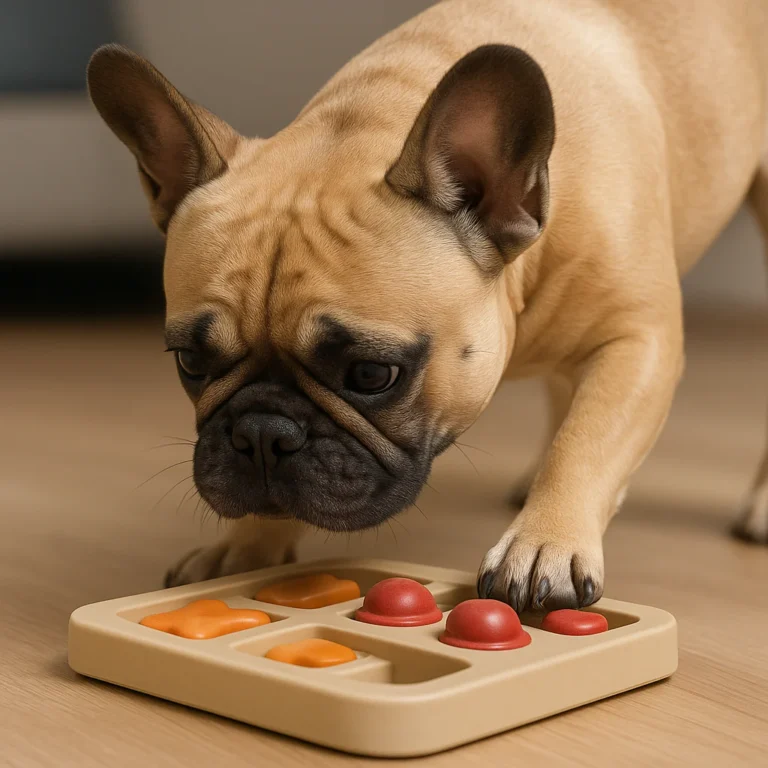
- Puzzle Toys: Toys that require the dog to figure out how to get the treat.
- Hide and Seek: Hide treats around the house and let the puppy find them.
- New Tricks: Teaching a new trick engages the brain and burns energy.
The Balance
- Too much physical exercise: Can lead to joint issues and exhaustion, which makes the puppy more hyper.
- Too little mental exercise: Leads to boredom, which leads to destructive behavior.
“Some breeds are definitely prone to being ‘busier’ than others… These breeds require an outlet for their energy.” — Zigzag Dog
We’ve all been there. You’re tired, the puppy is biting, and you make a mistake. Here are the most common pitfalls that make the “psycho” phase last longer.
1. Chasing the Puppy
If you chase your puppy, you are teaching them that running = fun.
- Fix: Run away from them to trigger their prey drive in a controlled way, or stand still and ignore them.
2. Yelling or Punishing
Yelling increases the puppy’s adrenaline. Punishment can create fear and aggression.
- Fix: Use positive reinforcement. Reward calm behavior, ignore the bad behavior (when safe).
3. Inconsistent Rules
If “jumping” is okay today but not tomorrow, the puppy gets confused.
- Fix: Establish clear rules and stick to them. Everyone in the house must follow the same rules.
4. Overlooking the Sleep Schedule
Forcing a puppy to stay awake past their bedtime is a recipe for disaster.
- Fix: Enforce a strict nap schedule. Puppies need 16-18 hours of sleep.
5. Ignoring the “Witching Hour”
Trying to force calmness during the peak energy window is futile.
- Fix: Accept the energy, channel it, and wait for the wave to pass.
While the “psycho” phase is universal, different breeds have different triggers and needs.
High-Energy Breds (Border Collies, Australian Shepherds)
- Need: Intense mental stimulation and jobs to do.
- Strategy: Use puzzle toys, agility training, and herding games. A bored herding dog is a destructive herding dog.
Snub-Nose Breds (French Bulldogs, Pugs, Boston Teriers)
- Need: Moderate exercise and plenty of rest.
- Strategy: Focus on short, frequent play sessions. Avoid overheating. Use scent work and training to tire them out mentally.
Golden Retrievers and Labradors
- Need: Social interaction and retrieval games.
- Strategy: Fetch, swimming (if safe), and socialization with other dogs.
“Some breeds are definitely prone to being ‘busier’ than others… These breeds require an outlet for their energy.” — Zigzag Dog
If you are a Golden Retriever owner, you know the struggle of the “psycho” puppy phase. The Golden Retriever Club offers a wealth of resources, training tips, and community support for owners navigating this challenging time.
Why Join?
- Expert Advice: Access to breed-specific training guides.
- Community: Connect with other Golden owners who understand the chaos.
- Events: Participate in local meetups and training sessions.
👉 Shop Golden Retriever Gear:
- Golden Retriever Club Official Website: Golden Retriever Club
- Golden Retriever Toys on Amazon: Amazon
Conclusion

So, is your puppy actually “psycho”? The answer is a resounding no. They are just a baby navigating a complex world with a brain that is still under construction. The “witching hour,” the zoomies, and the biting are all normal developmental phases.
The Secret to Success:
- Patience: This phase is temporary. Most dogs outgrow the worst of it by 6-12 months.
- Consistency: Stick to a routine for sleep, feeding, and training.
- Channeling: Instead of fighting the energy, channel it into appropriate outlets like sniffing, chewing, and training.
- Self-Care: Take care of yourself. A calm owner makes a calm puppy.
Remember, as 3 Lost Dogs says, “We’re not trying to make Sparky be ‘well-behaved’ immediately. We’re helping your feral wild child learn how to regulate themselves over time.”
You’ve got this. And if you ever need a reminder that you’re not alone, just remember: every single dog owner has been there. Even the experts.
Recommended Links
Calming Aids & Tools:
- Adaptil Calm Diffuser: Amazon | Chewy | Adaptil Official
- KONG Classic Dog Toy: Amazon | Chewy | KONG Official
- Zesty Paws Calming Chews: Amazon | Chewy | Zesty Paws Official
- Snuffle Mat: Amazon | Chewy
Books & Resources:
- “The Other End of the Leash” by Patricia McConnell: Amazon
- “Don’t Shoot the Dog” by Karen Pryor: Amazon
Training Programs:
- Zigzag Puppy Training App: Zigzag Official
- Puppy Survival School (3 Lost Dogs): 3 Lost Dogs
FAQ

Are there any specific calming treats or chews that are safe and recommended for snub-nose dog breeds?
Yes, but caution is key. Snub-nose breeds (like French Bulldogs and Pugs) are prone to respiratory issues, so avoid treats that require excessive chewing or cause heavy panting. Look for soft, easily digestible chews containing L-Theanine or Chamomile. Brands like Zesty Paws and VetriScience offer calming chews specifically formulated for dogs. Always consult your vet before introducing new supplements, especially for breeds with known health sensitivities.
How often should I exercise my snub-nose puppy to prevent overexertion and hyperactivity?
Snub-nose puppies have limited stamina. A good rule of thumb is 5 minutes of exercise per month of age, up to twice a day. For a 3-month-old puppy, that’s 15 minutes, twice a day. Over-exercising can lead to joint issues and exhaustion, which often manifests as hyperactivity. Focus on mental stimulation (training, puzzle toys) rather than long walks.
What are the symptoms of anxiety in snub-nose breeds and how can I identify them?
Symptoms of anxiety in snub-nose breeds include:
- Excessive panting (even when not hot).
- Pacing or restlessness.
- Destructive behavior (chewing, digging).
- Whining or barking.
- Hiding or seeking comfort.
- Changes in appetite or bathroom habits.
If you notice these signs, try to identify the trigger and use calming techniques like white noise, pheromone diffusers, or gentle massage.
Read more about “🐾 10 Steps to Responsible Breding for Flat-Faced Dogs (2026)”
Can I use pheromone diffusers to calm my snub-nose puppy during stressful situations?
Yes, Adaptil (formerly DAP) diffusers are highly effective for many dogs. They release synthetic versions of the calming pheromones produced by a mother dog. These can help reduce anxiety during stressful situations like thunderstorms, fireworks, or the “witching hour.” However, they are not a cure-all and work best when combined with training and environmental management.
What are some effective training methods to calm an overexcited French Bulldog puppy?
French Bulldogs are intelligent but can be stubborn. Effective methods include:
- Positive Reinforcement: Reward calm behavior with treats and praise.
- Short Training Sessions: Keep sessions under 5 minutes to maintain focus.
- Scent Work: Use snuffle mats or hide-and-sek games to tire them out mentally.
- The “Look at Me” Command: Teach your puppy to focus on you to interrupt hyperactivity.
- Consistency: Ensure all family members follow the same rules.
How can I stop my pug from barking excessively and calm them down quickly?
Pugs are vocal by nature. To reduce barking:
- Identify the Trigger: Is it boredom, fear, or attention-seeking?
- Ignore the Barking: Do not reward barking with attention.
- Teach “Quiet”: Wait for a pause in barking, say “Quiet,” and reward.
- Provide Mental Stimulation: Use puzzle toys to keep them occupied.
- Exercise: Ensure they get enough physical and mental exercise to burn off excess energy.
What are the best calming aids for snub-nose puppies with high anxiety?
- Pheromone Diffusers (Adaptil): Create a calming environment.
- Calming Chews: Contain natural ingredients like L-Theanine and Chamomile.
- White Noise Machines: Mask outside sounds that trigger anxiety.
- Weighted Blankets: Some dogs find the pressure soothing (use with caution and supervision).
- Calming Music: Specialized playlists like “Through a Dog’s Ear” can help.
Read more about “🚨 7 Steps to Stop Separation Anxiety in Snub-Nosed Dogs (2026)”
How do you calm an unruly puppy?
Calm an unruly puppy by:
- Stopping the activity: Freeze and ignore the behavior.
- Redirecting: Offer a chew toy or engage in a calm game.
- Using a time-out: Briefly remove the puppy from the situation.
- Rewarding calmness: Praise and treat when they settle down.
- Ensuring adequate sleep: Overtired puppies are unruly puppies.
Read more about “🐾 How to Train a Snubby Puppy Effectively: 7 Proven Steps (2026)”
How to settle an overstimulated puppy?
To settle an overstimulated puppy:
- Create a quiet space: Dim the lights and reduce noise.
- Use a long leash: Prevent them from running around and escalating.
- Offer a chew: A long-lasting chew can help them self-sothe.
- Massage: Gentle massage can lower their heart rate.
- Wait it out: Sometimes, the best thing to do is wait for the energy wave to pass.
What to do when your puppy is acting crazy?
When your puppy is acting crazy:
- Stay calm: Your energy affects theirs.
- Don’t chase: Running triggers their prey drive.
- Redirect: Offer a toy or engage in a calm activity.
- Use a time-out: If they don’t settle, remove them from the situation.
- Check for triggers: Is it the witching hour? Are they overtired?
Why is my puppy psycho?
Your puppy isn’t “psycho”; they are likely overtired, overstimulated, or going through a developmental phase. Puppies need 16-18 hours of sleep, and when they don’t get it, they become hyperactive. They are also learning to navigate the world, which can be overwhelming.
How do you discipline a crazy puppy?
Discipline a crazy puppy by:
- Ignoring unwanted behavior: Don’t give attention to bad behavior.
- Redirecting: Offer an appropriate alternative.
- Using time-outs: Briefly remove them from the situation.
- Rewarding good behavior: Praise and treat when they are calm.
- Avoiding punishment: Yelling or physical punishment can create fear and aggression.
Read more about “🐾 12-Step Snub Nosed Dog Training Guide (2026)”
Reference Links
- Zigzag Dog: Understanding Your Puppy: How to Calm a Puppy Down
- 3 Lost Dogs: Witching Hour: Why Your Puppy Loses Their Mind Every Night
- American Kennel Club (AKC): Puppy Biting: How to Stop It
- Vetstreet: Why Dogs Get the Zoomies?
- Adaptil: Calming Solutions for Dogs
- KONG Company: Dog Toys and Training
- Zesty Paws: Calming Chews for Dogs
- Through a Dog’s Ear: Calming Music for Dogs