Support our educational content for free when you purchase through links on our site. Learn more
🐾 7 Best Training Methods for Boston Terriers


What are the best training methods for Boston Terriers? Use positive reinforcement, short and consistent sessions, and plenty of rewards—while adapting practice to your dog’s breathing, energy, and comfort. The goal isn’t to squash a Boston’s famous enthusiasm; it’s to show that good choices, like a calm greeting or a loose leash, make the fun happen.
Boston Terriers are clever, people-focused dogs, but a tempting smell or a guest at the door can make “sit” feel like an optional suggestion. We’ve learned that a few upbeat minutes of practice often beat one long session—and that a well-timed treat can prevent a flying greeting before it begins.
Because Boston Terriers are brachycephalic, training also needs a heat-smart plan. Keep sessions comfortable, watch for signs of breathing difficulty, and ask your veterinarian for guidance tailored to your dog.
Key Takeaways
- Lead with reward-based training: Mark and reward behaviors you want your Boston Terrier to repeat.
- Keep practice short and engaging: Teach one skill at a time and end while your dog is still enjoying it.
- Build everyday manners gradually: Start with attention, recall, potty routines, loose-leash walking, and calm greetings.
- Prioritize comfort and safety: Use a well-fitted harness, avoid strenuous practice in heat, and monitor breathing.
- Skip harsh corrections: Clear cues, consistent routines, and rewards teach more effectively than shouting or leash jerks.
- Get help when needed: Ask a veterinarian about health or breathing concerns and choose a qualified reward-based trainer for persistent behavior problems.
Table of Contents
- ⚡️ Quick Tips and Facts
- 🐾 Boston Terrier Training: What Makes This Breed Tick?
- A Brief Look at Boston Terrier History and Temperament
- How Boston Traits Shape Training
- 🎯 The Best Training Methods for Boston Terriers
- 1. Positive Reinforcement and Reward-Based Training
- 2. Clicker Training and Marker Words
- 3. Short, Fun, Consistent Training Sessions
- 4. Lure-and-Reward Training for New Behaviors
- 5. Capturing and Shaping Good Choices
- 6. Leash Training and Loose-Leash Walking
- 7. Crate Training and Comfortable Alone Time
- 🧠 Essential Boston Terrier Training Skills
- Name Response, Attention, and Reliable Recall
- Sit, Down, Stay, and a Polite Greeting
- Impulse Control: Helping Your Boston Pause Before Pouncing
- Jumping Up: Teach Four Paws on the Floor
- Barking, Door Manners, and Calm Settling
- 🏠 House Training a Boston Terrier
- Poty Schedules, Signals, and Reward Timing
- Apartment Poty Training and Accident Cleanup
- Common House-Training Setbacks
- 🌎 Socializing Your Boston Terrier Safely
- Puppy Socialization: People, Dogs, Sounds, and Places
- Adult Boston Terrier Socialization and Confidence Building
- Dog Parks, Playdates, and Reading Body Language
- 🥵 Heat-Smart Training for a Brachycephalic Breed
- Indoor Training and Safe Exercise Alternatives
- Signs of Overheating and When to Stop
- 🐶 Training Boston Terrier Puppies by Age
- The First Days at Home
- Puppy Biting, Tething, and Chewing
- Adolescent Regression and Adult Skills
- 🦴 Treats, Toys, and Training Gear That Help
- Choosing Safe, Motivating Rewards
- Harnesses, Leashes, Clickers, and Crates
- 🚫 Training Mistakes to Avoid
- Why Punishment and Harsh Corrections Can Backfire
- Mixed Signals, Repetition, and Unrealistic Expectations
- 🩺 When Behavior Needs Extra Help
- Fear, Separation Anxiety, and Reactivity
- When to Contact a Veterinarian or Qualified Trainer
- 📅 A Simple Boston Terrier Training Plan
- Daily Practice Checklist
- How to Track Progress and Adjust Your Approach
- 💛 What Zoe Taught Us About Training Boston Terriers
- 🚀 Ready to Start Training Your Boston Terrier?
- Conclusion
- Recommended Links
- FAQ
- Reference Links
Quick Tips and Facts
The best training methods for Boston Terriers are reward-based, brief, consistent, and adapted to their breathing and heat-sensitivity needs. At Snubby Puppy™, we’ve found that a Boston’s enthusiasm is an excellent training engine—as long as we teach that calm choices earn the good stuff, too. For more breed-specific context, see our Boston Terrier guide and behavior analysis articles.
| At a glance | What to do |
|---|---|
| Best overall method | Positive reinforcement: reward the behavior you want with food, play, praise, or access to something your dog enjoys. |
| Session length | Start with a few minutes at a time. Aim for short, upbeat sessions and stop before your dog gets tired or frustrated. |
| Best training environment | A quiet, comfortable space with few distractions; choose an air-conditioned room during hot or humid weather. |
| First skills to teach | Name response, recall, sit, four paws on the floor, loose-leash walking, and a reliable bathroom routine. |
| Best equipment for leash practice | A well-fitted body harness and standard leash; avoid equipment that puts pressure on the throat. |
| Biggest breed-specific caution | Boston Terriers are brachycephalic. Watch their breathing and comfort, and take heat exposure seriously. |
| What to avoid | Shouting, physical corrections, leash jerks, long repetitive drills, and punishing accidents after they happen. |
| When to get help | Ask your veterinarian about breathing or exercise concerns; seek a qualified reward-based trainer for persistent fear, reactivity, or separation distress. |
The American Veterinary Society of Animal Behavior recommends reward-based methods for teaching dogs and addressing behavior. Boston Terriers also deserve training plans that respect their short-muzzled anatomy: the American College of Veterinary Surgeons explains brachycephalic obstructive airway syndrome, while the RSPCA offers practical guidance on dogs and hot weather.
✅ Reward the behavior you want to see again.
✅ Keep practice short, cheerful, and easy to repeat.
❌ Don’t assume heavy panting is merely a Boston being dramatic. Stop and assess.
🐾 Boston Terrier Training: What Makes This Breed Tick?
A Brief Look at Boston Terrier History and Temperament
The Boston Terrier was developed in the United States and is recognized by the American Kennel Club as an affectionate, lively companion breed. That friendly, people-focused streak can make training feel like teamwork—especially when your Boston believes the lesson might involve snacks.
But keen and clever doesn’t always mean instantly compliant. A Boston may understand “come,” weigh the invitation against the suspiciously interesting leaf, and make a tiny executive decision. Patience and consistency help more than repeating the cue louder.
| Common Boston trait | Training opportunity | Possible challenge |
|---|---|---|
| People-oriented | Use attention, praise, and play as rewards | Excitement around guests can become jumping |
| Playful and lively | Turn practice into short games | Repetitive drills may lose their appeal |
| Intelligent | Teach useful cues and tricks | A dog may learn how to get rewards without doing the intended behavior |
| Compact, short-muzzled build | Train in comfortable indoor spaces when needed | Heat and breathing concerns can limit strenuous sessions |
| Sociable reputation | Practice calm greetings and polite dog interactions | Friendly excitement still needs boundaries |
Breed descriptions are useful starting points, not personality guarantees. We’ve met Bostons who would happily work for a piece of kible and others who require the emotional equivalent of a standing ovation. Let your dog’s actual preferences guide you.
How Boston Traits Shape Training
A Boston Terrier’s enthusiasm can be an asset, but it needs direction. Rewarding a sit before a greeting, for example, gives your dog a simple way to earn attention instead of launching toward a visitor.
The Zoom Room breed-training guide emphasizes preventing jumping early, practicing impulse control, and keeping training engaging. That advice fits what we see: a behavior that earns attention is more likely to happen again, even if the attention is “No, get down!” delivered with a laugh.
Boston Terriers are also brachycephalic, meaning their shortened facial structure can affect breathing. The American College of Veterinary Surgeons’ overview describes common airway concerns in brachycephalic breeds. Ask your veterinarian how your individual dog’s health should shape exercise and training.
🎯 The Best Training Methods for Boston Terriers
1. Positive Reinforcement and Reward-Based Training
Positive reinforcement means adding something your dog likes immediately after a behavior you want, making that behavior more likely in the future. Rewards can include tiny food treats, a toy, praise, sniffing time, or permission to greet someone.
How to use it
- Choose one behavior, such as sitting when you approach.
- Set up an easy opportunity for your Boston to succeed.
- The instant your dog sits, mark the behavior with a cheerful “yes” or click.
- Deliver a small reward right away.
- Repeat a few times, then take a break.
- Gradually practice in new places and around mild distractions.
For example, if you want four paws on the floor when guests arrive, ask for a sit before the greeting. Reward the sit, then let your dog say hello if the visitor is comfortable. You’re teaching both what to do and how to earn access to something exciting.
The AVSAB position statements support reward-based training and advise against aversive methods. If a behavior is difficult, make the situation easier rather than increasing pressure.
2. Clicker Training and Marker Words
A clicker or a consistent marker word such as “yes” tells your dog, “That exact thing earned a reward.” The marker bridges the tiny gap between the behavior and the food arriving.
| Marker | Good for | Watch out for |
|---|---|---|
| Clicker | Precise timing; useful for shaping small movements | Keep it handy and pair every click with a reward while teaching |
| “Yes” | Easy to use without carrying equipment | Use the same word and a consistent tone |
| “Good” | Can mark calm behavior over a longer moment | Some people use it as general praise, so timing may be less precise |
To introduce a clicker, click once and immediately give a treat. Repeat several times in a quiet room. Then click when your dog performs a familiar behavior, such as looking at you or sitting. The click is a promise of a reward, not a remote control.
The Karen Pryor Clicker Training resource library explains the basics of marker-based training and shaping. Choose whichever marker you can use accurately; timing matters more than the gadget.
3. Short, Fun, Consistent Training Sessions
Boston Terriers often learn best when practice feels like a game rather than a long meeting with no snacks. The Zoom Room guide recommends keeping sessions brief and engaging. Start with a few minutes, especially for puppies or dogs that tire quickly, and take breaks as needed.
Try a mini-session like this:
- Two name-response repetitions
- Three sits
- One short recall game across the room
- A sniff break or play reward
- Finish while your dog is still interested
Use the same cue for the same behavior across the household. If one person says “down” and another says “lie down,” your Boston may be trying to solve a language puzzle you never meant to assign.
A good session has a clear goal, frequent success, and a cheerful ending. If your dog begins panting heavily, disengages, or struggles to focus, stop and make the next session easier. For breed-specific heat concerns, see Heat-Smart Training for a Brachycephalic Breed.
4. Lure-and-Reward Training for New Behaviors
Luring uses a treat or toy to guide your dog into a position, such as moving a treat toward the nose and slightly back to encourage a sit.
Teach “sit” with a lure
- Hold a small treat near your Boston’s nose.
- Move it slowly up and slightly back.
- As your dog’s head follows, their bottom may lower.
- Mark the moment the bottom touches the floor.
- Reward immediately.
- After a few successful repetitions, try the hand motion without food.
- Add the cue “sit” just before your familiar hand signal.
Don’t push your dog’s hips down. That can be uncomfortable and doesn’t teach the movement you want. Once your Boston understands the cue, fade the visible treat lure so you don’t end up with a dog who only sits when a snack is waved like a tiny flag.
5. Capturing and Shaping Good Choices
Capturing means rewarding a behavior your dog offers naturally, such as lying quietly while you read. Shaping means rewarding small steps toward a new behavior.
To shape a hand target:
- Hold an open hand a few inches from your dog.
- Mark and reward any glance or movement toward it.
- Repeat until your dog reliably moves closer.
- Gradually reward only a nose touch.
- Add a cue such as “touch.”
- Practice in different rooms once the behavior is solid.
Capturing is especially useful for calm behavior. If your Boston settles on a mat without being asked, quietly place a treat between their paws. You’re telling them, “That peaceful choice pays.” No need to interrupt the moment with a parade.
6. Leash Training and Loose-Leash Walking
For a short-muzzled dog, a properly fitted harness is often a sensible starting point because it avoids direct pressure on the neck. The PDSA explains why harness fit and appropriate walking equipment matter. Ask your veterinarian for advice if your Boston has diagnosed airway, neck, or mobility issues.
Teach loose-leash walking step by step
- Fit the equipment: Your dog should be able to move comfortably without slipping out or rubbing.
- Start indoors: Reward your Boston for standing beside you and checking in.
- Take a few steps: Mark and reward when the leash stays slack.
- Pause when it tightens: Stand still or calmly change direction; avoid jerking the leash.
- Reward proximity: Pay your dog for choosing to return near you.
- Add distractions slowly: Move from a quiet room to a calm outdoor area, then gradually increase difficulty.
- Allow sniff breaks: Sniffing is rewarding and can make walks more enriching.
Avoid retractable-leash practice while teaching the basics; constant tension can make the lesson less clear. If your dog lunges toward another dog, create distance and reward attention back to you rather than forcing a close greeting.
7. Crate Training and Comfortable Alone Time
A crate can help with management and give a dog a comfortable resting place, but it should be introduced gradually and never used as punishment. The Humane Society of the United States offers step-by-step crate-training guidance.
Build a positive crate routine
- Place the crate in a comfortable area where your dog can rest near the family.
- Let your Boston investigate with the door open.
- Toss treats or feed meals near the entrance, then farther inside as your dog relaxes.
- Reward voluntary entry.
- Close the door briefly only after your dog is comfortable entering.
- Increase duration gradually while you remain nearby.
- Practice short, calm departures separately from crate training.
Choose a crate that allows your dog to stand, turn around, and lie down comfortably. For puppies, arrange appropriate bathroom breaks. If your Boston panics, drols excessively, or tries to escape, pause and consult your veterinarian or a qualified behavior professional rather than pushing through distress.
🧠 Essential Boston Terrier Training Skills
Name Response, Attention, and Reliable Recall
Start with a simple attention game:
- Say your Boston’s name once in a friendly voice.
- When they look toward you, mark and reward.
- Practice in a quiet space before adding distractions.
- Use a recall cue such as “come” in happy, low-pressure games.
- Reward generously when your dog reaches you.
- Avoid calling your dog to end every enjoyable activity.
A recall cue should predict good things. Don’t use “come” only to clip on a leash and leave the park; mix in treats, play, and a release back to sniffing when safe.
Practice in a secure area or on a long line before trusting recall near traffic or wildlife. The AKC’s recall-training guidance offers additional steps. No cue makes an unsafe environment safe, so use physical management too.
Sit, Down, Stay, and a Polite Greeting
Teach one piece at a time. A reliable stay is built from duration, distance, and distraction—increase only one at once.
| Skill | First easy repetition | Next small challenge |
|---|---|---|
| Sit | Reward a sit beside you | Ask for a sit before a meal |
| Down | Lure from sit toward the floor | Reward a short settle on a mat |
| Stay | Pause for one second beside your dog | Take one small step away |
| Greeting | Reward four paws on the floor | Add a calm visitor at a distance |
For greetings, ask the visitor to wait while your Boston sits or stands calmly. If jumping happens, the greeting pauses. Resume attention as soon as four paws return to the floor. This follows the practical approach described by Zoom Room’s Boston Terrier training guide.
Impulse Control: Helping Your Boston Pause Before Pouncing
Impulse control is not about asking a lively dog to become a statue. It’s teaching your Boston that a brief pause can open the door to something wonderful.
“Wait” for a treat
- Put a treat in a closed fist.
- Let your dog sniff without speaking or pulling away.
- When your Boston backs off or pauses, mark and reward from your other hand.
- Repeat until your dog quickly disengages from the closed fist.
- Add a cue such as “wait.”
- Practice with a toy, a doorway, or a food bowl once the first version is easy.
Keep the first exercise simple. If your dog is pawing or getting frustrated, lower the difficulty. The Zoom Room guide also recommends practicing pauses before access to exciting things. We like that principle because it makes daily life the training classroom—without requiring a tiny graduation cap.
Jumping Up: Teach Four Paws on the Floor
Jumping is often reinforced by attention, even when the attention is a scolding or a push. The Zoom Room guide recommends making calm greetings more rewarding and avoiding eye contact, talking, or touching while a dog is jumping.
A consistent greeting plan
- Before a guest arrives, use a leash or baby gate to prevent a full-speed greeting.
- Ask for a sit or reward four paws on the floor.
- Have the guest greet your dog calmly while all paws stay down.
- If jumping begins, the guest turns away and pauses attention.
- As soon as paws are down, the greeting resumes.
- Repeat with different people and easy setups.
Everyone needs the same plan. If one visitor rewards jumping with excited cuddles, your Boston may conclude the behavior is worth trying again. For more behavior topics, visit our Behavior Analysis section.
Barking, Door Manners, and Calm Settling
First, identify why your dog is barking. A Boston may bark to alert, seek attention, express excitement, or respond to fear. The solution depends on the cause.
For doorbell practice:
- Play a quiet doorbell recording or ask someone to knock softly.
- Reward your dog for looking toward you or moving to a mat.
- Gradually increase the sound only while your dog stays comfortable.
- Practice a “go to mat” cue away from the actual door.
- Manage real arrivals with distance, a gate, or a leash while the behavior develops.
Avoid yelling over barking; your dog may interpret your raised voice as joining the commotion. If barking comes with fear, snapping, or intense distress, consult a veterinarian or a qualified reward-based behavior professional. The ASPCA’s behavior resources discuss common behavior challenges and management.
🏠 House Training a Boston Terrier
Poty Schedules, Signals, and Reward Timing
House-training is a routine-building project, not a test of who can look disappointed longest. Take your puppy to the designated bathroom area after waking, eating, drinking, playing, and naps. Adult dogs benefit from predictable breaks too.
A practical potty routine
- Take your dog to the same area on leash.
- Stand quietly and give them time to sniff.
- When they finish, praise and reward immediately.
- Keep a simple log of meals, water, outings, and accidents.
- Supervise closely indoors; use a safe pen or crate only if your dog is comfortable there.
- Gradually offer more freedom as your Boston shows a reliable pattern.
Rewarding outdoors helps your dog understand exactly where you want the behavior. The Humane Society’s house-training guidance covers scheduling, supervision, and positive reinforcement.
Apartment Poty Training and Accident Cleanup
Apartment living may mean a leash, elevator, hallway, and a heroic effort to reach the grass in time. Keep shoes and supplies ready, and use a predictable route. If your dog has an accident, clean the spot thoroughly with an enzymatic cleaner so lingering odor is less likely to invite repeat visits.
Don’t punish an accident discovered after the fact. Your dog won’t connect a delayed scolding with the earlier behavior. If you catch your Boston beginning to go, interrupt gently and take them outside; then reward if they finish in the right spot.
For puppies who use indoor pads, be consistent about where the pad goes and understand that transitioning to outdoor-only toileting may take extra practice. Ask your veterinarian for advice if accidents suddenly increase or your dog strains, urinates frequently, or seems uncomfortable.
Common House-Training Setbacks
| What you notice | Possible reason | Helpful response |
|---|---|---|
| Accidents after play | Your dog was too excited to notice the urge | Add a bathroom trip after play |
| Accidents near the door | Your signal may be subtle or you’re missing it | Take more frequent scheduled breaks and watch for circling or sniffing |
| Repeated spot indoors | Odor remains or the area is easy to access | Use enzymatic cleaner and supervise access |
| Suden regression | Stress, routine changes, or a medical issue | Review the schedule and contact your veterinarian if it persists |
| Accidents during long absences | The break interval is too long | Arrange a midday outing or suitable care |
House-training timelines vary with age, health, routine, and past experience. A setback is information, not proof that your dog is stubborn.
🌎 Socializing Your Boston Terrier Safely
Puppy Socialization: People, Dogs, Sounds, and Places
Socialization means helping your puppy feel safe and confident around the world—not making them greet every person and dog. The AVSAB position statement on puppy socialization supports safe, positive exposure during early development and recommends taking health precautions in consultation with your veterinarian.
Offer low-pressure experiences with:
- People wearing different clothing or using mobility aids
- Household sounds at a comfortable volume
- Different floor surfaces and gentle handling
- Calm, healthy, appropriately vaccinated dogs
- Car rides, veterinary handling, and quiet outdoor observation
Let your puppy choose whether to approach. Pair new sights and sounds with treats or play, and leave before your dog becomes overwhelmed. Ask your veterinarian when group classes and public outings are appropriate based on local disease risk and your puppy’s vaccination schedule.
Adult Boston Terrier Socialization and Confidence Building
An adult dog can learn new associations too. Begin at a distance where your Boston notices the trigger but can still eat, respond to you, and relax.
- Notice the person, dog, sound, or object from a comfortable distance.
- Feed a treat when your dog looks calmly.
- Move farther away if your Boston stiffens, barks, or refuses food.
- Keep sessions short and end on an easy success.
- Repeat gradually in different settings.
This is not a contest to see how close you can get. More distance often means better learning. For persistent fear or reactivity, ask your veterinarian for a referral to a credentialed behavior professional.
Dog Parks, Playdates, and Reading Body Language
A sociable breed is not automatically comfortable in every dog park. Start with a calm, compatible playmate in a spacious, supervised area. Keep interactions brief and give both dogs the option to disengage.
Look for relaxed movement and loose bodies. Pause play if one dog repeatedly tries to leave, hides, freezes, or is chased without a break. Friendly enthusiasm still needs consent and supervision. Avoid crowded, hot, or high-arousal settings if your Boston struggles to breathe or recover.
For more guidance on understanding behavior, explore Snubby Puppy’s Behavior Analysis articles.
🥵 Heat-Smart Training for a Brachycephalic Breed
Indoor Training and Safe Exercise Alternatives
Boston Terriers’ shortened muzzles can make breathing and heat management more challenging. The ACVS overview of brachycephalic syndrome and the RSPCA’s hot-weather guidance are useful references. Follow your veterinarian’s advice for your dog’s health, especially if breathing is noisy or exercise tolerance is limited.
When it’s warm, swap a long outdoor drill for:
- Short training games in an air-conditioned room
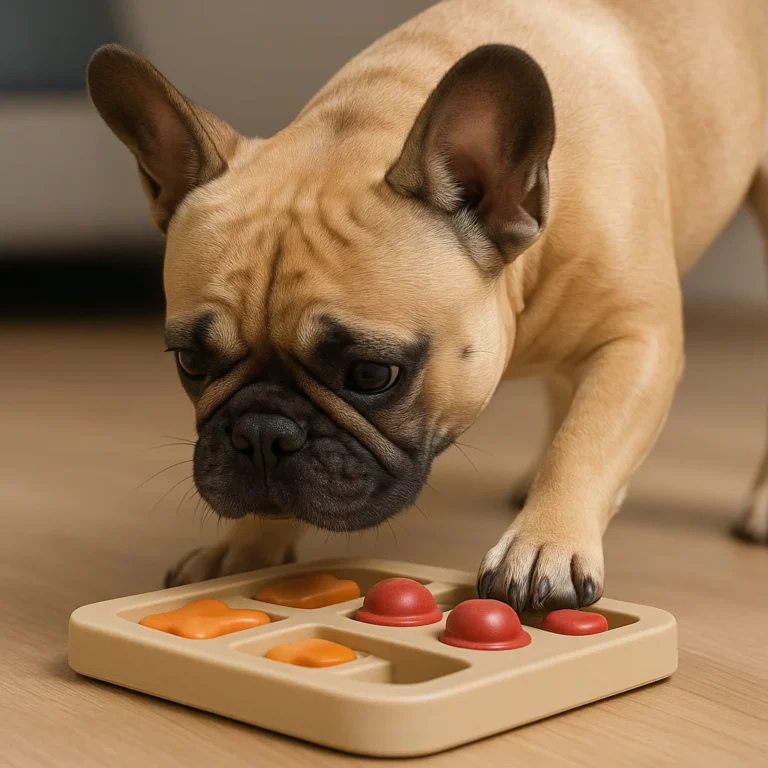
- Food puzzles that don’t require strenuous activity
- Sniffing games with treats hidden around one room
- Calm trick practice with plenty of rest
- A short walk during cooler conditions, if your veterinarian agrees
The Zoom Room Boston Terrier guide also recommends indoor training in climate-controlled conditions and brief sessions. Indoor training is not “less than” outdoor training; sometimes it’s the smartest choice in the room.
Signs of Overheating and When to Stop
Stop activity and move your dog to a cooler place if you notice heavy or worsening panting, unusual slowing, weakness, droling, confusion, or difficulty breathing. Heat illness can become an emergency. Contact a veterinarian promptly if your dog seems distressed or does not improve.
| Do | Don’t |
|---|---|
| Offer water and a cool, shaded or air-conditioned space | Keep exercising to “finish the lesson” |
| Watch breathing and recovery, not just the clock | Assume a short muzzle is harmless if your dog seems eager |
| Ask your veterinarian about safe exercise for your dog | Use hot pavement as a training surface |
| Stop at the first concerning change | Delay veterinary care for severe signs |
If your Boston has a history of airway problems, ask your veterinarian for a personalized plan before increasing exercise or joining an active class.
🐶 Training Boston Terrier Puppies by Age
The First Days at Home
The first week is about security and routines, not a crash course in obedience. Help your puppy learn where to sleep, where toilet, and how to approach you for good things.
- Set up a quiet resting area.
- Start a predictable potty schedule.
- Introduce a name-response game.
- Reward calm handling of paws, ears, and collar.
- Offer safe, supervised exploration.
- Keep visitors and new experiences manageable.
A Boston puppy may be small enough to tuck under an arm, but they still need room to choose, rest, and learn at their own pace. For breed-specific background, see our Boston Terrier guide.
Puppy Biting, Tething, and Chewing
Puppies explore with their mouths. Keep suitable chew toys nearby and calmly redirect to an appropriate item when teeth land on hands or furniture. Praise your puppy for choosing the toy.
Avoid chasing or wrestling over forbidden objects; that can turn chewing into a lively game. Instead, manage the environment, trade for a safe toy or treat, and reward your puppy for settling with the right item. The RSPCA’s puppy advice offers practical guidance on puppy care and development.
Adolescent Regression and Adult Skills
A Boston who once responded promptly may suddenly act as if “come” was a rumor. During adolescence, distractions and changing interests can make previously learned skills less reliable.
- Return to easier practice locations.
- Reward generously for behaviors you want to maintain.
- Use management such as a leash or gate while rebuilding reliability.
- Increase distractions in small steps.
- Keep training throughout adulthood with new games and useful routines.
If your dog’s behavior changes abruptly or you see new sensitivity to handling, appetite changes, or exercise intolerance, consult your veterinarian. Training shouldn’t be used to explain away a possible health issue.
🦴 Treats, Toys, and Training Gear That Help
Choosing Safe, Motivating Rewards
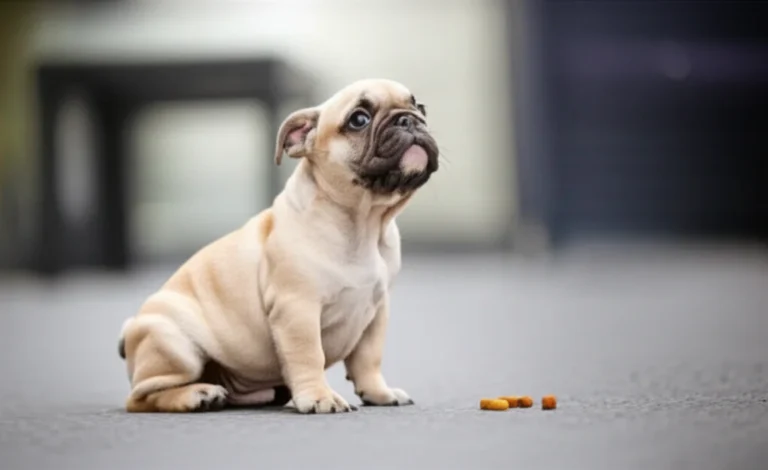
For training, choose small treats your Boston can eat easily and quickly. If your dog has allergies, dietary restrictions, or a tendency to gain weight, ask your veterinarian how treats should fit into their diet.
A treat reward should be:
- Small enough to swallow without lengthy chewing
- Soft enough for quick delivery during practice
- Introduced in a tiny amount if it’s new
- Counted as part of the day’s food intake
Some Boston Terriers have sensitive stomachs, so simple ingredients and gradual introductions can help you spot what agrees with your dog. The VCA’s guide to choosing dog food and treats provides general nutrition guidance; your veterinarian can tailor advice to your Boston.
Harnesses, Leashes, Clickers, and Crates
Useful options include a well-fitted Blue-9 Balance Harness, a standard leash, a basic clicker such as the Karen Pryor i-Click, and a crate that allows comfortable movement. Equipment supports training; it doesn’t replace clear teaching or supervision.
| Gear | Helpful for | Fit and safety reminder |
|---|---|---|
| Body harness | Leash practice without direct collar pressure | Check fit and rubbing; ask your vet about airway concerns |
| Standard leash | Controlled practice and safe management | Avoid sudden jerks |
| Clicker | Precise behavior marking | Pair clicks with rewards while teaching |
| Crate | Rest and gradual alone-time practice | Never use as punishment; introduce slowly |
| Food puzzle | Indoor enrichment | Supervise to ensure safe use |
Explore products directly: Blue-9 Balance Harness, Karen Pryor Clicker, and MidWest Homes for Pets crates. Select equipment based on your dog’s size, comfort, and veterinary needs rather than appearance alone.
- Blue-9 Balance Harness: Amazon | Chewy | Blue-9 Official Website
- Karen Pryor i-Click: Amazon | Karen Pryor Official Website
- MidWest dog crates: Amazon | Chewy | MidWest Official Website
🚫 Training Mistakes to Avoid
Why Punishment and Harsh Corrections Can Backfire
Yelling, leash jerks, intimidation, or physical punishment may stop a behavior momentarily, but they don’t clearly teach your Boston what to do instead. They can also create fear or stress around the person, place, or cue involved.
The AVSAB’s position statements recommend reward-based training rather than aversive methods. If your dog is barking at a visitor, for instance, teach a compatible action such as moving to a mat and reward it. Don’t rely on scaring the dog into silence.
Mixed Signals, Repetition, and Unrealistic Expectations
Training gets confusing when a behavior is sometimes rewarded and sometimes punished, or when family members use different words. Keep cues consistent and agree on household rules before practice begins.
Common traps include:
- Repeating a cue until it becomes background noise
- Asking for a long stay before your dog understands a one-second pause
- Practicing next to major distractions before your dog is ready
- Rewarding a jump by talking, touching, or laughing
- Training through fatigue or uncomfortable breathing
If your Boston struggles, make the task easier. Progress is measured by what your dog can learn comfortably, not how many repetitions fit on a calendar.
🩺 When Behavior Needs Extra Help
Fear, Separation Anxiety, and Reactivity
Fear and separation-related distress are not problems a dog can simply “get over” by being exposed more. Start by reducing pressure and preventing situations that overwhelm your Boston. Record what happens, when it happens, and how quickly your dog recovers.
For separation distress, begin with absences so brief your dog remains comfortable, then increase gradually. If your dog panics, vocalizes for long periods, destroys barriers, or risks injury, contact your veterinarian. The ASPCA’s separation anxiety guidance explains common signs and treatment considerations.
For reactivity, add distance and reward calm attention rather than forcing a greeting. A qualified professional can help build a safe plan.
When to Contact a Veterinarian or Qualified Trainer
Seek veterinary advice for sudden behavior changes, pain concerns, exercise intolerance, breathing difficulty, or repeated house-training accidents. Health problems can affect behavior, and training should not substitute for medical evaluation.
Look for a trainer who uses reward-based methods and can explain their plan clearly. The Certification Council for Professional Dog Trainers directory can help you find credentialed professionals. For serious fear, aggression, or complex behavior, ask your veterinarian about a veterinary behaviorist.
📅 A Simple Boston Terrier Training Plan
Daily Practice Checklist
A good plan is manageable enough to repeat. Here’s a sample routine to adapt to your dog’s age, health, and energy:
| Moment | Practice |
|---|---|
| First bathroom break | Leash walk to the potty spot; reward outdoor toileting |
| Breakfast | Ask for a brief sit or wait before setting the bowl down |
| Quiet time | Reward settling on a mat or bed |
| Short indoor session | Practice name response, touch, or recall |
| Walk | Reward check-ins and slack leash; allow sniff breaks |
| Guest or door practice | Use a gate, leash, or mat routine to manage excitement |
| Evening wind-down | Offer a safe chew or food puzzle, then reward calm behavior |
Keep the plan flexible. A puppy needs more bathroom opportunities; a dog with breathing or mobility concerns may need shorter and quieter activities.
How to Track Progress and Adjust Your Approach
Write down the cue, environment, reward, and result. A tiny log can reveal that your Boston sits beautifully in the kitchen but finds the front door an entirely different sport.
Track:
- Success rate: How often does your dog respond?
- Distraction level: Was the environment easy or busy?
- Comfort: Was your dog relaxed and breathing normally?
- Reward value: Did the reward matter to your dog?
- Next step: Should you repeat, simplify, or add a small challenge?
If success drops, reduce distractions or return to an easier version. Training should build confidence, not turn every walk into an exam.
💛 What Zoe Taught Us About Training Boston Terriers
Zoe, one of the Bostons who helped shape our approach at Snubby Puppy™, had a gift for making ordinary moments feel like a celebration. A leash coming off the hook? A major event. A visitor at the door? Naturally, a one-dog parade was in order.
We learned to reward the behavior we wanted before excitement took over: a check-in, a pause, four paws on the floor. We also learned that when Zoe lost focus, repeating the cue wasn’t the answer. A quieter room, a shorter session, or a better break usually helped more.
That experience reflects a wider point in the Zoom Room Boston Terrier guide: training works best when it feels engaging and gives a dog a clear way to succeed. And for Zoe, one of the most valuable lessons wasn’t a fancy trick. It was that waiting calmly could make the next good thing happen faster.
The first featured YouTube video, “10 Boston Terrier Dog Training Tips – Puppies & Adults” by Boston Terrier Society, may also be a helpful companion for owners who prefer seeing training ideas demonstrated. Use videos as a starting point, then adapt any exercise to your dog’s comfort, health, and veterinarian’s guidance.
🚀 Ready to Start Training Your Boston Terrier?
Pick one useful behavior and practice it in an easy setting today. Name response, a calm sit before meals, or a few rewarding steps on a loose leash are all excellent places to begin.
- Decide what cue everyone in the household will use.
- Choose a small reward your Boston enjoys.
- Keep practice brief and end on a success.
- Make the environment easier if your dog struggles.
- Pause for rest and watch breathing, especially in warm or humid conditions.
- Ask your veterinarian or a qualified reward-based trainer for help when needed.
The key isn’t to make your Boston less enthusiastic. It’s to show that enthusiasm where to go—and to make calm, thoughtful choices worth repeating.