Support our educational content for free when you purchase through links on our site. Learn more
What Are the 15 Common Boston Terrier Health Issues? 🐾

What are the common health issues of Boston Terriers? The main concerns include brachycephalic breathing problems, eye injuries and disease, allergies, dental crowding, patellar luxation, spinal disorders, seizures, heatstroke, heart disease, digestive trouble, obesity, and cancer. Many Boston Terriers live happy, active lives, but their short muzzle, prominent eyes, compact joints, and inherited traits call for thoughtful preventive care.
At Snubby Puppy™, we have learned that the biggest mistake is dismissing symptoms as “just a Boston thing.” Snoring can be harmless, but noisy breathing while awake, slow recovery after play, squinting, repeated ear infections, skipping on a back leg, or sudden weakness deserves veterinary attention.
One Boston parent once described her dog as a “tiny tuxedo athlete with the lungs of an accordion.” Funny? Absolutely. But when his panting continued long after a cool-weather walk, that joke became a veterinary clue. Knowing your dog’s normal—and noticing changes early—can protect both comfort and quality of life.
Key Takeaways
- Brachycephalic airway problems and heatstroke are major concerns. Keep Boston Terriers lean, use a harness, avoid hot or humid exercise, and treat breathing distress as urgent.
- Eye problems can worsen quickly. Squinting, redness, cloudiness, discharge, or rubbing the face warrants prompt veterinary evaluation.
- Patellar luxation, hip disease, hemivertebrae, and disc problems may affect mobility. Watch for skipping, stiffness, back pain, weakness, or reluctance to jump.
- Allergies, yeast infections, ear disease, and dental crowding are common sources of chronic discomfort. Routine skin, ear, paw, and tooth care helps catch trouble early.
- Seizures, heart disease, digestive disorders, obesity, and tumors also deserve attention. A new lump, fainting episode, repeated vomiting, or neurological change should not be ignored.
- Preventive veterinary care matters. Wellness exams, weight management, parasite control, dental care, and responsible genetic screening can reduce avoidable risks.
- Your Boston Terrier’s personal baseline is the best warning system. Changes in breathing, appetite, energy, movement, vision, or bathroom habits are worth documenting and discussing with a veterinarian.
Table of Contents
- ⚡️ Quick Tips and Facts About Boston Terrier Health
- 🐾 Boston Terrier Breed Background, Genetics, and Life Expectancy
- 🩺 Boston Terrier Health at a Glance: What Owners Should Know
- 🚨 15 Common Boston Terrier Health Issues
- 1. Brachycephalic Airway Syndrome and Breathing Problems
- 2. Boston Terrier Eye Diseases and Vision Problems
- 3. Corneal Ulcers, Dry Eye, and Eye Injuries
- 4. Patellar Luxation and Knee Problems
- 5. Hip Dysplasia and Joint Disease
- 6. Hemivertebrae, Intervertebral Disc Disease, and Spinal Problems
- 7. Seizures, Epilepsy, and Other Neurological Conditions
- 8. Allergies, Sensitive Skin, and Atopic Dermatitis
- 9. Demodectic Mange and Other Skin Infections
- 10. Ear Infections and Hearing Loss
- 11. Dental Crowding, Periodontal Disease, and Jaw Problems
- 12. Heart Murmurs, Congenital Heart Disease, and Cardiac Problems
- 13. Gastrointestinal Upset, Food Sensitivities, and Megaesophagus
- 14. Obesity, Heatstroke, and Exercise Intolerance
- 15. Cancer Risks and Common Boston Terrier Tumors
- 🔍 Why Boston Terriers Are Prone to Certain Health Conditions
- Brachycephalic Anatomy and Short-Snout Health Risks
- Inherited Disorders and Boston Terrier Genetic Predispositions
- How Age, Sex, Weight, and Lifestyle Affect Risk
- 👀 Boston Terrier Symptoms That Need Veterinary Attention
- Normal Quirks Versus Warning Signs
- Emergency Symptoms: When to Call a Vet Immediately
- A Practical Symptom Diary for Boston Terrier Owners
- 🌡️ Heat, Exercise, and Breathing Safety for Boston Terriers
- Safe Walks, Indoor Enrichment, and Exercise Limits
- Preventing Heatstroke in a Brachycephalic Dog
- Travel, Airplane, and Car Safety Considerations
- 🍽️ Nutrition, Weight Management, and Feeding Healthier Boston Terriers
- How to Tell If Your Boston Terrier Is Overweight
- Choosing Dog Food for Allergies and Sensitive Digestion
- Treats, Portion Control, and Safe Human Foods
- 🦷 Boston Terrier Dental Care and Oral Hygiene
- Brushing Teeth and Choosing Dental Products
- Signs of Tooth Decay, Gum Disease, and Oral Pain
- Professional Dental Cleanings and Anesthesia Questions
- 🧼 Skin, Coat, Ear, and Paw Care at Home
- Managing Facial Folds, Itchy Skin, and Allergies
- Boston Terrier Ear Cleaning and Infection Prevention
- Nail Trimming, Paw Care, and Seasonal Protection
- 🏥 Preventive Veterinary Care and Boston Terrier Wellness Exams
- Recommended Puppy, Adult, and Senior Checkups
- Vaccinations, Parasite Prevention, and Infectious Disease Protection
- Routine Blood Tests, Urinalysis, and Health Screening
- Spay and Neuter Considerations for Boston Terriers
- 🧬 Boston Terrier Health Testing for Responsible Breding
- Recommended Genetic Tests and Orthopedic Evaluations
- Questions to Ask a Boston Terrier Breder
- Health Records, OFA Results, and Puppy Red Flags
- 🐶 Caring for a Boston Terrier With a Chronic Health Condition
- Medication Safety and Veterinary Treatment Plans
- Home Monitoring, Mobility Support, and Quality of Life
- When a Veterinary Specialist May Be Needed
- 💳 Veterinary Costs, Pet Insurance, and Planning for Care
- Questions to Ask Before a Diagnostic Test or Procedure
- What to Look For in Boston Terrier Pet Insurance
- Building a Practical Emergency Care Plan
- 📅 Boston Terrier Health Checklist by Life Stage
- Boston Terrier Puppy Health Checklist
- Adult Boston Terrier Wellness Checklist
- Senior Boston Terrier Health Checklist
- ✅ Everyday Habits That Help Prevent Boston Terrier Health Problems
- ❌ Common Boston Terrier Care Mistakes to Avoid
- 💡 Boston Terrier Health Questions New Owners Often Ask
- 🏁 Conclusion
- 🔗 Recommended Links
- ❓ FAQ
- 📚 Reference Links
Quick Tips and Facts About Boston Terrier Health
The first line of defense is knowing your dog’s normal: breathing, energy, appetite, stool, gait, skin, eyes, and bathroom habits. Our broader Boston Terrier care guide covers daily breed-specific routines, while this guide focuses on what can go wrong, what it looks like, and what deserves a veterinary call.
- Boston Terriers are brachycephalic, meaning their shortened skulls can contribute to obstructed breathing, overheating, and exercise intolerance. The American College of Veterinary Surgeons (ACVS) explains how narrowed nostrils and excess soft tissue can restrict airflow.
- Prominent eyes are vulnerable to trauma, corneal ulcers, dry eye, glaucoma, and other ocular disease. Squinting is not a personality trait. It is a vet appointment wearing a tiny tuxedo.
- Heatstroke can develop quickly, especially during humid weather, strenuous play, car travel, or stressful excitement.
- Common orthopedic concerns include patellar luxation, hip dysplasia, hemivertebrae, and intervertebral disc disease.
- Skin disease often appears as itching, paw licking, recurrent ear infections, facial-fold irritation, hair loss, or persistent lumps.
- Dental crowding makes daily toothbrushing particularly valuable.
- Some Boston Terriers develop seizures, congenital deafness, heart disease, digestive upset, or tumors.
- A sudden change in routine matters. As one veterinary overview puts it, “Any significant change in this routine is cause for an examination” (Lbah Veterinary Hospital).
- Snoring is common but not automatically harmless. Loud breathing while awake, blue or gray gums, collapse, or struggling to breathe are emergencies.
- Keeping your Boston Terrier lean is one of the most practical ways to reduce strain on breathing, joints, and heat regulation. The Association for Pet Obesity Prevention provides body-condition guidance for owners and veterinary teams.
The five habits we recommend first
- Measure meals, rather than guessing.
- Use a harness, not a neck collar, for walks.
- Exercise during cool periods and stop before heavy breathing escalates.
- Check eyes, skin, paws, teeth, ears, and lumps once a week.
- Book veterinary care promptly for breathing changes, eye pain, neurological signs, or sudden lameness.
Snubby Puppy™ tip: A Boston Terrier who suddenly refuses food, hides, pants at rest, or walks differently is giving you information. Listen before the whisper becomes a shout.
Boston Terrier Breed Background, Genetics, and Life Expectancy

Boston Terriers were developed in the United States and are recognized by the American Kennel Club for their compact build, short muzzle, expressive eyes, and distinctive “tuxedo” markings. That charming anatomy is also why health screening matters.
Why the “American Gentleman” needs specialized care
The breed’s shortened facial structure can compress the airway and leave the eyes less protected by the skull. Their small size may fool people into treating them like indestructible pocket athletes. They are enthusiastic, funny, and often convinced that a 90-degree afternoon is perfect for zoomies. Their airway may disagree.
The Boston Terrier Club of America and Orthopedic Foundation for Animals (OFA) emphasize responsible breeding and health testing for inherited and structural concerns.
Genetic risks are not guarantees
A predisposition means increased probability, not certainty. Two Boston Terriers from the same litter can have very different health journeys. Risk is influenced by:
- Family history
- Skull and airway structure
- Body weight
- Environmental allergens
- Exercise and heat exposure
- Dental hygiene
- Preventive veterinary care
- Chance, because biology occasionally behaves like a mischievous dice goblin
Life expectancy and quality of life
The AKC commonly lists Boston Terriers as living into their early teens, although individual longevity varies. Lifespan is only part of the picture. Comfortable breathing, mobility, vision, oral health, and mental engagement are equally important.
Boston Terrier Health at a Glance: What Owners Should Know
| Body system | Common concerns | Early warning signs | Useful preventive action |
|---|---|---|---|
| Airway and lungs | BOAS, stenotic nostrils, heat intolerance | Noisy breathing, gaging, exercise intolerance | Keep lean; avoid heat; veterinary airway assessment |
| Eyes | Corneal ulcers, dry eye, glaucoma, cataracts | Squinting, redness, cloudiness, discharge | Daily visual checks; urgent exam for pain |
| Skin and ears | Allergies, yeast, bacterial infection, mange | Scratching, paw licking, odor, hair loss | Parasite control; investigate recurring infections |
| Teeth and jaws | Crowding, periodontal disease, juvenile jaw disease | Bad breath, dropping food, chewing slowly | Daily brushing; professional dental evaluation |
| Knes and hips | Patellar luxation, hip dysplasia, arthritis | Skipping gait, stiffness, reluctance to jump | Lean body condition; orthopedic exam |
| Spine and nervous system | Hemivertebrae, IVDD, seizures, hydrocephalus | Back pain, weakness, seizures, behavior change | Prevent high-impact jumping; urgent evaluation |
| Heart | Pulmonic stenosis, murmurs, acquired disease | Exercise intolerance, fainting, cough | Wellness auscultation; cardiology referral when indicated |
| Digestive system | Flatulence, food intolerance, reflux, megaesophagus | Vomiting, regurgitation, diarrhea, weight loss | Diet trial under veterinary guidance |
| Reproductive system | Difficult birth, especially in some females | Prolonged labor, distress, weak contractions | Pre-breding veterinary planning |
| Cancer | Mast cell tumors and other neoplasia | New or changing lump, unexplained weight loss | Monthly lump checks; aspirate suspicious masses |
15 Common Boston Terrier Health Issues
1. Brachycephalic Airway Syndrome and Breathing Problems
Brachycephalic obstructive airway syndrome, or BOAS, refers to breathing impairment associated with a shortened skull. The ACVS identifies features such as narrowed nostrils, elongated soft palate, excessive tissue, and restricted airflow as contributors.
What BOAS can look like
- Noisy breathing while awake
- Persistent snoring or stertor
- Gaging, retching, or reverse snezing
- Reduced stamina
- Difficulty recovering after play
- Open-mouth breathing disproportionate to activity
- Regurgitation
- Blue, gray, or pale gums
- Collapse
A Boston Terrier may snort after an exciting game and recover quickly. That is different from labored breathing, abdominal effort, distress, or prolonged recovery.
Why heat makes breathing worse
Panting is how dogs shed heat. A narrowed airway makes that cooling system less efficient. Heat, humidity, excitement, obesity, and strenuous exercise can create a nasty feedback loop:
- The dog becomes warm.
- The dog pants harder.
- Airway tissues swell.
- Breathing becomes more difficult.
- Stress and body temperature rise further.
The first video featured in this article makes the same practical point: heatstroke is a real danger for brachycephalic breeds, and early detection is your best weapon. You can revisit that perspective at #featured-video.
How veterinarians evaluate breathing
A veterinarian may assess:
- Resting respiratory pattern
- Nostril opening
- Body condition
- Exercise tolerance
- Heart and lung sounds
- Oxygen status
- Chest imaging
- Airway anatomy under carefully controlled anesthesia
Some dogs benefit from surgical correction, such as widening the nostrils or shortening an obstructive soft palate. Surgery is not suitable for every dog, and risk assessment should be individualized by your veterinarian.
✅ Do: Use a well-fitted harness, maintain a lean body condition, and schedule walks during cool hours.
❌ Don’t: Treat loud breathing, fainting, or blue gums as “just a Boston thing.”
👉 CHECK PRICE on:
- Ruffwear Front Range Harness: Amazon | Chewy | Ruffwear Official Website
2. Boston Terrier Eye Diseases and Vision Problems
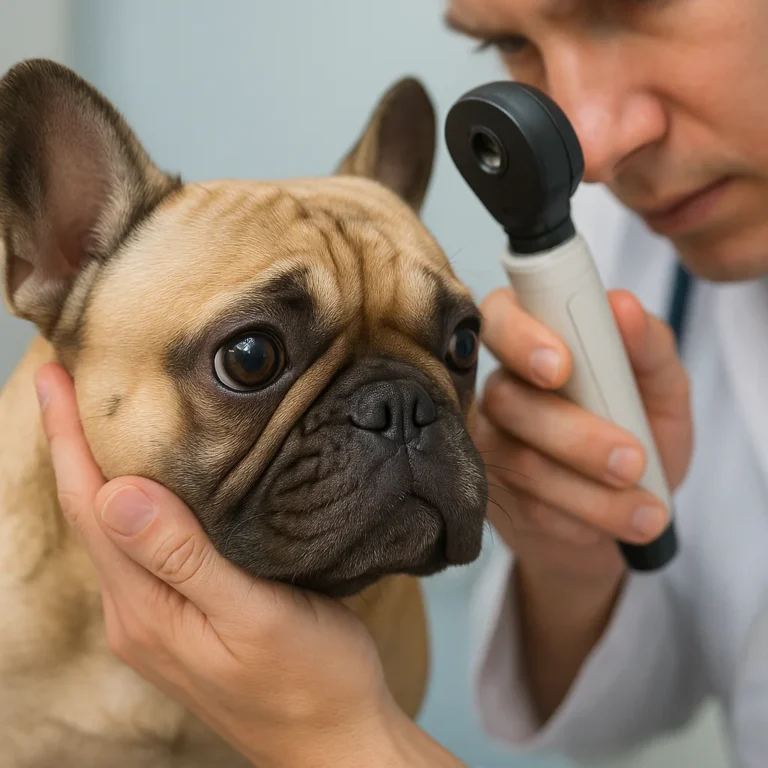
Boston Terriers’ large, prominent eyes are adorable and exposed. The Merck Veterinary Manual lists painful eye conditions that require timely examination.
Common concerns include:
- Corneal ulcers
- Dry eye, or keratoconjunctivitis sica
- Glaucoma
- Cataracts
- Lens luxation
- Retinal disease
- Proptosis after trauma
- Cherry eye
- Eyelid abnormalities
Eye warning signs
| Sign | What it may indicate | Urgency |
|---|---|---|
| Squinting or holding the eye shut | Pain, ulcer, foreign body | Same day |
| Redness | Irritation, inflammation, glaucoma | Same day |
| Cloudiness | Ulcer, edema, cataract, glaucoma | Same day |
| Thick discharge | Infection, dry eye, inflammation | Prompt appointment |
| Bulging or displaced eye | Trauma or proptosis | Emergency |
| Suden vision loss | Glaucoma, retinal or neurological disease | Emergency |
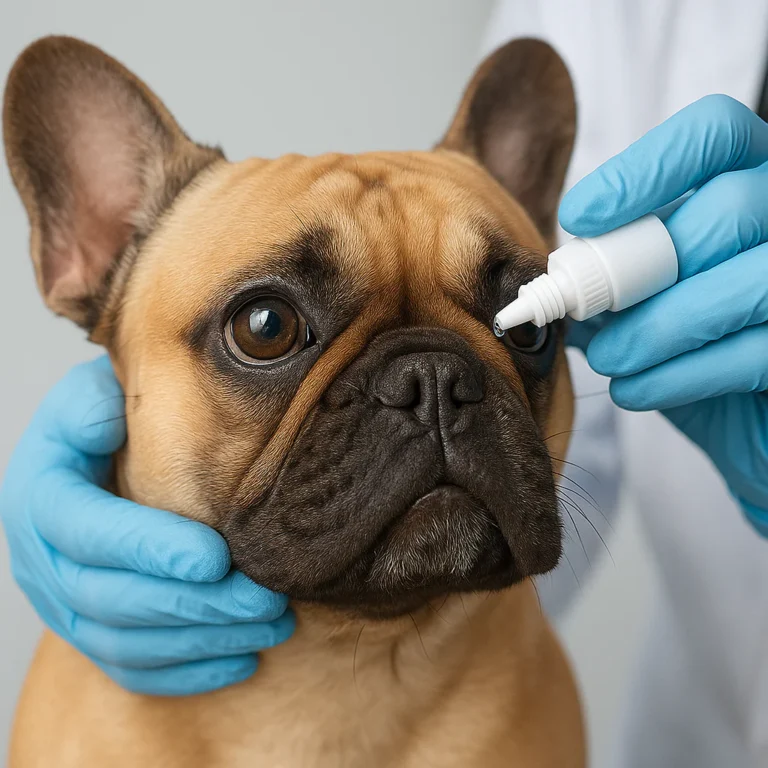
Never use leftover human eye drops or steroid drops unless prescribed. Steroids can worsen certain corneal ulcers.
3. Corneal Ulcers, Dry Eye, and Eye Injuries
A corneal ulcer is an abrasion or defect on the transparent outer surface of the eye. It can follow a scratch, foreign material, eyelid friction, chemical irritation, or chronic dryness.
What owners often notice first
- Blinking more than usual
- Rubbing the face
- Light sensitivity
- Tearing
- Redness
- A hazy or blue-gray spot
A small ulcer can become deep quickly. The VCA Animal Hospitals overview of corneal ulcers explains why veterinary examination and fluorescein staining are commonly used.
Dry eye may cause thick mucus, redness, recurrent ulcers, and discomfort. Treatment can involve prescription tear stimulants, lubricants, antibiotics, or surgery depending on cause and severity.
👉 CHECK PRICE on:
- Vetericyn Plus Eye Wash: Amazon | Chewy | Vetericyn Official Website
Use eye washes only for gentle cleansing, not as a substitute for diagnosis.
4. Patellar Luxation and Knee Problems
Patellar luxation occurs when the knecap slips out of its normal groove. The OFA describes it as a common orthopedic issue in dogs, with severity graded by veterinary examination.
The classic “skip”
A Boston Terrier may:
- Walk normally.
- Suddenly lift one hind leg.
- Kick or extend the leg.
- Take a few hopping steps.
- Return to normal.
That recognizable skip can indicate patellar luxation, although other knee, hip, paw, and spinal problems can look similar.
Mild cases may be monitored with weight control and controlled exercise. Recurrent luxation, pain, cartilage damage, or arthritis may lead to an orthopedic surgery recommendation.
5. Hip Dysplasia and Joint Disease
Hip dysplasia is abnormal development of the hip joint that can contribute to laxity, inflammation, arthritis, and pain. The PennHIP program and OFA provide different approaches to assessing canine hip health.
Signs include:
- Bunny-hopping gait
- Difficulty rising
- Reluctance to climb stairs
- Stiffness after rest
- Reduced play
- Pain after exercise
A Boston Terrier does not need to be large to have joint disease. Repeated jumping from furniture, slippery floors, excess weight, and poor muscle conditioning can amplify discomfort.
Helpful home changes
- Add nonslip runners on smooth floors.
- Use ramps for furniture or vehicles.
- Keep nails short for traction.
- Favor low-impact play.
- Ask your veterinarian about rehabilitation and joint-support diets.
Do not start supplements casually. Products such as glucosamine may be reasonable for some dogs, but quality and evidence vary. Discuss them with your veterinary team.
6. Hemivertebrae, Intervertebral Disc Disease, and Spinal Problems
Hemivertebrae are wedge-shaped vertebrae associated with screw-tailed or shortened spinal anatomy. Some dogs have no symptoms; others develop spinal instability or compression.
Intervertebral disc disease can cause:
- Back or neck pain
- Reluctance to move
- Wobling
- Weakness
- Draging toes
- Loss of bladder control
- Paralysis
Emergency rule
Suden weakness, inability to walk, severe pain, or urinary changes require urgent veterinary care. Keep the dog as still as practical while arranging transport. Do not massage the spine or encourage walking to “test it.”
Harnesses, ramps, supervised stairs, and avoiding repeated high jumps can reduce avoidable strain, although they cannot erase inherited anatomy.
7. Seizures, Epilepsy, and Other Neurological Conditions
Seizures may be caused by idiopathic epilepsy, toxins, metabolic disease, brain inflammation, hydrocephalus, tumors, or other conditions. The Merck Veterinary Manual explains that seizure investigation depends on age, history, examination, and testing.
What to do during a seizure
- Move furniture and other hazards away.
- Keep hands away from the mouth.
- Dim lights and reduce noise.
- Time the event.
- Record video if safe.
- Contact a veterinarian afterward.
Emergency care is particularly important when a seizure lasts several minutes, repeats without recovery, or is accompanied by breathing trouble, trauma, or suspected poisoning.
Subtle neurological signs can include staring, altered responsiveness, circling, unusual learning difficulty, or behavior changes. These are not proof of brain disease, but they justify examination.
8. Allergies, Sensitive Skin, and Atopic Dermatitis
Atopic dermatitis is an itchy inflammatory skin condition often linked to environmental allergens. Food allergy is possible but less common than many internet discussions suggest. The American College of Veterinary Dermatology provides owner resources on allergic skin disease.
Common signs include:
- Paw licking
- Face rubbing
- Red belly
- Recurrent ear infections
- Hair thinning
- Hot spots
- Chewing at legs
- Musty odor
Why the itch cycle escalates
Itch causes scratching. Scratching damages the skin barrier. Damaged skin allows bacteria and yeast to multiply. Infection creates more itch. Suddenly everyone is miserable, including the sofa.
Veterinary treatment may include parasite control, topical therapy, antibiotics or antifungals when infection is confirmed, prescription anti-itch medication, immunotherapy, or a carefully managed elimination diet.
👉 CHECK PRICE on:
- Douxo S3 Calm Shampoo: Amazon | Chewy | Douxo Official Website
- Vetericyn Plus Antimicrobial Spray: Amazon | Chewy | Vetericyn Official Website
Do not spray irritated skin indefinitely without finding the cause.
9. Demodectic Mange and Other Skin Infections
Demodex mites naturally occur in small numbers on many dogs. Puppies or dogs with immune dysfunction may develop demodectic mange, causing hair loss, scaling, redness, and sometimes secondary infection. The Merck Veterinary Manual distinguishes demodicosis from contagious sarcoptic mange.
A veterinary skin examination may involve:
- Skin scrapings
- Cytology
- Fungal testing
- Flea combing
- Allergy investigation
- Biopsy for unusual lesions
Persistent hair loss is not a good candidate for guesswork. A medicated shampoo may soothe the surface while the underlying problem continues marching onward.
10. Ear Infections and Hearing Loss
Allergies often trigger recurrent ear inflammation. Bacteria and yeast can then flourish in the warm ear canal. Boston Terriers may also experience congenital deafness, particularly in association with certain pigmentation patterns, although coat color alone cannot diagnose hearing ability.
Watch for:
- Head shaking
- Scratching
- Odor
- Redness
- Discharge
- Pain when touched
- Head tilt
- Reduced response to sound
The BAER hearing test is used to evaluate hearing objectively.
For a deaf dog, visual cues, hand signals, vibration-based attention training, and secure fencing can make daily life safer. Our Behavior Analysis section includes training concepts that can be adapted for dogs who cannot rely on hearing.
11. Dental Crowding, Periodontal Disease, and Jaw Problems
Boston Terriers often have compact jaws with crowded teeth. Plaque hardens into tartar, bacteria inflame the gums, and periodontal disease can damage the tissues supporting the teeth. The American Veterinary Medical Association recommends regular dental care and veterinary evaluation.
Signs include:
- Bad breath
- Red or bleeding gums
- Brown tartar
- Dropping food
- Chewing one side
- Facial swelling
- Loose teeth
- Appetite changes
Cranial mandibular osteopathy
Juvenile Boston Terriers can develop cranial mandibular osteopathy, an inflammatory bone condition affecting the jaw and skull. Pain, difficulty opening the mouth, droling, fever, and reluctance to eat warrant veterinary care. Skull radiographs may be required.
Daily dental routine
- Let your dog lick pet-safe toothpaste.
- Touch the lips, then gums.
- Introduce a soft brush for a few seconds.
- Reward calmly.
- Gradually brush the outer tooth surfaces.
- Build toward daily brushing.
Human toothpaste is unsafe because some products contain xylitol. Look for products accepted by the Veterinary Oral Health Council (VOHC).
👉 CHECK PRICE on:
- Virbac C.E.T. Enzymatic Toothpaste: Amazon | Chewy | Virbac Official Website
- Hill’s Prescription Diet t/d: Hill’s Official Website | Chewy
Hill’s t/d may help reduce plaque and tartar in suitable dogs, but it does not replace brushing or professional dental assessment.
12. Heart Murmurs, Congenital Heart Disease, and Cardiac Problems
Congenital conditions such as pulmonic stenosis may be detected in puppies, while acquired valve disease can occur with age. A mur is a sound, not a complete diagnosis.
Possible signs include:
- Reduced exercise tolerance
- Fainting
- Coughing
- Rapid breathing at rest
- Abdominal enlargement
- Weakness
- Poor growth in puppies
A veterinarian may recommend chest radiographs, blood pressure measurement, an ECG, or echocardiography. The American College of Veterinary Internal Medicine provides specialist resources for cardiac evaluation.
Count resting breaths only when your dog is asleep or deeply relaxed. Persistently elevated breathing, especially with effort, deserves a call.
13. Gastrointestinal Upset, Food Sensitivities, and Megaesophagus
Flatulence is common in short-muzzled dogs because they may swallow extra air while eating. Occasional gas is different from chronic vomiting, diarrhea, weight loss, pain, or regurgitation.
Potential concerns include:
- Food intolerance
- Food allergy
- Parasites
- Pancreatitis
- Reflux
- Inflammatory bowel disease
- Megaesophagus
- Brachycephalic gastrointestinal syndrome
Regurgitation is passive; vomiting usually involves abdominal effort. That distinction helps your veterinarian.
If a food trial is recommended, follow it precisely. Sneaky treats, flavored medications, and family members who “only gave one bite” can invalidate the trial.
There is no universal reason to choose grain-free food. The FDA’s investigation into diet-associated canine dilated cardiomyopathy is why diet decisions should be made with veterinary guidance rather than marketing slogans.
14. Obesity, Heatstroke, and Exercise Intolerance
Extra weight increases mechanical strain and can worsen airway obstruction. A dog can be small and still be overweight; the scale does not get a free pass because the dog is compact.
Body-condition clues
An ideal dog generally has:
- Ribs that are easy to feel under a thin fat covering
- A visible waist from above
- An abdominal tuck from the side
- Comfortable movement
- No thick fat pad at the tail base
Ask your veterinarian to score body condition rather than relying on appearance alone.
Heatstroke warning signs
- Heavy, frantic panting
- Thick drol
- Bright red or pale gums
- Weakness
- Vomiting or diarrhea
- Stumbling
- Collapse
- Seizures
Move the dog to a cool area, begin gentle cooling with room-temperature water and airflow, and contact an emergency veterinarian immediately. Avoid ice baths unless directed by a veterinary professional.
👉 CHECK PRICE on:
- K&H Pet Products Cool Bed III: Amazon | Chewy | K&H Official Website
- Ruffwear Swamp Cooler Cooling Vest: Amazon | Ruffwear Official Website
Cooling products can assist comfort, but they cannot make unsafe heat exposure safe.
15. Cancer Risks and Common Boston Terrier Tumors
Boston Terriers may develop tumors, including mast cell tumors. Many lumps are benign; some dangerous tumors initially look harmless. That is why appearance alone is unreliable.
Check monthly for:
- New lumps
- Growth or shape changes
- Bleding or ulceration
- Persistent scabs
- Swollen lymph nodes
- Unexplained weight loss
- Appetite or energy changes
A veterinarian may recommend fine-needle aspiration, biopsy, bloodwork, imaging, or surgical removal. The Veterinary Cancer Society offers educational resources on cancer diagnosis and treatment.
Why Boston Terriers Are Prone to Certain Health Conditions
Brachycephalic Anatomy and Short-Snout Health Risks
The short muzzle is not simply a smaller version of a normal muzzle. Internal soft tissue does not always shrink in proportion to the skull, leaving less room for airflow. External appearance can therefore underestimate internal restriction.
This is why two dogs with similarly cute faces may have very different exercise tolerance. Snoring volume is not a scientific measurement of airway severity, either.
Inherited Disorders and Boston Terrier Genetic Predispositions
Genetics can influence:
- Airway structure
- Patellar stability
- Hip development
- Spinal shape
- Hearing
- Seizure risk
- Eye anatomy
- Tumor susceptibility
Responsible breeders use health testing, family history, and transparent records. The OFA CHIC program helps owners review breed-specific testing recommendations.
How Age, Sex, Weight, and Lifestyle Affect Risk
| Factor | Potential effect |
|---|---|
| Puppy age | Jaw disease, congenital heart findings, parasites, socialization needs |
| Adult age | Allergies, dental disease, orthopedic problems, airway concerns |
| Senior age | Arthritis, heart disease, cancer, cognitive changes |
| Excess weight | Worse airway function, heat intolerance, joint stress |
| Heat and humidity | Higher risk of respiratory crisis and heatstroke |
| Repeated jumping | Greater strain on knees, hips, and spine |
| Poor dental care | Faster plaque accumulation and periodontal disease |
| Chronic ear or skin disease | Recurrent infection and discomfort |
Boston Terrier Symptoms That Need Veterinary Attention
Normal Quirks Versus Warning Signs
Boston Terriers can snort, fart, snore, reverse sneeze, and make noises that sound like a tiny lawn mower starting. Context matters.
| Symptom | Possibly mild | More concerning |
|---|---|---|
| Snoring | Brief, position-related sleep noise | Loud awake breathing or restless sleep |
| Flatulence | Occasional after eating quickly | Pain, bloating, diarrhea, weight loss |
| Reverse sneeze | Brief episode with full recovery | Frequent episodes or breathing distress |
| Limping | One brief mistep | Repeated skipping, pain, swelling |
| Eye discharge | Small amount after sleep | Squinting, cloudiness, redness |
| Scratching | Occasional | Daily itch, hair loss, odor, sores |
| Panting | After moderate activity, cools promptly | Panting at rest or delayed recovery |
Emergency Symptoms: When to Call a Vet Immediately
Seek emergency care for:
- Struggling to breathe
- Blue, gray, or white gums
- Collapse or fainting
- Heatstroke signs
- A protruding or severely injured eye
- Suden inability to walk
- Repeated seizures or prolonged seizure activity
- Severe abdominal swelling with distress
- Suspected toxin ingestion
- Uncontrolled bleeding
The ASPCA Animal Poison Control Center and Pet Poison Helpline offer poison guidance, but an emergency clinic may still be needed.
A Practical Symptom Diary for Boston Terrier Owners
Record:
- Date and time
- Activity before the symptom
- Weather and temperature
- Food and treats
- Breathing recovery time
- Stool and urine changes
- Video of unusual movement or breathing
- Medication and supplement details
This turns “he seemed weird yesterday” into useful clinical evidence. Veterinarians love evidence. It is the closest thing to a detective board without red string.
Heat, Exercise, and Breathing Safety for Boston Terriers
Safe Walks, Indoor Enrichment, and Exercise Limits
Use a traffic-light approach:
- Green: Cool weather, quiet breathing, normal gait, quick recovery.
- Yellow: Increased panting, slowing down, seeking shade, noisy breathing.
- Red: Gaging, weakness, wobling, distress, collapse, discolored gums.
At yellow, stop and cool down. At red, treat it as urgent.
Indoor enrichment can include:
- Snuffle mats
- Scatter feeding
- Short clicker-training sessions
- Food puzzles
- Scent games
- Low-impact trick training
- Gentle tug with clear stop cues
Mental exercise can tire a Boston Terrier without forcing the airway to work like an overheated accordion.
Preventing Heatstroke in a Brachycephalic Dog
- Walk at dawn or after sunset.
- Carry water.
- Avoid asphalt that radiates heat.
- Never leave your dog in a parked vehicle.
- Use air conditioning during warm travel.
- Stop play early.
- Keep your dog lean.
- Learn the location of the nearest emergency clinic.
Travel, Airplane, and Car Safety Considerations
Air travel can pose elevated risk for brachycephalic dogs. Policies vary, and airline restrictions can change. Discuss travel with your veterinarian and check current rules directly with the carrier. A climate-controlled car, secure harness attachment, ventilation, and frequent breaks are safer choices for many families.
Nutrition, Weight Management, and Feeding Healthier Boston Terriers
How to Tell If Your Boston Terrier Is Overweight
Use body condition rather than breed stereotypes. Ask your veterinarian to demonstrate a hands-on assessment. A fluffy blanket, dramatic eyes, and strategic leaning against your leg can conceal extra body fat remarkably well.
Weigh food with a kitchen scale when portions are difficult to control. Treats, dental chews, toppers, and table scraps count.
Choosing Dog Food for Allergies and Sensitive Digestion
Look for a complete and balanced diet appropriate to life stage. The American College of Veterinary Nutrition offers evidence-based nutrition education.
For suspected allergy:
- Discuss signs with your veterinarian.
- Rule out parasites and infection.
- Choose a veterinary elimination diet when appropriate.
- Feed it exclusively for the prescribed period.
- Reintroduce ingredients only as directed.
Limited-ingredient diets may help some dogs, but a label alone does not prove a food is appropriate for allergy diagnosis.
Treats, Portion Control, and Safe Human Foods
Treats should fit within the daily calorie plan. Safer options may include small portions of plain cooked vegetables or veterinarian-approved treats, but avoid:
- Chocolate
- Grapes and raisins
- Onions and garlic
- Xylitol
- Alcohol
- Macadamia nuts
- Excessively fatty foods
- Cooked bones
The ASPCA toxic foods list is a useful reference.
Boston Terrier Dental Care and Oral Hygiene
Brushing Teeth and Choosing Dental Products
Start slowly and reward cooperation. The goal is consistency, not an Olympic brushing performance on day one.
Use:
- Pet toothpaste
- A soft dog toothbrush or finger brush
- VOHC-accepted chews when suitable
- Regular veterinary dental examinations
Never use human toothpaste, baking soda, or essential oils as casual substitutes.
Signs of Tooth Decay, Gum Disease, and Oral Pain
Watch for:
- Persistent foul breath
- Red gums
- Tartar
- Droling
- Chewing changes
- Pawing at the mouth
- Swollen face
- Food falling out
- Refusal of hard food
Dogs often hide dental pain until it becomes significant. A cheerful tail does not equal a comfortable mouth.
Professional Dental Cleanings and Anesthesia Questions
Ask your veterinarian:
- Will dental radiographs be taken?
- How is anesthesia monitored?
- What happens if diseased teeth are found?
- Is pre-anesthetic bloodwork recommended?
- What pain control is provided?
- How will recovery be monitored?
Non-anesthetic scaling may remove visible tartar but cannot properly evaluate below the gumline or replace a complete veterinary dental procedure. The American Veterinary Dental College explains why professional assessment matters.
Skin, Coat, Ear, and Paw Care at Home
Managing Facial Folds, Itchy Skin, and Allergies
Clean only as recommended by your veterinarian. Over-cleaning can irritate skin and disrupt the barrier. Dry folds gently after bathing, rain, swimming, or drinking.
Check paws for:
- Redness between toes
- Cracked pads
- Foreign bodies
- Yeast odor
- Excessive licking
- Grass awns or debris
Boston Terrier Ear Cleaning and Infection Prevention
Use a veterinarian-approved ear cleaner and never push cotton swabs deep into the canal. Stop if cleaning causes pain. Recurrent infection needs a cause-focused plan, not an endless cycle of random products.
Nail Trimming, Paw Care, and Seasonal Protection
Long nails alter traction and gait. Trim gradually or use a grinder if your dog accepts it. Introduce tools with treats and patience; forcing the first session can create a lifelong nail-trimming feud.
Preventive Veterinary Care and Boston Terrier Wellness Exams
Recommended Puppy, Adult, and Senior Checkups
| Life stage | Veterinary priorities |
|---|---|
| Puppy | Vaccines, parasites, heart check, growth, bite, eyes, hearing, socialization |
| Young adult | Weight, airway, skin, ears, dental routine, orthopedic baseline |
| Mature adult | Dental disease, heart sounds, lumps, mobility, allergy management |
| Senior | More frequent exams, bloodwork, urine testing, arthritis, vision, cognition |
The AAHA canine life-stage guidelines support individualized preventive care rather than a one-size-fits-all calendar.
Vaccinations, Parasite Prevention, and Infectious Disease Protection
Vaccination and parasite prevention should reflect geography, lifestyle, travel, exposure, and local disease patterns. Discuss heartworm, fleas, ticks, intestinal parasites, and leptospirosis with your veterinarian. The American Heartworm Society recommends year-round prevention and annual testing in appropriate dogs.
Routine Blood Tests, Urinalysis, and Health Screening
Testing may help establish a baseline and detect hidden disease, particularly in seniors or dogs taking long-term medication. Screening does not guarantee perfect health, but it can reveal changes before obvious symptoms appear.
Spay and Neuter Considerations for Boston Terriers
Timing should be individualized based on age, sex, health, breeding plans, behavior, and orthopedic considerations. Discuss benefits, risks, anesthesia, weight management, and reproductive health with your veterinarian rather than following a universal internet rule.
Boston Terrier Health Testing for Responsible Breding
Recommended Genetic Tests and Orthopedic Evaluations
The Boston Terrier Club of America health statement and OFA breed information are useful starting points. Potential evaluations may include:
- Patellar examination
- Hip evaluation
- Ophthalmologist examination
- BAER hearing testing
- DNA tests when relevant
- Cardiac evaluation
- Family history of airway and neurological disease
Testing parents does not guarantee every puppy will be healthy, but it improves decision-making.
Questions to Ask a Boston Terrier Breder
Ask:
- Which health tests were completed?
- Can I verify results through OFA or equivalent records?
- What health problems occurred in parents, siblings, and prior liters?
- What veterinary care has the puppy received?
- What is the contract’s health-support policy?
- Will you take the dog back if circumstances change?
- How are breathing, socialization, and exercise tolerance assessed?
A responsible breeder welcomes precise questions. Evasion is not a health certificate.
Health Records, OFA Results, and Puppy Red Flags
Red flags include:
- Parents unavailable for evaluation
- No verifiable health records
- Puppies breathing noisily at rest
- Persistent diarrhea or discharge
- Poor body condition
- Unwillingness to discuss prior medical problems
- Pressure to send a deposit immediately
Caring for a Boston Terrier With a Chronic Health Condition
Medication Safety and Veterinary Treatment Plans
Keep a written list of medications, supplements, doses, and schedules. Do not stop seizure, heart, steroid, or other long-term medication abruptly unless your veterinarian directs you.
Avoid human pain relievers unless specifically prescribed. Ibuprofen, naproxen, acetaminophen, and other medications can be dangerous.
Home Monitoring, Mobility Support, and Quality of Life
Track:
- Appetite
- Sleep
- Breathing effort
- Mobility
- Pain behaviors
- Interest in family
- Bathroom habits
- Good days versus difficult days
A quality-of-life journal can reveal gradual change that is hard to notice day by day.
When a Veterinary Specialist May Be Needed
Referral may be appropriate for:
- Brachycephalic airway surgery assessment
- Veterinary ophthalmology
- Dermatology
- Neurology
- Cardiology
- Orthopedic surgery
- Oncology
- Nutrition
Specialists do not replace your primary veterinarian; they add focused expertise when the puzzle has too many pieces.
Veterinary Costs, Pet Insurance, and Planning for Care
Questions to Ask Before a Diagnostic Test or Procedure
Ask for:
- The suspected diagnosis
- What the test can and cannot show
- Alternatives
- Anesthesia risks
- Expected recovery
- Warning signs afterward
- Follow-up schedule
- Written estimate
Specific prices vary by region, clinic, urgency, and complexity, so general online estimates can mislead.
What to Look For in Boston Terrier Pet Insurance
Compare:
- Hereditary and congenital coverage
- Brachycephalic condition exclusions
- Orthopedic waiting periods
- Dental illness coverage
- Reimbursement method
- Annual or lifetime limits
- Pre-existing condition definitions
- Bilateral-condition rules
Read policy documents before enrollment. Breed-specific exclusions deserve especially careful attention.
Building a Practical Emergency Care Plan
Keep ready:
- Primary veterinarian’s number
- Nearest emergency clinic
- Poison-control number
- Medication list
- Recent records
- Secure carrier or harness
- Cooling supplies
- Backup caregiver instructions
Boston Terrier Health Checklist by Life Stage
Boston Terrier Puppy Health Checklist
- First veterinary examination
- Vaccine and parasite plan
- Weight and growth monitoring
- Eye and hearing assessment
- Bite and jaw evaluation
- Safe socialization
- Gentle harness training
- Toothbrushing introduction
- Heat-safety habits
- Breder health-record review
Adult Boston Terrier Wellness Checklist
- Annual or veterinarian-recommended examination
- Body-condition assessment
- Dental care
- Ear and skin checks
- Eye observation
- Nail trimming
- Airway and exercise review
- Parasite prevention
- Monthly lump check
- Emergency-plan refresh
Senior Boston Terrier Health Checklist
- More frequent examinations when recommended
- Bloodwork and urinalysis
- Dental reassessment
- Arthritis and mobility review
- Heart and breathing evaluation
- Vision and hearing changes
- Cognitive and sleep changes
- Appetite and weight monitoring
- Medication review
- Quality-of-life tracking
Everyday Habits That Help Prevent Boston Terrier Health Problems
The weekly five-minute inspection
Run your hands gently over:
- Eyes: redness, discharge, cloudiness.
- Ears: odor, discharge, sensitivity.
- Mouth: breath, gums, tartar.
- Skin: lumps, scabs, irritation.
- Legs and paws: heat, swelling, nails, limping.
Then watch your dog walk, rise, settle, and recover after mild activity. This simple routine catches changes before they become dramatic.
The three most protective lifestyle choices
- Keep your Boston Terrier lean.
- Treat breathing and heat risk seriously.
- Build preventive care into ordinary life, not just crisis moments.
Common Boston Terrier Care Mistakes to Avoid
- Assuming noisy breathing is always normal
- Exercising hard in heat or humidity
- Using a neck collar on a dog with airway concerns
- Ignoring repeated eye squinting
- Waiting months on recurring ear infections
- Feeding by cup without checking body condition
- Using human medication
- Applying random creams to persistent skin lesions
- Skipping dental care because the dog still eats
- Buying grain-free food solely because it sounds premium
- Allowing repeated high-impact jumping
- Treating a new lump as harmless without examination
Boston Terrier Health Questions New Owners Often Ask
How can I tell whether my Boston Terrier is healthy?
Look for comfortable breathing, steady energy, normal appetite, healthy stool, clear eyes, clean ears, intact skin, a lean body condition, and painless movement. Health is a pattern, not a single cheerful afternoon.
Is snoring normal for Boston Terriers?
Mild sleep snoring can occur, but loud breathing while awake, gaging, exercise intolerance, prolonged recovery, or breathing distress should be evaluated. The ACVS brachycephalic syndrome resource explains why airway structure matters.
Can Boston Terriers live active lives?
Yes, many can enjoy walks, training, and play. Activity should be adjusted to weather, airway function, body condition, and recovery time. Short, frequent, cool-weather outings are often safer than one heroic marathon followed by a panting crisis.
When should a new lump be checked?
Any new, changing, firm, growing, bleeding, or irritating lump should be examined. A needle sample can provide useful information, but only a veterinarian can decide what testing is appropriate.
Can diet cure allergies or breathing problems?
Diet may help a confirmed food allergy, but it cannot reshape an airway. Breathing disorders need veterinary assessment. Beware products that promise to solve complex anatomical disease with a scoop of powder.
Why did our “normal snoring” story stop being funny?
One of our Boston parents described their dog as a “professional snorer” until the snoring began while awake and recovery after walks stretched longer. The answer was not panic, blame, or a trendy supplement. It was an examination, weight adjustment, cooler exercise, and a tailored airway plan. That is the central lesson: the change from your dog’s normal matters more than a breed stereotype.