Support our educational content for free when you purchase through links on our site. Learn more
12 Common Eye Problems in Brachycephalic Breds 🐶

Common eye problems in brachycephalic breeds—especially corneal ulcers, dry eye, pigmentary keratitis, entropion, abnormal eyelashes, and exposure-related irritation—need prompt veterinary attention. A squinting, cloudy, unusually red, or suddenly changed eye is not something to monitor casually.
Flat-faced dogs such as Pugs, French Bulldogs, Boston Terriers, Shih Tzus, and Pekingese have prominent eyes, shallow eye sockets, wide eyelid openings, and facial folds that can leave the cornea exposed or irritated. The Royal Kennel Club warns that corneal ulcers in brachycephalic dogs can be particularly serious.
At Snubby Puppy™, we have seen how misleading these problems can be. One cheerful Pug in our care kept playing with his squeaky dinosaur while a fluorescein stain revealed a painful corneal ulcer. His appetite was perfect; his eye was not.
That is the tricky part: some brachycephalic dogs can have significant eye disease without dramatic behavior changes. Reduced corneal sensitivity, chronic irritation, and “normal-looking” facial expressions can make early warning signs easy to miss.
A daily eye check, safe handling, quick veterinary assessment, and specialist referral for recurrent or severe disease can help protect comfort and vision. So which symptoms deserve an emergency call, and which conditions can be managed long term? We’ll break down both.
Key Takeaways
- Corneal ulcers are an eye emergency risk. Squinting, cloudiness, light sensitivity, rubbing, or sudden discharge should prompt a veterinary call.
- Brachycephalic anatomy increases vulnerability. Prominent eyes, shallow sockets, incomplete eyelid closure, facial folds, and abnormal eyelashes can irritate or injure the cornea.
- Common conditions include dry eye, pigmentary keratitis, entropion, distichia, ectopic cilia, cherry eye, conjunctivitis, proptosis, glaucoma, and cataracts.
- Never use human redness-relief drops or leftover steroid medication unless your veterinarian specifically prescribes them for the current eye problem.
- Daily inspections matter. Look for redness, discharge, squinting, cloudiness, rubbing, visible third eyelids, unequal pupils, or changes in vision.
- Emergency signs include a bulging or displaced eye, sudden blindness, bleeding, severe swelling, a visible corneal wound, or sudden cloudiness.
- Corrective surgery may be needed when entropion, eyelid exposure, facial folds, abnormal lashes, or chronic ulcers cause repeated damage.
- Responsible breeding and routine eye screening can reduce risk, but no prevention plan eliminates every injury or inherited condition.
- A veterinary ophthalmologist is recommended for deep or recurrent ulcers, non-healing corneal disease, glaucoma, vision loss, complex eyelid problems, and surgical cases.
Table of Contents
- ⚡️ Quick Tips and Facts About Brachycephalic Dog Eye Health
- 🐶 Why Flat-Faced Dogs Are Prone to Eye Problems
- Brachycephalic Anatomy: Large Eyes, Shallow Sockets, and Short Muzzles
- How Genetics, Breed Standards, and Skull Shape Affect Vision
- Which Brachycephalic Breds Are Most at Risk?
- 🔍 12 Common Eye Problems in Brachycephalic Breds
- Corneal Ulcers and Eye Surface Injuries
- Brachycephalic Ocular Syndrome
- Dry Eye and Keratoconjunctivitis Sica
- Cherry Eye and Prolapsed Third-Eyelid Glands
- Entropion and Inward-Rolling Eyelids
- Ectopic Cilia and Abnormal Eyelashes
- Distichia and Extra Eyelashes
- Lagophthalmos and Incomplete Eyelid Closure
- Pigmentary Keratitis and Dark Corneal Deposits
- Proptosis and Eye Bulging
- Conjunctivitis, Eye Discharge, and Inflammation
- Glaucoma, Cataracts, and Other Vision-Threatening Conditions
- 🚩 Brachycephalic Dog Eye Problem Symptoms to Watch For
- Early Warning Signs
- Signs of Eye Pain in Dogs
- Symptoms That May Mean Vision Loss
- When Eye Discharge Is Normal—and When It Is Not
- 🚨 Eye Emergencies: When to Contact a Veterinarian Immediately
- Corneal Ulcer, Proptosis, and Suden Vision Loss
- Can a Dog Eye Ulcer Heal Without Treatment?
- What to Do Before You Reach the Veterinary Clinic
- 🩺 How Veterinarians Diagnose Eye Problems in Flat-Faced Dogs
- Complete Ophthalmic Examination
- Fluorescein Staining for Corneal Ulcers
- Schirmer Tear Test for Dry Eye
- Eye Pressure Testing for Glaucoma and Uveitis
- When to See a Board-Certified Veterinary Ophthalmologist
- 💊 Treatment Options for Brachycephalic Dog Eye Conditions
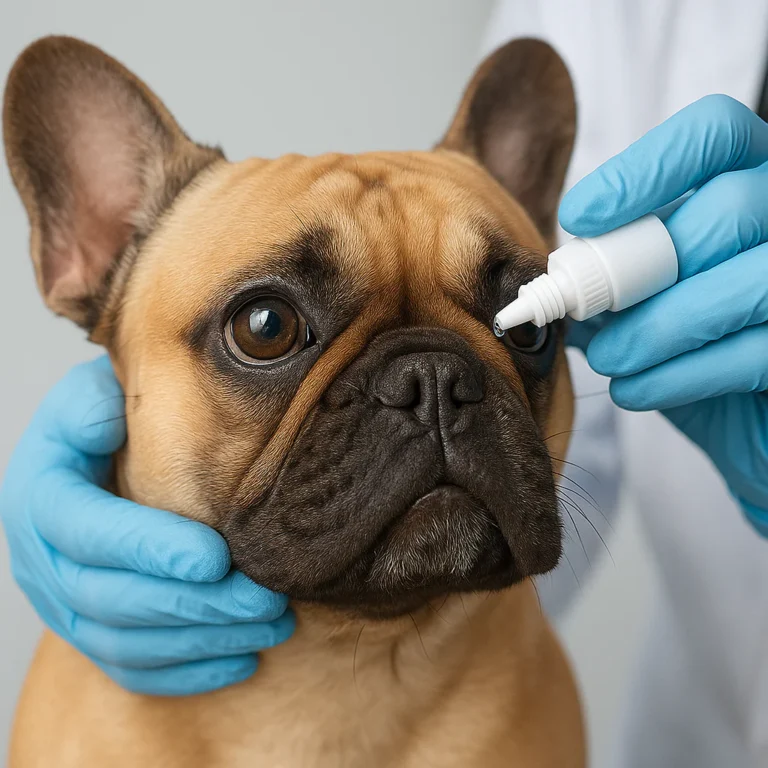
- Prescription Eye Drops and Ointments
- Pain Relief, Antibiotics, and Anti-Inflammatory Medication
- Surgery for Eyelid, Eyelash, and Third-Eyelid Problems
- Surgical Treatment for Severe Corneal Disease
- Elizabethan Collars and Post-Treatment Eye Protection
- 🧼 Daily Eye Care Routine for Brachycephalic Breds
- How to Clean Facial Folds and Eye Discharge Safely
- Choosing a Dog-Safe Eye Cleaning Solution
- How Often Should You Clean a Pug, French Bulldog, or Shih Tzu’s Eyes?
- Products and Ingredients to Avoid Near the Eyes
- 🛡️ Preventing Eye Injuries and Vision Problems
- Home Safety for Prominent-Eyed Dogs
- Harnesses, Collars, and Safe Walking Practices
- Grooming, Bathing, and Facial Fold Protection
- Managing Heat, Allergies, and Environmental Irritants
- Healthy Weight and Its Effect on Eye and Breathing Problems
- 🏠 Creating an Eye-Friendly Home for Flat-Faced Dogs
- Safe Toys, Bedding, and Household Objects
- Reducing Dust, Smoke, and Airborne Irritants
- Travel Safety for Brachycephalic Dogs
- 🐕 Breed-Specific Eye Risks and Care Tips
- Pug Eye Problems
- French Bulldog Eye Problems
- English Bulldog Eye Problems
- Boston Terrier Eye Problems
- Shih Tzu Eye Problems
- Pekingese Eye Problems
- Boxer Eye Problems
- Japanese Chin and Brussels Griffon Eye Problems
- 📅 Veterinary Checkups and Long-Term Eye Health Monitoring
- Puppy Eye Examinations
- How Often Should Brachycephalic Dogs Have Eye Exams?
- Keeping an Eye Health Journal
- Questions to Ask Your Veterinarian
- 💰 Understanding the Cost and Care Commitment
- Factors That Influence Veterinary Eye Treatment
- Pet Insurance and Coverage for Hereditary Conditions
- Balancing Quality of Life, Treatment, and Prognosis
- ❌ Common Mistakes Owners Make With Dog Eye Problems
- Using Human Eye Drops Without Veterinary Advice
- Ignoring Squinting or Recurrent Redness
- Relying on Home Remedies for Corneal Injuries
- Stopping Medication Too Early
- ✅ Quick-Reference Eye Care Checklist
- Daily Checklist
- Weekly Checklist
- Emergency Checklist
- 📚 Veterinary Research, Welfare Guidance, and Expert Evidence
- What Veterinary Ophthalmology Research Says
- Breed Welfare and Responsible Breding Considerations
- Understanding Hereditary and Conformation-Related Risk
- 🏁 Conclusion
- 🔗 Recommended Links
- ❓ FAQ About Common Eye Problems in Brachycephalic Breds
- 📖 Reference Links
⚡️ Quick Tips and Facts About Brachycephalic Dog Eye Health
If you share life with a snub-nosed dog, you already know those enormous eyes can deliver Oscar-worthy drama over an empty food bowl. Unfortunately, prominent eyes and shortened facial bones also create genuine medical risks.
At Snubby Puppy™, we have learned to treat eye changes as useful information, not “just a funny squint.” A Pug, French Bulldog, Boston Terrier, Shih Tzu, Pekingese, or English Bulldog may have serious corneal disease while showing surprisingly subtle pain.
The fastest facts to remember
| Fact | Why it matters |
|---|---|
| A squinting eye needs prompt veterinary attention | Squinting commonly indicates pain, including a corneal ulcer. |
| Brachycephalic dogs may hide eye pain | Reduced corneal sensitivity can make severe disease look deceptively mild. |
| A cloudy, blue, brown, or suddenly red eye is not normal | These changes can signal ulceration, inflammation, bleeding, glaucoma, or scarring. |
| Do not use steroid eye drops unless your veterinarian prescribed them for this exact episode | Steroids can worsen certain corneal ulcers and delay healing. |
| Prominent eyes are more vulnerable to trauma | Shallow eye sockets and wide eyelid openings make accidental injury easier. |
| Daily lubrication may be lifelong for some dogs | Dry-eye disease and exposure-related keratitis often require ongoing treatment. |
| A veterinary eye stain can reveal an ulcer quickly | Fluorescein testing is a standard part of evaluating a painful eye. |
| A cone is protective medical equipment, not a punishment | Preventing rubbing can preserve the eye while treatment works. |
The Royal Kennel Club describes corneal ulcers in brachycephalic dogs as “always serious” because they can deepen rapidly. A peer-reviewed review in Veterinary Ophthalmology similarly reports a “concerningly high prevalence of ocular surface disorders” in these breeds (Sebag et al., PubMed).
Our 30-second eye check
Look at each eye in good light:
- Is your dog holding either eye partly or completely closed?
- Is there new redness, cloudiness, swelling, or unusual discharge?
- Does the pupil look different from the other pupil?
- Is the eye suddenly more prominent?
- Is your dog rubbing the face, avoiding light, or acting withdrawn?
- Does the cornea look brown, blue, grey, or milky?
- Is the third eyelid visible more than usual?
If the answer to any question is yes, call your veterinarian. If the eye is displaced, severely cloudy, bleeding, or accompanied by sudden vision loss, treat it as an emergency.
🐶 Why Flat-Faced Dogs Are Prone to Eye Problems
Brachycephalic means short-headed. The skull is broad, the muzzle is shortened, and the facial tissues are compressed into a smaller front-of-face footprint. The eyes, however, do not shrink to match. That is how you get the signature “permanent surprise” expression—and a surface that may be unusually exposed.
Researchers often group these anatomy-related conditions under brachycephalic ocular syndrome (BOS). BOS is not one single disease. It is a collection of interacting problems involving the eyelids, cornea, tear film, eye socket, facial folds, and blink.
Brachycephalic Anatomy: Large Eyes, Shallow Sockets, and Short Muzzles
Several anatomical features can work together:
- Prominent globes: The eyes sit forward and may be easier to bump or scratch.
- Shallow orbits: The bony sockets may offer less protection.
- Macroblepharon: The eyelid opening is excessively wide relative to the eye.
- Lagophthalmos: The eyelids do not fully close, even during sleep.
- Medial canthal entropion: The inner lower eyelid rolls inward.
- Nasal and facial folds: Hair or skin may touch the cornea.
- Reduced tear distribution: A blink may not sweep tears evenly over the surface.
- Reduced corneal sensation: The dog may not react dramatically to an injury.
The Today’s Veterinary Practice overview of brachycephalic ocular syndrome puts it plainly: “Those big eyes—with their endearing qualities—can be very problematic for these breeds.”
That sentence has lived rent-free in our minds ever since one of our foster Pugs, Pickle, continued cheerfully carrying a toy around with a deep corneal ulcer. He looked mildly grumpy—not medically alarming. The fluorescein stain told a different story.
How Genetics, Breed Standards, and Skull Shape Affect Vision
Not every short-faced dog develops eye disease, and not every eye problem is inherited. Still, extreme facial conformation increases the odds of exposure, rubbing, trauma, and poor tear-film protection.
A useful distinction:
| Risk type | Example | Can owners influence it? |
|---|---|---|
| Conformation-related | Wide eyelid opening or shallow orbit | Partly, through breeding choices and veterinary surgery |
| Inherited disease | Some retinal disorders or juvenile cataracts | Breding screening can reduce risk |
| Environmental | Scratches from rough play or vegetation | Yes, through supervision and home safety |
| Inflammatory or infectious | Conjunctivitis or keratitis | Prompt diagnosis reduces complications |
| Age-related | Cataracts or lens changes | Monitoring helps identify progression |
The Royal Kennel Club Eye Screening Scheme assesses more than the eyeball itself. Screening may include the eyelids, tear ducts, and surrounding structures, which matters because a normal-looking lens does not rule out an eyelid rubbing problem.
Which Brachycephalic Breds Are Most at Risk?
Commonly affected breeds include:
- Pugs
- French Bulldogs
- English Bulldogs
- Boston Terriers
- Shih Tzus
- Pekingese
- Japanese Chins
- Brussels Griffons
- Boxers
- Lhasa Apsos and mixes with pronounced brachycephalic features
Risk varies among individuals. A less extreme-faced dog may have healthier eyelid coverage than a heavily wrinkled dog of the same breed. Breed labels offer clues, not diagnoses.
🔍 12 Common Eye Problems in Brachycephalic Breds
The following conditions overlap. A dog with lagophthalmos may develop exposure keratitis, which can lead to pigment, an ulcer, and secondary infection. Eye disease is often less like a tidy filing cabinet and more like a row of dominoes wearing tiny hats.
1. Corneal Ulcers and Eye Surface Injuries
The cornea is the transparent front surface of the eye. A corneal ulcer is an erosion or open wound in that surface.
Common causes
- Scratches from claws, toys, plants, or rough play
- Facial hair or skin repeatedly rubbing the cornea
- Incomplete eyelid closure
- Dry-eye disease
- Foreign material
- Infection
- Chemical irritation
- Abnormal eyelashes or inward-rolling eyelids
Typical signs include:
- Squinting
- Excessive blinking
- Pawing or rubbing
- Light sensitivity
- Redness
- Tearing or discharge
- A blue, grey, or cloudy appearance
The Merck Veterinary Manual explains that corneal ulcers require examination to determine depth and cause. A superficial defect can become deep, infected, or “melting” without appropriate treatment.
Why ulcers can worsen rapidly
The cornea has multiple layers. As an ulcer removes tissue, the remaining cornea becomes thinner and less resistant to pressure. A deep ulcer can perforate, allowing fluid to escape and threatening the globe.
Never wait several days to see whether a squint resolves. In a brachycephalic dog, the “wait and see” approach can turn a treatable surface injury into a surgical emergency.
2. Brachycephalic Ocular Syndrome
BOS describes the combined effect of:
- Prominent eyes
- Wide eyelid openings
- Incomplete blinking
- Shallow orbits
- Medial canthal entropion
- Facial-fold contact
- Poor tear distribution
- Reduced corneal sensation
The peer-reviewed review by Sebag and colleagues links BOS with chronic discomfort, corneal disease, loss of the globe, and long-term daily therapy.
BOS is a spectrum
Some dogs have occasional irritation. Others develop chronic exposure keratopathy, pigmentary keratitis, recurrent ulcers, or require surgery such as medial canthoplasty.
| BOS severity pattern | Common findings | Typical management |
|---|---|---|
| Mild exposure | Tearing, occasional redness | Monitoring and lubricants if prescribed |
| Moderate surface disease | Pigment, inflammation, recurrent irritation | Medication and ophthalmic evaluation |
| Structural disease | Entropion, trichiasis, lagophthalmos | Corrective surgery may be considered |
| Advanced disease | Deep ulcers, scarring, severe pigment | Specialist treatment, grafting, or surgery |
3. Dry Eye and Keratoconjunctivitis Sica
Keratoconjunctivitis sica (KCS) means inadequate tear production or poor tear-film function. Tears lubricate the cornea, nourish its surface, wash away debris, and provide antimicrobial protection.
Signs may include:
- Thick, sticky discharge
- Redness
- Dull or dry-looking cornea
- Squinting
- Recurrent ulcers
- Pigment or blood-vessel growth across the cornea
Diagnosis usually involves a Schirmer tear test, which measures tear production with a small paper strip. The Merck Veterinary Manual’s KCS guidance emphasizes that dry eye can cause chronic pain and corneal damage if unmanaged.
Treatment may include:
- Tear-stimulating medication
- Artificial tears
- Antibiotics when infection is present
- Anti-inflammatory treatment selected by a veterinarian
- Surgery in severe, medically unresponsive cases
KCS treatment is often long-term. Stopping medication because the eye “looks better” can allow the underlying tear deficiency to return.
4. Cherry Eye and Prolapsed Third-Eyelid Glands
Cherry eye appears as a red or pink, rounded mass at the inner corner of the eye. It occurs when the gland of the third eyelid prolapses.
The gland contributes to tear production, so removal is generally avoided when repositioning is possible. Veterinary surgeons often recommend surgical replacement or anchoring rather than simply cutting the gland away.
Cherry eye versus a tumor
Cherry eye is usually smooth, pink-red, and located at the inner corner. A mass that is irregular, bleeding, rapidly enlarging, or associated with severe inflammation needs prompt examination.
The American College of Veterinary Ophthalmologists provides owner-focused information about diagnosis and treatment.
5. Entropion and Inward-Rolling Eyelids
With entropion, part of the eyelid rolls inward. Eyelashes, skin, or hair can rub against the cornea with every blink.
In brachycephalic dogs, medial entropion near the nose is especially relevant. It can combine with facial folds and abnormal hairs to create constant friction.
Signs
- Persistent tearing
- Squinting
- Redness
- Corneal pigment
- Recurrent ulcers
- Face rubbing
- Brown tear staining
Mild puppy entropion may occasionally improve as the face matures, but painful or damaging entropion needs veterinary treatment. Temporary eyelid tacking may be used in selected young dogs; definitive surgery may be needed later.
6. Ectopic Cilia and Abnormal Eyelashes
Ectopic cilia are hairs that emerge through the inner eyelid surface and rub directly against the cornea. They can create significant pain and ulceration.
Because the hair may be tiny, owners often see only tearing or squinting. A veterinarian may need magnification and eyelid eversion to identify it.
Treatment generally involves removing the abnormal follicle or using a procedure that prevents regrowth. Simply trimming the visible hair may not solve the problem because the follicle remains.
7. Distichia and Extra Eyelashes
Distichia refers to extra eyelashes emerging from the eyelid margin. Some are soft and harmless; others are stiff enough to irritate the cornea.
A dog may have:
- No symptoms
- Intermittent tearing
- Chronic conjunctivitis
- Pigmentary keratitis
- Recurrent ulcers
The treatment decision depends on the lash’s position, stiffness, and effect on the cornea. Veterinary ophthalmologists may recommend cryotherapy, follicle destruction, or other eyelash procedures.
8. Lagophthalmos and Incomplete Eyelid Closure
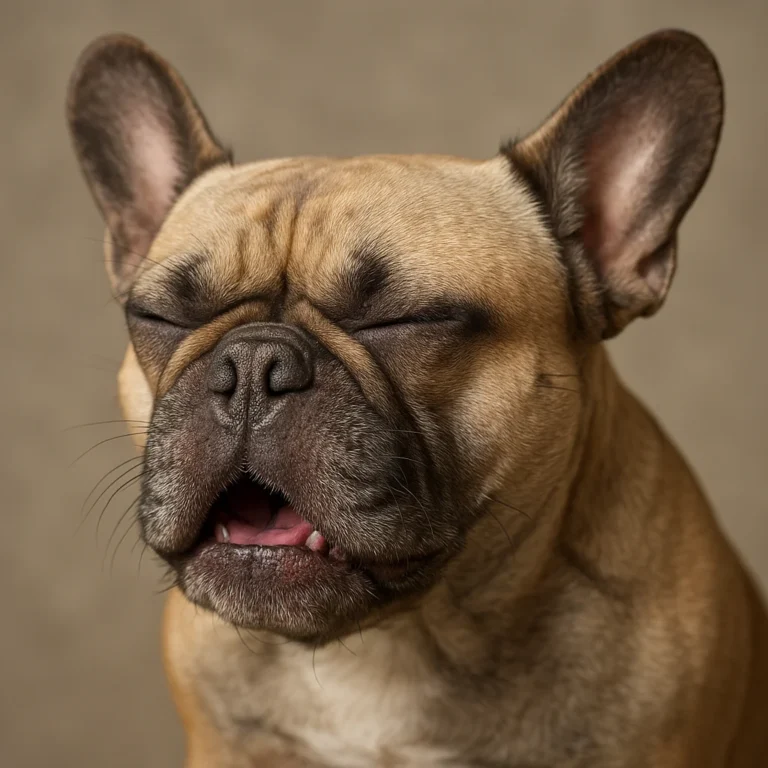
Lagophthalmos means the eyelids do not fully close. You may notice your dog sleeping with a narrow strip of eye visible. Some dogs appear to blink normally while still leaving part of the cornea exposed.
Why nighttime exposure matters
During sleep, tear distribution and blinking decrease. An exposed cornea can dry out, especially in a dog with a wide eyelid opening or poor tear production.
Possible consequences include:
- Exposure keratitis
- Dryness
- Corneal pigment
- Recurrent ulcers
- Scarring
- Reduced vision
Lubrication may help, but lubricants cannot reshape an eyelid opening. If anatomy is the driving problem, a veterinarian may discuss surgery.
9. Pigmentary Keratitis and Dark Corneal Deposits
Pigmentary keratitis appears as brown or black pigment spreading across the cornea. It commonly develops after chronic irritation, inflammation, exposure, or friction.
The Royal Kennel Club notes that pigment is generally not thought to be painful itself, but that does not mean the underlying condition is comfortable or harmless. Pigment can obstruct vision, and progression may become difficult to reverse.
Treatment focuses on the cause:
- Correcting entropion or trichiasis
- Improving eyelid coverage
- Treating dry eye
- Reducing inflammation
- Using prescribed medications
- Considering surgery when structural disease is severe
10. Proptosis and Eye Bulging
Proptosis occurs when the globe is displaced forward from the orbit. It can happen after trauma, restraint, or impact.
Brachycephalic dogs are particularly vulnerable because their shallow orbits and prominent globes offer less protection. A tug-of-war accident, dog scuffle, or collar-related force can cause severe injury.
Signs include:
- Eyeball suddenly protruding
- Eyelids trapped behind the globe
- Bleding
- Inability to close the eyelids
- Severe distress
- Abnormal pupil or vision
What to do
- Do not push the eye back in.
- Prevent rubbing.
- Keep the surface moist with sterile saline if available.
- Avoid ointments or household products.
- Go to an emergency veterinarian immediately.
The ACVO proptosis information explains that treatment depends on damage to the eye, optic nerve, muscles, and surrounding tissues. Some eyes can be repositioned; others cannot be saved.
11. Conjunctivitis, Eye Discharge, and Inflammation
Conjunctivitis is inflammation of the conjunctiva, the thin tissue covering the eye’s white area and inner eyelids.
Possible causes include:
- Allergies
- Bacterial infection
- Viral infection
- Irritation from dust or shampoo
- Dry eye
- Eyelid abnormalities
- Foreign material
- More serious corneal or intraocular disease
Discharge provides clues but not a diagnosis:
| Discharge | Possible associations |
|---|---|
| Clear and watery | Irritation, allergy, exposure |
| Thick white or yellow | Infection, dry eye, inflammation |
| Green discharge | Infection or severe inflammation |
| Blood-tinged | Trauma, severe irritation, ulcer, mass |
| Recurrent tear overflow | Drainage or eyelid anatomy problem |
A red eye with a painful squint should not be assumed to be “pink eye.” Glaucoma, uveitis, and corneal ulcers can also cause redness.
12. Glaucoma, Cataracts, and Other Vision-Threatening Conditions
Not every serious eye disease is uniquely brachycephalic, but every brachycephalic dog can develop it.
Glaucoma
Glaucoma involves increased pressure within the eye and can cause:
- Severe pain
- A dilated or abnormal pupil
- Cloudy cornea
- Redness
- Enlarged globe
- Suden vision loss
The Merck Veterinary Manual describes glaucoma as an emergency because vision can be lost quickly.
Cataracts
A cataract is clouding of the lens inside the eye. It may cause:
- A white or cloudy pupil
- Reduced vision
- Bumping into objects
- Difficulty in dim light
Some cataracts progress slowly; others develop rapidly, particularly with diabetes or inflammation. Cataract surgery may restore functional vision in carefully selected dogs. The ACVO cataract resource explains why specialist assessment matters.
Progressive retinal atrophy
Progressive retinal atrophy, or PRA, is a group of inherited retinal disorders that cause gradual vision loss. The eye may look normal early on, so an external inspection cannot rule it out. Ask breeders about appropriate genetic and ophthalmic screening.
🚩 Brachycephalic Dog Eye Problem Symptoms to Watch For
Brachycephalic dogs are masters of understatement. A Labrador may announce a splinter like a Broadway lead; a Pug may quietly blink twice and then request dinner.
Early Warning Signs
Contact your veterinarian promptly for:
- New squinting
- Increased blinking
- Face rubbing
- A visible third eyelid
- New or worsening discharge
- Redness
- Excessive tearing
- Light avoidance
- A change in eye color or clarity
- One eye looking different from the other
Signs of Eye Pain in Dogs
Dogs may show pain through behavior rather than vocalization:
- Hiding
- Reduced appetite
- Irritability
- Restlessness
- Sleeping more
- Refusing bright rooms
- Holding the head away from touch
- Pawing at the face
- Avoiding toys or grooming
The absence of dramatic pain does not clear the eye. Both Today’s Veterinary Practice and the Royal Kennel Club discuss reduced corneal sensitivity in brachycephalic dogs.
Symptoms That May Mean Vision Loss
Watch for:
- Bumping into furniture
- Hesitating on stairs
- Trouble finding food or toys
- Startling when approached
- Difficulty in dim light
- Different pupil responses
- Suden reluctance to move
Vision loss can be caused by corneal opacity, glaucoma, retinal disease, lens disease, or neurological problems. Diagnosis requires more than looking at the surface.
When Eye Discharge Is Normal—and When It Is Not
A tiny amount of clear tear residue after sleep may be ordinary. Repeated, thick, colored, or foul-smelling discharge is not something to dismiss.
Use this rule:
- Occasional clear residue: monitor and clean gently.
- Persistent watery overflow: arrange an examination, especially if one-sided.
- Thick white, yellow, or green discharge: contact your veterinarian.
- Discharge plus squinting or cloudiness: seek prompt care.
- Blood, severe swelling, or a displaced eye: emergency care now.
🚨 Eye Emergencies: When to Contact a Veterinarian Immediately
A painful eye is time-sensitive. The Royal Kennel Club advises immediate veterinary contact when eye disease is suspected, and we agree.
Corneal Ulcer, Proptosis, and Suden Vision Loss
Seek emergency care for:
- A suddenly bulging or displaced eye
- A visible wound or dark spot on the cornea
- Severe squinting or inability to open the eye
- Suden cloudiness
- Suden blindness or disorientation
- Eye bleeding
- Severe swelling
- A chemical splash
- A foreign object embedded in or near the eye
- A pupil that is suddenly enlarged or oddly shaped
- Severe pain after trauma
Can a Dog Eye Ulcer Heal Without Treatment?
Some very superficial abrasions may heal, but owners cannot reliably determine depth at home. A fluorescein stain shows whether the cornea is damaged, while examination and repeat checks help identify whether it is healing.
An ulcer that appears small can deepen because of:
- Infection
- Dry eye
- Rubbing
- Abnormal eyelids
- Reduced tear quality
- Collagen-destroying enzymes
The safe answer is simple: have the eye examined rather than gambling with vision.
What to Do Before You Reach the Veterinary Clinic
- Stop rubbing: Place an Elizabethan collar on your dog.
- Keep the dog calm: Excitement increases rubbing and accidental trauma.
- Avoid pressure: Do not bandage the eye unless instructed.
- Do not use leftover medication: A previous prescription may be dangerous now.
- For chemicals: Flush with sterile saline or clean lukewarm water for several minutes, then seek emergency care.
- For proptosis: Keep the exposed surface moist with sterile saline and go immediately.
- Bring medication bottles: The veterinarian needs to know exactly what has been used.
Never use steroid eye drops without a veterinary examination. The featured video’s advice is especially valuable here: “Do not try to diagnose and treat your dog’s eye condition yourself.” You can watch that perspective at #featured-video.
🩺 How Veterinarians Diagnose Eye Problems in Flat-Faced Dogs
Eye diagnosis is detective work. The veterinarian is not merely checking whether the eye “looks red.” They are identifying which layer is affected, what caused it, and whether vision is threatened.
Complete Ophthalmic Examination
The examination may include:
- Visual behavior and menace response
- Pupil responses
- Eyelid position
- Third-eyelid evaluation
- Corneal inspection
- Conjunctival examination
- Tear drainage assessment
- Eye pressure measurement
- Fundic or retinal examination when possible
Brachycephalic dogs may require careful restraint because pressure around the neck or face can worsen eye protrusion in vulnerable individuals. A properly fitted harness is often preferable for routine walking; see our broader Behavior Analysis resources for handling strategies that reduce fear and struggling.
Fluorescein Staining for Corneal Ulcers
Fluorescein is a bright dye that adheres to damaged corneal tissue. It can reveal:
- Abrasions
- Ulcers
- Leaks from a perforation
- Tear drainage patterns
A negative stain does not rule out every eye problem. Glaucoma, uveitis, lens disease, and retinal disorders require other tests.
Schirmer Tear Test for Dry Eye
A narrow strip measures tear production over a short period. The test may make dogs blink or look offended, but it is quick and informative.
Results must be interpreted alongside:
- Breed
- Stress
- Medication history
- Corneal appearance
- Discharge
- Inflammation
Eye Pressure Testing for Glaucoma and Uveitis
Tonometry measures intraocular pressure. High pressure raises concern for glaucoma; unusually low pressure can occur with uveitis or other intraocular disease.
Because glaucoma can threaten vision quickly, a red or cloudy eye may need pressure testing even when an ulcer is not visible.
When to See a Board-Certified Veterinary Ophthalmologist
Referral is sensible when:
- An ulcer is deep, recurrent, infected, or not healing
- Vision is threatened
- Surgery may be needed
- Glaucoma or cataracts are suspected
- The diagnosis remains uncertain
- Eye disease keeps returning
- Eyelid anatomy is causing chronic damage
The American College of Veterinary Ophthalmologists provides a directory for locating board-certified specialists.
💊 Treatment Options for Brachycephalic Dog Eye Conditions
Treatment depends on the diagnosis. There is no universal “red-eye drop,” despite what the internet—and occasionally a well-meaning relative—may suggest.
Prescription Eye Drops and Ointments
Veterinarians may prescribe:
- Antibiotic drops or ointment
- Tear stimulants
- Artificial tears
- Anti-inflammatory medication
- Antiviral medication in selected cases
- Glaucoma medication
- Cycloplegic medication for painful uveitis
Treatment should target the cause, not merely make the eye look less red.
Pain Relief, Antibiotics, and Anti-Inflammatory Medication
A painful corneal ulcer may require systemic or topical pain control. Antibiotics can prevent or treat bacterial infection, but they do not repair an abnormal eyelid or replace tears.
Steroids deserve special caution. They may be appropriate for some inflammatory conditions but can worsen an ulcer, fungal disease, or certain infections. The video summary correctly warns that steroid-based drops can be harmful in similar-looking eye conditions.
Surgery for Eyelid, Eyelash, and Third-Eyelid Problems
Surgery may address:
- Entropion
- Distichia
- Ectopic cilia
- Cherry eye
- Excessively wide eyelid openings
- Medial canthal entropion
- Nasal-fold contact
- Chronic lagophthalmos
Medial canthoplasty
Medial canthoplasty shortens the eyelid opening and may:
- Improve globe coverage
- Reduce exposure
- Improve blinking
- Remove irritating medial hairs
- Reduce friction
- Improve tear drainage
- Lower traumatic proptosis risk
The Today’s Veterinary Practice surgical guide stresses careful protection of the nasolacrimal ducts and meticulous postoperative care.
Surgical Treatment for Severe Corneal Disease
Deep or non-healing ulcers may require:
- Debridement
- Corneal sutures
- Conjunctival grafts
- Conjunctival flaps
- Corneal transplantation in specialized settings
- Enucleation when the eye cannot be saved or pain cannot otherwise be controlled
The Royal Kennel Club discusses grafts, flaps, and possible eye removal for severe disease (source).
Elizabethan Collars and Post-Treatment Eye Protection
The collar prevents:
- Paw scratches
- Carpet rubbing
- Premature suture removal
- Medication disruption
- Worsening ulcers
A soft recovery collar may be comfortable but is not always protective enough. Ask your veterinary team whether the nose and eyes remain safely covered.
🧼 Daily Eye Care Routine for Brachycephalic Dogs
Daily care cannot eliminate conformation-related risk, but it can help you detect trouble early and reduce surface irritation.
How to Clean Facial Folds and Eye Discharge Safely
- Wash your hands.
- Use sterile saline or a veterinarian-approved eye-cleaning product.
- Soften discharge rather than scraping it.
- Wipe away from the eye, using a fresh pad for each eye.
- Dry the surrounding skin gently.
- Clean facial folds separately with a product recommended for that dog.
- Stop if your dog shows pain.
- Seek veterinary care if discharge is recurrent, colored, or accompanied by squinting.
Never reuse one cotton pad across both eyes. That is how germs get a free shuttle service.
Choosing a Dog-Safe Eye Cleaning Solution
For routine external cleaning, look for products designed specifically for dogs, such as:
- Vetericyn Plus All Animal Eye Wash on Amazon
- Optixcare Eye Cleaning Solution on Amazon
- Dechra TrizCHLOR products
These products are for cleaning or lubrication only, depending on the formulation. They do not treat ulcers, glaucoma, infections, or dry eye unless your veterinarian specifically says they are appropriate.
👉 CHECK PRICE on:
- Vetericyn Plus Eye Wash: Amazon | Vetericyn Official Website
- Optixcare Eye Cleaning Solution: Amazon | Optixcare Official Website
How Often Should You Clean a Pug, French Bulldog, or Shih Tzu’s Eyes?
There is no universal schedule:
- Healthy eyes with little residue: clean only when needed.
- Dogs with facial folds: inspect daily and clean according to veterinary guidance.
- Dogs with chronic discharge: arrange an examination rather than endlessly wiping.
- Dogs on medication: follow the exact prescribed schedule.
- Dogs after surgery: use only the products and technique provided by the surgical team.
Over-cleaning can irritate the skin. Under-cleaning can leave moisture and debris against the face. The sweet spot is gentle, purposeful care.
Products and Ingredients to Avoid Near the Eyes
Avoid:
- Human redness-relief drops
- Hydrogen peroxide
- Essential oils
- Alcohol
- Undiluted antiseptics
- Homemade salt solutions
- Scented wipes
- Tea tree oil
- Chlorhexidine near the cornea unless specifically directed by a veterinary professional
- Leftover steroid medication
- Contact-lens solutions not approved for veterinary use
The Today’s Veterinary Practice source specifically warns that inappropriate antiseptics can injure the cornea. Eye tissue is not the place for kitchen chemistry experiments.
🛡️ Preventing Eye Injuries and Vision Problems
Prevention means reducing avoidable trauma while accepting that anatomy still matters.
Home Safety for Prominent-Eyed Dogs
Reduce hazards such as:
- Sharp-edged furniture
- Thorny houseplants
- Low branches
- Rough wire crates
- Frayed toys
- Aggressive play with larger dogs
- Unsupervised wrestling
- Cats that swat
- Tight spaces where the face can catch
Choose toys without:
- Splintering materials
- Sharp seams
- Loose wires
- Hard points
- Small detachable parts
Harnesses, Collars, and Safe Walking Practices
A well-fitted harness can reduce neck pressure and face-first pulling. It cannot prevent every proptosis event, but it may be a sensible choice for many brachycephalic dogs.
Look for:
- A secure chest fit
- No straps rubbing the eyes or throat
- Room for normal breathing
- Easy release
- No pressure under the jaw
Avoid leash attachments that encourage forceful neck correction. Training based on rewards and calm handling is safer and kinder; our Behavior Analysis category includes practical guidance for cooperative care.
Grooming, Bathing, and Facial Fold Protection
During bathing:
- Use a dog-safe shampoo.
- Keep water and shampoo away from the eyes.
- Rinse thoroughly.
- Dry facial folds carefully.
- Check for trapped hairs or debris.
- Avoid blasting the face with a high-pressure dryer.
During grooming, ask professionals to protect the eyes from clippers, loose hair, and sprays. A tiny clipped hair can behave like a microscopic spear.
Managing Heat, Allergies, and Environmental Irritants
Heat and heavy panting can increase dehydration and discomfort. Smoke, dust, aerosols, pollen, and cleaning sprays may irritate the ocular surface.
Helpful measures include:
- Ventilating rooms during cleaning
- Keeping dogs away from smoke
- Using fragrance-free products
- Washing bedding regularly
- Managing allergies with veterinary guidance
- Avoiding dusty outdoor areas during flare-ups
Healthy Weight and Its Effect on Eye and Breathing Problems
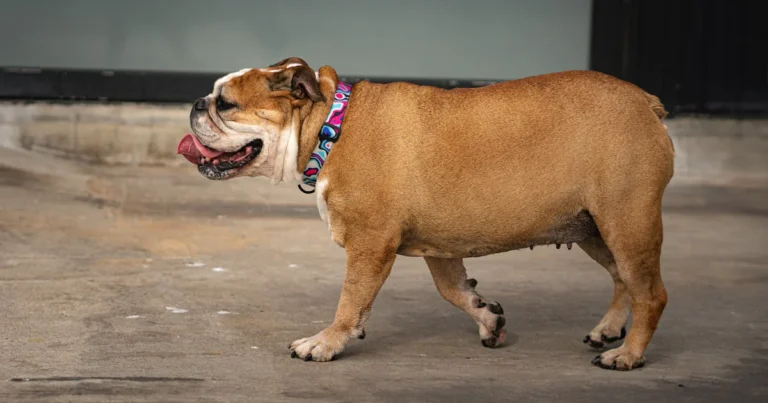
Weight does not reshape the skull, but excess body fat can worsen breathing effort, heat intolerance, and overall resilience. A lean body condition supports safer activity and anesthesia planning.
Ask your veterinarian to assess body condition rather than relying only on a scale. A healthy French Bulldog should not be shaped like a beanbag with legs, charming though the beanbag may be.
🏠 Creating an Eye-Friendly Home for Flat-Faced Dogs
Small environmental changes can prevent surprisingly large mishaps.
Safe Toys, Bedding, and Household Objects
Prefer:
- Soft, washable toys
- Rounded edges
- Durable stitching
- Supervised chew items
- Low, stable furniture access
- Bedding without exposed zippers or wires
Inspect toys frequently. A toy that was safe on Monday may become a pile of eye-level shrapnel by Thursday.
Reducing Dust, Smoke, and Airborne Irritants
Use:
- A vacuum with effective filtration
- Washable bedding
- Low-dust litter if cats share the home
- Unscented cleaning products
- Good ventilation
- Smoke-free indoor air
Avoid spraying products near the dog. Even a safe product can irritate if it lands directly on the eye.
Travel Safety for Brachycephalic Dogs
During travel:
- Use a secure, well-ventilated carrier.
- Keep bedding free of rough edges.
- Avoid placing the dog where luggage can fall.
- Prevent face contact with carrier bars.
- Never leave a brachycephalic dog in a hot vehicle.
- Bring prescribed eye medication and saline.
- Identify an emergency clinic before long trips.
A harness, carrier, and calm handling routine are useful not only for travel but also for veterinary visits.
🐕 Breed-Specific Eye Risks and Care Tips
Pug Eye Problems
Pugs commonly experience:
- Corneal ulcers
- Pigmentary keratitis
- Lagophthalmos
- Entropion
- Facial-fold irritation
- Proptosis risk
A Pug with a dark corneal spot may look stable for months, but pigment can progress. Regular examinations matter even when appetite and energy are normal.
French Bulldog Eye Problems
French Bulldogs may develop:
- Corneal ulcers
- Dry eye
- Cherry eye
- Entropion
- Proptosis after trauma
- Exposure keratitis
Their enthusiastic wrestling style is adorable until a face meets a coffee table. Supervise play with larger dogs and inspect the eyes after rough activity.
English Bulldog Eye Problems
English Bulldogs may be affected by:
- Entropion and ectropion
- Cherry eye
- Corneal ulcers
- Facial-fold contact
- Dry eye
- Eyelid abnormalities
Their facial folds should be kept clean and dry, but recurrent moisture or odor deserves veterinary evaluation.
Boston Terrier Eye Problems
Boston Terriers are often prone to:
- Corneal ulcers
- Cataracts
- Dry eye
- Proptosis
- Eye trauma
- Inherited ocular disease
Their bright, prominent eyes are particularly vulnerable during high-speed play.
Shih Tzu Eye Problems
Shih Tzus may experience:
- Dry eye
- Corneal ulcers
- Distichia
- Entropion
- Facial hair irritation
- Cataracts
Long facial hair can trap debris or brush against the cornea. Grooming should protect, not merely beautify, the eye area.
Pekingese Eye Problems
Pekingese may have:
- Prominent eyes
- Shallow orbits
- Exposure keratitis
- Corneal ulcers
- Entropion
- Proptosis risk
Handle the face gently. Avoid pressure around the eyes during restraint, bathing, and grooming.
Boxer Eye Problems
Boxers can develop:
- Corneal ulcers
- Indolent ulcers
- Corneal dystrophy
- Cherry eye
- Tumors around the eye
- Cataracts
A non-healing ulcer deserves specialist assessment, particularly when routine medication has not produced expected improvement.
Japanese Chin and Brussels Griffon Eye Problems
These small brachycephalic breeds may experience:
- Prominent eyes
- Corneal injury
- Dry eye
- Entropion
- Eyelash abnormalities
- Exposure-related inflammation
The same basic rule applies: a change from your dog’s normal eye appearance deserves attention.
📅 Veterinary Checkups and Long-Term Eye Health Monitoring
Puppy Eye Examinations
A puppy examination should assess:
- Eyelid shape
- Eye position
- Tear production when indicated
- Corneal clarity
- Vision responses
- Third eyelids
- Facial folds
- Inherited disease risks
For breeders, formal eye screening can help identify problems that are not obvious during a casual home inspection.
How Often Should Brachycephalic Dogs Have Eye Exams?
Ask your veterinarian to tailor the schedule based on:
- Breed and facial conformation
- Previous ulcers
- Dry-eye diagnosis
- Medications
- Surgical history
- Age
- Any change in vision or comfort
A healthy young dog may need routine annual care. A dog with chronic ocular disease may need examinations every few weeks or months.
Keeping an Eye Health Journal
Record:
- Date and time of symptoms
- Which eye is affected
- Discharge color and amount
- Squinting frequency
- Medication names and times
- Photos in consistent lighting
- Recent trauma, grooming, or bathing
- Changes in appetite or behavior
Photos can help your veterinarian identify progression, but they do not replace examination. Camera flash is not a diagnostic test, no matter how impressive the portrait.
Questions to Ask Your Veterinarian
Ask:
- Is the cornea intact?
- Was a fluorescein stain performed?
- Are tear levels normal?
- Is eye pressure normal?
- Could eyelid or facial anatomy be causing this?
- Is this medication safe if an ulcer is present?
- How soon should the eye be rechecked?
- Does my dog need a veterinary ophthalmologist?
- What signs mean I should return immediately?
- Should we discuss corrective surgery?
💰 Understanding the Cost and Care Commitment
Factors That Influence Veterinary Eye Treatment
The overall treatment burden depends on:
- Whether one or both eyes are affected
- Ulcer depth
- Infection
- Dry-eye severity
- Need for specialist care
- Medication duration
- Surgery and anesthesia
- Follow-up examinations
- Postoperative compliance
The biggest practical variable is often not the first appointment—it is consistent aftercare.
Pet Insurance and Coverage for Hereditary Conditions
Policies differ widely. Before enrolling, check:
- Waiting periods
- Hereditary and congenital exclusions
- Bilateral-condition clauses
- Breed-related exclusions
- Specialist coverage
- Prescription medication coverage
- Surgical limits
- Pre-existing-condition definitions
Keep copies of medical records and prior eye examinations. Insurance companies may evaluate whether a condition existed before coverage began.
Balancing Quality of Life, Treatment, and Prognosis
Eye disease can be stressful for both dog and owner. Ask the veterinary team to explain:
- Pain level
- Expected vision
- Treatment duration
- Surgery success factors
- Risk of recurrence
- What happens without treatment
- Whether the eye can be comfortable if vision cannot be restored
Sometimes saving the globe is possible. Sometimes preserving comfort requires removing a badly damaged eye. Dogs generally adapt remarkably well when pain is relieved, but that decision should be guided by a veterinary professional.
❌ Common Mistakes Owners Make With Dog Eye Problems
Using Human Eye Drops Without Veterinary Advice
Human drops may contain ingredients that are unsafe, ineffective, or inappropriate for dogs. “Redness relief” products can mask symptoms without treating the cause.
Ignoring Squinting or Recurrent Redness
Squinting is not a cosmetic issue. It is often a pain signal. Recurrent redness may indicate chronic exposure, dry eye, eyelid disease, allergy, or deeper inflammation.
Relying on Home Remedies for Corneal Injuries
Tea, honey, oils, peroxide, and homemade mixtures can irritate or contaminate the eye. A corneal wound needs examination, not pantry improvisation.
Stopping Medication Too Early
Improvement does not always mean healing. Ulcers, dry eye, and inflammation may recur when medication is stopped prematurely. Use the prescribed course and attend rechecks.
✅ Quick-Reference Eye Care Checklist
Daily Checklist
- Inspect both eyes in good light.
- Check for squinting, redness, discharge, or cloudiness.
- Look at facial folds and keep them dry.
- Prevent rubbing if irritation appears.
- Give prescribed medication on schedule.
- Use a harness or safe handling method.
Weekly Checklist
- Wash bedding.
- Inspect toys for sharp damage.
- Review medication supplies.
- Note any change in tear staining.
- Check whether facial hair is contacting the eyes.
- Practice calm handling for cooperative eye care.
Emergency Checklist
- Put on an Elizabethan collar.
- Do not use unprescribed drops.
- Do not press on or reposition a displaced eye.
- Flush chemical exposure with clean water or sterile saline.
- Call an emergency veterinarian.
- Bring all current medications.
- Note when symptoms began.
📚 Veterinary Research, Welfare Guidance, and Expert Evidence
What Veterinary Ophthalmology Research Says
The review by Sebag et al. in Veterinary Ophthalmology frames BOS as a widespread welfare concern rather than a collection of isolated cosmetic quirks. Its key warning is that ocular disease can produce “chronic discomfort, loss of the globe, and/or require long-term, daily therapy.”
That broad review and the practical surgical guidance from Today’s Veterinary Practice complement each other:
- The review explains the population-level welfare problem.
- The clinical article explains how anatomy creates exposure and friction.
- The Royal Kennel Club provides owner-focused warning signs and screening information.
Where the sources differ in emphasis, trust the shared message: painful, cloudy, squinting, or suddenly changed eyes need veterinary assessment.
Breed Welfare and Responsible Breding Considerations
Health-focused breeding should prioritize:
- Functional eyelid coverage
- Less extreme facial shortening
- Adequate muzzle and airway function
- Healthy eye sockets
- Reduced facial-fold contact
- Screening for inherited eye disease
- Avoiding dogs with severe, recurrent ocular disease as breeding stock
The authors of the BOS review call for a “wider, international effort” to improve ocular health. That means breeders, veterinarians, kennel clubs, legislators, and puppy buyers all have a role.
Understanding Hereditary and Conformation-Related Risk
A dog can inherit a tendency toward disease without developing it in the same way as a parent. Conversely, a dog with no known family history can suffer a traumatic ulcer.
A sensible approach combines:
- Responsible breeding
- Veterinary screening
- Safe home management
- Daily observation
- Prompt treatment
- Long-term follow-up
🏁 Conclusion

Brachycephalic dogs do not develop eye problems because they are “delicate.” They develop them because prominent eyes, shallow orbits, wide eyelid openings, facial folds, abnormal lashes, reduced tear protection, and decreased corneal sensitivity can combine into a high-risk ocular system.
The most common concerns include:
- Corneal ulcers
- Dry eye
- Exposure keratitis
- Pigmentary keratitis
- Entropion
- Distichia and ectopic cilia
- Cherry eye
- Conjunctivitis
- Proptosis
- Glaucoma and cataracts
Our confident recommendation is straightforward: treat squinting, cloudiness, new redness, unusual discharge, or vision changes as medical signs—not grooming issues. Do not use leftover steroid drops, do not wait several days on a painful eye, and do not underestimate a cheerful dog’s ability to hide serious disease.
The most effective long-term plan combines:
- Regular veterinary examinations.
- Safe daily eye observation.
- Gentle facial-fold care.
- Harness-based handling where appropriate.
- Prompt fluorescein, tear, and pressure testing when symptoms appear.
- Specialist referral for recurrent, deep, or anatomically driven disease.
- Thoughtful breeding that favors healthy facial function over extreme appearance.
And what happened to Pickle, the Pug who carried a toy through a deep ulcer? With prompt treatment, a cone, scheduled medication, and a follow-up veterinary ophthalmology visit, he kept his eye and his beloved squeaky dinosaur. The dinosaur survived too, although we retired it from wrestling duty.
🔗 Recommended Links
Veterinary Eye Care and Cleaning Products
- Vetericyn Plus Eye Wash: Amazon | Vetericyn Official Website
- Optixcare Eye Cleaning Solution: Amazon | Optixcare Official Website
- Nutri-Vet Eye Rinse: Amazon | Nutri-Vet Official Website
- KONG Classic Dog Toy: Amazon | KONG Official Website
- Ruffwear Front Range Harness: Amazon | Ruffwear Official Website
👉 CHECK PRICE on:
- Dog-safe eye wash: Amazon | Chewy
- Protective Elizabethan collars: Amazon | Chewy
- Brachycephalic-friendly harnesses: Amazon | Chewy
Recommended Books
- Small Animal Ophthalmology for Veterinary Technicians
- Veterinary Ophthalmology
- The Dog’s Mind and Behavior Books
Related Snubby Puppy™ Resources
❓ FAQ About Common Eye Problems in Brachycephalic Breds

What are the most common eye problems in snub-nosed dog breeds?
The most common problems include corneal ulcers, exposure keratitis, dry eye, pigmentary keratitis, entropion, abnormal eyelashes, cherry eye, conjunctivitis, and traumatic proptosis.
Corneal ulcers are especially concerning because they can deepen quickly. Structural issues such as wide eyelid openings and facial-fold contact may keep causing damage until the underlying anatomy is addressed.
Read more about “🐾 How to Choose the Right Snub-Nosed Puppy for Your Family (2026)”
How can I tell if my brachycephalic dog has an eye infection?
Possible infection signs include:
- Thick yellow or green discharge
- Redness
- Swelling
- Squinting
- Cloudiness
- Pawing
- Increased tearing
- Reduced appetite or energy
However, infection can resemble dry eye, an ulcer, allergy, glaucoma, or uveitis. A veterinarian may need to perform fluorescein staining, tear testing, pressure measurement, and possibly cytology or culture.
Read more about “🐾 Ultimate Bulldog Care & Health Guide (2026): 10 Secrets to a Happy Snout”
Why are brachycephalic dogs more prone to corneal ulcers?
Their prominent eyes, shallow orbits, wide eyelid openings, incomplete closure, abnormal facial hair, eyelid rolling, and tear-film problems leave the cornea more exposed and vulnerable to friction and drying.
Reduced corneal sensitivity can further complicate matters because a dog may not react strongly even when the ulcer is significant.
What symptoms indicate an eye emergency in a flat-faced dog?
Emergency symptoms include:
- A displaced or bulging eye
- Severe squinting
- Suden cloudiness
- Suden blindness
- Visible corneal injury
- Bleding
- Severe swelling
- A foreign object
- A chemical splash
- A suddenly abnormal pupil
Call an emergency veterinarian immediately. Do not press on the eye or use unprescribed medication.
Read more about “🐾 7 Best Exercises for Snub-Nosed Puppies (2026)”
How can I protect my snub-nose dog’s eyes from injury?
Use a secure harness, supervise rough play, remove sharp household hazards, keep facial folds clean and dry, protect the eyes during bathing and grooming, and avoid smoke and airborne irritants.
An Elizabethan collar is essential when your dog has an ulcer or surgery. It prevents rubbing that could turn a surface injury into a deeper one.
Are eye problems in brachycephalic breeds preventable?
Some risks can be reduced, but not all are preventable. Owners can limit trauma, identify symptoms early, manage dry eye, and seek corrective surgery for damaging eyelid or facial anatomy.
Responsible breeding can reduce extreme conformational risk. Still, even a carefully bred brachycephalic dog may develop an ulcer after an ordinary scratch.
Read more about “How Long Do Boston Terriers Typically Live? 🐾 Secrets to a Longer Life (2026)”
When should a brachycephalic dog see a veterinary ophthalmologist?
Referral is appropriate for:
- Deep or melting ulcers
- Recurrent ulcers
- Non-healing ulcers
- Suspected glaucoma
- Vision loss
- Severe pigmentary keratitis
- Complex eyelid disease
- Proptosis
- Cataract surgery assessment
- Unclear diagnosis
- Disease requiring reconstructive surgery
A board-certified veterinary ophthalmologist can assess the cornea, tear film, eyelids, lens, retina, and surgical options in greater detail.
Can I use human artificial tears for my dog?
Some preservative-free lubricants may be used in dogs under veterinary direction, but not every human product is appropriate. Avoid redness-relief drops and medicated products unless prescribed.
Ask your veterinarian which formulation, frequency, and preservative profile are suitable.
Read more about “🐾 15 Top Brachycephalic Dog Breds: The Ultimate 2026 Care Guide”
Is brown pigment on my dog’s cornea painful?
The pigment itself may not be painful, but it often reflects chronic irritation, exposure, inflammation, or friction. It can impair vision and may progress.
A veterinary examination should identify and treat the underlying cause.
Why does my dog sleep with one eye partly open?
Partial eye opening may indicate lagophthalmos. In brachycephalic dogs, incomplete closure can expose and dry the cornea, especially overnight.
Show your veterinarian a video or photograph of the sleeping position. Lubrication or corrective surgery may be recommended depending on severity.
Can cherry eye damage vision?
Cherry eye does not usually cause blindness by itself, but the prolapsed gland can become inflamed, dry, or traumatized. Because the gland contributes to tear production, surgical repositioning is generally preferred over removal.
How long do corneal ulcers take to heal?
Superficial ulcers may heal in days with appropriate treatment, while deep, infected, dry-eye-related, or anatomically driven ulcers can take much longer and may require surgery.
Your veterinarian should confirm healing with repeat examination and, when appropriate, repeat fluorescein staining.
📖 Reference Links
- Sebag et al., “The pandemic of ocular surface disease in brachycephalic dogs: The brachycephalic ocular syndrome,” PubMed
- Today’s Veterinary Practice: Practical Techniques for Brachycephalic Ocular Syndrome
- The Royal Kennel Club: Eye Problems in Brachycephalic Dogs
- American College of Veterinary Ophthalmologists
- ACVO: Cherry Eye
- ACVO: Proptosis
- ACVO: Cataracts
- Merck Veterinary Manual: Corneal Ulcers in Dogs and Cats
- Merck Veterinary Manual: Keratoconjunctivitis Sica in Dogs and Cats
- Merck Veterinary Manual: Glaucoma in Dogs and Cats
- Royal Veterinary College: Canine Health and Research
- Vetericyn Official Website
- Optixcare Official Website
- KONG Official Website
- Ruffwear Official Website
- Snubby Puppy™: Snub-Nosed Dogs
- Snubby Puppy™: Behavior Analysis