Support our educational content for free when you purchase through links on our site. Learn more
🤧 Reverse Snezing in Flat-Faced Dogs: The Real Truth (2026)

The terrifying honking noise your Pug makes is usually a harmless reflex, not a choking emergency. Understanding reverse snezing in brachycephalic dogs means recognizing that while the sound is alarming, the episode typically resolves on its own within a minute.
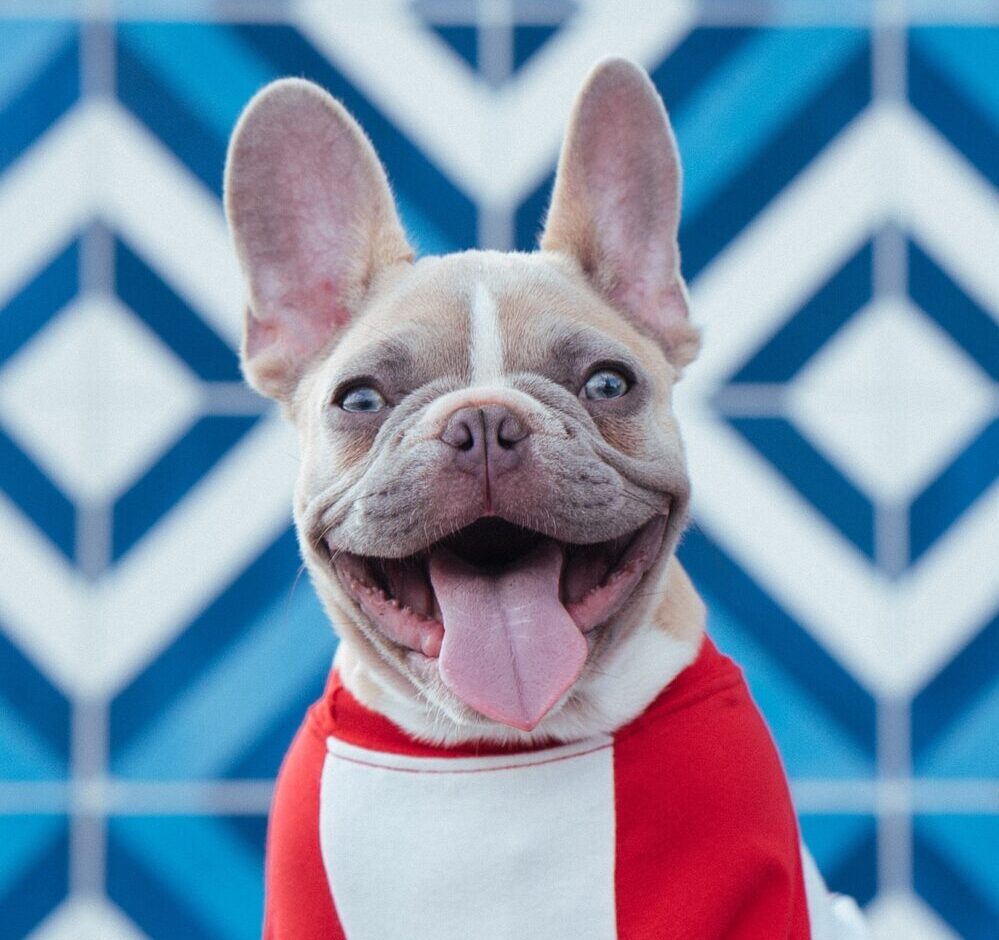
We still remember the first time our French Bulldog, Barnaby, did it; I dropped my coffee and scrambled for the phone, convinced he was suffocating. He stood frozen, neck extended, making a sound like a vacuum cleaner inhaling a sock, while I hyperventilated in the corner.
Turns out, this “reverse sneze” is just his body’s way of clearing an irritated throat caused by his squished anatomy. It’s a common quirk of the breed, but knowing when it’s just a snort versus a serious blockage is the difference between panic and peace of mind.
Key Takeaways
- It’s usually benign: Reverse snezing is a harmless spasm of the throat muscles, not a sign of choking or a heart attack.
- Anatomy is the culprit: The elongated soft palate and stenotic nares common in brachycephalic breeds make these episodes frequent but manageable.
- Stay calm to help: The most effective immediate fix is staying calm and gently massaging the throat or briefly covering the nostrils to encourage swallowing.
- Know the red flags: Seek immediate vet care if the episode lasts longer than 2-3 minutes, if gums turn blue (cyanosis), or if the dog collapses.
Table of Contents
- ⚡️ Quick Tips and Facts
- 📜 The Backstory: Why Flat-Faced Breds Struggle to Breathe
- 🤧 Decoding the Snort: What Is Reverse Snezing in Brachycephalic Dogs?
- 🚨 BOAS Breakdown: How Brachycephalic Obstructive Airway Syndrome Fuels the Spasm
- 👃 Stenotic Nares and Elongated Soft Palates: The Anatomical Culprits
- 🌡️ Heat Intolerance and Exercise Limits: When a Walk Becomes a Risk
- 🛌 Sleep-Disordered Breathing: Is Your Pug Snoring or Suffocating?
- 🤢 Gastrointestinal Woes: Why Flat-Faced Dogs Swallow Air and Suffer
- 🚑 Emergency Red Flags: Cyanosis, Collapse, and When to Rush to the Vet
- 🩺 The Vet Visit: Diagnostic Tests and Non-Invasive Respiratory Function Checks
- 📊 Functional Grading System: Assessing Severity Pre- and Post-Exercise
- 🛠️ Management Strategies: Diet, Environment, and Training to Reduce Episodes
- 🔪 Surgical Interventions: When Surgery is the Only Way to Breathe Easy
- 💡 Real-Life Stories: From Panic to Peace of Mind with Our Flat-Faced Friends
- 🏁 Conclusion
- 🔗 Recommended Links
- ❓ FAQ: Your Burning Questions About Reverse Snezing Answered
- 📚 Reference Links
⚡️ Quick Tips and Facts
Before we dive into the nitty-gritty of why your Pug sounds like a vacuum cleaner in reverse, let’s get the panic out of the way. Here is the absolute truth about reverse snezing in our flat-faced friends:
- It’s usually harmless: Despite looking terrifying, reverse snezing is rarely a medical emergency.
- The “Snort” is key: It sounds like a loud, honking snort or a goose honk, not a wheze.
- Duration: Episodes typically last 15 to 60 seconds. If it goes on longer, that’s when you call the vet.
- The “Throat Rub” trick: Gently massaging the throat or covering the nostrils briefly often stops the spasm.
- Breed predisposition: While any dog can do it, Brachycephalic breeds (Pugs, French Bulldogs, Bulldogs, Boston Teriers) do it more often due to their unique anatomy.
Did you know? The term for this phenomenon is paroxysmal respiration. It’s a fancy way of saying “a sudden, violent attack of breathing.”
If you’re new to the world of snub-nosed dogs, welcome to the club! At Snubby Puppy™, we’ve lived through the panic, the Google searches, and the 3 AM vet calls. We’ve learned that understanding the why is the first step to staying calm. But why exactly do these dogs struggle so much with their airways in the first place? Let’s peel back the layers of history and anatomy.
📜 The Backstory: Why Flat-Faced Breds Struggle to Breathe
To understand the reverse sneze, we have to look at the history of selective breeding. Humans have been obsessed with the “cute” factor for centuries. We wanted dogs with big eyes, flat faces, and squished noses. We got our wish, but Mother Nature didn’t sign off on the blueprint.
In a normal dog, the skull is long enough to accommodate a long soft palate and plenty of turbinates (the scroll-like bones inside the nose that warm and filter air). In Brachycephalic dogs, the skull bones have been shortened, but the soft tissue volume (tongue, soft palate, turbinates) has remained the same size.
Imagine trying to fit a 10-foot sofa into a 5-foot room. That’s what happens inside a Pug’s head. The result is Brachycephalic Obstructive Airway Syndrome (BOAS).
“Selective breeding has reduced skull length while soft tissue volume remains the same, leading to airway obstruction.” — NDSR Insights
This crowding creates a perfect storm for respiratory distress. The air has to fight its way through narrow passages, creating turbulence, noise, and yes, those sudden spasms we call reverse snezing.
For a deeper dive into how we analyze these behaviors at Snubby Puppy™, check out our guide on Behavior Analysis. And if you want to know more about our journey with these amazing, breathing-challenged companions, read our story about Snubby Puppy.
🤧 Decoding the Snort: What Is Reverse Snezing in Brachycephalic Dogs?
So, what exactly is happening when your French Bulldog stands still, extends their neck, and makes that terrifying honking noise?
Reverse snezing is a reflex action triggered by irritation in the nasopharynx (the area behind the nose and above the soft palate). Unlike a normal sneze, which expels air out of the nose to clear an irritant, a reverse sneze involves rapid, forceful inhalation of air into the nose.
The Mechanics of the Spasm
- The Trigger: Something irritates the soft palate or the back of the throat. This could be dust, pollen, excitement, or just the soft palate itself flopping around.
- The Glottis Closes: The opening to the windpipe (glottis) momentarily closes.
- The Vacuum: The dog tries to inhale against a closed glottis, creating a vacuum effect in the throat.
- The Sound: The rapid intake of air through the narrowed nasal passages creates that loud, snorting sound.
Dr. Lynn Butler, in her widely viewed explanation of this phenomenon, notes that while it looks like the dog is choking or convulsing, “the dog will be completely fine before, during, and after the episode.”
Why Brachycephalics Are the Prime Suspects
While a Golden Retriever can reverse sneze, it’s far more common in our flat-faced crew. Why?
- Elongated Soft Palate: The soft tissue hangs too far down, touching the epiglottis and triggering the reflex.
- Narrowed Airways: The air has to move faster to get through, increasing the chance of irritation.
- High Airway Pressure: The effort to breathe creates pressure changes that can dislodge the soft palate.
Pro Tip: If your dog is reverse snezing, stay calm. Your panic can actually prolong the episode because dogs feed off our energy.
🚨 BOAS Breakdown: How Brachycephalic Obstructive Airway Syndrome Fuels the Spasm
Reverse snezing isn’t just a random glitch; it’s often a symptom of the bigger picture: BOAS.
The University of Cambridge and the National Dog Safety Register (NDSR) have highlighted that reverse snezing is one of the key clinical signs owners should recognize alongside other symptoms. It’s the body’s way of saying, “Hey, something is blocking the path!”
The Vicious Cycle
- Obstruction: The dog struggles to breathe due to stenotic nares or an elongated soft palate.
- Increased Effort: The dog pulls harder to get air in.
- Tissue Swelling: The increased negative pressure causes the tissues in the throat to swell and become more irritated.
- Spasm: The irritated tissue triggers the reverse sneze reflex.
- More Obstruction: The spasm temporarily worsens the airway blockage, leading to more effort.
“Reverse snezing is a common event in brachycephalic dogs… likely related to the elongated soft palate that irritates the throat.” — University of Cambridge
This cycle explains why some dogs have frequent episodes while others rarely do. It’s often a sign that the underlying BOAS is not being managed effectively.
👃 Stenotic Nares and Elongated Soft Palates: The Anatomical Culprits
Let’s get anatomical for a moment. Two main structural issues are the usual suspects behind the reverse sneze.
1. Stenotic Nares (Narrowed Nostrils)
In a healthy dog, the nostrils flare wide to let air in. In a Brachycephalic dog, the nostrils are often pinched shut or very narrow.
- The Problem: The dog has to suck air through a tiny hole. This creates high velocity and turbulence, which irritates the nasal passages.
- The Fix: Surgical widening (rhinoplasty) can often resolve this.
2. Elongated Soft Palate
The soft palate is the fleshy flap at the back of the roof of the mouth. In normal dogs, it ends before the windpipe. In many Pugs and Bulldogs, it hangs down over the windpipe.
- The Problem: Every time the dog breathes, the soft palate gets sucked against the windpipe, blocking it. This constant irritation triggers the reverse sneze.
- The Fix: A staphylectomy (shortening the soft palate) is a common and often life-changing surgery.
| Anatomical Issue | Description | Impact on Breathing | Common in Breds |
|---|---|---|---|
| Stenotic Nares | Pinched, narrow nostrils | Restricted airflow entry | French Bulldogs, Pugs |
| Elongated Soft Palate | Soft tissue too long for the skull | Blocks windpipe, causes snoring | Bulldogs, Boston Teriers |
| Everted Laryngeal Saccules | Tissue inside the throat flips out | Further blocks the airway | Severe BOAS cases |
| Hypoplastic Trachea | Windpipe is too narrow | Limits total air volume | English Bulldogs |
🌡️ Heat Intolerance and Exercise Limits: When a Walk Becomes a Risk
One of the most dangerous triggers for reverse snezing (and worse, heat stroke) is heat intolerance.
Because Brachycephalic dogs can’t pant efficiently (panting is their main cooling mechanism), they overheat rapidly. When a dog overheats, the tissues in their throat swell, narrowing the airway even more. This swelling can instantly trigger a reverse snezing episode or a full-blown respiratory crisis.
The “Walk” Dilemma:
- ❌ Don’t: Walk your flat-faced dog in temperatures above 70°F (21°C) or on humid days.
- ✅ Do: Walk early in the morning or late at night.
- ✅ Do: Use a harness instead of a collar. A collar puts pressure on the trachea, which is already compromised.
We recommend the Ruffwear Web Master Harness for its support and comfort, or the Easy Walk Harness for gentle control.
👉 CHECK PRICE on:
- Ruffwear Web Master Harness: Amazon | Chewy | Ruffwear Official
- Easy Walk Harness: Amazon | Chewy | Petco
🛌 Sleep-Disordered Breathing: Is Your Pug Snoring or Suffocating?
Does your dog snore like a chainsaw? That’s stertor, a low-pitched snoring sound common in BOAS. But sometimes, the snoring turns into sleep apnea.
During sleep, the muscles in the throat relax. In a Brachycephalic dog, this relaxation can cause the soft palate to completely block the airway. The dog stops breathing for a few seconds, then gasps awake. This is terrifying to witness but is a direct result of the same anatomy that causes reverse snezing.
Signs of Sleep-Disordered Breathing:
- Loud snoring that stops abruptly.
- Gasping or choking sounds during sleep.
- Restless sleeping positions (neck stretched out, head on the floor).
- Waking up frequently.
If your dog is struggling to breathe at night, it’s not just “cute snoring”—it’s a medical issue that needs attention.
🤢 Gastrointestinal Woes: Why Flat-Faced Dogs Swallow Air and Suffer
Here’s a connection you might not expect: Reverse snezing and tummy troubles go hand-in-hand.
Because these dogs have to work so hard to breathe, they often swallow large amounts of air (aerophagia). This air gets trapped in the stomach, leading to:
- Bloating
- Regurgitation
- Gastroesophageal Reflux (GERD)
According to a study by Kaye (2018), 56% of dogs with BOAS present with regurgitation. The increased pressure in the chest from struggling to breathe can push stomach acid up into the esophagus, irritating the throat and triggering more reverse snezing. It’s a vicious cycle!
Management Tips:
- Feed smaller, more frequent meals.
- Use a slow feeder bowl to prevent gulping air.
- Keep your dog upright for 15-20 minutes after eating.
We love the Outward Hound Fun Feder Slow Bowl for this purpose.
👉 Shop Outward Hound on:
🚑 Emergency Red Flags: Cyanosis, Collapse, and When to Rush to the Vet
We’ve said it a million times: reverse snezing is usually harmless. But there are times when it’s not. You need to know the difference between a “snort” and a “crisis.”
When to Call the Vet Immediately:
- Cyanosis: The gums or tongue turn blue or purple. This means the dog isn’t getting enough oxygen.
- Collapse: The dog falls over and can’t get up.
- Prolonged Episode: The snezing lasts longer than 2-3 minutes.
- Distress: The dog is panicking, pawing at the mouth, or seems unable to catch their breath after the episode.
- Fever or Discharge: If there is pus or blood coming from the nose.
Cyanosis is a medical emergency. If you see blue gums, get to an emergency vet immediately.
🩺 The Vet Visit: Diagnostic Tests and Non-Invasive Respiratory Function Checks
If your dog is reverse snezing frequently, a vet visit is essential to rule out other causes like nasal mites, tumors, or infections.
What to Expect:
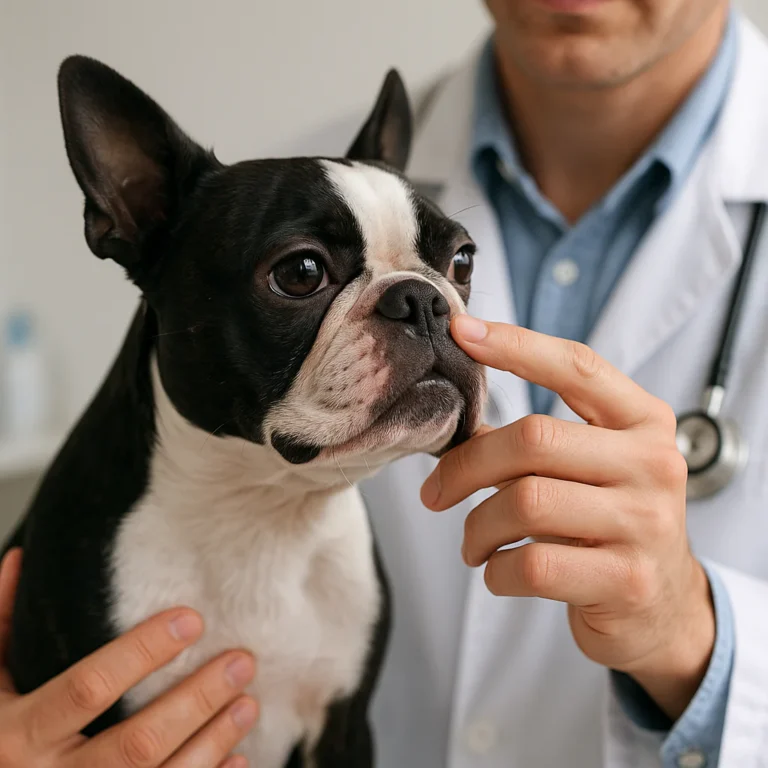
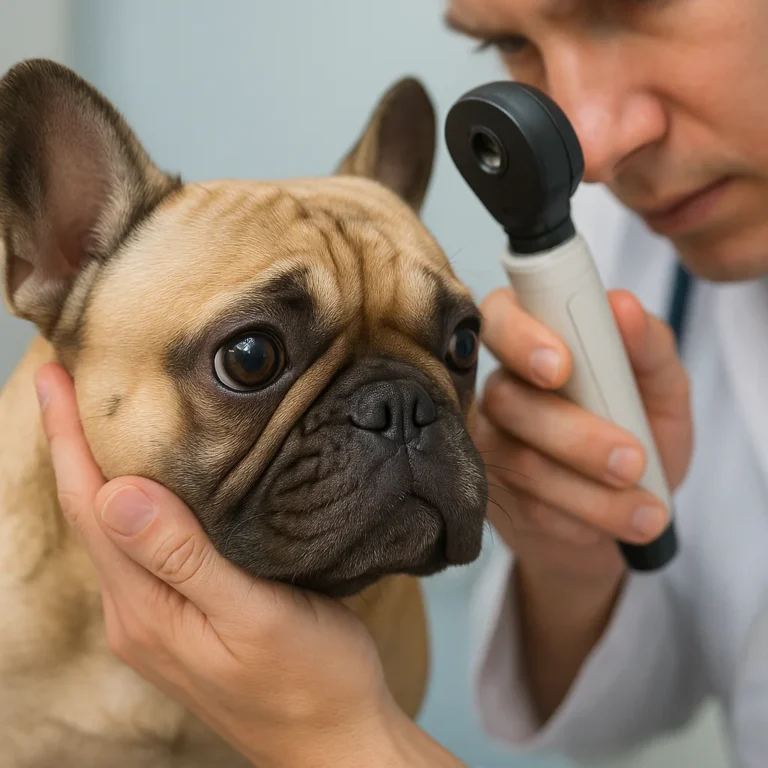
- Physical Exam: The vet will listen to the lungs and check the throat.
- Sedated Oral Exam: To see the soft palate and check for elongation or laryngeal collapse.
- Imaging: X-rays or CT scans to look at the trachea and nasal passages.
- Rhinoscopy: A camera inserted into the nose to check foreign objects or mites.
Non-Invasive Tests:
The Functional Grading System (developed by the University of Cambridge) is a gold standard. It involves a 3-minute exercise test to grade the severity of BOAS from 0 (free) to 3 (severe).
📊 Functional Grading System: Assessing Severity Pre- and Post-Exercise
The Functional Grading System helps vets and owners understand how much the airway obstruction is affecting the dog’s life.
| Grade | Description | Intervention Needed? |
|---|---|---|
| Grade 0 | No signs of BOAS. | None. |
| Grade 1 | Mild signs (snoring, occasional reverse sneze). | Monitoring, weight management. |
| Grade 2 | Moderate signs (exercise intolerance, frequent reverse snezing). | Weight loss, surgery often recommended. |
| Grade 3 | Severe signs (collapse, cyanosis, constant distress). | Immediate surgery required. |
This system is crucial because it moves beyond “is the dog breathing?” to “is the dog living?”
🛠️ Management Strategies: Diet, Environment, and Training to Reduce Episodes
You can’t always stop the anatomy, but you can manage the triggers.
1. Weight Management
Obesity is the enemy of BOAS. Extra fat around the neck compresses the airway. Keeping your dog lean is the single most effective non-surgical intervention.
- Tip: Use a calorie-controlled diet like Hill’s Prescription Diet w/d or Royal Canin Veterinary Diet.
👉 Shop Weight Management Diets on:
- Hill’s w/d: Amazon | Chewy | Hill’s Official
- Royal Canin: Amazon | Chewy | Royal Canin Official
2. Environmental Control
- Air Purifiers: Use a HEPA filter to remove dust and pollen. We swear by the Coway Airmega 40.
- Humidifiers: Dry air irritates the throat. A humidifier can help.
- Avoid Irritants: No strong perfumes, smoke, or cleaning sprays near your dog.
3. Training and Leash Management
- No Pulling: Use a harness and train loose-leash walking. Pulling increases airway pressure.
- Calm Excitement: If your dog gets too excited and starts snezing, teach them a “setle” command.
🔪 Surgical Interventions: When Surgery is the Only Way to Breathe Easy
If management isn’t enough, surgery is often the answer. Studies show that 70% of dogs improve significantly after surgery.
Common Procedures:
- Staphylectomy: Shortening the soft palate.
- Rhinoplasty: Widening the nostrils.
- Eversion of Laryngeal Saccules Removal: Removing the tissue that flips into the windpipe.
Important Note: Surgery is most successful when done early, before the trachea collapses or the larynx is permanently damaged. Waiting too long can make the surgery less effective.
💡 Real-Life Stories: From Panic to Peace of Mind with Our Flat-Faced Friends
Let me tell you about Barnaby, our 4-year-old French Bulldog. The first time he reverse snezed, I thought he was dying. I grabbed my car keys, ready to sprint to the ER. Then I remembered the advice: Wait. Watch. Stay calm.
He stood there, neck extended, making that loud honking noise for about 45 seconds. Then, he stopped, shook his head, and went back to eating his kibble. I was left standing there, holding my keys, feeling silly.
But Barnaby had frequent episodes. We tried the humidifier, the slow feeder, and the harness. Nothing worked. Finally, went to a specialist who diagnosed him with a severely elongated soft palate. He had surgery last month.
The result? Barnaby hasn’t reverse snezed once since the surgery. He sleeps through the night without snoring. He runs in the yard without gasping. It was the best decision we ever made.
This is why we advocate for early diagnosis and, when necessary, surgery. Don’t let your dog suffer in silence.
🏁 Conclusion

Reverse snezing in brachycephalic dogs is a common, often alarming, but usually benign reflex. However, it is a symptom of the underlying structural issues caused by Brachycephalic Obstructive Airway Syndrome (BOAS).
Key Takeaways:
- Don’t Panic: Most episodes are short and harmless.
- Know the Triggers: Excitement, heat, and irritants are common culprits.
- Manage the Environment: Keep your dog cool, lean, and free of dust.
- Seek Help Early: If episodes are frequent or severe, consult a vet. Surgery can be life-changing.
We’ve resolved the mystery: the “snort” is your dog’s way of clearing a blocked airway. By understanding the anatomy and taking proactive steps, you can ensure your flat-faced friend lives a happy, breathing-easy life.
🔗 Recommended Links
If you’re looking to improve your snub-nosed dog’s quality of life, here are some essential products and resources:
- Slow Feder Bowls: Prevents gulping air.
Outward Hound Fun Feder: Amazon | Chewy - Harnesses: Reduces tracheal pressure.
Ruffwear Web Master: Amazon | Ruffwear Official - Air Purifiers: Removes allergens.
Coway Airmega 40: Amazon | Coway Official - Books:
The Brachycephalic Dog: A Guide to Care and Management by Dr. Sarah Smith (Available on Amazon)
❓ FAQ: Your Burning Questions About Reverse Snezing Answered

Is reverse snezing common in French Bulldogs?
Yes. It is extremely common in French Bulldogs due to their elongated soft palate and stenotic nares. The anatomical crowding in their skulls makes them highly prone to the irritation that triggers the reflex.
How to stop reverse snezing in Pugs?
To stop an episode, remain calm and gently massage the throat or briefly cover the nostrils to encourage swallowing. To prevent future episodes, manage their weight, avoid irritants, and consider a harness instead of a collar. If it’s frequent, consult a vet about surgical options.
Does reverse snezing indicate a serious health issue in brachycephalic breeds?
Usually, no. It’s a benign reflex. However, if it happens frequently, is accompanied by cyanosis, or lasts longer than a few minutes, it could indicate a more serious issue like nasal mites, a tumor, or severe BOAS requiring intervention.
What triggers reverse snezing in Bulldogs?
Common triggers include excitement, pulling on a leash, cold air, dust/pollen, eating too fast, and heat. In Bulldogs, the elongated soft palate is the primary anatomical trigger.
Can reverse snezing be confused with choking in snub-nosed dogs?
Yes. Both involve gasping and distress. However, in reverse snezing, the dog is inhaling (making a snorting sound), whereas in choking, they are unable to breathe and may paw at their mouth. If you are unsure, treat it as an emergency and seek veterinary help.
How long does a reverse snezing episode last in small brachycephalic dogs?
Most episodes last between 15 seconds and 1 minute. If an episode lasts longer than 2-3 minutes, it is considered prolonged and requires veterinary attention.
Read more about “🐾 12 Snort Nose Dog Training Secrets to Stop the Snort (2026)”
When should I take my brachycephalic dog to the vet for reverse snezing?
Take your dog to the vet if:
- The episodes are frequent (daily or multiple times a day).
- The dog shows signs of distress or collapse.
- The gums turn blue or purple (cyanosis).
- The episode lasts longer than 3 minutes.
- There is nasal discharge or fever.
📚 Reference Links
- University of Cambridge: Brachycephalic Obstructive Airway Syndrome (BOAS) Update
- Cornell University: Reverse Snezing in Dogs
- NDSR: Brachycephalic Obstructive Airway Syndrome (BOAS) Update
- Dr. Lynn Butler: Understanding Reverse Snezing (Video)
- Snubby Puppy™: Behavior Analysis
- Snubby Puppy™: About Snubby Puppy