Support our educational content for free when you purchase through links on our site. Learn more
How to Care for Your Boston Terrier’s Snub Nose & Breathing (2025) 🐾


If you’re the proud parent of a Boston terrier, you know their charming flat face is part of their irresistible appeal. But beneath that adorable snub nose lies a unique set of challenges—especially when it comes to breathing. Did you know that brachycephalic breeds like Bostons can struggle to get enough air, making even simple activities like playing or sleeping a potential struggle? We’ve been there, watching our own snubby pups snort and wheeze, and learning how to help them breathe easier and live their best lives.
In this comprehensive guide, we’ll walk you through everything from understanding your Boston’s special anatomy to managing exercise, preventing heatstroke, choosing the right gear, and even when surgery might be the best option. Plus, we’ll share personal stories from our Snubby Puppy™ team and reveal must-have products that make daily care a breeze. Curious about how a simple harness swap or a cooling vest can transform your dog’s comfort? Keep reading—you’ll be amazed at the difference these small changes can make!
Key Takeaways
- Boston terriers’ short snouts cause unique breathing challenges due to compressed airways and narrow nostrils.
- Prevent overheating and avoid strenuous exercise in hot weather to protect their sensitive respiratory system.
- Switch from collars to harnesses to reduce pressure on the trachea and improve breathing comfort.
- Weight management is critical—a lean Boston breathes easier and stays healthier.
- Recognize warning signs of breathing distress and seek veterinary care promptly.
- Surgical interventions can dramatically improve quality of life for severe cases of BOAS.
- Use specialized products like cooling vests, slow feeder bowls, and humidifiers to support respiratory health daily.
Ready to gear up for better breathing care?
👉 Shop recommended harnesses, cooling vests, and slow feeder bowls on:
Table of Contents
- ⚡️ Quick Tips and Facts
- Understanding the Boston Terrier’s Brachycephalic Anatomy: A Snubby History
- What is Brachycephalic Obstructive Airway Syndrome (BOAS)? 🤔
- Preventative Care for Optimal Respiratory Health 🌬️
- 1. Managing Exercise: Finding the Right Balance 🏃♀️
- 2. Heatstroke Prevention: Keeping Cool in Warm Weather ☀️
- 3. Weight Management: A Leaner Life, Easier Breathing 💪
- 4. Harness vs. Collar: Protecting Their Delicate Trachea 🐾
- 5. Environmental Considerations: Air Quality and Allergens 💨
- 6. Stress Reduction: Calming Their World, Calming Their Breath 🧘♀️
- Daily Care Routines for Your Boston’s Snout & Breathing
- Nutrition for Respiratory Support: What to Feed Your Snubby Pal 🍖
- Veterinary Interventions for Severe Breathing Issues
- Traveling with Your Brachycephalic Boston: Safety First! ✈️
- Common Myths and Misconceptions About Brachycephalic Dogs Debunked! ❌
- Essential Products for Boston Terrier Respiratory Care 🛍️
- Our Snubby Puppy™ Team’s Personal Stories & Anecdotes 💖
- Conclusion: A Happy, Healthy Life for Your Flat-Faced Friend 🎉
- Recommended Links: Further Reading & Resources 🔗
- FAQ: Your Top Questions Answered! ❓
- Reference Links: Scientific & Expert Sources 📚
Here is the main body of the article, from the “Quick Tips and Facts” section to the section before “Conclusion”.
⚡️ Quick Tips and Facts
Welcome to the ultimate guide for caring for your Boston terrier’s adorable, smushed-in face! We get it. That snubby snout is part of their charm, but it also comes with a special set of rules. Before we dive deep, here are the must-knows at a glance:
- It’s All in the Name: Boston terriers are a brachycephalic breed, a fancy term for “short-headed.” This unique head shape is the root cause of their potential breathing challenges.
- Heat is the Enemy: These pups are notoriously bad at cooling themselves down. As Tufts University experts warn, brachycephalic dogs “are unable to effectively lower their temperature” through panting, making them highly susceptible to overheating. Never, ever leave them in a car, and avoid strenuous exercise on hot days.
- Harness > Collar: A collar can put dangerous pressure on their windpipe (trachea). The VBSPCA correctly states that “a harness is a better option than a collar for Boston Terriers, as it doesn’t put pressure on their trachea.” Always opt for a well-fitting harness.
- Weight Matters, Big Time: Extra pounds are extra bad for short-snouted dogs. “Obesity magnifies the risk of hot days,” and keeping your Boston lean “will improve airway function.”
- Listen Closely: While some snorting and snoring are normal, excessive or new sounds can be a red flag. Pay attention to changes in their breathing.
- Know the Signs of Distress: Loud breathing, blue-ish gums, collapsing, or gagging are emergencies. Get to a vet immediately.
Understanding the Boston Terrier’s Brachycephalic Anatomy: A Snubby History

Ever wonder how the Boston terrier got its signature look? It wasn’t by accident! These charming canines, often called “The American Gentleman,” were originally bred in the late 1800s from a mix of the English Bulldog and the now-extinct White English Terrier. The goal was to create a companion dog, and the breeders selectively favored dogs with shorter muzzles and a compact, sturdy build. For a deeper dive into their fascinating background, check out our complete Boston terrier breed guide.
This selective breeding gave us the adorable flat face we love, but it also fundamentally altered their anatomy. Here’s the breakdown:
- Compressed Airways: Imagine taking all the normal internal structures of a longer snout—nasal passages, soft palate, etc.—and squishing them into a much smaller space. “Their short snouts mean they have less room for airways, making breathing more difficult.”
- Stenotic Nares: This is a common issue where their nostrils are too narrow, literally pinching off airflow. Think of trying to breathe through a straw.
- Elongated Soft Palate: The soft, fleshy tissue at the back of the throat is often too long for their compact mouth. It can flap down and block the entrance to the windpipe, causing snoring and, in severe cases, suffocation.
- Hypoplastic Trachea: The windpipe itself can be narrower than in other dogs, further restricting the amount of air that can get to the lungs.
It’s not just about their face! The PDSA notes that their conformation can lead to other issues like birthing difficulties and hemivertebrae (spinal deformities). Understanding this anatomy is the first step to becoming a proactive parent for your snubby puppy.
What is Brachycephalic Obstructive Airway Syndrome (BOAS)? 🤔
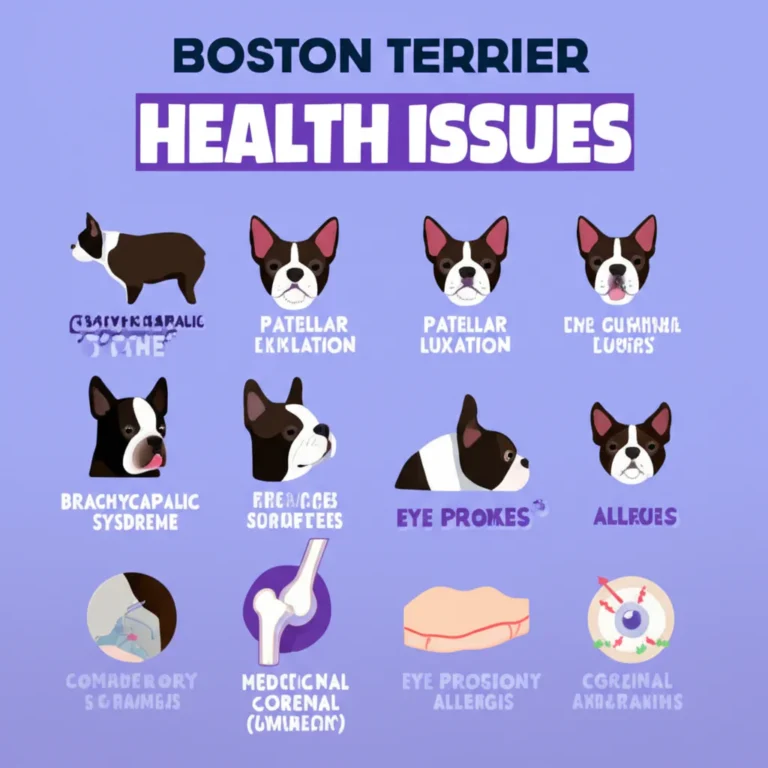
Okay, let’s tackle the big one: Brachycephalic Obstructive Airway Syndrome (BOAS). This isn’t a single disease but a collection of problems caused by that cute, flat face. As the first YouTube video featured in this article explains, “Brachycephalic obstructive airway syndrome, BOAS, is a condition commonly associated with dogs having flat faces, including Boston Terriers.” It’s the primary health concern you need to be aware of.
BOAS is essentially a result of one or more of the anatomical issues we just discussed (narrow nostrils, long soft palate, etc.) getting bad enough to obstruct airflow. The severity can range from mild snoring to life-threatening breathing difficulties.
Common Symptoms of BOAS in Flat-Faced Breeds
How do you know if your Boston’s snuffles are normal or a sign of something more? Look for these classic BOAS symptoms:
- Noisy Breathing (Stridor/Stertor): Loud, raspy breathing, even when resting.
- Loud Snoring: We’re not talking about a gentle purr. This is saw-a-log, shake-the-windows snoring.
- Snorting and Gagging: Especially when excited or after drinking water.
- Exercise Intolerance: Tiring out much faster than other dogs. They might plop down mid-walk and refuse to move.
- Sleep Apnea: Pauses in breathing during sleep, often ending with a loud snort or gasp.
- Heat Intolerance: Overheating very quickly, even in mild weather.
When to See the Vet: Recognizing Warning Signs 🚨
Some of the above symptoms are just part of life with a Boston. But when do they cross the line into a medical issue? Trust your gut. If you notice any of the following, it’s time for a vet visit, and in some cases, an emergency trip:
| Symptom | Severity | Action Required |
|---|---|---|
| Gums or tongue turning blue/purple (Cyanosis) | 🔴 EMERGENCY | Go to an emergency vet IMMEDIATELY. This indicates a severe lack of oxygen. |
| Collapsing or Fainting | 🔴 EMERGENCY | Go to an emergency vet IMMEDIATELY. |
| Gagging, Retching, or Vomiting Foam | 🟡 URGENT | Call your vet right away. This can be a sign of the soft palate blocking the airway. |
| Breathing seems more difficult than usual | 🟡 URGENT | If their sides are heaving or they are “belly breathing,” it’s time to call the vet. |
| Increased noise or snoring | 🟢 MONITOR & SCHEDULE | If the sounds are getting progressively worse, schedule a non-emergency check-up. |
Your vet is your best partner in this journey. They can “assess your dog’s airways and recommend treatments if necessary.”
Preventative Care for Optimal Respiratory Health 🌬️
So, we know the risks. The good news? There is SO much you can do to manage them and give your Boston a happy, breathable life! Prevention is everything. Let’s break down the key pillars of proactive care.
1. Managing Exercise: Finding the Right Balance 🏃♀️
Boston terriers are playful and energetic, but they’re sprinters, not marathon runners. The PDSA recommends they get up to an hour of exercise per day, but how you do it is crucial.
- ✅ Do: Opt for several short, 15-20 minute walks or play sessions throughout the day.
- ❌ Don’t: Go for long, strenuous runs or hikes, especially in one go.
- ✅ Do: Play mentally stimulating games indoors, like puzzle toys or scent work. This is a great way to tire them out without over-exerting their respiratory system. Our Behavior Analysis section has tons of ideas for brain games!
- ❌ Don’t: Use toys that they can easily get stuck in their throat, like small balls. Opt for flatter, wider toys.
2. Heatstroke Prevention: Keeping Cool in Warm Weather ☀️
This is non-negotiable. As Tufts University bluntly puts it, “air conditioning is mandatory” if you have a brachycephalic dog. They simply cannot cope with heat.
- Timing is Everything: Walk them in the early morning or late evening when temperatures are coolest. The PDSA explicitly warns that “they should never be exercised in the heat of the day as they are prone to overheating.”
- Provide a Cool Oasis: Always have fresh, cool water available. Consider adding ice cubes on hot days. Cooling mats, like the The Green Pet Shop Dog Cooling Mat, are a fantastic investment.
- Know Your Surfaces: Pavement and asphalt can burn their paws and radiate heat. Stick to grass and shady paths.
Recognizing Heatstroke Symptoms
Heatstroke can be fatal. Know these signs:
- Excessive, frantic panting
- Thick, ropey drool
- Bright red gums
- Vomiting or diarrhea
- Dizziness or stumbling (ataxia)
- Collapse or seizure
Emergency Cooling Techniques
If you suspect heatstroke, act FAST while on your way to the emergency vet:
- Move them to a cool, shaded area immediately.
- Douse them with cool (not ice-cold) water, focusing on their paws, groin, and head.
- Place them in front of a fan.
- Offer small sips of cool water, but don’t force them to drink.
- GET TO THE VET. Internal organ damage can happen quickly.
3. Weight Management: A Leaner Life, Easier Breathing 💪
We can’t stress this enough: a lean Boston is a healthier Boston. As multiple sources confirm, obesity significantly worsens breathing difficulties. Extra weight puts more pressure on their chest and airway, making every breath harder.
- Feel the Ribs: You should be able to easily feel (but not see) your dog’s ribs without pressing hard.
- Waistline Check: When viewed from above, they should have a visible “waist” or tuck between their ribs and hips.
- Calorie Control: Work with your vet to determine the right amount of food. Measure every meal—no guessing!
- Healthy Treats: Swap out high-calorie biscuits for healthy options like baby carrots, green beans, or small pieces of apple.
4. Harness vs. Collar: Protecting Their Delicate Trachea 🐾
This is a simple switch with a huge impact. A collar puts direct pressure on the trachea, which is already likely compromised in a Boston. A harness distributes that pressure across the chest and shoulders, keeping the airway free and clear.
We’re big fans of harnesses designed specifically for barrel-chested breeds.
- Ruffwear Front Range Dog Harness: A durable, all-purpose harness with two leash attachment points.
- Puppia Soft Dog Harness: A popular choice known for its soft, comfortable mesh that doesn’t chafe.
- Gooby Escape Free Easy Fit Harness: Great for Bostons who are little escape artists, with a design that tightens slightly when they pull.
👉 Shop Harnesses on:
- Ruffwear Front Range: Amazon | Chewy | Ruffwear Official Website
- Puppia Soft Harness: Amazon | Chewy | Walmart
- Gooby Escape Free Harness: Amazon | Chewy
5. Environmental Considerations: Air Quality and Allergens 💨
What’s in the air your Boston breathes matters. Their compromised airways are more sensitive to irritants.
- Avoid Smoke: Secondhand smoke is a major irritant. Don’t smoke around your dog.
- Mind the Fumes: Strong perfumes, air fresheners, and harsh cleaning chemicals can trigger respiratory distress. Opt for pet-safe, unscented products.
- Air Purifiers: An air purifier with a HEPA filter can be a game-changer, especially if your dog has allergies, which the PDSA notes are common in the breed.
- Pollen Patrol: During high-pollen seasons, wipe your dog’s face and paws with a damp cloth after they come inside.
6. Stress Reduction: Calming Their World, Calming Their Breath 🧘♀️
Ever notice how your Boston pants and breathes harder when they’re anxious or over-excited? Stress has a direct physical effect. A calm environment leads to calmer breathing.
- Create a Safe Space: Ensure they have a comfy bed or crate where they can retreat and feel secure.
- Routine is King: Dogs thrive on predictability. Consistent feeding, walking, and potty times can reduce anxiety.
- Calming Aids: For stressful situations like thunderstorms or vet visits, consider products like the Thundershirt or calming supplements containing L-theanine or tryptophan (always consult your vet first!).
Daily Care Routines for Your Boston’s Snout & Breathing
Beyond the big-picture preventative care, a few daily habits can make a world of difference for your Boston’s comfort and respiratory health.
Snorting, Snuffling, and Reverse Sneezing: What’s Normal? 👃
Let’s be real, Bostons are noisy little creatures! Snorts, grunts, and snores are part of the package. But one sound that often panics new owners is the reverse sneeze.
It looks and sounds terrifying—a series of rapid, loud inhalations through the nose, making it seem like they’re choking or having an asthma attack. But what’s really happening? It’s usually just a spasm of the throat and soft palate caused by an irritant (like dust or excitement).
What to do during a reverse sneeze:
- Stay Calm: Your panic will only make them more anxious.
- Gently Stroke Their Throat: This can help stop the spasm.
- Briefly Cover Their Nostrils: This encourages them to swallow, which can clear the irritation and reset their breathing pattern.
While usually harmless, if reverse sneezing becomes very frequent or is accompanied by other signs of distress, it’s worth a chat with your vet.
Keeping Nasal Passages Clear: Gentle Cleaning Tips
Those cute nose wrinkles can trap dirt, debris, and moisture, leading to irritation and infection. A quick daily wipe is all it takes to keep them clean.
Step-by-Step Nose Roll Cleaning:
- Gather Your Supplies: You’ll need a soft cloth, cotton ball, or a pet-safe wipe. We recommend Earth Rated Dog Wipes because they’re hypoallergenic and gentle.
- Gently Lift the Fold: Use your thumb and forefinger to gently separate the skin fold above their nose.
- Wipe Away Debris: Use the wipe to clean out any gunk. Be gentle!
- Dry Thoroughly: This is the most important step! Moisture can lead to yeast or bacterial infections. Use a clean, dry part of the cloth to pat the area completely dry.
- Check the Nostrils: While you’re there, gently wipe away any crusties from around the nostrils themselves.
Dental Health: More Than Just Fresh Breath for Brachycephalic Dogs 🦷
Because of their short jaws, Boston terriers often have overcrowded teeth. This makes them more prone to dental disease. What does this have to do with breathing? A lot!
Severe dental disease can lead to bacteria entering the bloodstream and causing inflammation throughout the body. More directly, a painful mouth or abscess can cause a dog to alter how they hold their jaw and breathe. Regular brushing with a dog-specific toothpaste like Virbac C.E.T. Enzymatic Toothpaste and professional cleanings are crucial.
Nutrition for Respiratory Support: What to Feed Your Snubby Pal 🍖
We already covered the importance of weight management, but the type of food you feed can also play a role in your Boston’s respiratory health.
Choosing the Right Kibble: Size and Shape Matter
Because of their short snout (underbite), Bostons can have a hard time picking up small, round kibble. This can cause them to gulp their food and swallow a lot of air, leading to gas and discomfort.
Look for foods with a unique shape designed for easier pickup. Royal Canin’s Bulldog Adult Dry Dog Food, for example, has a wave-shaped kibble that, while designed for Bulldogs, is often recommended for Bostons because it’s easier for them to grasp. A slow-feeder bowl, like the Outward Hound Fun Feeder, is also a fantastic tool to prevent gulping.
Supplements for Airway Health (Vet-Approved!)
While no supplement can cure BOAS, some may help support respiratory health by reducing inflammation. Always talk to your vet before adding any supplements to your dog’s diet.
- Omega-3 Fatty Acids: Found in fish oil, Omega-3s have natural anti-inflammatory properties that can be beneficial for overall health, including airway inflammation.
- Antioxidants: Vitamins C and E can help combat oxidative stress in the body.
Veterinary Interventions for Severe Breathing Issues
Sometimes, preventative care isn’t enough. If your Boston’s quality of life is significantly impacted by BOAS, your vet may recommend medical or surgical intervention. This can be scary, but these procedures can be life-changing for a dog that struggles to breathe.
Diagnostic Procedures for BOAS
To determine the severity of your dog’s BOAS, your vet may perform:
- A physical exam: Listening to their breathing and checking their nostrils.
- An endoscopic exam: A small camera is used to look at the soft palate, larynx, and trachea while your dog is under sedation. This is the best way to get a clear picture of what’s going on inside.
Surgical Options: When is BOAS Surgery Recommended? 🩺
If the diagnostics show significant obstruction, your vet may recommend one or more of the following procedures, often done at the same time:
- Stenotic Nares Resection (Nareplasty): The surgeon removes a small wedge of tissue from the nostrils to widen them. This is a relatively simple procedure with a big impact on airflow.
- Elongated Soft Palate Resection (Staphylectomy): The surgeon trims the excess length from the soft palate so it no longer blocks the airway.
- Everted Laryngeal Saccules Removal: If chronic pressure has caused small sacs in the larynx to turn inside out, they can be removed to clear the airway.
Surgery is usually recommended when a dog’s breathing is noisy even at rest, they have episodes of collapse, or they can’t handle even mild exercise.
Post-Surgery Care and Recovery
Recovery typically involves a couple of weeks of restricted activity, soft food, and wearing a harness instead of a collar. The improvement in breathing is often immediate and dramatic. Many owners report their dog is like a whole new puppy after surgery!
Traveling with Your Brachycephalic Boston: Safety First! ✈️
Hitting the road (or the skies) with your Boston requires extra planning. Their breathing issues make them more vulnerable to the stresses of travel.
Car Travel Tips
- Climate Control is Key: Keep the car cool with A/C. Never leave them unattended in the vehicle.
- Secure Them Safely: A crash-tested crate or dog seatbelt/harness is essential for their safety.
- Frequent Breaks: Stop every 2-3 hours to let them stretch, potty, and have a drink of water.
- Bring Water: Always have a travel bowl and plenty of fresh water on hand.
Airline Restrictions and Considerations
Flying with a Boston terrier is extremely risky and generally not recommended. Due to the high risk of respiratory distress in the stressful, pressurized cargo hold, most airlines have banned brachycephalic breeds from flying in cargo.
If you absolutely must fly, your only option is to have your Boston in the cabin with you, provided they are small enough to fit in a carrier under the seat in front of you. Check with each airline about their specific pet policies and weight/size restrictions. The stress and air quality changes can still be dangerous, so this should be a last resort.
Common Myths and Misconceptions About Brachycephalic Dogs Debunked! ❌
There’s a lot of chatter out there about flat-faced dogs. Let’s clear the air on a few things!
- Myth 1: All snoring is cute and harmless.
- Reality: While some snoring is normal for the breed, loud, excessive snoring can be a primary symptom of BOAS, indicating a serious airway obstruction. It’s not something to ignore.
- Myth 2: They’re lazy dogs who don’t need much exercise.
- Reality: Boston terriers are energetic and playful! Their exercise needs to be managed carefully due to their breathing, but they are not lazy. They need mental and physical stimulation to be happy.
- Myth 3: There’s nothing you can do about their breathing problems; it’s just how they are.
- Reality: This is dangerously false. Through weight management, environmental controls, proper gear (harnesses!), and, if necessary, corrective surgery, you can dramatically improve a Boston’s ability to breathe and their overall quality of life.
- Myth 4: They can’t swim because of their build.
- Reality: This one is actually mostly true. As Tufts University notes, Bostons are “not gifted swimmers” due to their front-heavy build and short snout. They “should wear a life preserver around water” and never be left unattended near pools or lakes.
Essential Products for Boston Terrier Respiratory Care 🛍️
Having the right gear can make managing your Boston’s health so much easier. Here are some of our team’s tried-and-true favorites.
Cooling Vests & Mats
A must-have for any warm climate or for active pups. They work by evaporation to help your dog regulate their body temperature.
| Product | Rating (out of 10) | Notes |
|---|---|---|
|
Ruffwear Swamp Cooler Cooling Vest |
9.5/10 | Excellent coverage, durable, and highly effective. A top-tier choice. |
|
The Green Pet Shop Dog Cooling Mat |
9/10 | Pressure-activated, no water or electricity needed. Perfect for crates and car rides. |
|
Canada Pooch Cooling Bandana |
8/10 | A great, lightweight option for quick cool-downs on walks. |
👉 Shop Cooling Products on:
- Ruffwear Swamp Cooler: Amazon | Chewy | Ruffwear Official Website
- The Green Pet Shop Mat: Amazon | Chewy | Walmart
Slow Feeder Bowls
These bowls have mazes and ridges that force your dog to eat more slowly, preventing them from gulping air and reducing the risk of bloat.
| Product | Rating (out of 10) | Notes |
|---|---|---|
|
Outward Hound Fun Feeder Slo Bowl |
9/10 | The industry standard. Comes in various sizes and difficulty levels. |
|
JASGOOD Slow Feeder Dog Bowl |
8.5/10 | Made of food-grade silicone, making it flexible and easy to clean. |
👉 CHECK PRICE on: Amazon | Chewy | Walmart
Humidifiers
Dry air can irritate nasal passages. A humidifier in the room where your Boston sleeps can help keep their airways moist and comfortable, especially in winter. Any standard cool-mist humidifier, like those from Levoit or Pure Enrichment, will do the trick.
Travel Water Bowls
Never be caught without water on a walk or trip. Collapsible silicone bowls are lightweight and clip easily onto a leash or backpack. The MalsiPree Dog Water Bottle is a fantastic all-in-one bottle and bowl combo.
Harness Recommendations
As we mentioned, a harness is essential. See our top picks and links in the Harness vs. Collar section above!
Our Snubby Puppy™ Team’s Personal Stories & Anecdotes 💖
We’re not just writers; we’re passionate owners of snubby puppies! These little gremlins steal your heart and cover your face in slobber. Here are a couple of stories from our team that bring this topic to life.
From Sarah, owner of Winston the Boston:
“Winston used to sound like a tiny, adorable freight train, especially after playing. We just thought it was a ‘Boston thing.’ During a routine check-up, our vet mentioned that his nostrils were almost completely closed. We were hesitant about surgery, but we went ahead with the nareplasty. The difference was… night and day. He could finally run and play without immediately gasping for air. He was happier, more energetic, and the best part? He still snored, but it was a gentle, happy little snore, not a struggle. It was the best decision we ever made for him.”
From Mike, owner of Olive the Boston mix:
“We live in Florida, and I learned the hard way just how serious the heat is. We were at a dog-friendly outdoor cafe, and even though we were in the shade, Olive started panting uncontrollably and her tongue got bright red. I knew the signs. We rushed her inside, got cool towels on her, and thankfully she was okay. But it was a terrifying wake-up call. Now, she has a cooling vest, we never go out between 10 AM and 6 PM in the summer, and I’m ‘that guy’ who is constantly checking the pavement temperature. You can’t be too careful.”
These experiences shape our advice. We’ve been there, we’ve worried, and we’ve learned what works. Your journey with your Boston is unique, but you’re not alone in it
Conclusion: A Happy, Healthy Life for Your Flat-Faced Friend 🎉

Caring for a Boston terrier’s short snout and potential breathing issues might feel like navigating a maze at first, but with the right knowledge and tools, you can give your snubby pal a life full of joy, play, and easy breaths. From understanding their unique brachycephalic anatomy to managing exercise, weight, and environment, every step you take helps your Boston thrive.
Remember the key takeaways: prioritize harnesses over collars, avoid heat and overexertion, maintain a healthy weight, and be vigilant about signs of distress. If breathing problems become severe, veterinary interventions like surgery can be transformative, as our team’s stories show.
We also cleared up myths that might have held you back from fully understanding your Boston’s needs. And we introduced products that can make daily care easier and more effective, from cooling vests to slow feeder bowls.
So, are you ready to become your Boston’s breathing champion? With patience, love, and a little know-how, your Boston terrier will keep charming everyone with that iconic snub nose — and breathe easy doing it!
Recommended Links: Further Reading & Resources 🔗
Here’s a curated list of products and books to help you care for your Boston terrier’s respiratory health and overall well-being:
Cooling & Respiratory Care Products
- Ruffwear Swamp Cooler Cooling Vest:
Amazon | Chewy | Ruffwear Official Website - The Green Pet Shop Dog Cooling Mat:
Amazon | Chewy | Walmart - Outward Hound Fun Feeder Slow Bowl:
Amazon | Chewy | Walmart - MalsiPree Dog Water Bottle (Travel Bowl Combo):
Amazon - Virbac C.E.T. Enzymatic Toothpaste:
Chewy - Earth Rated Dog Wipes:
Amazon - Thundershirt Calming Jacket:
Amazon
Harnesses
- Ruffwear Front Range Dog Harness:
Amazon | Chewy | Ruffwear Official Website - Puppia Soft Dog Harness:
Amazon | Chewy | Walmart - Gooby Escape Free Easy Fit Harness:
Amazon | Chewy
Recommended Books
- “The Boston Terrier Handbook” by Joan Hustace Walker — A comprehensive breed guide covering health, care, and training.
Amazon - “Brachycephalic Dogs: Health and Care” by Dr. Jane Williams — Focuses on the unique challenges and care strategies for flat-faced breeds.
Amazon - “Canine Nutrition and Health” by Dr. Lisa Freeman — A detailed guide on feeding dogs for optimal health, including special considerations for brachycephalic breeds.
Amazon
FAQ: Your Top Questions Answered! ❓

What are common breathing problems in Boston Terriers due to their short snouts?
Boston terriers often suffer from Brachycephalic Obstructive Airway Syndrome (BOAS), which includes narrowed nostrils (stenotic nares), elongated soft palate, and a narrow trachea. These anatomical features restrict airflow, causing noisy breathing, snoring, exercise intolerance, and in severe cases, cyanosis or collapse. These issues stem directly from their compressed facial structure, which reduces the space available for normal breathing.
How can I prevent breathing difficulties in my Boston Terrier?
Preventative care focuses on weight management, avoiding heat and overexertion, and using a harness instead of a collar to avoid tracheal pressure. Regular vet check-ups to monitor airway health and early intervention if symptoms worsen are crucial. Environmental controls like air purifiers and avoiding irritants also help keep their airways clear.
Read more about “Is a Boston Terrier a Good House Dog? 🏡 (2025 Guide)”
What signs indicate my snub-nosed dog is struggling to breathe?
Watch for loud, raspy breathing, excessive snoring or snorting, gagging, blue or purple gums/tongue (cyanosis), collapse, and exercise intolerance. Reverse sneezing episodes can be normal but if frequent or severe, they warrant veterinary evaluation. Any sudden or worsening breathing difficulty is an emergency.
Read more about “9 Crucial Facts About Breathing Issues in Short-Nosed Dogs (2025) 🐶💨”
Are there special grooming tips for Boston Terriers with short noses?
Yes! Their facial folds and nose wrinkles can trap dirt and moisture, leading to infections. Daily gentle cleaning with pet-safe wipes and thorough drying is essential. Regular dental care is equally important because dental disease can exacerbate respiratory issues.
Read more about “What Is a Snub-Nosed Breed of Dog? 8 Flat-Faced Favorites 🐶 (2025)”
How does the anatomy of snub nose dogs affect their respiratory health?
Their compressed facial bones reduce the space for nasal passages and soft tissues, leading to obstructions. Narrow nostrils and elongated soft palates physically block airflow, making breathing laborious. This anatomy also limits their ability to pant effectively, increasing the risk of overheating.
Read more about “Is Pomeranian a Snub Nose Dog? The Surprising Truth Revealed! 🐾 (2025)”
What environmental factors worsen breathing issues in Boston Terriers?
Heat, humidity, smoke, strong perfumes, and chemical fumes can all irritate their sensitive airways. Dry air can also cause nasal irritation. Using air purifiers, avoiding smoking indoors, and minimizing exposure to allergens and irritants help reduce respiratory stress.
Read more about “9 Most Common Health Issues in Boston Terriers You Must Know (2025) 🐾”
When should I consult a vet about my Boston Terrier’s breathing problems?
Consult your vet if you notice persistent or worsening noisy breathing, exercise intolerance, frequent gagging, cyanosis (blue gums or tongue), collapse, or any signs of distress. Early veterinary assessment can prevent complications and improve your dog’s quality of life.
Read more about “How Long Do Boston Terriers Typically Live? 🐾 (2025)”
Reference Links: Scientific & Expert Sources 📚
- Tufts University Cummings School of Veterinary Medicine: Do English bulldogs and other short-snouted dogs need special care in summer heat?
- VBSPCA: Breathe Easy: Caring for Brachycephalic Dogs
- PDSA: Boston Terrier Breed Health and Care
- Ruffwear Official Website: Harnesses and Cooling Vests
- Royal Canin: Breed-Specific Nutrition
- Chewy: Virbac C.E.T. Enzymatic Toothpaste
- Earth Rated: Dog Wipes
- Thundershirt: Calming Jacket
- Outward Hound: Slow Feeder Bowls
We hope this guide empowers you to be the best advocate for your Boston terrier’s breathing health. Remember, every snort and snuffle tells a story—make sure yours is one of comfort, care, and lots of happy tail wags! 🐾