Support our educational content for free when you purchase through links on our site. Learn more
Is It Good to Cuddle Your Puppy? 🐶 What Every Dog Lover Must Know (2025)

You’ve just brought home that adorable snub-nosed puppy, and all you want to do is scoop them up and smother them with cuddles. But wait—have you ever wondered if your puppy actually wants those tight hugs and endless snuggles? At Snubby Puppy™, we’ve seen it all: from blissed-out pups who melt into your arms like butter, to anxious little ones who squirm and send subtle “no thanks” signals.
Did you know that cuddling releases oxytocin—the “love hormone”—in both you and your puppy, creating a powerful bond? But here’s the twist: not every puppy interprets a human hug as love. Some see it as a threat or feel trapped, which can lead to stress or even defensive behavior. Curious how to tell if your puppy is a cuddle enthusiast or a personal space advocate? Keep reading, because we’re unpacking the science, decoding canine body language, busting myths, and sharing expert tips to make every cuddle count—for both of you.
Key Takeaways
- Cuddling can strengthen the bond between you and your puppy by releasing oxytocin and reducing stress—but only if your puppy consents!
- Not all puppies love hugs; many prefer gentle leaning, soft pets, or simply being near you without full-body contact.
- Learn to read your puppy’s signals: relaxed body language and leaning in mean “yes,” while lip licking, yawning, whale eye, and moving away mean “no.”
- Forced cuddling risks anxiety, eroded trust, and even biting, so always respect your puppy’s boundaries and let them initiate affection.
- Alternative bonding methods like play, training, and calm companionship can be just as powerful as cuddles.
Ready to become your puppy’s favorite cuddle partner without the guesswork? Let’s dive in!
Table of Contents
- ⚡️ Quick Tips and Facts: Your Puppy Cuddle Cheat Sheet
- 🐾 The Ancient Art of Affection: A Brief History of Human-Canine Cuddles
- 🤔 The Great Debate: Is It Good to Cuddle Your Puppy?
- 💖 Defining ‘Cuddles’: What Does Affectionate Touch Really Mean for Your Puppy?
- 🔬 Science Says: Unpacking the Research on Puppy Cuddles and Canine Comfort
- ✅ The Benefits of Mindful Cuddling: Why Gentle Affection Matters for Puppy Well-being
- ❌ The Risks of Forced Affection: When Cuddles Go Wrong
- 👀 Spotting the Snuggler: 7 Signs Your Puppy LOVES Cuddles!
- 🛑 Reading the Room: 7 Signs Your Puppy Says ‘No Thanks’ to Cuddles
- 🤝 Building a Cuddle-Positive Relationship: How to Introduce Affection Safely
- 🐾 Beyond the Cuddle: 5 Alternative Ways to Show Your Puppy Love and Build Bonds
- 👶 Cuddles and Kids: Teaching Safe and Respectful Interactions
- 🚫 When NOT to Cuddle: Special Circumstances and Canine Comfort
- 🧠 Busting the Myths: Common Misconceptions About Puppy Affection and Dominance
- 💖 The Human Heart: Why We Crave Puppy Cuddles (and How to Get Them Responsibly)
- 🌟 Conclusion: The Art of Empathetic Engagement and Puppy Love
- 🔗 Recommended Links for Further Reading
- ❓ FAQ: Your Top Puppy Cuddle Questions Answered
- 📚 Reference Links
Here at Snubby Puppy™, we’re obsessed with our flat-faced friends, and let’s be honest, what’s better than a warm, snorting puppy snuggle? But have you ever paused mid-cuddle and wondered, “Does my puppy actually like this as much as I do?” It’s a question that sends ripples through the dog-loving community.
You see, while we humans are hardwired to hug, our canine companions speak a completely different language of love. Cracking that code is the key to a truly unbreakable bond. So, let’s dive deep into the delightful, and sometimes confusing, world of puppy cuddles. Are they a one-way ticket to bliss, or a well-intentioned misunderstanding? The answer might surprise you!
⚡️ Quick Tips and Facts: Your Puppy Cuddle Cheat Sheet
In a hurry? Here’s the lowdown on puppy cuddles:
- ✅ Cuddling is NOT universally loved by all dogs. Many dogs tolerate our hugs, but don’t actually enjoy the confinement. It’s all about the individual pup!
- ❌ Never force a cuddle. A hug can feel threatening or domineering to a dog, especially one you don’t know.
- 🔬 The science is in! Cuddling releases oxytocin, the “love hormone,” in both humans and dogs, which reduces stress and strengthens your bond.
- 👀 Learn to read the signs. A relaxed body, leaning in, and soft sighs mean “yes, please!” A stiff body, yawning, or showing the whites of the eyes (“whale eye”) is a clear “no, thank you.”
- 🤝 Consent is key. Always let your puppy initiate and have the freedom to leave the cuddle session whenever they want.
- 🐾 There are many ways to show love! If your pup isn’t a cuddler, things like playtime, gentle pets, and training sessions are fantastic alternatives to build your connection.
- Myth Buster: Cuddling your puppy will not make them “dominant” or the “alpha.” That’s an outdated concept. As one expert puts it, “You can be affectionate with your dog (if your dog wants it!) without it negatively impacting your relationship.”
🐾 The Ancient Art of Affection: A Brief History of Human-Canine Cuddles

The bond between humans and dogs isn’t a new phenomenon; it’s a love story thousands of years in the making. From the moment our ancestors first shared a fireside with a curious wolf, physical touch has been part of the deal. This relationship, built on mutual benefit (protection for us, food scraps for them), evolved into the deep, emotionally rich connection we cherish today.
Think about it: dogs are one of the few species that actively seek out and seem to enjoy physical affection from humans. This co-evolution has literally rewired both our brains. Studies have shown that when we pet a dog, both our brains and the dog’s brain release oxytocin, the same hormone that bonds mothers to their babies. It’s a powerful, ancient chemical conversation that says, “You’re safe. You’re part of my pack.”
However, the way we show that affection has changed. The modern “cuddle” or “hug” is a distinctly primate behavior. So while our history is intertwined, our methods of expressing love can sometimes get lost in translation.
🤔 The Great Debate: Is It Good to Cuddle Your Puppy?
So, what’s the final verdict? Is cuddling good or bad? The answer is a classic “it depends.”
One camp, backed by solid science, points to the incredible health benefits. Cuddling can lower your heart rate, decrease the stress hormone cortisol, and release a cocktail of feel-good chemicals like dopamine and serotonin for both you and your pup. As one veterinary clinic notes, “spending some time every day focusing your energy on your pets will strengthen your bond and keep both of you happier and healthier.”
However, another perspective from our Behavior Analysis experts and trainers warns that what we perceive as affection can sometimes be a source of anxiety for our dogs. A trainer might argue, “Dogs are not humans and cuddling, petting and kissing them does not mean the same thing to them that it means to us.” Forcing a hug on an unwilling puppy can reinforce their anxiety or even lead to a defensive nip if they feel trapped.
Here at Snubby Puppy™, we believe the truth lies in the middle. Mindful, consensual cuddling is fantastic. Forced, restrictive affection is not. The key is to stop thinking about what we want and start listening to what our puppies are telling us.
💖 Defining ‘Cuddles’: What Does Affectionate Touch Really Mean for Your Puppy?
When we say “cuddle,” we usually picture a full-on, two-armed bear hug. It’s our go-to move for expressing love and comfort. But for a dog, this can feel less like love and more like being trapped. In the canine world, a dog placing its paws or body over another can be a signal of dominance or control, which is why our human hugs can send a “conflicting signal between the species.”
So, let’s redefine “cuddling” from a dog’s perspective. For them, affection and closeness often look like this:
- Leaning: A gentle lean against your legs while you watch TV.
- Proximity: Simply choosing to sleep on the floor by your feet.
- Head Rest: Placing their head on your lap.
- Gentle Pets: Slow, long strokes down their back or a nice scratch behind the ears.
These are all forms of canine cuddling! They are invitations for closeness that respect the dog’s sense of space and freedom.
🔬 Science Says: Unpacking the Research on Puppy Cuddles and Canine Comfort
Let’s get nerdy for a second, because the science behind snuggling is fascinating! The benefits are not just warm fuzzies; they are measurable biological responses.
| Hormone/Effect | Impact on Humans 🙋 ♀️ | Impact on Dogs 🐶 | Source |
|---|---|---|---|
| Oxytocin | The “love hormone.” Reduces stress, increases trust and bonding. | Fosters a sense of security and strengthens the bond with their owner. | |
| Cortisol | The “stress hormone.” High levels can lead to health issues. Cuddling lowers it. | Reduced cortisol means a calmer, less anxious state. | |
| Dopamine/Serotonin | “Happy chemicals.” Elevate mood and combat feelings of depression. | Promotes a sense of well-being and contentment. | |
| Heart Rate/Blood Pressure | Petting a dog has been shown to lower blood pressure. | Can have a calming, regulating effect on their heart rate. |
It’s important to note, as one source points out, that many studies focus on the benefits for humans and don’t always measure the effect on the dogs themselves. This is why observing your dog’s individual reaction is so critical. The chemical benefits only kick in if the interaction is positive for both parties.
✅ The Benefits of Mindful Cuddling: Why Gentle Affection Matters for Puppy Well-being
When done right, cuddling is pure magic. It’s more than just a feel-good moment; it’s a cornerstone of a healthy relationship with your puppy.
Strengthening the Human-Animal Bond
Consensual, gentle touch is the superglue of your relationship. It builds trust and reinforces the idea that you are a source of safety and comfort. This is especially crucial for young puppies who are learning about the world.
Reducing Stress and Anxiety (for Both of You!)
Life is stressful! Coming home after a long day and having your puppy snuggle up to you can melt away tension. That shared release of oxytocin is a natural anti-anxiety remedy that works for both of you, creating a peaceful, calming effect.
Promoting Positive Socialization and Touch Acceptance
Getting a puppy comfortable with being handled is essential for their entire life. Positive cuddling experiences teach them that human touch is pleasant. This makes future vet visits, grooming appointments, and interactions with new people much less stressful.
❌ The Risks of Forced Affection: When Cuddles Go Wrong
This is the part of the conversation that’s tough but necessary. Ignoring a puppy’s “no” can have serious consequences that go far beyond a single awkward moment.
Erosion of Trust and Bond
If your puppy learns that you will ignore their subtle signals of discomfort, they may stop offering them. This erodes the trust they have in you as their protector and can damage the bond you’re working so hard to build.
Increased Stress and Fear Responses
Repeatedly forcing a puppy into an uncomfortable situation creates a negative association. They may start to see your approaching hands not as a source of love, but as something to be avoided, leading to generalized anxiety around being touched.
Potential for Nipping or Biting
This is the most serious risk. A puppy who feels trapped and whose polite requests for space have been ignored may feel they have no choice but to escalate their communication. A growl, a snap, or even a bite is their last-resort way of saying, “I asked you to stop, and you didn’t listen!”
👀 Spotting the Snuggler: 7 Signs Your Puppy LOVES Cuddles!
Is your pup a certified cuddle monster? Look for these tell-tale signs of a happy, relaxed dog who is all-in on the snuggle session.
1. The ‘Melted Butter’ Pose: Relaxed Body Language
A content puppy will feel loose and floppy in your arms, not stiff or tense. Think of a sack of potatoes or melted butter. Their body is pliable and relaxed.
2. Leaning In and Seeking Contact
This is a huge one! A puppy who enjoys the cuddle will actively lean into your touch, pressing their body against yours. They might even nudge your hand if you stop petting them.
3. Soft Eyes and Slow Blinks
Their eyes will be soft, almond-shaped, and they might give you slow, deliberate blinks. This is a major sign of trust and relaxation in the animal kingdom.
4. Gentle Nudging or Pawing for More
If you pause, do they push their head into your hand or gently place a paw on you? This is their way of saying, “Excuse me, you weren’t finished, were you?”
5. Deep Sighs of Contentment
Ah, the sigh. Not a stressed sigh, but a deep, audible exhale that says, “This is the life.” It’s the ultimate sound of canine bliss.
6. Rolling Over for Belly Rubs
Exposing their belly is the ultimate act of vulnerability and trust. If your cuddle session turns into a belly rub fest, you’re doing it right!
7. Falling Asleep in Your Arms
The final frontier of cuddle acceptance! A puppy will only fall asleep where they feel completely safe and secure. If they drift off mid-snuggle, you’ve created a true safe haven.
🛑 Reading the Room: 7 Signs Your Puppy Says ‘No Thanks’ to Cuddles
These are the subtle (and not-so-subtle) cues that your puppy is merely tolerating, not enjoying, the interaction. Recognizing these is your responsibility as a pet parent.
1. The Subtle Signal: Lip Licking
When not related to food, a quick flick of the tongue to lick their lips or nose is a classic, low-level sign of stress or uncertainty.
2. Not Sleepy, Just Stressed: The Yawn
A big, exaggerated yawn when it’s not naptime is a common “displacement behavior.” It’s your dog’s way of trying to diffuse a stressful situation. As one expert describes it, it’s a signal that says “‘I’m too tired to engage’ and directs attention elsewhere.”
3. The ‘Whale Eye’ Glimpse: A Clear Warning
This is when your dog turns their head away but keeps their eyes on you, showing the whites of their eyes in a half-moon shape. This is a significant sign of anxiety and a clear indicator that they feel threatened.
4. The Itch That Isn’t There: Stress Scratching
Suddenly, your puppy is intensely itchy and needs to scratch behind their ear. This can be another displacement signal, used to create a brief moment of distance from the uncomfortable interaction.
5. Self-Soothing: Excessive Grooming
Similar to scratching, a sudden need to groom or lick their paws can be a way for a dog to self-soothe and disengage from a situation they find stressful.
6. The Polite Aversion: Looking Away
This is a very polite way for a dog to say “I’m not comfortable.” They will pointedly turn their head and avoid eye contact, hoping you get the hint.
7. The Physical Retreat: Leaning or Moving Away
It might be subtle, but if you feel your puppy’s weight shift away from you, or if they get up and move as soon as you release them, they were not enjoying the cuddle. “If you can feel your dog pulling away? Then they’re not comfortable.”
🤝 Building a Cuddle-Positive Relationship: How to Introduce Affection Safely
Want to raise a puppy who loves to snuggle? You can! It’s all about building positive associations and respecting their boundaries from day one.
Start Slow and Respect Space
Forget the big hugs for now. Start by simply sitting on the floor and letting your puppy approach you. Let them sniff you and get comfortable in your presence without forcing any interaction.
Positive Reinforcement for Gentle Touch
When your puppy is calm, offer a gentle, slow pet on their chest or side (avoiding the top of the head, which can be intimidating). As you pet them, speak in a calm, happy voice and offer a high-value treat, like small pieces of chicken or a tasty Zuke’s Mini Naturals treat. This creates a powerful association: Touch = Good Things!
The “Consent Test”: Let Your Puppy Choose
This is the most important rule. Pet your puppy for three to five seconds, then stop and pull your hand away. What do they do?
- ✅ If they nudge your hand, lean in, or paw at you for more, you have consent! Continue petting.
- ❌ If they turn away, move away, or simply do nothing, they are not interested right now. Respect their choice and try again later.
🐾 Beyond the Cuddle: 5 Alternative Ways to Show Your Puppy Love and Build Bonds
If you’ve discovered your puppy isn’t a natural-born cuddler, don’t despair! There are countless ways to build an incredibly strong bond that don’t involve wrapping them in a bear hug.
1. Engaging Play Sessions
A good game of tug-of-war (with rules!) or fetch is a fantastic way to interact and bond. It fulfills their natural instincts and strengthens your partnership.
2. Training and Mental Stimulation
Positive reinforcement training is one of the best bonding activities on the planet. It teaches you to communicate clearly and builds your puppy’s confidence. Puzzle toys like those from Nina Ottosson by Outward Hound are also great for working together.
3. Shared Adventures and Walks
Exploring the world together on a walk or a hike builds trust and shared experiences. Let your puppy sniff and explore; it’s incredibly enriching for them.
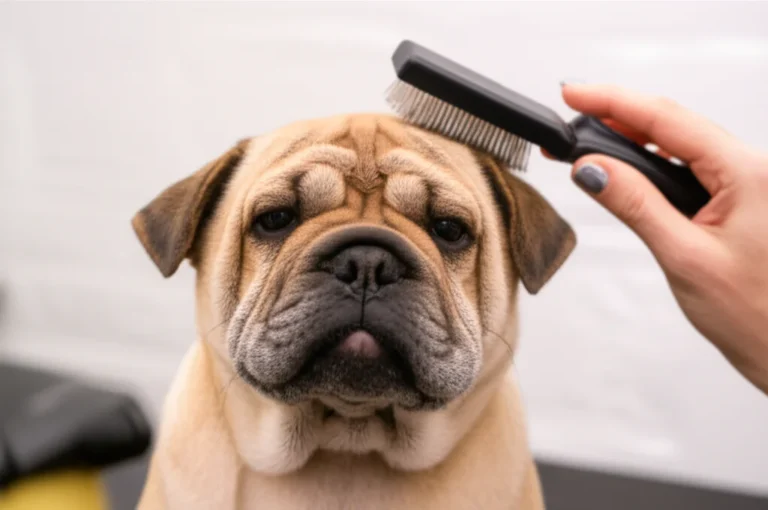
4. Grooming and Gentle Petting
A gentle brushing session can be a very relaxing and intimate experience for many dogs, especially if you use a soft brush and lots of praise.
5. Simply Being Present and Calm
Sometimes, the best way to show love is just to be there. Sharing a quiet space, with your puppy resting at your feet while you read a book, is a profound form of connection.
👶 Cuddles and Kids: Teaching Safe and Respectful Interactions
This is a non-negotiable for any family with a puppy and children. Kids, with their boundless love, are notorious for wanting to hug and squeeze puppies. It’s vital to teach them the right way to interact to prevent bites and ensure a positive relationship.
- Rule #1: No Surprise Hugs. Teach children to never run up and grab the puppy, especially when they are sleeping or eating.
- Rule #2: The “Ask First” Policy. Teach them to call the puppy’s name and pat their own legs to invite the puppy over.
- Rule #3: Gentle Pets, Not Hugs. Show them how to pet the puppy gently on their back or chest, using the “three-second rule” mentioned above.
- Rule #4: Supervise, Supervise, Supervise. Never leave a young child and a puppy unattended, no matter how trustworthy you think they both are.
🚫 When NOT to Cuddle: Special Circumstances and Canine Comfort
Even the most dedicated snuggle-bug has moments when they want to be left alone. Always avoid initiating a cuddle when your puppy is:
- Eating or Chewing a High-Value Item: This can trigger resource guarding.
- Sleeping Soundly: Startling a sleeping dog is a recipe for a fear-based reaction.
- In Their Crate or Bed: This should be their undisputed safe space where they can retreat and know they won’t be bothered.
- Showing Clear Signs of Fear or Stress: If there are fireworks outside or they’re scared of the vacuum, a restrictive hug can make their anxiety much worse. Instead, offer comfort by sitting calmly nearby.
- In Pain or Injured: If your puppy is unwell, handling them could cause pain.
🧠 Busting the Myths: Common Misconceptions About Puppy Affection and Dominance
Let’s clear the air on some seriously outdated ideas that still float around.
- Myth: Cuddling your puppy will make them the “alpha” and they won’t respect you.
- Truth: This is “categorically not true.” The whole “alpha dog” theory has been largely debunked by modern animal behaviorists. Your relationship is based on trust and positive reinforcement, not a struggle for dominance. Affection builds your bond; it doesn’t break it.
- Myth: Letting your puppy on the sofa or bed for cuddles will lead to behavior problems.
- Truth: Whether or not your dog is allowed on the furniture is a personal choice about house rules, not a behavioral mandate. A well-behaved dog is a well-behaved dog, whether they’re on the floor or on the couch next to you.
💖 The Human Heart: Why We Crave Puppy Cuddles (and How to Get Them Responsibly)
Let’s be real: we crave those cuddles for a reason. They make us feel good. That oxytocin rush is a powerful, comforting feeling. And that’s okay! Acknowledging our own need for affection is the first step to seeking it in a way that is also fair to our puppies.
But remember, as the first YouTube video in this article points out, even with a willing pet, there are common-sense health considerations. While the bond is incredible, sharing utensils or letting your pet lick your mouth can pose health risks, as pets can carry bacteria. The CDC (Centers for Disease Control and Prevention) supports these findings, urging owners to use good judgment to keep both themselves and their pets healthy.
The ultimate goal is to find a middle ground—a shared language of love. By learning your puppy’s preferences and using the “consent test,” you can fulfill your need for closeness while deeply respecting your puppy’s needs, creating a bond that is truly reciprocal and built on a foundation of trust.
🌟 Conclusion: The Art of Empathetic Engagement and Puppy Love

So, is it good to cuddle your puppy? The answer is a resounding “It depends!” — but with a big heart and a keen eye, cuddling can be one of the most rewarding ways to deepen your bond with your snub-nosed furball.
From our experience at Snubby Puppy™, the magic lies in respecting your puppy’s boundaries and learning their unique language of comfort. Remember, a cuddle isn’t just about wrapping your arms around your pup; it’s about creating a safe, loving space where your puppy feels free to lean in—or step away.
We’ve seen firsthand how mindful cuddling can reduce stress, build trust, and even improve your puppy’s social skills. But forcing affection? That’s a no-go. It risks anxiety, erodes trust, and can even lead to nips or bites. The key takeaway: let your puppy be the cuddle captain and always watch for those subtle “yes” or “no” signals.
For snub-nosed breeds, who sometimes have extra sensitivity and breathing considerations, cuddling gently and attentively is even more crucial. The right cuddle can soothe and comfort, while the wrong one can cause discomfort.
So, embrace the slow approach, use positive reinforcement, and celebrate every little sign of your puppy’s affection. Your snubby’s love language might surprise you—and that’s part of the joy!
Ready to become a cuddle whisperer? Keep exploring, keep learning, and keep those puppy snuggles coming—on their terms.
🔗 Recommended Links for Further Reading & Shopping
Here are some of our favorite products and resources to help you build that perfect cuddle connection:
-
Zuke’s Mini Naturals Training Treats:
Amazon | Chewy
Perfect for rewarding gentle touch and positive cuddle associations. -
Nina Ottosson Dog Puzzle Toys:
Amazon | Chewy
Great for mental stimulation and bonding beyond cuddles. -
“The Other End of the Leash” by Patricia McConnell:
Amazon
A brilliant read on understanding canine behavior and communication. -
“How to Speak Dog” by Stanley Coren:
Amazon
Learn to decode your puppy’s body language like a pro. -
CDC’s Healthy Pets, Healthy People:
CDC Website
Official guidance on pet health and safe interactions.
❓ FAQ: Your Top Puppy Cuddle Questions Answered

Does cuddling help with separation anxiety in snub-nosed puppies?
Cuddling can provide comfort and reduce stress, which may help puppies feel more secure. However, excessive cuddling as a way to prevent separation anxiety can backfire by making your puppy overly dependent on your presence. The best approach is to combine gentle cuddling with gradual independence training, crate training, and positive reinforcement to build confidence.
What are alternative ways to bond with my snub-nosed puppy besides cuddling?
Great question! Bonding isn’t just about physical touch. Try:
- Engaging play sessions (fetch, tug-of-war)
- Training with positive reinforcement
- Shared walks and exploration
- Grooming with gentle brushing
- Quiet companionship, like reading near your puppy
These activities build trust and connection while respecting your puppy’s comfort level.
What are the benefits of cuddling my snub-nosed puppy?
Cuddling releases oxytocin in both you and your puppy, lowering stress hormones and promoting feelings of safety and love. It can strengthen your bond, help your puppy relax, and support socialization by teaching them to enjoy gentle touch.
Read more about “What Is the Average Lifespan of a Snub-Nosed Dog? 🐾 (2025)”
How do I know if my snub-nosed puppy enjoys being cuddled?
Look for signs like:
- Relaxed, floppy body
- Leaning into your touch
- Soft eyes and slow blinks
- Nudging for more pets
- Sighs of contentment
- Rolling over for belly rubs
- Falling asleep in your arms
If your puppy shows these, you’re on cuddle cloud nine!
Are there any risks associated with cuddling a snub-nosed puppy, like breathing issues?
Yes, snub-nosed breeds (like Pugs, French Bulldogs, and Boston Terriers) can have breathing difficulties due to their anatomy. Tight hugs or pressure on their chest and neck can exacerbate this. Always cuddle gently, avoid restricting their breathing, and watch for signs of discomfort like panting or wheezing.
Can too much cuddling spoil a snub-nosed puppy?
“Spoiling” is a myth when it comes to affection. However, too much cuddling can lead to dependency or anxiety if your puppy never learns to be comfortable alone. Balance cuddles with teaching independence and confidence-building activities.
Read more about “Snubby Puppy Secrets: 12 Must-Know Facts & Tips 🐾 (2025)”
How often should I cuddle my snub-nosed puppy?
There’s no set rule! Follow your puppy’s cues. Short, frequent cuddle sessions that your puppy initiates are ideal. Quality beats quantity—better a few loving moments than long sessions that cause stress.
Read more about “What Is a Peekaboo Puppy? 15 Surprising Facts Revealed! 🐶”
Is cuddling a snub-nosed puppy different from cuddling other breeds?
Snub-nosed breeds may be more sensitive to pressure due to their facial structure and breathing challenges. They might prefer gentler, less restrictive cuddles. Also, some snubbies can be more prone to anxiety, so always watch their body language closely.
Read more about “Discover 10 Adorable Snubbies Toys Your Pup Will Love! 🐾”
Can cuddling help with bonding a snub-nosed dog?
Absolutely! When done respectfully, cuddling can build trust and deepen your emotional connection. It’s a wonderful way to communicate safety and affection.
Read more about “What is the #1 Most Cuddly Dog? … 🐶”
Are there any risks to cuddling snub-nose puppies too much?
Besides potential breathing issues and anxiety from forced affection, over-cuddling might interfere with your puppy’s socialization and independence. Balance is key.
How does cuddling affect the health of snub-nose dogs?
Gentle cuddling can lower stress hormones and promote relaxation, which benefits overall health. But be mindful of their unique anatomy to avoid respiratory distress.
Read more about “What Is a Whippet Puppy? 15 Must-Know Facts 🐾 (2025)”
What is the best way to cuddle a snub-nose puppy safely?
- Use gentle, slow strokes avoiding pressure on the chest and neck
- Let your puppy choose when and how long to cuddle
- Watch for stress signals and stop if your puppy seems uncomfortable
- Avoid tight hugs or squeezing
- Support their head and body comfortably
Read more about “What Are Short Nose Dog Breeds? Top 15 Snubby Pups You’ll Adore 🐾 (2025)”
Do snub-nose dogs enjoy cuddling more than other breeds?
Not necessarily. Enjoyment depends more on individual personality than breed. Some snub-nosed dogs are cuddle monsters; others prefer space. Always read your puppy’s signals.
Read more about “Is a Boston Terrier a Good House Dog? 🏡 (2025 Guide)”
Can cuddling reduce anxiety in snub-nose puppies?
Yes, cuddling can calm anxious puppies by releasing oxytocin and providing a sense of security. But it should be part of a broader anxiety management plan including training, routine, and sometimes professional help.
📚 Reference Links
- Oxytocin and Human-Animal Bonding – NIH
- CDC: Healthy Pets, Healthy People
- Rebarkable: Should I Cuddle My Dog?
- River Landings Animal Clinic: 5 Scientific Reasons to Cuddle Your Pet
- Be The Boss Dog Training: Your Dog is Not Sweet, Your Dog is Anxious
- Nina Ottosson Official Site
- Zuke’s Official Website
At Snubby Puppy™, we’re all about celebrating your puppy’s unique personality and helping you build a relationship based on trust, respect, and love—one cuddle at a time. 🐾💖