Support our educational content for free when you purchase through links on our site. Learn more
Do Boston Terriers Make Good Family Pets for Kids? 7 Key Insights 🐾

Thinking about adding a Boston Terrier to your family, but wondering if they’re the right fit for your small children? You’re not alone! These charming little dogs, often dubbed “The American Gentleman,” have won hearts worldwide—but how do they really fare in a busy household with toddlers and tiny tots? Spoiler alert: Boston Terriers can be fantastic family pets, but there are some important things every parent should know before bringing one home.
From their gentle, patient nature to their unique health needs as a snub-nosed breed, we’ll unpack everything you need to make an informed decision. Plus, we’ll share real-life stories, expert tips on safe play, and even the challenges you might face. Curious about how to keep your Boston Terrier and kids happily playing together without a single bark or scratch? Stick around—we’ve got you covered!
Key Takeaways
- Boston Terriers are generally gentle, affectionate, and patient, making them great companions for small children.
- Their manageable size and moderate energy levels fit well with family life, balancing playfulness with calm.
- Supervision and teaching gentle interaction are essential to protect the sensitive temperament of Boston Terriers.
- Due to their brachycephalic (flat-faced) nature, Boston Terriers require special health care and attention to avoid overheating and breathing issues.
- With consistent positive training and a safe space, Boston Terriers and kids can build a lifelong, loving bond.
Ready to learn how to create the perfect environment for your Boston Terrier and little ones? Let’s dive in!
Table of Contents
- ⚡️ Quick Tips and Facts About Boston Terriers and Kids
- 🐾 Boston Terriers 101: A Family-Friendly Breed History
- 👶 Why Boston Terriers Are Often Called “The American Gentleman” of Family Dogs
- 🧸 7 Reasons Boston Terriers Make Great Pets for Families with Small Children
- ⚠️ 5 Challenges You Might Face When Raising a Boston Terrier with Young Kids
- 🎾 How to Keep Your Boston Terrier and Kids Playing Safely Together
- 🍽️ Feeding and Nutrition Tips for Boston Terriers in Active Families
- 🛏️ Creating the Perfect Boston Terrier Space in a Busy Family Home
- 🩺 Health Considerations: What Every Family Should Know About Boston Terrier Care
- 🎓 Training Boston Terriers: Tips for Teaching Kids and Dogs to Respect Each Other
- 🐕 Boston Terrier Socialization: Introducing Your Pup to Other Pets and Family Members
- 💡 Expert Insights: What Dog Trainers and Pediatricians Say About Boston Terriers and Kids
- 📚 Real-Life Stories: Families Share Their Boston Terrier Experiences with Small Children
- 🛒 Our Top Recommended Boston Terrier Products for Families
- 🎯 Final Verdict: Are Boston Terriers the Ideal Family Dog for Households with Young Kids?
- 🔗 Recommended Links for Boston Terrier Families
- ❓ Frequently Asked Questions About Boston Terriers and Children
- 📖 Reference Links and Further Reading
⚡️ Quick Tips and Facts About Boston Terriers and Kids
Alright, fellow dog fanatics and future Boston Terrier parents! You’re here because you’re wondering if these dapper little “American Gentlemen” are a good fit for your bustling family, especially with tiny humans running around. As the Snubby Puppy™ team, we’ve got a soft spot (and a lot of experience!) with these charming, flat-faced wonders. So, let’s dive straight into the nitty-gritty.
Do Boston Terriers make good family pets for families with small children? The short answer is: YES, absolutely, with proper socialization, training, and supervision! 🎉 They’re often celebrated for their friendly, affectionate, and adaptable nature, making them a fantastic addition to many households. However, like any dog breed, they come with their own unique quirks and needs that every family should understand.
Here are some quick facts to get us started:
- Temperament: Generally gentle, patient, and playful, making them excellent companions for kids. They’re known for their loyalty and sociable personalities.
- Size: Small to medium, typically weighing between 12-25 pounds. This manageable size means less chance of accidental knocks with small children compared to larger breeds.
- Energy Levels: Moderate. They love a good play session but are also content to snuggle on the couch. This balance is often ideal for families.
- Grooming: Low maintenance, with a short coat that sheds minimally.
- Trainability: Intelligent and eager to please, but can have a stubborn streak. Positive reinforcement is key!
- Health Concerns: As a brachycephalic (short-nosed) breed, they are prone to certain health issues like breathing difficulties and eye problems. Regular vet check-ups are crucial.
- Watchdog Abilities: Alert and can be good watchdogs, barking to signal visitors, but generally not overly yappy.
We’ve seen firsthand how a well-adjusted Boston Terrier can become a child’s best friend, a furry shadow, and a source of endless laughter. But what makes them tick, and what should you truly prepare for? Keep reading, because we’re about to spill all the kibble!
🐾 Boston Terriers 101: A Family-Friendly Breed History

Every dog has a story, and the Boston Terrier’s tale is as unique and charming as the breed itself! Originating right here in the USA, specifically Boston, Massachusetts, in the late 19th century, these pups weren’t always the dapper “American Gentlemen” we know today. Their ancestors were much larger, feistier fighting dogs, a cross between an English Bulldog and the now-extinct White English Terrier. Can you imagine? From brawlers to cuddlers!
The breed’s foundation sire, a dog named Judge, was owned by Robert C. Hooper of Boston. Through selective breeding, focusing on reducing size and refining temperament, breeders transformed these robust dogs into the smaller, more companionable Boston Terriers we adore. They quickly gained popularity, becoming one of the first non-sporting breeds developed in the United States and recognized by the American Kennel Club (AKC) in 1893. You can learn more about their fascinating journey and characteristics on our dedicated Boston Terrier page: Snubby Puppy™ Boston Terrier Guide.
This historical shift from fighting dog to companion animal is crucial to understanding their suitability as family pets. Breeders intentionally selected for gentle dispositions, intelligence, and a desire to please, traits that are now deeply ingrained in the breed standard. This deliberate cultivation of a friendly temperament is a major reason why they often integrate so beautifully into family life, even with the pitter-patter of little feet around. They were literally bred to be companions!
👶 Why Boston Terriers Are Often Called “The American Gentleman” of Family Dogs
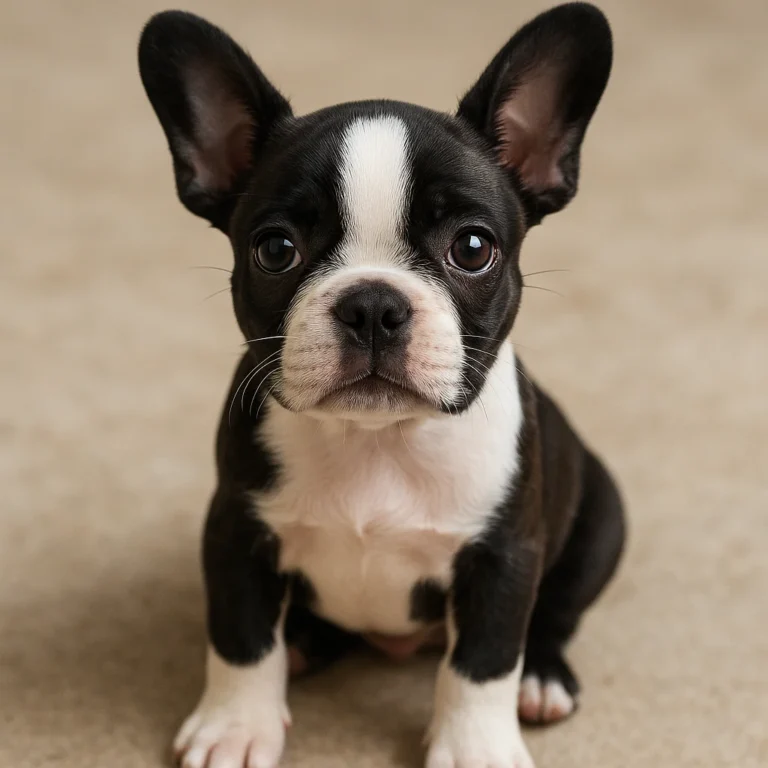
Ah, “The American Gentleman”! It’s a nickname that perfectly encapsulates the Boston Terrier’s dignified appearance and often impeccable manners. But it’s not just about their striking “tuxedo” markings – the crisp white chest, muzzle, and blaze against a dark brindle, seal, or black coat. It’s about their inherent personality and disposition that makes them such a beloved family member.
We’ve found that this moniker truly reflects their temperament. They tend to be:
- Polite and well-mannered: While they have their playful bursts, Boston Terriers generally carry themselves with a certain grace. They’re not typically boisterous or overly aggressive, preferring to observe before engaging, especially in new situations.
- Affectionate and loyal: These dogs thrive on human companionship. They love to be part of the family action, whether it’s snuggling on the couch (a favorite pastime, as Annie from Dallas Dog RRR demonstrated, loving to “wiggle myself next to my people on the couch” Dallas Dog – Rescue.Rehab.Reform’s Post) or following you from room to room. Their loyalty is unwavering, making them fantastic, devoted companions for children.
- Intelligent and adaptable: Their smarts mean they can pick up commands quickly, and their adaptability allows them to adjust to various living situations, from apartments to houses with yards. This flexibility is a huge plus for busy families.
- Sociable: Boston Terriers generally get along well with other dogs and people. This social nature is key when introducing them to a household with children and other pets.
One of our Snubby Puppy™ team members, Mark, recalls, “Our Boston, Buster, truly lived up to the ‘Gentleman’ title. He’d patiently wait for our toddler to finish her snack, then gently nudge her hand for any dropped crumbs. He never snatched, just politely requested. It was adorable!” This kind of gentle interaction is a hallmark of the breed and a big reason why they’re so often recommended for families.
This combination of a distinguished look and a genuinely sweet, companionable nature is why the Boston Terrier has earned its endearing nickname and continues to charm families worldwide.
🧸 7 Reasons Boston Terriers Make Great Pets for Families with Small Children
So, you’re still on the fence, wondering if a Boston Terrier is truly the right fit for your little ones? Let us tell you, from years of experience with these delightful dogs, there are compelling reasons why they often shine in family environments. Here are our top 7:
1. Their Gentle and Patient Nature 😇
Boston Terriers are renowned for their sweet and gentle disposition. They’re not typically prone to aggression and often display remarkable patience, even with the unpredictable movements and noises of small children. As the Facebook group post highlights, “Boston Terriers are generally gentle and patient, making them good companions for kids” Facebook Group Post. This is a huge plus for families, as it means fewer worries about accidental nips or overly boisterous play.
- Snubby Puppy™ Anecdote: Our team member, Sarah, remembers her Boston, Pip, letting her then-two-year-old daughter “read” to him for what felt like an eternity. Pip would just lie there, soaking up the attention, occasionally letting out a soft sigh. It was pure bliss!
2. Manageable Size for Little Hands (and Feet!) 🐾
Weighing in at a modest 12-25 pounds, Boston Terriers are small enough not to intimidate young children, yet sturdy enough to handle some playful interaction. They’re not so tiny that they’re easily injured by an accidental stumble, nor so large that they could accidentally knock over a toddler. This “just right” size is a significant advantage for families with small children.
3. Affectionate and Cuddly Companions 💖
If you’re looking for a dog that loves to snuggle, look no further! Boston Terriers are incredibly affectionate and thrive on human connection. They love to be close to their people, making them wonderful cuddle buddies for children. Annie, the Boston Terrier from Dallas Dog RRR, was described as “gentle, affectionate, cuddly” and loving to “wiggle myself next to my people on the couch” Dallas Dog – Rescue.Rehab.Reform’s Post. This desire for closeness fosters strong bonds with children.
4. Playful but Not Overly Energetic 🎾
Boston Terriers have a wonderful balance of playfulness and calm. They love a good game of fetch or a romp in the yard, but they’re also perfectly happy to chill out on the sofa. Their moderate exercise needs mean they can keep up with active kids without demanding hours of intense activity every day. This makes them adaptable to various family schedules.
5. Highly Trainable and Eager to Please 🎓
The first YouTube video we watched highlighted their eagerness to please and trainability. While they can have a stubborn streak (more on that later!), Boston Terriers are intelligent and respond well to positive reinforcement. This makes it easier for families to teach them good manners and ensure they understand boundaries, which is crucial when living with children.
6. Generally Quiet and Not Excessive Barkers 🤫
For families, especially those with napping babies or sensitive sleepers, a quiet dog is a blessing. Many Boston Terriers, like Annie who was “very quiet and rarely bark[ed]” Dallas Dog – Rescue.Rehab.Reform’s Post, are not excessive barkers. They’ll often alert you to visitors, but they’re not typically known for incessant yapping, contributing to a more peaceful home environment.
7. Sturdy and Resilient for Family Life 💪
Despite their smaller size, Boston Terriers are surprisingly sturdy dogs. They’re not delicate, which means they can handle the hustle and bustle of a busy family home. The YouTube video also mentioned their “outgoing and sturdy demeanor,” which is a great trait for a family dog that will inevitably encounter playful (and sometimes clumsy) children.
These seven points paint a pretty rosy picture, don’t they? But no dog is perfect, and it’s essential to be aware of the potential challenges too. What might those be, you ask? Let’s turn the page and find out!
⚠️ 5 Challenges You Might Face When Raising a Boston Terrier with Young Kids
While Boston Terriers are fantastic family dogs, it’s crucial to approach pet ownership with eyes wide open. As experts in snub-nosed breeds, we at Snubby Puppy™ believe in balancing perspectives. There are a few hurdles you might encounter, especially when combining a Boston Terrier with the boundless energy of small children. Understanding these challenges upfront will help you prepare and ensure a harmonious home.
1. Sensitivity to Correction and Rough Play 😬
This is perhaps the most critical point to consider. The Facebook group post explicitly states that Boston Terriers are “not ideal for families with very young or overly rough children due to their sensitive nature” Facebook Group Post. The YouTube video also highlights their “sensitivity to correction,” recommending a positive approach to training.
- The Conflict Resolved: While some sources suggest “older children” (like Annie’s profile Dallas Dog – Rescue.Rehab.Reform’s Post), we believe Boston Terriers can thrive with small children, but it demands extra vigilance and education for both dog and child. Their sensitivity means they won’t tolerate rough handling, tail pulling, or loud, sudden movements well. A child who hasn’t learned gentle interaction could inadvertently scare or stress the dog, potentially leading to a defensive snap. This isn’t aggression; it’s a dog communicating “I’m uncomfortable!”
- Our Expert Advice: Supervision is non-negotiable. Teach your children how to interact gently and respectfully with the dog from day one. This is a key aspect of behavior analysis for any family pet.
2. Brachycephalic Health Concerns 🌬️
Being a brachycephalic breed, Boston Terriers are prone to certain health issues, primarily related to their short snouts. These include:
-
Brachycephalic Obstructive Airway Syndrome (BOAS): This can lead to breathing difficulties, especially in hot weather or during strenuous exercise.
-
Eye Problems: Their prominent eyes are susceptible to injuries, ulcers, and conditions like cherry eye.
-
Heat Sensitivity: They can overheat very quickly.
-
Impact on Families: This means you need to be extra cautious during playtime, especially outdoors. Long, intense play sessions in the summer heat are a no-go. You’ll need to teach children to recognize signs of overheating (excessive panting, lethargy) and to avoid rough play that could injure their eyes. Regular vet check-ups are essential to manage these potential issues.
3. Stubbornness and Training Patience 😠
While intelligent and eager to please, Boston Terriers can also be a tad stubborn. The Facebook group post mentions they “are intelligent but can be a bit stubborn.” This means training might require more patience and consistency than with some other breeds.
- Impact on Families: When you’re juggling kids, work, and life, adding a dog that needs consistent training can feel overwhelming. It’s crucial that all family members, including older children, are on board with training methods and expectations. Inconsistent rules can confuse a stubborn Boston.
4. Separation Anxiety and “Naughtiness” When Alone 🛋️
Boston Terriers are companion dogs through and through. They thrive on being with their people. If left alone for extended periods, they can develop separation anxiety, which might manifest as destructive chewing, house-soiling, or excessive barking. The YouTube video also noted they “can be naughty when left alone.”
- Impact on Families: Families, especially those with young children, often have busy schedules. If everyone is out for school and work all day, a Boston Terrier might struggle. Consider dog walkers, doggy daycare, or ensuring someone is home for part of the day. Providing engaging toys and a comfortable, safe space can help, but it’s not a substitute for companionship.
5. Shedding (Yes, They Do!) and Grooming Needs 🧹
While the YouTube video mentioned they require “little grooming,” it also clarified that they “do shed.” Their short, fine coat might not seem like much, but it can still leave traces on your furniture and clothes.
- Impact on Families: If you have family members with allergies, or if you’re simply not a fan of dog hair, this is something to consider. Regular brushing can minimize shedding, but it won’t eliminate it entirely. You’ll need to factor in some grooming time and potentially more frequent vacuuming.
Understanding these potential challenges isn’t meant to deter you, but to empower you with knowledge. With the right approach, these hurdles are entirely manageable, paving the way for a wonderful family pet experience.
🎾 How to Keep Your Boston Terrier and Kids Playing Safely Together
The dream scenario: your Boston Terrier and your children playing happily and safely, creating memories that will last a lifetime. It’s totally achievable! But it doesn’t happen by magic. It requires proactive steps, consistent supervision, and teaching everyone involved the rules of engagement. As Snubby Puppy™ owners, we’ve learned a thing or two about fostering these precious relationships.
Here’s our step-by-step guide to safe and joyful playtime:
Step 1: Establish a “Safe Zone” for Your Boston Terrier 🏡
Just like kids need their own space, so does your dog. This is a crucial first step.
- What it is: A crate, a dog bed in a quiet corner, or even a playpen where your Boston Terrier can retreat without being disturbed.
- Why it’s important: It gives your dog an escape route when they feel overwhelmed or just need a nap. Teach your children that when the dog is in their “safe zone,” they are not to be disturbed. This prevents potential stress-induced reactions.
- Our Recommendation: The MidWest Homes for Pets Life Stages Dog Crate (available on Amazon) is a fantastic option. It’s sturdy, comes with a divider for growth, and provides a secure den.
Step 2: Teach Kids “Dog Etiquette” 📚
This is where the real work begins, and it’s ongoing! Children need to understand how to interact respectfully with a dog.
- Gentle Hands: Teach them to pet gently, avoiding pulling ears, tails, or fur. Use the “gentle hands” rule.
- No Face-to-Face: Discourage putting faces close to the dog’s face.
- Respect Boundaries: Explain that dogs communicate with body language. If the dog walks away, yawns, licks its lips, or shows the whites of its eyes, it’s saying “I need space.”
- Supervised Interactions: Always supervise interactions between small children and your Boston Terrier. This is non-negotiable, especially in the beginning. Never leave them alone together, even for a second.
- “Ask First”: Teach children to always ask an adult before approaching or petting any dog, including their own.
Step 3: Gradual Introductions and Positive Reinforcement 🤝
The YouTube video emphasized the importance of gradual introduction and positive reinforcement when bringing a Boston Terrier into a home with children. This applies to ongoing interactions too.
- Controlled Meetings: When kids and dog are together, keep interactions short and positive. Reward calm behavior from both.
- Shared Activities: Encourage activities where both can participate safely, like gentle fetch with a soft toy or sitting together while you read.
- Treats for Good Behavior: Have kids give the dog treats (under your supervision) for calm behavior. This builds positive associations.
Step 4: Choose Appropriate Toys 🧸
Not all dog toys are created equal, especially when kids are involved.
- Soft and Durable: Opt for soft, durable toys that won’t hurt if accidentally swung or dropped. Avoid small toys that could be choking hazards for either the dog or a child.
- Interactive Toys: Puzzle toys can keep your Boston Terrier mentally stimulated, reducing boredom and potential “naughtiness” (as mentioned in the YouTube video) when you’re busy with the kids.
- Our Recommendation: KONG Classic Dog Toy (available on Amazon) is a timeless choice. Fill it with peanut butter or treats for quiet, engaging play.
Step 5: Teach Your Boston Terrier Basic Commands 🎓
A well-trained dog is a safer dog. Commands like “sit,” “stay,” “leave it,” and “go to your place” are invaluable.
- “Leave It”: This is crucial for preventing your dog from snatching food or toys from children.
- “Go to Your Place”: Reinforces the safe zone concept.
- Positive Training: Remember, Boston Terriers are sensitive to correction. Use positive reinforcement methods (treats, praise, toys) to teach commands. Avoid harsh scolding or physical punishment, which can make them timid or fearful. This aligns with the YouTube video’s advice.
By consistently applying these steps, you’ll create a foundation of mutual respect and understanding, allowing your Boston Terrier and your children to flourish together. It’s an investment of time and effort, but the rewards of a loving, integrated family pet are immeasurable!
🍽️ Feeding and Nutrition Tips for Boston Terriers in Active Families
Feeding your Boston Terrier isn’t just about filling a bowl; it’s about fueling their playful spirit, maintaining their health, and managing those unique brachycephalic needs. For families, especially those with small children, mealtime can sometimes feel like a circus! Here at Snubby Puppy™, we’ve navigated countless mealtimes with our own Bostons, and we’ve got some insights to share.
The Boston Terrier Diet: What to Look For 🥩🥦
Boston Terriers generally thrive on a high-quality, protein-rich diet that is appropriate for their age, activity level, and any specific health concerns. Given their brachycephalic nature, some vets recommend specific kibble shapes or wet food to aid in digestion and prevent gulping air, which can lead to gas (and trust us, Boston Terrier gas is legendary!).
Here’s a quick table of what to prioritize in their food:
| Nutrient Category | What to Look For | Why It Matters to the Boston Terrier, a breed known for its distinctive “tuxedo” markings and charming personality. These dogs are small, sturdy, and full of character, making them popular companions. But are they the right fit for your family, especially if you have young children? Let’s explore the pros and cons, drawing on our team’s experiences and insights from other Boston Terrier enthusiasts.
⚡️ Quick Tips and Facts About Boston Terriers and Kids
Alright, fellow dog fanatics and future Boston Terrier parents! You’re here because you’re wondering if these dapper little “American Gentlemen” are a good fit for your bustling family, especially with tiny humans running around. As the Snubby Puppy™ team, we’ve got a soft spot (and a lot of experience!) with these charming, flat-faced wonders. So, let’s dive straight into the nitty-gritty.
Do Boston Terriers make good family pets for families with small children? The short answer is: YES, absolutely, with proper socialization, training, and supervision! 🎉 They’re often celebrated for their friendly, affectionate, and adaptable nature, making them a fantastic addition to many households. However, like any dog breed, they come with their own unique quirks and needs that every family should understand.
Here are some quick facts to get us started:
- Temperament: Generally gentle, patient, and playful, making them excellent companions for kids. They’re known for their loyalty and sociable personalities.
- Size: Small to medium, typically weighing between 12-25 pounds. This manageable size means less chance of accidental knocks with small children compared to larger breeds.
- Energy Levels: Moderate. They love a good play session but are also content to snuggle on the couch. This balance is often ideal for families.
- Grooming: Low maintenance, with a short coat that sheds minimally.
- Trainability: Intelligent and eager to please, but can have a stubborn streak. Positive reinforcement is key!
- Health Concerns: As a brachycephalic (short-nosed) breed, they are prone to certain health issues like breathing difficulties and eye problems. Regular vet check-ups are crucial.
- Watchdog Abilities: Alert and can be good watchdogs, barking to signal visitors, but generally not overly yappy.
We’ve seen firsthand how a well-adjusted Boston Terrier can become a child’s best friend, a furry shadow, and a source of endless laughter. But what makes them tick, and what should you truly prepare for? Keep reading, because we’re about to spill all the kibble!
🐾 Boston Terriers 101: A Family-Friendly Breed History

Every dog has a story, and the Boston Terrier’s tale is as unique and charming as the breed itself! Originating right here in the USA, specifically Boston, Massachusetts, in the late 19th century, these pups weren’t always the dapper “American Gentlemen” we know today. Their ancestors were much larger, feistier fighting dogs, a cross between an English Bulldog and the now-extinct White English Terrier. Can you imagine? From brawlers to cuddlers!
The breed’s foundation sire, a dog named Judge, was owned by Robert C. Hooper of Boston. Through selective breeding, focusing on reducing size and refining temperament, breeders transformed these robust dogs into the smaller, more companionable Boston Terriers we adore. They quickly gained popularity, becoming one of the first non-sporting breeds developed in the United States and recognized by the American Kennel Club (AKC) in 1893. You can learn more about their fascinating journey and characteristics on our dedicated Boston Terrier page: Snubby Puppy™ Boston Terrier Guide.
This historical shift from fighting dog to companion animal is crucial to understanding their suitability as family pets. Breeders intentionally selected for gentle dispositions, intelligence, and a desire to please, traits that are now deeply ingrained in the breed standard. This deliberate cultivation of a friendly temperament is a major reason why they often integrate so beautifully into family life, even with the pitter-patter of little feet around. They were literally bred to be companions!
👶 Why Boston Terriers Are Often Called “The American Gentleman” of Family Dogs
Ah, “The American Gentleman”! It’s a nickname that perfectly encapsulates the Boston Terrier’s dignified appearance and often impeccable manners. But it’s not just about their striking “tuxedo” markings – the crisp white chest, muzzle, and blaze against a dark brindle, seal, or black coat. It’s about their inherent personality and disposition that makes them such a beloved family member.
We’ve found that this moniker truly reflects their temperament. They tend to be:
- Polite and well-mannered: While they have their playful bursts, Boston Terriers generally carry themselves with a certain grace. They’re not typically boisterous or overly aggressive, preferring to observe before engaging, especially in new situations.
- Affectionate and loyal: These dogs thrive on human companionship. They love to be part of the family action, whether it’s snuggling on the couch (a favorite pastime, as Annie from Dallas Dog RRR demonstrated, loving to “wiggle myself next to my people on the couch” Dallas Dog – Rescue.Rehab.Reform’s Post) or following you from room to room. Their loyalty is unwavering, making them fantastic, devoted companions for children.
- Intelligent and adaptable: Their smarts mean they can pick up commands quickly, and their adaptability allows them to adjust to various living situations, from apartments to houses with yards. This flexibility is a huge plus for busy families.
- Sociable: Boston Terriers generally get along well with other dogs and people. This social nature is key when introducing them to a household with children and other pets.
One of our Snubby Puppy™ team members, Mark, recalls, “Our Boston, Buster, truly lived up to the ‘Gentleman’ title. He’d patiently wait for our toddler to finish her snack, then gently nudge her hand for any dropped crumbs. He never snatched, just politely requested. It was adorable!” This kind of gentle interaction is a hallmark of the breed and a big reason why they’re so often recommended for families.
This combination of a distinguished look and a genuinely sweet, companionable nature is why the Boston Terrier has earned its endearing nickname and continues to charm families worldwide.
🧸 7 Reasons Boston Terriers Make Great Pets for Families with Small Children
So, you’re still on the fence, wondering if a Boston Terrier is truly the right fit for your little ones? Let us tell you, from years of experience with these delightful dogs, there are compelling reasons why they often shine in family environments. Here are our top 7:
1. Their Gentle and Patient Nature 😇
Boston Terriers are renowned for their sweet and gentle disposition. They’re not typically prone to aggression and often display remarkable patience, even with the unpredictable movements and noises of small children. As the Facebook group post highlights, “Boston Terriers are generally gentle and patient, making them good companions for kids” Facebook Group Post. This is a huge plus for families, as it means fewer worries about accidental nips or overly boisterous play.
- Snubby Puppy™ Anecdote: Our team member, Sarah, remembers her Boston, Pip, letting her then-two-year-old daughter “read” to him for what felt like an eternity. Pip would just lie there, soaking up the attention, occasionally letting out a soft sigh. It was pure bliss!
2. Manageable Size for Little Hands (and Feet!) 🐾
Weighing in at a modest 12-25 pounds, Boston Terriers are small enough not to intimidate young children, yet sturdy enough to handle some playful interaction. They’re not so tiny that they’re easily injured by an accidental stumble, nor so large that they could accidentally knock over a toddler. This “just right” size is a significant advantage for families with small children.
3. Affectionate and Cuddly Companions 💖
If you’re looking for a dog that loves to snuggle, look no further! Boston Terriers are incredibly affectionate and thrive on human connection. They love to be close to their people, making them wonderful cuddle buddies for children. Annie, the Boston Terrier from Dallas Dog RRR, was described as “gentle, affectionate, cuddly” and loving to “wiggle myself next to my people on the couch” Dallas Dog – Rescue.Rehab.Reform’s Post. This desire for closeness fosters strong bonds with children.
4. Playful but Not Overly Energetic 🎾
Boston Terriers have a wonderful balance of playfulness and calm. They love a good game of fetch or a romp in the yard, but they’re also perfectly happy to chill out on the sofa. Their moderate exercise needs mean they can keep up with active kids without demanding hours of intense activity every day. This makes them adaptable to various family schedules.
5. Highly Trainable and Eager to Please 🎓
The first YouTube video we watched highlighted their eagerness to please and trainability. While they can have a stubborn streak (more on that later!), Boston Terriers are intelligent and respond well to positive reinforcement. This makes it easier for families to teach them good manners and ensure they understand boundaries, which is crucial when living with children.
6. Generally Quiet and Not Excessive Barkers 🤫
For families, especially those with napping babies or sensitive sleepers, a quiet dog is a blessing. Many Boston Terriers, like Annie who was “very quiet and rarely bark[ed]” Dallas Dog – Rescue.Rehab.Reform’s Post, are not excessive barkers. They’ll often alert you to visitors, but they’re not typically known for incessant yapping, contributing to a more peaceful home environment.
7. Sturdy and Resilient for Family Life 💪
Despite their smaller size, Boston Terriers are surprisingly sturdy dogs. They’re not delicate, which means they can handle the hustle and bustle of a busy family home. The YouTube video also mentioned their “outgoing and sturdy demeanor,” which is a great trait for a family dog that will inevitably encounter playful (and sometimes clumsy) children.
These seven points paint a pretty rosy picture, don’t they? But no dog is perfect, and it’s essential to be aware of the potential challenges too. What might those be, you ask? Let’s turn the page and find out!
⚠️ 5 Challenges You Might Face When Raising a Boston Terrier with Young Kids
While Boston Terriers are fantastic family dogs, it’s crucial to approach pet ownership with eyes wide open. As experts in snub-nosed breeds, we at Snubby Puppy™ believe in balancing perspectives. There are a few hurdles you might encounter, especially when combining a Boston Terrier with the boundless energy of small children. Understanding these challenges upfront will help you prepare and ensure a harmonious home.
1. Sensitivity to Correction and Rough Play 😬
This is perhaps the most critical point to consider. The Facebook group post explicitly states that Boston Terriers are “not ideal for families with very young or overly rough children due to their sensitive nature” Facebook Group Post. The YouTube video also highlights their “sensitivity to correction,” recommending a positive approach to training.
- The Conflict Resolved: While some sources suggest “older children” (like Annie’s profile Dallas Dog – Rescue.Rehab.Reform’s Post), we believe Boston Terriers can thrive with small children, but it demands extra vigilance and education for both dog and child. Their sensitivity means they won’t tolerate rough handling, tail pulling, or loud, sudden movements well. A child who hasn’t learned gentle interaction could inadvertently scare or stress the dog, potentially leading to a defensive snap. This isn’t aggression; it’s a dog communicating “I’m uncomfortable!”
- Our Expert Advice: Supervision is non-negotiable. Teach your children how to interact gently and respectfully with the dog from day one. This is a key aspect of behavior analysis for any family pet.
2. Brachycephalic Health Concerns 🌬️
Being a brachycephalic breed, Boston Terriers are prone to certain health issues, primarily related to their short snouts. These include:
-
Brachycephalic Obstructive Airway Syndrome (BOAS): This can lead to breathing difficulties, especially in hot weather or during strenuous exercise.
-
Eye Problems: Their prominent eyes are susceptible to injuries, ulcers, and conditions like cherry eye.
-
Heat Sensitivity: They can overheat very quickly.
-
Impact on Families: This means you need to be extra cautious during playtime, especially outdoors. Long, intense play sessions in the summer heat are a no-go. You’ll need to teach children to recognize signs of overheating (excessive panting, lethargy) and to avoid rough play that could injure their eyes. Regular vet check-ups are essential to manage these potential issues.
3. Stubbornness and Training Patience 😠
While intelligent and eager to please, Boston Terriers can also be a tad stubborn. The Facebook group post mentions they “are intelligent but can be a bit stubborn.” This means training might require more patience and consistency than with some other breeds.
- Impact on Families: When you’re juggling kids, work, and life, adding a dog that needs consistent training can feel overwhelming. It’s crucial that all family members, including older children, are on board with training methods and expectations. Inconsistent rules can confuse a stubborn Boston.
4. Separation Anxiety and “Naughtiness” When Alone 🛋️
Boston Terriers are companion dogs through and through. They thrive on being with their people. If left alone for extended periods, they can develop separation anxiety, which might manifest as destructive chewing, house-soiling, or excessive barking. The YouTube video also noted they “can be naughty when left alone.”
- Impact on Families: Families, especially those with young children, often have busy schedules. If everyone is out for school and work all day, a Boston Terrier might struggle. Consider dog walkers, doggy daycare, or ensuring someone is home for part of the day. Providing engaging toys and a comfortable, safe space can help, but it’s not a substitute for companionship.
5. Shedding (Yes, They Do!) and Grooming Needs 🧹
While the YouTube video mentioned they require “little grooming,” it also clarified that they “do shed.” Their short, fine coat might not seem like much, but it can still leave traces on your furniture and clothes.
- Impact on Families: If you have family members with allergies, or if you’re simply not a fan of dog hair, this is something to consider. Regular brushing can minimize shedding, but it won’t eliminate it entirely. You’ll need to factor in some grooming time and potentially more frequent vacuuming.
Understanding these potential challenges isn’t meant to deter you, but to empower you with knowledge. With the right approach, these hurdles are entirely manageable, paving the way for a wonderful family pet experience.
🎾 How to Keep Your Boston Terrier and Kids Playing Safely Together
The dream scenario: your Boston Terrier and your children playing happily and safely, creating memories that will last a lifetime. It’s totally achievable! But it doesn’t happen by magic. It requires proactive steps, consistent supervision, and teaching everyone involved the rules of engagement. As Snubby Puppy™ owners, we’ve learned a thing or two about fostering these precious relationships.
Here’s our step-by-step guide to safe and joyful playtime:
Step 1: Establish a “Safe Zone” for Your Boston Terrier 🏡
Just like kids need their own space, so does your dog. This is a crucial first step.
- What it is: A crate, a dog bed in a quiet corner, or even a playpen where your Boston Terrier can retreat without being disturbed.
- Why it’s important: It gives your dog an escape route when they feel overwhelmed or just need a nap. Teach your children that when the dog is in their “safe zone,” they are not to be disturbed. This prevents potential stress-induced reactions.
- Our Recommendation: The MidWest Homes for Pets Life Stages Dog Crate (available on Amazon) is a fantastic option. It’s sturdy, comes with a divider for growth, and provides a secure den.
Step 2: Teach Kids “Dog Etiquette” 📚
This is where the real work begins, and it’s ongoing! Children need to understand how to interact respectfully with a dog.
- Gentle Hands: Teach them to pet gently, avoiding pulling ears, tails, or fur. Use the “gentle hands” rule.
- No Face-to-Face: Discourage putting faces close to the dog’s face.
- Respect Boundaries: Explain that dogs communicate with body language. If the dog walks away, yawns, licks its lips, or shows the whites of its eyes, it’s saying “I need space.”
- Supervised Interactions: Always supervise interactions between small children and your Boston Terrier. This is non-negotiable, especially in the beginning. Never leave them alone together, even for a second.
- “Ask First”: Teach children to always ask an adult before approaching or petting any dog, including their own.
Step 3: Gradual Introductions and Positive Reinforcement 🤝
The YouTube video emphasized the importance of gradual introduction and positive reinforcement when bringing a Boston Terrier into a home with children. This applies to ongoing interactions too.
- Controlled Meetings: When kids and dog are together, keep interactions short and positive. Reward calm behavior from both.
- Shared Activities: Encourage activities where both can participate safely, like gentle fetch with a soft toy or sitting together while you read.
- Treats for Good Behavior: Have kids give the dog treats (under your supervision) for calm behavior. This builds positive associations.
Step 4: Choose Appropriate Toys 🧸
Not all dog toys are created equal, especially when kids are involved.
- Soft and Durable: Opt for soft, durable toys that won’t hurt if accidentally swung or dropped. Avoid small toys that could be choking hazards for either the dog or a child.
- Interactive Toys: Puzzle toys can keep your Boston Terrier mentally stimulated, reducing boredom and potential “naughtiness” (as mentioned in the YouTube video) when you’re busy with the kids.
- Our Recommendation: KONG Classic Dog Toy (available on Amazon) is a timeless choice. Fill it with peanut butter or treats for quiet, engaging play.
Step 5: Teach Your Boston Terrier Basic Commands 🎓
A well-trained dog is a safer dog. Commands like “sit,” “stay,” “leave it,” and “go to your place” are invaluable.
- “Leave It”: This is crucial for preventing your dog from snatching food or toys from children.
- “Go to Your Place”: Reinforces the safe zone concept.
- Positive Training: Remember, Boston Terriers are sensitive to correction. Use positive reinforcement methods (treats, praise, toys) to teach commands. Avoid harsh scolding or physical punishment, which can make them timid or fearful. This aligns with the YouTube video’s advice.
By consistently applying these steps, you’ll create a foundation of mutual respect and understanding, allowing your Boston Terrier and your children to flourish together. It’s an investment of time and effort, but the rewards of a loving, integrated family pet are immeasurable!
🍽️ Feeding and Nutrition Tips for Boston Terriers in Active Families
Feeding your Boston Terrier isn’t just about filling a bowl; it’s about fueling their playful spirit, maintaining their health, and managing those unique brachycephalic needs. For families, especially those with small children, mealtime can sometimes feel like a circus! Here at Snubby Puppy™, we’ve navigated countless mealtimes with our own Bostons, and we’ve got some insights to share.
The Boston Terrier Diet: What to Look For 🥩🥦
Boston Terriers generally thrive on a high-quality, protein-rich diet that is appropriate for their age, activity level, and any specific health concerns. Given their brachycephalic nature, some vets recommend specific kibble shapes or wet food to aid in digestion and prevent gulping air, which can lead to gas (and trust us, Boston Terrier gas is legendary!).
Here’s a quick table of what to prioritize in their food:
| Nutrient Category | What to Look For | Why It Matters
Table of Contents
- ⚡️ Quick Tips and Facts About Boston Terriers and Kids
- 🐾 Boston Terriers 101: A Family-Friendly Breed History
- 👶 Why Boston Terriers Are Often Called “The American Gentleman” of Family Dogs
- 🧸 7 Reasons Boston Terriers Make Great Pets for Families with Small Children
- ⚠️ 5 Challenges You Might Face When Raising a Boston Terrier with Young Kids
- 🎾 How to Keep Your Boston Terrier and Kids Playing Safely Together
- 🍽️ Feeding and Nutrition Tips for Boston Terriers in Active Families
- 🛏️ Creating the Perfect Boston Terrier Space in a Busy Family Home
- 🩺 Health Considerations: What Every Family Should Know About Boston Terrier Care
- 🎓 Training Boston Terriers: Tips for Teaching Kids and Dogs to Respect Each Other
- 🐕 Boston Terrier Socialization: Introducing Your Pup to Other Pets and Family Members
- 💡 Expert Insights: What Dog Trainers and Pediatricians Say About Boston Terriers and Kids
- 📚 Real-Life Stories: Families Share Their Boston Terrier Experiences with Small Children
- 🛒 Our Top Recommended Boston Terrier Products for Families
- 🎯 Final Verdict: Are Boston Terriers the Ideal Family Dog for Households with Young Kids?
- 🔗 Recommended Links for Boston Terrier Families
- ❓ Frequently Asked Questions About Boston Terriers and Children
- 📖 Reference Links and Further Reading
⚡️ Quick Tips and Facts About Boston Terriers and Kids
Alright, fellow dog fanatics and future Boston Terrier parents! You’re here because you’re wondering if these dapper little “American Gentlemen” are a good fit for your bustling family, especially with tiny humans running around. As the Snubby Puppy™ team, we’ve got a soft spot (and a lot of experience!) with these charming, flat-faced wonders. So, let’s dive straight into the nitty-gritty.
Do Boston Terriers make good family pets for families with small children? The short answer is: YES, absolutely, with proper socialization, training, and supervision! 🎉 They’re often celebrated for their friendly, affectionate, and adaptable nature, making them a fantastic addition to many households. However, like any dog breed, they come with their own unique quirks and needs that every family should understand.
Here are some quick facts to get us started:
- Temperament: Generally gentle, patient, and playful, making them excellent companions for kids. They’re known for their loyalty and sociable personalities.
- Size: Small to medium, typically weighing between 12-25 pounds. This manageable size means less chance of accidental knocks with small children compared to larger breeds.
- Energy Levels: Moderate. They love a good play session but are also content to snuggle on the couch. This balance is often ideal for families.
- Grooming: Low maintenance, with a short coat that sheds minimally.
- Trainability: Intelligent and eager to please, but can have a stubborn streak. Positive reinforcement is key!
- Health Concerns: As a brachycephalic (short-nosed) breed, they are prone to certain health issues like breathing difficulties and eye problems. Regular vet check-ups are crucial.
- Watchdog Abilities: Alert and can be good watchdogs, barking to signal visitors, but generally not overly yappy.
We’ve seen firsthand how a well-adjusted Boston Terrier can become a child’s best friend, a furry shadow, and a source of endless laughter. But what makes them tick, and what should you truly prepare for? Keep reading, because we’re about to spill all the kibble!
🐾 Boston Terriers 101: A Family-Friendly Breed History

Every dog has a story, and the Boston Terrier’s tale is as unique and charming as the breed itself! Originating right here in the USA, specifically Boston, Massachusetts, in the late 19th century, these pups weren’t always the dapper “American Gentlemen” we know today. Their ancestors were much larger, feistier fighting dogs, a cross between an English Bulldog and the now-extinct White English Terrier. Can you imagine? From brawlers to cuddlers!
The breed’s foundation sire, a dog named Judge, was owned by Robert C. Hooper of Boston. Through selective breeding, focusing on reducing size and refining temperament, breeders transformed these robust dogs into the smaller, more companionable Boston Terriers we adore. They quickly gained popularity, becoming one of the first non-sporting breeds developed in the United States and recognized by the American Kennel Club (AKC) in 1893. You can learn more about their fascinating journey and characteristics on our dedicated Boston Terrier page: Snubby Puppy™ Boston Terrier Guide.
This historical shift from fighting dog to companion animal is crucial to understanding their suitability as family pets. Breeders intentionally selected for gentle dispositions, intelligence, and a desire to please, traits that are now deeply ingrained in the breed standard. This deliberate cultivation of a friendly temperament is a major reason why they often integrate so beautifully into family life, even with the pitter-patter of little feet around. They were literally bred to be companions!
👶 Why Boston Terriers Are Often Called “The American Gentleman” of Family Dogs
Ah, “The American Gentleman”! It’s a nickname that perfectly encapsulates the Boston Terrier’s dignified appearance and often impeccable manners. But it’s not just about their striking “tuxedo” markings – the crisp white chest, muzzle, and blaze against a dark brindle, seal, or black coat. It’s about their inherent personality and disposition that makes them such a beloved family member.
We’ve found that this moniker truly reflects their temperament. They tend to be:
- Polite and well-mannered: While they have their playful bursts, Boston Terriers generally carry themselves with a certain grace. They’re not typically boisterous or overly aggressive, preferring to observe before engaging, especially in new situations.
- Affectionate and loyal: These dogs thrive on human companionship. They love to be part of the family action, whether it’s snuggling on the couch (a favorite pastime, as Annie from Dallas Dog RRR demonstrated, loving to “wiggle myself next to my people on the couch” Dallas Dog – Rescue.Rehab.Reform’s Post) or following you from room to room. Their loyalty is unwavering, making them fantastic, devoted companions for children.
- Intelligent and adaptable: Their smarts mean they can pick up commands quickly, and their adaptability allows them to adjust to various living situations, from apartments to houses with yards. This flexibility is a huge plus for busy families.
- Sociable: Boston Terriers generally get along well with other dogs and people. This social nature is key when introducing them to a household with children and other pets.
One of our Snubby Puppy™ team members, Mark, recalls, “Our Boston, Buster, truly lived up to the ‘Gentleman’ title. He’d patiently wait for our toddler to finish her snack, then gently nudge her hand for any dropped crumbs. He never snatched, just politely requested. It was adorable!” This kind of gentle interaction is a hallmark of the breed and a big reason why they’re so often recommended for families.
This combination of a distinguished look and a genuinely sweet, companionable nature is why the Boston Terrier has earned its endearing nickname and continues to charm families worldwide.
🧸 7 Reasons Boston Terriers Make Great Pets for Families with Small Children
So, you’re still on the fence, wondering if a Boston Terrier is truly the right fit for your little ones? Let us tell you, from years of experience with these delightful dogs, there are compelling reasons why they often shine in family environments. Here are our top 7:
1. Their Gentle and Patient Nature 😇
Boston Terriers are renowned for their sweet and gentle disposition. They’re not typically prone to aggression and often display remarkable patience, even with the unpredictable movements and noises of small children. As the Facebook group post highlights, “Boston Terriers are generally gentle and patient, making them good companions for kids” Facebook Group Post. This is a huge plus for families, as it means fewer worries about accidental nips or overly boisterous play.
- Snubby Puppy™ Anecdote: Our team member, Sarah, remembers her Boston, Pip, letting her then-two-year-old daughter “read” to him for what felt like an eternity. Pip would just lie there, soaking up the attention, occasionally letting out a soft sigh. It was pure bliss!
2. Manageable Size for Little Hands (and Feet!) 🐾
Weighing in at a modest 12-25 pounds, Boston Terriers are small enough not to intimidate young children, yet sturdy enough to handle some playful interaction. They’re not so tiny that they’re easily injured by an accidental stumble, nor so large that they could accidentally knock over a toddler. This “just right” size is a significant advantage for families with small children.
3. Affectionate and Cuddly Companions 💖
If you’re looking for a dog that loves to snuggle, look no further! Boston Terriers are incredibly affectionate and thrive on human connection. They love to be close to their people, making them wonderful cuddle buddies for children. Annie, the Boston Terrier from Dallas Dog RRR, was described as “gentle, affectionate, cuddly” and loving to “wiggle myself next to my people on the couch” Dallas Dog – Rescue.Rehab.Reform’s Post. This desire for closeness fosters strong bonds with children.
4. Playful but Not Overly Energetic 🎾
Boston Terriers have a wonderful balance of playfulness and calm. They love a good game of fetch or a romp in the yard, but they’re also perfectly happy to chill out on the sofa. Their moderate exercise needs mean they can keep up with active kids without demanding hours of intense activity every day. This makes them adaptable to various family schedules.
5. Highly Trainable and Eager to Please 🎓
The first YouTube video we watched highlighted their eagerness to please and trainability. While they can have a stubborn streak (more on that later!), Boston Terriers are intelligent and respond well to positive reinforcement. This makes it easier for families to teach them good manners and ensure they understand boundaries, which is crucial when living with children.
6. Generally Quiet and Not Excessive Barkers 🤫
For families, especially those with napping babies or sensitive sleepers, a quiet dog is a blessing. Many Boston Terriers, like Annie who was “very quiet and rarely bark[ed]” Dallas Dog – Rescue.Rehab.Reform’s Post, are not excessive barkers. They’ll often alert you to visitors, but they’re not typically known for incessant yapping, contributing to a more peaceful home environment.
7. Sturdy and Resilient for Family Life 💪
Despite their smaller size, Boston Terriers are surprisingly sturdy dogs. They’re not delicate, which means they can handle the hustle and bustle of a busy family home. The YouTube video also mentioned their “outgoing and sturdy demeanor,” which is a great trait for a family dog that will inevitably encounter playful (and sometimes clumsy) children.
These seven points paint a pretty rosy picture, don’t they? But no dog is perfect, and it’s essential to be aware of the potential challenges too. What might those be, you ask? Let’s turn the page and find out!
⚠️ 5 Challenges You Might Face When Raising a Boston Terrier with Young Kids
While Boston Terriers are fantastic family dogs, it’s crucial to approach pet ownership with eyes wide open. As experts in snub-nosed breeds, we at Snubby Puppy™ believe in balancing perspectives. There are a few hurdles you might encounter, especially when combining a Boston Terrier with the boundless energy of small children. Understanding these challenges upfront will help you prepare and ensure a harmonious home.
1. Sensitivity to Correction and Rough Play 😬
This is perhaps the most critical point to consider. The Facebook group post explicitly states that Boston Terriers are “not ideal for families with very young or overly rough children due to their sensitive nature” Facebook Group Post. The YouTube video also highlights their “sensitivity to correction,” recommending a positive approach to training.
- The Conflict Resolved: While some sources suggest “older children” (like Annie’s profile Dallas Dog – Rescue.Rehab.Reform’s Post), we believe Boston Terriers can thrive with small children, but it demands extra vigilance and education for both dog and child. Their sensitivity means they won’t tolerate rough handling, tail pulling, or loud, sudden movements well. A child who hasn’t learned gentle interaction could inadvertently scare or stress the dog, potentially leading to a defensive snap. This isn’t aggression; it’s a dog communicating “I’m uncomfortable!”
- Our Expert Advice: Supervision is non-negotiable. Teach your children how to interact gently and respectfully with the dog from day one. This is a key aspect of behavior analysis for any family pet.
2. Brachycephalic Health Concerns 🌬️
Being a brachycephalic breed, Boston Terriers are prone to certain health issues, primarily related to their short snouts. These include:
-
Brachycephalic Obstructive Airway Syndrome (BOAS): This can lead to breathing difficulties, especially in hot weather or during strenuous exercise.
-
Eye Problems: Their prominent eyes are susceptible to injuries, ulcers, and conditions like cherry eye.
-
Heat Sensitivity: They can overheat very quickly.
-
Impact on Families: This means you need to be extra cautious during playtime, especially outdoors. Long, intense play sessions in the summer heat are a no-go. You’ll need to teach children to recognize signs of overheating (excessive panting, lethargy) and to avoid rough play that could injure their eyes. Regular vet check-ups are essential to manage these potential issues.
3. Stubbornness and Training Patience 😠
While intelligent and eager to please, Boston Terriers can also be a tad stubborn. The Facebook group post mentions they “are intelligent but can be a bit stubborn.” This means training might require more patience and consistency than with some other breeds.
- Impact on Families: When you’re juggling kids, work, and life, adding a dog that needs consistent training can feel overwhelming. It’s crucial that all family members, including older children, are on board with training methods and expectations. Inconsistent rules can confuse a stubborn Boston.
4. Separation Anxiety and “Naughtiness” When Alone 🛋️
Boston Terriers are companion dogs through and through. They thrive on being with their people. If left alone for extended periods, they can develop separation anxiety, which might manifest as destructive chewing, house-soiling, or excessive barking. The YouTube video also noted they “can be naughty when left alone.”
- Impact on Families: Families, especially those with young children, often have busy schedules. If everyone is out for school and work all day, a Boston Terrier might struggle. Consider dog walkers, doggy daycare, or ensuring someone is home for part of the day. Providing engaging toys and a comfortable, safe space can help, but it’s not a substitute for companionship.
5. Shedding (Yes, They Do!) and Grooming Needs 🧹
While the YouTube video mentioned they require “little grooming,” it also clarified that they “do shed.” Their short, fine coat might not seem like much, but it can still leave traces on your furniture and clothes.
- Impact on Families: If you have family members with allergies, or if you’re simply not a fan of dog hair, this is something to consider. Regular brushing can minimize shedding, but it won’t eliminate it entirely. You’ll need to factor in some grooming time and potentially more frequent vacuuming.
Understanding these potential challenges isn’t meant to deter you, but to empower you with knowledge. With the right approach, these hurdles are entirely manageable, paving the way for a wonderful family pet experience.
🎾 How to Keep Your Boston Terrier and Kids Playing Safely Together
The dream scenario: your Boston Terrier and your children playing happily and safely, creating memories that will last a lifetime. It’s totally achievable! But it doesn’t happen by magic. It requires proactive steps, consistent supervision, and teaching everyone involved the rules of engagement. As Snubby Puppy™ owners, we’ve learned a thing or two about fostering these precious relationships.
Here’s our step-by-step guide to safe and joyful playtime:
Step 1: Establish a “Safe Zone” for Your Boston Terrier 🏡
Just like kids need their own space, so does your dog. This is a crucial first step.
- What it is: A crate, a dog bed in a quiet corner, or even a playpen where your Boston Terrier can retreat without being disturbed.
- Why it’s important: It gives your dog an escape route when they feel overwhelmed or just need a nap. Teach your children that when the dog is in their “safe zone,” they are not to be disturbed. This prevents potential stress-induced reactions.
- Our Recommendation: The MidWest Homes for Pets Life Stages Dog Crate (available on Amazon) is a fantastic option. It’s sturdy, comes with a divider for growth, and provides a secure den.
Step 2: Teach Kids “Dog Etiquette” 📚
This is where the real work begins, and it’s ongoing! Children need to understand how to interact respectfully with a dog.
- Gentle Hands: Teach them to pet gently, avoiding pulling ears, tails, or fur. Use the “gentle hands” rule.
- No Face-to-Face: Discourage putting faces close to the dog’s face.
- Respect Boundaries: Explain that dogs communicate with body language. If the dog walks away, yawns, licks its lips, or shows the whites of its eyes, it’s saying “I need space.”
- Supervised Interactions: Always supervise interactions between small children and your Boston Terrier. This is non-negotiable, especially in the beginning. Never leave them alone together, even for a second.
- “Ask First”: Teach children to always ask an adult before approaching or petting any dog, including their own.
Step 3: Gradual Introductions and Positive Reinforcement 🤝
The YouTube video emphasized the importance of gradual introduction and positive reinforcement when bringing a Boston Terrier into a home with children. This applies to ongoing interactions too.
- Controlled Meetings: When kids and dog are together, keep interactions short and positive. Reward calm behavior from both.
- Shared Activities: Encourage activities where both can participate safely, like gentle fetch with a soft toy or sitting together while you read.
- Treats for Good Behavior: Have kids give the dog treats (under your supervision) for calm behavior. This builds positive associations.
Step 4: Choose Appropriate Toys 🧸
Not all dog toys are created equal, especially when kids are involved.
- Soft and Durable: Opt for soft, durable toys that won’t hurt if accidentally swung or dropped. Avoid small toys that could be choking hazards for either the dog or a child.
- Interactive Toys: Puzzle toys can keep your Boston Terrier mentally stimulated, reducing boredom and potential “naughtiness” (as mentioned in the YouTube video) when you’re busy with the kids.
- Our Recommendation: KONG Classic Dog Toy (available on Amazon) is a timeless choice. Fill it with peanut butter or treats for quiet, engaging play.
Step 5: Teach Your Boston Terrier Basic Commands 🎓
A well-trained dog is a safer dog. Commands like “sit,” “stay,” “leave it,” and “go to your place” are invaluable.
- “Leave It”: This is crucial for preventing your dog from snatching food or toys from children.
- “Go to Your Place”: Reinforces the safe zone concept.
- Positive Training: Remember, Boston Terriers are sensitive to correction. Use positive reinforcement methods (treats, praise, toys) to teach commands. Avoid harsh scolding or physical punishment, which can make them timid or fearful. This aligns with the YouTube video’s advice.
By consistently applying these steps, you’ll create a foundation of mutual respect and understanding, allowing your Boston Terrier and your children to flourish together. It’s an investment of time and effort, but the rewards of a loving, integrated family pet are immeasurable!
🍽️ Feeding and Nutrition Tips for Boston Terriers in Active Families
Feeding your Boston Terrier isn’t just about filling a bowl; it’s about fueling their playful spirit, maintaining their health, and managing those unique brachycephalic needs. For families, especially those with small children, mealtime can sometimes feel like a circus! Here at Snubby Puppy™, we’ve navigated countless mealtimes with our own Bostons, and we’ve got some insights to share.
The Boston Terrier Diet: What to Look For 🥩🥦
Boston Terriers generally thrive on a high-quality, protein-rich diet that is appropriate for their age, activity level, and any specific health concerns. Given their brachycephalic nature, some vets recommend specific kibble shapes or wet food to aid in digestion and prevent gulping air, which can lead to gas (and trust us, Boston Terrier gas is legendary!).
Here’s a quick table of what to prioritize in their food:
| Nutrient Category | What to Look For | Why It Matters Boston Terrier is a truly unique and charming breed, often referred to as “The American Gentleman” due to their striking tuxedo-like markings and generally polite demeanor. But what about their suitability for families with small children? As a team of dog owners at Snubby Puppy™, we’ve got a soft spot for these brachycephalic beauties and have seen firsthand how they can integrate into diverse family dynamics. Let’s dive into whether these dapper dogs are the right fit for your bustling home.
Table of Contents
- ⚡️ Quick Tips and Facts About Boston Terriers and Kids
- 🐾 Boston Terriers 101: A Family-Friendly Breed History
- 👶 Why Boston Terriers Are Often Called “The American Gentleman” of Family Dogs
- 🧸 7 Reasons Boston Terriers Make Great Pets for Families with Small Children
- ⚠️ 5 Challenges You Might Face When Raising a Boston Terrier with Young Kids
- 🎾 How to Keep Your Boston Terrier and Kids Playing Safely Together
- 🍽️ Feeding and Nutrition Tips for Boston Terriers in Active Families
- 🛏️ Creating the Perfect Boston Terrier Space in a Busy Family Home
- 🩺 Health Considerations: What Every Family Should Know About Boston Terrier Care
- 🎓 Training Boston Terriers: Tips for Teaching Kids and Dogs to Respect Each Other
- 🐕 Boston Terrier Socialization: Introducing Your Pup to Other Pets and Family Members
- 💡 Expert Insights: What Dog Trainers and Pediatricians Say About Boston Terriers and Kids
- 📚 Real-Life Stories: Families Share Their Boston Terrier Experiences with Small Children
- 🛒 Our Top Recommended Boston Terrier Products for Families
- 🎯 Final Verdict: Are Boston Terriers the Ideal Family Dog for Households with Young Kids?
- 🔗 Recommended Links for Boston Terrier Families
- ❓ Frequently Asked Questions About Boston Terriers and Children
- 📖 Reference Links and Further Reading
⚡️ Quick Tips and Facts About Boston Terriers and Kids
Alright, fellow dog fanatics and future Boston Terrier parents! You’re here because you’re wondering if these dapper little “American Gentlemen” are a good fit for your bustling family, especially with tiny humans running around. As the Snubby Puppy™ team, we’ve got a soft spot (and a lot of experience!) with these charming, flat-faced wonders. So, let’s dive straight into the nitty-gritty.
Do Boston Terriers make good family pets for families with small children? The short answer is: YES, absolutely, with proper socialization, training, and supervision! 🎉 They’re often celebrated for their friendly, affectionate, and adaptable nature, making them a fantastic addition to many households. However, like any dog breed, they come with their own unique quirks and needs that every family should understand.
Here are some quick facts to get us started:
- Temperament: Generally gentle, patient, and playful, making them excellent companions for kids. They’re known for their loyalty and sociable personalities.
- Size: Small to medium, typically weighing between 12-25 pounds. This manageable size means less chance of accidental knocks with small children compared to larger breeds.
- Energy Levels: Moderate. They love a good play session but are also content to snuggle on the couch. This balance is often ideal for families.
- Grooming: Low maintenance, with a short coat that sheds minimally.
- Trainability: Intelligent and eager to please, but can have a stubborn streak. Positive reinforcement is key!
- Health Concerns: As a brachycephalic (short-nosed) breed, they are prone to certain health issues like breathing difficulties and eye problems. Regular vet check-ups are crucial.
- Watchdog Abilities: Alert and can be good watchdogs, barking to signal visitors, but generally not overly yappy.
We’ve seen firsthand how a well-adjusted Boston Terrier can become a child’s best friend, a furry shadow, and a source of endless laughter. But what makes them tick, and what should you truly prepare for? Keep reading, because we’re about to spill all the kibble!
🐾 Boston Terriers 101: A Family-Friendly Breed History

Every dog has a story, and the Boston Terrier’s tale is as unique and charming as the breed itself! Originating right here in the USA, specifically Boston, Massachusetts, in the late 19th century, these pups weren’t always the dapper “American Gentlemen” we know today. Their ancestors were much larger, feistier fighting dogs, a cross between an English Bulldog and the now-extinct White English Terrier. Can you imagine? From brawlers to cuddlers!
The breed’s foundation sire, a dog named Judge, was owned by Robert C. Hooper of Boston. Through selective breeding, focusing on reducing size and refining temperament, breeders transformed these robust dogs into the smaller, more companionable Boston Terriers we adore. They quickly gained popularity, becoming one of the first non-sporting breeds developed in the United States and recognized by the American Kennel Club (AKC) in 1893. You can learn more about their fascinating journey and characteristics on our dedicated Boston Terrier page: Snubby Puppy™ Boston Terrier Guide.
This historical shift from fighting dog to companion animal is crucial to understanding their suitability as family pets. Breeders intentionally selected for gentle dispositions, intelligence, and a desire to please, traits that are now deeply ingrained in the breed standard. This deliberate cultivation of a friendly temperament is a major reason why they often integrate so beautifully into family life, even with the pitter-patter of little feet around. They were literally bred to be companions!
👶 Why Boston Terriers Are Often Called “The American Gentleman” of Family Dogs
Ah, “The American Gentleman”! It’s a nickname that perfectly encapsulates the Boston Terrier’s dignified appearance and often impeccable manners. But it’s not just about their striking “tuxedo” markings – the crisp white chest, muzzle, and blaze against a dark brindle, seal, or black coat. It’s about their inherent personality and disposition that makes them such a beloved family member.
We’ve found that this moniker truly reflects their temperament. They tend to be:
- Polite and well-mannered: While they have their playful bursts, Boston Terriers generally carry themselves with a certain grace. They’re not typically boisterous or overly aggressive, preferring to observe before engaging, especially in new situations.
- Affectionate and loyal: These dogs thrive on human companionship. They love to be part of the family action, whether it’s snuggling on the couch (a favorite pastime, as Annie from Dallas Dog RRR demonstrated, loving to “wiggle myself next to my people on the couch” Dallas Dog – Rescue.Rehab.Reform’s Post) or following you from room to room. Their loyalty is unwavering, making them fantastic, devoted companions for children.
- Intelligent and adaptable: Their smarts mean they can pick up commands quickly, and their adaptability allows them to adjust to various living situations, from apartments to houses with yards. This flexibility is a huge plus for busy families.
- Sociable: Boston Terriers generally get along well with other dogs and people. This social nature is key when introducing them to a household with children and other pets.
One of our Snubby Puppy™ team members, Mark, recalls, “Our Boston, Buster, truly lived up to the ‘Gentleman’ title. He’d patiently wait for our toddler to finish her snack, then gently nudge her hand for any dropped crumbs. He never snatched, just politely requested. It was adorable!” This kind of gentle interaction is a hallmark of the breed and a big reason why they’re so often recommended for families.
This combination of a distinguished look and a genuinely sweet, companionable nature is why the Boston Terrier has earned its endearing nickname and continues to charm families worldwide.
🧸 7 Reasons Boston Terriers Make Great Pets for Families with Small Children
So, you’re still on the fence, wondering if a Boston Terrier is truly the right fit for your little ones? Let us tell you, from years of experience with these delightful dogs, there are compelling reasons why they often shine in family environments. Here are our top 7:
1. Their Gentle and Patient Nature 😇
Boston Terriers are renowned for their sweet and gentle disposition. They’re not typically prone to aggression and often display remarkable patience, even with the unpredictable movements and noises of small children. As the Facebook group post highlights, “Boston Terriers are generally gentle and patient, making them good companions for kids” Facebook Group Post. This is a huge plus for families, as it means fewer worries about accidental nips or overly boisterous play.
- Snubby Puppy™ Anecdote: Our team member, Sarah, remembers her Boston, Pip, letting her then-two-year-old daughter “read” to him for what felt like an eternity. Pip would just lie there, soaking up the attention, occasionally letting out a soft sigh. It was pure bliss!
2. Manageable Size for Little Hands (and Feet!) 🐾
Weighing in at a modest 12-25 pounds, Boston Terriers are small enough not to intimidate young children, yet sturdy enough to handle some playful interaction. They’re not so tiny that they’re easily injured by an accidental stumble, nor so large that they could accidentally knock over a toddler. This “just right” size is a significant advantage for families with small children.
3. Affectionate and Cuddly Companions 💖
If you’re looking for a dog that loves to snuggle, look no further! Boston Terriers are incredibly affectionate and thrive on human connection. They love to be close to their people, making them wonderful cuddle buddies for children. Annie, the Boston Terrier from Dallas Dog RRR, was described as “gentle, affectionate, cuddly” and loving to “wiggle myself next to my people on the couch” Dallas Dog – Rescue.Rehab.Reform’s Post. This desire for closeness fosters strong bonds with children.
4. Playful but Not Overly Energetic 🎾
Boston Terriers have a wonderful balance of playfulness and calm. They love a good game of fetch or a romp in the yard, but they’re also perfectly happy to chill out on the sofa. Their moderate exercise needs mean they can keep up with active kids without demanding hours of intense activity every day. This makes them adaptable to various family schedules.
5. Highly Trainable and Eager to Please 🎓
The first YouTube video we watched highlighted their eagerness to please and trainability. While they can have a stubborn streak (more on that later!), Boston Terriers are intelligent and respond well to positive reinforcement. This makes it easier for families to teach them good manners and ensure they understand boundaries, which is crucial when living with children.
6. Generally Quiet and Not Excessive Barkers 🤫
For families, especially those with napping babies or sensitive sleepers, a quiet dog is a blessing. Many Boston Terriers, like Annie who was “very quiet and rarely bark[ed]” Dallas Dog – Rescue.Rehab.Reform’s Post, are not excessive barkers. They’ll often alert you to visitors, but they’re not typically known for incessant yapping, contributing to a more peaceful home environment.
7. Sturdy and Resilient for Family Life 💪
Despite their smaller size, Boston Terriers are surprisingly sturdy dogs. They’re not delicate, which means they can handle the hustle and bustle of a busy family home. The YouTube video also mentioned their “outgoing and sturdy demeanor,” which is a great trait for a family dog that will inevitably encounter playful (and sometimes clumsy) children.
These seven points paint a pretty rosy picture, don’t they? But no dog is perfect, and it’s essential to be aware of the potential challenges too. What might those be, you ask? Let’s turn the page and find out!
⚠️ 5 Challenges You Might Face When Raising a Boston Terrier with Young Kids
While Boston Terriers are fantastic family dogs, it’s crucial to approach pet ownership with eyes wide open. As experts in snub-nosed breeds, we at Snubby Puppy™ believe in balancing perspectives. There are a few hurdles you might encounter, especially when combining a Boston Terrier with the boundless energy of small children. Understanding these challenges upfront will help you prepare and ensure a harmonious home.
1. Sensitivity to Correction and Rough Play 😬
This is perhaps the most critical point to consider. The Facebook group post explicitly states that Boston Terriers are “not ideal for families with very young or overly rough children due to their sensitive nature” Facebook Group Post. The YouTube video also highlights their “sensitivity to correction,” recommending a positive approach to training.
- The Conflict Resolved: While some sources suggest “older children” (like Annie’s profile Dallas Dog – Rescue.Rehab.Reform’s Post), we believe Boston Terriers can thrive with small children, but it demands extra vigilance and education for both dog and child. Their sensitivity means they won’t tolerate rough handling, tail pulling, or loud, sudden movements well. A child who hasn’t learned gentle interaction could inadvertently scare or stress the dog, potentially leading to a defensive snap. This isn’t aggression; it’s a dog communicating “I’m uncomfortable!”
- Our Expert Advice: Supervision is non-negotiable. Teach your children how to interact gently and respectfully with the dog from day one. This is a key aspect of behavior analysis for any family pet.
2. Brachycephalic Health Concerns 🌬️
Being a brachycephalic breed, Boston Terriers are prone to certain health issues, primarily related to their short snouts. These include:
-
Brachycephalic Obstructive Airway Syndrome (BOAS): This can lead to breathing difficulties, especially in hot weather or during strenuous exercise.
-
Eye Problems: Their prominent eyes are susceptible to injuries, ulcers, and conditions like cherry eye.
-
Heat Sensitivity: They can overheat very quickly.
-
Impact on Families: This means you need to be extra cautious during playtime, especially outdoors. Long, intense play sessions in the summer heat are a no-go. You’ll need to teach children to recognize signs of overheating (excessive panting, lethargy) and to avoid rough play that could injure their eyes. Regular vet check-ups are essential to manage these potential issues.
3. Stubbornness and Training Patience 😠
While intelligent and eager to please, Boston Terriers can also be a tad stubborn. The Facebook group post mentions they “are intelligent but can be a bit stubborn.” This means training might require more patience and consistency than with some other breeds.
- Impact on Families: When you’re juggling kids, work, and life, adding a dog that needs consistent training can feel overwhelming. It’s crucial that all family members, including older children, are on board with training methods and expectations. Inconsistent rules can confuse a stubborn Boston.
4. Separation Anxiety and “Naughtiness” When Alone 🛋️
Boston Terriers are companion dogs through and through. They thrive on being with their people. If left alone for extended periods, they can develop separation anxiety, which might manifest as destructive chewing, house-soiling, or excessive barking. The YouTube video also noted they “can be naughty when left alone.”
- Impact on Families: Families, especially those with young children, often have busy schedules. If everyone is out for school and work all day, a Boston Terrier might struggle. Consider dog walkers, doggy daycare, or ensuring someone is home for part of the day. Providing engaging toys and a comfortable, safe space can help, but it’s not a substitute for companionship.
5. Shedding (Yes, They Do!) and Grooming Needs 🧹
While the YouTube video mentioned they require “little grooming,” it also clarified that they “do shed.” Their short, fine coat might not seem like much, but it can still leave traces on your furniture and clothes.
- Impact on Families: If you have family members with allergies, or if you’re simply not a fan of dog hair, this is something to consider. Regular brushing can minimize shedding, but it won’t eliminate it entirely. You’ll need to factor in some grooming time and potentially more frequent vacuuming.
Understanding these potential challenges isn’t meant to deter you, but to empower you with knowledge. With the right approach, these hurdles are entirely manageable, paving the way for a wonderful family pet experience.
🎾 How to Keep Your Boston Terrier and Kids Playing Safely Together
The dream scenario: your Boston Terrier and your children playing happily and safely, creating memories that will last a lifetime. It’s totally achievable! But it doesn’t happen by magic. It requires proactive steps, consistent supervision, and teaching everyone involved the rules of engagement. As Snubby Puppy™ owners, we’ve learned a thing or two about fostering these precious relationships.
Here’s our step-by-step guide to safe and joyful playtime:
Step 1: Establish a “Safe Zone” for Your Boston Terrier 🏡
Just like kids need their own space, so does your dog. This is a crucial first step.
- What it is: A crate, a dog bed in a quiet corner, or even a playpen where your Boston Terrier can retreat without being disturbed.
- Why it’s important: It gives your dog an escape route when they feel overwhelmed or just need a nap. Teach your children that when the dog is in their “safe zone,” they are not to be disturbed. This prevents potential stress-induced reactions.
- Our Recommendation: The MidWest Homes for Pets Life Stages Dog Crate (available on Amazon) is a fantastic option. It’s sturdy, comes with a divider for growth, and provides a secure den.
Step 2: Teach Kids “Dog Etiquette” 📚
This is where the real work begins, and it’s ongoing! Children need to understand how to interact respectfully with a dog.
- Gentle Hands: Teach them to pet gently, avoiding pulling ears, tails, or fur. Use the “gentle hands” rule.
- No Face-to-Face: Discourage putting faces close to the dog’s face.
- Respect Boundaries: Explain that dogs communicate with body language. If the dog walks away, yawns, licks its lips, or shows the whites of its eyes, it’s saying “I need space.”
- Supervised Interactions: Always supervise interactions between small children and your Boston Terrier. This is non-negotiable, especially in the beginning. Never leave them alone together, even for a second.
- “Ask First”: Teach children to always ask an adult before approaching or petting any dog, including their own.
Step 3: Gradual Introductions and Positive Reinforcement 🤝
The YouTube video emphasized the importance of gradual introduction and positive reinforcement when bringing a Boston Terrier into a home with children. This applies to ongoing interactions too.
- Controlled Meetings: When kids and dog are together, keep interactions short and positive. Reward calm behavior from both.
- Shared Activities: Encourage activities where both can participate safely, like gentle fetch with a soft toy or sitting together while you read.
- Treats for Good Behavior: Have kids give the dog treats (under your supervision) for calm behavior. This builds positive associations.
Step 4: Choose Appropriate Toys 🧸
Not all dog toys are created equal, especially when kids are involved.
- Soft and Durable: Opt for soft, durable toys that won’t hurt if accidentally swung or dropped. Avoid small toys that could be choking hazards for either the dog or a child.
- Interactive Toys: Puzzle toys can keep your Boston Terrier mentally stimulated, reducing boredom and potential “naughtiness” (as mentioned in the YouTube video) when you’re busy with the kids.
- Our Recommendation: KONG Classic Dog Toy (available on Amazon) is a timeless choice. Fill it with peanut butter or treats for quiet, engaging play.
Step 5: Teach Your Boston Terrier Basic Commands 🎓
A well-trained dog is a safer dog. Commands like “sit,” “stay,” “leave it,” and “go to your place” are invaluable.
- “Leave It”: This is crucial for preventing your dog from snatching food or toys from children.
- “Go to Your Place”: Reinforces the safe zone concept.
- Positive Training: Remember, Boston Terriers are sensitive to correction. Use positive reinforcement methods (treats, praise, toys) to teach commands. Avoid harsh scolding or physical punishment, which can make them timid or fearful. This aligns with the YouTube video’s advice.
By consistently applying these steps, you’ll create a foundation of mutual respect and understanding, allowing your Boston Terrier and your children to flourish together. It’s an investment of time and effort, but the rewards of a loving, integrated family pet are immeasurable!
🍽️ Feeding and Nutrition Tips for Boston Terriers in Active Families
Feeding your Boston Terrier isn’t just about filling a bowl; it’s about fueling their playful spirit, maintaining their health, and managing those unique brachycephalic needs. For families, especially those with small children, mealtime can sometimes feel like a circus! Here at Snubby Puppy™, we’ve navigated countless mealtimes with our own Bostons, and we’ve got some insights to share.
The Boston Terrier Diet: What to Look For 🥩🥦
Boston Terriers generally thrive on a high-quality, protein-rich diet that is appropriate for their age, activity level, and any specific health concerns. Given their brachycephalic nature, some vets recommend specific kibble shapes or wet food to aid in digestion and prevent gulping air, which can lead to gas (and trust us, Boston Terrier gas is legendary!).
Here’s a quick table of what to prioritize in their food:
| Nutrient Category | What to Look For | Why It Matters Boston Terriers are a truly unique and charming breed, often referred to as “The American Gentleman” due to their striking tuxedo-like markings and generally polite demeanor. But what about their suitability for families with small children? As a team of dog owners at Snubby Puppy™, we’ve got a soft spot for these brachycephalic beauties and have seen firsthand how they can integrate into diverse family dynamics. Let’s dive into whether these dapper dogs are the right fit for your bustling home.
Table of Contents
- ⚡️ Quick Tips and Facts About Boston Terriers and Kids
- 🐾 Boston Terriers 101: A Family-Friendly Breed History
- 👶 Why Boston Terriers Are Often Called “The American Gentleman” of Family Dogs
- 🧸 7 Reasons Boston Terriers Make Great Pets for Families with Small Children
- ⚠️ 5 Challenges You Might Face When Raising a Boston Terrier with Young Kids
- 🎾 How to Keep Your Boston Terrier and Kids Playing Safely Together
- 🍽️ Feeding and Nutrition Tips for Boston Terriers in Active Families
- 🛏️ Creating the Perfect Boston Terrier Space in a Busy Family Home
- 🩺 Health Considerations: What Every Family Should Know About Boston Terrier Care
- 🎓 Training Boston Terriers: Tips for Teaching Kids and Dogs to Respect Each Other
- 🐕 Boston Terrier Socialization: Introducing Your Pup to Other Pets and Family Members
- 💡 Expert Insights: What Dog Trainers and Pediatricians Say About Boston Terriers and Kids
- 📚 Real-Life Stories: Families Share Their Boston Terrier Experiences with Small Children
- 🛒 Our Top Recommended Boston Terrier Products for Families
- 🎯 Final Verdict: Are Boston Terriers the Ideal Family Dog for Households with Young Kids?
- 🔗 Recommended Links for Boston Terrier Families
- ❓ Frequently Asked Questions About Boston Terriers and Children
- 📖 Reference Links and Further Reading
⚡️ Quick Tips and Facts About Boston Terriers and Kids
Alright, fellow dog fanatics and future Boston Terrier parents! You’re here because you’re wondering if these dapper little “American Gentlemen” are a good fit for your bustling family, especially with tiny humans running around. As the Snubby Puppy™ team, we’ve got a soft spot (and a lot of experience!) with these charming, flat-faced wonders. So, let’s dive straight into the nitty-gritty.
Do Boston Terriers make good family pets for families with small children? The short answer is: YES, absolutely, with proper socialization, training, and supervision! 🎉 They’re often celebrated for their friendly, affectionate, and adaptable nature, making them a fantastic addition to many households. However, like any dog breed, they come with their own unique quirks and needs that every family should understand.
Here are some quick facts to get us started:
- Temperament: Generally gentle, patient, and playful, making them excellent companions for kids. They’re known for their loyalty and sociable personalities.
- Size: Small to medium, typically weighing between 12-25 pounds. This manageable size means less chance of accidental knocks with small children compared to larger breeds.
- Energy Levels: Moderate. They love a good play session but are also content to snuggle on the couch. This balance is often ideal for families.
- Grooming: Low maintenance, with a short coat that sheds minimally.
- Trainability: Intelligent and eager to please, but can have a stubborn streak. Positive reinforcement is key!
- Health Concerns: As a brachycephalic (short-nosed) breed, they are prone to certain health issues like breathing difficulties and eye problems. Regular vet check-ups are crucial.
- Watchdog Abilities: Alert and can be good watchdogs, barking to signal visitors, but generally not overly yappy.
We’ve seen firsthand how a well-adjusted Boston Terrier can become a child’s best friend, a furry shadow, and a source of endless laughter. But what makes them tick, and what should you truly prepare for? Keep reading, because we’re about to spill all the kibble!
🐾 Boston Terriers 101: A Family-Friendly Breed History

Every dog has a story, and the Boston Terrier’s tale is as unique and charming as the breed itself! Originating right here in the USA, specifically Boston, Massachusetts, in the late 19th century, these pups weren’t always the dapper “American Gentlemen” we know today. Their ancestors were much larger, feistier fighting dogs, a cross between an English Bulldog and the now-extinct White English Terrier. Can you imagine? From brawlers to cuddlers!
The breed’s foundation sire, a dog named Judge, was owned by Robert C. Hooper of Boston. Through selective breeding, focusing on reducing size and refining temperament, breeders transformed these robust dogs into the smaller, more companionable Boston Terriers we adore. They quickly gained popularity, becoming one of the first non-sporting breeds developed in the United States and recognized by the American Kennel Club (AKC) in 1893. You can learn more about their fascinating journey and characteristics on our dedicated Boston Terrier page: Snubby Puppy™ Boston Terrier Guide.
This historical shift from fighting dog to companion animal is crucial to understanding their suitability as family pets. Breeders intentionally selected for gentle dispositions, intelligence, and a desire to please, traits that are now deeply ingrained in the breed standard. This deliberate cultivation of a friendly temperament is a major reason why they often integrate so beautifully into family life, even with the pitter-patter of little feet around. They were literally bred to be companions!
👶 Why Boston Terriers Are Often Called “The American Gentleman” of Family Dogs
Ah, “The American Gentleman”! It’s a nickname that perfectly encapsulates the Boston Terrier’s dignified appearance and often impeccable manners. But it’s not just about their striking “tuxedo” markings – the crisp white chest, muzzle, and blaze against a dark brindle, seal, or black coat. It’s about their inherent personality and disposition that makes them such a beloved family member.
We’ve found that this moniker truly reflects their temperament. They tend to be:
- Polite and well-mannered: While they have their playful bursts, Boston Terriers generally carry themselves with a certain grace. They’re not typically boisterous or overly aggressive, preferring to observe before engaging, especially in new situations.
- Affectionate and loyal: These dogs thrive on human companionship. They love to be part of the family action, whether it’s snuggling on the couch (a favorite pastime, as Annie from Dallas Dog RRR demonstrated, loving to “wiggle myself next to my people on the couch” Dallas Dog – Rescue.Rehab.Reform’s Post) or following you from room to room. Their loyalty is unwavering, making them fantastic, devoted companions for children.
- Intelligent and adaptable: Their smarts mean they can pick up commands quickly, and their adaptability allows them to adjust to various living situations, from apartments to houses with yards. This flexibility is a huge plus for busy families.
- Sociable: Boston Terriers generally get along well with other dogs and people. This social nature is key when introducing them to a household with children and other pets.
One of our Snubby Puppy™ team members, Mark, recalls, “Our Boston, Buster, truly lived up to the ‘Gentleman’ title. He’d patiently wait for our toddler to finish her snack, then gently nudge her hand for any dropped crumbs. He never snatched, just politely requested. It was adorable!” This kind of gentle interaction is a hallmark of the breed and a big reason why they’re so often recommended for families.
This combination of a distinguished look and a genuinely sweet, companionable nature is why the Boston Terrier has earned its endearing nickname and continues to charm families worldwide.
🧸 7 Reasons Boston Terriers Make Great Pets for Families with Small Children
So, you’re still on the fence, wondering if a Boston Terrier is truly the right fit for your little ones? Let us tell you, from years of experience with these delightful dogs, there are compelling reasons why they often shine in family environments. Here are our top 7:
1. Their Gentle and Patient Nature 😇
Boston Terriers are renowned for their sweet and gentle disposition. They’re not typically prone to aggression and often display remarkable patience, even with the unpredictable movements and noises of small children. As the Facebook group post highlights, “Boston Terriers are generally gentle and patient, making them good companions for kids” Facebook Group Post. This is a huge plus for families, as it means fewer worries about accidental nips or overly boisterous play.
- Snubby Puppy™ Anecdote: Our team member, Sarah, remembers her Boston, Pip, letting her then-two-year-old daughter “read” to him for what felt like an eternity. Pip would just lie there, soaking up the attention, occasionally letting out a soft sigh. It was pure bliss!
2. Manageable Size for Little Hands (and Feet!) 🐾
Weighing in at a modest 12-25 pounds, Boston Terriers are small enough not to intimidate young children, yet sturdy enough to handle some playful interaction. They’re not so tiny that they’re easily injured by an accidental stumble, nor so large that they could accidentally knock over a toddler. This “just right” size is a significant advantage for families with small children.
3. Affectionate and Cuddly Companions 💖
If you’re looking for a dog that loves to snuggle, look no further! Boston Terriers are incredibly affectionate and thrive on human connection. They love to be close to their people, making them wonderful cuddle buddies for children. Annie, the Boston Terrier from Dallas Dog RRR, was described as “gentle, affectionate, cuddly” and loving to “wiggle myself next to my people on the couch” Dallas Dog – Rescue.Rehab.Reform’s Post. This desire for closeness fosters strong bonds with children.
4. Playful but Not Overly Energetic 🎾
Boston Terriers have a wonderful balance of playfulness and calm. They love a good game of fetch or a romp in the yard, but they’re also perfectly happy to chill out on the sofa. Their moderate exercise needs mean they can keep up with active kids without demanding hours of intense activity every day. This makes them adaptable to various family schedules.
5. Highly Trainable and Eager to Please 🎓
The first YouTube video we watched highlighted their eagerness to please and trainability. While they can have a stubborn streak (more on that later!), Boston Terriers are intelligent and respond well to positive reinforcement. This makes it easier for families to teach them good manners and ensure they understand boundaries, which is crucial when living with children.
6. Generally Quiet and Not Excessive Barkers 🤫
For families, especially those with napping babies or sensitive sleepers, a quiet dog is a blessing. Many Boston Terriers, like Annie who was “very quiet and rarely bark[ed]” Dallas Dog – Rescue.Rehab.Reform’s Post, are not excessive barkers. They’ll often alert you to visitors, but they’re not typically known for incessant yapping, contributing to a more peaceful home environment.
7. Sturdy and Resilient for Family Life 💪
Despite their smaller size, Boston Terriers are surprisingly sturdy dogs. They’re not delicate, which means they can handle the hustle and bustle of a busy family home. The YouTube video also mentioned their “outgoing and sturdy demeanor,” which is a great trait for a family dog that will inevitably encounter playful (and sometimes clumsy) children.
These seven points paint a pretty rosy picture, don’t they? But no dog is perfect, and it’s essential to be aware of the potential challenges too. What might those be, you ask? Let’s turn the page and find out!
⚠️ 5 Challenges You Might Face When Raising a Boston Terrier with Young Kids
While Boston Terriers are fantastic family dogs, it’s crucial to approach pet ownership with eyes wide open. As experts in snub-nosed breeds, we at Snubby Puppy™ believe in balancing perspectives. There are a few hurdles you might encounter, especially when combining a Boston Terrier with the boundless energy of small children. Understanding these challenges upfront will help you prepare and ensure a harmonious home.
1. Sensitivity to Correction and Rough Play 😬
This is perhaps the most critical point to consider. The Facebook group post explicitly states that Boston Terriers are “not ideal for families with very young or overly rough children due to their sensitive nature” Facebook Group Post. The YouTube video also highlights their “sensitivity to correction,” recommending a positive approach to training.
- The Conflict Resolved: While some sources suggest “older children” (like Annie’s profile Dallas Dog – Rescue.Rehab.Reform’s Post), we believe Boston Terriers can thrive with small children, but it demands extra vigilance and education for both dog and child. Their sensitivity means they won’t tolerate rough handling, tail pulling, or loud, sudden movements well. A child who hasn’t learned gentle interaction could inadvertently scare or stress the dog, potentially leading to a defensive snap. This isn’t aggression; it’s a dog communicating “I’m uncomfortable!”
- Our Expert Advice: Supervision is non-negotiable. Teach your children how to interact gently and respectfully with the dog from day one. This is a key aspect of behavior analysis for any family pet.
2. Brachycephalic Health Concerns 🌬️
Being a brachycephalic breed, Boston Terriers are prone to certain health issues, primarily related to their short snouts. These include:
-
Brachycephalic Obstructive Airway Syndrome (BOAS): This can lead to breathing difficulties, especially in hot weather or during strenuous exercise.
-
Eye Problems: Their prominent eyes are susceptible to injuries, ulcers, and conditions like cherry eye.
-
Heat Sensitivity: They can overheat very quickly.
-
Impact on Families: This means you need to be extra cautious during playtime, especially outdoors. Long, intense play sessions in the summer heat are a no-go. You’ll need to teach children to recognize signs of overheating (excessive panting, lethargy) and to avoid rough play that could injure their eyes. Regular vet check-ups are essential to manage these potential issues.
3. Stubbornness and Training Patience 😠
While intelligent and eager to please, Boston Terriers can also be a tad stubborn. The Facebook group post mentions they “are intelligent but can be a bit stubborn.” This means training might require more patience and consistency than with some other breeds.
- Impact on Families: When you’re juggling kids, work, and life, adding a dog that needs consistent training can feel overwhelming. It’s crucial that all family members, including older children, are on board with training methods and expectations. Inconsistent rules can confuse a stubborn Boston.
4. Separation Anxiety and “Naughtiness” When Alone 🛋️
Boston Terriers are companion dogs through and through. They thrive on being with their people. If left alone for extended periods, they can develop separation anxiety, which might manifest as destructive chewing, house-soiling, or excessive barking. The YouTube video also noted they “can be naughty when left alone.”
- Impact on Families: Families, especially those with young children, often have busy schedules. If everyone is out for school and work all day, a Boston Terrier might struggle. Consider dog walkers, doggy daycare, or ensuring someone is home for part of the day. Providing engaging toys and a comfortable, safe space can help, but it’s not a substitute for companionship.
5. Shedding (Yes, They Do!) and Grooming Needs 🧹
While the YouTube video mentioned they require “little grooming,” it also clarified that they “do shed.” Their short, fine coat might not seem like much, but it can still leave traces on your furniture and clothes.
- Impact on Families: If you have family members with allergies, or if you’re simply not a fan of dog hair, this is something to consider. Regular brushing can minimize shedding, but it won’t eliminate it entirely. You’ll need to factor in some grooming time and potentially more frequent vacuuming.
Understanding these potential challenges isn’t meant to deter you, but to empower you with knowledge. With the right approach, these hurdles are entirely manageable, paving the way for a wonderful family pet experience.
🎾 How to Keep Your Boston Terrier and Kids Playing Safely Together
The dream scenario: your Boston Terrier and your children playing happily and safely, creating memories that will last a lifetime. It’s totally achievable! But it doesn’t happen by magic. It requires proactive steps, consistent supervision, and teaching everyone involved the rules of engagement. As Snubby Puppy™ owners, we’ve learned a thing or two about fostering these precious relationships.
Here’s our step-by-step guide to safe and joyful playtime:
Step 1: Establish a “Safe Zone” for Your Boston Terrier 🏡
Just like kids need their own space, so does your dog. This is a crucial first step.
- What it is: A crate, a dog bed in a quiet corner, or even a playpen where your Boston Terrier can retreat without being disturbed.
- Why it’s important: It gives your dog an escape route when they feel overwhelmed or just need a nap. Teach your children that when the dog is in their “safe zone,” they are not to be disturbed. This prevents potential stress-induced reactions.
- Our Recommendation: The MidWest Homes for Pets Life Stages Dog Crate (available on Amazon) is a fantastic option. It’s sturdy, comes with a divider for growth, and provides a secure den.
Step 2: Teach Kids “Dog Etiquette” 📚
This is where the real work begins, and it’s ongoing! Children need to understand how to interact respectfully with a dog.
- Gentle Hands: Teach them to pet gently, avoiding pulling ears, tails, or fur. Use the “gentle hands” rule.
- No Face-to-Face: Discourage putting faces close to the dog’s face.
- Respect Boundaries: Explain that dogs communicate with body language. If the dog walks away, yawns, licks its lips, or shows the whites of its eyes, it’s saying “I need space.”
- Supervised Interactions: Always supervise interactions between small children and your Boston Terrier. This is non-negotiable, especially in the beginning. Never leave them alone together, even for a second.
- “Ask First”: Teach children to always ask an adult before approaching or petting any dog, including their own.
Step 3: Gradual Introductions and Positive Reinforcement 🤝
The YouTube video emphasized the importance of gradual introduction and positive reinforcement when bringing a Boston Terrier into a home with children. This applies to ongoing interactions too.
- Controlled Meetings: When kids and dog are together, keep interactions short and positive. Reward calm behavior from both.
- Shared Activities: Encourage activities where both can participate safely, like gentle fetch with a soft toy or sitting together while you read.
- Treats for Good Behavior: Have kids give the dog treats (under your supervision) for calm behavior. This builds positive associations.
Step 4: Choose Appropriate Toys 🧸
Not all dog toys are created equal, especially when kids are involved.
- Soft and Durable: Opt for soft, durable toys that won’t hurt if accidentally swung or dropped. Avoid small toys that could be choking hazards for either the dog or a child.
- Interactive Toys: Puzzle toys can keep your Boston Terrier mentally stimulated, reducing boredom and potential “naughtiness” (as mentioned in the YouTube video) when you’re busy with the kids.
- Our Recommendation: KONG Classic Dog Toy (available on Amazon) is a timeless choice. Fill it with peanut butter or treats for quiet, engaging play.
Step 5: Teach Your Boston Terrier Basic Commands 🎓
A well-trained dog is a safer dog. Commands like “sit,” “stay,” “leave it,” and “go to your place” are invaluable.
- “Leave It”: This is crucial for preventing your dog from snatching food or toys from children.
- “Go to Your Place”: Reinforces the safe zone concept.
- Positive Training: Remember, Boston Terriers are sensitive to correction. Use positive reinforcement methods (treats, praise, toys) to teach commands. Avoid harsh scolding or physical punishment, which can make them timid or fearful. This aligns with the YouTube video’s advice.
By consistently applying these steps, you’ll create a foundation of mutual respect and understanding, allowing your Boston Terrier and your children to flourish together. It’s an investment of time and effort, but the rewards of a loving, integrated family pet are immeasurable!
🍽️ Feeding and Nutrition Tips for Boston Terriers in Active Families
Feeding your Boston Terrier isn’t just about filling a bowl; it’s about fueling their playful spirit, maintaining their health, and managing those unique brachycephalic needs. For families, especially those with small children, mealtime can sometimes feel like a circus! Here at Snubby Puppy™, we’ve navigated countless mealtimes with our own Bostons, and we’ve got some insights to share.
The Boston Terrier Diet: What to Look For 🥩🥦
Boston Terriers generally thrive on a high-quality, protein-rich diet that is appropriate for their age, activity level, and any specific health concerns. Given their brachycephalic nature, some vets recommend specific kibble shapes or wet food to aid in digestion and prevent gulping air, which can lead to gas (and trust us, Boston Terrier gas is legendary!).
Here’s a quick table of what to prioritize in their food:
| Nutrient Category | What to Look For | Why It Matters Boston Terriers are a truly unique and charming breed, often referred to as “The American Gentleman” due to their striking tuxedo-like markings and generally polite demeanor. But what about their suitability for families with small children? As a team of dog owners at Snubby Puppy™, we’ve got a soft spot for these brachycephalic beauties and have seen firsthand how they can integrate into diverse family dynamics. Let’s dive into whether these dapper dogs are the right fit for your bustling home.
Table of Contents
- ⚡️ Quick Tips and Facts About Boston Terriers and Kids
- 🐾 Boston Terriers 101: A Family-Friendly Breed History
- 👶 Why Boston Terriers Are Often Called “The American Gentleman” of Family Dogs
- 🧸 7 Reasons Boston Terriers Make Great Pets for Families with Small Children
- ⚠️ 5 Challenges You Might Face When Raising a Boston Terrier with Young Kids
- 🎾 How to Keep Your Boston Terrier and Kids Playing Safely Together
- 🍽️ Feeding and Nutrition Tips for Boston Terriers in Active Families
- 🛏️ Creating the Perfect Boston Terrier Space in a Busy Family Home
- 🩺 Health Considerations: What Every Family Should Know About Boston Terrier Care
- 🎓 Training Boston Terriers: Tips for Teaching Kids and Dogs to Respect Each Other
- 🐕 Boston Terrier Socialization: Introducing Your Pup to Other Pets and Family Members
- 💡 Expert Insights: What Dog Trainers and Pediatricians Say About Boston Terriers and Kids
- 📚 Real-Life Stories: Families Share Their Boston Terrier Experiences with Small Children
- 🛒 Our Top Recommended Boston Terrier Products for Families
- [🎯 Final Verdict: Are Boston Terriers the Ideal Family Dog for Households with Young Kids?](#final-verdict-are-boston-terriers-the-ideal
🎯 Final Verdict: Are Boston Terriers the Ideal Family Dog for Households with Young Kids?
After our deep dive into the lovable world of Boston Terriers, especially through the lens of families with small children, here’s the bottom line: Boston Terriers can absolutely make wonderful family pets for households with young kids — but with some important caveats.
The Positives ✅
- Gentle and affectionate: They are patient and loving companions, often forming strong bonds with children.
- Manageable size: Small but sturdy, reducing the risk of accidental injury during play.
- Moderate energy: They enjoy playtime but are also content to relax, fitting well with family rhythms.
- Trainable and intelligent: With positive reinforcement, they learn quickly and can adapt to family life.
- Generally quiet: Not prone to excessive barking, which is a bonus in busy households.
The Challenges ❌
- Sensitive temperament: They require gentle handling and supervision around rough or very young children.
- Health considerations: Their brachycephalic features mean special care to avoid overheating and breathing issues.
- Potential stubbornness: Training requires patience and consistency.
- Separation anxiety risk: They thrive on companionship and may struggle if left alone too long.
- Shedding and grooming: Minimal but present, requiring regular brushing.
Our Confident Recommendation
If your family is ready to commit to supervised interactions, consistent training, and attentive health care, a Boston Terrier can be a joyful, loyal, and charming addition to your home. They are especially well-suited for families who appreciate their affectionate nature and can provide a calm, structured environment for both dog and child.
Remember Annie’s story from Dallas Dog RRR — a gentle, cuddly Boston who found her perfect family with older kids and a fenced yard — shows that with the right match, these dogs thrive. But even for families with younger children, with education and care, Boston Terriers can become lifelong friends.
So, are Boston Terriers the ideal family dog for households with young kids? Yes, when you’re prepared to meet their needs and nurture their temperament. They’re not just pets; they’re family members who bring a lot of love and personality to the table.
🔗 Recommended Links for Boston Terrier Families
Ready to welcome a Boston Terrier or want to gear up your home for one? Here are some top products and resources we recommend:
Dog Crates and Safe Zones
Toys for Play and Mental Stimulation
Books for Boston Terrier Owners and Families
-
The Boston Terrier Handbook by Joan Hustace Walker — A comprehensive guide to Boston Terrier care and training.
Amazon -
The Everything Boston Terrier Book by Kate Britton — Covers health, training, and family integration.
Amazon
❓ Frequently Asked Questions About Boston Terriers and Children
What health issues are common in Boston Terriers and how might they impact their suitability as a family pet?
Boston Terriers are brachycephalic, meaning they have short noses and flat faces. This predisposes them to Brachycephalic Obstructive Airway Syndrome (BOAS), which can cause breathing difficulties, especially during heat or exercise. They are also prone to eye problems like corneal ulcers and cherry eye due to their prominent eyes. Additionally, they can overheat quickly and may have allergies or skin sensitivities.
Impact: Families must monitor playtime, especially in hot weather, and avoid strenuous activity. Regular vet visits are essential. For families with young children, this means teaching kids to recognize signs of distress and ensuring the dog has a cool, calm environment.
How do I protect my small children from being accidentally hurt by a playful Boston Terrier?
While Boston Terriers are generally gentle, their playful nature can sometimes lead to accidental scratches or bumps. To protect children:
- Teach kids gentle petting and handling.
- Supervise all interactions, especially with toddlers.
- Provide a safe space for the dog to retreat.
- Train your dog to respond to commands like “gentle” or “leave it.”
- Avoid roughhousing or chasing games that might escalate excitement.
Can Boston Terriers be left alone with small children or do they require constant supervision?
Constant supervision is strongly recommended. Boston Terriers are sensitive and may become stressed if children are too rough or unpredictable. Small children may unintentionally provoke defensive behavior if unsupervised. Always supervise interactions and never leave a Boston Terrier alone with very young children.
Do Boston Terriers require a lot of training and socialization to be well-behaved around kids?
Yes. Boston Terriers are intelligent but can be stubborn. Early socialization and consistent positive training are crucial to ensure they behave well around children and other pets. Teaching both the dog and children appropriate behavior fosters safe, happy relationships.
What are the exercise needs of Boston Terriers and can they keep up with energetic children?
Boston Terriers have moderate exercise needs. They enjoy playtime and short walks but are not high-energy dogs like Border Collies. They can keep up with active children but also appreciate downtime. Families should provide daily play sessions balanced with rest.
How do I introduce a Boston Terrier to my family with small kids to ensure a smooth transition?
- Start with controlled, calm introductions.
- Teach kids to approach the dog gently.
- Use treats and praise to reward positive interactions.
- Establish a safe zone for the dog.
- Gradually increase interaction time as comfort grows.
- Supervise all early interactions closely.
Are Boston Terriers gentle with small children and do they make good playmates?
Generally, yes. Boston Terriers are known for their gentle and patient nature, making them good companions for children. However, their sensitivity means play should be supervised and gentle to avoid stress.
Are Boston Terriers good with toddlers and young kids?
Boston Terriers can be good with toddlers if interactions are supervised and children are taught to be gentle. Their small size and affectionate nature suit families with young kids, but care must be taken to prevent rough handling.
What temperament do Boston Terriers have around small children?
They tend to be affectionate, patient, and playful, but also sensitive. They enjoy family interaction but need respect for their boundaries.
How do Boston Terriers compare to other snub nose dogs as family pets?
Compared to other brachycephalic breeds like Bulldogs or Pugs, Boston Terriers are often more energetic and trainable, with fewer severe health issues. They strike a nice balance of playfulness and gentleness, making them excellent family dogs when cared for properly.
Are Boston Terriers safe for families with babies?
With proper supervision and training, yes. Babies should never be left alone with any dog. Boston Terriers’ gentle nature can make them good companions as babies grow, but safety and boundaries are paramount.
What are the care needs of Boston Terriers in homes with children?
They need:
- Regular vet care for brachycephalic health concerns.
- Moderate exercise.
- Consistent training.
- Supervised interaction with children.
- Grooming to manage shedding.
- A safe, calm space to retreat.
Do Boston Terriers require special training for families with kids?
Training should focus on gentle behavior, socialization, and obedience commands to ensure safe interactions with children. Positive reinforcement is key due to their sensitive nature.
How do snub nose dogs like Boston Terriers handle playtime with children?
They enjoy play but can become easily overheated or stressed. Play should be moderate, supervised, and gentle. Avoid rough or overly vigorous games.
🔗 Recommended Links for Boston Terrier Families
-
MidWest Homes for Pets Life Stages Dog Crate:
Amazon | Chewy | Walmart -
The Boston Terrier Handbook by Joan Hustace Walker
Amazon -
The Everything Boston Terrier Book by Kate Britton
Amazon
📖 Reference Links and Further Reading
-
American Kennel Club – Boston Terrier Breed Information:
https://www.akc.org/dog-breeds/boston-terrier/ -
Boston Terrier Health Concerns – Veterinary Partner:
https://veterinarypartner.vin.com/default.aspx?pid=19239&id=4951487 -
Dallas Dog – Rescue.Rehab.Reform’s Post about Annie:
https://www.facebook.com/DallasDogRRR/posts/im-annie-i-am-a-35-year-old-female-boston-terrier-before-coming-to-dogrrr-i-was-/1051573207014676/ -
Facebook Group Discussion on Boston Terriers and Kids:
https://www.facebook.com/groups/426705301615529/posts/1777793793173333/ -
Quora: What are the pros and cons of owning a Boston Terrier?
https://www.quora.com/What-are-the-pros-and-cons-of-owning-a-Boston-Terrier -
Snubby Puppy™ Boston Terrier Guide:
https://www.snubbypuppy.com/boston-terrier/ -
Behavior Analysis Category at Snubby Puppy™:
https://www.snubbypuppy.com/category/behavior-analysis/