Support our educational content for free when you purchase through links on our site. Learn more
BOAS Surgery Cost and Recovery: What to Expect 🐾

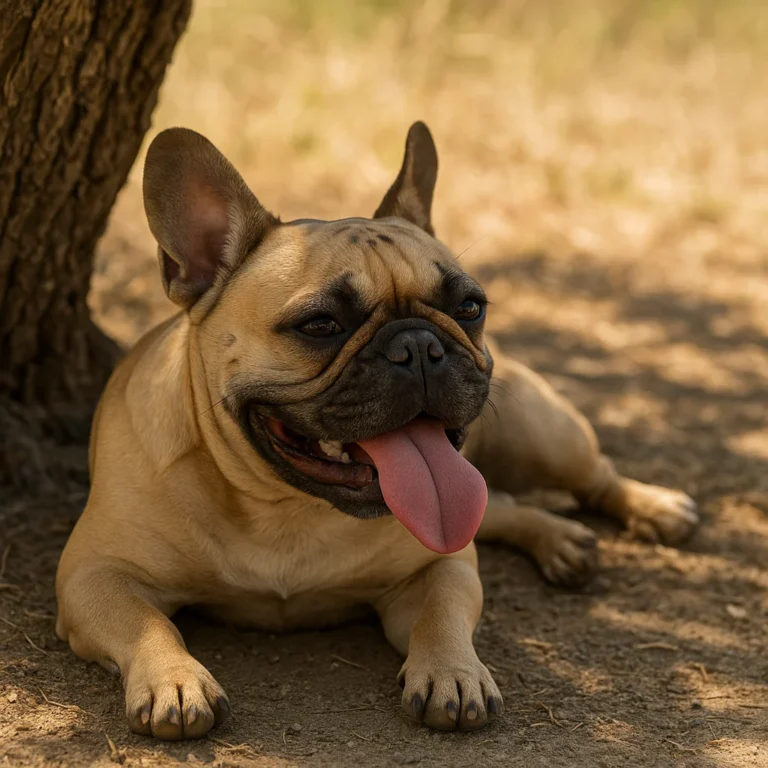
BOAS surgery cost and recovery depend on your dog’s airway problems, the procedures needed, and the clinic’s estimate; recovery often includes close monitoring and about 7–10 days of restricted activity. If your French Bulldog, Pug, or other snub-nosed dog snores loudly, tires quickly, or struggles in warm weather, ask your veterinarian whether those sounds could be signs of brachycephalic obstructive airway syndrome (BOAS).
There isn’t one operation—or one universal bill. Some dogs need their nostrils widened, others need an elongated soft palate shortened, and some need more than one airway procedure. The best estimate is the one that spells out what your dog actually needs, from anesthesia and monitoring to follow-up care.
We’ve learned that “he’s always sounded like that” can be a tempting explanation when a snub-nosed pup snores through family movie night. But noisy or effortful breathing deserves a proper assessment: a short video of your dog resting or sleeping can give your veterinarian useful clues.
Key Takeaways
- BOAS surgery is tailored to your dog. Common procedures include widening narrowed nostrils and shortening an elongated soft palate.
- Costs vary widely. Ask for an individualized written estimate that lists diagnostics, anesthesia, monitoring, medications, hospitalization, and rechecks.
- Recovery needs close supervision. Follow your surgeon’s feeding, medication, and activity instructions; many clinics recommend restricted activity for about 7–10 days.
- Surgery can improve breathing, but it isn’t a cure-all. Results vary, and a dog may still need heat-aware care, healthy-weight management, and follow-up.
- Know the emergency signs. Severe breathing difficulty, collapse, or blue/grey gums calls for urgent veterinary care.
Table of Contents
- ⚡️ Quick Tips and Facts: BOAS Surgery Cost and Recovery
- 🐶 BOAS Explained: How Brachycephalic Airway Problems Develop
- Which breeds are most commonly affected?
- Common BOAS symptoms and warning signs
- How veterinarians diagnose and grade BOAS
- 🩺 BOAS Surgery Options: What Procedures May Be Recommended
- Why BOAS surgery is performed
- Nares resection: widening narrowed nostrils
- Soft palate resection: shortening an elongated palate
- Saccule removal and other airway procedures
- How your surgeon chooses a treatment plan
- 💰 BOAS Surgery Cost: What Affects the Total Bill
- What the estimate may include
- Factors that can raise or lower the cost
- Questions to ask for a clear surgery estimate
- Pet insurance, payment plans, and financial assistance
- ⚖️ Benefits, Risks, and Alternatives to BOAS Surgery
- Expected breathing and quality-of-life improvements
- Anesthesia risks and possible complications
- When weight management and lifestyle changes help
- 📅 BOAS Surgery Recovery and Aftercare
- What happens on surgery day
- The first 24 to 48 hours after surgery
- Week-by-week recovery timeline
- Food, water, medication, and activity after surgery
- Incision care and follow-up appointments
- Emergency signs during BOAS recovery
- 🏥 Choosing a BOAS Surgeon and Preparing for a Consultation
- Questions to ask your veterinarian or specialist
- How to prepare your dog for surgery
- 🌡️ Long-Term Care for Dogs with Brachycephalic Airway Syndrome
- Heat, exercise, travel, and everyday breathing
- Can BOAS symptoms return after surgery?
- Prevention and responsible breeding
- ✅ Conclusion
- 🔗 Recommended Links
- ❓ FAQ
- How much does BOAS surgery usually cost?
- How long does recovery from BOAS surgery take?
- Is BOAS surgery worth it for my dog?
- Can a dog eat after soft palate surgery?
- Will my dog still snore after BOAS surgery?
- What is the success rate of BOAS surgery?
- 📚 Reference Links
⚡️ Quick Tips and Facts: BOAS Surgery Cost and Recovery
If you share your home with a snub-nosed dog, noisy breathing may seem like part of the breed’s soundtrack. It isn’t automatically normal, and it shouldn’t be dismissed as “just snoring.” Brachycephalic obstructive airway syndrome (BOAS) can restrict breathing, worsen with heat and exertion, and may need veterinary treatment.
| At a glance | What to know |
|---|---|
| What is BOAS? | A collection of upper-airway abnormalities common in short-muzzled dogs, including narrowed nostrils and an elongated soft palate. |
| What does surgery do? | Depending on the dog’s anatomy, a surgeon may widen the nostrils, shorten the soft palate, or address other obstructions. |
| What does it cost? | It varies considerably by country, clinic, diagnostic testing, procedure, and aftercare. Ask for an individualized written estimate rather than relying on a headline figure. |
| How long is recovery? | Many clinics restrict activity for about 7–10 days, but the surgeon’s instructions and your dog’s progress determine the actual timeline. |
| Is it risk-free? | No. Airway swelling, bleeding, aspiration, and anesthesia complications are among the concerns your veterinary team should discuss. |
| What needs urgent attention? | Severe breathing difficulty, collapse, or blue/grey gums warrants emergency veterinary care. |
- ✅ Record short videos of your dog sleeping, resting, and walking. They can help your veterinarian understand symptoms that may not show up during an appointment.
- ✅ Ask what the estimate includes: consultation, anesthesia, monitoring, medications, hospitalization, rechecks, and any imaging.
- ✅ Keep your dog cool, calm, and at a healthy weight while awaiting an assessment.
- ❌ Don’t use a collar to control a dog who struggles to breathe; ask your vet about a well-fitted harness.
- ❌ Don’t assume surgery will make your dog’s airway entirely normal. It can improve airflow, but it does not change the underlying short-muzzled anatomy.
For broader guidance on canine habits and body language, our Behavior Analysis articles may also help you spot changes in your dog’s everyday patterns. 🐾
🐶 BOAS Explained: How Brachycephalic Airway Problems Develop
Brachycephalic obstructive airway syndrome, usually shortened to BOAS, describes breathing problems associated with the shortened skull shape of some breeds. When the bones of the face are shortened without a matching reduction in soft tissue, tissues may crowd the upper airway. The University of Cambridge’s BOAS research explains how these changes can affect breathing, exercise tolerance, and heat management.
A dog may have one airway abnormality or several. Common findings include:
- Stenotic nares: nostrils that are unusually narrow.
- Elongated soft palate: tissue at the back of the roof of the mouth that extends too far into the airway.
- Everted laryngeal sacules: small airway structures pulled outward by chronic effort to breathe.
- Hypoplastic trachea: an abnormally narrow windpipe in some dogs.
- Laryngeal collapse: weakening or distortion of structures around the voice box, often associated with long-standing obstruction.
BOAS can be easy to underestimate because dogs may adapt to lifelong breathing difficulty. A dog that still wants to play can still be struggling. Your veterinarian’s examination matters more than how enthusiastically your pup chases a ball.
Which breeds are most commonly affected?
BOAS is most associated with French Bulldogs, English Bulldogs, and Pugs, but other short-muzzled breeds can be affected, including Boston Terriers, Pekingese, Shih Tzus, and some Cavalier King Charles Spaniels. Breed alone cannot determine severity: two dogs with the same adorable squished face may have very different airway function.
| Breed or type | Why to pay attention |
|---|---|
| French Bulldog | Narrow nostrils and soft-palate or other airway changes are common concerns. |
| English Bulldog | Shortened facial structure and airway narrowing can contribute to noisy, effortful breathing. |
| Pug | Small nostrils and soft-tissue crowding may affect breathing, especially in heat or during exertion. |
| Boston Terrier | A short muzzle can be associated with BOAS signs; an individual assessment is still needed. |
| Pekingese and Shih Tzu | Facial shape may contribute to breathing issues, although anatomy varies between dogs. |
The UK’s Royal Veterinary College (RVC) BOAS information emphasizes that flat-faced dogs should be assessed as individuals, not judged by breed stereotypes alone.
Common BOAS symptoms and warning signs
Signs can include:
- Noisy breathing while awake or asleep.
- Snoring, snorting, or repeated snuffling.
- Labored breathing, exaggerated chest or abdominal movement, or flared nostrils.
- Exercise intolerance, frequent pauses, or tiring quickly.
- Gaging, retching, or difficulty swallowing.
- Restlessness during sleep or repeatedly waking to change position.
- Excessive panting or difficulty cooling down.
- Collapse or fainting in serious cases.
A little sleep snore and labored breathing are not the same thing. A short video of your dog at rest can help your vet distinguish ordinary sounds from signs of effort. If your dog is struggling to breathe, collapses, or has blue or grey gums, contact an emergency veterinary clinic immediately.
How veterinarians diagnose and grade BOAS
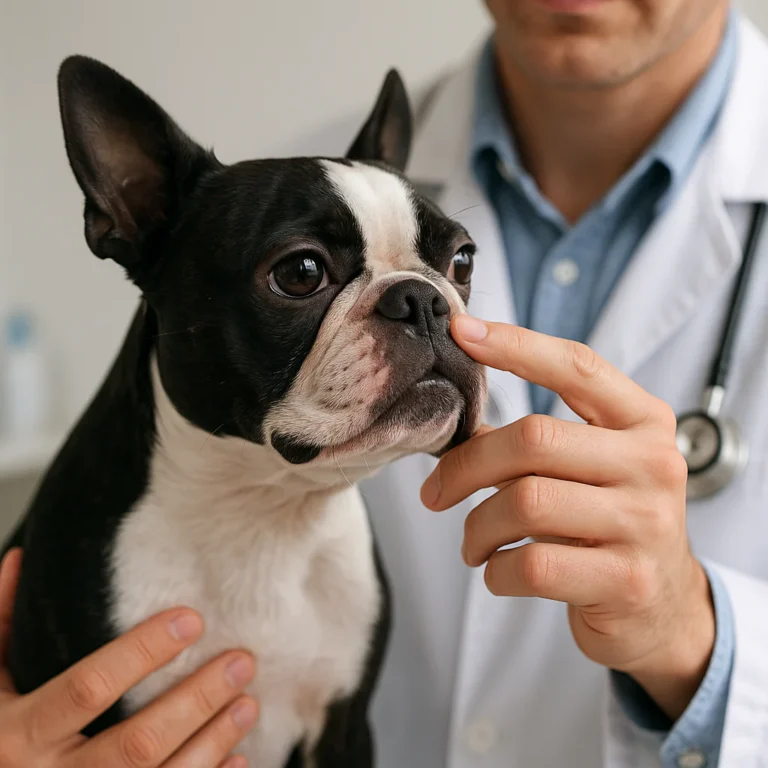
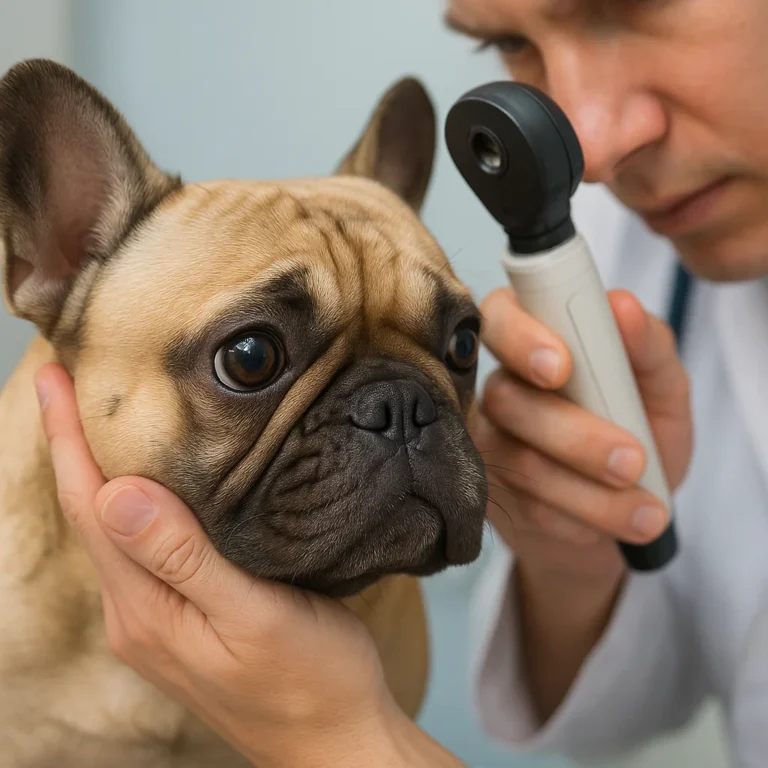
Diagnosis begins with a history and physical examination. Your vet may ask about sleep, exercise, heat tolerance, feeding, and recovery after activity. Depending on the dog’s symptoms and the clinic’s approach, further assessment may involve an exercise or respiratory-function test, bloodwork, radiographs, CT imaging, or examination of the airway under anesthesia.
The RVC’s BOAS grading scheme assesses respiratory function. A grade is useful, but it does not replace a full clinical assessment: your vet also needs to consider symptoms, anatomy, other health conditions, and anesthesia risk.
🩺 BOAS Surgery Options: What Procedures May Be Recommended
There is no single “BOAS operation” that fits every dog. A surgeon tailors treatment to the particular obstructions found during examination. Animal Trust Vets describes procedures that may include nostril widening, soft-palate shortening, removal of everted laryngeal sacules, and treatment of enlarged tonsils.
| Procedure | What it addresses | Important context |
|---|---|---|
| Nares resection / rhinoplasty | Narrow nostrils | Widens the entrance to the nasal airway. |
| Soft-palate resection / staphylectomy | An elongated soft palate | Removes or reshapes excess tissue at the back of the mouth. |
| Sacculectomy | Everted laryngeal sacules | May be considered when these structures contribute to obstruction. |
| Other airway procedures | Specific findings such as enlarged tonsils or more complex obstruction | Recommended only when examination supports it. |
Why BOAS surgery is performed
The goal is to reduce airflow obstruction and breathing effort, improve comfort, and help the dog tolerate normal activities more safely. Surgery may also reduce loud breathing, disrupted sleep, gaging, or tiring quickly, depending on which abnormalities are treated.
The competing clinic pages describe outcomes differently. Brisbane Pet Surgery says breathing may improve substantially and reports that snoring often disappears after soft-palate surgery. Southern Cross Vet describes improvements owners may notice in sleep, exercise tolerance, and breathing. These are clinic-reported experiences, not guarantees: outcomes depend on the dog’s anatomy, disease severity, procedure, and any lasting changes to the airway.
Earlier assessment can be helpful because chronic obstruction may contribute to secondary airway changes. Still, age alone does not tell you whether surgery is appropriate. A veterinarian must weigh expected benefit against the dog’s overall health and individual anesthesia risk.
Nares resection: widening narrowed nostrils
Stenotic nares can make it harder for air to enter the nose. A surgeon removes or reshapes a small amount of tissue to widen the nostril openings. The procedure is also called rhinoplasty in BOAS treatment.
Ask the surgeon:
- How narrow are my dog’s nostrils, and how much do they contribute to the symptoms?
- What technique will be used, and how will the incision be cared for?
- How will the team monitor swelling or bleeding after surgery?
Soft palate resection: shortening an elongated palate
An elongated soft palate may partly obstruct the airway at the back of the throat. A staphylectomy removes or reshapes excess tissue so it interferes less with airflow. Brisbane Pet Surgery describes removing the excess end of the palate and closing the tissue to manage bleeding.
Technique varies. Some clinics use traditional instruments; others describe tools such as radiofrequency devices. Southern Cross Vet reports using a specialized radiofrequency technique, but that is a clinic’s description of its own method, not proof that one approach is universally best. Ask your surgeon which method they recommend for your dog and why.
Saccule removal and other airway procedures
Long-term effort to breathe against an obstruction can pull laryngeal sacules outward, further narrowing the airway. If they are contributing to the problem, a surgeon may recommend removing them. Other findings, such as enlarged tonsils or more advanced laryngeal changes, may also affect the plan.
More procedures do not automatically mean better care. The right plan treats the obstructions your dog actually has, rather than applying a fixed list of operations to every short-muzzled patient.
How your surgeon chooses a treatment plan
A careful treatment plan usually involves these steps:
- Review symptoms and history. Share videos, exercise patterns, sleep changes, and any episodes of collapse or overheating.
- Assess airway function and anatomy. The vet may recommend a BOAS grading assessment, imaging, or other diagnostics.
- Discuss the full procedure plan. Ask which abnormalities will be treated and which will be monitored.
- Review anesthesia and recovery risks. Make sure you understand monitoring, hospitalization, and emergency plans.
- Get a written estimate and aftercare instructions. Confirm what is included and what could be billed separately.
💰 BOAS Surgery Cost: What Affects the Total Bill
There is no reliable one-size-fits-all BOAS surgery cost. Fees vary by country, clinic, surgeon, procedures, diagnostics, anesthesia arrangements, and aftercare. The cited clinics illustrate why comparing estimates requires more than comparing a single number: Animal Trust Vets lists a fixed-fe package in the UK, while Southern Cross Vet describes an Australian fixed-fe model. Brisbane Pet Surgery publishes a separate estimate for soft-palate resection alone.
These are clinic-specific published figures, not a universal market rate. Currency, date, location, and package inclusions differ. Always request an estimate for your dog’s actual treatment plan.
What the estimate may include
| Possible item | Why to ask about it |
|---|---|
| Consultation and pre-surgical assessment | May be included or charged separately. |
| Bloodwork and imaging | Testing may be recommended based on health and anatomy. |
| Surgeon and operating-room fees | Ask which procedures are included in the proposed plan. |
| Anesthesia and monitoring | Clarify who provides anesthesia and what monitoring is used. |
| Hospitalization | Some dogs go home the same day; others need longer observation. |
| Medications and discharge supplies | Confirm what you will need to administer at home. |
| Follow-up visits | Check how many are included and what happens if extra care is needed. |
| Emergency or complication care | Ask how unexpected complications are handled and billed. |
Animal Trust says its listed fee includes procedures, anesthesia, monitoring, and aftercare, while noting that imaging such as X-rays or CT may be an additional expense when recommended. Southern Cross Vet describes a package that includes consultation, tailored airway correction, a veterinary anesthetist, medication, and follow-up. Package details are not interchangeable, so read the written inclusions carefully.
Factors that can raise or lower the cost
- Number and type of procedures: nostril widening alone differs from a more extensive airway correction.
- Diagnostic needs: imaging, blood tests, or specialist assessment may add to the total.
- Anesthesia and monitoring: staffing and equipment differ by clinic and case complexity.
- Hospital stay: additional observation may be recommended if the dog needs it.
- Existing health concerns: age, heart or respiratory problems, and disease severity can change the plan.
- Location and clinic structure: fees and what is bundled vary by region and provider.
A quote for soft-palate surgery alone is not directly comparable with an all-inclusive BOAS package. Ask what your dog needs first; compare like with like second.
Questions to ask for a clear surgery estimate
- Which specific procedures are included?
- Are the consultation, tests, anesthesia, monitoring, and medications included?
- Is hospitalization included, and what could extend the stay?
- Are post-operative checks included?
- What might require an additional charge?
- If symptoms persist, what follow-up treatment might be needed?
- Can you provide the estimate and consent details in writing?
Pet insurance, payment plans, and financial assistance
Coverage depends on your policy, waiting periods, exclusions, and whether BOAS or related signs were considered pre-existing before enrollment. Do not rely on a clinic’s general insurance estimate as a promise that your claim will be approved. Contact your insurer before booking and ask for written confirmation of coverage requirements.
The American Veterinary Medical Association’s pet insurance overview explains that policy terms vary. If surgery is under consideration:
- Ask the insurer whether BOAS treatment is covered under your policy.
- Explain when symptoms were first noticed or documented.
- Request pre-authorization or pre-approval where available.
- Confirm deductibles, reimbursement limits, and exclusions.
- Ask your clinic about payment arrangements or local assistance options.
⚖️ Benefits, Risks, and Alternatives to BOAS Surgery
The decision is a balance: surgery may improve airflow and daily comfort, but it involves anesthesia and recovery risks. Your veterinarian should explain what improvement is realistic for your dog, not just what is technically possible.
Expected breathing and quality-of-life improvements
Potential benefits, depending on the dog and procedure, include:
- Less effort when breathing.
- Improved ability to exercise and recover.
- Quieter sleep or less disruptive snoring.
- Better tolerance of ordinary warmth and activity.
- Reduced gaging or retching when those signs are linked to airway obstruction.
Brisbane Pet Surgery describes outcomes after soft-palate resection as often including easier breathing and reduced snoring. Southern Cross Vet shares owner-reported changes such as quieter sleep and improved energy. These reports offer useful perspectives, but individual results vary, and surgery cannot reverse every change caused by chronic airway obstruction.
Anesthesia risks and possible complications
Brachycephalic dogs require thoughtful airway and anesthesia planning. Potential concerns include:
- Airway swelling or obstruction during recovery.
- Bleding, infection, or delayed healing.
- Aspiration of food or fluid into the lungs.
- Anesthesia-related complications.
- Persistent or recurrent breathing problems.
- Additional intervention if the airway becomes critically compromised.
Southern Cross Vet discusses complications including post-operative swelling, bleeding, aspiration pneumonia, and rare temporary tracheostomy. Its article cites complication rates in a range, but published rates vary by study, severity, procedure, and patient population. A number from one clinic or paper should not be treated as your dog’s personal risk estimate.
Ask who will monitor your dog, how the airway will be managed as anesthesia wears off, and what the clinic will do if breathing worsens.
When weight management and lifestyle changes help
Healthy weight, heat avoidance, and sensible exercise can reduce strain, but they do not correct a narrowed nostril or an elongated palate. Your veterinarian can help set a safe weight goal and activity plan.
While awaiting assessment:
- Use a harness rather than putting pressure on the neck.
- Keep walks short and calm in warm or humid weather.
- Provide shade, water, and a cool indoor resting place.
- Stop exercise if your dog shows increasing effort, unusual panting, or fatigue.
- Avoid strenuous activity after meals if your dog is prone to gaging or regurgitation.
📅 BOAS Surgery Recovery and Aftercare
Recovery instructions depend on the exact procedure, anesthesia, and your dog’s condition. Animal Trust advises close observation after surgery, with many dogs monitored for several hours and some staying overnight. Its guidance recommends restricted activity for 7–10 days and a follow-up review around that period. Your own surgeon’s instructions take priority.
One detail owners often underestimate: the first night deserves your full attention, even when surgery itself went smoothly. That is why discharge planning and emergency contact details matter as much as the operation.
What happens on surgery day
A typical day may include:
- Admission and check-in: The team confirms your dog’s history, medications, and fasting instructions.
- Pre-anesthetic assessment: The veterinary team reviews examination findings and any recommended tests.
- Anesthesia and airway correction: The surgeon performs the procedures agreed upon for your dog.
- Closely monitored recovery: Staff watch breathing, oxygenation, temperature, and comfort as anesthesia wears off.
- Discharge or continued hospitalization: Your dog goes home only when the team considers it safe; some dogs need overnight care.
Ask what time you should expect an update and who to call if your dog’s breathing changes after discharge.
The first 24 to 48 hours after surgery
Your dog may be sleepy and quieter than usual after anesthesia. The clinic should tell you what is expected for your dog and what would be concerning. Keep them in a calm, cool, supervised space and follow all medication and feeding instructions.
Watch for:
- Increasing breathing effort or noisy distress.
- Repeated vomiting, coughing, or choking.
- Excessive bleeding or rapidly increasing swelling.
- Marked weakness, collapse, or unusual unresponsiveness.
- Blue or grey gums.
Call your veterinary clinic promptly if something seems wrong. For severe breathing difficulty, collapse, or blue/grey gums, seek emergency veterinary attention rather than waiting for a routine recheck.
Week-by-week recovery timeline
| Recovery period | What owners may notice | What to do |
|---|---|---|
| Surgery day | Sleepiness, close clinic monitoring, discharge when stable or further hospitalization if needed | Keep your dog calm and follow discharge directions exactly. |
| First few days | Gradual return to routine; mild swelling may be discussed as a possibility by the surgeon | Watch breathing closely, administer prescribed medication, and contact the clinic with concerns. |
| Around days 7–10 | Many clinics schedule a recheck and continue activity restrictions until cleared | Attend the follow-up; do not resume strenuous exercise just because your dog seems eager. |
| After the recheck | Activity may increase gradually if healing is satisfactory | Follow the surgeon’s clearance and continue heat-aware, weight-conscious care. |
This is a general guide, not a promise that every dog heals on the same schedule. A more extensive procedure or complication can extend recovery.
Food, water, medication, and activity after surgery
Follow your clinic’s written instructions about meals and water. Some surgeons recommend soft food for an initial period after throat surgery; others tailor feeding advice to the procedure. Do not offer a large meal immediately after anesthesia unless your team says to.
- Give medicines exactly as prescribed; don’t add human pain relievers.
- Use the recommended food texture and feeding schedule.
- Keep walks brief and use a harness.
- Avoid running, rough play, overheating, and strenuous excitement until cleared.
- Contact the clinic if eating or drinking causes repeated coughing, gaging, or distress.
Incision care and follow-up appointments
Ask where to expect incisions and whether they need cleaning or should be left alone. Do not apply creams or antiseptics unless the clinic recommends them. Keep any required protective collar or recovery device in place as directed.
At the recheck, the vet can assess healing, breathing, medication needs, and the safe return to activity. A follow-up is part of treatment, not an optional victory lap.
Emergency signs during BOAS recovery
Seek emergency veterinary care for:
- Severe or rapidly worsening breathing difficulty.
- Collapse or inability to stand.
- Blue or grey gums or tongue.
- Signs of heatstroke, such as severe panting, weakness, vomiting, or collapse.
- Repeated choking, suspected aspiration, or significant bleeding.
For less urgent but concerning changes—persistent coughing, worsening noise, reduced appetite, unusual lethargy, or repeated gaging—call the operating clinic for advice.
🏥 Choosing a BOAS Surgeon and Preparing for a Consultation
Look for a veterinary team experienced in brachycephalic airway assessment and anesthesia. A specialist may be appropriate for complex disease, previous complications, or advanced airway changes. Your primary vet can help decide whether referral is warranted.
Questions to ask your veterinarian or specialist
- How severe is my dog’s BOAS, and which findings explain the symptoms?
- Which procedures do you recommend, and what would each address?
- Who will administer and monitor anesthesia?
- How will breathing be monitored during recovery?
- How long might my dog stay in hospital?
- What complications should I watch for at home?
- What is included in the estimate, and what could be extra?
- What are the realistic benefits and limitations for my dog?
- When should we return for follow-up?
A good consultation should leave you with a clear plan and room to ask questions. You should not feel rushed into consenting without understanding the procedures and risks.
How to prepare your dog for surgery
- Follow fasting instructions precisely. Ask the clinic if you are unsure about food or water.
- Share the full medical history. Include medications, supplements, allergies, and previous anesthesia reactions.
- Bring symptom videos and notes. Record breathing at rest, during sleep, and after normal activity.
- Arrange a quiet recovery area. Keep it cool, calm, and easy to supervise.
- Plan transport and monitoring. Your dog may be groggy after discharge, so avoid leaving them alone initially.
- Save clinic and emergency numbers. Keep the discharge sheet somewhere easy to find.
🌡️ Long-Term Care for Dogs with Brachycephalic Airway Syndrome
Surgery can help, but long-term care still matters. Your dog’s airway remains shaped by their anatomy, and weight, heat, excitement, and other health problems can affect breathing.
Heat, exercise, travel, and everyday breathing
- Walk during cooler parts of the day and avoid hot, humid conditions.
- Carry water and take breaks; stop before breathing becomes labored.
- Keep your dog at a veterinarian-recommended healthy weight.
- Use a harness and avoid pressure on the neck.
- Discuss air travel with your veterinarian; some carriers restrict brachycephalic breeds because of respiratory risk.
- Treat worsening panting, loud breathing at rest, and reduced exercise tolerance as reasons to check in with your vet.
The American Veterinary Medical Association’s guidance on dogs in hot weather explains why heat exposure can be dangerous. Flat-faced dogs may need especially careful planning.
Can BOAS symptoms return after surgery?
Some dogs continue to have noisy breathing or other symptoms after surgery, and some may need additional assessment or treatment. Possible reasons include remaining obstruction, advanced airway changes, healing complications, or a new health issue. Persistent symptoms do not automatically mean the operation failed, but they deserve follow-up.
If breathing becomes worse again, contact your veterinarian rather than assuming it is normal for the breed.
Prevention and responsible breeding
Owners cannot change a dog’s skull shape, but breeding decisions can influence the health of future generations. The RVC’s respiratory health work supports assessing functional breathing rather than selecting dogs by appearance alone.
For prospective owners, ask breeders about breathing assessments and health testing, and meet the adult dogs where possible. A quiet, effortless breath is a better goal than an exaggeratedly flat face.