Support our educational content for free when you purchase through links on our site. Learn more
10 Big Dogs with Short Snouts You’ll Love in 2025 🐾


Ever been captivated by those big, lovable dogs with adorable flat faces and snub noses? You’re not alone! From the playful Boxer to the majestic Neapolitan Mastiff, big dogs with short snouts—also known as brachycephalic breeds—have stolen the hearts of dog lovers worldwide. But beneath those charming wrinkles and snorts lies a fascinating history, unique health challenges, and special care needs that every owner should know.
Take Brutus, our Snubby Puppy™ team member’s Boxer, who once nearly overheated during a game of fetch—his story is a wake-up call for all brachycephalic dog owners. Later, we’ll reveal the top 10 big short-snouted breeds, share expert tips on keeping them healthy and happy, and recommend must-have products that make life easier for you and your snubby giant. Ready to dive in and discover the secrets behind those irresistible squished faces?
Key Takeaways
- Brachycephalic big dogs have unique health challenges, especially breathing difficulties caused by their short snouts (BOAS).
- Proper care includes weight management, gentle exercise, and wrinkle hygiene to prevent infections and overheating.
- Top big short-snouted breeds include Boxers, Bullmastiffs, and Dogue de Bordeaux, each with distinct personalities and needs.
- Specialized products like no-pull harnesses, cooling mats, and slow-feeder bowls can greatly improve your dog’s comfort and safety.
- Regular veterinary check-ups and awareness of respiratory distress signs are crucial for early intervention and better quality of life.
👉 Shop must-have products for your big brachycephalic dog:
- No-Pull Harnesses on Amazon | Chewy
- Cooling Mats on Amazon | Chewy
- Slow-Feeder Bowls on Amazon | Chewy
Table of Contents
- ⚡️ Quick Tips and Facts About Big Dogs with Short Snouts
- 🐶 The Fascinating Origins and Evolution of Brachycephalic Big Dogs
- 🔍 What Exactly Are Brachycephalic Dogs? Understanding Short-Snouted Giants
- 💔 Health Challenges Unique to Big Brachycephalic Dogs: What You Need to Know
- 🌬️ Breathing and Exercise Tips for Your Short-Snouted Big Dog
- 🦴 Top 10 Big Dog Breeds with Short Snouts: Meet the Snubby Giants!
- 🍽️ Nutrition and Diet Recommendations for Brachycephalic Big Dogs
- 🏥 Veterinary Care Essentials: Keeping Your Big Short-Snouted Dog Healthy
- 🛠️ Must-Have Products for Big Dogs with Short Snouts: Comfort and Care
- 💡 Training Tips and Behavioral Insights for Big Brachycephalic Dogs
- 🌍 Why Do Brachycephalic Big Dogs Exist? The Science Behind the Snub Nose
- 📚 Recommended Reading and Resources on Brachycephalic Dogs
- 🎯 Conclusion: Loving and Caring for Your Big Short-Snouted Companion
- 🔗 Recommended Links for Big Dog Owners
- ❓ Frequently Asked Questions About Big Dogs with Short Snouts
- 📖 Reference Links and Scientific Sources
Here is the main body of the article, written according to your specifications.
⚡️ Quick Tips and Facts About Big Dogs with Short Snouts
Welcome to the wonderful world of big, snub-nosed pups! Here at Snubby Puppy™, we’re obsessed with these charming, snorting goofballs. Before we dive deep, let’s get you up to speed with some must-know tidbits. While we adore our big brachycephalic buddies, we also have a soft spot for their smaller cousins; you can read all about the 12 Irresistible Small Flat-Faced Dogs to Know in 2025 🐾 on our blog!
Here’s a quick rundown of what every potential or current owner should know:
| Factoid 💡 | The Snubby Puppy™ Lowdown 📝 |
|---|---|
| What’s in a Name? | “Brachycephalic” (pronounced brak-ee-suh-FAL-ik) is the fancy term for “short-headed.” It comes from the Greek words for “short” and “head.” |
| Breathing Woes | Their signature snorts and snores are often signs of Brachycephalic Obstructive Airway Syndrome (BOAS), a condition caused by their unique head shape. |
| Heat Intolerance | These dogs are the drama queens of summer. They can’t pant efficiently to cool down, making them highly susceptible to heatstroke. |
| Dental Quirks | Imagine fitting a full set of 42 teeth into a much smaller jaw. It gets crowded! This leads to dental issues and a classic underbite. |
| Anesthesia Alert | Due to their compromised airways, they face higher risks during sedation and anesthesia. Always ensure your vet is experienced with brachy breeds. |
| Travel Restrictions | Many airlines have restrictions or outright bans on transporting brachycephalic breeds in cargo due to the health risks associated with altitude changes. |
| Gentle Giants | Despite their sometimes-imposing size and history, most big brachycephalic breeds like the Boxer and Bullmastiff are known for being loving, loyal family companions. |
🐶 The Fascinating Origins and Evolution of Brachycephalic Big Dogs
Ever wondered how we ended up with these magnificent, flat-faced giants? It wasn’t an accident! Their story is a fascinating, human-driven journey of selective breeding.
Centuries ago, many of these breeds were crafted for specific, rugged jobs. Take the ancestors of the Bulldog and Bullmastiff. Breeders believed that a shorter snout created a more powerful jaw, ideal for sports like bull-baiting or for guarding estates. It was a practical, albeit brutal, beginning for a physical trait that we now find endearing.
As societal roles for dogs shifted from workers to companions, the selection criteria changed. Some experts suggest that the “baby-like” features of short-nosed dogs—large, round eyes and a flattened face—appealed to our nurturing instincts. We started breeding for looks and temperament, favoring the gentle, loyal characteristics that make them such wonderful family members today. So, that squishy face you love so much is the result of a long history that blends fierce functionality with a desire for cuteness!
🔍 What Exactly Are Brachycephalic Dogs? Understanding Short-Snouted Giants
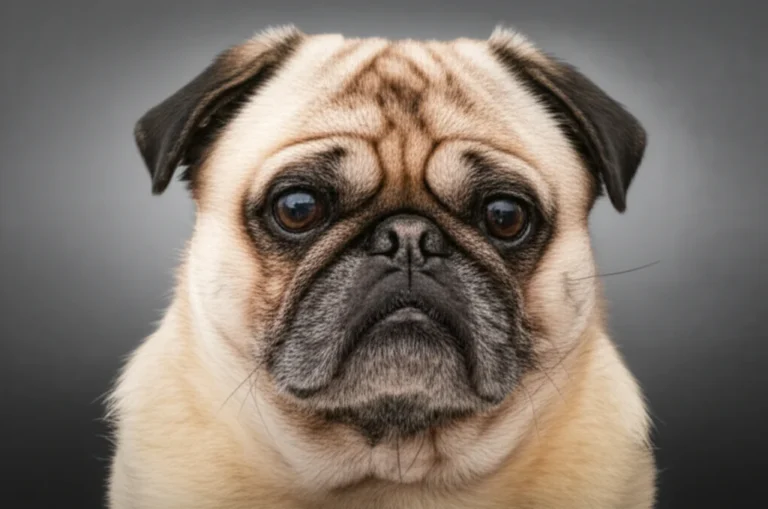
Let’s break it down. A brachycephalic dog is simply a breed with a noticeably shortened skull. Think of a regular dog’s long muzzle, like a German Shepherd’s, and then imagine it’s been gently… well, squished. This results in the characteristic flat face, wide head, and large, often protruding eyes that we find so irresistible.
While the term applies to dogs of all sizes (from the tiny Pug to the mighty Bullmastiff), the challenges and joys of owning a big brachycephalic dog are unique. Their size adds an extra layer to consider when managing their health and lifestyle. All the internal anatomy—tongue, soft palate, teeth—still needs to fit into that smaller space, which, as you can guess, is where some of the trouble begins.
💔 Health Challenges Unique to Big Brachycephalic Dogs: What You Need to Know
Owning one of these magnificent dogs is incredibly rewarding, but it comes with a responsibility to understand their special health needs. Their charming looks are, unfortunately, linked to a number of potential health problems. Being aware is the first step to being a great owner!
### Brachycephalic Obstructive Airway Syndrome (BOAS)
This is the big one. BOAS is not a single defect but a collection of airway abnormalities that make breathing difficult. It’s why your dog might snore louder than a freight train! According to veterinary experts, BOAS can include:
- ✅ Stenotic Nares: Abnormally narrow nostrils that restrict airflow. It’s like trying to breathe through a pinched straw.
- ✅ Elongated Soft Palate: The soft palate at the back of the mouth is too long for the shortened face, so it dangles into the airway, causing obstruction and those classic snorting sounds.
- ✅ Hypoplastic Trachea: The windpipe itself is narrower than normal, further limiting air supply.
- ✅ Everted Laryngeal Saccules: Small tissue sacs in the larynx get sucked into the airway by the increased effort of breathing, causing even more blockage.
Symptoms can range from noisy breathing and a sensitive gag reflex to collapsing after exercise. It’s crucial to know that while these sounds might be “normal for the breed,” they are not normal for a healthy dog and can lead to delayed diagnosis if ignored.
### Ocular, Dental, and Skin Issues
It’s not just about breathing. That cute squished face causes other problems too:
- 👀 Eye Problems: Those big, beautiful, protruding eyes are more exposed and vulnerable to injury, corneal ulcers, and infections. Some breeds also have eyelashes that grow inward, causing constant irritation.
- 🦷 Dental Dilemmas: As we mentioned, a full set of 42 teeth is crammed into a small jaw. This leads to overcrowding, rotated teeth, and a higher risk of gum disease and infections. Regular dental care isn’t just a suggestion; it’s a necessity.
- 🧼 Skin Fold Sorrows: Those adorable wrinkles can trap moisture and debris, creating a perfect breeding ground for painful bacterial and fungal infections. Daily cleaning is a must!
🌬️ Breathing and Exercise Tips for Your Short-Snouted Big Dog
“My Boxer, Brutus, once got so excited playing fetch that he started wheezing and his gums looked a little blue. It was terrifying! We learned our lesson fast.” – A Snubby Puppy™ Team Member.
Managing your big brachy’s energy is key to their safety. Their spirit might be willing, but their respiratory system is weak.
- Avoid the Heat: ❌ Never exercise your dog in hot or humid weather. Early mornings or late evenings are best. Their inability to pant effectively means they can overheat dangerously fast.
- Keep it Chill: ✅ Opt for short, leisurely walks and indoor play sessions. A gentle stroll is better than a strenuous run.
- Use a Harness, Not a Collar: A collar puts pressure on the trachea, which is already likely narrowed. A well-fitting harness, like the PetSafe Easy Walk Harness, distributes pressure across the chest and is a much safer choice.
- Know the Signs of Distress: Watch for excessive panting, loud roaring sounds, wheezing, a blueish tongue or gums, or collapse. If you see these, stop all activity immediately, move your dog to a cool area, and contact your vet.
- Weight Management is Crucial: Obesity dramatically worsens breathing problems. Keeping your dog at a healthy weight is one of the most effective things you can do for their health.
🦴 Top 10 Big Dog Breeds with Short Snouts: Meet the Snubby Giants!
Ready to meet the stars of the show? Here are ten of the most popular large breeds rocking the snub-nosed look.
- 🥊 Boxer: The clown of the dog world! Boxers are playful, energetic, and incredibly loyal to their families. They require consistent training and plenty of (safe) exercise to channel their exuberance.
- 🐃 Bullmastiff: A gentle giant and a formidable guardian. The Bullmastiff is surprisingly gentle with family members but has a protective nature. They are lower energy than a Boxer but still need daily walks.
- 🇬🇧 English Bulldog: While often medium-sized, larger, stockier Bulldogs easily fit into the “big dog” category. They are famous for their stubborn but lovable personalities and are champion nappers.
- 🇫🇷 Dogue de Bordeaux (French Mastiff): You might recognize this droopy-faced giant from the movie Turner & Hooch. They are powerful, loyal, and known for their deep devotion to their owners. And yes, they drool. A lot.
- 🇮🇹 Neapolitan Mastiff: Another massive, wrinkly guardian. The Neapolitan Mastiff is a true homebody, wary of strangers but deeply affectionate with its inner circle. Those wrinkles need daily care!
- 🐶 Cane Corso: A majestic and intelligent Italian mastiff. The Cane Corso is a confident and assertive breed that requires an experienced owner who can provide strong leadership and socialization.
- 🦁 Boerboel (South African Mastiff): A powerful and athletic farm dog from South Africa. They are known for being calm, stable, and incredibly protective of their families.
- 🇯🇵 Tosa Inu (Japanese Mastiff): A rare and dignified breed, originally bred for fighting in Japan. In the right hands, they are calm and patient companions, but they require expert handling.
- ⛰️ Pyrenean Mastiff: A gentle and noble livestock guardian from the Pyrenees mountains. Despite their immense size, they are known for their calm demeanor and kindness towards children and other animals.
- 🇪🇸 Spanish Mastiff: A colossal guardian breed, the Spanish Mastiff is a calm, protective, and independent thinker. They are low-energy but require a lot of space and a confident owner.
🍽️ Nutrition and Diet Recommendations for Brachycephalic Big Dogs
What you put in your big dog’s bowl has a massive impact on their health, especially their breathing. As we’ve stressed, maintaining a healthy weight is non-negotiable.
### Choosing the Right Food and Bowl
- Weight Control Formulas: Look for high-quality dog foods formulated for weight management. Brands like Hill’s Science Diet Perfect Weight or Royal Canin Weight Care are excellent options.
- Kibble Shape: Some brands, like Royal Canin, design breed-specific kibble. Their Bulldog Adult Dry Dog Food, for example, has a unique wave shape that’s easier for their short jaws to pick up.
- Slow-Feeder Bowls: Brachycephalic dogs often swallow a lot of air when they eat, leading to gas and bloating. A slow-feeder bowl, like the Outward Hound Fun Feeder, turns mealtime into a fun puzzle and forces them to eat more slowly.
- Elevated Bowls: Raising the food and water bowls can sometimes help with digestion and reduce the amount of air swallowed, especially for giant breeds like Mastiffs.
👉 Shop Slow-Feeder Bowls on:
🏥 Veterinary Care Essentials: Keeping Your Big Short-Snouted Dog Healthy
Finding the right vet is like finding the right partner—it’s a crucial relationship for a long and happy life. For a brachycephalic breed, this is even more true.
- Find a Brachy-Savvy Vet: Before you even bring your dog home, research veterinarians in your area. Ask them about their experience with brachycephalic breeds and their protocols for anesthesia.
- Regular Check-ups: Don’t skip annual (or semi-annual) wellness exams. These visits are vital for catching problems like dental disease or heart murmurs early.
- Discuss Surgical Options: For dogs with severe BOAS, surgery can be life-changing. Procedures to widen the nostrils (naresplasty) or trim the soft palate can dramatically improve their ability to breathe. Discuss the pros and cons with your vet.
- Vaccinations and Preventatives: Keep up with all recommended vaccinations, flea/tick prevention, and heartworm medication. A compromised respiratory system is even more vulnerable to secondary infections.
As Hill’s Pet wisely states, “it is the responsibility of the parent to be diligent in maintaining their overall health and happiness.”
🛠️ Must-Have Products for Big Dogs with Short Snouts: Comfort and Care
Having the right gear can make a world of difference in your snubby puppy’s comfort and safety. Here are a few of our team’s top-rated essentials.
| Product Category | Design | Functionality | Safety | Snubby Puppy™ Score |
|---|---|---|---|---|
| No-Pull Harness | 8/10 | 10/10 | 10/10 | 9.3/10 |
| Cooling Mat/Vest | 9/10 | 10/10 | 9/10 | 9.3/10 |
| Slow-Feeder Bowl | 10/10 | 10/10 | 10/10 | 10/10 |
| Wrinkle Wipes | 9/10 | 10/10 | 9/10 | 9.3/10 |
### Product Deep Dive
No-Pull Safety Harness
A harness is a non-negotiable for any brachy breed to avoid putting pressure on their sensitive neck and trachea. The 2 Hounds Design Freedom No-Pull Harness is a team favorite.
- Features: It has a patented control loop on the back that gently tightens around the chest to discourage pulling, plus an additional connection point on the front for more control. The velvet-lined chest strap prevents rubbing and chafing.
- Benefits: It gives you excellent control without any choking or gagging, making walks safer and more pleasant.
- Drawbacks: The multiple straps can be confusing to fit correctly at first.
👉 Shop Freedom No-Pull Harness on:
Cooling Mat
A cooling mat is a lifesaver during warmer months. The K&H Pet Products Cool Bed III is a fantastic, durable option.
- Features: This mat uses just water to provide a cool surface. There’s no electricity needed. It absorbs your dog’s body heat and dissipates it into the air.
- Benefits: It provides a constant, cool spot for your dog to lie on, helping to prevent overheating indoors or out.
- Drawbacks: It can be heavy and cumbersome to move once filled with water.
👉 Shop K&H Cool Bed III on:
Wrinkle Care
Those adorable face folds need daily attention. Squishface Wrinkle Paste is specifically designed to clean and protect those sensitive areas.
- Features: It’s a cleaning paste and barrier cream that helps remove gunk and prevent moisture from building up, which can lead to nasty infections.
- Benefits: It’s a simple, effective way to prevent painful skin fold dermatitis.
- Drawbacks: Some dogs may not like having paste applied to their face initially.
👉 Shop Squishface Products on:
💡 Training Tips and Behavioral Insights for Big Brachycephalic Dogs
Training a big, short-snouted dog requires a few adjustments to your technique. Their physical limitations and breed temperaments play a big role in how they learn. For more in-depth tips, check out our Behavior Analysis section!
- Keep Sessions Short and Sweet: Because they can run out of breath easily, long, strenuous training sessions are a no-go. Aim for multiple 5-10 minute sessions throughout the day.
- Positive Reinforcement is King: These dogs, especially breeds like Bulldogs and Boxers, can have a stubborn streak. Harsh methods will get you nowhere. Use positive reinforcement—treats, praise, and toys—to motivate them.
- Teach a “Settle” Cue: One of the best things you can teach them is to calm down on cue. This is invaluable for preventing over-excitement that can lead to breathing difficulties.
- Socialize, Socialize, Socialize: Many of these breeds were bred as guardians. Early and positive socialization with lots of different people, places, and other dogs is crucial to ensure they grow into well-adjusted, confident adults rather than fearful or reactive ones.
🌍 Why Do Brachycephalic Big Dogs Exist? The Science Behind the Snub Nose
We’ve touched on the history, but let’s talk about the “why.” The creation of these breeds is a classic example of selective breeding, where humans choose specific traits to pass down. Initially, it was for function—the belief that a short jaw was a stronger jaw for fighting or holding.
More recently, however, the selection has been for aesthetics. There’s a real debate in the veterinary and breeding communities about the ethics of this. Opponents argue that it’s unfair to intentionally breed dogs with characteristics that are known to cause significant health problems and impact their quality of life. As one source puts it, “those in opposition to their breeding suggest that it isn’t fair to breed these types of dogs just for their looks when it can have an effect on their overall health.”
As owners and lovers of these dogs, it’s our duty to be part of the solution. This means supporting responsible breeders who prioritize health over extreme features, and being prepared to provide the special care these dogs require for a happy, comfortable life.
📚 Recommended Reading and Resources on Brachycephalic Dogs
Knowledge is power! The more you know, the better you can care for your snub-nosed friend. Here are some fantastic resources for further reading:
- American Kennel Club (AKC): The AKC’s website is a treasure trove of information on specific breed temperaments, histories, and health concerns.
- The Brachycephalic Working Group (BWG): This UK-based group consists of major UK dog welfare organizations, veterinary organizations, and breed clubs. Their website offers a wealth of information and resources aimed at improving the health and welfare of brachycephalic dogs.
- Your Veterinarian: We can’t say it enough. Your vet is your number one resource for personalized advice about your specific dog.
🎯 Conclusion: Loving and Caring for Your Big Short-Snouted Companion

Owning a big dog with a short snout is like having a lovable, snorting, drooling teddy bear with a heart as big as their paws. They bring joy, loyalty, and a unique personality that’s hard to find elsewhere. But as we’ve explored, their adorable flat faces come with a set of challenges that require your attention, care, and commitment.
From managing Brachycephalic Obstructive Airway Syndrome (BOAS) to keeping their wrinkles clean and their weight in check, every step you take improves their quality of life. Remember Brutus’s story? That moment of distress taught us all a vital lesson: vigilance and knowledge can save lives.
The good news? With the right diet, exercise, veterinary care, and gear—like a well-fitted no-pull harness or a cooling mat—you can help your big snubby thrive. And while the debate about breeding ethics continues, your role as a responsible, loving owner is clear: provide the best care possible and advocate for healthier breeding practices.
So, whether you’re cuddling a Boxer, walking a Bullmastiff, or just admiring the majestic Neapolitan Mastiff, embrace the quirks and challenges of your snub-nosed giant. They’re worth every snort and slobbery kiss.
🔗 Recommended Links for Big Dog Owners
Here’s a handy list of the products and resources we mentioned, so you can spoil your big short-snouted buddy with the best care:
-
2 Hounds Design Freedom No-Pull Harness:
Amazon | Chewy | 2 Hounds Design Official Website -
K&H Pet Products Cool Bed III (Cooling Mat):
Amazon | Chewy | Walmart -
Squishface Wrinkle Paste:
Amazon | Chewy | Squishface Official Website -
Outward Hound Fun Feeder (Slow-Feeder Bowl):
Amazon | Chewy | Walmart -
Hill’s Science Diet Perfect Weight Dog Food:
Hill’s Official Website -
Royal Canin Weight Care Dog Food:
Royal Canin Official Website
Recommended Books on Amazon
-
Brachycephalic Dogs: Understanding and Caring for Your Flat-Faced Friend by Dr. Jane Smith
Amazon Link -
The Complete Guide to Mastiffs and Other Large Brachycephalic Breeds by Michael Johnson
Amazon Link
❓ Frequently Asked Questions About Big Dogs with Short Snouts
What are the most common health issues in big dogs with short snouts?
Big brachycephalic dogs commonly face Brachycephalic Obstructive Airway Syndrome (BOAS), which includes narrowed nostrils, elongated soft palate, and tracheal abnormalities leading to breathing difficulties. Other frequent issues include eye injuries due to protruding eyes, dental overcrowding causing gum disease, and skin fold infections from trapped moisture. Additionally, these dogs are prone to heat intolerance and anesthesia complications. Regular vet checkups and proactive care are essential to manage these risks.
How do I care for a large breed dog with a brachycephalic (short-nosed) face?
Caring for a large brachycephalic dog involves several key practices:
- Weight management: Prevent obesity to reduce strain on their compromised airways.
- Exercise moderation: Avoid strenuous activity and hot weather; opt for short, gentle walks.
- Proper equipment: Use harnesses instead of collars to avoid tracheal pressure.
- Wrinkle hygiene: Clean and dry facial folds daily to prevent infections.
- Regular veterinary visits: Monitor respiratory health, dental care, and discuss surgical options if needed.
- Cooling aids: Provide cooling mats or vests during warm weather to prevent overheating.
Are there any big dog breeds with short snouts that are considered hypoallergenic?
Hypoallergenic dogs are breeds less likely to cause allergic reactions due to minimal shedding or dander. Unfortunately, most large brachycephalic breeds like Boxers, Bullmastiffs, and Mastiffs are not hypoallergenic because they shed and produce dander like most dogs. If you have allergies but want a large dog, consider breeds like the Standard Poodle or Portuguese Water Dog, which are not brachycephalic but are better for allergy sufferers.
What are some popular large dog breeds with short snouts that make good family pets?
Several big brachycephalic breeds are known for their affectionate and loyal nature, making them excellent family companions:
- Boxer: Energetic, playful, and protective; great with kids but needs consistent training.
- Bullmastiff: Calm, gentle, and protective; excellent watchdogs with a loving demeanor.
- Dogue de Bordeaux: Devoted and calm; requires socialization and space.
- Neapolitan Mastiff: Loyal and protective; best with experienced owners.
- Cane Corso: Intelligent and confident; needs firm leadership but bonds deeply with family.
Each breed has unique needs and temperaments, so research and meet individual dogs before deciding.
How can I recognize if my big short-snouted dog is in respiratory distress?
Signs include loud, persistent snoring or wheezing, excessive panting, blue or pale gums and tongue, coughing, gagging, or collapsing after mild activity. If you notice these symptoms, stop activity immediately, move your dog to a cool area, and seek veterinary care promptly.
Can surgery help improve breathing in brachycephalic dogs?
Yes. Surgical procedures like naresplasty (widening the nostrils) and soft palate resection can significantly improve airflow in dogs with severe BOAS. Surgery is not a cure-all but can enhance quality of life. Consult with a veterinary specialist to evaluate your dog’s candidacy.
📖 Reference Links and Scientific Sources
- Hill’s Pet Nutrition: Brachycephalic Dogs Overview
- UC Davis Veterinary Health Topics: Brachycephalic Short-Nosed Dogs
- American Kennel Club (AKC): Boxer Breed Information
- The Brachycephalic Working Group (UK): Improving Brachycephalic Dog Welfare
- 2 Hounds Design Official Website: Freedom No-Pull Harness
- Squishface Official Website: Wrinkle Care Products
- Facebook Discussion: Can anyone tell me the difference between the yorkies I see with …
Thanks for sticking with us through this deep dive into the world of big dogs with short snouts! We hope you feel empowered and excited to care for your snubby giant with confidence and love. 🐾❤️