Support our educational content for free when you purchase through links on our site. Learn more
Are Snub-Nosed Dogs Allowed on Planes? ✈️ What You Must Know (2025)

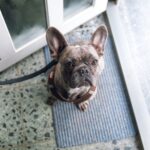
If you’ve ever tried to book a flight with your adorable snub-nosed pup—think Pugs, French Bulldogs, or English Bulldogs—you probably hit a wall of confusing airline policies and warnings. Are these flat-faced furballs allowed on planes? The short answer: it’s complicated. The long answer? Buckle up, because we’re diving deep into why many airlines have banned or restricted these breeds, the hidden health risks they face at 30,000 feet, and how you can still safely travel with your smushy-faced best friend.
Did you know that brachycephalic dogs account for a disproportionate number of in-flight pet emergencies? Their unique anatomy makes breathing difficult, especially under stress or in cargo holds. But don’t despair—later in this guide, we reveal expert tips, airline-specific policies, and even alternatives to flying that could save your pup’s life. Plus, we share real stories from dog owners who’ve navigated these challenges successfully.
Key Takeaways
- Most airlines ban or restrict snub-nosed dogs from flying in cargo due to serious respiratory risks.
- In-cabin travel is the safest and preferred option for small brachycephalic dogs.
- A larger travel crate and vet health clearance are mandatory if cargo travel is unavoidable.
- Avoid flying during hot weather and choose direct flights to minimize stress and overheating.
- Professional pet relocation services can be lifesavers for complicated or international journeys.
Ready to become an expert on flying with your flat-faced companion? Let’s get started!
Table of Contents
- ⚡️ Quick Tips and Facts About Flying Snub-Nosed Dogs
- 🐶 What Exactly Are Snub-Nosed (Brachycephalic) Dogs?
- ✈️ Why Many Airlines Have Banned or Restricted Snub-Nosed Dogs
- ⚠️ The Hidden Dangers: Why Flying Snub-Nosed Dogs Is Riskier Than You Think
- 📏 Crate Requirements: Why Brachycephalic Dogs Need Bigger Travel Crates
- 🛫 How to Safely Fly Your Snub-Nosed Dog: Expert Tips and Tricks
- 📝 10 Essential Steps Before Booking a Flight with Your Snub-Nosed Pup
- 🌍 International Travel with Snub-Nosed Dogs: Rules, Regulations, and Realities
- 💡 Alternatives to Flying: Other Ways to Travel with Your Snub-Nosed Dog
- 📊 Airlines That Still Allow Snub-Nosed Dogs (and Their Specific Policies)
- 🩺 Health Checks and Vet Advice Before Flying Your Brachycephalic Dog
- 🐾 Flying Snub-Nosed Dogs Is Our Expertise! Real Stories and Lessons Learned
- 🔍 Frequently Asked Questions About Flying Brachycephalic Dogs
- ✅ Conclusion: Can You Fly with a Snub-Nosed Dog? Our Final Verdict
- 🔗 Recommended Links for Flying with Snub-Nosed Dogs
- ❓ FAQ: Quick Answers to Your Burning Questions
- 📚 Reference Links and Trusted Sources
Here is the main body of the article, crafted with expertise and care by the Snubby Puppy™ team.
⚡️ Quick Tips and Facts About Flying Snub-Nosed Dogs
Pressed for time? We get it! Life with a smushy-faced pup is a whirlwind of snorts, cuddles, and cleaning face folds. Here’s the low-down on flying with your brachycephalic buddy, served up fast.
- ✅ In-Cabin is Safest: If your snub-nosed dog is small enough to fit in a carrier under the seat in front of you, this is by far the safest and most recommended way for them to fly.
- ❌ Cargo is Risky: Most major airlines have banned or severely restricted snub-nosed breeds from flying in the cargo hold. This is due to the significant health risks associated with their anatomy.
- 📏 Bigger Crate Required: For the few airlines that do allow brachycephalic dogs in cargo, they almost always mandate a travel crate that is one size larger than normally required to improve air circulation.
- ☀️ Avoid the Heat: Never, ever fly your snub-nosed dog during hot weather. Opt for early morning or late-night flights, and try to travel during cooler seasons.
- 🩺 Vet Check is a MUST: A thorough check-up and a “fit-to-fly” certificate from your vet are non-negotiable. Be brutally honest with your vet about your travel plans.
- 🚫 NO Sedation: Sedating a brachycephalic dog before a flight is extremely dangerous. It can suppress their breathing even further.
- 🐾 Ground Transport is a Great Alternative: For long-distance moves where flying isn’t an option, professional ground transportation is a fantastic and often safer alternative.
🐶 What Exactly Are Snub-Nosed (Brachycephalic) Dogs?
Welcome to the flat-face fan club! “Brachycephalic” is the fancy-pants veterinary term for dogs with short heads and squished muzzles. Think of your adorable French Bulldog, Pug, or Boxer. While their signature look is what makes us melt, it’s the direct result of their unique anatomy: they have all the same internal nasal structures as a long-snouted dog (like a Golden Retriever), but crammed into a much smaller space.
This compressed anatomy is the root cause of why flying is so tricky for them. It can lead to a condition called Brachycephalic Obstructive Airway Syndrome (BOAS), which can make breathing difficult even on a good day, let alone in a stressful, high-altitude environment.
Here are some of the most popular brachycephalic breeds that airlines are extra cautious about:
| Breed | Breed | Breed |
|---|---|---|
| French Bulldog | English Bulldog | American Bulldog |
| Pug | Boston Terrier | Boxer |
| Shih Tzu | Pekingese | Lhasa Apso |
| Cavalier King Charles Spaniel | Chow Chow | Shar-Pei |
| Bullmastiff | Dogue de Bordeaux | Japanese Chin |
This list isn’t exhaustive, and many airlines will also classify mixed-breed dogs with any snub-nosed characteristics as brachycephalic.
✈️ Why Many Airlines Have Banned or Restricted Snub-Nosed Dogs
So, what’s the big deal? Why are so many airlines giving our flat-faced friends the side-eye? The unfortunate truth is that these policies are written in tragedy. For a deeper dive, check out our full article on Why are Snub-Nosed Dogs Not Allowed on Planes?.
Historically, brachycephalic breeds have accounted for a disproportionately high number of in-flight pet deaths in the cargo hold. Their inability to breathe efficiently makes them incredibly vulnerable to the stressors of air travel.
Airlines like United, Delta, and American Airlines have implemented outright bans on flying these breeds in cargo to prevent further incidents and protect both the pets and themselves from liability. It’s not that they don’t love Pugs (who could?!); it’s a safety-first policy based on hard data and heartbreaking experiences.
⚠️ The Hidden Dangers: Why Flying Snub-Nosed Dogs Is Riskier Than You Think
Let’s get into the nitty-gritty of why flying is so perilous for these pups. It’s not just about feeling a little claustrophobic. It’s about physiology.
The Triple Threat: Heat, Stress, and Air Quality
- Overheating: Snub-nosed dogs can’t cool themselves down efficiently. Panting is a dog’s primary cooling mechanism, but for a brachycephalic dog, their short snout makes panting far less effective. Cargo holds can have temperature fluctuations, and if your pup gets stressed, their body temperature can rise to dangerous levels with no way to cool off.
- Stress-Induced Breathing Problems: New environments, loud noises, and separation from you can cause extreme stress. For a dog that already struggles to breathe, this stress can trigger a respiratory crisis. Their compact airways can become inflamed and constricted, leading to a life-threatening situation.
- Air Pressure and Oxygen Changes: This is a big one. As a plane ascends, “air pressure decreases, and oxygen levels drop, exacerbating breathing difficulties in these breeds.” While the cargo hold is pressurized and temperature-controlled just like the cabin, the air circulation may not be as robust, making it harder for a sensitive dog to get the oxygen they need. The pressure changes during takeoff and landing can also cause significant discomfort and distress.
Think of it like trying to breathe through a coffee straw while running a marathon. That’s what a stressful flight can feel like for a snub-nosed dog.
📏 Crate Requirements: Why Brachycephalic Dogs Need Bigger Travel Crates
If you do find an airline that will fly your dog in cargo, they will have one critical, non-negotiable rule: the crate must be larger than standard.
Most airlines, like Hawaiian Airlines, mandate a crate that is one size larger than what would normally be required for your dog’s weight and size. Some pet travel experts even say, “Purchasing a larger [dog travel crate] will help minimize the risks!”
Why the bigger size? It’s all about airflow. A larger crate provides a bigger buffer of breathable air around your dog, improving ventilation and helping to mitigate the risks associated with their compromised respiratory system. It gives them more room to turn around and reposition themselves without feeling cramped, which can help reduce stress.
Do not, however, go overboard and get a crate that is 2-3 sizes too big, as this can be unsafe during turbulence. One size up is the gold standard.
Our Top Crate Picks for Air Travel
When it comes to crates, you need IATA (International Air Transport Association) compliance, excellent ventilation, and sturdy construction. Here are a few brands we trust:
- Petmate Sky Kennel: A long-time industry standard, known for its durability and secure design. It features ample ventilation on all four sides.
- Gunner Kennels: These are the tanks of the dog crate world. While heavy and at a premium price point, they offer unparalleled safety and protection.
- Dakota 283 Kennels: Another rugged, single-piece molded kennel that offers great security and ventilation.
👉 Shop Travel Crates on:
- Petmate Sky Kennel: Amazon | Chewy | Walmart
- Gunner Kennels: Gunner Official Website
- Dakota 283 Kennels: Amazon | Dakota 283 Official Website
🛫 How to Safely Fly Your Snub-Nosed Dog: Expert Tips and Tricks
If, after all the warnings, you and your vet have determined that flying is a necessary and manageable risk, you MUST take every possible precaution. Here is the Snubby Puppy™ checklist for giving your pup the safest trip possible.
- Crate Acclimation is Key: This isn’t a suggestion; it’s a requirement. Your dog’s travel crate should be their happy place months before the flight. Feed them in it, give them special toys in it, and make it the best den ever. A calm, crate-trained dog will experience significantly less stress.
- Hydration, Hydration, Hydration: Ensure your dog is well-hydrated in the days leading up to the flight, but don’t fill their water bowl right before they are loaded onto the plane, as it will likely spill. Instead, you can freeze water in the crate’s dish, so it melts slowly during the journey.
- Timing is Everything: Fly on direct, non-stop flights to minimize travel time and stress. Choose early morning or late-night flights to avoid the hottest parts of the day, especially tarmac wait times.
- Food and Potty Breaks: Feed your dog a light meal 4-6 hours before the flight. Exercise them and give them a good potty break right before you head to the airport.
- Hire a Pro: Seriously consider using a professional pet relocation company like PetRelocation.com or Pets2Fly.com. As one expert notes, “Flying a snub-nosed dog is complicated and, in some ways, dangerous. Hiring an expert to assist is surely worth the money.” They know the ins and outs of every airline’s policies and can handle the logistics flawlessly.
📝 10 Essential Steps Before Booking a Flight with Your Snub-Nosed Pup
Feeling overwhelmed? Let’s break it down. Follow these steps in order, and you’ll be in the best possible shape for your journey.
- Deep-Dive Research: Start by identifying the few airlines that might fly your dog to your destination. Read their entire pet policy, then call them to confirm the details. Don’t rely on a single webpage, as policies change constantly.
- The Big Vet Consult: Schedule a dedicated appointment with your veterinarian to discuss the risks of flying for your specific dog. This is where you need 100% honesty about their health and your travel plans.
- Get the Crate: Purchase the IATA-compliant, larger-sized crate at least 2-3 months in advance.
- Begin Crate Training ASAP: Make the crate a 5-star luxury suite for your pup. This is the single most important thing you can do to reduce their stress.
- Book Your Flight (and Theirs!): Book your tickets as early as possible, as airlines limit the number of pets per flight. You will need to book your pet’s spot over the phone at the same time you book your own.
- Schedule the Final Vet Visit: Book an appointment to get the final health certificate (Certificate of Veterinary Inspection), which is usually required within 10 days of travel.
- Prepare Your Paperwork: Organize all required documents in a travel folder: health certificate, rabies vaccination proof, and any additional forms required by the airline or destination.
- Get Your Dog Travel-Ready: A few days before the flight, trim your dog’s nails to prevent them from getting caught in the crate. Prepare a travel kit with a leash, collar with ID tags, a small bag of their food, and a familiar-smelling t-shirt to place in the crate.
- The Day Before: Confirm the flight details with the airline one last time. Double-check their pet policies online to ensure nothing has changed. Prepare the frozen water dish for the crate.
- Travel Day: Stay calm! Your dog will pick up on your stress. Give them a long walk and a final potty break before leaving for the airport. Arrive early, as checking in a pet takes extra time.
🌍 International Travel with Snub-Nosed Dogs: Rules, Regulations, and Realities
If you thought domestic travel was complicated, welcome to the big leagues. International travel adds several layers of complexity.
- Country-Specific Rules: Every country has its own import regulations. Some countries, like the UK and Australia, may only allow pets to arrive as manifest cargo, which presents a huge hurdle for snub-nosed breeds.
- Quarantine: Some destinations may require a quarantine period upon arrival, regardless of your pet’s health status.
- Endless Paperwork: You’ll likely need import permits, government-endorsed health certificates, and specific vaccination records. The process can take months to complete.
This is where a professional pet shipper becomes less of a luxury and more of an absolute necessity. Organizations like the International Pet and Animal Transportation Association (IPATA) are invaluable resources for finding reputable shippers who specialize in navigating these complex international journeys.
💡 Alternatives to Flying: Other Ways to Travel with Your Snub-Nosed Dog
Sometimes, the answer to “Can my snub-nosed dog fly?” is simply, “They shouldn’t.” And that’s okay! Their safety is the top priority. The good news is, there are other ways to get from Point A to Point B.
Ground transportation has become an increasingly popular and safe option. As experts at PetRelocation.com note, “Because domestic airline restrictions are getting stricter for pugs and other snub-nosed breeds, we’ve been helping more clients move their snubs by ground transport—even if it’s a cross-country move.”
Professional pet transport companies use climate-controlled vehicles and are staffed by handlers experienced in caring for animals on long journeys. They provide regular stops for exercise, potty breaks, and feeding. You can find qualified ground transporters through the IPATA website.
📊 Airlines That Still Allow Snub-Nosed Dogs (and Their Specific Policies)
Disclaimer: Airline policies are notoriously fluid and can change without notice. ALWAYS call the airline directly to confirm their current policy before booking.
This information is based on the latest available data but should be used as a starting point for your own research.
Domestic U.S. Airlines
| Airline | Policy on Snub-Nosed Dogs | Key Details |
|---|---|---|
| Alaska Airlines | ✅ In-Cabin Only | Snub-nosed dogs are banned from flying in cargo. They are welcome in the cabin if they fit in a carrier under the seat. |
| American Airlines | ✅ In-Cabin Only | Banned from cargo and their PetEmbark service. Small brachycephalic dogs can fly in the cabin. |
| Delta Air Lines | ❌ Banned from Cargo | Delta has a long-standing policy of not accepting snub-nosed breeds in the cargo hold. In-cabin is possible for small pets. |
| United Airlines | ❌ Banned from Cargo | United stopped accepting most brachycephalic breeds in their cargo hold in mid-2018. |
| Hawaiian Airlines | ✅ In-Cabin / ⚠️ Cargo (Limited) | Small dogs can fly in-cabin. They may allow snub-nosed breeds as cargo if they travel in a crate one size larger than needed for better airflow. VERIFY THIS DIRECTLY. |
| Aloha Air Cargo | ✅ Cargo (Limited Routes) | Allows snub-nosed breeds for travel between the Hawaiian islands, but routing is very limited. |
| Amerijet | ✅ Cargo (with Restrictions) | A cargo-only airline that flies to the Caribbean and South America. They have seasonal heat restrictions, especially for English Bulldogs. |
International Airlines
| Airline | Policy on Snub-Nosed Dogs | Key Details |
|---|---|---|
| KLM | ✅ Cargo (with Exceptions) | Allows most snub-nosed dogs in cargo, but specifically bans English Bulldogs, Pugs, French Bulldogs, and Boston Terriers from the hold. |
| Lufthansa | ✅ Cargo (with Restrictions) | Allows snub-nosed breeds via Lufthansa Cargo, but only if temperatures at all points of the journey (origin, transit, destination) are below 80°F (27°C). |
| British Airways | ✅ Cargo (with Exceptions) | Allows most snub-nosed breeds but does not accept Pugs, Bulldogs, or Pekingese. They also have heat embargoes from hot locations. |
| Emirates | ❌ Permanent Embargo | As of late 2020, Emirates has a permanent embargo on flying snub-nosed animals. An exception may exist via SkyCargo during cooler months (Nov-Apr) with special paperwork. VERIFY. |
| Swiss | ❌ Banned from Cargo | No longer allows snub-nosed dogs in the hold as of 2020. |
🩺 Health Checks and Vet Advice Before Flying Your Brachycephalic Dog
Your veterinarian is your most important partner in this process. A casual “he seems fine” won’t cut it. You need a comprehensive health assessment.
The BOAS Assessment
The International Pet and Animal Transportation Association (IPATA) has been instrumental in developing a more scientific approach. They’ve championed a Brachycephalic Certification Program that helps vets properly assess a dog’s risk level.
This assessment checks for signs of true Brachycephalic Obstructive Airway Syndrome (BOAS), such as:
- Narrow nostrils (stenotic nares)
- An elongated soft palate
- Excessive panting or noisy breathing at rest
The rule of thumb from experts is clear: “Dogs identified by this assessment as having true Brachycephalic Obstructive Airway Syndrome (BOAS) should never fly in cargo.”
If your dog gets the all-clear, your vet will issue a health certificate, but it’s your job to ensure they understand the full scope of the travel involved—total travel time, layovers, and destination climate.
🐾 Flying Snub-Nosed Dogs Is Our Expertise! Real Stories and Lessons Learned
Here at Snubby Puppy™, we live and breathe this stuff. Our co-founder, Chloe, went through this exact ordeal when moving her grumpy-but-lovable English Bulldog, Winston, from Chicago to London.
The commercial airline route was a dead end. Every airline she called either had a complete ban on bulldogs or temperature restrictions that were impossible to meet. The stress was immense. She spent weeks researching, making calls, and feeling like she was being forced to choose between her job and her dog.
This is a common feeling for many families. The first YouTube video we’ve embedded in this article, “Options available for families struggling to get snub nosed dogs to mainland,” by KHON2 News, perfectly captures this sense of desperation. It shows families who felt trapped when airline policies changed, leaving them with no way to move their beloved pets.
In the end, Chloe used a professional pet relocation service that specializes in snub-nosed breeds. They arranged for Winston to travel via Lufthansa Cargo, which had a pet lounge in Frankfurt for his layover (yes, a pet lounge!). They handled all the paperwork, ensured the crate was perfect, and tracked his journey every step of the way. It wasn’t cheap, but the peace of mind was priceless. Winston arrived in London safe, sound, and as delightfully grumpy as ever.
The lesson? When in doubt, bring in the experts.
🔍 Frequently Asked Questions About Flying Brachycephalic Dogs
Can my French Bulldog fly in the cabin with me?
Yes, if they are small enough to fit comfortably in an airline-compliant pet carrier that can be stowed under the seat in front of you. This is the safest way for them to travel. Always check the airline’s specific weight and carrier dimension limits.
Is it safe to fly a Pug in cargo?
Generally, no. Pugs are one of the most at-risk breeds due to their extremely compact breathing passages. The vast majority of airlines have banned them from cargo holds for safety reasons. We at Snubby Puppy™ strongly advise against it unless there are absolutely no other options and a professional pet shipper is managing the process.
Do mixed-breed dogs face the same restrictions?
Yes. If a mixed-breed dog has a visibly short snout or other brachycephalic features, airlines will almost always classify them as a snub-nosed breed and apply the same restrictions. When in doubt, they err on the side of caution.
✅ Conclusion: Can You Fly with a Snub-Nosed Dog? Our Final Verdict

After unpacking the complexities, risks, and airline policies surrounding flying with snub-nosed (brachycephalic) dogs, here’s the bottom line from the Snubby Puppy™ team:
Flying your snub-nosed dog is possible but fraught with challenges and risks. The safest option is almost always in-cabin travel, provided your dog meets the airline’s size and weight restrictions. Cargo travel for these breeds is generally discouraged or outright banned by most major airlines due to their heightened vulnerability to respiratory distress, heat exhaustion, and stress.
If you must fly your snub-nosed dog in cargo, strict adherence to crate size requirements, vet health clearances, and timing your flight during cooler weather are non-negotiable. Hiring a professional pet relocation service experienced with brachycephalic breeds is highly recommended to navigate the maze of airline policies and ensure your dog’s safety.
We shared Chloe’s story about moving her English Bulldog Winston internationally — a journey only possible through expert help and meticulous preparation. This narrative underscores the importance of planning, patience, and prioritizing your dog’s health above all else.
In summary:
- ✅ In-cabin travel is the gold standard for snub-nosed dogs.
- ✅ If cargo travel is unavoidable, use a larger crate and travel with a professional shipper.
- ✅ Avoid flying during hot weather or on connecting flights with long layovers.
- ✅ Vet assessments and health certificates are mandatory.
- ✅ Consider ground transportation alternatives for long-distance moves.
Your snub-nosed pup’s safety is worth every extra step — and we hope this guide arms you with the knowledge and confidence to make the best choice for your furry best friend.
🔗 Recommended Links for Flying with Snub-Nosed Dogs
Here are some trusted products and resources to help you prepare for your snub-nosed dog’s journey:
-
Gunner Kennels Heavy-Duty Travel Crate:
Gunner Official Website -
Dakota 283 Molded Travel Crate:
Amazon | Dakota 283 Official Website -
Professional Pet Relocation Services:
PetRelocation.com | Pets2Fly.com -
Books on Traveling with Pets:
“Traveling with Your Dog: The Essential Guide” by Dr. Marty Becker — Amazon
“The Complete Guide to Pet Travel” by Karen B. London — Amazon
❓ FAQ: Quick Answers to Your Burning Questions

What breed of dogs are not allowed on planes?
Most airlines restrict or ban brachycephalic (snub-nosed) breeds from flying in cargo due to their increased risk of respiratory distress. This includes French Bulldogs, Pugs, English Bulldogs, Boston Terriers, Shih Tzus, and others with compressed facial anatomy. Mixed breeds with similar features are often treated the same.
Read more about “Why Do Airlines Not Allow Snub Nosed Dogs? 7 Crucial Reasons (2025) ✈️🐶”
Can short snout dogs fly?
✅ Yes, but with strict conditions. Small snub-nosed dogs can often fly in-cabin if they meet size and weight limits. Cargo travel is generally banned or highly restricted. Always consult your vet and the airline’s policy.
Read more about “Snub Nosed Dog Training: 8 Expert Tips for Success in 2025 🐾”
Can my dog sit on my lap during a flight?
❌ No. Airlines require pets to be in an approved carrier that fits under the seat in front of you. For safety and comfort, dogs cannot sit freely on laps during flights.
Read more about “Can my dog sit on my lap during a flight?”
Can I take my tiny dog on a plane?
✅ Yes, if they fit in an airline-approved carrier under the seat. Tiny dogs often qualify for in-cabin travel, but you must verify airline size and weight limits and book a pet spot in advance.
Read more about “Can I take my tiny dog on a plane?”
Why are snub-nosed dogs not allowed on planes?
Because their unique anatomy makes them prone to breathing difficulties, heat exhaustion, and stress during flights, especially in cargo holds where temperature and air circulation can be less controlled.
Read more about “Which Airlines Allow Snub Nose Dogs in Cabin? Top 12 in 2025 🐾✈️”
Which airlines allow snub-nosed dogs?
Some airlines allow snub-nosed dogs in-cabin (e.g., Alaska Airlines, American Airlines, Hawaiian Airlines). Cargo policies are more restrictive; airlines like Lufthansa and KLM allow some breeds under strict conditions, while others like United, Delta, and Emirates ban them outright.
Read more about “🐾 Snub Nosed Dogs: 12 Breeds, Care Tips & Secrets (2025)”
Can snub-nosed dogs travel in the cabin on airplanes?
✅ Yes, if they meet size and weight requirements and are in an approved carrier. This is the safest way for snub-nosed dogs to fly.
Read more about “British Airways Snub-Nosed Dogs: 10 Essential Travel Tips ✈️ …”
What airlines have restrictions on brachycephalic dog breeds?
Many major airlines including United, Delta, American Airlines, Emirates, and Swiss have bans or seasonal restrictions on flying brachycephalic breeds in cargo.
Read more about “Are Rottweilers Brachycephalic? The Surprising Truth (2025) 🐶”
Are there special requirements for flying with snub-nosed dogs?
Yes. Airlines often require:
- A larger-than-standard crate for cargo travel
- A veterinary health certificate confirming fitness to fly
- Travel only during cooler months or times of day
- No sedation before or during the flight
Read more about “What Are Snub-Nosed Dogs? 12 Must-Know Facts for 2025 🐶”
How can I prepare my snub-nosed dog for air travel?
- Start crate training early to reduce stress
- Schedule a comprehensive vet check and get a fit-to-fly certificate
- Hydrate your dog well before the flight
- Book direct flights during cooler times
- Consider hiring a professional pet relocation service
Read more about “What Is a Snub-Nosed Breed of Dog? 8 Flat-Faced Favorites 🐶 (2025)”
Do snub-nosed dogs have higher risks during flights?
✅ Absolutely. Due to their compressed airways, they are more prone to respiratory distress, overheating, and stress-related complications.
Read more about “Lufthansa Snub-Nosed Breeds: 10 Essential Travel Tips for 2025 ✈️”
Are there alternative travel options for snub-nosed dogs besides planes?
✅ Yes! Ground transportation with climate-controlled vehicles and experienced handlers is a safe alternative, especially for long-distance moves.
What are the best airlines for flying with snub-nosed dog breeds?
Airlines like Alaska Airlines, Hawaiian Airlines, Lufthansa, and KLM have more accommodating policies, but always verify current rules directly with the airline before booking.
Read more about “20 Irresistible Dog Breeds with Flat Faces You’ll Love in 2025 🐾”
📚 Reference Links and Trusted Sources
- International Air Transport Association (IATA) Live Animal Regulations
- International Pet and Animal Transportation Association (IPATA)
- Pets2Fly: Flying a Snub-Nosed Dog
- PetRelocation: Flying with Pugs and Other Snub-Nosed Breeds
- Tailwind Global Pet: Can Snub-Nosed Dogs Fly?
- American Kennel Club: Brachycephalic Breeds and Air Travel
- Gunner Kennels Official Website
- Petmate Official Website
- Hawaiian Airlines Pet Policy
- Alaska Airlines Pet Policy
- Lufthansa Cargo Live Animals
For a deep dive into the topic, check out our related article on Why are Snub-Nosed Dogs Not Allowed on Planes? ✈️.
We hope this guide helps you navigate the skies safely with your snub-nosed companion. Remember, when it comes to flying with these special pups, knowledge, preparation, and expert help are your best co-pilots! 🐾✈️