Support our educational content for free when you purchase through links on our site. Learn more
What Are Short Nose Dog Breeds? Top 15 Snubby Pups You’ll Adore 🐾 (2025)

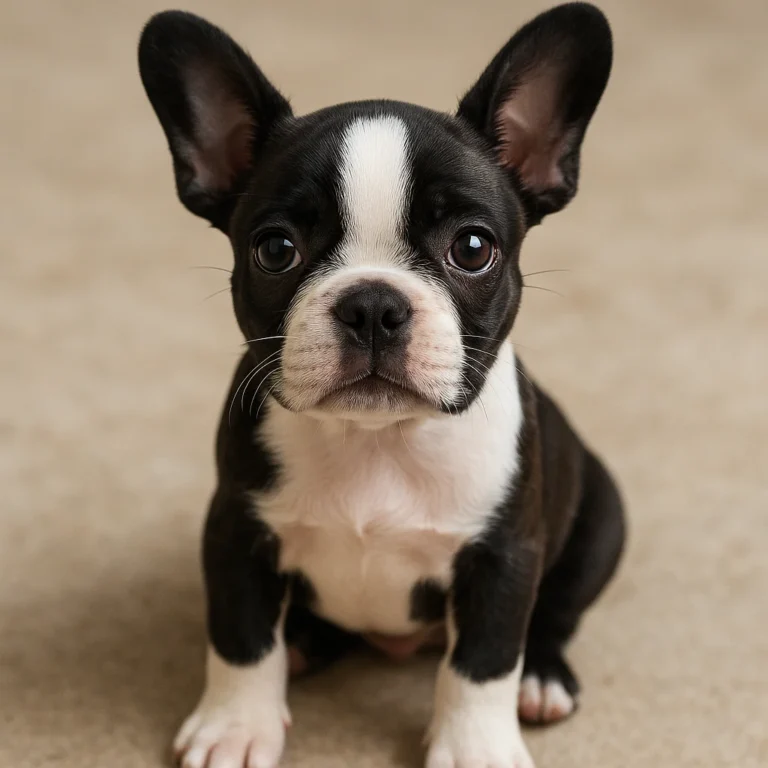
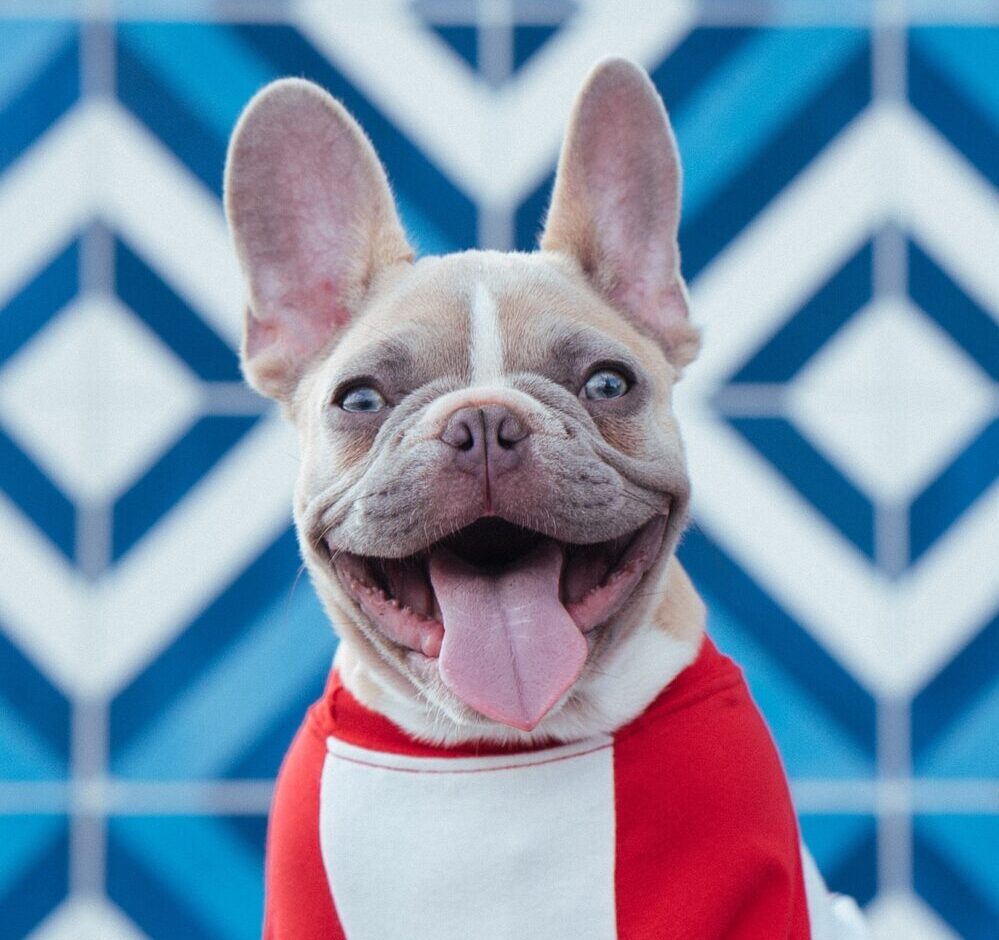
If you’ve ever been captivated by those irresistibly smooshed faces and soulful eyes of dogs like French Bulldogs or Pugs, you’re not alone. Short nose dog breeds—also known as brachycephalic breeds—have stolen hearts worldwide with their unique looks and charming personalities. But beneath those adorable wrinkles lies a fascinating story of genetics, history, and special care needs that every potential owner should know.
Did you know that these flat-faced pups are more prone to breathing difficulties and heat sensitivity than other dogs? Yet, with the right knowledge and gear, they can live happy, healthy lives full of love and laughter. Stick around as we reveal the top 15 short nose breeds, share expert health tips, and even spill the secrets to safe air travel with your snubby companion. Ready to become a snub-nosed dog expert? Let’s dive in!
Key Takeaways
- Short nose dog breeds (brachycephalic) have unique skull shapes that affect breathing, dental health, and temperature regulation.
- Top 15 breeds include French Bulldogs, Pugs, Boxers, and more, each with distinct personalities and care needs.
- Health concerns like Brachycephalic Obstructive Airway Syndrome (BOAS) require vigilant monitoring and proactive care.
- Specialized gear such as no-pull harnesses and slow feeder bowls can greatly improve your pup’s quality of life.
- Air travel with short nose dogs demands extra caution—in-cabin travel is safest, and sedation is a no-go.
👉 Shop Recommended Products:
- Harnesses like Ruffwear Front Range | Chewy
- Slow feeder bowls such as Outward Hound Fun Feeder | Chewy
- Cooling mats like Green Pet Shop Cooling Mat | Chewy
Table of Contents
- ⚡️ Quick Tips and Facts About Short Nose Dog Breeds
- 🐶 The Fascinating Origins and Evolution of Short Nose Dog Breeds
- 🔍 What Are Brachycephalic Dogs? Understanding the Science Behind Short Noses
- 1. Top 15 Short Nose Dog Breeds You’ll Love (And Why)
- 2. Unique Personality Traits and Temperaments of Short Nose Breeds
- 3. Are There Special Health Concerns for Brachycephalic Dogs? What Every Owner Must Know
- 4. Why Do Brachycephalic Dogs Exist? The Genetics and Breeding Behind the Snub Nose
- ✈️ Air Travel and Short Nose Dogs: Safety Tips and Regulations
- 🍽️ Nutrition and Exercise Tips for Maintaining Your Short Nose Dog’s Health
- 🛍️ Related Products: Best Gear and Accessories for Short Nose Dog Breeds
- 🐾 Training and Socialization Tips for Your Short Nose Pup
- 🌡️ How to Recognize and Manage Heat Sensitivity in Short Nose Dogs
- 💡 Common Myths and Misconceptions About Short Nose Dog Breeds
- 📚 Recommended Links for Further Reading on Brachycephalic Dogs
- ❓ Frequently Asked Questions About Short Nose Dog Breeds
- 📑 Reference Links and Scientific Sources
- 🎉 Conclusion: Is a Short Nose Dog the Right Fit for You?
Here is the main body of the article, from “Quick Tips and Facts” to the section before “Conclusion”.
⚡️ Quick Tips and Facts About Short Nose Dog Breeds
Welcome to the wonderful world of snubby puppies! Before we dive snout-first into the details, here are some quick, bite-sized facts to get you started. We live and breathe these flat-faced wonders, and we’re so excited to share our passion with you!
- What’s in a Name? The official term for short-nosed dogs is Brachycephalic, which literally means “short-headed” in Greek. It’s a fancy way of saying they have a shorter-than-average skull.
- Why the Snort? Those adorable snorts, snores, and grunts are often due to their unique anatomy. Their internal breathing structures are compressed into a smaller space, which can lead to noisy breathing.
- Heat is NOT Their Friend: These pups have a harder time cooling down. Their shortened airways make panting less efficient, so they are highly susceptible to heatstroke. 🥵
- Travel Advisory: Due to their breathing sensitivities, many airlines have special restrictions or outright bans on brachycephalic breeds traveling in the cargo hold. Always check with the airline!
- Dental Quirks: The same number of teeth as a long-snouted dog, but crammed into a much smaller jaw! This can lead to overcrowding and an increased need for dental care. 🦷
- Not Just for Looks: While some were bred for their “cute” appearance, others, like Boxers and Bulldogs, were originally bred for jobs like bull-baiting and hunting, where a shorter snout and powerful jaw were advantageous.
- Weight Matters… A LOT: Keeping your snub-nosed pal at a healthy weight is one of the most important things you can do for their health. Extra pounds put a huge strain on their already compromised respiratory system.
🐶 The Fascinating Origins and Evolution of Short Nose Dog Breeds
Ever looked at your Frenchie’s smooshed face and wondered, “How did you even happen?” It’s a great question! The story of brachycephalic breeds is a wild ride through history, driven by both function and, let’s be honest, human fascination with all things cute.
One theory suggests that some of these breeds were selectively bred for fighting and hunting. Think about it: a shorter snout and a powerful, undershot jaw (like in a Boxer or Bulldog) would provide a tenacious grip. It was a feature with a purpose!
But then, there’s the other, perhaps more influential, theory: we just think they’re adorable. Some experts believe that ancient dog owners simply favored dogs with shorter noses and larger eyes because their heads resembled those of human infants. This “baby face” look triggers our nurturing instincts, making us want to protect and pamper them. And let’s be real, who can resist those big, soulful eyes staring up at you? It’s a powerful evolutionary trick that has kept these breeds in our laps and hearts for centuries.
🔍 What Are Brachycephalic Dogs? Understanding the Science Behind Short Noses
Alright, let’s put on our lab coats for a second. 🧑🔬 As we mentioned, “brachycephalic” means “short-headed.” This isn’t just about having a cute, short nose on the outside. It’s a fundamental difference in skull structure. While a German Shepherd has a long, tapered muzzle (dolichocephalic), our beloved snubby pups have a skull that is shorter and wider.
This unique head shape means all the normal doggy anatomy—nasal passages, soft palate, teeth, tongue—has to fit into a much more compact space. Imagine trying to pack a week’s worth of luggage into a weekend bag. Things get… cramped. This “cramped” situation is what leads to the characteristic physical traits and potential health considerations we’ll discuss.
Key Anatomical Features of Brachycephalic Dogs:
| Feature | Description | Potential Impact |
|---|---|---|
| Shortened Muzzle | The most obvious trait; the bones of the nose and upper jaw are significantly shorter. | Affects breathing, cooling, and dental alignment. |
| Wide Head | The skull is often broader than in other breeds to compensate for the lack of length. | Contributes to their distinct look. |
| Large, Round Eyes | The eye sockets are often shallower, causing the eyes to appear more prominent or “bug-eyed.” | Increases risk of eye injuries and conditions like corneal ulcers. |
| Undershot Jaw | The lower jaw is longer than the upper jaw, a common trait in breeds like Bulldogs and Pugs. | Can lead to dental misalignment and difficulty picking up food. |
| Facial Folds/Wrinkles | Deep skin folds are common, especially around the nose. | Can trap moisture and debris, leading to skin infections if not cleaned regularly. |
Understanding this basic anatomy is the first step to becoming a truly fantastic owner for one of these special dogs. It’s not just about loving their looks; it’s about appreciating the unique body they’re in!
1. Top 15 Short Nose Dog Breeds You’ll Love (And Why)
Ready to meet the stars of the snub-nosed world? Here at Snubby Puppy™, we’ve cuddled, cared for, and fallen in love with them all. Each one has a personality as unique as their adorable face. If you’re particularly interested in medium-sized pups, check out our detailed guide on What Are the 15 Best Medium Short Nose Dog Breeds? 🐶 (2025).
- French Bulldog: The undisputed king of charm. A playful, alert, and ridiculously affectionate companion who thrives in city life.
- Pug: A whole lot of dog in a small package. Pugs are goofy, loving, and live to please (and eat). Their motto is “multum in parvo” (a lot in a little).
- English Bulldog: A gentle, courageous, and famously stubborn couch potato. Don’t let their sour mug fool you; they are sweethearts.
- Boxer: The energetic clown of the brachy world. Boxers are playful, intelligent, and fiercely loyal to their families.
- Boston Terrier: The “American Gentleman.” A bright, friendly, and dapper little dog in a permanent tuxedo.
- Shih Tzu: Bred to be a lap dog for Chinese emperors, and they’ve never forgotten it. They are proud, affectionate, and sport a glorious coat.
- Pekingese: Another royal from China, the Pekingese is a confident, independent, and surprisingly lion-hearted little dog.
- Lhasa Apso: Originally a sentinel dog in Tibetan monasteries, they are smart, confident, and a bit wary of strangers.
- Cavalier King Charles Spaniel: The ultimate lap warmer. These dogs are gentle, graceful, and utterly devoted to their people.
- Bullmastiff: A gentle giant. Bred as a gamekeeper’s night dog, they are loyal, protective, and surprisingly mellow.
- Dogue de Bordeaux (French Mastiff): A powerful and loyal guardian with a heart of gold. You might recognize one from the movie Turner & Hooch.
- Japanese Chin: A cat-like canine. They are elegant, charming, and known for their habit of climbing and perching in high places.
- Brussels Griffon: A big personality in a tiny, bearded body. They are alert, curious, and known for their almost human-like expressions.
- Affenpinscher: The “monkey-like terrier.” Fearless, funny, and endlessly entertaining, this little dog is always ready for an adventure.
- Cane Corso: A majestic and intelligent Italian Mastiff. They are confident protectors who form a deep bond with their families.
2. Unique Personality Traits and Temperaments of Short Nose Breeds
While every dog is an individual, we’ve noticed some common threads in the personalities of our snub-nosed friends. They were often bred for companionship, and it shows! For a deeper dive into why your pup does what they do, explore our Behavior Analysis section.
- Human-Oriented: Many of these breeds, like the French Bulldog and Pug, are absolute people-pleasers. They thrive on human contact and can be prone to separation anxiety if left alone for too long. They want to be your shadow, your co-pilot, and your personal foot-warmer.
- Comical and Clownish: Is there anything funnier than a Boxer doing “zoomies” or a Pug tilting its head in confusion? These breeds have a fantastic sense of humor and often seem to enjoy making their humans laugh.
- Stubborn Streak: Let’s call it… determined. Breeds like the English Bulldog are famous for their obstinance. If they don’t want to do something, it’s like trying to move a furry, snoring boulder. This just means training requires a little extra patience and a lot of positive reinforcement!
- Surprisingly Low-Energy (with bursts!): While a Boxer needs a good romp, many brachycephalic breeds are perfectly happy with a short walk followed by a long nap. They are often great apartment dogs for this reason. But be ready for those sudden bursts of playful energy!
3. Are There Special Health Concerns for Brachycephalic Dogs? What Every Owner Must Know
Okay, let’s have a serious chat. Loving a short-nosed dog means being a proactive and vigilant parent about their health. Their unique structure, while adorable, comes with a specific set of potential health challenges. This is not to scare you, but to empower you! Knowing what to look for is half the battle.
Brachycephalic Obstructive Airway Syndrome (BOAS)
This is the big one. BOAS is a collection of airway abnormalities caused by that “cramped” head shape. A dog can have one or more of these issues, which restrict airflow and make breathing difficult.
- Stenotic Nares: ✅ What it is: Abnormally narrow or small nostrils. Think of trying to breathe through a pinched straw.
- Elongated Soft Palate: ✅ What it is: The soft tissue at the back of the roof of the mouth is too long for the head, so it partially blocks the entrance to the trachea (windpipe). This is a major cause of snoring and snorting.
- Everted Laryngeal Saccules: ✅ What it is: Small sacs of tissue in the larynx get sucked into the airway by the increased effort of breathing, causing further obstruction.
- Hypoplastic Trachea: ✅ What it is: The windpipe is narrower than normal from birth.
Symptoms of BOAS to Watch For:
- Loud snoring and noisy breathing (stridor)
- Retching, gagging, or vomiting, especially after eating or drinking
- Exercise intolerance (tiring out very quickly)
- Blueish gums or tongue from lack of oxygen (cyanosis) ❌ This is an emergency!
- Collapse after over-excitement or exercise ❌ This is also an emergency!
One of the biggest dangers is that owners might think these symptoms are just “normal for the breed.” As UC Davis Health Topics notes, “Loud breathing, snoring, snorting, and other respiratory signs are often considered ‘normal for the breed’, which can lead to delayed diagnosis.” If you notice these signs, talk to your vet. Mild cases can be managed with weight control and avoiding heat, but severe cases may require surgery to widen the nostrils or trim the soft palate.
Other Common Health Issues
| Health Concern | Description | Breeds Commonly Affected |
|---|---|---|
| Ocular (Eye) Issues) | Prominent eyes are prone to injury, corneal ulcers, and “dry eye” due to poor tear distribution. | Pugs, Shih Tzus, Pekingese |
| Dental Issues | Overcrowding of teeth leads to a higher risk of gum disease and dental infections. | All brachycephalic breeds |
| Skin Fold Dermatitis | Moisture and bacteria get trapped in facial wrinkles, causing painful infections. | Bulldogs, Pugs, Shar-Peis |
| Gastrointestinal (GI) Issues | Swallowing excess air while struggling to breathe can lead to vomiting and regurgitation. | French Bulldogs, English Bulldogs |
4. Why Do Brachycephalic Dogs Exist? The Genetics and Breeding Behind the Snub Nose
So, we’ve covered the what, but what about the why? Why do these breeds persist, especially with their known health challenges? The answer is a mix of history, genetics, and human preference.
As we touched on earlier, some breeds were developed for function. But in the modern era, the primary driver has been selective breeding for aesthetic traits. Dog breeders and owners have consistently chosen dogs with shorter snouts and bigger eyes, reinforcing these genes over generations.
This has led to some controversy. Animal welfare organizations and veterinarians worry about the ethics of breeding for looks that can compromise a dog’s quality of life. Some countries have even moved to restrict the breeding of certain brachycephalic breeds.
Here at Snubby Puppy™, we believe in responsible breeding and ownership. A responsible breeder will prioritize health over extreme features, performing health checks on their breeding dogs to reduce the risk of passing on severe BOAS and other genetic conditions. As owners, it’s our job to be educated, provide the best possible care, and not support breeders who produce dogs with extreme, unhealthy conformations. It’s a small price to pay for the incredible companionship these dogs offer.
✈️ Air Travel and Short Nose Dogs: Safety Tips and Regulations
Thinking of taking your snub-nosed co-pilot on a flight? STOP and read this first! Air travel is one of the most high-risk situations for a brachycephalic dog. Their breathing difficulties are magnified by stress and changes in air quality and temperature in a plane’s cargo hold.
The American Veterinary Medical Association (AVMA) explains the risk perfectly with an analogy: breathing for these dogs can be “like breathing through a straw – if you gently suck through the straw, there’s no problem getting air. But when you really try to suck hard through the straw, similar to what these dogs may do when they’re stressed… the straw collapses and you don’t get air.”
Statistics have shown that short-nosed breeds account for a disproportionately high number of in-flight pet deaths. Because of this, most major airlines have banned them from traveling in the cargo hold.
Your Safest Options & Essential Tips:
- ✅ In-Cabin is the ONLY Way: If your dog is small enough to fit in a carrier under the seat in front of you, this is the only safe way for them to fly. Book well in advance, as airlines limit the number of pets in the cabin.
- ✅ Choose Your Flight Wisely: Fly direct to avoid stressful layovers. Choose early morning or late evening flights in the summer, and midday flights in the winter to avoid extreme temperatures on the tarmac.
- ✅ Get Your Vet’s Blessing: A visit to the vet for a health certificate within 10 days of your trip is crucial. Discuss your travel plans and your dog’s specific risks.
- ✅ Acclimate to the Crate: Make the travel carrier a happy place long before your flight. Let them nap in it and give them treats inside to reduce travel-day stress.
- ❌ NEVER Use Sedatives: The AVMA strongly recommends against tranquilizing your pet for air travel, as it can suppress their breathing even further and increase health risks.
- ✅ Use a Proper Carrier: Ensure the carrier is well-ventilated. Avoid thick, fluffy bedding that could obstruct airflow. A thin mat or newspaper is better.
🍽️ Nutrition and Exercise Tips for Maintaining Your Short Nose Dog’s Health
Managing your snubby puppy’s diet and exercise is paramount. As noted by veterinary experts, obesity significantly worsens the symptoms of BOAS, so keeping your dog lean is a top priority.
Nutrition for the Flat-Faced Foodie
- Weight Management is Key: Choose a high-quality dog food and stick to the recommended feeding guidelines. We’re huge fans of brands like Royal Canin, which makes breed-specific formulas (like their French Bulldog and Pug foods) designed with kibble shapes that are easier for them to pick up.
- Slow Down, Speedy! Many brachycephalic dogs are enthusiastic eaters and tend to swallow a lot of air, leading to gas and bloating. A slow-feeder bowl is a non-negotiable game-changer. We love the puzzle-like designs from Outward Hound.
- Mind the Treats: It’s easy to overdo it with those puppy-dog eyes begging for more. Use low-calorie treats for training, or better yet, use a portion of their daily kibble.
Exercise: Short Bursts, Not Marathons
- Timing is Everything: Avoid exercising during the hottest parts of the day. Early mornings and late evenings are best.
- Harness, Not Collar: Never, ever walk a brachycephalic dog on a collar. A collar puts direct pressure on their trachea, which can cause it to collapse. A well-fitting harness that doesn’t restrict shoulder movement is essential. Brands like Puppia and Ruffwear make excellent harnesses.
- Know Their Limits: A 20-30 minute leisurely walk is often plenty for breeds like Pugs and Bulldogs. Watch for signs of fatigue like excessive panting, lagging behind, or wanting to lie down. Let them set the pace.
- Indoor Fun: On hot or humid days, opt for indoor activities like puzzle toys, hide-and-seek, or short training sessions to keep their minds stimulated without overheating.
🛍️ Related Products: Best Gear and Accessories for Short Nose Dog Breeds
Having the right gear can make a world of difference in the health and happiness of your short-nosed companion. Here are our team’s tried-and-true favorites!
Product Rating Overview
| Product Type | Design | Functionality | Snubby-Friendliness | Overall Score |
|---|---|---|---|---|
| No-Pull Harness | 9/10 | 10/10 | 10/10 | 9.7/10 |
| Slow-Feeder Bowl | 8/10 | 10/10 | 10/10 | 9.3/10 |
| Cooling Mat/Vest | 7/10 | 10/10 | 10/10 | 9.0/10 |
| Wrinkle Wipes | 10/10 | 10/10 | 9/10 | 9.7/10 |
In-Depth Product Recommendations
1. The Essential Harness: Ruffwear Front Range Harness
A good harness is the single most important piece of gear you’ll buy. The Ruffwear Front Range is our top pick because it’s durable, highly adjustable for a perfect fit on those barrel-chested bodies, and has two leash attachment points: one on the back for regular walks, and one on the front to gently discourage pulling without putting any pressure on the neck.
- 👉 CHECK PRICE on: Amazon | Chewy | Ruffwear Official Website
2. The Game-Changing Bowl: Outward Hound Fun Feeder Slo Bowl
This isn’t just a bowl; it’s an enrichment tool. The maze-like designs of the Outward Hound Fun Feeder force your dog to eat more slowly, which aids digestion and dramatically reduces the amount of air they swallow. This means less gas, less risk of bloat, and a fun mealtime challenge. They come in various sizes and difficulty levels.
3. The Summer Lifesaver: The Green Pet Shop Dog Cooling Mat
When the temperature rises, this is a non-negotiable. The Green Pet Shop Dog Cooling Mat is pressure-activated and requires no water or electricity. It provides a cool surface for your pup to lie on, helping them regulate their body temperature and prevent dangerous overheating. Place it in their crate, on their bed, or on the floor.
4. The Wrinkle Warriors: Squishface Wrinkle Paste & Wipes
Those adorable face wrinkles can turn into a painful problem if not kept clean and dry. We swear by the Squishface line of products. Their pre-moistened wipes are perfect for daily cleaning to remove gunk and debris. For extra protection, their Wrinkle Paste forms a water-repellent barrier that keeps moisture out and soothes irritated skin.
- 👉 Shop Squishface on: Amazon | Chewy | Squishface Official Website
🐾 Training and Socialization Tips for Your Short Nose Pup
Training a brachycephalic breed is a joy, but it requires a few adjustments to set them up for success.
- Keep Sessions Short and Sweet: Because they can tire out and get breathless quickly, long, strenuous training sessions are a no-go. Aim for multiple 5-10 minute sessions throughout the day.
- Positive Reinforcement is King: These dogs, especially the stubborn ones, respond beautifully to positive reinforcement (treats, praise, toys). Harsh methods will only make them shut down.
- Teach a “Settle” Cue: One of the best things you can teach them is to calm down on command. This is invaluable for preventing them from getting over-excited and breathless.
- Early Socialization: Introduce them to a wide variety of sights, sounds, and other dogs from a young age. A well-socialized dog is less likely to become overly stressed or anxious in new situations, which is great for their respiratory health.
🌡️ How to Recognize and Manage Heat Sensitivity in Short Nose Dogs
We cannot stress this enough: heat is the arch-nemesis of the short-nosed dog. Their inability to pant efficiently means their body temperature can rise to dangerous levels in a shockingly short amount of time.
The video embedded above, titled “Heatstroke Warning For Small Skull, Flat-faced, Short Nose Dogs,” provides an excellent visual guide to understanding these risks and is a must-watch for any owner. You can find it at #featured-video.
Recognizing the Signs of Overheating
Be on the lookout for these symptoms, which can progress rapidly:
- Excessive, heavy panting
- Thick, stringy drool
- Bright red tongue and gums
- Vomiting or diarrhea
- Dizziness or stumbling (ataxia)
- Collapse or seizure ❌
What to Do if You Suspect Heatstroke (This is an EMERGENCY)
- Immediate Action: Move your dog out of the heat and into a cool, shaded, or air-conditioned area immediately.
- Cool Them Down: Apply cool (NOT ice-cold) water to their body, focusing on their paws, groin, and neck. A fan blowing on them will also help.
- Offer Water: Let them drink small amounts of cool water, but do not force them.
- Call Your Vet: Do this immediately. Even if your dog seems to be recovering, they need to be seen by a veterinarian. Heatstroke can cause severe internal damage that isn’t immediately visible.
💡 Common Myths and Misconceptions About Short Nose Dog Breeds
Let’s bust some myths! There’s a lot of misinformation out there, and we want to set the record straight.
- Myth 1: “All that snoring is normal and cute.”
- Reality: While some light snoring can be typical, loud, constant snoring and snorting are often signs of airway obstruction (BOAS). Dismissing it as “normal” can prevent a dog from getting the medical help they need to breathe easier.
- Myth 2: “They’re lazy and don’t need exercise.”
- Reality: They absolutely need exercise to stay at a healthy weight and for mental stimulation! The type and duration of exercise just need to be modified. A leisurely daily walk and some indoor playtime are essential.
- Myth 3: “They’re less intelligent because they’re stubborn.”
- Reality: Don’t mistake independence for a lack of intelligence! Breeds like Bulldogs were bred to think for themselves. They are often incredibly smart and simply need the right motivation to learn (hint: it’s usually food).
- Myth 4: “They’re all unhealthy.”
- Reality: While they are predisposed to certain conditions, it doesn’t mean every single dog will be sick. With a responsible breeder, proactive veterinary care, and a diligent owner who manages their weight, exercise, and heat exposure, a brachycephalic dog can live a long, happy, and wonderful life.
🎉 Conclusion: Is a Short Nose Dog the Right Fit for You?

So, after all this snout-to-tail exploration, what’s the verdict? Are short nose dog breeds the perfect match for your lifestyle? The answer is a resounding yes—if you’re prepared to be a vigilant, loving, and informed owner.
These breeds bring unmatched charm, personality, and companionship. Their smooshed faces and expressive eyes are just the tip of the iceberg. But, as we’ve seen, their unique anatomy requires special attention—especially regarding breathing, heat sensitivity, and weight management.
Owning a brachycephalic dog means embracing their quirks and challenges with open arms. It means regular vet visits, careful exercise routines, and investing in the right gear to keep them comfortable and healthy. But the rewards? Endless snuggles, hilarious antics, and a bond that’s as deep as their adorable wrinkles.
If you’re considering bringing home one of these flat-faced friends, do your homework, choose a responsible breeder or rescue, and be ready to advocate for their health and happiness every step of the way. Your snubby puppy will thank you with a lifetime of love and loyalty.
📚 Recommended Links for Further Reading on Brachycephalic Dogs
Ready to spoil your snub-nosed companion with the best gear and knowledge? Here are some top picks from our team at Snubby Puppy™:
-
Ruffwear Front Range Harness:
Amazon | Chewy | Ruffwear Official Website -
Squishface Wrinkle Paste & Wipes:
Amazon | Chewy | Squishface Official Website -
Recommended Books:
❓ Frequently Asked Questions About Short Nose Dog Breeds
What defines a short nose or snub nose dog breed?
Short nose or snub nose dog breeds, scientifically called brachycephalic breeds, are characterized by a skull shape that is shorter and wider than average. This results in a flattened face, shortened muzzle, and often large, round eyes. The term “brachycephalic” comes from Greek, meaning “short-headed.” These breeds have unique anatomical features that affect their breathing, dental alignment, and facial structure.
Which dog breeds are considered snub nose or brachycephalic?
Common brachycephalic breeds include:
- French Bulldog
- Pug
- English Bulldog
- Boston Terrier
- Boxer
- Shih Tzu
- Pekingese
- Lhasa Apso
- Bullmastiff
- Dogue de Bordeaux
These breeds share the characteristic short muzzle and broad skull, though sizes and temperaments vary widely.
Are short nose dog breeds prone to health issues?
Yes, due to their unique anatomy, brachycephalic dogs are prone to several health challenges, including:
- Brachycephalic Obstructive Airway Syndrome (BOAS): Difficulty breathing due to narrowed nostrils, elongated soft palate, and other airway abnormalities.
- Heat Sensitivity: Inefficient panting makes them vulnerable to heatstroke.
- Eye Problems: Prominent eyes are susceptible to injury and infections.
- Dental Crowding: Teeth overcrowding can lead to gum disease.
- Skin Fold Infections: Facial wrinkles can harbor bacteria if not cleaned regularly.
However, with proper care, many brachycephalic dogs live happy, healthy lives.
How do snub nose dogs breathe differently from other breeds?
Because their nasal passages and airways are compressed into a smaller space, snub nose dogs have a harder time moving air efficiently. Narrow nostrils (stenotic nares) and an elongated soft palate partially block airflow, making breathing noisy and sometimes labored. This can feel like trying to breathe through a straw, especially during exercise or stress.
What are the best care tips for short nose dog breeds?
- Maintain a healthy weight to reduce respiratory strain.
- Use a harness instead of a collar to avoid pressure on the trachea.
- Avoid overheating by limiting exercise during hot weather and providing cooling mats or vests.
- Regularly clean facial wrinkles to prevent infections.
- Schedule frequent veterinary checkups to monitor respiratory and dental health.
- Use slow feeder bowls to reduce air swallowing during meals.
Can short nose dogs participate in regular exercise safely?
Absolutely, but with modifications. Short nose dogs benefit from short, gentle walks during cooler parts of the day. Avoid strenuous or prolonged exercise, especially in hot or humid weather. Always watch for signs of fatigue or breathing difficulty and let your dog set the pace.
Why do some dog breeds have short or flat noses?
Historically, some breeds were selectively bred for functional reasons, like stronger bite force or fighting ability (e.g., Bulldogs). More commonly today, the short nose is a result of selective breeding for aesthetic appeal, as humans are drawn to the “baby-face” look with large eyes and flat faces. This has led to the perpetuation of brachycephalic traits despite associated health risks.
How can I safely travel with my short nose dog?
Traveling with brachycephalic dogs requires extra caution. The best practice is to travel with your dog in the cabin if possible, avoiding cargo holds where temperature and air quality are less controlled. Consult your vet before travel, acclimate your dog to their crate, and never sedate them for flights. Choose flight times to avoid extreme temperatures and keep your dog hydrated and calm.
📑 Reference Links and Scientific Sources
For those who want to dig deeper or verify the facts, here are some trusted sources we rely on at Snubby Puppy™:
- American Veterinary Medical Association (AVMA) — Air Travel and Short-Nosed Dogs FAQ
- Hill’s Pet Nutrition — Understanding Brachycephalic Dogs
- UC Davis Veterinary Medicine — Health Topics: Brachycephalic Short-Nosed Dogs
- Ruffwear Official Website — Front Range Harness
- Outward Hound Official Website — Fun Feeder Slow Bowl
- Squishface Official Website — Wrinkle Care Products
These resources offer expert insights and guidance to help you become the best snub-nosed dog parent possible!