Support our educational content for free when you purchase through links on our site. Learn more
Why Do Some Dogs Have Short Noses? 7 Surprising Facts (2025) 🐶


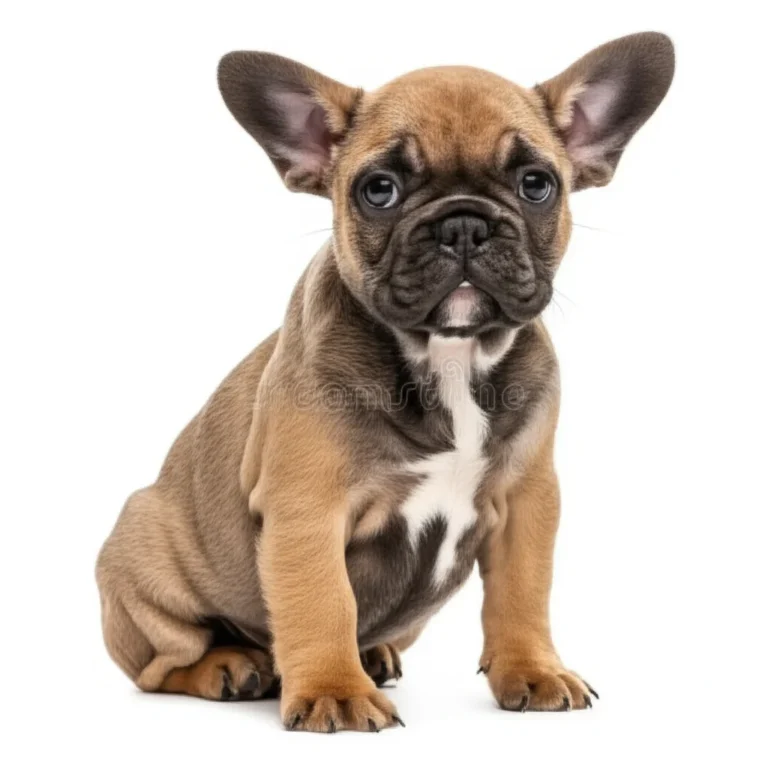
Ever wondered why some dogs sport those irresistibly smooshed faces? From the snorting Pug to the wrinkly Bulldog, short-nosed dogs have captured hearts worldwide—but their unique looks come with fascinating stories and important health considerations. At Snubby Puppy™, we’ve spent years caring for these charming flat-faced companions, and we’re here to unravel the mystery behind their distinctive noses. Spoiler alert: it’s not just about looks! Later, we’ll dive into the health challenges these breeds face, share expert care tips, and reveal our top product picks to keep your snub-nosed buddy happy and healthy.
Did you know that brachycephalic dogs—those with short noses—are more prone to breathing difficulties and heatstroke? But don’t worry, with the right knowledge and care, these pups can thrive and bring endless joy. Curious about which breeds make the list and how to travel safely with your flat-faced friend? Keep reading—we’ve got you covered!
Key Takeaways
- Brachycephalic dogs have uniquely short noses due to selective breeding, which affects their skull shape and respiratory system.
- These breeds are prone to health issues like Brachycephalic Obstructive Airway Syndrome (BOAS), heatstroke, and dental problems.
- Proper care includes regular vet check-ups, weight management, gentle exercise, and attentive grooming, especially of facial folds.
- Traveling with short-nosed dogs requires special precautions to ensure their safety and comfort.
- Snubby Puppy™ recommends top products like Puppia harnesses, cooling vests, elevated bowls, and dental chews to support your brachycephalic dog’s well-being.
👉 Shop our recommended products:
- Harnesses & Leashes: Puppia Soft Padded Harness | Yellow Dog Design Harness
- Cooling Gear: Arf Pets Cooling Vest | K&H Cooling Pad
- Dental Care: Greenies Dental Chews | Nylabone Chew Toys
Table of Contents
- ⚡️ Quick Tips and Facts
- The Curious Case of the Canine Snub Nose: A Brachycephalic Background Story
- What Exactly Is a Brachycephalic Dog? Decoding the Short-Nosed Mystery
- More Than Just a Cute Face: The Health Realities of Short-Nosed Breeds
- 1. The Breathless Battle: Understanding Brachycephalic Obstructive Airway Syndrome (BOAS)
- 2. Heatstroke Hazard: Why Flat Faces Can’t Handle the Heat
- 3. Eye Spy: Common Ocular Issues in Brachycephalic Pups
- 4. Dental Dilemmas: Overcrowding in a Compact Jaw
- 5. Skin Deep: Managing Facial Fold Dermatitis
- 6. Spinal & Joint Woes: Beyond the Snout
- The Human Touch: Why Did We Breed Dogs with Short Noses?
- Living the Snub-Nosed Life: Essential Care for Your Brachycephalic Buddy
- Navigating the World: Travel Tips for Your Short-Nosed Companion
- Snubby Puppy™’s Top Picks: Products for Your Brachycephalic Pal
- Conclusion: Embracing the Snub-Nosed Journey with Love and Knowledge
- Recommended Links: Dive Deeper into Brachycephalic Care
- FAQ: Your Burning Questions About Short-Nosed Dogs, Answered!
- Reference Links: Our Sources for Snub-Nosed Wisdom
Quick Tips and Facts
As dog owners at Snubby Puppy™, we’re often asked about the unique characteristics of snub-nosed dogs. If you’re wondering what dog has the shortest nose, you’re not alone! 🐾 According to the American Kennel Club, brachycephalic breeds, such as Pugs and Bulldogs, have some of the shortest noses among dog breeds. But what does this mean for their health and well-being? 🤔
- Brachycephalic breeds are prone to respiratory issues due to their shortened nasal passages and elongated soft palates.
- Regular veterinary check-ups are crucial to monitor their health and address any potential issues early on.
- Maintaining a healthy weight is vital to reduce the risk of respiratory problems and other health issues.
- Avoiding extreme temperatures and providing a comfortable living environment can help prevent heatstroke and other heat-related issues.
For more information on brachycephalic breeds and their care, visit our Behavior Analysis section.
The Curious Case of the Canine Snub Nose: A Brachycephalic Background Story

The term “brachycephalic” comes from the Greek words “brachy,” meaning short, and “cephalic,” meaning head. This unique characteristic is a result of selective breeding, which has led to a range of health implications for these dogs. As noted by the UC Davis School of Veterinary Medicine, brachycephalic dogs are more prone to respiratory issues, skin problems, and other health concerns.
What Exactly Is a Brachycephalic Dog?
A brachycephalic dog is a breed that has been developed with a shortened skull, resulting in a flat face and shortened nasal passages. This can lead to a range of health issues, including brachycephalic obstructive airway syndrome (BOAS), which can cause respiratory distress and other complications.
Anatomy of a Snub Nose: What’s Different Inside?
The anatomy of a brachycephalic dog’s nose is significantly different from that of other breeds. According to the Hill’s Pet Nutrition website, brachycephalic dogs have:
- Stenotic nares (narrow nostrils)
- Elongated soft palate
- Hypoplastic trachea (narrow windpipe)
- Everted laryngeal saccules
These anatomical differences can lead to a range of health issues, including respiratory problems, skin infections, and dental issues.
The Brachycephalic Breed Roll Call: Who’s in the Snub-Nosed Club?
Some of the most common brachycephalic breeds include:
- Pugs
- Bulldogs
- Boston Terriers
- Boxers
- Shih Tzus
- Pekingese
These breeds are all prone to the same health issues, although some may be more susceptible than others.
More Than Just a Cute Face: The Health Realities of Short-Nosed Breeds
While brachycephalic breeds may be adorable, their unique anatomy can lead to a range of health issues. As noted by the AVMA, these breeds are more prone to respiratory problems, heatstroke, and other health issues.
1. The Breathless Battle: Understanding Brachycephalic Obstructive Airway Syndrome (BOAS)
BOAS is a common condition affecting brachycephalic breeds, characterized by respiratory distress and other complications. According to the UC Davis School of Veterinary Medicine, BOAS can be caused by a range of factors, including:
- Narrow nostrils
- Elongated soft palate
- Narrow windpipe
2. Heatstroke Hazard: Why Flat Faces Can’t Handle the Heat
Brachycephalic breeds are more prone to heatstroke due to their unique anatomy, which can make it difficult for them to regulate their body temperature. As noted by the Hill’s Pet Nutrition website, brachycephalic dogs should be kept in cool, well-ventilated areas, especially during hot weather.
3. Eye Spy: Common Ocular Issues in Brachycephalic Pups
Brachycephalic breeds are prone to a range of ocular issues, including protruding eyes, corneal ulcers, and low tear production. According to the UC Davis School of Veterinary Medicine, these issues can be caused by a range of factors, including:
- Genetics
- Trauma
- Infection
4. Dental Dilemmas: Overcrowding in a Compact Jaw
Brachycephalic breeds are prone to dental issues, including overcrowding, gum infections, and tooth decay. As noted by the Hill’s Pet Nutrition website, regular dental care is essential to prevent these issues.
5. Skin Deep: Managing Facial Fold Dermatitis
Brachycephalic breeds are prone to skin issues, including facial fold dermatitis, which can cause infection, irritation, and discomfort. According to the UC Davis School of Veterinary Medicine, these issues can be caused by a range of factors, including:
- Genetics
- Environment
- Hygiene
6. Spinal & Joint Woes: Beyond the Snout
Brachycephalic breeds are prone to a range of spinal and joint issues, including hip dysplasia, elbow dysplasia, and spinal problems. As noted by the Hill’s Pet Nutrition website, regular veterinary check-ups are essential to monitor their health and address any potential issues early on.
The Human Touch: Why Did We Breed Dogs with Short Noses?
The origins of brachycephalic breeds are complex and multifaceted. As noted by the Hill’s Pet Nutrition website, these breeds were developed for a range of purposes, including:
- Companionship
- Hunting
- Fighting
Aesthetics vs. Ethics: The Designer Dog Debate
The debate surrounding brachycephalic breeds is ongoing, with some arguing that their unique anatomy is a result of selective breeding and human desire. As noted by the UC Davis School of Veterinary Medicine, these breeds are prone to a range of health issues, which can impact their quality of life.
The Future of Flat Faces: Responsible Breeding and Genetic Health
The future of brachycephalic breeds is uncertain, with some arguing that responsible breeding and genetic health are essential to ensure the well-being of these dogs. As noted by the Hill’s Pet Nutrition website, breeders and owners must prioritize the health and well-being of these dogs, rather than their physical appearance.
Living the Snub-Nosed Life: Essential Care for Your Brachycephalic Buddy
Caring for a brachycephalic breed requires a range of special considerations, including:
- Regular veterinary check-ups
- Maintaining a healthy weight
- Avoiding extreme temperatures
- Providing a comfortable living environment
Daily Routines & Exercise: Keeping Them Active, Safely
Exercise is essential for brachycephalic breeds, but it’s crucial to avoid overexertion and extreme temperatures. As noted by the Hill’s Pet Nutrition website, short, gentle walks and playtime are recommended, rather than high-impact activities.
Diet & Nutrition: Fueling a Healthy Flat Face
A balanced diet is essential for brachycephalic breeds, with a focus on high-quality protein, moderate fat, and complex carbohydrates. According to the UC Davis School of Veterinary Medicine, a well-balanced diet can help prevent a range of health issues, including obesity, dental problems, and skin issues.
Grooming & Hygiene: From Wrinkles to Wagging Tails
Grooming is essential for brachycephalic breeds, with a focus on cleaning facial folds, trimming nails, and brushing teeth. As noted by the Hill’s Pet Nutrition website, regular grooming can help prevent a range of health issues, including skin infections, dental problems, and respiratory issues.
Veterinary Vigilance: Regular Check-ups and Early Intervention
Regular veterinary check-ups are crucial for brachycephalic breeds, with a focus on monitoring health, preventing issues, and addressing concerns. According to the UC Davis School of Veterinary Medicine, early intervention is essential to prevent a range of health issues, including respiratory problems, skin infections, and dental issues.
Navigating the World: Travel Tips for Your Short-Nosed Companion
Traveling with a brachycephalic breed requires special consideration, including:
- Avoiding extreme temperatures
- Providing a comfortable travel environment
- Monitoring health
Air Travel Adventures: Flying Safely with a Brachycephalic Dog
Air travel can be challenging for brachycephalic breeds, with a range of risks, including respiratory issues, heatstroke, and stress. As noted by the AVMA, it’s essential to prioritize their health and well-being, with a focus on comfort, safety, and precautions.
Road Trip Ready: Car Safety for Snub-Nosed Pups
Road travel can be safer for brachycephalic breeds, but it’s still essential to prioritize their health and well-being, with a focus on comfort, safety, and precautions. According to the UC Davis School of Veterinary Medicine, regular breaks, a comfortable travel environment, and monitoring health are all crucial.
Snubby Puppy’s Top Picks: Products for Your Brachycephalic Pal
We’ve compiled a list of our top picks for brachycephalic breeds, including:
1. Harnesses & Leashes: Ditching the Collar for Comfort
A well-fitting harness is essential for brachycephalic breeds, with a focus on comfort, safety, and precautions. Our top picks include:
- Puppia Soft Padded Dog Harness: Amazon | Chewy | Puppia Official Website
- Yellow Dog Design Adjustable Dog Harness: Amazon | Chewy | Yellow Dog Design Official Website
2. Cooling Gear: Beating the Heat with Smart Solutions
Cooling gear is essential for brachycephalic breeds, with a focus on comfort, safety, and precautions. Our top picks include:
- Arf Pets Dog Cooling Vest: Amazon | Chewy | Arf Pets Official Website
- K&H Pet Products Cooling Pad: Amazon | Chewy | K&H Pet Products Official Website
3. Elevated Bowls: Making Mealtime Easier
Elevated bowls are essential for brachycephalic breeds, with a focus on comfort, safety, and precautions. Our top picks include:
- PetFusion Elevated Dog Bowls: Amazon | Chewy | PetFusion Official Website
- IRIS USA Elevated Dog Bowl: Amazon | Chewy | IRIS USA Official Website
4. Dental Chews & Toys: Keeping Those Teeth Tidy
Dental chews and toys are essential for brachycephalic breeds, with a focus on oral health, safety, and precautions. Our top picks include:
- Greenies Dental Chews: Amazon | Chewy | Greenies Official Website
- Nylabone DuraChew Textured Ring Dog Toy: Amazon | Chewy | Nylabone Official Website
5. Humidifiers & Air Purifiers: Breathing Easier Indoors
Humidifiers and air purifiers are essential for brachycephalic breeds, with a focus on respiratory health, safety, and precautions. Our top picks include:
- Honeywell HUL520W Mistmate Humidifier: Amazon | Walmart | Honeywell Official Website
- Levoit LV-H132 Air Purifier: Amazon | Walmart | Levoit Official Website
Conclusion: Embracing the Snub-Nosed Journey with Love and Knowledge 🐶❤️

So, why do some dogs have those irresistibly short noses? It’s a tale woven through centuries of selective breeding, human preference, and a dash of canine charm. At Snubby Puppy™, we’ve learned that while these flat-faced breeds—our beloved Pugs, Bulldogs, and Boston Terriers—may steal hearts with their smooshed snouts and big eyes, their unique anatomy comes with a set of health challenges that every owner should know about.
The good news? With attentive care, responsible breeding, and a little extra love, these snub-nosed companions can lead happy, fulfilling lives. From managing breathing difficulties caused by BOAS to keeping those adorable wrinkles clean and dry, the key is vigilance and proactive care. We’ve shared tips on exercise, diet, grooming, and travel to help you navigate this journey confidently.
Remember the question we teased earlier: Can these dogs truly thrive despite their challenges? Absolutely! Many brachycephalic dogs live joyful lives when their owners understand their needs and advocate for their health. So, if you’re considering welcoming a short-nosed dog into your family, or already have one, embrace the quirks, stay informed, and cherish every snort and snuggle.
Ready to gear up for your flat-faced friend? Check out our curated product picks below to make their life comfier and healthier!
Recommended Links: Dive Deeper & Shop Smart 🛒
Harnesses & Leashes:
- Puppia Soft Padded Dog Harness: Amazon | Chewy | Puppia Official Website
- Yellow Dog Design Adjustable Dog Harness: Amazon | Chewy | Yellow Dog Design Official Website
Cooling Gear:
- Arf Pets Dog Cooling Vest: Amazon | Chewy | Arf Pets Official Website
- K&H Pet Products Cooling Pad: Amazon | Chewy | K&H Pet Products Official Website
Elevated Bowls:
- PetFusion Elevated Dog Bowls: Amazon | Chewy | PetFusion Official Website
- IRIS USA Elevated Dog Bowl: Amazon | Chewy | IRIS USA Official Website
Dental Care:
- Greenies Dental Chews: Amazon | Chewy | Greenies Official Website
- Nylabone DuraChew Textured Ring Dog Toy: Amazon | Chewy | Nylabone Official Website
Humidifiers & Air Purifiers:
- Honeywell HUL520W Mistmate Humidifier: Amazon | Walmart | Honeywell Official Website
- Levoit LV-H132 Air Purifier: Amazon | Walmart | Levoit Official Website
Recommended Books:
- Brachycephalic Dogs: Health, Care, and Management – A comprehensive guide on caring for flat-faced breeds. Amazon
- The Complete Guide to Bulldog Care – Perfect for Bulldog owners looking to deepen their knowledge. Amazon
FAQ: Your Burning Questions About Short-Nosed Dogs, Answered! ❓

What are the advantages of having a short-nosed dog breed?
Short-nosed, or brachycephalic, breeds often have adorable, expressive faces that many find irresistibly cute. Their compact size and distinctive looks make them popular companions, especially in urban settings where smaller dogs fit better in apartments. Many owners report their brachycephalic dogs have gentle, affectionate temperaments, making them fantastic family pets. Plus, their flat faces mean less drooling for some breeds, and their snub noses can sometimes help with cold weather by warming inhaled air quickly.
Read more about “What Is Considered Short Nosed for a Dog? 7 Facts You Must Know 🐶 (2025)”
How do short-nosed dogs breathe differently compared to long-nosed dogs?
Unlike long-nosed breeds, brachycephalic dogs have compressed nasal passages and elongated soft palates, which restrict airflow. This means they often breathe through narrower nostrils and have to work harder to get enough oxygen. They rely more on mouth breathing and panting to cool down, but their anatomy can make this less efficient, especially during exercise or heat. This is why they often snore, snort, or wheeze, and why owners should monitor their breathing closely.
What health issues are commonly associated with short-nosed dog breeds?
Brachycephalic breeds are prone to several health challenges, including:
- Brachycephalic Obstructive Airway Syndrome (BOAS): Difficulty breathing due to airway obstruction.
- Heatstroke: Reduced ability to cool themselves effectively.
- Eye problems: Due to protruding eyes, such as corneal ulcers.
- Dental issues: Overcrowded teeth leading to gum disease.
- Skin infections: Especially in facial folds.
- Increased anesthesia risks: Due to compromised airways.
Regular vet visits and proactive care are essential to manage these risks.
Read more about “What Dog Has the Shortest Nose? Top 12 Snub-Nosed Breeds Revealed! 🐾 (2025)”
Are all short-nosed dog breeds considered brachycephalic, and what does that mean for their care?
Not all short-nosed dogs are brachycephalic, but most flat-faced breeds fall under this category. Brachycephaly specifically refers to the skull shape that leads to shortened nasal passages and associated health concerns. Some short-nosed dogs may have less extreme anatomy and fewer health issues. For true brachycephalic breeds, care involves special attention to respiratory health, weight management, grooming of facial folds, and avoiding heat stress. Understanding your dog’s specific needs is key to providing the best care.
How can I help my brachycephalic dog stay cool during hot weather?
Since these dogs struggle to regulate heat, keep them in cool, shaded areas, provide plenty of fresh water, and avoid vigorous exercise during peak heat. Cooling vests and mats can help, as can air conditioning or fans indoors. Never leave your dog in a parked car or exposed to direct sunlight for long periods.
Is surgery ever necessary for brachycephalic dogs?
In some cases, surgery can improve breathing by correcting anatomical issues like stenotic nares or elongated soft palates. This is usually recommended when a dog shows significant respiratory distress or poor quality of life. Always consult a veterinary specialist to evaluate the risks and benefits.
Read more about “27 Irresistible Flat-Faced Dog Breeds to Know in 2025 🐾”
Reference Links: Our Sources for Snub-Nosed Wisdom 📚
- American Veterinary Medical Association: Air travel and short-nosed dogs FAQ
- Hill’s Pet Nutrition: Brachycephalic Dogs
- UC Davis Veterinary Medicine: Brachycephalic Short-Nosed Dogs
- American Kennel Club: Brachycephalic Dog Breeds
- Puppia Official Website
- Greenies Official Website
- Honeywell Official Website
- Levoit Official Website
Thanks for joining us on this deep dive into the world of short-nosed dogs! Whether you’re a proud owner or a curious pup-lover, we hope you feel empowered to give these charming companions the best life possible. 🐾💙