Support our educational content for free when you purchase through links on our site. Learn more
Why Do Airlines Not Allow Snub Nosed Dogs? 7 Crucial Reasons (2025) ✈️🐶

Have you ever wondered why your adorable flat-faced pup—the charming Pug or the lovable Bulldog—can’t just hop on a plane like other dogs? It’s not just airline fussiness; there’s a fascinating and serious story behind those restrictions. At Snubby Puppy™, we’ve flown with our own snub-nosed companions and uncovered the 7 crucial reasons airlines often say “no” to these breeds. From hidden health risks to airline liability concerns, this guide unpacks everything you need to know to keep your flat-faced friend safe and happy when traveling.
Did you know that brachycephalic breeds are disproportionately represented in pet deaths during air travel? That’s why many airlines have tightened their policies, sometimes banning these pups from flying in cargo holds altogether. But don’t worry—we’ll also share smart alternatives, preparation tips, and which airlines might still welcome your snub-nosed buddy onboard. Ready to clear the air on this tricky topic? Let’s dive in!
Key Takeaways Snub-nosed dogs face unique respiratory challenges due to their compressed airways, making air travel risky, especially in cargo holds.
👉 Shop recommended carriers:
- Sleepypod Air: Amazon | Chewy | Sleepypod Official Website
- Petmate Sky Kennel: Amazon | Chewy | Petmate Official Website
Table of Contents
- ⚡️ Quick Tips and Facts for Flying with Flat-Faced Friends
- 🐾 The Snub-Nosed Story: A Brief History of Brachycephalic Breeds and Their Unique Challenges
- 🚫 Why Airlines Pump the Brakes: Understanding the Risks for Brachycephalic Dogs in Air Travel
- 1. The Perilous Physiology: Why Flat Faces Struggle with Flight
- 2. The High-Altitude Hazard: Oxygen Deprivation and Respiratory Distress
- 3. Temperature Troubles: Overheating in Cargo Holds
- 4. Stress and Anxiety: The Hidden Dangers of Travel
- 5. Airline Liability and Reputation: Why Safety Comes First
- 🐶 What Exactly is a Brachycephalic Dog? Unpacking the “Snub-Nosed” Definition
- ✈️ Navigating the Skies: Which Airlines Allow Snub-Nosed Dogs (and Under What Conditions)?
- 🚨 My Airline Says “No!”: What Are Your Alternatives for Traveling with Your Short-Nosed Dog?
- 🩺 Pre-Flight Prep for Your Flat-Faced Friend: Essential Health and Safety Tips
- 📋 The Brachycephalic Roll Call: A Comprehensive List of Snub-Nosed Dog Breeds Affected by Travel Restrictions
- ⚖️ The Ethical Dilemma: Balancing Travel Needs with Your Pet’s Well-being
- 💡 Conclusion: Making Informed Decisions for Your Snub-Nosed Companion
- 🔗 Recommended Links for Pet Travel Resources
- ❓ FAQ: Your Top Questions About Flying with Brachycephalic Dogs Answered
- 📚 Reference Links and Further Reading
⚡️ Quick Tips and Facts for Flying with Flat-Faced Friends
Flying with snub-nosed dogs (aka brachycephalic breeds) is like trying to fit a square peg in a round hole — it’s tricky, risky, and requires some savvy planning. At Snubby Puppy™, we’ve been there, done that, and learned a ton along the way. Here are some quick facts and tips to keep your flat-faced furball safe and comfy in the skies:
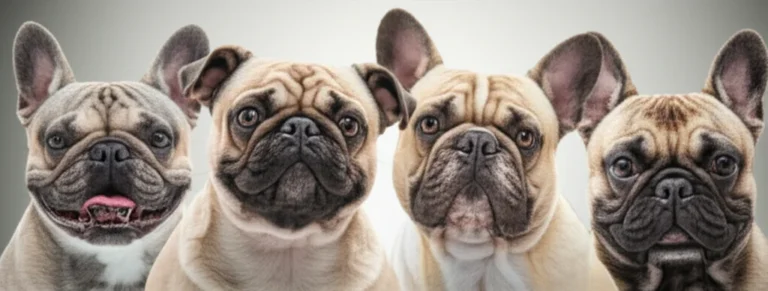
- ✅ Brachycephalic breeds include Pugs, Bulldogs, French Bulldogs, Boston Terriers, Shih Tzus, and more. They have shortened muzzles that cause breathing challenges.
- ❌ Many airlines ban or restrict these breeds from flying in the cargo hold due to respiratory risks.
- ✅ Flying in-cabin is usually safer if your dog fits under the seat and the airline allows it.
- ✅ Always get a veterinary health check before travel, ideally with a BOAS (Brachycephalic Obstructive Airway Syndrome) assessment.
- ❌ Avoid sedatives or tranquilizers — they can worsen breathing problems mid-flight.
- ✅ Use a larger-than-usual crate to improve airflow and comfort.
- ✅ Plan flights during cooler parts of the day and avoid extreme temperatures.
- ✅ Acclimate your dog to the crate well before travel to reduce stress.
For a deep dive into the breeds themselves, check out our related article on 27 Irresistible Flat-Faced Dog Breeds to Know in 2025 🐾.
Ready to unpack why airlines are so cautious? Let’s dig in!
🐾 The Snub-Nosed Story: A Brief History of Brachycephalic Breeds and Their Unique Challenges
Ever wonder why these adorable little faces look the way they do? The story of brachycephalic dogs is a fascinating mix of selective breeding, human preference, and unintended health consequences.
The Origins of the Flat Face
Brachycephalic breeds were selectively bred for their shortened skulls and noses, which give them that smooshed, “snub-nosed” look we adore. Breeds like the English Bulldog and Pug were popularized centuries ago for their unique appearance and charming personalities.
The Trade-Off: Cute vs. Complicated
While their looks are undeniably cute, the compressed anatomy means their nasal passages, sinuses, and airways are crowded into a smaller space. Imagine trying to breathe through a straw — that’s what it’s like for many of these pups, especially under stress or exertion.
Why This Matters for Air Travel
The unique physiology of brachycephalic dogs makes them vulnerable to respiratory distress, especially in environments like airplanes where oxygen levels, temperature, and stress can fluctuate dramatically. Airlines have had to adapt their policies to protect these breeds — more on that soon!
🚫 Why Airlines Pump the Brakes: Understanding the Risks for Brachycephalic Dogs in Air Travel
Airlines aren’t just being picky — they’re responding to very real risks. Here’s the lowdown on why your snub-nosed buddy might not be welcome in the cargo hold.
1. The Perilous Physiology: Why Flat Faces Struggle with Flight
Brachycephalic dogs have:
- Narrowed nostrils (stenotic nares)
- Elongated soft palate that can block airways
- Narrowed windpipe (trachea)
These factors cause inefficient breathing and make it harder for them to cool off by panting — a big deal at high altitudes or in confined spaces. The American Veterinary Medical Association (AVMA) highlights that these dogs are disproportionately represented in airline pet deaths due to these anatomical challenges. Source: AVMA
2. The High-Altitude Hazard: Oxygen Deprivation and Respiratory Distress
Cargo holds are pressurized but not to the same level as passenger cabins. This means lower oxygen levels and less optimal air circulation, which can exacerbate breathing difficulties for brachycephalic dogs. Without immediate monitoring, a dog can quickly go into distress.
3. Temperature Troubles: Overheating in Cargo Holds Snub-nosed dogs are prone to overheating because they can’t pant efficiently. Cargo holds can experience temperature swings, especially during summer or winter, increasing the risk of heatstroke or hypothermia.
4. Stress and Anxiety: The Hidden Dangers of Travel
Travel is stressful for any pet, but for brachycephalic breeds, stress can trigger airway collapse or worsen breathing issues. The lack of human presence in cargo means no one can intervene if your pup starts struggling.
5. Airline Liability and Reputation: Why Safety Comes First
After several tragic incidents involving snub-nosed dogs, airlines like United, Delta, and Swiss have tightened or banned these breeds from cargo travel. It’s about protecting pets, passengers, and the airline’s reputation.
🐶 What Exactly is a Brachycephalic Dog? Unpacking the “Snub-Nosed” Definition
Let’s get technical for a moment. The term brachycephalic comes from Greek roots meaning “short head.” These breeds have a skull shape that’s wider and shorter than average.
Common Brachycephalic Breeds
| Breed | Distinctive Features | Common Issues |
|---|---|---|
| Pug | Round head, large eyes | Breathing, eye injuries |
| French Bulldog | Bat ears, compact body | Respiratory distress |
| English Bulldog | Wrinkled face, pushed-in nose | BOAS, overheating |
| Boston Terrier | Square muzzle, tuxedo markings | Respiratory and dental issues |
| Shih Tzu | Short muzzle, long coat | Breathing, dental problems |
| Pekingese | Flat face, abundant coat | Breathing, eye problems |
For a full list and detailed profiles, check out our flat-faced dog breeds guide.
✈️ Navigating the Skies: Which Airlines Allow Snub-Nosed Dogs (and Under What Conditions)?
Now, the million-dollar question: Can your snub-nosed dog fly? The answer depends heavily on the airline, the breed, and the conditions.
1. Major Airline Policies: A Snapshot of Restrictions
| Airline | Snub-Nosed Dogs Allowed? | Conditions |
|---|---|---|
| United Airlines | ❌ No in cargo since 2018 | Only in-cabin if small enough |
| Delta Airlines | ❌ No in cargo | In-cabin allowed with restrictions |
| Lufthansa | ✅ Yes, in-cabin or manifest cargo | Strict crate size and health certificate required |
| KLM | ❌ No Pugs, Bulldogs, Boston Terriers in cargo | In-cabin allowed if under seat |
| Swiss | ❌ No snub-nosed dogs in cargo | In-cabin only |
| EL AL | Check case-by-case | Requires vet certificate and crate compliance |
Policies are subject to change; always check the airline’s official pet policy before booking.
2. Cabin vs. Cargo: Where Can Your Flat-Faced Friend Fly?
- In-cabin: The safest option for brachycephalic dogs. Your pup stays with you, reducing stress and allowing monitoring.
- Cargo hold: Riskier due to temperature, pressure, and lack of supervision. Many airlines ban snub-nosed breeds here.
3. Temperature Embargoes: The Hot and Cold Truth
Many airlines impose temperature embargoes — no pet travel if outside a safe temperature range (often 45°F to 85°F). This is crucial for brachycephalic breeds who can’t regulate heat well.
4. Service Animals vs. Pets: A Crucial Distinction
Service dogs with brachycephalic traits may have different rules, often allowed in-cabin with documentation. However, airlines still prioritize safety and may require additional vet clearance.
🚨 My Airline Says “No!”: What Are Your Alternatives for Traveling with Your Short-Nosed Dog?
If your airline won’t budge, don’t despair. There are other ways to get your snub-nosed buddy where they need to go.
1. Hitting the Road: Car Travel with Your Brachycephalic Buddy
Road trips offer control over environment and breaks for fresh air. Keep windows cracked, use air conditioning, and never leave your dog unattended in a parked car.
2. Riding the Rails: Train Travel Considerations
Some train services allow pets onboard, often with fewer restrictions. Check policies carefully, as not all trains permit pets or have size limits.
3. Professional Pet Transport Services: A Specialized Solution
Companies like IPATA members specialize in safe pet relocation. They understand breed-specific needs and can arrange climate-controlled transport.
4. Staying Home: Pet Sitters and Boarding Options
If travel isn’t urgent, consider trusted pet sitters or boarding facilities near your destination. This can reduce stress and risk for your dog.
🩺 Pre-Flight Prep for Your Flat-Faced Friend: Essential Health and Safety Tips
Preparation is everything. Here’s how to get your snub-nosed pal ready for takeoff.
1. The All-Important Vet Check-Up: BOAS Assessment and Clearance
Visit your vet for a thorough exam focused on Brachycephalic Obstructive Airway Syndrome (BOAS). Your vet can advise if your dog is fit to fly and provide a health certificate required by airlines.
2. Crate Training and Acclimation: Making the Carrier a Safe Space
Start crate training weeks ahead. Use positive reinforcement to help your dog associate the crate with comfort and safety. This reduces anxiety on travel day.
3. Hydration and Feeding: What to Do Before Takeoff
- Offer water up to a few hours before the flight.
- Avoid heavy meals right before travel to reduce nausea.
- Never sedate your dog — sedation can worsen breathing problems.
4. Avoiding Sedation: Why It’s a Big No-No for Brachycephalic Breeds
Sedatives can depress respiration and increase the risk of airway obstruction. The AVMA strongly advises against tranquilizing pets for air travel. Learn more.
📋 The Brachycephalic Roll Call: A Comprehensive List of Snub-Nosed Dog Breeds Affected by Travel Restrictions
Here’s the who’s who of flat-faced breeds that airlines often restrict or ban from cargo travel:
| Breed | Typical Airline Status |
|---|---|
| Pug | Usually banned in cargo |
| French Bulldog | Usually banned in cargo |
| English Bulldog | Usually banned in cargo |
| Boston Terrier | Usually banned in cargo |
| Shih Tzu | Often restricted |
| Pekingese | Often restricted |
| Lhasa Apso | Often restricted |
| Boxer | Sometimes restricted |
| Japanese Chin | Sometimes restricted |
| English Toy Spaniel | Sometimes restricted |
| Chow Chow | Sometimes restricted |
| Shar-Pei | Sometimes restricted |
Many airlines also consider mixed breeds with brachycephalic traits as part of these restrictions. Always check with your airline.
⚖️ The Ethical Dilemma: Balancing Travel Needs with Your Pet’s Well-being
We get it — sometimes you have to travel with your dog. But at what cost? The safety and comfort of your flat-faced friend must come first.
- Is the trip necessary? Could you postpone or find alternatives?
- Can you fly in-cabin? This is the safest option.
- Are you prepared for emergencies? Know the signs of respiratory distress.
- Is your dog healthy enough? Consult your vet honestly.
At Snubby Puppy™, we believe informed decisions and preparation are the keys to happy travels. Your pup’s health and happiness are worth every extra step.
If you want to explore more about pet travel safety, check out our Behavior Analysis category for tips on managing stress and anxiety in dogs during travel.
Stay tuned for the conclusion, recommended links, FAQs, and references — we’re just getting started!
💡 Conclusion: Making Informed Decisions for Your Snub-Nosed Companion
Phew! We’ve journeyed through the fascinating world of snub-nosed dogs and air travel — from their adorable but complex anatomy to the strict airline policies designed to keep them safe. At Snubby Puppy™, we’ve learned that knowledge and preparation are your best co-pilots when flying with these flat-faced friends.
Here’s the bottom line: Airlines restrict or ban brachycephalic breeds from cargo travel because of very real risks — respiratory distress, overheating, and lack of monitoring in the hold. Flying in-cabin is the safest option if your dog meets size and health requirements, but even then, thorough vet checks and crate acclimation are essential.
If your airline says “no,” don’t despair. Alternatives like car travel, professional pet transport services, or trusted pet sitters can keep your pup safe and stress-free.
Remember, your dog’s health and comfort always come first. Sometimes that means making tough choices or planning ahead more carefully — but the peace of mind is worth it.
We hope this guide has cleared the air on why airlines are cautious about snub-nosed dogs and how you can navigate those restrictions with confidence. Your flat-faced buddy deserves the best care — whether on the ground or in the clouds!
🔗 Recommended Links for Pet Travel Resources
Looking to gear up for your pup’s next adventure? Here are some trusted products and resources we recommend:
-
Sleepypod Air In-Cabin Pet Carrier: Designed for airline-approved in-cabin travel with excellent ventilation and comfort.
👉 Shop Sleepypod Air on: Amazon | Chewy | Sleepypod Official Website -
Petmate Sky Kennel Flight Crate: Airline-approved hard crate with ventilation on all sides, ideal for larger dogs or when cargo travel is permitted.
👉 Shop Petmate Sky Kennel on: Amazon | Chewy | Petmate Official Website -
“The Complete Guide to Pet Travel” by Marybeth Ellis: A comprehensive book covering everything from airline policies to pet health during travel.
Find on Amazon: The Complete Guide to Pet Travel -
IPATA (International Pet and Animal Transportation Association): Find professional pet relocation services worldwide.
Visit: https://www.ipata.org/
❓ FAQ: Your Top Questions About Flying with Brachycephalic Dogs Answered
What are the risks of flying with a snub-nosed dog?
Snub-nosed dogs face increased risks of respiratory distress due to their compressed airways. The cargo hold’s lower oxygen levels, fluctuating temperatures, and lack of monitoring can cause breathing difficulties, overheating, or even fatal outcomes. Stress and anxiety during travel can worsen these issues. The AVMA reports that brachycephalic breeds are disproportionately represented in pet deaths during air travel. Always consult your vet and consider in-cabin travel to mitigate risks.
Read more about “27 Irresistible Flat-Faced Dog Breeds to Know in 2025 🐾”
Can snub-nosed dogs fly in cargo on planes?
Most major airlines prohibit brachycephalic breeds from flying in the cargo hold due to safety concerns. Airlines like United, Delta, Swiss, and KLM have banned or heavily restricted these breeds in cargo. Exceptions exist but are rare and come with strict conditions, such as temperature embargoes and health certifications. Flying in-cabin is generally the preferred and safer option for these breeds.
Read more about “Flying Snub-Nosed Dogs in Cargo: Airline Guide (2025) ✈️”
Why are pugs and bulldogs considered high-risk for air travel?
Pugs and bulldogs have anatomical features like narrowed nostrils, elongated soft palates, and compressed tracheas that make breathing inefficient. These features cause them to struggle with oxygen intake and heat regulation, especially in stressful or confined environments like airplanes. Their risk of airway collapse or heatstroke is significantly higher than longer-nosed breeds, leading airlines to restrict their travel options.
Are there any airlines that allow snub-nosed breeds in the cabin?
Yes! Many airlines allow snub-nosed dogs to fly in the cabin, provided they meet size and carrier requirements. Airlines such as Lufthansa, KLM, and some US carriers permit in-cabin travel for these breeds, often with a health certificate and advance notice. Always check the specific airline’s pet policy, as rules and fees vary widely.
Read more about “15 Essential Snub-Nosed Dogs Airlines Rules & Tips (2025) ✈️”
How can I prepare my snub-nosed dog for air travel?
- Schedule a vet check-up with a focus on respiratory health and obtain a health certificate.
- Crate train your dog weeks in advance to reduce stress.
- Use an airline-approved carrier that is slightly larger than your dog to improve airflow.
- Avoid sedatives or tranquilizers.
- Travel during cooler parts of the day and avoid extreme weather.
- Keep your dog hydrated but avoid heavy meals before the flight.
Read more about “United Airlines Snub-Nosed Dogs: 10 Essential Travel Tips 🐶✈️”
What should I do if my airline won’t allow my snub-nosed dog to fly?
Consider alternatives such as:
- Traveling by car or train where possible.
- Using a professional pet transport service like those affiliated with IPATA.
- Arranging for pet sitters or boarding near your destination.
- Planning trips that minimize the need for air travel.
📚 Reference Links and Further Reading
- American Veterinary Medical Association (AVMA) – Air Travel and Short-Nosed Dogs FAQ
- Pets2Fly – Flying A Snub-nosed Dog – Making It Possible
- International Pet and Animal Transportation Association (IPATA) – https://www.ipata.org/
- United Airlines Pet Policy – https://www.united.com/en/us/fly/travel/accessibility-and-assistance/service-animals.html
- Delta Airlines Pet Policy – https://www.delta.com/us/en/pet-travel/overview
- Lufthansa Pet Policy – https://www.lufthansa.com/us/en/travelling-with-animals
- KLM Pet Policy – https://www.klm.com/information/pets
We hope this guide helps you and your snub-nosed companion take to the skies safely and confidently! 🐶✈️