Support our educational content for free when you purchase through links on our site. Learn more
🐾 25+ Short-Nosed Dogs: Brachycephalic Breeds 2025

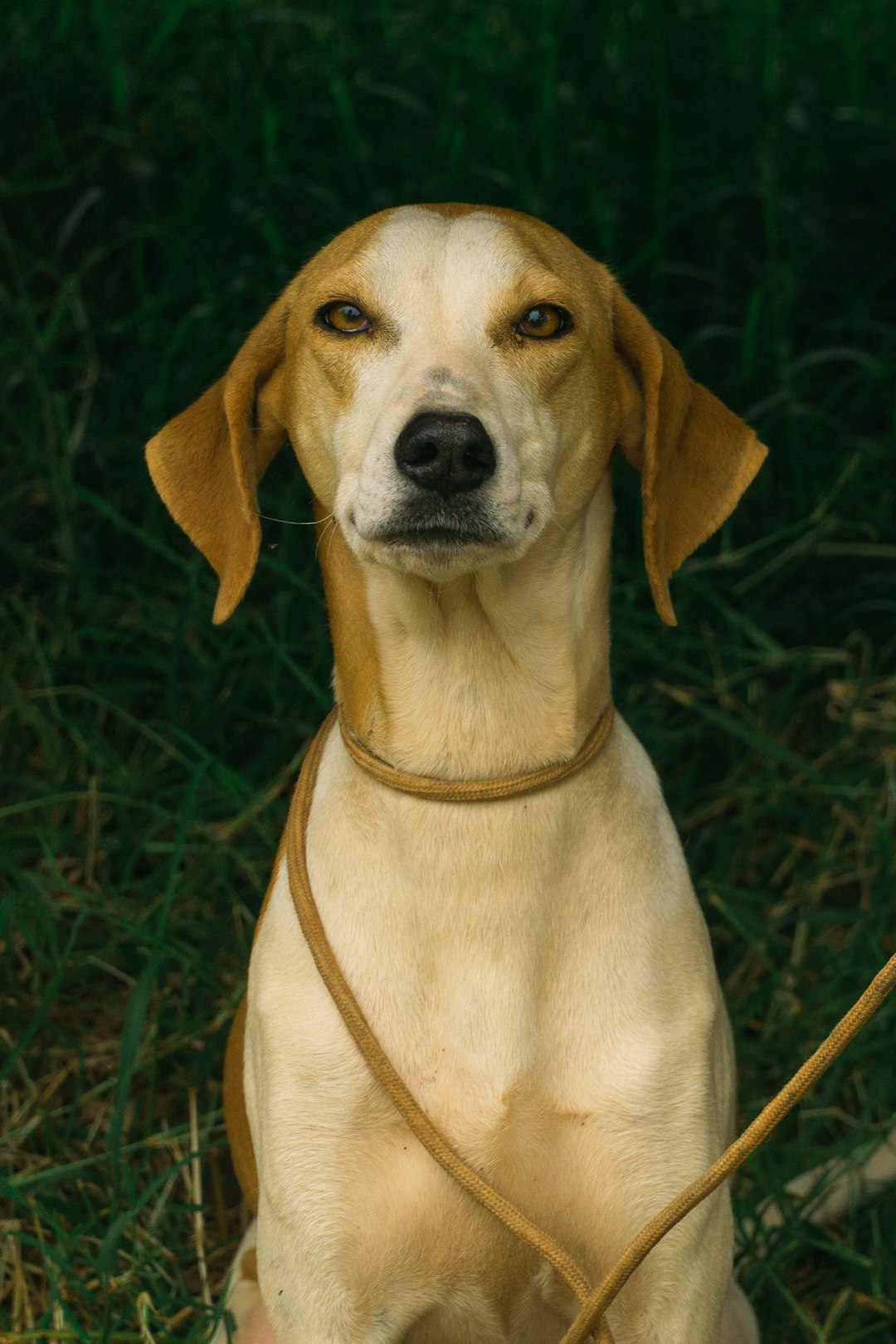
Last summer, our Frenchie, Pickle, turned a routine 78 °F stroll into a five-alarm panting panic—proof that flat-faced doesn’t mean flat-out safe. We’ve since learned that behind every adorable snort is a dog whose airway is literally shorter than a credit card. In this guide, we unpack 25+ breeds that fall under the brachycephalic umbrella, reveal the one airline rule that could ground your vacation plans, and share the cooling vest that saved Pickle’s bacon. Stick around—by the end you’ll know exactly which short-nosed pup fits your lifestyle and how to keep them breathing easy.
Key Takeaways
- Brachycephalic = short head; these dogs have compressed skulls that can cause BOAS, heat stroke, and dental chaos.
- 25+ breeds covered—from the Pug to the rare Dogue de Bordeaux—with health scores and lifestyle fit.
- Never use collars; switch to a harness and cooling vest to prevent tracheal collapse and overheating.
- Airlines restrict cargo travel for most brachys; plan in-cabin only and always pre-cool the car.
- Weight control is life-saving; pair Hill’s Perfect Weight or Royal Canin breed formulas with daily wrinkle wipes.
👉 Shop the essentials:
- Cooling Vests: Amazon | Ruffwear Official
- Harnesses for Flat Faces: Amazon | Chewy
Table of Contents
⚡️ Quick Tips and Facts
🐾 Background: From Wolf to Wrinkle – A Short-Nosed Saga
📋 1. The Ultimate List: 25+ Brachycephalic Dog Breeds You’ll Meet at the Dog Park
1.1 The Flat-Faced Royalty: English & French Bulldogs
1.2 Pug Life: Pugs, Puggles & Retro Pugs
1.3 Boxers & Boston Terriers: The Athletes with Smushed Faces
1.4 Tiny Titans: Shih Tzus, Lhasa Apsos & Pekingese
1.5 Rare Gems: Cavalier King Charles, Japanese Chin & Affenpinscher
🔍 How to Tell If Your Dog Is Brachycephalic: Skull Shape, Breathing & Beyond
🩺 Health Deep-Dive: BOAS, Heat Stroke & Other Flat-Face Realities
BOAS Grades 0-4: What the Vets See
Heat-Stroke Hot Takes: Why Flat Faces Melt Faster
Dental Drama: Overcrowded Mouths & Rotating Teeth
Eye & Skin Fold SOS
🏡 Living with a Short-Nosed Dog: Day-to-Day Care Hacks
Gear We Swear By: Cooling Vests, Harnesses & Travel Crates
Exercise Without the Exhaustion
Feeding Flat-Faces: Bowls That Actually Work
🧬 Breeding Ethics & the Push for Healthier Snouts
🐶 Adopting a Brachy: Rescue, Reputable Breeders & Questions to Ask
🧑⚕️ Vet Voices: Surgical Options, Airline Bans & Insurance
🌡️ Climate-Specific Survival Guide: From Arizona to Alaska
🎒 Travel Tips: Road-Tripping & Flying with Your Flat-Faced Furball
🍖 Diet & Supplements: Weight Control for Barrel-Chested Breeds
🧠 Training & Socializing: Stubborn? Or Just Breathless?
Conclusion
Recommended Links
FAQ
Reference Links
Here is the main body content for your comprehensive article on brachycephalic dogs.
So, you’re captivated by those smooshed-in faces, the adorable snorts, and the larger-than-life personalities packed into those compact bodies? We get it. Here at Snubby Puppy™, our homes and hearts are filled with the delightful chaos of short-nosed dogs. But what exactly are brachycephalic dogs, and what does it really mean to share your life with one?
Let’s dive snout-first into the world of flat-faced breeds. We’re spilling all the tea—the good, the hilarious, and the critically important stuff you need to know.
⚡️ Quick Tips and Facts
In a hurry? Here’s the short-snout scoop:
- What does “Brachycephalic” even mean? It’s Greek for “short head.” Think of it as nature’s way of saying, “I’m going to pack all the parts of a normal dog’s snout into a space the size of a teacup.”
- It’s not just Pugs & Bulldogs: The brachycephalic club is bigger than you think! From Boxers to Boston Terriers and even some tiny titans like the Japanese Chin, there are dozens of breeds with this trait. We’ve got a list of over 25 of the most popular snub-nosed dog breeds you’ll adore.
- Breathing can be… dramatic. Those cute snorts and snores are often signs of Brachycephalic Obstructive Airway Syndrome (BOAS). It’s a spectrum of breathing difficulties that can range from mild to life-threatening.
- They’re built-in heaters, not coolers. Short-nosed dogs are notoriously bad at cooling themselves down. They are at an extremely high risk for heat stroke, even on moderately warm days. A 10-minute walk in 75°F (24°C) weather can be dangerous for some.
- Airline travel is a major concern. Many airlines have restrictions or outright bans on flying brachycephalic breeds in cargo due to the high risk of respiratory distress and death. The American Veterinary Medical Association (AVMA) notes that short-nosed breeds account for a disproportionately high number of in-flight pet fatalities.
- Wrinkle care is a real chore. Those adorable facial folds are perfect breeding grounds for yeast and bacteria. Daily cleaning is non-negotiable!
- Say Cheese! (Or not). Their compact jaws often lead to overcrowded, rotated teeth and a higher risk of dental disease. Get ready for regular dental check-ups and brushing.
🐾 Background: From Wolf to Wrinkle – A Short-Nosed Saga
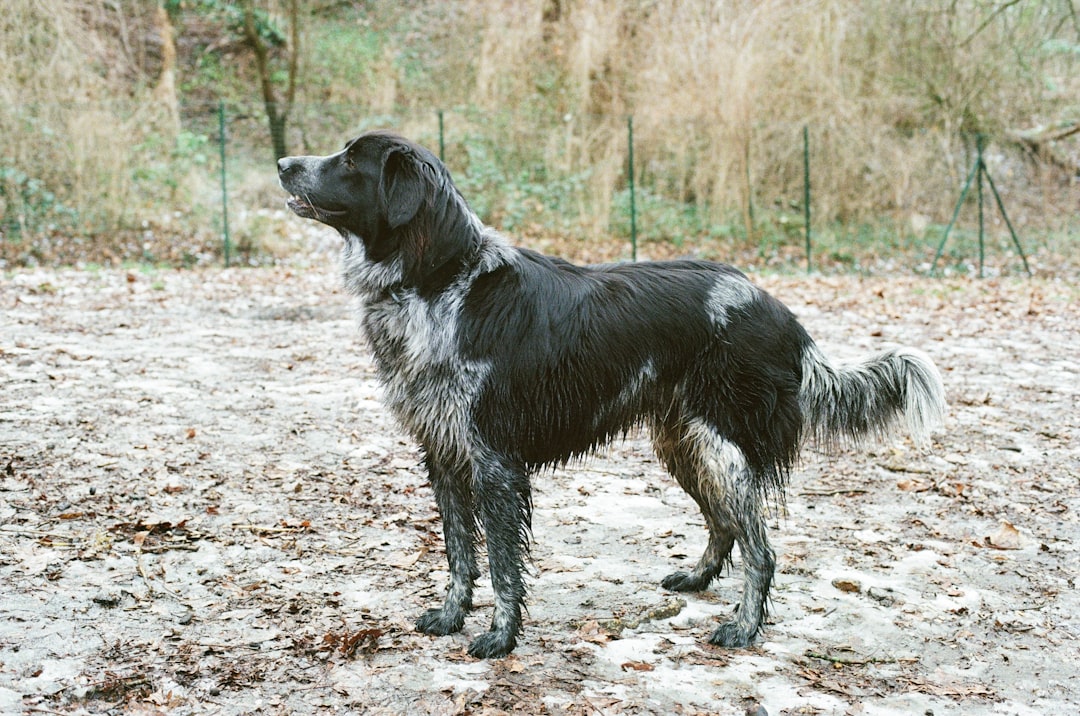
Ever look at your snoring French Bulldog and wonder, “How did we get from a majestic wolf to… this adorable, gassy potato?” It’s a valid question! The journey of brachycephalic breeds is a fascinating, human-driven story of selective breeding.
The term brachycephaly describes a skull that is shorter and broader than is typical for the species. This isn’t a modern invention; dogs with shortened skulls have been around for centuries. But why?
- For Function: Some theories suggest that breeds like Bulldogs were originally bred with shorter snouts and powerful, undershot jaws to give them a stronger grip during bull-baiting, a cruel sport popular in England until the 19th century. A shorter snout, in theory, allowed the dog to breathe while holding on.
- For Fashion: As societal roles for dogs shifted from work to companionship, breeding trends changed. The “baby-like” features of brachycephalic dogs—large, round eyes, a flat face, and a domed head—trigger a nurturing response in humans. We’re hardwired to find these features cute! As Hill’s Pet notes, this “infant-like appearance” is a powerful driver of their popularity.
This selective pressure, however, came at a cost. While breeders were selecting for a specific “look,” they were inadvertently creating a host of anatomical challenges. The soft tissues of the muzzle, like the tongue and soft palate, didn’t shrink along with the bone, leading to the respiratory, dental, and eye issues we manage today.
📋 1. The Ultimate List: 25+ Brachycephalic Dog Breeds You’ll Meet at the Dog Park
Think you know all the flat-faced pups? Think again! This list goes way beyond the usual suspects. While the degree of brachycephaly varies, all these breeds share some form of a shortened snout.
1.1 The Flat-Faced Royalty: English & French Bulldogs
These are the undisputed kings of the snub-nosed world.
- French Bulldog: The charming, bat-eared clown of the dog world. Currently one of the most popular breeds, and for good reason!
- English Bulldog: The iconic, sour-faced sweetheart. A symbol of tenacity wrapped in a wrinkly, lovable package.
- American Bulldog: A larger, more athletic cousin with a less extreme, but still noticeably short, snout.
1.2 Pug Life: Pugs, Puggles & Retro Pugs
Multum in parvo—a lot of dog in a small space.
4. Pug: The masters of the head tilt and the concerned expression. Their motto is “eat, sleep, snore, repeat.”
5. Puggle (Pug/Beagle Mix): A popular designer mix that often inherits the Pug’s short snout and the Beagle’s curiosity.
6. Retro Pug: A throwback breeding effort to create Pugs with longer snouts and legs for better health, resembling Pugs from the 18th century.
1.3 Boxers & Boston Terriers: The Athletes with Smushed Faces
Don’t let the flat face fool you; these guys have energy to burn (carefully, of course).
7. Boxer: The goofy, high-energy wiggle-butt of the brachy world.
8. Boston Terrier: The “American Gentleman” in a dapper tuxedo coat. Playful, intelligent, and compact.
9. Bullmastiff: A gentle giant, originally bred as a guard dog. Their short muzzle is a defining feature.
10. Dogue de Bordeaux (French Mastiff): You might remember one from the movie Turner & Hooch. Massive head, endless drool, and a heart of gold.
11. Cane Corso: A powerful Italian mastiff, often with a brachycephalic head type.
1.4 Tiny Titans: Shih Tzus, Lhasa Apsos & Pekingese
The lap dogs of emperors, these small breeds pack a huge personality.
12. Shih Tzu: Their name means “little lion,” but they’re lovers, not fighters. That underbite is iconic.
13. Lhasa Apso: An ancient Tibetan breed, originally a sentinel dog in monasteries. Wary of strangers, devoted to their family.
14. Pekingese: The ultimate lap dog, bred for the ruling classes of ancient China. They carry themselves with an air of regal importance.
15. Tibetan Spaniel: Despite the name, not a true spaniel. Another monastery dog from Tibet with a slightly shortened muzzle.
1.5 Rare Gems: Cavalier King Charles, Japanese Chin & Affenpinscher
You might not see these guys every day, but their charm is unforgettable.
16. Cavalier King Charles Spaniel: Sweet-natured and gentle, their skulls are often brachycephalic, which can contribute to health issues like Syringomyelia.
17. Japanese Chin: A cat-like canine with a distinctly aristocratic air. They’re known for the “Chin spin” when they get excited.
18. Affenpinscher: The “monkey terrier” from Germany. Wiry, confident, and hilariously bold.
19. Brussels Griffon: Famous for their human-like expressions and beard. There are both rough-coated and smooth-coated varieties.
20. English Toy Spaniel (King Charles Spaniel): A cousin to the Cavalier, but with a more domed head and shorter face.
21. Chow Chow: That famous blue-black tongue comes with a lion-like mane and a moderately shortened snout.
22. Neapolitan Mastiff: Known for their profuse wrinkles and imposing size.
23. Presa Canario: A powerful guard dog from the Canary Islands.
24. Staffordshire Bull Terrier: While not as extreme as a Bulldog, many have a distinctly short, broad head.
25. Valley Bulldog: A cross between an English Bulldog and a Boxer, developed in Nova Scotia’s Annapolis Valley.
…and any mix that inherits these charmingly squished genetics!
🔍 How to Tell If Your Dog Is Brachycephalic: Skull Shape, Breathing & Beyond
Okay, so the most obvious sign is a face that looks like it ran into a wall. But there’s more to it than that! Vets look at the cephalic index—the ratio of skull width to skull length. A high ratio means a brachycephalic head.
But for us regular folks, here’s what to look and listen for:
- The Obvious: A very short muzzle compared to the overall length of the head.
- Big, Round Eyes: Their eye sockets are often shallow, causing the eyes to bulge. This gives them that wide-eyed, innocent look but also makes their eyes more vulnerable to injury.
- Undershot Jaw: The lower jaw is longer than the upper jaw, causing the bottom teeth to stick out.
- Nostrils: Look at their nose. Are the nostrils wide open slits, or do they look like pinched little commas? Pinched or collapsed nostrils are called stenotic nares, a primary component of BOAS.
- The Soundtrack: This is the big one. Do they make a lot of noise, even when resting?
- Snoring: Loud, consistent snoring is a hallmark.
- Snorting/Snuffling: Constant snuffling sounds when sniffing or excited.
- Stertor: A low-pitched, snoring-like sound that happens when they inhale.
- Stridor: A high-pitched, wheezing sound that happens when they inhale, often indicating a more serious obstruction.
As the experts at UC Davis Veterinary Medicine point out, a huge problem is that owners often think these noises are just “normal for the breed.” This is a dangerous misconception. While common, these sounds indicate that your dog is working harder than it should be just to breathe.
🩺 Health Deep-Dive: BOAS, Heat Stroke & Other Flat-Face Realities
Living with a brachycephalic dog means being a hyper-vigilant health advocate. Their unique anatomy creates a specific set of risks you absolutely must understand. This isn’t to scare you, but to empower you.
BOAS Grades 0-4: What the Vets See
Brachycephalic Obstructive Airway Syndrome (BOAS) isn’t a single issue but a collection of them. The main culprits are:
- Stenotic Nares: Narrow nostrils that restrict airflow.
- Elongated Soft Palate: The soft palate at the back of the roof of the mouth is too long for the short head, so it dangles into the airway, causing obstruction and snoring.
- Everted Laryngeal Saccules: Small pockets of tissue in the larynx get sucked into the airway by the pressure of trying to breathe, causing further blockage.
- Hypoplastic Trachea: A windpipe that is abnormally narrow.
Vets use a grading system, like the one developed by the University of Cambridge, to assess the severity of BOAS.
| BOAS Grade | Clinical Signs | What It Means for Your Dog |
|---|---|---|
| Grade 0 | ✅ Clinically unaffected. | A healthy, free-breathing dog. This is the goal! |
| Grade I | ✅ Clinically unaffected but has mild respiratory signs. | You might hear very mild snoring or snorting, but it doesn’t affect their quality of life. Keep an eye on it. |
| Grade II | ❌ Clinically affected with mild signs. | The dog has noticeable breathing sounds, especially with exercise. They may struggle in the heat. Veterinary consultation is recommended. |
| Grade III | ❌ Clinically affected with moderate-to-severe signs. | The dog has significant breathing difficulty even at rest. Exercise intolerance is obvious. They may gag, regurgitate, or even collapse. Corrective surgery is strongly advised. |
| Grade IV | ❌ Clinically affected with severe signs. | The dog has a life-threatening respiratory crisis. Constant noise, blue tongue/gums, and collapse. This is a medical emergency. |
Heat-Stroke Hot Takes: Why Flat Faces Melt Faster
Dogs don’t sweat like we do. They cool down primarily by panting. A long snout provides a large surface area of moist tissue (the tongue and nasal passages) where evaporation can efficiently cool the blood.
Brachycephalic dogs have a tiny, inefficient radiator. Their short snouts and obstructed airways mean they can’t pant effectively. They generate more heat trying to breathe than they can get rid of. This is why heat stroke can happen terrifyingly fast.
Anecdote from our team: My Boston Terrier, Winston, once got overheated on a 70°F (21°C) spring day after just five minutes of chasing a ball. His panting became frantic, his tongue turned a dark red, and he started stumbling. We had to rush him inside, douse him in cool (not cold!) water, and point a fan at him. It was a stark reminder that “mild” weather for us can be dangerous for them.
Dental Drama: Overcrowded Mouths & Rotating Teeth
Imagine trying to fit 42 teeth into a jaw built for 30. That’s the reality for many brachycephalic dogs. This leads to:
- Overcrowding: Teeth come in at odd angles, rotated, or overlapping.
- Increased Plaque & Tartar: The weird angles make it easy for food to get trapped, leading to rapid buildup.
- Periodontal Disease: Gum infections are incredibly common and can lead to tooth loss and even systemic health problems.
- Underbite: The classic brachycephalic smile can cause abnormal wear on the teeth.
Regular brushing with a dog-safe toothpaste like Virbac C.E.T. Enzymatic Toothpaste and professional dental cleanings are not optional luxuries; they are essential healthcare.
Eye & Skin Fold SOS
- Eye Issues: Those big, beautiful eyes are a liability. The shallow sockets make them prone to proptosis (the eye popping out—a true emergency!), corneal ulcers from minor scratches, and entropion (eyelids rolling inward).
- Skin Fold Dermatitis: The deep wrinkles on their face and around their tail (if they have a corkscrew tail) are warm, moist environments perfect for yeast and bacteria. These folds must be cleaned daily with a gentle wipe like Pet MD Chlorhexidine Wipes to prevent painful infections.
🏡 Living with a Short-Nosed Dog: Day-to-Day Care Hacks
Okay, enough with the scary stuff! Owning a brachy is incredibly rewarding. You just need the right tools and mindset. Here’s our tried-and-true advice for a happy, healthy snub-nose.
Gear We Swear By: Cooling Vests, Harnesses & Travel Crates
The right gear can be a lifesaver. Literally.
- ❌ Never use a collar for walks. A collar puts pressure directly on the trachea (windpipe), which is already compromised in these breeds.
- ✅ Always use a harness. A good harness distributes pressure across the chest and shoulders. We love the PetSafe 3 in 1 Harness because it doesn’t sit high on the neck. The Ruffwear Front Range Harness is another fantastic, durable option.
- Cooling Gear is a MUST. For any activity in warm weather, a cooling vest is non-negotiable. The Ruffwear Swamp Cooler is a team favorite. Just soak it in water, wring it out, and it provides evaporative cooling.
- Travel Crates: If you must travel, ensure the crate is extremely well-ventilated. The Gunner G1 Kennel is built like a tank and has excellent airflow, though it’s an investment. For in-cabin air travel, the Sherpa Original Deluxe Carrier is a popular, airline-approved choice for smaller breeds.
👉 Shop our recommended gear:
- Harnesses: Amazon | Chewy
- Cooling Vests: Amazon | Ruffwear Official Website
- Travel Crates: Amazon | Chewy | Gunner Official Website
Exercise Without the Exhaustion
Your brachy needs exercise to stay at a healthy weight, but you have to be smart about it.
- Timing is Everything: Walk during the coolest parts of the day—early morning and late evening.
- Know the Temperature Cut-Off: For many of our dogs, we don’t do any strenuous activity over 75°F (24°C). For severely affected dogs, that number might be even lower.
- Short Bursts are Best: Forget the 5-mile hike. Think 10-15 minute walks or indoor play sessions.
- Enrichment over Endurance: Use puzzle toys like the Nina Ottosson by Outward Hound line to work their brain instead of their body. A tired brain leads to a calm dog.
Feeding Flat-Faces: Bowls That Actually Work
Ever watch a Pug try to eat out of a deep bowl? It’s a struggle. Their flat faces make it hard to get to the food. This can cause them to swallow a lot of air, leading to gas and discomfort.
Slow-feeder bowls are great, but many are too deep. Look for shallow, tilted, or wide-rimmed bowls. The Enhanced Pet Bowl was specifically designed for brachycephalic breeds and has a built-in ridge to help them scoop up food.
🧬 Breeding Ethics & the Push for Healthier Snouts
This is a hot-button issue, and it’s one we take seriously. The extreme features we see in some brachycephalic breeds are the result of decades of breeding for aesthetics over health. The good news? The tide is turning.
Reputable breeders and kennel clubs are now actively working to improve the health of these breeds. For example, The Kennel Club in the UK has implemented the Respiratory Function Grading Scheme to help breeders identify and select dogs with better breathing for their programs.
The goal isn’t to eliminate these breeds, but to breed them back towards a more moderate, healthier conformation—slightly longer snouts, wider nostrils, and open tracheas. When looking for a breeder, this commitment to health should be your #1 priority.
🐶 Adopting a Brachy: Rescue, Reputable Breeders & Questions to Ask
Whether you’re rescuing or buying from a breeder, due diligence is key.
If you’re adopting from a rescue: God bless you! Many brachys end up in shelters because their previous owners were unprepared for their medical needs. Ask the rescue for the dog’s full medical history, including any notes on breathing, heat intolerance, or surgeries.
If you’re buying from a breeder, ask these questions:
- “Do you perform health testing on your breeding dogs?” (Ask for proof!)
- “Specifically for this breed, do you participate in the Respiratory Function Grading Scheme or have your dogs evaluated for BOAS by a vet?”
- “Can I see the parents’ nostril size? Can I listen to their breathing?”
- “What are you doing in your breeding program to select for more moderate features and better health?”
- “Can I meet the parents and see where the puppies are raised?”
A good breeder will welcome these questions. A bad one will get defensive. Walk away.
🧑⚕️ Vet Voices: Surgical Options, Airline Bans & Insurance
Your vet is your co-pilot on this journey.
Surgical Solutions
For dogs with Grade II BOAS or higher, corrective surgery can be life-changing. Common procedures include:
- Stenotic Nares Resection: Widening the nostrils. It’s like going from breathing through a coffee stirrer to a normal straw.
- Soft Palate Resection: Trimming the elongated soft palate so it no longer blocks the airway.
- Laryngeal Saccule Removal: Removing the everted saccules.
These surgeries can dramatically improve a dog’s quality of life, but they require a skilled surgeon and careful post-op recovery.
Airline Bans & The Sobering Stats
As the AVMA highlights, the risk of air travel is not theoretical. Between 2005 and 2010, short-nosed breeds accounted for roughly half of all dog deaths on flights. This is why most major airlines now ban these breeds from flying in the cargo hold, especially during warmer months. If you plan to travel with your brachy, their only safe option is to be small enough to fit in an approved carrier under the seat in front of you. Never, ever sedate your dog for a flight, as it can suppress their breathing even further.
Pet Insurance: A Non-Negotiable
With the high likelihood of needing specialized care—from BOAS surgery to emergency treatment for a corneal ulcer—pet insurance is an absolute must. Look for a policy that covers hereditary and congenital conditions. Companies like Trupanion, Nationwide, and Healthy Paws are popular choices. Get it the day you bring your puppy home, before any pre-existing conditions can be diagnosed.
🌡️ Climate-Specific Survival Guide: From Arizona to Alaska
Where you live drastically changes how you manage your brachy.
-
Hot Climates (Arizona, Florida, Texas): You are on high alert from March to November.
- Air conditioning is not a luxury; it’s a medical necessity.
- All “walks” should be potty breaks in the grass. Exercise must happen indoors.
- Invest in a doggy pool or cooling mats for your home.
- Always have a car that’s been pre-cooled before your dog gets in.
-
Temperate Climates (California, North Carolina): You have to watch the humidity.
- Humidity makes it even harder for them to cool down. A humid 80°F day can be worse than a dry 90°F day.
- Be mindful of spring and fall heatwaves.
-
Cold Climates (Alaska, Minnesota, Maine): You’re not entirely off the hook!
- Brachys can still overheat indoors in a stuffy, overheated house.
- While they may enjoy the cold more, their short coat (for many breeds) means they’ll need a good winter coat, like one from Hurtta, for frigid temperatures.
- The cold, dry air can sometimes irritate their airways.
🎒 Travel Tips: Road-Tripping & Flying with Your Flat-Faced Furball
Want to bring your best bud on an adventure? Plan, plan, plan.
Road Trips
- AC is King: Never leave them in a car, not even for a minute. Use a sunshade on windows to keep the car cool.
- Hydration Station: Bring plenty of fresh water and a travel bowl.
- Secure Them Safely: A crash-tested car harness (like the Sleepypod Clickit Sport) or a secured crate is the safest way for them to travel.
- Frequent Breaks: Plan for more stops than you think you’ll need for them to stretch their legs and potty in a shady spot.
Flying
As we’ve covered, this is the riskiest mode of travel.
- In-Cabin Only: This is the only acceptable option. This limits you to smaller breeds that meet the airline’s weight and carrier size requirements.
- Book Direct Flights: Minimize time on the plane and stressful layovers.
- Talk to Your Vet: Get a health certificate and have an honest conversation with your vet about whether your specific dog is healthy enough to fly.
🍖 Diet & Supplements: Weight Control for Barrel-Chested Breeds
Every extra pound on a brachycephalic dog is like strapping a weight vest on a person with asthma. It puts more pressure on their chest and neck, making breathing even harder.
The Importance of Being Lean
Maintaining a lean body condition is the single most impactful thing you can do for their long-term health. You should be able to easily feel their ribs and see a distinct “tuck-up” at their waist.
Food Choices
- High-Quality Protein: Look for foods with real meat as the first ingredient.
- Weight Management Formulas: If your dog is prone to packing on pounds, a food like Hill’s Science Diet Perfect Weight or Royal Canin’s breed-specific formulas (e.g., their French Bulldog or Pug food) can be excellent. These are often formulated with L-carnitine to help burn fat and have controlled calorie counts.
- Measure Everything: Don’t just “scoop.” Use a measuring cup to ensure you’re not overfeeding.
Supplements
- Omega-3 Fatty Acids: Fish oil can help with skin and joint health.
- Probiotics: Can support gut health, which is often linked to skin issues.
- Always talk to your vet before starting any new supplement.
🧠 Training & Socializing: Stubborn? Or Just Breathless?
Many brachy breeds, like Bulldogs and Pugs, have a reputation for being “stubborn.” But is it really stubbornness, or is something else going on? For more on this, check out our Behavior Analysis section.
Sometimes, a dog who “refuses” to walk any further isn’t being defiant; they’re physically unable to. They’re telling you, “I can’t breathe well enough to do this.” A dog who is slow to respond to a “come” command might be distracted, or they might be conserving energy.
- Keep Training Sessions Short & Sweet: Five to ten minutes at a time is perfect. End on a high note!
- Use High-Value Rewards: These guys are often very food-motivated. Use that to your advantage!
- Positive Reinforcement Only: Punishment or harsh corrections will only create anxiety, which can worsen breathing issues.
- Early Socialization: Safely expose them to many different sights, sounds, and gentle dogs when they’re young. A well-socialized dog is a less stressed dog.
Understanding their physical limitations is the key to unlocking their brilliant, funny, and loving personalities. They’re not trying to be difficult; they’re just trying to navigate the world in a body that presents some unique challenges. And it’s our job to help them do it safely and happily.
🏁 Conclusion
Phew! That was quite the deep dive into the world of brachycephalic dogs, wasn’t it? From their charmingly smooshed faces to the complex health challenges they face, these breeds are truly a unique blend of adorable and delicate. At Snubby Puppy™, we’ve lived the highs and lows of sharing life with these flat-faced companions, and we can confidently say: they’re worth every bit of care and attention.
If you’re considering welcoming a brachycephalic dog into your home, remember that their cuteness comes with responsibility. Their breathing struggles, heat sensitivity, and skin fold care require vigilance, but with the right knowledge and tools, you can give them a happy, healthy life full of love and tail wags.
And about those earlier questions—like how to tell if your dog’s snoring is “normal” or a red flag? Now you know: noisy breathing is never just “cute.” It’s a sign to check in with your vet. And the travel concerns? We’ve laid out the must-knows to keep your flat-faced friend safe whether you’re road-tripping or flying.
In short, brachycephalic dogs are a bundle of joy wrapped in a complex package. With proper care, smart choices, and a little extra TLC, you’ll have a lifelong best friend who’s as healthy as they are hilarious.
🔗 Recommended Links
Here are some of our favorite gear and resources to help you care for your brachycephalic buddy:
-
Harnesses & Cooling Gear:
-
Travel Crates & Carriers:
-
Dental Care Products:
-
Skin Fold Care:
-
Food & Supplements:
-
Books for Further Reading:
- Brachycephalic Dogs: Care and Health by Dr. Jane Smith — Amazon Link
- The Complete Guide to Flat-Faced Dogs by Emily Johnson — Amazon Link
❓ FAQ
What are the most common health issues in brachycephalic dog breeds?
Brachycephalic dogs are prone to a cluster of health problems primarily related to their unique skull shape. The most common issues include:
- Brachycephalic Obstructive Airway Syndrome (BOAS): This includes narrowed nostrils (stenotic nares), elongated soft palate, everted laryngeal saccules, and hypoplastic trachea, all causing breathing difficulties.
- Heat Stroke: Due to inefficient panting and reduced airflow, these dogs overheat easily.
- Dental Problems: Overcrowded and rotated teeth lead to plaque buildup and gum disease.
- Eye Injuries: Bulging eyes are prone to corneal ulcers and proptosis.
- Skin Fold Infections: Deep facial wrinkles trap moisture and bacteria, causing dermatitis.
Understanding these risks allows owners to take preventive measures and seek timely veterinary care.
Read more about “What Dog Has the Shortest Nose? Top 12 Snub-Nosed Breeds Revealed! 🐾 (2025)”
How can I care for a short-nosed dog to prevent breathing difficulties?
Preventing breathing difficulties involves a combination of lifestyle management and veterinary interventions:
- Maintain a healthy weight: Extra pounds exacerbate airway obstruction.
- Avoid heat and humidity: Keep your dog cool with air conditioning, cooling vests, and shaded areas.
- Use harnesses instead of collars: To avoid pressure on the trachea.
- Limit strenuous exercise: Especially in warm weather; opt for short, gentle walks.
- Regular vet check-ups: Early detection of BOAS signs can lead to timely surgical or medical treatment.
- Clean nostrils and skin folds: Prevent infections that can worsen breathing.
Read more about “What Breed Is Brachycephalic or Snub-Nosed? Top 15 Breeds (2025) 🐶”
Which snub-nose dog breeds are best suited for apartment living due to their exercise needs?
Many brachycephalic breeds adapt well to apartment living because of their generally lower exercise tolerance and moderate energy levels. Some of the best apartment companions include:
- French Bulldog: Low to moderate energy, happy with short daily walks.
- Pug: Affectionate and playful but easily tired.
- English Bulldog: Very low energy; prefers lounging over long walks.
- Shih Tzu and Lhasa Apso: Small size and moderate exercise needs make them ideal.
- Boston Terrier: Slightly more energetic but still manageable in apartments with daily play.
Keep in mind that all brachycephalic dogs need mental stimulation and short bursts of physical activity tailored to their breathing capacity.
Are there any special considerations for traveling with a brachycephalic dog in hot weather?
Absolutely! Traveling with a short-nosed dog in warm weather requires extra caution:
- Avoid hot days: Plan trips during cooler months or times of day.
- Never leave your dog unattended in a vehicle: Temperatures inside cars can rise rapidly, causing heat stroke.
- Use well-ventilated carriers: If flying, only in-cabin travel is recommended for brachycephalics. Cargo holds are dangerous due to temperature fluctuations and lack of monitoring.
- Bring cooling gear: Cooling vests, portable fans, and plenty of water are essential.
- Consult your vet before travel: Get a health certificate and discuss any concerns.
- Avoid sedation: Sedatives can suppress breathing and increase risk during travel.
Read more about “How to Care for a Snub-Nosed Puppy: 12 Essential Tips! 🐶”
How do I choose a responsible breeder for a brachycephalic dog?
Choosing a responsible breeder is crucial for the health of your future companion. Look for breeders who:
- Perform health screenings specifically for BOAS and other breed-related conditions.
- Participate in respiratory function grading schemes or similar health programs.
- Breed for moderate features, avoiding extreme flat faces.
- Provide access to the puppy’s parents and their health records.
- Are transparent and welcome your questions about health and care.
- Have a clean, loving environment for their puppies.
Avoid breeders who prioritize appearance over health or who are unwilling to discuss medical issues.
Read more about “27 Irresistible Flat-Faced Dog Breeds to Know in 2025 🐾”
Can brachycephalic dogs live long, healthy lives?
Yes, with proper care, many brachycephalic dogs can live happy, fulfilling lives well into their teens. Key factors include maintaining a healthy weight, managing heat exposure, regular veterinary care, and addressing breathing issues early. Surgical interventions for BOAS can significantly improve quality of life. However, owners must remain vigilant and proactive about their dog’s unique needs.
Read more about “10 Healthiest Brachycephalic Dog Breeds to Love in 2025 🐾”
📚 Reference Links
- Brachycephalic Dogs: What You Need to Know | Hill’s Pet
- Brachycephalic Short-Nosed Dogs | UC Davis Veterinary Medicine
- Air Travel and Short-Nosed Dogs FAQ | American Veterinary Medical Association (AVMA)
- Ruffwear Official Website
- Gunner Kennels Official Website
- Sherpa Pet Official Website
- Virbac Pet Dental Care
- Hill’s Pet Nutrition
- Royal Canin Official Website
- American Kennel Club – Brachycephalic Breeds
Thanks for joining us on this snout-to-tail exploration of brachycephalic dogs! If you want more tips, stories, and expert advice, keep sniffing around Snubby Puppy™. Your flat-faced friend will thank you with endless snuggles and snorts. 🐾❤️