Support our educational content for free when you purchase through links on our site. Learn more
French Bulldog and Boston Terrier Mix: 15 Must-Know Facts for 2025 🐾

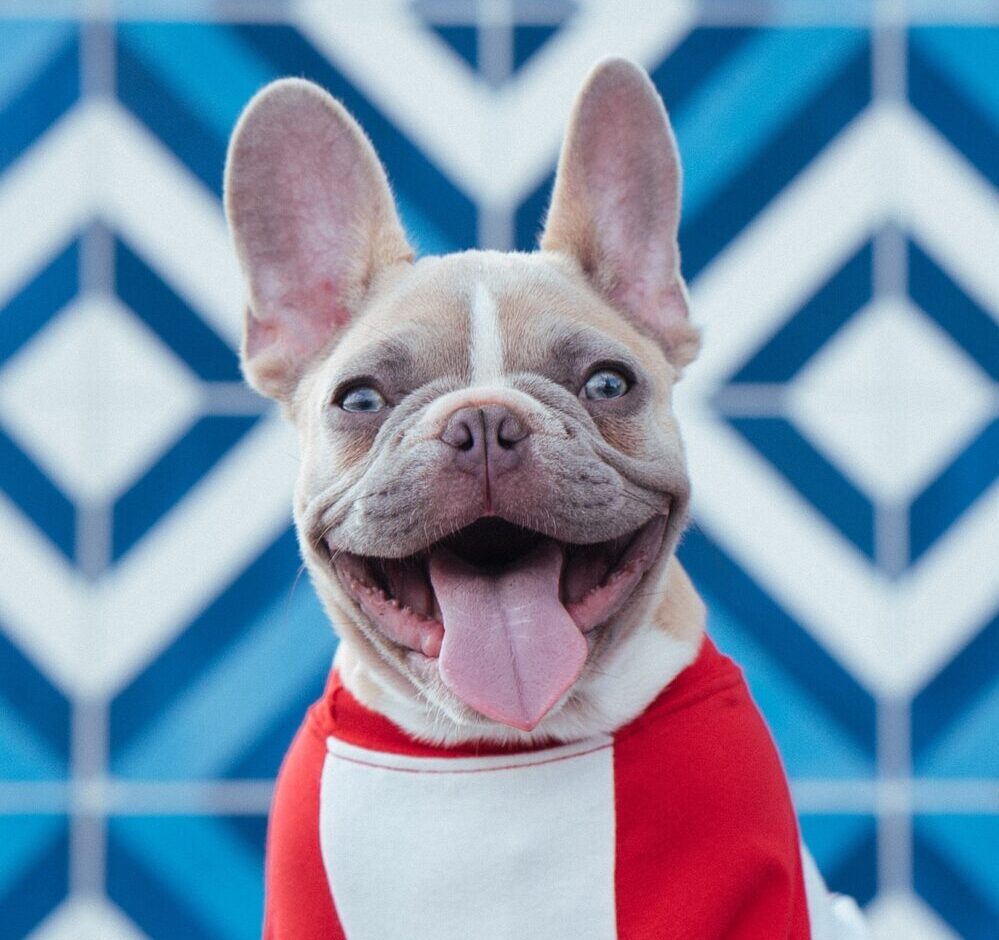
Ever met a dog with the charm of a French Bulldog and the spunk of a Boston Terrier rolled into one? That’s the Frenchton — a snub-nosed superstar stealing hearts everywhere. At Snubby Puppy™, we’ve been lucky to raise and study these delightful hybrids, and trust us, they’re full of surprises! From their adorable “bat ears” to their playful personalities, Frenchtons are a perfect blend of two beloved breeds. But what exactly makes them tick? And how do you care for such a unique pup without getting overwhelmed by their special needs?
Stick around as we unravel 15 essential insights about the Frenchton, including their size, temperament, grooming, health quirks, and even rescue options. Plus, we’ll share the story of Webster — a Frenchton with a personality so infectious, he’s become a community legend. Ready to find out if this mix is your next furry soulmate? Let’s dive in!
Key Takeaways
- Frenchtons combine the affectionate nature of French Bulldogs with the lively spirit of Boston Terriers, making them ideal companions for families and city dwellers alike.
- They typically grow to 15–25 pounds with a compact, muscular build and require moderate exercise to stay happy and healthy.
- Their short, smooth coat is low-maintenance, but daily wrinkle care and regular grooming are essential to prevent infections.
- Due to their flat faces, Frenchtons are prone to breathing and heat-related health issues, so careful monitoring and vet care are a must.
- Training should be gentle, consistent, and fun, leveraging positive reinforcement to bring out their best behavior.
- Rescue options exist, but puppies from reputable breeders come at a premium — always research thoroughly before buying.
Ready to pamper your Frenchton? Check out these top-rated products for grooming and nutrition:
- FURminator deShedding Tool: Amazon | Chewy
- Earthbath Natural Dog Shampoo: Amazon | Chewy
- Blue Buffalo Life Protection Dog Food: Amazon | Chewy
Dive deeper into the world of snub-nosed dogs with Snubby Puppy™ — your go-to for all things Frenchton and beyond!
Table of Contents
- ⚡️ Quick Tips and Facts About the Frenchton (French Bulldog and Boston Terrier Mix)
- 🐾 The Origins and History of the Frenchton: A Charming Hybrid Tale
- 🐶 Frenchton Physical Traits: What Does This Mix Look Like?
- 📏 How Big Does a Frenchton Puppy Grow? Size and Weight Expectations
- 💖 Frenchton Personality and Temperament: What to Expect from Your New Best Friend
- 🎓 Training Tips for Your Frenchton: Socialization and Obedience Made Easy
- 🛁 Grooming Your Frenchton: How to Keep That Coat Shiny and Healthy
- 🍽️ Feeding and Nutrition: Best Diet Practices for a Happy Frenchton
- 🏡 Frenchton Family Compatibility: Is This Mix Right for Your Home?
- ⚠️ Common Health Concerns and How to Prevent Them in Frenchtons
- 🐕 Frenchton Rescue and Adoption: Giving a Second Chance to These Lovable Dogs
- 💰 How Much Does a Frenchton Puppy Cost? What You Need to Know Before Buying
- 🧠 Understanding Frenchton Behavior: Tips for a Happy and Balanced Pup
- 🏃♂️ Exercise Needs and Activity Levels: Keeping Your Frenchton Fit and Fun
- 🛏️ Creating the Perfect Living Space for Your Frenchton: Comfort and Safety Tips
- 🎉 Fun Facts and Anecdotes About Frenchtons: What Makes Them So Special?
- 🔚 Conclusion: Is the Frenchton the Right Mix for You?
- 🔗 Recommended Links for Frenchton Owners and Enthusiasts
- ❓ Frequently Asked Questions About Frenchton Dogs
- 📚 Reference Links and Resources for Further Reading
⚡️ Quick Tips and Facts About the Frenchton (French Bulldog and Boston Terrier Mix)
Welcome to the wonderful world of the Frenchton! At Snubby Puppy™, we’ve been smitten with this charming hybrid — a delightful mix of the French Bulldog and Boston Terrier — for years. If you’re curious about this snub-nosed sweetheart, here are some quick, bite-sized facts to get you started:
| Feature | Frenchton Quick Facts |
|---|---|
| Size | 11–16 inches tall, 15–25 pounds |
| Lifespan | 12–15 years |
| Coat | Short, smooth, low-shedding |
| Colors | Black, brindle, fawn, cream, pied, tuxedo |
| Temperament | Affectionate, playful, intelligent, loyal |
| Exercise Needs | Moderate; 30-45 minutes daily walks |
| Grooming | Low-maintenance; weekly brushing recommended |
| Common Health Issues | Brachycephalic breathing problems, eye issues |
The Frenchton is a perfect blend of Boston Terrier’s spunk and French Bulldog’s cuddliness — making them a fantastic companion for families and city dwellers alike. But beware: their adorable smooshed faces mean they need special care in hot weather and during exercise.
For a deep dive into their behavior, check out our Boston Terrier behavior analysis — it’s a great primer since Boston traits shine through in the Frenchton’s personality.
🐾 The Origins and History of the Frenchton: A Charming Hybrid Tale
The Frenchton is a relatively modern designer dog, first bred in the mid-1990s to combine the best traits of the French Bulldog and Boston Terrier. Both parent breeds have fascinating histories:
- French Bulldog: Originating in 1800s England as a companion to lace makers, these dogs became Parisian icons with their signature bat ears and stocky build.
- Boston Terrier: Descended from a bulldog and white English terrier mix named Judge in the late 1860s, Boston Terriers were America’s first non-sporting breed, known for their tuxedo-like markings and lively spirit.
The Frenchton was created to blend the Boston’s intelligence and energy with the Frenchie’s affectionate, easygoing nature, while hoping to reduce some health issues common to both breeds.
At Snubby Puppy™, we love how this mix has grown in popularity, especially among urban families who want a small dog with a big personality and manageable care needs.
For more on Boston Terrier history, check out our detailed Boston Terrier guide.
🐶 Frenchton Physical Traits: What Does This Mix Look Like?
Wondering what your future Frenchton might look like? Since this is a hybrid, appearance can vary, but here’s what we’ve observed from our Snubby Puppy™ pack and community:
| Trait | Description | Parent Breed Influence |
|---|---|---|
| Size & Build | Compact, muscular, stocky | Both French Bulldog & Boston Terrier |
| Height | 11 to 16 inches at the shoulder | Boston Terrier slightly taller |
| Weight | 15 to 25 pounds | French Bulldog’s sturdiness |
| Coat | Short, smooth, low-shedding | Both breeds have short coats |
| Colors | Black, brindle, fawn, cream, pied, tuxedo | Boston Terrier’s tuxedo markings common |
| Ears | Perky, bat-like ears or slightly rounded | French Bulldog’s bat ears or Boston’s pointy ears |
| Muzzle | Short, flat muzzle (brachycephalic) | Both breeds have smooshed faces |
| Tail | Short, straight or slightly curled | French Bulldog’s signature tail |
| Eyes | Large, round, expressive | Both breeds’ soulful eyes |
Our Snubby Puppy™ team has seen Frenchtons that lean more Frenchie — stockier and with more wrinkles — and others that resemble Boston Terriers with sleeker bodies and tuxedo coats. The bat ears are a dead giveaway, and those big, expressive eyes will melt your heart every time.
📏 How Big Does a Frenchton Puppy Grow? Size and Weight Expectations
If you’re dreaming of a Frenchton puppy, you’re probably wondering: How big will this little bundle get? Here’s the scoop:
- Height: Most Frenchtons reach between 11 and 16 inches tall at the shoulder.
- Weight: Expect 15 to 25 pounds when fully grown.
- Growth Timeline: They usually hit full size between 12 and 18 months.
Our Snubby Puppy™ experience shows that Frenchtons grow quickly in their first 6 months, then slow down as they approach their adult size. Keep in mind that nutrition and exercise play a big role in healthy growth — so feed quality food and keep them active but not over-exercised, especially because of their brachycephalic (flat-faced) nature.
💖 Frenchton Personality and Temperament: What to Expect from Your New Best Friend
Frenchtons are the ultimate lovebugs with a playful streak. Here’s what makes their personality so irresistible:
- Affectionate & Loyal: They form strong bonds with their families and love cuddles.
- Playful & Comical: Expect plenty of goofy antics and a love for interactive play.
- Intelligent & Trainable: They pick up commands quickly but respond best to gentle, positive reinforcement.
- Adaptable: Whether you live in a bustling city apartment or a quiet suburb, Frenchtons adjust well.
- Sociable: They generally get along with kids, other dogs, and even cats — with proper socialization.
We’ve noticed that Frenchtons can be a bit sensitive, so harsh training methods are a no-go. Instead, keep training sessions short and fun (think 10-15 minutes tops). Their intelligence and eagerness to please make them quick learners, but they also appreciate a calm, consistent approach.
🎓 Training Tips for Your Frenchton: Socialization and Obedience Made Easy
Training your Frenchton is a rewarding adventure — and at Snubby Puppy™, we’ve learned some golden rules to make it a breeze:
- Start Early: Begin socialization and basic obedience as soon as you bring your puppy home.
- Use Positive Reinforcement: Treats, praise, and play work wonders. Avoid punishment or harsh tones.
- Keep Sessions Short: 10-15 minutes per session keeps your pup engaged without burnout.
- Introduce New Experiences Gradually: Expose your Frenchton to different people, animals, and environments to build confidence.
- Mental Stimulation: Puzzle toys and obedience games keep their clever minds sharp.
Because Frenchtons have a sensitive side, patience is key. They can sometimes inherit stubbornness from the French Bulldog side, so consistency is your best friend. For more on dog behavior and training, check out our Behavior Analysis category.
🛁 Grooming Your Frenchton: How to Keep That Coat Shiny and Healthy
Good news: Frenchtons are low-maintenance groomers! Their short, smooth coats don’t demand much, but here’s how to keep them looking their best:
- Brushing: Once or twice a week with a soft-bristle brush or grooming mitt to remove loose hair and distribute oils.
- Bathing: Every 4-6 weeks, or as needed, using a gentle dog shampoo like Earthbath or Burt’s Bees.
- Facial Wrinkle Care: Clean and dry wrinkles daily or every other day to prevent infections — use a damp cloth or specialized wipes like Vet’s Best.
- Ear Cleaning: Weekly checks and cleaning with a vet-approved solution to avoid wax buildup or infections.
- Nail Trimming: Every 3-4 weeks to prevent overgrowth and discomfort.
- Dental Hygiene: Brush teeth 2-3 times a week with dog-specific toothpaste to prevent tartar and bad breath.
Our Snubby Puppy™ team swears by the FURminator deShedding Tool for keeping shedding under control without irritating sensitive skin.
🍽️ Feeding and Nutrition: Best Diet Practices for a Happy Frenchton
Feeding your Frenchton right is crucial for their health and longevity. Here’s what we recommend based on experience and expert advice:
- High-Quality Protein: Look for dog foods where real meat is the first ingredient (e.g., Blue Buffalo Life Protection, Wellness CORE).
- Moderate Fat and Calories: Frenchtons have moderate energy needs; avoid overfeeding to prevent obesity.
- Avoid Fillers: Skip foods with corn, soy, wheat, artificial colors, or preservatives.
- Meal Frequency: Two meals per day, portioned according to weight and activity level (usually 1 to 1.5 cups total daily).
- Healthy Treats: Use low-calorie treats like Zuke’s Mini Naturals for training rewards.
- Hydration: Always provide fresh water, especially important for brachycephalic breeds prone to overheating.
We’ve seen Frenchtons thrive on grain-free formulas like Merrick Grain-Free or limited ingredient diets if they have sensitivities. Always consult your vet for personalized recommendations.
🏡 Frenchton Family Compatibility: Is This Mix Right for Your Home?
Frenchtons are fantastic family dogs — but are they the right fit for your household? Here’s the scoop:
- Great with Kids: They’re gentle and playful, making them excellent companions for children of all ages.
- Good with Other Pets: Usually friendly with other dogs and cats if socialized early.
- Apartment Friendly: Their moderate exercise needs and size make them perfect for city living.
- Not Ideal for Long Hours Alone: Frenchtons crave companionship and can develop separation anxiety if left alone too long.
- Sensitive to Heat: Families in warmer climates should take extra care to keep them cool.
Our Snubby Puppy™ crew recommends the Frenchton for first-time dog owners who want a loving, adaptable companion — just be prepared to invest time in socialization and care.
⚠️ Common Health Concerns and How to Prevent Them in Frenchtons
While Frenchtons are adorable, their smooshed faces and compact bodies come with some health caveats. Here’s what to watch for:
| Health Issue | Description & Prevention Tips |
|---|---|
| Brachycephalic Obstructive Airway Syndrome (BOAS) | Breathing difficulties due to flat face; avoid overheating, strenuous exercise, and keep weight in check. |
| Eye Problems | Cherry eye, cataracts, corneal ulcers; regular vet checkups and eye cleaning help. |
| Skin Fold Infections | Wrinkle areas prone to infections; clean and dry folds daily. |
| Patellar Luxation | Knee joint issues; maintain healthy weight and moderate exercise. |
| Hip Dysplasia | Joint malformation; ensure proper diet and vet monitoring. |
| Dental Disease | Crowded teeth common in small breeds; brush teeth regularly. |
| Heat Sensitivity | Frenchtons can overheat quickly; keep indoors during hot weather and provide shade and water. |
At Snubby Puppy™, we recommend regular vet visits and choosing reputable breeders who screen for these issues. Rescue groups like the French Bulldog Rescue Network and MidAmerica Boston Terrier Rescue can also provide insights on health.
🐕 Frenchton Rescue and Adoption: Giving a Second Chance to These Lovable Dogs
Looking to add a Frenchton to your family but want to give a dog a second chance? Rescue options exist, though Frenchton-specific rescues are rare. Here’s how to find your new best friend:
- Breed-Specific Rescues: Check French Bulldog and Boston Terrier rescues — many Frenchtons end up here.
- Local Shelters: Keep an eye on local animal shelters and pet adoption sites like Petfinder.
- Online Communities: Facebook groups and forums dedicated to Frenchton owners often share rescue alerts.
- Adoption Tips: Be prepared to answer questions about your home, lifestyle, and experience to ensure a good match.
Our Snubby Puppy™ team has seen many happy adoptions through the French Bulldog Rescue Network and MidAmerica Boston Terrier Rescue. Adopting a Frenchton means saving a life and gaining a loyal companion.
💰 How Much Does a Frenchton Puppy Cost? What You Need to Know Before Buying
Frenchton puppies are in high demand, and their price reflects that. Here’s what to expect:
- Price Range: Typically between $2,000 and $5,500 depending on breeder reputation, lineage, and location.
- Avoid Puppy Mills: Always research breeders carefully to avoid unethical practices. Look for health clearances and meet parents if possible.
- Additional Costs: Don’t forget vet visits, vaccinations, spaying/neutering, training, food, and supplies.
- Adoption Alternative: Rescue fees are usually much lower and include vetting.
Our Snubby Puppy™ advice? Invest in a responsible breeder or rescue to ensure a healthy, well-socialized Frenchton. The upfront cost is worth the lifelong love and fewer health surprises.
🧠 Understanding Frenchton Behavior: Tips for a Happy and Balanced Pup
Frenchtons are smart and sensitive — understanding their behavior helps you build a strong bond:
- Social Butterflies: They thrive on interaction and can get anxious if ignored.
- Mild Energy: They enjoy playtime but also love lounging on the couch.
- Alert but Not Aggressive: Good watchdogs who will alert you but rarely bark excessively.
- Separation Anxiety: Can develop if left alone too long; crate training and gradual alone time help.
- Chewing and Digging: Boredom busters; provide toys and mental stimulation.
For deeper insights, explore our Behavior Analysis articles tailored for snub-nosed breeds.
🏃♂️ Exercise Needs and Activity Levels: Keeping Your Frenchton Fit and Fun
Frenchtons need moderate exercise to stay healthy but beware of overdoing it:
- Daily Walks: Two 15-20 minute walks are ideal.
- Playtime: Interactive games like fetch or tug-of-war keep them engaged.
- Avoid Overexertion: Their flat faces make heavy breathing a risk, especially in heat or humidity.
- Mental Exercise: Puzzle toys and training sessions stimulate their clever minds.
Our Snubby Puppy™ tip: Watch for signs of fatigue or overheating — short, frequent sessions beat long, intense workouts.
🛏️ Creating the Perfect Living Space for Your Frenchton: Comfort and Safety Tips
Your Frenchton deserves a cozy, safe home! Here’s how to make it perfect:
- Comfortable Bedding: Soft, supportive beds help protect joints.
- Climate Control: Keep rooms cool and well-ventilated to prevent heat stress.
- Safe Space: A quiet corner or crate where your dog can retreat.
- Toys & Chews: Provide a variety to prevent boredom.
- Secure Yard: If you have outdoor space, ensure fences are secure and shaded.
We recommend investing in quality products like the MidWest Deluxe Pet Bed and cooling mats during summer months.
🎉 Fun Facts and Anecdotes About Frenchtons: What Makes Them So Special?
Before we wrap up, here are some delightful tidbits about Frenchtons that will make you smile:
- They’re sometimes called the “Frenchbo” or “Froston” — cute nicknames that reflect their hybrid heritage.
- Frenchtons are known for their “snorty” snuffles and hilarious facial expressions — a real crowd-pleaser!
- We met Webster, a 40-pound Frenchton with an infectious cheer, who won over everyone at the shelter. (Check out his story on Facebook)
- Their bat ears are not just adorable — they help with hearing and expression.
- Despite their small size, Frenchtons have big personalities that fill any room with joy.
At Snubby Puppy™, we believe Frenchtons are the perfect mix of charm, smarts, and snuggles — a true snub-nosed treasure.
🔚 Conclusion: Is the Frenchton the Right Mix for You?
So, what’s the final verdict on the Frenchton — that charismatic blend of French Bulldog and Boston Terrier? At Snubby Puppy™, we’re wholeheartedly fans of this snub-nosed charmer. Here’s why:
✅ Positives:
- Adorable, compact size perfect for apartments and families
- Affectionate, playful, and intelligent personality
- Low-maintenance grooming needs
- Moderate exercise requirements suitable for most lifestyles
- Generally good with kids and other pets when socialized
❌ Negatives:
- Prone to brachycephalic health issues requiring careful management
- Sensitive to heat and overexertion
- Potential for separation anxiety if left alone too long
- Pricey puppies and limited rescue availability
If you’re ready to invest time in training, socialization, and health care, the Frenchton can be a wonderful, loving companion who brings joy and laughter to your home. Remember Webster’s infectious cheer? That’s the spirit you’re inviting in!
Before you dive in, make sure you’re prepared for the responsibilities of caring for a brachycephalic breed — especially watching their breathing and skin health. But with proper care, your Frenchton will reward you with years of snuggles, play, and loyalty.
🔗 Recommended Links for Frenchton Owners and Enthusiasts
Ready to spoil your Frenchton with the best? Here are some top picks from our Snubby Puppy™ team, plus a few must-read books to deepen your doggy knowledge:
-
FURminator deShedding Tool:
Amazon | Chewy | FURminator Official Website -
Earthbath Natural Dog Shampoo:
Amazon | Chewy | Earthbath Official Website -
Vet’s Best Facial Wipes:
Amazon | Chewy | Vet’s Best Official Website -
Blue Buffalo Life Protection Formula Dog Food:
Amazon | Chewy | Blue Buffalo Official Website -
Merrick Grain-Free Dog Food:
Amazon | Chewy | Merrick Official Website -
Zuke’s Mini Naturals Training Treats:
Amazon | Chewy | Zuke’s Official Website -
MidWest Deluxe Pet Bed:
Amazon | Chewy | MidWest Homes for Pets -
Books:
❓ Frequently Asked Questions About Frenchton Dogs
What is the temperament of a French bulldog and Boston terrier mix?
The Frenchton is known for being affectionate, playful, and intelligent. They are loyal companions who thrive on human interaction and are generally friendly with children and other pets. Their temperament blends the Boston Terrier’s lively spirit with the French Bulldog’s calm cuddliness, resulting in a dog that is both energetic and snuggly. They can be sensitive, so gentle training and socialization are essential to bring out their best behavior.
Are French bulldog and Boston terrier mixes prone to health problems due to their brachycephalic nature?
Yes, due to their flat faces, Frenchtons are susceptible to brachycephalic obstructive airway syndrome (BOAS), which can cause breathing difficulties, especially in hot or humid weather. They also may experience eye problems, skin fold infections, and dental issues. Preventive care includes avoiding strenuous exercise in heat, maintaining a healthy weight, regular vet checkups, and diligent cleaning of facial wrinkles to prevent infections.
How big do French bulldog and Boston terrier mixes typically get?
Frenchtons usually grow to be 11 to 16 inches tall at the shoulder and weigh between 15 and 25 pounds. They reach their full size around 12 to 18 months. Size can vary depending on which parent breed’s traits are more dominant.
Do French bulldog and Boston terrier mixes make good family pets with children?
Absolutely! Frenchtons are known to be great with children, thanks to their playful and gentle nature. They enjoy family activities and generally get along well with kids when properly socialized. However, supervision is recommended with very young children to ensure safe and positive interactions.
What kind of exercise and activity level is suitable for a French bulldog and Boston terrier mix?
Frenchtons require moderate exercise — typically two daily walks totaling 30 to 45 minutes, plus playtime. Their brachycephalic faces mean they can overheat or become breathless if overexerted, so exercise should be moderate and adjusted for weather conditions. Mental stimulation through training and puzzle toys is also important.
Can French bulldog and Boston terrier mixes be easily trained, or do they require special handling?
They are intelligent and eager to please, making them generally easy to train with positive reinforcement. However, they can be sensitive and sometimes stubborn, so training should be gentle, consistent, and fun. Short training sessions with treats and praise work best.
How often should I clean my French bulldog and Boston terrier mix’s wrinkles to prevent skin infections?
Facial wrinkles should be cleaned daily or at least every other day to prevent moisture buildup and infections. Use a damp cloth or specialized pet wipes, then dry thoroughly. Regular cleaning is crucial for maintaining skin health in this breed.
What are the best grooming practices for a Frenchton?
Frenchtons have short, smooth coats requiring weekly brushing to remove loose hair and distribute natural oils. Bathing every 4-6 weeks with gentle shampoos keeps their coat fresh. Nail trimming every 3-4 weeks, ear cleaning weekly, and regular dental care are also important.
Are Frenchtons suitable for apartment living?
Yes! Their compact size and moderate exercise needs make them excellent apartment dogs. They do need companionship and mental stimulation, so plan for daily walks and playtime to keep them happy indoors.
📚 Reference Links and Resources for Further Reading
- DogTime: Frenchton Breed Profile
- Dog Academy: Frenchton Breed Overview
- French Bulldog Rescue Network
- MidAmerica Boston Terrier Rescue Inc.
- Meet Webster the Frenchton on Facebook
- American Kennel Club: French Bulldog
- American Kennel Club: Boston Terrier
- Vetstreet: Brachycephalic Breeds and Health
We hope this guide from Snubby Puppy™ has answered all your burning questions about the lovable Frenchton! Ready to welcome one into your family? Remember, with the right care and love, these snub-nosed bundles of joy will brighten your life every day. 🐾❤️