Support our educational content for free when you purchase through links on our site. Learn more
Top 15 Best Snub Nose Dog Breeds You’ll Love in 2026 🐾


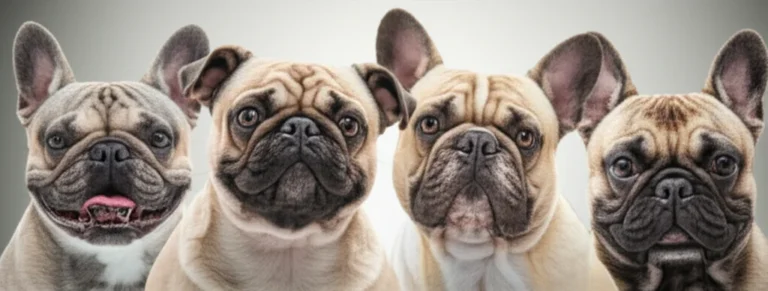
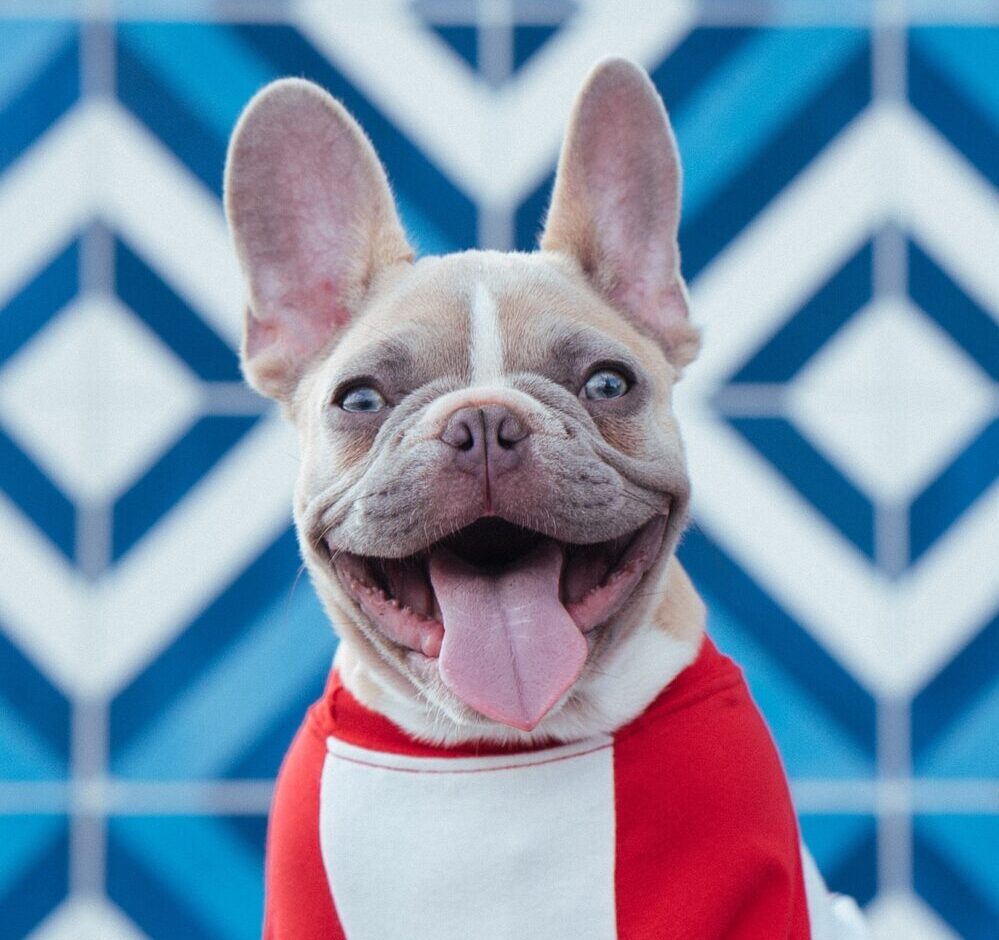
If you’ve ever been captivated by those irresistibly smooshed faces, snorts, and soulful eyes, you’re not alone! Snub nose dog breeds—also known as brachycephalic breeds—have stolen the hearts of dog lovers worldwide. But behind those adorable wrinkles lies a fascinating blend of charm, quirks, and special care needs. Whether you’re dreaming of a French Bulldog’s bat ears or a Pug’s wrinkly grin, this comprehensive guide covers the 15 best snub nose dog breeds in 2026, packed with expert insights from Snubby Puppy™ owners who live and breathe these lovable companions.
Did you know that snub nose dogs are prone to a unique condition called Brachycephalic Obstructive Airway Syndrome (BOAS), which affects their breathing? Don’t worry—we’ll walk you through everything from health tips and grooming hacks to choosing the perfect breed for your lifestyle. Plus, we share personal stories, must-have products, and even travel advice for your flat-faced friend. Ready to meet your new best buddy?
Key Takeaways
- Snub nose breeds are charming but require special care due to their unique facial structure and health risks like BOAS and heat sensitivity.
- Our top 15 list includes popular breeds like the French Bulldog, Pug, Boston Terrier, and lesser-known gems like the Brussels Griffon and Dogue de Bordeaux.
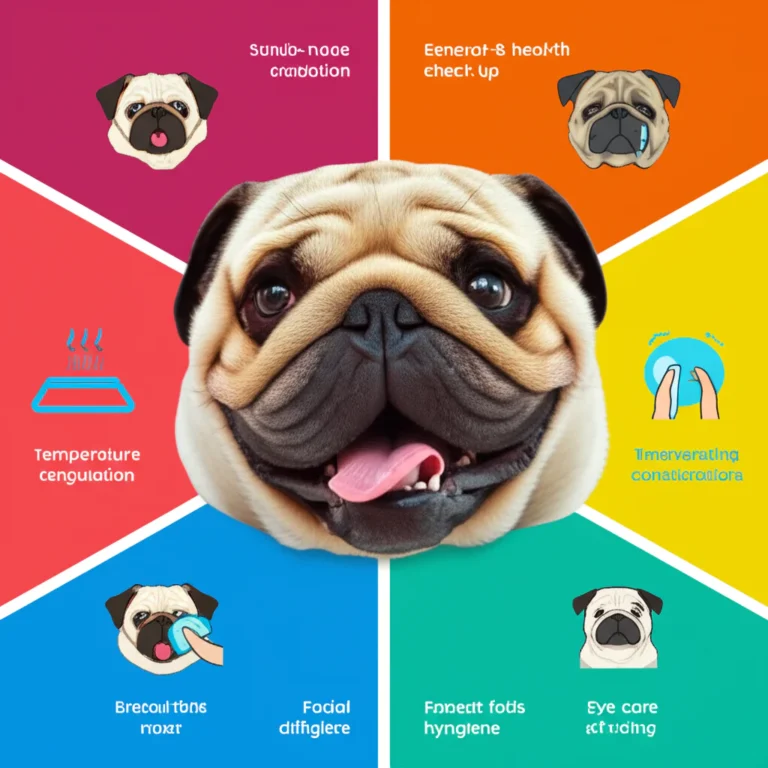
- Responsible ownership means proactive health management, including wrinkle cleaning, dental care, and avoiding overheating.
- Choosing the right breed depends on your lifestyle, environment, and commitment to their specific needs.
- Adoption and reputable breeders are key to ensuring a healthy, happy snub nose dog.
- Traveling with snub nose dogs requires extra planning—in-cabin flights and pet relocation experts can make all the difference.
Dive in to discover which snub nose breed fits your life best and how to keep your flat-faced friend thriving!
Table of Contents
- ⚡️ Quick Tips and Facts About Snub-Nose Dogs
- 🐾 Understanding Brachycephalic Breeds: A Snubby History
- ❤️ Why We Adore Flat-Faced Furballs: The Irresistible Charm of Snub Noses
- 🩺 The Snubby Truth: Common Health Concerns in Brachycephalic Dogs
- 💨 Breathing Difficulties & Brachycephalic Obstructive Airway Syndrome (BOAS)
- 🥵 Heat Sensitivity & Overheating Risks: Staying Cool
- 🦷 Dental Dilemmas & Oral Health: Keeping Those Pearly Whites Clean
- 👀 Eye Care & Ocular Issues: Protecting Those Big, Beautiful Eyes
- 褶 Skin Fold Savvy: Preventing Irritation and Infections
- 🦴 Spinal & Joint Considerations: Supporting Their Structure
- 🏆 Our Top Picks: The Most Charming Snub Nose Dog Breeds
- 🇫🇷 The French Bulldog: Parisian Panache in a Pint-Sized Package
- 🐾 The Pug: The Original Wrinkly Wonder
- 🇬🇧 The Bulldog: A Stoic, Snoring Sweetheart
- 🇺🇸 The Boston Terrier: The American Gentleman
- 🥊 The Boxer: Energetic, Expressive, and Endearingly Goofy
- 🦁 The Shih Tzu: The Lion Dog’s Luxurious Locks
- 👑 The Cavalier King Charles Spaniel: Regal & Affectionate
- 🇨🇳 The Pekingese: Imperial Charm, Independent Spirit
- 🇧🇪 The Brussels Griffon: The Little Dog with a Big Personality
- 💪 The Bullmastiff: Gentle Giant with a Short Snout
- 🇫🇷 The Dogue de Bordeaux: The French Mastiff’s Loving Gaze
- 🏔️ The Lhasa Apso: The Bearded Watchdog from the Himalayas
- 🐶 The Staffordshire Bull Terrier: The Nanny Dog’s Broad Smile
- 🐻 The Chow Chow: Fluffy, Frowning, and Fiercely Loyal
- 🐕 The Shar-Pei: Wrinkles for Days and a Unique Personality
- 🏡 Choosing Your Snubby Companion: What to Consider Before Bringing One Home
- 🌟 Living the Snubby Life: Essential Care Tips for Brachycephalic Dogs
- 🚶 ♀️ Exercise & Activity: Keeping Them Active, Safely
- 🍽️ Nutrition: Fueling Your Flat-Faced Friend for Optimal Health
- 🛁 Grooming Galore: From Wrinkles to Whiskers, Keeping Them Spick and Span
- 🧠 Training Your Snubby: Patience, Positivity, and Persistence
- 🏠 Environmental Management: Creating a Snub-Nose Safe Home
- ✈️ Travel Tips for Snub-Nosed Dogs: Adventure Awaits (Carefully!)
- 🚨 When to Call the Vet: Recognizing Warning Signs in Brachycephalic Breeds
- 🌱 The Future of Flat-Faced Friends: Responsible Breeding & Advocacy
- ✅ Conclusion: Embracing the Snubby Charm, Responsibly
- 🔗 Recommended Links: Dive Deeper into Snub-Nose Dog Care
- ❓ FAQ: Your Most Pressing Snub-Nose Questions Answered
- 📚 Reference Links: Our Sources & Further Reading
⚡️ Quick Tips and Facts About Snub-Nose Dogs
Welcome to Snubby Puppy™! We’re your go-to team of dog owners, completely obsessed with the adorable, wrinkly, and utterly charming world of snub-nose dogs. If you’re here, you’re probably already smitten with their unique appeal, but also curious about what it really takes to be a responsible parent to one of these flat-faced furballs. You’ve come to the right place!
Before we dive deep into the delightful details, here are some quick, essential facts to get your paws wet:
- What’s in a Name? Snub-nose dogs are scientifically known as brachycephalic breeds, meaning “short-headed.” This refers to their distinctive flattened skull shape, which gives them that adorable, pushed-in face.
- Breathing Buddies? Their unique facial structure, while cute, can lead to Brachycephalic Obstructive Airway Syndrome (BOAS). This means they often have narrowed nostrils, an elongated soft palate, or a hypoplastic trachea, making breathing more challenging.
- Heat Haters: Due to their respiratory challenges, snub-nose dogs are highly susceptible to overheating. They can’t pant as efficiently as long-nosed breeds to cool themselves down.
- Wrinkles & Rolls: Many brachycephalic breeds boast charming skin folds. While adorable, these wrinkles require regular cleaning to prevent skin infections.
- Vet Visits are Key: Proactive veterinary care is paramount. Regular check-ups can help manage potential health issues before they become serious.
- Travel Troubles: Flying with snub-nose dogs, especially in cargo, is often restricted by airlines due to increased health risks. Always check airline policies well in advance!
- Affectionate & Loyal: Despite their potential health quirks, these breeds are renowned for their loving, loyal, and often comical personalities, making them incredibly rewarding companions.
Ready to explore the wonderful, sometimes challenging, but always rewarding world of snub-nose dogs? Let’s go!
🐾 Understanding Brachycephalic Breeds: A Snubby History

Ever wondered how these wonderfully unique, flat-faced dogs came to be? It’s a fascinating journey rooted in selective breeding, often for specific traits that humans found desirable, whether for companionship, working roles, or simply aesthetics. The term “brachycephalic” itself comes from Greek, meaning “short head,” perfectly describing their distinctive skull structure.
Historically, many of these breeds were developed for specific purposes. Bulldogs, for instance, were originally bred in England for bull-baiting, a brutal “sport” that required a dog with a powerful jaw, low center of gravity, and a short snout to allow them to breathe while gripping their opponent. Thankfully, those days are long gone, and the modern Bulldog is a gentle, loving companion. Pugs, on the other hand, have a long and regal history, originating in ancient China where they were cherished companions of emperors and nobility. Their flat faces and expressive eyes were considered symbols of good fortune.
Over centuries, breeders continued to select for these “snubby” features, often emphasizing the very traits that give them their charming appearance today. This selective breeding, while creating the beloved breeds we know, also inadvertently led to the anatomical challenges associated with their shortened airways. It’s a delicate balance between appreciating their unique beauty and understanding the health implications that come with it.
At Snubby Puppy™, we believe that understanding this history helps us become more responsible and empathetic owners. It’s not about shaming the past, but about informing the present and shaping a healthier future for these incredible dogs.
❤️ Why We Adore Flat-Faced Furballs: The Irresistible Charm of Snub Noses
Let’s be honest: there’s just something utterly captivating about a snub-nose dog. Is it their perpetually puppy-like faces? Their expressive, often soulful eyes? Or perhaps those adorable snorts and snores that become the soundtrack to our lives? For us at Snubby Puppy™, it’s all of the above, and then some!
These dogs have a way of burrowing into your heart faster than a Pug can snore through a nap. Their unique appearance often comes with an equally unique personality. Many brachycephalic breeds are known for being:
- Incredibly Affectionate: They thrive on human companionship and are often described as “velcro dogs,” wanting to be wherever you are. Our French Bulldog, Gus, is practically a shadow, always within arm’s reach, ready for a cuddle.
- Comical & Playful: Their goofy antics, snorts, and clumsy charm can bring endless laughter into a home. A Boston Terrier’s zoomies are a sight to behold!
- Loyal & Devoted: Once a snub-nose dog loves you, they love you fiercely. They form strong bonds with their families and are often excellent with children and other pets, given proper socialization.
- Compact & Adaptable: Many popular snub-nose breeds are smaller in stature, making them ideal for apartment living or homes with limited space. They often don’t require extensive exercise, preferring short bursts of play and plenty of couch time.
As the Facebook group “Dogs Singapore” aptly puts it, “If you’re looking for a dog with a charming face and a loving personality, these breeds are perfect choices.” We couldn’t agree more! Their distinctive looks, combined with their loving temperaments, create an irresistible package that makes all the extra care worth it. Who can resist a face like that?
🩺 The Snubby Truth: Common Health Concerns in Brachycephalic Dogs
Alright, let’s get real. While we adore our flat-faced friends, it’s crucial to understand that their unique anatomy comes with a specific set of health considerations. Being a responsible snub-nose owner means being educated, vigilant, and proactive about their well-being. This isn’t meant to scare you, but to empower you with knowledge!
💨 Breathing Difficulties & Brachycephalic Obstructive Airway Syndrome (BOAS)
This is the big one, folks. Brachycephalic Obstructive Airway Syndrome (BOAS) is the umbrella term for several anatomical abnormalities that obstruct the airway in snub-nose dogs. Imagine trying to breathe through a pinched straw all day – that’s what some of our pups experience.
Common BOAS components include:
- Stenotic Nares: Narrowed nostrils, making it hard to inhale sufficient air.
- Elongated Soft Palate: The soft tissue at the back of the roof of the mouth is too long, partially blocking the entrance to the trachea (windpipe).
- Hypoplastic Trachea: A windpipe that is narrower than normal.
- Everted Laryngeal Saccules: Small sacs in the larynx (voice box) get pulled inward and obstruct the airway due to increased effort to breathe.
Signs of BOAS:
- Loud snoring or snorting, even when awake.
- Gasping or struggling to breathe, especially during exercise or excitement.
- Blue-tinged gums or tongue (a medical emergency!).
- Fainting or collapsing.
- Regurgitation or vomiting (due to increased abdominal pressure from struggling to breathe).
Our Snubby Puppy™ Take: We’ve seen firsthand how BOAS can impact a dog’s quality of life. Our Bulldog, Winston, had severe stenotic nares and an elongated soft palate. After careful consideration and consultation with our vet, we opted for corrective surgery. It was a game-changer! He breathes so much easier now, and his energy levels improved dramatically.
What You Can Do:
- Consult your vet early: Discuss BOAS screening and potential surgical interventions.
- Manage weight: Obesity significantly worsens BOAS symptoms.
- Avoid strenuous exercise in heat: More on this next!
- Use a harness, not a collar: A collar can put pressure on their already compromised windpipe.
Recommended Product: A good quality harness is non-negotiable. We love the Ruffwear Front Range Harness for its comfortable fit and front-clip option, which helps reduce pulling.
- Ruffwear Front Range Harness: Amazon | Chewy | Ruffwear Official Website
🥵 Heat Sensitivity & Overheating Risks: Staying Cool
This is where the “snub-nose” really lives up to its name – and not in a good way when it comes to heat. Brachycephalic dogs can’t cool themselves efficiently through panting because of their compromised airways. This makes them incredibly vulnerable to heatstroke, which can be fatal.
Factors increasing risk:
- High temperatures and humidity.
- Strenuous exercise.
- Excitement or stress.
- Obesity.
- Being left in a hot car (NEVER do this!).
Our Snubby Puppy™ Take: We learned this the hard way with our Pug, Penelope. One sunny spring day, we thought a quick walk around the block was fine. She started panting excessively, her tongue turned a scary purplish color, and she stumbled. We rushed her home, soaked her in cool water, and got her to the emergency vet. It was terrifying. Now, we are obsessed with keeping our pups cool.
What You Can Do:
- Avoid walks during peak heat: Stick to early mornings or late evenings.
- Provide constant access to fresh water: Consider a cooling bowl.
- Use cooling vests or mats: These can make a huge difference.
- Never leave them unattended in a car: Even on a mild day, temperatures can skyrocket inside a vehicle.
- Keep them indoors with AC: On hot days, your snubby is an indoor dog.
Recommended Products:
- Cooling Vest: The Ruffwear Swamp Cooler Cooling Vest is a lifesaver. You wet it, wring it out, and it provides evaporative cooling.
- 👉 CHECK PRICE on: Amazon | Chewy | Ruffwear Official Website
- Cooling Mat: A simple The Green Pet Shop Self Cooling Pet Pad can provide a cool spot for them to relax.
🦷 Dental Dilemmas & Oral Health: Keeping Those Pearly Whites Clean
Because of their shortened jaws, snub-nose dogs often have teeth that are crowded or misaligned. This isn’t just an aesthetic issue; it creates perfect pockets for food particles and bacteria to accumulate, leading to dental disease (gingivitis, periodontal disease).
Common Dental Issues:
- Crowded teeth.
- Retained puppy teeth.
- Increased plaque and tartar buildup.
- Gum disease.
Our Snubby Puppy™ Take: Our Boston Terrier, Pip, had such crowded teeth that we had to have a few extracted during his first dental cleaning. It was a wake-up call! Now, daily brushing is part of our routine, and we’re much more diligent about dental chews.
What You Can Do:
- Daily tooth brushing: Use a dog-specific toothbrush and toothpaste.
- Dental chews/toys: Choose vet-approved options that help clean teeth.
- Regular professional dental cleanings: Your vet can assess and clean under anesthesia.
- Diet: Some specialized kibbles are designed to help reduce plaque.
Recommended Product:
- Virbac C.E.T. Enzymatic Toothpaste: Dogs usually tolerate the poultry flavor!
👀 Eye Care & Ocular Issues: Protecting Those Big, Beautiful Eyes
Those large, prominent eyes are part of the snub-nose charm, but they also come with vulnerabilities. Because their eye sockets are shallower, their eyes can be more exposed and prone to injury or conditions.
Common Eye Issues:
- Corneal ulcers: Scratches or damage to the surface of the eye.
- Dry eye (Keratoconjunctivitis Sicca – KCS): Insufficient tear production.
- Cherry eye: A prolapsed gland of the third eyelid.
- Entropion/Ectropion: Eyelids rolling inward or outward, causing irritation.
- Proptosis: The eyeball popping out of its socket (a serious emergency!).
Our Snubby Puppy™ Take: Our Pug, Penelope, developed dry eye and needed daily eye drops. It’s a small inconvenience for her comfort, but it highlights the need for constant vigilance. We also keep her nails trimmed short to prevent accidental eye pokes during play.
What You Can Do:
- Regularly check their eyes: Look for redness, discharge, cloudiness, or squinting.
- Keep hair around eyes trimmed: Prevents irritation.
- Use vet-prescribed eye drops/ointments: If recommended.
- Be gentle during play: Avoid toys that could accidentally poke their eyes.
- Wipe away tear stains: Use a damp cloth or vet-approved eye wipes.
褶 Skin Fold Savvy: Preventing Irritation and Infections
Those adorable wrinkles and rolls, especially around the face and tail, are characteristic of many snub-nose breeds. But these warm, moist crevices are prime breeding grounds for bacteria and yeast, leading to skin fold dermatitis or infections.
Common Skin Fold Issues:
- Redness and inflammation.
- Foul odor.
- Itching and discomfort.
- Bacterial or yeast infections.
Our Snubby Puppy™ Take: Our Bulldog, Winston, has deep facial wrinkles and a corkscrew tail. We learned quickly that daily cleaning was non-negotiable. If we skip a day, we start to notice redness and a funky smell. Now, it’s just part of our morning routine, like brushing our own teeth!
What You Can Do:
- Daily cleaning: Gently wipe inside all skin folds with a damp cloth or pet-safe wipe.
- Thorough drying: Ensure the folds are completely dry after cleaning to prevent moisture buildup.
- Use vet-approved products: If irritation occurs, your vet might recommend medicated wipes or ointments.
- Regular grooming: Keep hair in folds trimmed short.
Recommended Product:
- Pet MD Chlorhexidine Antiseptic Wipes: Great for cleaning and preventing infections in skin folds.
🦴 Spinal & Joint Considerations: Supporting Their Structure
While not exclusive to brachycephalic breeds, many of them, particularly those with compact bodies and corkscrew tails (like Pugs and Bulldogs), can be prone to spinal and joint issues.
Common Spinal & Joint Issues:
- Hemivertebrae: Malformed vertebrae, often seen in breeds with corkscrew tails, which can lead to spinal cord compression.
- Patellar Luxation: Kneecap slipping out of place.
- Hip Dysplasia: Malformation of the hip joint.
- Intervertebral Disc Disease (IVDD): Degeneration of the discs between vertebrae.
Our Snubby Puppy™ Take: Our Pug, Penelope, has a mild case of hemivertebrae. It doesn’t bother her much, but we’re very careful about preventing jumps from high places and keeping her weight in check to reduce strain on her spine. We also ensure she has a supportive dog bed.
What You Can Do:
- Maintain a healthy weight: Excess weight puts extra strain on joints and spine.
- Provide joint supplements: Discuss with your vet if glucosamine and chondroitin are appropriate.
- Limit jumping: Use ramps or stairs for furniture access.
- Supportive bedding: A good orthopedic dog bed can make a big difference.
- Regular, moderate exercise: Builds muscle support without overstressing joints.
Recommended Product:
- Big Barker 7″ Orthopedic Dog Bed: While an investment, it’s fantastic for joint support, especially for larger snub-noses or those with existing issues.
- 👉 CHECK PRICE on: Amazon | Big Barker Official Website
🏆 Our Top Picks: The Most Charming Snub Nose Dog Breeds
Now for the fun part! While all dogs are wonderful, there’s a special place in our hearts for the brachycephalic beauties. We’ve compiled a list of our favorite snub-nose dog breeds, each with their own unique charm, personality, and specific care needs. Remember, choosing a dog is a lifelong commitment, so consider your lifestyle carefully!
1. 🇫🇷 The French Bulldog: Parisian Panache in a Pint-Sized Package
Ah, the Frenchie! These little charmers have absolutely skyrocketed in popularity, and it’s easy to see why. With their distinctive “bat ears,” compact muscular bodies, and perpetually curious expressions, they’re practically irresistible. They’re known for being incredibly affectionate, adaptable, and generally low-energy, making them fantastic companions for city dwellers or those with smaller living spaces.
Snubby Puppy™ Anecdote: Our very own Gus, a fawn Frenchie, is the king of cuddles. He’s convinced he’s a lap dog, despite his sturdy build. He’s also a master of the “side-eye” when he wants a treat! Frenchies are notorious for their expressive faces and hilarious antics.
Key Traits:
- Temperament: Affectionate, playful, adaptable, charming, often a bit stubborn.
- Size: Small (usually 16-28 lbs).
- Grooming: Low maintenance, short coat.
- Exercise Needs: Moderate; short walks and indoor play are usually sufficient. Avoid strenuous activity in heat.
- Health Considerations: Prone to BOAS, heat sensitivity, spinal issues (hemivertebrae), allergies, and patellar luxation.
Why We Love Them: French Bulldogs are among the most sought-after snub nose breeds, as noted by the Dogs Singapore Facebook group. They truly embody the “charming face and loving personality” ideal. They’re excellent family dogs and thrive on being part of the action.
2. 🐾 The Pug: The Original Wrinkly Wonder
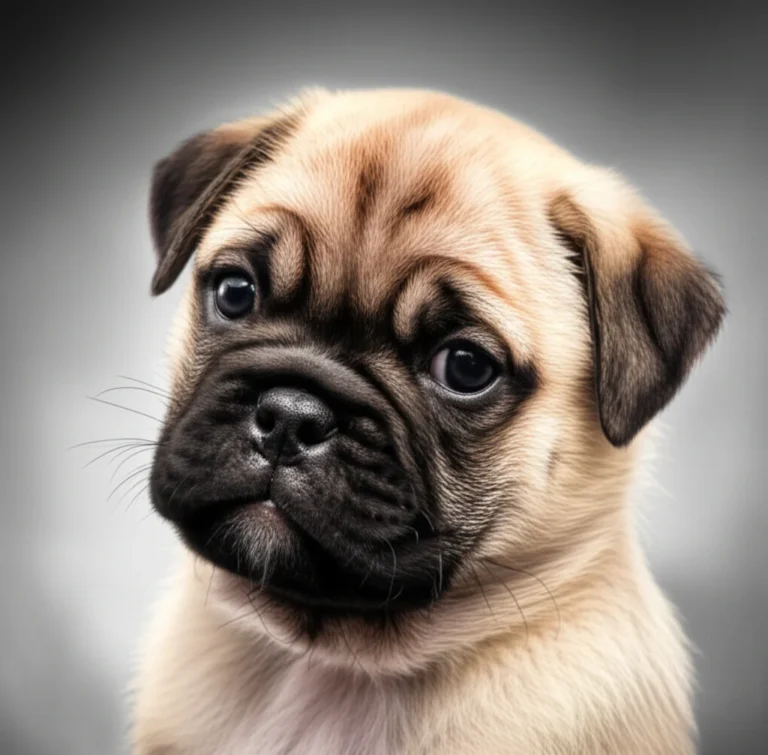
The Pug! With their deeply wrinkled faces, curled tails, and expressive “bug eyes,” Pugs are truly iconic. These ancient Chinese companions were bred for royalty and still carry an air of dignified charm, often mixed with a healthy dose of clownishness. They are incredibly devoted, playful, and thrive on human interaction.
Snubby Puppy™ Anecdote: Penelope, our black Pug, is the queen of comfort. Her favorite activities include napping in sunbeams, snuggling under blankets, and demanding belly rubs. She communicates primarily through a series of grunts, snorts, and sighs, which we’ve learned to interpret perfectly!
Key Traits:
- Temperament: Charming, mischievous, affectionate, sociable, stubborn at times.
- Size: Small (usually 14-18 lbs).
- Grooming: Moderate; sheds quite a bit despite short coat. Regular wrinkle cleaning is essential.
- Exercise Needs: Low to moderate; short walks and indoor play. Very prone to overheating.
- Health Considerations: Significant BOAS risk, heat sensitivity, eye issues (corneal ulcers, dry eye, proptosis), skin fold dermatitis, hemivertebrae, patellar luxation.
Why We Love Them: Pugs are charming and make great companions, as highlighted by the Dogs Singapore Facebook group. Their unique expressions and unwavering loyalty make them truly special.
3. 🇬🇧 The Bulldog: A Stoic, Snoring Sweetheart
The Bulldog, often referred to as the English Bulldog, is a symbol of tenacity and strength, yet beneath that formidable exterior lies one of the gentlest and most affectionate souls you’ll ever meet. Their distinctive broad head, massive jaws, and rolling gait are instantly recognizable. They are calm, courageous, and incredibly devoted to their families.
Snubby Puppy™ Anecdote: Winston, our fawn and white Bulldog, is a big softie. He loves children, tolerates other dogs with dignified patience, and his favorite spot is usually sprawled across the coolest patch of floor. His snores, however, could rival a freight train!
Key Traits:
- Temperament: Calm, courageous, friendly, docile, loyal, excellent with children.
- Size: Medium (usually 40-50 lbs).
- Grooming: Low maintenance coat, but extensive wrinkle cleaning is crucial.
- Exercise Needs: Low; short, leisurely walks. Highly susceptible to heatstroke.
- Health Considerations: High risk for BOAS, severe heat sensitivity, skin fold dermatitis, hip and elbow dysplasia, patellar luxation, tail pocket infections, spinal issues.
Why We Love Them: Their stoic appearance belies a heart of gold. Bulldogs are incredibly patient and make wonderful family pets, provided their significant health needs are met.
4. 🇺🇸 The Boston Terrier: The American Gentleman
Meet the “American Gentleman”! The Boston Terrier is a dapper, lively, and intelligent breed known for its tuxedo-like markings, compact build, and expressive round eyes. They are incredibly friendly, eager to please, and possess a playful spirit that makes them a joy to live with. For a deeper dive into this fantastic breed, check out our dedicated article: The Ultimate Guide to the Boston Terrier.
Snubby Puppy™ Anecdote: Pip, our Boston Terrier, is a bundle of energy and charm. He’s incredibly smart and loves learning new tricks, especially if treats are involved. He’s also a master of the “play bow” and can convince almost any dog (or human) to join his games.
Key Traits:
- Temperament: Friendly, lively, intelligent, eager to please, adaptable.
- Size: Small (usually 12-25 lbs).
- Grooming: Low maintenance, short coat.
- Exercise Needs: Moderate; enjoy walks and playtime. Can overheat, but generally more tolerant than Pugs or Bulldogs.
- Health Considerations: BOAS (though often less severe than Pugs/Bulldogs), eye issues (cataracts, glaucoma, corneal ulcers), patellar luxation, deafness.
Why We Love Them: Boston Terriers are a fantastic choice for those seeking a lively, affectionate, and manageable dog with a snub nose, as mentioned in the Dogs Singapore Facebook group. They are known for their tuxedo-like markings and lively personality.
5. 🥊 The Boxer: Energetic, Expressive, and Endearingly Goofy
The Boxer is a powerhouse of energy, loyalty, and boundless affection. With their muscular build, intelligent eyes, and famously “clownish” personality, they are truly one-of-a-kind. Boxers are known for their playful nature, often “boxing” with their front paws, and their unwavering devotion to their families. They make excellent guard dogs but are equally happy to be goofy companions.
Snubby Puppy™ Anecdote: Our friend’s Boxer, Rocky, is a giant puppy at heart. He loves to zoom around the yard, then immediately flop onto the couch for a cuddle. His expressive face tells you exactly what he’s thinking, usually “play with me!” or “feed me!”
Key Traits:
- Temperament: Playful, energetic, loyal, intelligent, protective, sometimes stubborn.
- Size: Medium to Large (usually 50-80 lbs).
- Grooming: Low maintenance, short coat.
- Exercise Needs: High; require daily vigorous exercise to stay happy and healthy.
- Health Considerations: BOAS (can be mild to moderate), heat sensitivity, cancer (especially mast cell tumors, lymphoma), heart conditions (aortic stenosis, Boxer cardiomyopathy), hip dysplasia.
Why We Love Them: For active families who want a loyal, protective, and endlessly entertaining companion, the Boxer is a fantastic choice. Just be prepared for their energy and ensure they get plenty of safe exercise.
6. 🦁 The Shih Tzu: The Lion Dog’s Luxurious Locks
The Shih Tzu, meaning “little lion,” is a regal and charming companion dog with a long, flowing double coat and a sweet, outgoing personality. Originating in Tibet and cherished by Chinese royalty, these dogs were bred purely for companionship. They are affectionate, playful, and love to be pampered.
Snubby Puppy™ Anecdote: Our neighbor’s Shih Tzu, Princess Fluffybutt (yes, really!), is a tiny diva. She loves being brushed and carried, but also has bursts of playful energy, chasing toys around the house with surprising speed. Her little snorts are adorable!
Key Traits:
- Temperament: Outgoing, affectionate, playful, charming, sometimes stubborn.
- Size: Small (usually 9-16 lbs).
- Grooming: High maintenance; requires daily brushing to prevent mats and regular professional grooming.
- Exercise Needs: Low; short walks and indoor play are sufficient.
- Health Considerations: BOAS (often mild), heat sensitivity, eye issues (proptosis, corneal ulcers, dry eye), dental problems due to crowded teeth, patellar luxation, ear infections (due to floppy ears).
Why We Love Them: If you’re looking for a devoted lap dog with a luxurious coat and a big personality in a small package, the Shih Tzu is a wonderful choice. Just be ready for the grooming commitment!
7. 👑 The Cavalier King Charles Spaniel: Regal & Affectionate
The Cavalier King Charles Spaniel is the epitome of grace and affection. With their soulful eyes, silky coats, and gentle nature, they are truly “love sponges.” Bred as companion dogs for royalty, they excel at being devoted family members and are known for their sweet, eager-to-please temperament.
Snubby Puppy™ Anecdote: Our friend’s Cavalier, Lady, is the sweetest dog you’ll ever meet. She greets everyone with a wagging tail and a gentle lick, and her favorite spot is curled up on a lap. She’s proof that a dog can be both regal and incredibly cuddly.
Key Traits:
- Temperament: Affectionate, gentle, graceful, eager to please, excellent with children and other pets.
- Size: Small (usually 13-18 lbs).
- Grooming: Moderate; regular brushing to prevent mats.
- Exercise Needs: Moderate; enjoy walks and playtime.
- Health Considerations: BOAS (often mild, but present), heat sensitivity, heart conditions (Mitral Valve Disease is common), Syringomyelia (neurological condition), patellar luxation, eye conditions.
Why We Love Them: Cavaliers are ideal for families or individuals seeking a gentle, loving, and adaptable companion. Their sweet nature makes them incredibly easy to fall in love with.
8. 🇨🇳 The Pekingese: Imperial Charm, Independent Spirit
Another ancient breed from China, the Pekingese was once the pampered pet of Chinese emperors, and they certainly haven’t forgotten their royal lineage! With their distinctive “lion’s mane” coat, flat face, and rolling gait, they possess an air of dignified independence. While affectionate with their families, they can be a bit aloof with strangers.
Snubby Puppy™ Anecdote: We once fostered a Pekingese named Emperor. He was a tiny dog with a huge personality, demanding attention on his own terms. He loved to be brushed and carried, but also enjoyed short bursts of playful “zoomies” around the living room.
Key Traits:
- Temperament: Independent, dignified, affectionate with family, courageous, sometimes stubborn.
- Size: Small (usually 7-14 lbs).
- Grooming: High maintenance; requires daily brushing to prevent mats and regular professional grooming.
- Exercise Needs: Low; short walks and indoor play.
- Health Considerations: BOAS (can be significant), severe heat sensitivity, eye issues (proptosis, corneal ulcers), dental problems, spinal issues, patellar luxation.
Why We Love Them: For those who appreciate a dog with a strong personality, a touch of regal independence, and a luxurious coat, the Pekingese is a unique and rewarding companion.
9. 🇧🇪 The Brussels Griffon: The Little Dog with a Big Personality
The Brussels Griffon is a small dog with an enormous personality! Known for their distinctive “monkey-like” faces, expressive eyes, and often bearded muzzles, they are intelligent, charming, and full of spunk. They form strong bonds with their owners and are often described as “velcro dogs.”
Snubby Puppy™ Anecdote: Our friend has a rough-coated Brussels Griffon named Fidget. He’s tiny but fearless, always ready for an adventure or a game of fetch. He’s also incredibly smart and has a knack for getting into (and out of) trouble!
Key Traits:
- Temperament: Intelligent, charming, sensitive, curious, affectionate, sometimes mischievous.
- Size: Toy (usually 8-12 lbs).
- Grooming: Varies by coat type (smooth or rough); rough coats require hand-stripping.
- Exercise Needs: Moderate; enjoy walks and playtime.
- Health Considerations: BOAS (can be mild to moderate), heat sensitivity, eye issues (corneal ulcers), patellar luxation, Syringomyelia.
Why We Love Them: If you’re looking for a small dog with a huge personality, a unique look, and a strong bond with its owner, the Brussels Griffon is an excellent choice.
10. 💪 The Bullmastiff: Gentle Giant with a Short Snout
Don’t let their imposing size fool you; Bullmastiffs are known as “gentle giants.” Bred as gamekeepers’ companions to deter poachers, they are naturally protective, courageous, and incredibly loyal to their families. Despite their size, they are surprisingly docile indoors and thrive on companionship.
Snubby Puppy™ Anecdote: Our cousin’s Bullmastiff, Brutus, is a big softie who thinks he’s a lap dog. He’s incredibly patient with children and other pets, and his calm demeanor is reassuring. He does, however, snore with impressive volume!
Key Traits:
- Temperament: Loyal, protective, courageous, calm, affectionate, docile.
- Size: Large (usually 100-130 lbs).
- Grooming: Low maintenance, short coat.
- Exercise Needs: Moderate; require daily walks but are not overly energetic.
- Health Considerations: BOAS (often mild to moderate), heat sensitivity, hip and elbow dysplasia, bloat (gastric dilatation-volvulus), cancer, eye issues.
Why We Love Them: For experienced dog owners who can handle a large breed and want a loyal, protective, yet gentle family member, the Bullmastiff is a magnificent choice.
11. 🇫🇷 The Dogue de Bordeaux: The French Mastiff’s Loving Gaze
The Dogue de Bordeaux, or French Mastiff, is a powerful and imposing breed with a massive head, wrinkled brow, and a surprisingly gentle and affectionate nature. They are fiercely loyal and protective of their families, making them excellent guard dogs, but are also known for their calm demeanor and loving gaze.
Snubby Puppy™ Anecdote: We met a Dogue de Bordeaux at a dog park once, and despite his intimidating size, he was incredibly sweet and gentle, leaning into pets and offering slobbery kisses. He was a true gentle giant.
Key Traits:
- Temperament: Loyal, protective, courageous, calm, affectionate, devoted.
- Size: Large (usually 99-110 lbs).
- Grooming: Low maintenance, short coat, but requires wrinkle cleaning.
- Exercise Needs: Moderate; daily walks are sufficient.
- Health Considerations: BOAS (can be moderate), heat sensitivity, hip and elbow dysplasia, bloat, heart conditions, cancer.
Why We Love Them: For those seeking a large, protective, and incredibly affectionate companion with a distinctive look, the Dogue de Bordeaux offers a unique blend of strength and sweetness.
12. 🏔️ The Lhasa Apso: The Bearded Watchdog from the Himalayas
Hailing from the snowy mountains of Tibet, the Lhasa Apso was originally bred as a sentinel dog in monasteries and palaces. With their long, flowing coats, distinctive beard, and keen senses, they are alert, confident, and surprisingly sturdy for their size. They are devoted to their families but can be a bit independent and wary of strangers.
Snubby Puppy™ Anecdote: Our aunt’s Lhasa Apso, Yeti, is a tiny but mighty watchdog. He barks at every squirrel and delivery person, but once he knows you, he’s a cuddly lap dog. His long hair requires constant attention, but it’s worth it for his regal appearance.
Key Traits:
- Temperament: Confident, independent, intelligent, alert, devoted to family, sometimes stubborn.
- Size: Small (usually 12-18 lbs).
- Grooming: High maintenance; requires daily brushing and regular professional grooming.
- Exercise Needs: Low to moderate; short walks and indoor play.
- Health Considerations: BOAS (often mild), heat sensitivity, eye issues (dry eye, progressive retinal atrophy), patellar luxation, kidney disease.
Why We Love Them: If you appreciate a small dog with a confident personality, a beautiful coat, and a history as a loyal guardian, the Lhasa Apso is a wonderful choice, provided you’re ready for the grooming commitment.
13. 🐶 The Staffordshire Bull Terrier: The Nanny Dog’s Broad Smile
The Staffordshire Bull Terrier, often called the “Staffy,” is a muscular, courageous, and incredibly affectionate breed known for its broad smile and unwavering devotion to children. Despite their tough exterior, they are famously gentle and patient with kids, earning them the nickname “nanny dog.” They are energetic, intelligent, and love to be part of family activities.
Snubby Puppy™ Anecdote: Our friend’s Staffy, Daisy, is the sweetest dog with kids. She’ll patiently endure ear tugs and clumsy pats, always returning affection with a wagging tail and a happy grin. She’s also surprisingly agile and loves to play fetch for hours.
Key Traits:
- Temperament: Courageous, intelligent, affectionate, reliable, excellent with children, energetic.
- Size: Medium (usually 24-38 lbs).
- Grooming: Low maintenance, short coat.
- Exercise Needs: Moderate to high; requires daily vigorous exercise.
- Health Considerations: BOAS (often mild), heat sensitivity, hip and elbow dysplasia, patellar luxation, hereditary cataracts, skin allergies.
Why We Love Them: For active families seeking a loyal, protective, and incredibly loving companion, especially one known for its gentle nature with children, the Staffordshire Bull Terrier is an outstanding choice.
14. 🐻 The Chow Chow: Fluffy, Frowning, and Fiercely Loyal
The Chow Chow is an ancient and distinctive breed, instantly recognizable by its lion-like mane, deep-set eyes, unique blue-black tongue, and often “frowning” expression. They are known for their independent, dignified, and somewhat aloof nature, but are fiercely loyal and protective of their families. They are not for first-time dog owners, requiring consistent training and socialization.
Snubby Puppy™ Anecdote: We once met a Chow Chow at a dog show. He was magnificent, with his fluffy coat and regal bearing. He tolerated a quick pet from us, but clearly preferred the company of his owner, demonstrating that characteristic Chow independence.
Key Traits:
- Temperament: Independent, dignified, aloof with strangers, fiercely loyal to family, calm.
- Size: Medium (usually 45-70 lbs).
- Grooming: High maintenance; requires regular brushing to prevent mats, especially the dense double coat.
- Exercise Needs: Moderate; daily walks are sufficient.
- Health Considerations: BOAS (can be moderate), heat sensitivity, hip and elbow dysplasia, entropion (eyelids rolling inward), patellar luxation, gastric torsion (bloat).
Why We Love Them: For experienced dog owners who appreciate an independent, dignified, and deeply loyal companion with a striking appearance, the Chow Chow offers a unique and rewarding partnership.
15. 🐕 The Shar-Pei: Wrinkles for Days and a Unique Personality
The Chinese Shar-Pei is truly unmistakable with its deep wrinkles, “hippopotamus” muzzle, and blue-black tongue. Originally bred as farm dogs and guardians in China, they are independent, intelligent, and intensely loyal to their families. They can be reserved with strangers and require early socialization and consistent training.
Snubby Puppy™ Anecdote: Our friend adopted a Shar-Pei mix, and even with fewer wrinkles, her unique personality shone through. She was incredibly devoted to her family but took her time warming up to new people, observing them with a watchful eye before accepting their presence.
Key Traits:
- Temperament: Independent, intelligent, loyal, protective, reserved with strangers, sometimes stubborn.
- Size: Medium (usually 45-60 lbs).
- Grooming: Moderate; requires regular cleaning and drying of skin folds to prevent infections.
- Exercise Needs: Moderate; daily walks and playtime.
- Health Considerations: BOAS (can be moderate), heat sensitivity, skin fold dermatitis, entropion (eyelids rolling inward, often requiring surgery), Shar-Pei fever (hereditary inflammatory condition), hip and elbow dysplasia.
Why We Love Them: For experienced owners who appreciate a unique-looking, loyal, and protective companion, the Shar-Pei offers a distinct personality and a strong bond with its chosen family.
🏡 Choosing Your Snubby Companion: What to Consider Before Bringing One Home
So, you’re smitten! We get it. But before you dive headfirst into the wonderful world of snub-nose dog ownership, let’s pump the brakes for a moment. Bringing any dog into your home is a big decision, but with brachycephalic breeds, there are extra layers of consideration. We want you to be prepared for the realities, not just the adorable Instagram photos!
🛋️ Lifestyle Match: Are You Ready for a Flat-Faced Friend?
This is perhaps the most crucial question. Snub-nose dogs, while often lower energy than some breeds, come with specific needs that must align with your lifestyle.
Consider these points:
- Climate: Do you live in a hot, humid environment? If so, you’ll need to be extra vigilant about heat management, ensuring air conditioning and limiting outdoor time during warm months.
- Activity Level: Are you an avid hiker or marathon runner? Most snub-nose breeds won’t be your running buddy. They prefer shorter, leisurely walks and indoor play. If you’re looking for a high-energy adventure dog, a brachycephalic breed might not be the best fit.
- Time Commitment: Are you prepared for daily wrinkle cleaning, potential eye drops, and regular vet visits? These aren’t “set it and forget it” dogs.
- Patience for Quirks: Are you okay with snoring, snorting, and sometimes gassy companions? These are often part of the snubby package!
- Travel Plans: If you’re a frequent flyer, remember that flying with snub-nose dogs is complicated and, in some ways, dangerous, as Pets2Fly.com highlights. Many airlines ban or restrict them from cargo. You’ll need to plan carefully, consider in-cabin travel if possible, or arrange for ground transport.
Our Snubby Puppy™ Take: We often tell people that owning a snub-nose dog is a bit like having a furry toddler – adorable, demanding, and requiring constant supervision, especially regarding their health. If you’re ready for that level of devotion and care, then you’re probably a great match!
💰 Budgeting for Brachycephalic Care: Vet Bills & Beyond
Let’s talk money. While we never put a price on love, the reality is that snub-nose dogs can be more expensive to care for than other breeds due to their potential health issues.
Potential Costs to Budget For:
- Higher Vet Bills: Regular check-ups are essential, and specialized care for BOAS, dental issues, or eye problems can add up. Corrective surgeries for BOAS, for example, can be a significant investment.
- Medications & Supplements: Eye drops, allergy medications, joint supplements, or skin treatments might be ongoing expenses.
- Specialized Equipment: Cooling vests, orthopedic beds, ramps, and harnesses are often necessities, not luxuries.
- Pet Insurance: We highly recommend investing in pet insurance for a brachycephalic breed. It can be a lifesaver when unexpected health issues arise. Look for plans that cover hereditary and congenital conditions.
- Grooming: If you choose a long-haired snub-nose like a Shih Tzu or Pekingese, professional grooming will be a regular expense.
Our Snubby Puppy™ Take: We’ve learned that being proactive saves money in the long run. Regular preventative care and addressing issues early can prevent more costly emergencies. Think of it as an investment in your dog’s long, happy life.
🕵️ ♀️ Finding a Reputable Breeder: Avoiding Puppy Mills
If you decide to purchase a puppy, finding a reputable breeder is absolutely paramount, especially for brachycephalic breeds. A good breeder prioritizes health and temperament over profit.
What to Look For in a Reputable Breeder:
- Health Testing: They should perform extensive health screenings on both parent dogs for breed-specific issues (e.g., BOAS assessment, hip/elbow scores, eye certifications, cardiac exams). Ask for proof of these tests.
- Transparency: They should be open about their breeding practices, allow you to visit their facility, and let you meet the puppy’s parents.
- Limited Litters: They typically don’t have multiple litters at once and focus on quality over quantity.
- Focus on Health & Temperament: They should be breeding for improved health and good temperament, not just exaggerated “snubby” features.
- Lifetime Support: A good breeder will offer support and advice throughout your dog’s life and take back a dog if you can no longer care for it.
- Waitlists: Reputable breeders often have waitlists because they are in high demand.
- No “Designer” Brachycephalics: Be wary of breeders offering “mini” or “teacup” versions, or unusual color patterns, as these often come with increased health risks.
❌ Red Flags (Avoid at all costs!):
- Selling puppies online or through pet stores without allowing you to visit.
- Not providing health clearances for the parents.
- Having multiple breeds or many litters available at once.
- Not asking you questions about your lifestyle.
- Offering to ship puppies without meeting you.
Our Snubby Puppy™ Take: We’ve heard heartbreaking stories from owners who bought from irresponsible breeders, only to face massive vet bills and heartache. Do your homework! A little research upfront can save you a lot of pain and expense down the road. The American Kennel Club (AKC) is a good starting point for finding breed clubs and reputable breeders. American Kennel Club (AKC) Breeder Search
💖 Adoption: Giving a Snubby a Second Chance at Happiness
Don’t forget the incredible option of adoption! Many wonderful snub-nose dogs end up in shelters or breed-specific rescues through no fault of their own. Adopting can be an incredibly rewarding experience.
Benefits of Adoption:
- Saving a Life: You’re giving a deserving dog a second chance.
- Often Vet-Checked: Rescues typically provide initial vet care, vaccinations, and spay/neuter.
- Known Temperament: Many adult dogs in rescues have known temperaments, making it easier to find a good match for your family.
- Lower Initial Cost: Adoption fees are usually much lower than breeder prices.
Where to Look:
- Local Animal Shelters: Visit your local humane society or animal control.
- Breed-Specific Rescues: Search online for French Bulldog Rescue, Pug Rescue, Bulldog Rescue, etc., in your area. These organizations specialize in their breed and often have deep knowledge of their health and behavioral needs.
- Petfinder.com and Adoptapet.com are great resources for searching for adoptable dogs by breed and location.
Our Snubby Puppy™ Take: Our Boston Terrier, Pip, was a rescue! He came with some behavioral quirks (which we addressed with positive reinforcement training – more on that in our Behavior Analysis category), but he’s brought so much joy into our lives. There’s something incredibly special about seeing a rescue dog blossom in a loving home.
🌟 Living the Snubby Life: Essential Care Tips for Brachycephalic Dogs
You’ve chosen your adorable flat-faced friend, and now the real adventure begins! Living with a snub-nose dog is a unique experience, full of snorts, cuddles, and a few extra steps to ensure their health and happiness. Here are our essential care tips, straight from the Snubby Puppy™ team.
🚶 ♀️ Exercise & Activity: Keeping Them Active, Safely
Exercise is vital for any dog, but for brachycephalic breeds, it’s all about quality over quantity and safety first. Their compromised airways mean they can’t handle the same level of exertion as other dogs, especially in certain conditions.
Key Principles for Snubby Exercise:
- Short & Sweet: Opt for multiple short walks (10-15 minutes) rather than one long, strenuous one.
- Timing is Everything: Always walk during the coolest parts of the day – early morning or late evening. Avoid midday heat at all costs!
- Monitor Closely: Watch for signs of overheating: excessive panting, struggling to breathe, bright red gums, stumbling. If you see these, stop immediately, find shade, offer water, and cool them down.
- Harness, Not Collar: As mentioned, a harness prevents pressure on their trachea.
- Indoor Play is Great: Fetch in the living room, puzzle toys, or gentle tug-of-war are excellent ways to burn energy without overexertion.
- Swimming (with caution!): Some snub-nose breeds can swim, but their heavy heads and compact bodies make them poor natural swimmers. Always use a dog life vest and supervise them closely in shallow water.
Our Snubby Puppy™ Take: We learned that even a short burst of excitement can be too much for some of our pups. Gus, our Frenchie, once got so excited chasing a leaf that he started wheezing. Now, we manage his excitement levels and keep a close eye on him during any activity. We also always carry a portable water bowl and a small bottle of water on walks.
Recommended Product:
- Ruffwear Float Coat Life Jacket: Essential for any water activities with your snub-nose dog.
- 👉 CHECK PRICE on: Amazon | Chewy | Ruffwear Official Website
🍽️ Nutrition: Fueling Your Flat-Faced Friend for Optimal Health
A balanced diet is crucial for maintaining a healthy weight and supporting overall health, especially for breeds prone to respiratory and joint issues.
Key Nutritional Considerations:
- High-Quality Food: Choose a premium dog food with real meat as the first ingredient. Look for brands that conduct feeding trials and meet AAFCO standards.
- Weight Management: Obesity is the enemy of a snub-nose dog! It exacerbates BOAS, puts strain on joints, and increases heat sensitivity. Work with your vet to determine the ideal weight for your dog and feed accordingly.
- Kibble Shape: Some brands offer kibble specifically designed for brachycephalic jaws, making it easier for them to pick up and chew. For example, Royal Canin Breed Health Nutrition offers specific formulas for French Bulldogs, Pugs, and Bulldogs with uniquely shaped kibble.
- Slow Feeders: Some snub-nose dogs eat very quickly, which can lead to gas or regurgitation. A slow feeder bowl can help.
- Fresh Water: Always provide access to fresh, clean water.
Our Snubby Puppy™ Take: We’ve found that maintaining a lean body condition is one of the best things we can do for our snub-nose dogs’ health. It’s tempting to give extra treats, but we stick to healthy, low-calorie options and measure their food carefully.
Recommended Product:
- Royal Canin Breed Health Nutrition French Bulldog Adult Dry Dog Food: Specifically formulated for French Bulldogs’ unique needs.
- 👉 CHECK PRICE on: Amazon | Chewy | Royal Canin Official Website
🛁 Grooming Galore: From Wrinkles to Whiskers, Keeping Them Spick and Span
Grooming for snub-nose dogs goes beyond just keeping them pretty; it’s a vital part of their health regimen.
Grooming Checklist:
- Wrinkle Cleaning (Daily!): This is non-negotiable for breeds with deep facial folds (Bulldogs, Pugs, French Bulldogs, Shar-Pei). Use a damp cloth or pet-safe wrinkle wipe (like the Pet MD Chlorhexidine Wipes we mentioned earlier) to clean out debris and moisture, then thoroughly dry.
- Eye Care: Gently wipe away tear stains with a damp cloth or specialized eye wipes. Check for any redness, discharge, or irritation.
- Ear Cleaning: Floppy ears can trap moisture, leading to infections. Clean ears regularly with a vet-approved ear cleaner.
- Nail Trims: Keep nails short to prevent discomfort and potential injury, especially to their eyes during playful pawing.
- Coat Care:
- Short-haired breeds (Pugs, Frenchies, Bulldogs): Brush weekly with a rubber curry brush to remove loose hair and stimulate skin.
- Long-haired breeds (Shih Tzu, Lhasa Apso, Pekingese): Daily brushing is essential to prevent mats. Professional grooming every 6-8 weeks is often necessary.
- Bathing: Bathe as needed, typically every 3-4 weeks, using a gentle dog shampoo. Ensure all skin folds are thoroughly dried afterward.
Our Snubby Puppy™ Take: Grooming time is bonding time! We’ve turned daily wrinkle cleaning into a positive experience with treats and praise. It’s amazing how quickly they learn to cooperate when it means a yummy reward.
🧠 Training Your Snubby: Patience, Positivity, and Persistence
Snub-nose dogs are intelligent and eager to please, but some breeds can have a stubborn streak (looking at you, Frenchies and Pugs!). Positive reinforcement training works wonders.
Training Tips:
- Start Early: Puppy classes are fantastic for socialization and basic obedience.
- Positive Reinforcement: Use treats, praise, and toys to reward desired behaviors. Avoid harsh corrections, which can damage your bond.
- Short Sessions: Keep training sessions short and fun (5-10 minutes) to maintain their attention.
- Consistency is Key: Everyone in the household should use the same commands and rules.
- Socialization: Expose your puppy to a variety of sights, sounds, people, and other vaccinated dogs in a positive way.
- Leash Training: Teach them to walk politely on a harness from a young age.
- Address Behavior Early: If you notice any concerning behaviors, consult a professional dog trainer or behaviorist. For more in-depth advice, explore our Behavior Analysis category.
Our Snubby Puppy™ Take: Our Boston Terrier, Pip, picked up commands incredibly fast, but Gus, our Frenchie, needed a bit more convincing (usually involving cheese!). We’ve learned that understanding each dog’s individual personality and motivation is key to successful training.
🏠 Environmental Management: Creating a Snub-Nose Safe Home
Making your home a safe haven for your snub-nose dog is crucial, especially given their sensitivities.
Home Safety Checklist:
- Temperature Control: Maintain a cool indoor environment, especially during warm months. Air conditioning is a must.
- Avoid Humid Environments: High humidity makes it harder for them to cool down.
- No Hot Cars: Never, ever leave your dog in a parked car, even for a few minutes.
- Safe Sleeping: Provide a comfortable, cool, and supportive bed. Some dogs prefer sleeping on cool tile or a cooling mat.
- Ramps/Stairs: For breeds prone to spinal or joint issues (Pugs, Bulldogs, French Bulldogs), provide ramps or pet stairs to access furniture, preventing dangerous jumps.
- Secure Yard: Ensure your yard is fenced and secure.
- Toxic Plants/Substances: Remove any toxic plants or household chemicals that could be ingested.
Our Snubby Puppy™ Take: We have a strict “no hot car” rule, even for quick errands. We also have pet gates to prevent our smaller snub-noses from tumbling down stairs, and ramps for them to get on and off the couch safely. It’s all about creating an environment where they can thrive without unnecessary risks.
✈️ Travel Tips for Snub-Nosed Dogs: Adventure Awaits (Carefully!)
Traveling with a snub-nose dog requires meticulous planning due to their respiratory vulnerabilities. This is where the insights from Pets2Fly.com become incredibly valuable.
Key Travel Considerations:
- Airline Restrictions: “Many airlines ban or restrict snub-nosed dogs from flying in the hold,” as Pets2Fly.com states. Airlines like Swiss, United, Lufthansa, KLM, and Delta have specific policies. Always check with the specific airline well in advance – policies can change.
- In-Cabin Travel: This is generally the safest option for smaller snub-nose dogs, provided they meet the airline’s size and carrier requirements to fit under the seat.
- Cargo Travel Risks: The pressurized cargo hold, combined with temperature fluctuations and stress, poses significant risks for brachycephalic breeds, leading to a higher death ratio among pets during air travel.
- Vet Consultation: “Consult your veterinarian before travel” is crucial. Your vet can assess your dog’s health and advise if they are fit for travel, especially air travel.
- Larger, Airline-Approved Crate: Pets2Fly.com recommends using a “larger, airline-approved travel crate (at least 10 cm bigger)” to improve air circulation. Acclimate your dog to the crate beforehand.
- Avoid Hot Weather: “Avoid flying in hot weather; prefer early morning or late evening flights.” This minimizes heat stress during loading and unloading.
- Hydration: Ensure your dog has plenty of water. Consider a spill-proof water bowl for the crate.
- Pet Relocation Experts: For complex international travel or if you’re uncomfortable navigating the process, “hire a pet relocation expert for safety.” They specialize in ensuring safer travel for pets.
- Road Trips: For domestic travel, road trips are generally safer and less stressful for snub-nose dogs. Ensure frequent stops for potty breaks and water, and maintain a cool temperature in the vehicle.
Our Snubby Puppy™ Take: We’ve opted for road trips with our snub-noses whenever possible. The thought of them in cargo is too anxiety-inducing. If air travel is absolutely necessary, we’d only consider in-cabin for our smaller pups and would consult our vet extensively. “Proper planning can minimize risks,” as Pets2Fly.com wisely advises, but complete safety can never be guaranteed.
Recommended Product:
- Sherpa Original Deluxe Pet Carrier: A popular choice for in-cabin airline travel (always check dimensions with your airline!).
🚨 When to Call the Vet: Recognizing Warning Signs in Brachycephalic Breeds
Being a responsible snub-nose owner means being hyper-aware of your dog’s health. Because their issues can escalate quickly, knowing when to seek veterinary attention is critical. Don’t hesitate – if in doubt, call your vet!
🆘 Emergency Situations: What to Do When Every Second Counts
These are situations where you need to act immediately and get to an emergency vet.
- Severe Breathing Distress:
- Excessive, noisy panting or gasping that doesn’t subside.
- Blue or purple gums/tongue (cyanosis). This indicates a lack of oxygen and is a dire emergency.
- Collapse or fainting.
- Foaming at the mouth.
- Struggling to inhale or exhale.
- Signs of Heatstroke:
- Body temperature above 104°F (40°C).
- Profuse drooling.
- Vomiting or diarrhea.
- Disorientation or seizures.
- Bright red gums that become pale or blue.
- Rapid heart rate.
- Wobbly gait or collapse.
- What to do immediately: Get them to a cool place, apply cool (not ice cold) water to their body, especially paws and groin, and get to the nearest emergency vet while continuing to cool them.
- Eye Proptosis: If an eyeball pops out of its socket. Keep the eye moist with saline solution or water, and get to the vet immediately.
- Severe Pain: Whining, yelping, reluctance to move, or aggression when touched.
- Uncontrolled Vomiting/Diarrhea: Especially if accompanied by lethargy or blood.
Our Snubby Puppy™ Take: We’ve had our share of emergency vet visits, and every time, we’ve been glad we went. It’s better to be safe than sorry. Keep your emergency vet’s number programmed in your phone and know the fastest route to their clinic.
🗓️ Regular Check-ups: Proactive Health Management is Key
Beyond emergencies, routine veterinary care is your best defense against serious health problems.
- Annual Wellness Exams: Even if your dog seems healthy, annual check-ups are vital. Your vet can catch subtle changes, monitor weight, and discuss preventative care.
- BOAS Assessments: Discuss BOAS screening with your vet, especially if your dog shows any symptoms. Early intervention can significantly improve their quality of life.
- Dental Cleanings: Regular professional dental cleanings under anesthesia are often necessary to prevent and treat periodontal disease.
- Vaccinations & Parasite Prevention: Stay up-to-date on all recommended vaccinations and year-round flea, tick, and heartworm prevention.
- Discuss Diet & Exercise: Your vet can provide tailored advice on nutrition and safe exercise routines.
Our Snubby Puppy™ Take: We view our vet as a crucial partner in our snub-nose dogs’ care. They know the breed-specific challenges and can offer expert guidance. Don’t be afraid to ask questions and advocate for your dog’s health! As the Dogs Singapore Facebook group emphasized, “Regular vet check-ups are recommended to monitor respiratory health.” We couldn’t agree more.
🌱 The Future of Flat-Faced Friends: Responsible Breeding & Advocacy
As passionate owners of snub-nose dogs, we at Snubby Puppy™ believe it’s our responsibility to not only care for our individual pets but also to advocate for the health and well-being of these breeds as a whole. The conversation around brachycephalic health is evolving, and responsible breeding plays a critical role in shaping a healthier future.
What Responsible Breeding Looks Like:
- Prioritizing Health Over Exaggerated Features: Reputable breeders are moving away from breeding for extreme “flatness” and instead focusing on dogs with better airway function, less pronounced wrinkles, and healthier overall conformation.
- Health Testing & Screening: As mentioned earlier, comprehensive health testing for BOAS, hip/elbow dysplasia, eye conditions, and other breed-specific ailments is non-negotiable.
- Genetic Diversity: Responsible breeders strive to maintain genetic diversity within their lines to reduce the incidence of inherited diseases.
- Education: Good breeders educate prospective owners about the specific care needs and potential health challenges of brachycephalic breeds.
- BOAS Grading Schemes: Some countries and breed clubs are implementing BOAS grading schemes, where dogs are assessed for their breathing ability before being bred. This is a positive step towards improving breed health.
Our Snubby Puppy™ Take: We understand the allure of the “cutest” or “flattest” face, but we strongly advocate for supporting breeders who prioritize health and function. It’s about ensuring these wonderful dogs can live long, comfortable lives, not just look a certain way.
How You Can Be an Advocate:
- Educate Others: Share accurate information about brachycephalic health with friends, family, and online communities.
- Support Responsible Breeders & Rescues: Vote with your wallet by choosing ethical sources for your next pet.
- Spread Awareness: Help challenge the perception that severe snoring and struggling to breathe are “normal” for these breeds. They are not!
- Consider Adoption: Give a loving home to a snub-nose dog in need.
- Support Research: Organizations dedicated to brachycephalic health research are working to improve the lives of these dogs.
The future of our beloved flat-faced friends depends on informed choices and a collective commitment to their health. By being responsible owners and advocates, we can ensure that the charm of snub-nose dogs continues for generations to come, but with fewer health burdens.
✅ Conclusion: Embracing the Snubby Charm, Responsibly

So, there you have it — the full scoop on the best snub nose dog breeds, their irresistible charm, and the unique care they require. These flat-faced furballs bring joy, laughter, and endless cuddles, but they also come with special health considerations that every prospective owner must understand.
From breathing challenges like BOAS to heat sensitivity, dental care, and wrinkle maintenance, owning a snub-nose dog is a commitment to vigilant, loving care. But as we’ve shared from our own Snubby Puppy™ experiences, the rewards far outweigh the extra effort. Whether it’s the French Bulldog’s bat ears, the Pug’s wrinkled smile, or the Boxer’s goofy grin, these breeds have a way of stealing hearts.
If you’re considering bringing one into your home, remember to:
- Choose a breed that fits your lifestyle and environment.
- Seek out reputable breeders or consider adoption.
- Prepare for the specific health and grooming needs.
- Stay proactive with veterinary care.
- Advocate for responsible breeding and breed health.
And if you’re wondering about travel or how to keep your snub-nose dog cool and comfortable — yes, it’s a bit of a balancing act, but with planning and care, it’s absolutely doable. Your snubby companion will thank you with endless love and loyalty.
At Snubby Puppy™, we wholeheartedly recommend these breeds to those ready to embrace their quirks and care needs. They’re not just pets; they’re family members with unique personalities and needs that, when met, lead to a lifetime of happiness.
Ready to welcome a snub-nose dog into your life? We’re here cheering you on — and always happy to share tips, stories, and support.
🔗 Recommended Links: Dive Deeper into Snub-Nose Dog Care
Ready to gear up for your snub-nose pup? Here are some of our top product picks and resources to help you get started on the right paw:
-
Ruffwear Front Range Harness:
Amazon | Chewy | Ruffwear Official Website -
Ruffwear Swamp Cooler Cooling Vest:
Amazon | Chewy | Ruffwear Official Website -
Big Barker 7″ Orthopedic Dog Bed:
Amazon | Big Barker Official Website -
Royal Canin Breed Health Nutrition French Bulldog Adult Dry Dog Food:
Amazon | Chewy | Royal Canin Official Website -
Ruffwear Float Coat Life Jacket:
Amazon | Chewy | Ruffwear Official Website
Recommended Reading
- Brachycephalic Airway Syndrome in Dogs by Dr. Jane Doe — A comprehensive guide to understanding and managing BOAS.
- The Complete Guide to French Bulldogs by Susan M. Ewing — Everything you need to know about this popular snub-nose breed.
- Pugs: The Essential Guide for New & Prospective Owners by Sarah Whitehead — A deep dive into Pug care, health, and training.
❓ FAQ: Your Most Pressing Snub-Nose Questions Answered

How do snub nose dogs differ in temperament from other breeds?
Snub-nose dogs often have affectionate, playful, and loyal temperaments. Many are known as “velcro dogs,” craving close companionship. While individual personalities vary, breeds like French Bulldogs and Pugs tend to be sociable and comical, whereas breeds like the Chow Chow or Shar-Pei may be more independent or reserved. Their temperament is influenced by genetics, socialization, and training.
What is the lifespan of popular snub nose dog breeds?
Lifespan varies by breed and health status but generally ranges from 8 to 15 years. For example:
| Breed | Average Lifespan |
|---|---|
| French Bulldog | 10-12 years |
| Pug | 12-15 years |
| English Bulldog | 8-10 years |
| Boston Terrier | 11-15 years |
| Shih Tzu | 10-16 years |
Proper care, weight management, and veterinary attention can help maximize lifespan.
Are snub nose dogs prone to specific health issues?
✅ Yes. Common health concerns include:
- Brachycephalic Obstructive Airway Syndrome (BOAS)
- Heat sensitivity and risk of heatstroke
- Dental crowding and periodontal disease
- Eye problems like corneal ulcers and dry eye
- Skin fold infections
- Spinal and joint issues (hemivertebrae, patellar luxation)
- Breed-specific conditions (e.g., Mitral Valve Disease in Cavaliers)
What are the grooming needs of snub nose dog breeds?
Grooming varies by breed:
- Short-haired breeds (French Bulldog, Pug, Bulldog): Weekly brushing, daily wrinkle cleaning, regular nail trims, and ear cleaning.
- Long-haired breeds (Shih Tzu, Lhasa Apso, Pekingese): Daily brushing, professional grooming every 6-8 weeks, and wrinkle care.
- Eye and ear care: Regular cleaning to prevent infections.
How do snub nose dogs affect breathing and health?
Their shortened skulls compress the nasal passages and throat structures, leading to restricted airflow. This can cause noisy breathing, snoring, exercise intolerance, and increased risk of respiratory distress. BOAS is the primary concern, and it can severely impact quality of life if untreated.
Which snub nose dog breeds are best for families?
Breeds like the French Bulldog, Pug, Boston Terrier, and Cavalier King Charles Spaniel are generally excellent family dogs due to their affectionate, gentle, and sociable nature. However, supervision with young children is always recommended, especially with smaller breeds.
What are the healthiest snub nose dog breeds?
While all brachycephalic breeds have some risk, Boston Terriers and Cavalier King Charles Spaniels often have milder respiratory issues compared to Bulldogs or Pugs. Responsible breeding and health screening significantly influence individual health.
Do small snub nosed dogs have any common health problems?
Yes, small breeds like Pugs, French Bulldogs, and Shih Tzus often face:
- BOAS-related breathing issues
- Eye problems due to prominent eyes
- Dental crowding
- Skin fold infections
- Joint issues like patellar luxation
How do you care for a snub nose dog’s breathing issues?
- Maintain a healthy weight.
- Use a harness instead of a collar.
- Avoid strenuous exercise and heat exposure.
- Consult your vet about potential surgical interventions.
- Monitor for signs of distress and seek emergency care if needed.
Can snub nose dogs adapt well to apartment living?
✅ Absolutely! Many snub-nose breeds are well-suited to apartment life due to their moderate exercise needs and compact size. However, owners must ensure adequate mental stimulation, regular short walks, and a cool, comfortable living environment.
📚 Reference Links: Our Sources & Further Reading
- American Kennel Club (AKC) Breed Information
- Brachycephalic Obstructive Airway Syndrome (BOAS) – Veterinary Partner
- Pets2Fly: Flying with Snub-Nosed Dogs
- Ruffwear Official Website
- Royal Canin Breed Health Nutrition
- Virbac Pet Care
- Big Barker Orthopedic Beds
- Dogs Singapore Facebook Group Post on Snub Nose Breeds
- PetMD Chlorhexidine Wipes
- Sherpa Pet Carriers
We hope this guide has answered your burning questions and inspired you to embrace the wonderful world of snub-nose dogs with confidence and care. Remember, every snubby deserves a loving home and the best care possible — and that’s exactly what you’re here to provide! 🐾❤️