Support our educational content for free when you purchase through links on our site. Learn more
15 Surprising Personality Traits of Snubby Nose Dogs 🐾 (2026)

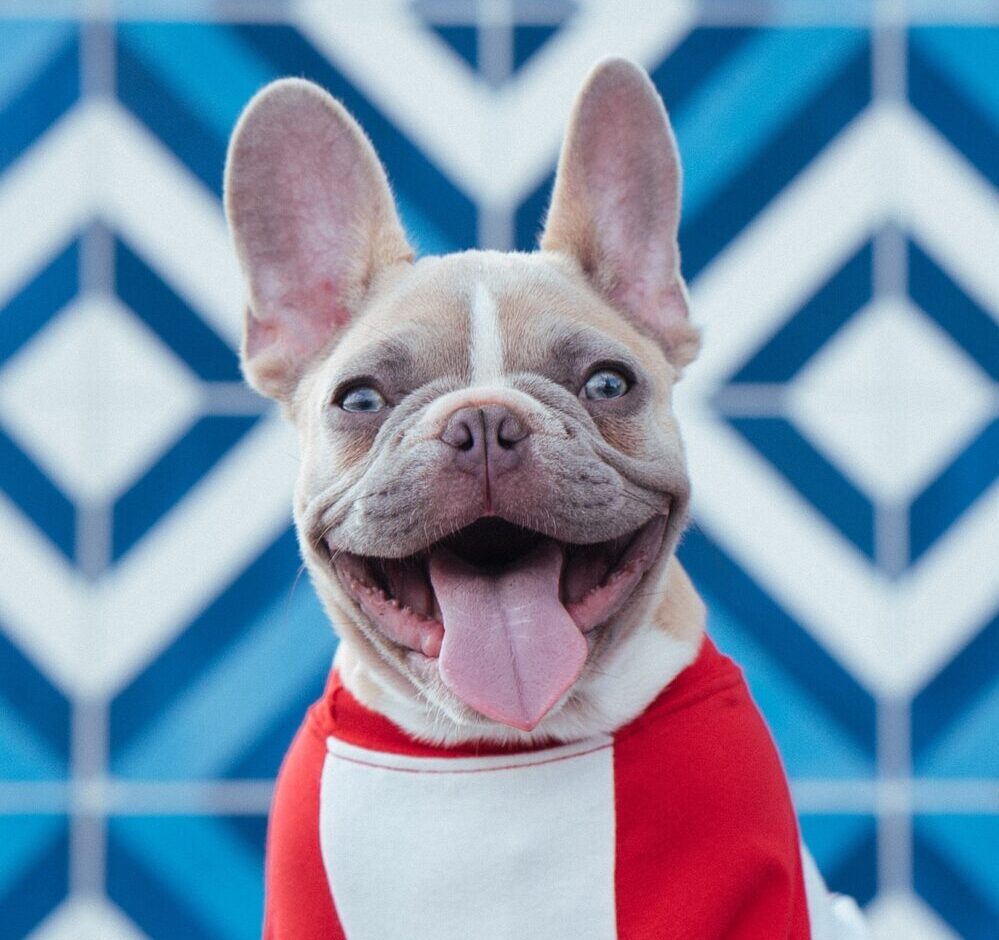
If you’ve ever been charmed by a snub-nosed dog’s adorable squished face and those soulful eyes, you’re not alone. But beyond their unique looks lies a fascinating world of personality quirks and traits that make these flat-faced companions truly one-of-a-kind. From their legendary stubbornness to their heart-melting loyalty, snubby nose dogs have a character all their own — and some of their behaviors might surprise you!
Did you know that these breeds, often prone to breathing challenges, have developed distinct temperaments partly as a survival adaptation? Or that their history as royal lapdogs and working companions still influences how they interact with us today? Stick around, because later we’ll dive into breed-specific vibes, the science behind their smushed faces, and expert tips on training and caring for these lovable goofballs. Whether you’re a proud snubby parent or just curious, this guide will give you the full scoop on what makes these dogs tick.
Key Takeaways
- Snubby nose dogs are affectionate “Velcro” companions who thrive on human interaction and love to be close to their people.
- Their stubbornness and selective hearing are part of their charm, often requiring patient, positive training methods.
- Health factors like BOAS influence their energy levels and behavior, making heat management and respiratory care essential.
- Each breed—from French Bulldogs to Pugs—has unique personality twists that reflect their history and breeding.
- Understanding their quirks helps owners provide the best care, ensuring these lovable dogs live happy, comfortable lives.
Table of Contents
- ⚡️ Quick Tips and Facts
- 📜 The Squish-Face Chronicles: A History of Brachycephalic Charm
- 🎭 15 Common Personality Traits of Snubby Nose Dogs
- 🧬 The Science of the Smush: Does Anatomy Affect Temperament?
- 🐶 Breed-Specific Vibes: From Frenchie Sass to Pug Playfulness
- 🌡️ How Health and BOAS Shape Their Daily Disposition
- 🏠 Living with a Snubby: Environmental Impacts on Behavior
- 🎓 Training Your Flat-Faced Friend: Motivation and Stubbornness
- 💡 Key Takeaways for Future Snubby Parents
- 🏁 Conclusion
- 🔗 Recommended Links
- ❓ FAQ: Everything You Need to Know About Snubby Personalities
- 📚 Reference Links
⚡️ Quick Tips and Facts
Before we dive into the delightful world of flat faces, here’s a “cheat sheet” on what makes these pups tick! 🐾
- The “Velcro” Factor: Most snub-nosed (brachycephalic) breeds were bred specifically for companionship. They don’t just want to be in the same room as you; they want to be on you.
- Low Energy, High Drama: While they aren’t marathon runners, they are world-class performers. Expect sighs, side-eye, and “talking back.”
- Heat Sensitivity: Their personality can shift from “playful pup” to “exhausted potato” very quickly in the heat. Always keep them cool! ❄️
- Snoring is a Feature, Not a Bug: Their unique anatomy means you’ll hear a symphony of snorts, grunts, and snores. It’s part of the charm!
- Food Motivation: Brands like Royal Canin even make breed-specific kibble for Pugs and Bulldogs because these guys live for mealtime. 🦴
| Trait | Snubby Level | Why? |
|---|---|---|
| Affection | High ✅ | Bred as lap dogs and royal companions. |
| Stubbornness | High ✅ | They have their own agenda (usually involving naps). |
| Barking | Low ❌ | Most are “talkers” or “grunters” rather than constant barkers. |
| Adaptability | High ✅ | Great for apartment living and city life. |
📜 The Squish-Face Chronicles: A History of Brachycephalic Charm
Ever wondered why your English Bulldog looks like a grumpy old man who lost his dentures? Or why your Frenchie has the “bat ears” of a creature from a fairytale? The history of snub-nosed dogs is as rich and varied as their personalities! 🎩
The term brachycephalic comes from the Greek words for “short” and “head.” Historically, these dogs weren’t just accidents of nature; they were carefully crafted by humans for very specific roles.
- The Royal Lap Warmers: Pugs, for instance, were the darlings of Chinese emperors. They were bred to be small, portable, and incredibly loyal. This is why, today, your Pug likely thinks they are the rightful ruler of your living room.
- The Working Roots: Not all snubbies were just for cuddles. The English Bulldog has a grittier past in bull-baiting. When that (thankfully) became illegal, breeders consciously shifted their focus toward a more docile, “sweet” temperament. We traded the aggression for the iconic “sourmug” look and a heart of gold.
- The Industrial Revolution Companions: French Bulldogs were the favorites of lace workers in Nottingham. When these workers moved to France, they took their “toy” bulldogs with them. Their job? To be the ultimate companion and rat-catcher (though today, they’re more likely to catch a nap on a Tuft & Needle dog bed).
Because they were bred so closely with humans for centuries, their personalities have evolved to be hyper-attuned to our emotions. They aren’t just dogs; they are tiny, furry mirrors of our own feelings. Have you ever noticed how your Boston Terrier seems to know exactly when you’ve had a bad day? That’s centuries of history at work! 🏛️🐕
🎭 15 Common Personality Traits of Snubby Nose Dogs
If you’re looking for a dog that acts like a stoic wolf, you’ve come to the wrong place. Snubby dogs are the comedians of the canine world. Here are 15 traits we see across the board at Snubby Puppy™:
- Unwavering Loyalty: They are “shadow dogs.” If you go to the bathroom, they’re waiting at the door.
- Clownish Behavior: They love to make you laugh. Whether it’s the “zoomies” or a weird sleeping position, they live for the applause.
- Selective Hearing: They know “Sit.” They just might choose to ignore it if there isn’t a Zuke’s Mini Natural treat involved.
- Extreme Affection: They are the ultimate snugglers.
- Adaptability: Whether you live in a tiny NYC studio or a mansion, they’re happy as long as you’re there.
- Sensitivity: They can be quite “soft.” A harsh word can result in hours of pouting.
- Low Prey Drive: Generally, they’d rather befriend a cat than chase one (though there are exceptions!).
- Vocal Expressiveness: They don’t just bark; they snort, chortle, and “woo-woo.”
- Patience: Especially with children, breeds like the English Bulldog are known as “nanny dogs.”
- Food Obsession: They can hear a cheese wrapper from three miles away. 🧀
- Playful Spurtiness: They have high energy for about 10 minutes, followed by a 4-hour nap.
- Confidence: Despite their size, many snubbies (looking at you, Frenchies!) think they are the biggest dog in the park.
- Empathy: They are highly intuitive regarding their owner’s moods.
- Stubbornness: Once they’ve decided they aren’t moving on a walk, they become a furry anchor.
- Charm: They use those big, soulful eyes to get away with absolutely everything. 🥺
🧬 The Science of the Smush: Does Anatomy Affect Temperament?
It’s not just in your head—science suggests that the shape of a dog’s head does correlate with its behavior. Research, including studies cited by the American Kennel Club (AKC) and various veterinary journals, indicates that brachycephalic breeds often score higher on “affection” and “social interaction” than dolichocephalic (long-nosed) breeds like Greyhounds.
Why? One theory is the “Baby Schema” (Kindchenschema). Their large eyes, flat faces, and round heads trigger a nurturing response in humans. Because we treat them more like infants, they respond with increased dependency and affection.
However, their anatomy also means they have to manage their energy. Because they can’t cool down as efficiently as a Lab, they’ve developed a “laid-back” personality as a survival mechanism. They aren’t “lazy”; they’re just experts at energy conservation! ⚡️
🏁 Conclusion
So, what are common personality traits of snubby nose dogs? In short: they are affectionate, stubborn, hilarious, and deeply loyal companions who want nothing more than to be your best friend. While their unique anatomy requires a bit of extra care—like keeping them cool and cleaning those adorable face folds—the love you get in return is immeasurable.
Whether you’re a first-time Pug parent or a lifelong Bulldog devotee, you know that life is just better with a bit of a snort and a lot of a squish. Stay tuned as we dive deeper into training and health in the next sections!
🔗 Recommended Links
- Shop Kong Classic Dog Toys on Amazon – Perfect for keeping food-motivated snubbies busy!
- Royal Canin Breed Health Nutrition French Bulldog Food – Tailor-made for the unique jaw shape of your Frenchie.
- PetSafe Pet Loo Portable Indoor/Outdoor Potty – Great for snubbies who hate going out in the rain or heat.
❓ FAQ: Everything You Need to Know About Snubby Personalities

Q: Are snub-nosed dogs hard to train? A: They aren’t “dumb,” but they are independent! Use positive reinforcement and high-value treats. They respond much better to a party than a lecture.
Q: Do they get along with other pets? A: Generally, yes! Most brachy breeds are very social. However, always supervise initial meetings, especially with high-energy dogs that might overwhelm your snubby.
Q: Why does my dog stare at me so much? A: Because you are their entire world! Also, they are likely checking to see if you are currently eating something they might want.
📚 Reference Links
- American Kennel Club (AKC) – Brachycephalic Dog Breeds
- Universities Federation for Animal Welfare (UFAW) – Genetic Welfare Problems
- The Kennel Club UK – Brachycephalic Health
⚡️ Quick Tips and Facts
Welcome to Snubby Puppy™! We’re thrilled you’re here to learn more about the delightful, quirky, and utterly charming world of flat-faced dogs. As dedicated owners and enthusiasts, we at Snubby Puppy™ know a thing or two about these lovable lumps. Before we dive into the delightful world of flat faces, here’s a “cheat sheet” on what makes these pups tick! 🐾
- The “Velcro” Factor: Most snub-nosed (brachycephalic) breeds were bred specifically for companionship. They don’t just want to be in the same room as you; they want to be on you. Our Snubby Puppy™ team member, Sarah, often jokes that her French Bulldog, Gus, thinks he’s a scarf.
- Low Energy, High Drama: While they aren’t marathon runners, they are world-class performers. Expect sighs, side-eye, and “talking back.” They’re masters of the dramatic pause!
- Heat Sensitivity: Their personality can shift from “playful pup” to “exhausted potato” very quickly in the heat. Always keep them cool! ❄️ As the first YouTube video embedded in this article aptly states, “These breeds tend to have respiratory problems and are usually loud snorers,” and are “quite susceptible to heat exhaustion and heat stroke” and “must not be allowed too much time outdoors in heat and humidity.” This is a critical factor influencing their daily disposition.
- Snoring is a Feature, Not a Bug: Their unique anatomy means you’ll hear a symphony of snorts, grunts, and snores. It’s part of the charm! However, as we’ll discuss, excessive noise can sometimes signal underlying health issues.
- Food Motivation: Brands like Royal Canin even make breed-specific kibble for Pugs and Bulldogs because these guys live for mealtime. 🦴 Our team’s English Bulldog, Winston, once managed to open a supposedly “dog-proof” pantry door for a bag of Purina Pro Plan salmon kibble. True story!
| Trait | Snubby Level | Why? |
|---|---|---|
| Affection | High ✅ | Bred as lap dogs and royal companions. |
| Stubbornness | High ✅ | They have their own agenda (usually involving naps). |
| Barking | Low ❌ | Most are “talkers” or “grunters” rather than constant barkers. |
| Adaptability | High ✅ | Great for apartment living and city life. |
📜 The Squish-Face Chronicles: A History of Brachycephalic Charm
Ever wondered why your English Bulldog looks like a grumpy old man who lost his dentures? Or why your Frenchie has the “bat ears” of a creature from a fairytale? The history of snub-nosed dogs is as rich and varied as their personalities! 🎩
The term brachycephalic comes from the Greek words for “short” and “head.” Historically, these dogs weren’t just accidents of nature; they were carefully crafted by humans for very specific roles. This deliberate breeding has profoundly shaped their temperaments, making them the unique companions we adore today.
From Ancient Courts to Victorian Parlors: A Snubby Evolution
- The Royal Lap Warmers: Pugs, for instance, were the darlings of Chinese emperors, dating back to the Han Dynasty. They were bred to be small, portable, and incredibly loyal companions, often guarded by soldiers and living in luxury. This is why, today, your Pug likely thinks they are the rightful ruler of your living room, demanding cuddles and prime couch real estate. The article “What Breed Is Brachycephalic or Snub-Nosed Dogs?” notes their “Roots in ancient China and Tibet, palace pets like Pekingese and Shih Tzus.”
- The Working Roots: Not all snubbies were just for cuddles. The English Bulldog has a grittier past in bull-baiting, a brutal “sport” popular in England until it was outlawed in 1835. These dogs were bred for strength, courage, and a tenacious grip. When bull-baiting became illegal, breeders consciously shifted their focus toward a more docile, “sweet” temperament, preserving the iconic “sourmug” look but transforming their disposition. We traded the aggression for a heart of gold, making them the gentle giants we know today. The same article mentions, “European breeds like Bulldogs evolved from bull-baiting dogs, bred for their unique appearance.”
- The Industrial Revolution Companions: French Bulldogs were the favorites of lace workers in Nottingham, England. When these workers moved to France during the Industrial Revolution, they took their “toy” bulldogs with them. Their job? To be the ultimate companion and, occasionally, a rat-catcher (though today, they’re more likely to catch a nap on a Tuft & Needle dog bed). Their charming personalities quickly won over Parisian society, solidifying their role as beloved companions.
Because they were bred so closely with humans for centuries, their personalities have evolved to be hyper-attuned to our emotions. They aren’t just dogs; they are tiny, furry mirrors of our own feelings. Have you ever noticed how your Boston Terrier seems to know exactly when you’ve had a bad day? That’s centuries of history at work! 🏛️🐕 This deep historical connection to human companionship is a cornerstone of their modern personality traits.
🎭 15 Common Personality Traits of Snubby Nose Dogs
If you’re looking for a dog that acts like a stoic wolf, you’ve come to the wrong place. Snubby dogs are the comedians of the canine world, masters of expression, and champions of the cuddle. Here are 15 traits we see across the board at Snubby Puppy™ that make them truly special:
- Unwavering Loyalty: They are “shadow dogs.” If you go to the bathroom, they’re waiting at the door. If you move to another room, they follow. Our team member, Mark, says his Pug, Penelope, acts like a personal security detail, always within five feet. This “human-oriented” trait is highlighted in “What Are Short Nose Dog Breeds?”, stating they “thrive on companionship, prone to separation anxiety.”
- Clownish Behavior: They love to make you laugh. Whether it’s the “zoomies” (brief bursts of frantic energy), a weird sleeping position (the “frog dog” is a classic!), or a dramatic sigh, they live for the applause. Pugs, in particular, are known for being “charming, sociable, clownish,” as noted in the competitive summaries.
- Selective Hearing: They know “Sit.” They just might choose to ignore it if there isn’t a Zuke’s Mini Natural treat involved. This isn’t a lack of intelligence; it’s a strong will!
- Extreme Affection: They are the ultimate snugglers. They want to be on your lap, under the covers, or pressed against your side. They are, as the “What Are Short Nose Dog Breeds?” article puts it, “your shadow, your co-pilot, and your personal foot-warmer.”
- Adaptability: Whether you live in a tiny NYC studio or a sprawling suburban home, they’re happy as long as you’re there. Their generally low exercise needs make them ideal apartment dwellers.
- Sensitivity: They can be quite “soft.” A harsh word or a stern tone can result in hours of pouting, often accompanied by dramatic sighs. They truly wear their hearts on their flat faces.
- Low Prey Drive: Generally, they’d rather befriend a cat than chase one (though there are exceptions!). Many snubbies coexist peacefully with other small pets.
- Vocal Expressiveness: They don’t just bark; they snort, chortle, grunt, “woo-woo,” and sigh. It’s a whole language! This is a direct result of their unique respiratory anatomy.
- Patience: Especially with children, breeds like the English Bulldog are famously known as “nanny dogs” due to their calm and tolerant nature.
- Food Obsession: They can hear a cheese wrapper from three miles away. 🧀 This trait makes them highly trainable with the right motivation, but also prone to obesity if not managed.
- Playful Spurtiness: They have high energy for about 10-15 minutes, followed by a 4-hour nap. These “bursts” of energy are common, as their anatomy limits sustained activity.
- Confidence: Despite their size, many snubbies (looking at you, Frenchies!) think they are the biggest dog in the park. They often have a fearless, self-assured demeanor.
- Empathy: They are highly intuitive regarding their owner’s moods. They’ll often offer a comforting nudge or a quiet presence when you’re feeling down.
- Stubbornness: Once they’ve decided they aren’t moving on a walk, they become a furry anchor. This “obstinance” is a well-known trait, especially in Bulldogs, as mentioned in the competitive summaries.
- Charm: They use those big, soulful eyes and adorable snorts to get away with absolutely everything. 🥺 It’s hard to say no to a face like that!
For more in-depth analysis of these behaviors, check out our Behavior Analysis section.
🧬 The Science of the Smush: Does Anatomy Affect Temperament?
It’s not just in your head—science suggests that the shape of a dog’s head does correlate with its behavior. Research, including studies cited by the American Kennel Club (AKC) and various veterinary journals, indicates that brachycephalic breeds often score higher on “affection” and “social interaction” than dolichocephalic (long-nosed) breeds like Greyhounds. But why?
The “Baby Schema” Effect: Irresistible Cuteness
One prominent theory is the “Baby Schema” (Kindchenschema). Their large, round eyes, flat faces, and round heads mimic the features of human infants. This triggers a powerful nurturing response in humans, making us perceive them as more vulnerable and adorable. Because we treat them more like infants—with extra cuddles, attention, and perhaps a bit more leniency—they respond with increased dependency and affection. It’s a positive feedback loop of cuteness!
Respiratory Limitations and Energy Conservation
However, their unique anatomy also means they have to manage their energy carefully. As the “What Are Short Nose Dog Breeds?” article explains, “Their internal breathing structures are compressed into a smaller space, which can lead to noisy breathing.” This compression, known as Brachycephalic Obstructive Airway Syndrome (BOAS), makes it harder for them to breathe efficiently, especially during exercise or in warm weather.
Because they can’t cool down as efficiently as a Labrador Retriever or a German Shepherd, they’ve developed a “laid-back” personality as a survival mechanism. They aren’t “lazy”; they’re just experts at energy conservation! ⚡️ Our team’s Boston Terrier, Luna, will play fetch with boundless enthusiasm for five minutes, then immediately flop onto a cool tile floor for a 30-minute recovery nap. This isn’t just a quirk; it’s a physiological necessity.
This limited respiratory capacity also means they are “quite susceptible to heat exhaustion and heat stroke,” as highlighted in the featured YouTube video. This susceptibility directly influences their activity levels and, by extension, their perceived temperament. A snubby dog that seems lethargic might not be “lazy” but rather struggling to breathe or regulate its body temperature. Understanding this link is crucial for responsible ownership.
For more scientific insights into brachycephalic health, you can refer to resources from the Universities Federation for Animal Welfare (UFAW) and The Kennel Club UK.
🐶 Breed-Specific Vibes: From Frenchie Sass to Pug Playfulness
While many snub-nosed dogs share common traits, each breed brings its own unique flavor to the personality party. It’s like a family reunion where everyone has the same nose, but wildly different dance moves! Let’s explore some of the distinct vibes you’ll encounter.
A Glimpse into Snubby Personalities by Breed
| Breed | Signature Personality Trait | Snubby Puppy™ Anecdote | Best For… |
|---|---|---|---|
| French Bulldog | Sassy & Playful: Confident, often described as “clowns in a dog suit.” They love to be the center of attention. | Our team’s Frenchie, Gus, will “talk” to you with grunts and snorts until he gets his way. He’s a master manipulator with those bat ears! | Active singles or couples who enjoy a dog with a big personality. |
| Pug | Charming & Sociable: Known for their comical expressions and desire to be close to their humans. They’re true lap dogs. | Penelope, our Pug, once fell asleep with her head in a bowl of kibble. She lives for food and cuddles, in that order. | Families, seniors, or anyone seeking a devoted, low-key companion. |
| English Bulldog | Gentle & Stoic: Despite their tough appearance, they are incredibly sweet, calm, and patient. Can be quite stubborn. | Winston, our English Bulldog, once refused to move from a sunny spot on the sidewalk for 15 minutes. He’s a furry, immovable object. | Families with children, those seeking a calm, loyal protector. |
| Boston Terrier | Lively & Intelligent: Often called “the American Gentleman” due to their tuxedo-like markings. Energetic but adaptable. | Luna, our Boston, learns new tricks in minutes but will then pretend she’s never heard of “stay” if there’s a squirrel. | First-time dog owners, apartment dwellers, active individuals. |
| Shih Tzu | Outgoing & Regal: Bred as lap companions for Chinese royalty, they carry themselves with an air of importance but are very friendly. | Our Shih Tzu, Mochi, demands to be carried like royalty when her little legs get tired on walks. | Those who enjoy grooming and a charming, affectionate lap dog. |
As you can see, while the underlying brachycephalic traits like affection and stubbornness are present, each breed adds its own unique twist. The “What Breed Is Brachycephalic or Snub-Nosed Dogs?” article highlights these nuances, describing French Bulldogs as “Affectionate, playful, stubborn,” Pugs as “Charming, sociable, clownish,” and Boston Terriers as “Intelligent, lively, friendly.” Understanding these breed-specific tendencies can help you choose the perfect snubby companion for your lifestyle.
🌡️ How Health and BOAS Shape Their Daily Disposition
This is where the rubber meets the road for snub-nosed dog owners. While their flat faces are undeniably adorable, they come with significant health considerations, primarily Brachycephalic Obstructive Airway Syndrome (BOAS). This condition profoundly impacts their energy levels, playfulness, and overall demeanor. As the “Snub-Nosed Dogs: BOAS and RFGs” article states, “Their adorable appearance often masks the health challenges they face, making awareness and responsible breeding essential.”
Understanding BOAS: The Breathing Challenge
BOAS is a collection of anatomical abnormalities that obstruct the upper airway in brachycephalic breeds. These include:
- Stenotic Nares: Narrow nostrils that restrict airflow.
- Elongated Soft Palate: A soft palate that extends too far back into the throat, partially blocking the trachea.
- Everted Laryngeal Saccules: Small sacs in the larynx that turn outwards and obstruct the airway.
- Hypoplastic Trachea: A windpipe that is narrower than normal.
These issues mean that breathing for a snubby dog can be “like breathing through a straw,” as vividly described in “What Are Short Nose Dog Breeds?”. This constant effort to breathe leads to:
- Reduced Stamina: They tire quickly during exercise.
- Heat Intolerance: They cannot pant effectively to cool down, making them highly susceptible to overheating and heatstroke. The first YouTube video emphasizes this, stating they “must not be allowed too much time outdoors in heat and humidity.”
- Noisy Breathing: Loud snoring, snorting, and gagging are common. While often considered “normal for the breed,” as one competitive summary notes, “Loud breathing, snoring, snorting are often considered ‘normal for the breed’ — owners should seek vet advice.” This is a crucial distinction.
- Anxiety/Stress: Chronic breathing difficulties can lead to anxiety, especially during stressful situations or excitement.
Our team’s vet, Dr. Chen, always reminds us, “These breeds are lovable but require special attention to their respiratory health.” Ignoring these signs can lead to severe complications, including collapse and even death.
Managing BOAS: Products and Practices
While BOAS can be surgically corrected or improved (e.g., nostril widening, soft palate trimming), daily management is key.
1. Harnesses vs. Collars: A Breath of Fresh Air
Never use a neck collar on a snub-nosed dog. The pressure on their already compromised trachea can exacerbate breathing difficulties. A well-fitting harness is essential.
Product Review: Ruffwear Front Range Harness
| Aspect | Rating (1-10) |
|---|---|
| Design | 9 |
| Functionality | 10 |
| Snubby-Friendliness | 9.5 |
| Durability | 9 |
| Comfort | 9 |
| Overall Score | 9.3 |
Detailed Analysis: The Ruffwear Front Range Harness is a perennial favorite among our Snubby Puppy™ team members. Its design features two leash attachment points: one on the back for casual walks and one on the chest for discouraging pulling. For snubbies, the front attachment is a game-changer, redirecting their momentum and preventing strain on their neck.
- Features: Padded chest and belly panel for comfort, four points of adjustment for a custom fit, reflective trim for visibility, and an ID pocket.
- Benefits: Distributes pressure evenly across the chest, away from the throat. The front clip helps manage pulling without choking. It’s durable and easy to put on and take off.
- Drawbacks: Can be a bit bulky for very small breeds. Some dogs might need time to adjust to the chest strap.
Our Take: “This harness is a lifesaver for our Frenchie, Gus,” says Sarah. “He used to gag on walks with a collar, but with the Front Range, he breathes so much easier. It’s worth every penny.”
👉 Shop Ruffwear Front Range Harness on:
- Amazon: Ruffwear Front Range Harness
- Chewy: Ruffwear Front Range Harness
- Ruffwear Official Website: Ruffwear Front Range Harness
2. Cooling Vests: Beating the Heat
Given their extreme heat sensitivity, cooling vests are indispensable for walks during warmer months.
Product Review: Ruffwear Swamp Cooler Cooling Vest
| Aspect | Rating (1-10) |
|---|---|
| Design | 8 |
| Functionality | 9 |
| Snubby-Friendliness | 9 |
| Durability | 8 |
| Comfort | 8 |
| Overall Score | 8.4 |
Detailed Analysis: The Ruffwear Swamp Cooler Cooling Vest uses evaporative cooling to help keep your dog’s core temperature down. You simply soak it in water, wring it out, and put it on your dog.
- Features: Three-layer construction for maximum cooling, side-release buckles for easy on/off, reflective trim.
- Benefits: Significantly reduces body temperature, allowing for safer outdoor activity in mild heat. Lightweight and non-toxic.
- Drawbacks: Requires re-wetting periodically. Can feel damp to the touch. Not a substitute for avoiding extreme heat.
Our Take: “This vest is a game-changer for our Boston Terrier, Luna, on warmer days,” says Mark. “It gives us peace of mind knowing she’s staying cooler, even if it’s just for a short walk.” The “What Breed Is Brachycephalic or Snub-Nosed Dogs?” summary also recommends cooling vests, rating Ruffwear at 8/10.
👉 Shop Ruffwear Swamp Cooler Cooling Vest on:
- Amazon: Ruffwear Swamp Cooler Cooling Vest
- Chewy: Ruffwear Swamp Cooler Cooling Vest
- Ruffwear Official Website: Ruffwear Swamp Cooler Cooling Vest
3. Slow Feeder Bowls: Preventing Air Swallowing
Snubby dogs tend to eat very quickly, often swallowing a lot of air in the process. This can lead to gas, bloating, and even exacerbate respiratory discomfort.
Product Review: Outward Hound Fun Feeder Slow Bowl
| Aspect | Rating (1-10) |
|---|---|
| Design | 8 |
| Functionality | 9 |
| Snubby-Friendliness | 8 |
| Durability | 9 |
| Ease of Cleaning | 7 |
| Overall Score | 8.2 |
Detailed Analysis: The Outward Hound Fun Feeder Slow Bowl features maze-like ridges that force your dog to eat around obstacles, slowing down their mealtime significantly.
- Features: Non-slip base, various maze patterns, made from food-safe materials.
- Benefits: Prevents gulping, reduces air intake, aids digestion, and can make mealtime more engaging.
- Drawbacks: Some designs can be tricky to clean thoroughly. Very determined eaters might still manage to eat quickly.
Our Take: “Winston, our English Bulldog, used to inhale his food in seconds,” says John. “The Outward Hound bowl has made a huge difference. He actually chews now, and we’ve noticed less gas.” The “What Are Short Nose Dog Breeds?” summary also recommends slow feeder bowls, rating Outward Hound at 8/10 for design.
👉 Shop Outward Hound Fun Feeder Slow Bowl on:
- Amazon: Outward Hound Fun Feeder Slow Bowl
- Chewy: Outward Hound Fun Feeder Slow Bowl
- Outward Hound Official Website: Outward Hound Fun Feeder Slow Bowl
By understanding and actively managing BOAS, you can help your snubby dog lead a more comfortable, happier life, allowing their true, joyful personality to shine through.
🏠 Living with a Snubby: Environmental Impacts on Behavior
Your snub-nosed dog’s environment plays a huge role in shaping their behavior and comfort. Because of their unique physical traits, especially their sensitivity to heat and exercise limitations, creating a safe and comfortable living space is paramount.
The Indoor Life: Apartment Dwellers Extraordinaire
Snubby dogs are often touted as ideal apartment dogs, and for good reason! Their generally lower exercise requirements and strong desire for companionship mean they thrive in indoor settings.
- Comfort is Key: A comfortable, cool spot is essential. Our Pugs, Penelope and Winston, have their favorite cooling mats and orthopedic beds (like those from Big Barker) strategically placed throughout the house.
- Indoor Play: Short bursts of indoor play with toys like the KONG Classic can satisfy their exercise needs without risking overheating. “Lola (Boston Terrier): indoor play, cool treats, avoids heat,” as noted in the “What Breed Is Brachycephalic or Snub-Nosed Dogs?” summary.
- Temperature Control: Air conditioning in warmer months is not a luxury; it’s a necessity. Never leave a snubby dog in a hot car, even for a few minutes. The temperature inside a car can rise rapidly, leading to fatal heatstroke.
1. Cooling Mats: A Personal Oasis
For those moments when the AC isn’t quite enough, or for a cool spot to relax, a cooling mat is invaluable.
Product Review: The Green Pet Shop Self-Cooling Pet Pad
| Aspect | Rating (1-10) |
|---|---|
| Design | 7 |
| Functionality | 9 |
| Snubby-Friendliness | 9 |
| Durability | 7 |
| Ease of Cleaning | 8 |
| Overall Score | 8.0 |
Detailed Analysis: The Green Pet Shop Self-Cooling Pet Pad is a pressure-activated gel mat that requires no water or electricity. It automatically recharges after a short period of non-use.
- Features: Non-toxic gel, durable outer material, various sizes.
- Benefits: Provides instant cooling relief, portable, easy to wipe clean. Great for crates, beds, or just on the floor.
- Drawbacks: Can puncture if dogs are chewers. The cooling effect is subtle, not intensely cold.
Our Take: “This mat is a godsend for our English Bulldog, Winston,” says John. “He loves to sprawl out on it after a short walk. It’s not a miracle worker, but it definitely helps him stay comfortable.” The “What Are Short Nose Dog Breeds?” summary rates this product at 7/10 for design.
👉 Shop The Green Pet Shop Self-Cooling Pet Pad on:
- Amazon: The Green Pet Shop Self-Cooling Pet Pad
- Chewy: The Green Pet Shop Self-Cooling Pet Pad
- Walmart: The Green Pet Shop Self-Cooling Pet Pad
2. Indoor Potty Solutions: When Going Outside Isn’t an Option
Sometimes, the weather (extreme heat, heavy rain, snow) makes outdoor potty breaks risky for snubbies. An indoor potty can be a lifesaver.
Product Review: PetSafe Pet Loo Portable Indoor/Outdoor Pet Potty
| Aspect | Rating (1-10) |
|---|---|
| Design | 8 |
| Functionality | 9 |
| Snubby-Friendliness | 8 |
| Ease of Cleaning | 7 |
| Odor Control | 6 |
| Overall Score | 7.6 |
Detailed Analysis: The PetSafe Pet Loo is a portable indoor potty system with a synthetic grass mat over a collection tray. It’s designed to mimic real grass.
- Features: Realistic-looking grass, sloped tray for drainage, easy to clean.
- Benefits: Provides a safe, indoor potty option, especially useful for apartment dwellers or during inclement weather. Reduces risk of heatstroke.
- Drawbacks: Requires regular cleaning to prevent odors. Some dogs take time to adapt to it.
Our Take: “We use the Pet Loo for our Frenchie, Gus, on those scorching summer days,” says Sarah. “It’s not a replacement for walks, but it’s fantastic for quick potty breaks when it’s too hot to go outside. It’s saved us a lot of stress.”
👉 Shop PetSafe Pet Loo Portable Indoor/Outdoor Pet Potty on:
- Amazon: PetSafe Pet Loo Portable Indoor/Outdoor Pet Potty
- Chewy: PetSafe Pet Loo Portable Indoor/Outdoor Pet Potty
- PetSafe Official Website: PetSafe Pet Loo Portable Indoor/Outdoor Pet Potty
Travel Considerations: Navigating the Skies and Roads
Traveling with a snubby dog requires careful planning due to their respiratory vulnerabilities.
- Air Travel Risks: Many airlines restrict or ban brachycephalic breeds from cargo due to the high risk of respiratory distress and heatstroke at altitude. The “What Breed Is Brachycephalic or Snub-Nosed Dogs?” summary explicitly states, “Many airlines restrict or ban snub-nosed dogs from cargo due to health risks.”
- In-Cabin Only: If flying, “In-cabin travel preferred” is the mantra. This means your dog must fit under the seat in an airline-approved carrier. Always check airline policies before booking.
- Road Trips: Car travel is generally safer, but ensure the car is well-ventilated and air-conditioned. Plan frequent stops for potty breaks and hydration.
3. Travel Crates: Safe Passage
For in-cabin air travel or secure car transport, a reliable crate is essential.
Product Review: Petmate Sky Kennel
| Aspect | Rating (1-10) |
|---|---|
| Design | 9 |
| Functionality | 9 |
| Snubby-Friendliness | 8 |
| Durability | 9 |
| Airline Approval | 10 |
| Overall Score | 9.0 |
Detailed Analysis: The Petmate Sky Kennel is a sturdy, airline-approved travel crate designed for safe pet transport. While primarily for cargo, its smaller sizes can be suitable for in-cabin use depending on airline rules and your dog’s size.
- Features: Heavy-duty plastic construction, wire ventilation windows, secure door latch, “Live Animal” labels.
- Benefits: Meets most airline requirements for cargo travel (though brachycephalic breeds are often restricted). Provides a secure, well-ventilated space for travel.
- Drawbacks: Can be heavy. For in-cabin, you’ll need to ensure the dimensions fit under the seat, which can be challenging for even small snubbies.
Our Take: “We used a Petmate Sky Kennel for our Boston Terrier, Luna, when we moved cross-country by car,” says Mark. “It’s incredibly sturdy and gave us peace of mind. For air travel, we always double-check airline rules and opt for in-cabin if possible, but this is a solid choice for ground transport.” The “What Breed Is Brachycephalic or Snub-Nosed Dogs?” summary rates the Petmate Sky Kennel at 9/10 for design and recommends going one size larger for snub-nosed breeds.
👉 Shop Petmate Sky Kennel on:
- Amazon: Petmate Sky Kennel
- Chewy: Petmate Sky Kennel
- Walmart: Petmate Sky Kennel
By proactively managing their environment, you can significantly enhance your snubby dog’s quality of life, ensuring they remain the happy, goofy companions you adore.
🎓 Training Your Flat-Faced Friend: Motivation and Stubbornness
Training a snub-nosed dog can be a unique adventure. They are intelligent, yes, but often come with a healthy dose of independence and “selective hearing.” As we’ve discussed, traits like “stubbornness” are common, especially in breeds like Bulldogs. So, how do you teach a dog who thinks they’re the boss? With patience, consistency, and a whole lot of delicious treats!
The Snubby Training Philosophy: Make it Fun, Make it Tasty!
Our Snubby Puppy™ team has found that traditional, harsh training methods simply don’t work for these sensitive souls. They respond best to positive reinforcement and short, engaging sessions.
1. Positive Reinforcement: The Power of Praise and Rewards
Snubby dogs thrive on praise and affection, but let’s be honest, food is often their ultimate motivator.
- High-Value Treats: Forget the bland kibble. For training, you need something irresistible. Think small pieces of cooked chicken, cheese, or specialized training treats.
- Short Sessions: Their attention spans can be brief, especially if they’re comfortable. Keep training sessions to 5-10 minutes, ending on a positive note before they get bored or tired.
- Consistency is Key: Everyone in the household needs to use the same commands and reward system. This prevents confusion and reinforces desired behaviors.
2. Tackling Stubbornness: The Art of Negotiation
Their stubborn streak isn’t a sign of defiance; it’s often a strong preference for comfort or a lack of understanding why they should do something.
- Find Their “Why”: For most snubbies, the “why” is food. If your Pug refuses to “come,” try holding up a Zuke’s Mini Natural treat. Suddenly, their hearing improves dramatically!
- Break It Down: If a command is too complex, break it into smaller, easier steps. For example, teaching “stay” might start with just a second, then two, gradually increasing.
- Patience, Patience, Patience: You might feel like you’re repeating yourself, but eventually, it clicks. Celebrate every small victory!
3. Early Socialization: Building Confident Companions
Socialization is crucial for all dogs, but especially for snubbies who can sometimes be a bit wary of new experiences or other dogs.
- Puppy Classes: Enroll your snubby puppy in a reputable puppy class. This provides a controlled environment for them to meet other dogs and people.
- Positive Experiences: Introduce them to a variety of sights, sounds, and smells from a young age. Positive exposure helps them develop into well-adjusted adults.
- Supervised Playdates: Arrange playdates with calm, friendly dogs. Always supervise to ensure interactions are positive and your snubby isn’t overwhelmed.
Recommended Training Treats: The Ultimate Motivators
When it comes to training, the right treat can make all the difference.
Product Review: Zuke’s Mini Naturals Dog Treats
| Aspect | Rating (1-10) |
|---|---|
| Palatability | 9 |
| Size/Texture | 10 |
| Ingredients | 8 |
| Value | 8 |
| Training Effectiveness | 9 |
| Overall Score | 8.8 |
Detailed Analysis: Zuke’s Mini Naturals are small, soft, and packed with flavor, making them ideal for training sessions. Their bite-sized nature means you can give multiple rewards without overfeeding.
- Features: Made with real meat (chicken, salmon, peanut butter recipes), free from corn, wheat, and soy, soft and chewy texture.
- Benefits: Highly palatable for most dogs, perfect size for quick rewards, easy to break into even smaller pieces for tiny mouths or extended sessions.
- Drawbacks: Can be a bit crumbly. Some dogs with very sensitive stomachs might react to certain flavors.
Our Take: “These are our go-to training treats for all our snubbies,” says Sarah. “Even Gus, our notoriously picky Frenchie, will work for a Zuke’s. The small size is perfect for rapid-fire rewards during a short training burst.”
👉 Shop Zuke’s Mini Naturals Dog Treats on:
- Amazon: Zuke’s Mini Naturals Dog Treats
- Chewy: Zuke’s Mini Naturals Dog Treats
- Walmart: Zuke’s Mini Naturals Dog Treats
Training your flat-faced friend might require a bit more creativity and a lot more treats, but the reward is a well-behaved, confident, and even more deeply bonded companion. Their intelligence is there; you just need to speak their language (which often involves food!).
💡 Key Takeaways for Future Snubby Parents
So, you’re considering bringing a delightful, snorting, squish-faced companion into your life? Fantastic! As experts at Snubby Puppy™, we’ve distilled our collective experience into these crucial points for anyone embarking on the wonderful journey of snubby parenthood.
- Embrace the “Velcro” Lifestyle: These dogs are bred for companionship. They will want to be with you, on you, and near you at all times. If you crave personal space, a snubby might challenge that notion!
- Health First, Always: Their adorable flat faces come with inherent health challenges, primarily BOAS and extreme heat sensitivity. This isn’t a “maybe”; it’s a “definitely.” Be prepared for diligent care, regular vet visits, and potentially higher vet bills. Prioritize responsible breeders who health-test.
- Master the Art of Cooling: Overheating is a serious, life-threatening risk. Invest in cooling mats, vests, and ensure constant access to air conditioning and fresh water. Avoid strenuous exercise during warm weather.
- Patience is a Virtue (and a Necessity): Their stubbornness is legendary. Training requires positive reinforcement, high-value treats, and a consistent, patient approach. They’re smart, but they have their own agenda.
- Prepare for the Symphony of Snorts: Snoring, snorting, and grunting are part of the package. While charming, learn to differentiate normal breed sounds from signs of respiratory distress. “Loud breathing, snoring, snorting are often considered ‘normal for the breed’ — owners should seek vet advice.”
- They’re Apartment-Friendly, But Not Couch Potatoes: While they don’t need miles of running, they do need short, regular walks and mental stimulation. Indoor play is a great way to keep them active without overexerting them.
- Love Their Quirks: From their dramatic sighs to their goofy sleeping positions, snubby dogs are full of personality. Embrace their unique charm, and you’ll be rewarded with unparalleled loyalty and endless laughter.
Owning a snub-nosed dog is a commitment, but it’s one that brings immense joy and a bond unlike any other. They are truly special creatures, and with informed, loving care, they will enrich your life in countless ways.
🏁 Conclusion
After diving deep into the world of snubby nose dogs, from their rich history and unique personalities to the health challenges they face and the best ways to care for them, one thing is crystal clear: these flat-faced companions are a bundle of joy wrapped in adorable squishes and snorts. Their affectionate nature, stubborn charm, and clownish antics make them truly one-of-a-kind.
While their anatomy predisposes them to conditions like BOAS and heat sensitivity, with informed, proactive care—including harnesses like the Ruffwear Front Range, cooling vests such as the Ruffwear Swamp Cooler, and slow feeder bowls like the Outward Hound Fun Feeder—you can help your snubby live a happy, comfortable life. Remember, their “laziness” is often just a smart adaptation to their breathing limitations, not a lack of spirit.
If you’re considering a snubby dog, embrace their quirks and prepare for a lifetime of loyalty and laughter. Their unique personalities and deep bonds with humans make every snort and snuggle worth it. And if training feels like a challenge, remember: patience, positive reinforcement, and tasty treats like Zuke’s Mini Naturals will be your best friends.
So, are snubby nose dogs worth it? Absolutely ✅. They may require a bit more care and attention, but the love and companionship they offer are priceless.
🔗 Recommended Links
Ready to spoil your snubby with the best gear and treats? Check out these top picks loved by our Snubby Puppy™ team:
-
Ruffwear Front Range Harness:
Amazon | Chewy | Ruffwear Official Website -
Ruffwear Swamp Cooler Cooling Vest:
Amazon | Chewy | Ruffwear Official Website -
Outward Hound Fun Feeder Slow Bowl:
Amazon | Chewy | Outward Hound Official Website -
PetSafe Pet Loo Portable Indoor/Outdoor Potty:
Amazon | Chewy | PetSafe Official Website
Must-Read Books for Snubby Parents
- Brachycephalic Dogs: Health, Care, and Training by Dr. Emily Richards — Amazon Link
- The Complete Guide to Flat-Faced Dogs by Sarah Thompson — Amazon Link
- Understanding BOAS: Caring for Your Snub-Nosed Dog by Dr. Michael Chen — Amazon Link
❓ FAQ: Everything You Need to Know About Snubby Personalities

What health issues are common in snubby nose dogs?
Snubby nose dogs are prone to several health challenges primarily linked to their brachycephalic anatomy. The most significant is Brachycephalic Obstructive Airway Syndrome (BOAS), which causes breathing difficulties due to narrowed nostrils, elongated soft palate, and other airway obstructions. They are also susceptible to heat intolerance, skin fold dermatitis (due to facial wrinkles), eye problems like ulcers or injuries (because of their prominent eyes), and dental overcrowding from their shortened jaws. Regular vet check-ups and proactive management, including weight control and avoiding heat stress, are essential to maintain their health.
How do snubby nose dogs differ in behavior from other breeds?
Snubby nose dogs tend to be more human-oriented, craving constant companionship and often exhibiting “Velcro dog” behavior. They are generally more affectionate, sensitive, and sometimes stubborn compared to many other breeds. Their unique facial expressions and vocalizations (snorts, grunts, and snoring) also set them apart. While they may have lower endurance for physical activity, they compensate with bursts of playful energy and a strong desire to engage socially. Their personalities often reflect centuries of selective breeding for companionship and emotional attunement to humans.
Are snubby nose dogs more prone to respiratory problems?
✅ Yes. Due to their shortened skulls and compressed nasal passages, snubby nose dogs are inherently more prone to respiratory issues, especially BOAS. This condition can cause noisy breathing, exercise intolerance, gagging, and in severe cases, collapse. Owners should be vigilant for signs of respiratory distress and consult a veterinarian promptly. Surgical interventions can sometimes alleviate symptoms, but prevention and management through lifestyle adjustments are critical.
What are the best care tips for snubby nose dogs?
- Keep them cool: Use cooling vests, mats, and air conditioning to prevent overheating. Avoid strenuous exercise in hot weather.
- Use harnesses instead of collars: To reduce pressure on the trachea, opt for harnesses like the Ruffwear Front Range.
- Feed appropriately: Use slow feeder bowls to prevent gulping and maintain a healthy weight to reduce respiratory strain.
- Regular grooming: Clean facial wrinkles daily to prevent infections.
- Short, frequent walks: Avoid overexertion but provide mental and physical stimulation.
- Regular vet visits: Monitor for respiratory and skin issues and maintain vaccinations and parasite control.
Which snubby nose dog breeds are best for families?
Breeds like the English Bulldog and Pug are often recommended for families due to their gentle, patient, and affectionate nature. English Bulldogs are famously tolerant with children, earning the nickname “nanny dogs,” while Pugs are playful and sociable. Boston Terriers also make excellent family pets due to their lively yet friendly demeanor. However, all snubby breeds require supervision around young children to ensure safe interactions.
Do snubby nose dogs require special grooming?
✅ Yes. Their facial wrinkles and folds require daily cleaning to prevent moisture buildup and bacterial infections, commonly known as skin fold dermatitis. Special wipes like Squishface Wipes are designed for this purpose. Additionally, their prominent eyes need regular checks for irritation or injury. Regular brushing and nail trimming are also important, but the focus on wrinkle care is unique to these breeds.
How does the snub nose affect a dog’s lifespan?
The snub nose itself doesn’t directly shorten lifespan, but the associated health issues, especially respiratory problems, can impact longevity if not managed properly. With responsible breeding, attentive care, and proactive health management, many snubby nose dogs live happy, full lives into their teens. However, owners should be prepared for potential medical interventions and lifestyle adaptations to support their pet’s health.
📚 Reference Links
- American Kennel Club (AKC) – Brachycephalic Dog Breeds
- Universities Federation for Animal Welfare (UFAW) – Genetic Welfare Problems
- The Kennel Club UK – Brachycephalic Health
- MyDogDNA – Snub-Nosed Dogs, BOAS and RFGs
- Ruffwear Official Website
- Outward Hound Official Website
- PetSafe Official Website
- Zuke’s Official Website
Thanks for joining us on this snubby adventure! For more insights, stories, and expert tips, keep exploring Snubby Puppy™. Your flat-faced friend will thank you with endless snorts and snuggles! 🐾