Support our educational content for free when you purchase through links on our site. Learn more
How to Choose the Perfect Snub-Nosed Puppy for Your Family in 2025 🐾


Ever found yourself mesmerized by those irresistibly squishy faces and soulful eyes of snub-nosed puppies, wondering which one would be the perfect fit for your family? You’re not alone! At Snubby Puppy™, we’ve helped countless families navigate the delightful yet sometimes tricky world of brachycephalic breeds. Did you know that while these adorable pups make loving companions, their unique facial structure means they need special care—especially when it comes to breathing, grooming, and health? Stick around as we unravel the secrets to choosing the right snub-nosed puppy, from the 15 most lovable breeds to must-ask questions for breeders, and insider tips to keep your new furry friend happy and healthy.
But wait—how do you balance charm with responsibility? Which breed matches your lifestyle, and what health pitfalls should you watch for? We’ll guide you step-by-step through this exciting journey, sharing real owner stories, expert advice, and practical tips that only seasoned dog lovers like us at Snubby Puppy™ can offer. Ready to find your perfect snub-nosed soulmate? Let’s dive in!
Key Takeaways
- Understand the unique health needs of snub-nosed (brachycephalic) breeds, especially breathing and heat sensitivity.
- Explore 15 popular snub-nosed breeds to find one that fits your family’s lifestyle and living space.
- Ask breeders the right questions to ensure you’re getting a healthy, well-socialized puppy.
- Prioritize grooming and care routines tailored to wrinkle cleaning, dental hygiene, and skin health.
- Use harnesses and avoid collars to protect your puppy’s delicate airways during walks.
- Prepare for training and socialization with patience and positive reinforcement techniques.
Ready to shop for the best gear to keep your snub-nosed pup comfy and safe? Check out:
- Harnesses for Brachycephalic Dogs: Amazon | Chewy | Walmart
- Cooling Mats to Beat the Heat: Amazon | Chewy | Walmart
- Wrinkle Cleaning Supplies: Amazon | Chewy | Walmart
Table of Contents
- Quick Tips and Facts About Choosing Your Perfect Snub-Nosed Puppy 🐾✨
- Snub-Nosed Dogs Uncovered: What Makes These Pups So Unique? 🐶🔍
- The Snub-Nosed Puppy Family: 15 Adorable Breeds You Need to Know in 2024! 🐕❤️
- How to Spot a Snub-Nosed Dog: Key Features and Traits to Watch For 👀🐾
- Breathing Easy: Understanding Brachycephalic Syndrome and Snub-Nosed Dogs’ Health Challenges 💨⚠️
- 10 Essential Questions to Ask Breeders When Choosing Your Snub-Nosed Puppy 🐕🦺❓
- Family Fit: Matching Snub-Nosed Puppies to Your Lifestyle and Home Environment 🏡💖
- Training Tips for Your Snub-Nosed Pup: From Puppyhood to Pro 🦴🎓
- Snub-Nosed Dogs and Travel: What You Need to Know Before Taking Off ✈️🐕
- Nutrition and Care: Feeding Your Snub-Nosed Puppy for a Healthy Life 🍖🥦
- Grooming Your Snub-Nosed Puppy: Tips for Keeping That Cute Face Clean and Happy 🛁🐾
- Common Health Issues in Snub-Nosed Dogs and How to Prevent Them 🏥🔍
- Real Stories: Snubby Puppy Owners Share Their Snub-Nosed Puppy Experiences 🐕💬
- How to Choose the Right Snub-Nosed Puppy for Your Family: Step-by-Step Guide 🐾✅
- Conclusion: Making the Best Choice for Your Snub-Nosed Puppy Adventure 🎉🐶
- Recommended Links for Snub-Nosed Dog Lovers 📚🔗
- Frequently Asked Questions (FAQ) About Snub-Nosed Puppies ❓🐕
- Reference Links and Trusted Resources for Snub-Nosed Puppy Owners 📖✅
Quick Tips and Facts About Choosing Your Perfect Snub-Nosed Puppy 🐾✨
Thinking about welcoming a squishy-faced, snorty bundle of love into your life? We get it! Here at Snubby Puppy™, we’re head over paws for these charming canines. But before you fall for those puppy-dog eyes, let’s arm you with some quick tips and fun facts about our favorite flat-faced friends:
- Brachycephalic Beauty: That adorable flat face is due to a shorter skull, a trait called “brachycephalic.”
- Breathing Matters: Those shortened airways can mean breathing difficulties, especially in hot weather. Think twice about intense games of fetch on scorching summer days! ☀️
- Harness Up: A harness is gentler on their airways than a collar. Plus, have you seen those adorable harnesses designed just for snub-nosed pups? 😍
- Sound the Snore Symphony: Snorting, snuffling, and snoring are common in brachycephalic breeds. While often endearing, excessive noise can indicate breathing problems.
- Vet Visits are Vital: Regular checkups help catch any potential health issues early on. 🩺
- Temperament is Key: While their looks scream “couch potato,” snub-nosed breeds have diverse personalities. Some are playful balls of energy, while others are content with a good cuddle session.
Choosing the right snub-nosed breed is a big decision. Stay tuned for a deep dive into the wonderful world of snub-nosed pups – we’ll cover everything from breed-specific traits to essential care tips!
Snub-Nosed Dogs Uncovered: What Makes These Pups So Unique? 🐶🔍
What is it about those flat faces and big eyes that make our hearts melt? 🤔 Snub-nosed dogs, also known as brachycephalic breeds, possess a distinctive charm that sets them apart. Let’s unravel the mystery behind these endearing pups:
The Science of Snub: Understanding Brachycephaly
“Brachycephalic” might sound intimidating, but it simply means “short-headed.” This shortened skull structure is the result of selective breeding, often emphasizing a particular aesthetic. While it gives them their signature look, it also leads to those characteristically shortened airways.
Beyond the Snub: A Tapestry of Traits
Snub-nosed dogs are more than just their flat faces. They boast a diverse range of personalities, energy levels, and care requirements. Some, like the ever-so-popular French Bulldog, are playful and adaptable, making them ideal city companions. Others, like the dignified English Bulldog, prefer a more leisurely pace.
Health Considerations: Navigating the Brachycephalic World
It’s no secret that snub-nosed breeds are prone to certain health challenges. Brachycephalic Obstructive Airway Syndrome (BOAS) is a common concern, causing breathing difficulties, exercise intolerance, and even fainting.
But don’t despair! Responsible breeding practices, regular vet care, and a mindful approach to exercise and temperature control can help mitigate these risks.
The Snub-Nosed Puppy Family: 15 Adorable Breeds You Need to Know in 2024! 🐕❤️
Ready to meet the gang? Here are 15 of the most popular snub-nosed dog breeds stealing hearts worldwide:
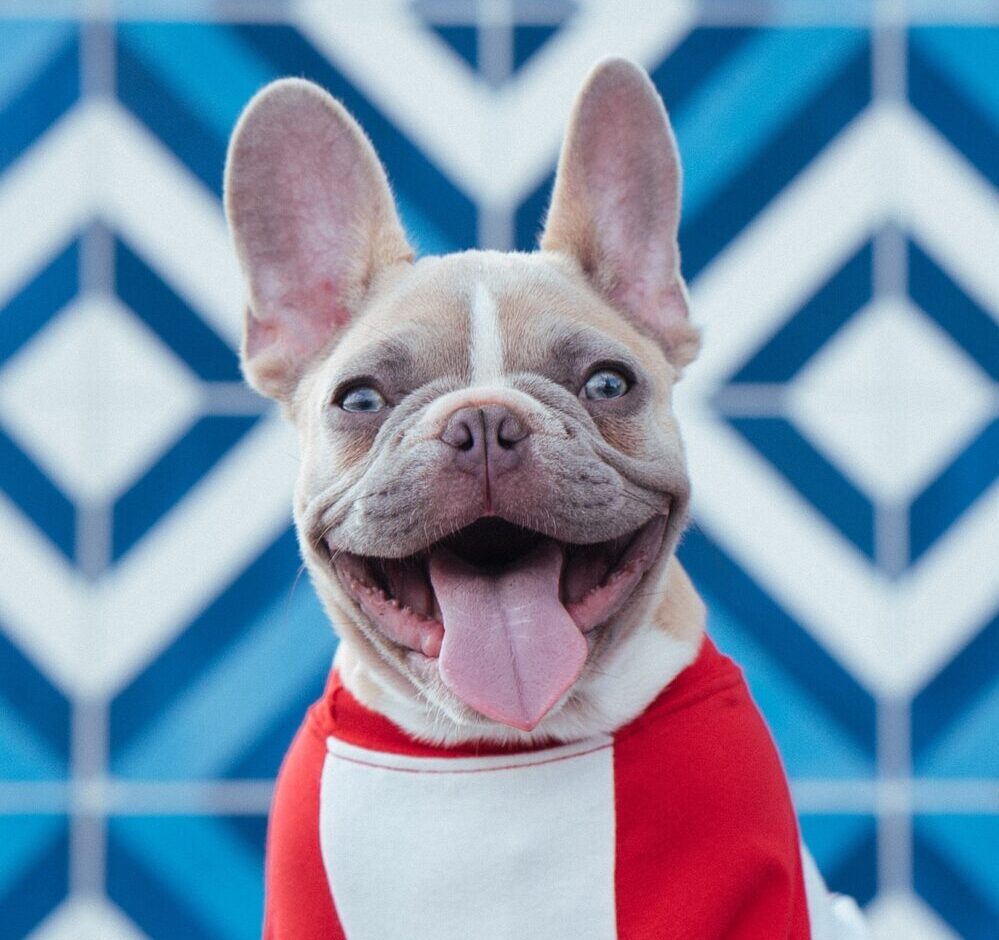
- French Bulldog: The ultimate city slicker, known for their bat ears, playful nature, and adaptability.
- English Bulldog: A gentle giant with a wrinkled brow and a heart of gold.
- Pug: “A lot of dog in a small space,” the Pug is a charming companion with a penchant for napping.
- Boston Terrier: The “American Gentleman” of the dog world, known for their tuxedo-like markings and playful personality.
- Pekingese: A regal breed with a long, flowing coat and an independent spirit.
- Shih Tzu: Affectionate and playful, the Shih Tzu requires regular grooming to maintain their luxurious locks.
- Boxer: Energetic and playful, Boxers are known for their goofy grins and boundless love.
- Bullmastiff: A gentle giant with a protective instinct, the Bullmastiff is a loyal companion.
- Frenchton: A delightful mix of French Bulldog and Boston Terrier, known for their playful and affectionate nature.
- Cavalier King Charles Spaniel: While not all Cavaliers have a pronounced snub nose, some lines exhibit brachycephalic features. They are known for their gentle and affectionate nature.
- Chow Chow: An ancient breed with a distinctive blue-black tongue, the Chow Chow is known for their loyalty and aloof nature.
- Brussels Griffon: These small but sturdy dogs have a charmingly mischievous personality.
- Japanese Chin: Elegant and graceful, the Japanese Chin is a quiet and affectionate companion.
- Affenpinscher: Often called the “monkey dog” due to their expressive faces, Affenpinschers are playful and intelligent.
- Lhasa Apso: Originally bred as Tibetan watchdogs, Lhasa Apsos are now beloved companions known for their long, flowing coats and independent nature.
Stay tuned! We’ll delve deeper into each breed’s unique traits, care requirements, and ideal family dynamics in the upcoming sections.
How to Spot a Snub-Nosed Dog: Key Features and Traits to Watch For 👀🐾
Think you’ve spotted a snub-nosed pup in the wild? Here are some telltale signs:
- Shortened Muzzle: The most obvious feature is a shorter-than-average muzzle, giving the face a flat appearance.
- Wrinkled Face: Many snub-nosed breeds sport adorable wrinkles around their face, adding to their charm.
- Wide-Set Eyes: Their eyes are often larger and more prominent, giving them that irresistible “puppy dog” look.
- Nostril Shape: Nostrils may be smaller or narrower than in other breeds.
Breathing Easy: Understanding Brachycephalic Syndrome and Snub-Nosed Dogs’ Health Challenges 💨⚠️
While undeniably adorable, snub-nosed dogs require special attention due to their unique anatomy. Let’s explore the health challenges associated with brachycephaly and how to ensure your furry friend lives a long and healthy life:
Brachycephalic Obstructive Airway Syndrome (BOAS)
BOAS is a common condition in brachycephalic breeds, caused by the compressed nature of their facial bones. This compression can obstruct airflow, making it difficult for them to breathe.
Signs of BOAS:
- Noisy breathing (snorting, wheezing, gasping)
- Exercise intolerance
- Fainting episodes
- Blue-tinged gums (cyanosis)
Managing BOAS:
- Maintain a healthy weight.
- Avoid strenuous exercise, especially in hot or humid weather.
- Use a harness instead of a collar to prevent pressure on the trachea.
- In severe cases, surgery may be necessary to widen the nostrils or shorten the soft palate.
Other Health Concerns:
- Eye Problems: Protruding eyes are more susceptible to injury and conditions like cherry eye and corneal ulcers.
- Skin Issues: Wrinkles can trap moisture, leading to skin fold dermatitis. Regular cleaning is essential.
- Dental Problems: Overcrowding of teeth is common, increasing the risk of periodontal disease.
Choosing a Healthy Puppy:
- Reputable Breeders: Opt for breeders who prioritize the health and well-being of their dogs.
- Health Testing: Ask for documentation of health screenings for common breed-specific conditions.
- Early Vet Care: Schedule a checkup soon after bringing your puppy home.
10 Essential Questions to Ask Breeders When Choosing Your Snub-Nosed Puppy 🐕🦺❓
Finding a reputable breeder is crucial when welcoming a snub-nosed puppy into your home. Here are 10 essential questions to ask:
- “Can I meet the puppy’s parents?” Observing the parents’ temperament and health can provide valuable insights.
- “What health testing has been done on the parents?” Reputable breeders conduct screenings for common breed-specific conditions.
- “Have the puppies been vet-checked?” Ensure the puppies have received a clean bill of health.
- “What is the breeder’s stance on brachycephalic health issues?” Responsible breeders are knowledgeable about these concerns and prioritize breeding for healthier airways.
- “Can you provide references from previous puppy buyers?” Hearing from other families can give you a sense of the breeder’s reputation.
- “What is the socialization history of the puppies?” Early socialization is crucial for well-adjusted dogs.
- “What type of diet are the puppies on?” A high-quality diet is essential for their growth and development.
- “What is the breeder’s return policy?” A responsible breeder will have a plan in place if a puppy needs to be rehomed.
- “Can I visit the breeding facility?” A clean and well-maintained environment is a good sign.
- “What kind of support do you offer after I bring my puppy home?” A reputable breeder will be available to answer questions and provide guidance.
Family Fit: Matching Snub-Nosed Puppies to Your Lifestyle and Home Environment 🏡💖
Bringing a new puppy home is a joyous occasion, but it’s essential to choose a breed that aligns with your lifestyle and living situation. Here’s a closer look at how to find the perfect snub-nosed match for your family:
Assessing Your Lifestyle:
- Activity Level: Are you an active family who enjoys hiking and outdoor adventures, or do you prefer a more laid-back lifestyle?
- Living Space: Do you have a spacious yard, or are you in an apartment?
- Children and Other Pets: Do you have young children or other animals in the home?
Matching Breeds to Your Needs:
- For Active Families: While snub-nosed breeds aren’t ideal for marathon running, some, like Boston Terriers and French Bulldogs, have moderate energy levels and enjoy brisk walks and playtime.
- For Apartment Living: French Bulldogs and Pugs are relatively quiet and adaptable, making them suitable for apartment life.
- For Families with Children: Bulldogs, known for their patience and gentleness, are often a good choice for families with kids. However, supervision is always crucial.
Remember:
- Temperament Varies: Within each breed, individual personalities can differ.
- Training is Key: Early socialization and training are essential for any breed, especially those prone to stubbornness.
Training Tips for Your Snub-Nosed Pup: From Puppyhood to Pro 🦴🎓
Training a snub-nosed puppy can be a rewarding experience, but their unique needs require a patient and understanding approach. Here are some tips to set your pup up for success:
Positive Reinforcement: The Golden Rule
Like all dogs, snub-nosed breeds respond best to positive reinforcement techniques. Reward desired behaviors with treats, praise, and playtime.
Harness Training: A Must-Have
Using a harness instead of a collar is crucial for snub-nosed pups. It distributes pressure more evenly, reducing strain on their delicate airways.
Potty Training: Patience is Key
Brachycephalic pups may have smaller bladders, requiring more frequent potty breaks. Establish a consistent routine and be patient with accidents.
Socialization: A World of Experiences
Early socialization is vital for any puppy, but it’s especially important for snub-nosed breeds. Expose them to a variety of sights, sounds, people, and well-behaved dogs in a positive and controlled manner.
Addressing Stubbornness:
Some snub-nosed breeds, like Bulldogs, can be notoriously stubborn. Keep training sessions short, fun, and engaging. Break down commands into smaller steps and celebrate each milestone.
Remember:
- Consistency is Key: Establish clear rules and boundaries, and enforce them consistently.
- Seek Professional Help: If you’re struggling with training, don’t hesitate to consult a certified dog trainer experienced with brachycephalic breeds.
Snub-Nosed Dogs and Travel: What You Need to Know Before Taking Off ✈️🐕
Traveling with a snub-nosed dog requires careful planning and consideration due to their sensitivity to heat and potential breathing difficulties. Here’s what you need to know:
Airline Travel:
- Airline Restrictions: Many airlines have restrictions on brachycephalic breeds, especially for cargo travel. Contact the airline well in advance to inquire about their policies and any required documentation.
- Pet-Friendly Airlines: Some airlines are more accommodating to snub-nosed breeds. Research and choose an airline with experience transporting brachycephalic dogs.
- Health Certificate: Obtain a health certificate from your veterinarian, confirming your dog’s fitness for travel.
Car Travel:
- Temperature Control: Never leave your dog unattended in a parked car, even for a short time. Cars can heat up quickly, posing a serious risk to brachycephalic breeds.
- Harness and Seatbelt: Secure your dog in a well-ventilated crate or use a harness and seatbelt for safety.
- Breaks and Hydration: Make frequent stops for potty breaks, exercise, and water.
General Travel Tips:
- Pack Essentials: Bring food, water, bowls, medication, a familiar blanket or toy, and a copy of your dog’s medical records.
- Acclimation: If your dog is not accustomed to traveling, start with short trips to help them adjust.
- Consult Your Vet: Discuss any concerns about your dog’s health and fitness for travel with your veterinarian.
Nutrition and Care: Feeding Your Snub-Nosed Puppy for a Healthy Life 🍖🥦
A balanced and nutritious diet is crucial for the overall health and well-being of your snub-nosed puppy. Here’s what you need to know about feeding these special pups:
Choosing the Right Food:
- High-Quality Ingredients: Look for foods with real meat or poultry as the first ingredient, avoiding artificial colors, flavors, and preservatives.
- Breed-Specific Formulas: Some pet food companies offer formulas specifically designed for brachycephalic breeds, often with smaller kibble sizes for easier chewing.
- Consult Your Vet: Your veterinarian can recommend the best diet for your puppy’s age, breed, and activity level.
Feeding Schedule and Portion Control:
- Puppy Feeding: Puppies require more frequent meals than adult dogs. Follow your veterinarian’s recommendations for feeding frequency and portion sizes.
- Adult Feeding: Most adult snub-nosed dogs do well on one or two meals per day.
- Weight Management: Obesity can exacerbate breathing difficulties in brachycephalic breeds. Monitor your dog’s weight and adjust portion sizes accordingly.
Hydration:
- Fresh Water Always: Ensure your dog has access to fresh, clean water at all times, especially during warmer months.
Treats:
- Moderation is Key: Treats should make up no more than 10% of your dog’s daily caloric intake.
- Healthy Options: Opt for low-calorie, nutritious treats, such as small pieces of fruits or vegetables.
Food Allergies and Sensitivities:
- Watch for Signs: Be aware of potential food allergies or sensitivities, which can manifest as digestive upset, skin problems, or ear infections.
- Elimination Diet: If you suspect a food allergy, consult your veterinarian about an elimination diet to identify the culprit.
Grooming Your Snub-Nosed Puppy: Tips for Keeping That Cute Face Clean and Happy 🛁🐾
Grooming a snub-nosed puppy is about more than just keeping them looking their best – it’s essential for their overall health and hygiene. Here’s a guide to keeping your furry friend clean, comfortable, and oh-so-adorable:
Wrinkle Care: A Top Priority
Those adorable wrinkles can trap moisture and debris, leading to skin fold dermatitis. Here’s how to keep those folds clean and healthy:
- Regular Cleaning: Gently wipe the wrinkles with a damp cloth or pet-safe wipes daily.
- Thorough Drying: Ensure the folds are completely dry after cleaning to prevent moisture buildup.
- Check for Irritation: Look for signs of redness, irritation, or odor, which could indicate an infection.
Bathing:
- Frequency: Bathe your snub-nosed pup every 1-3 months, or as needed. Over-bathing can strip their skin of natural oils.
- Gentle Products: Use a mild, pH-balanced shampoo specifically formulated for dogs.
- Avoid the Face: When bathing, avoid getting water or shampoo in their eyes, nose, or ears.
Brushing:
- Regular Brushing: Brush their coat regularly to remove loose hair and prevent mats.
- Breed-Specific Needs: Different breeds have different coat types and grooming requirements.
Nail Trimming:
- Regular Trims: Trim your dog’s nails every 2-4 weeks, or as needed, to prevent overgrowth and discomfort.
Ear Cleaning:
- Weekly Cleaning: Gently clean their ears once a week with a veterinarian-recommended ear cleaner.
Dental Care:
- Daily Brushing: Brush your dog’s teeth daily with a dog-specific toothbrush and toothpaste.
- Dental Chews: Provide dental chews to help reduce plaque and tartar buildup.
Remember:
- Positive Association: Make grooming a positive experience for your puppy by using treats, praise, and patience.
- Professional Grooming: Consider professional grooming for haircuts, especially for breeds with more demanding coat care needs.
Common Health Issues in Snub-Nosed Dogs and How to Prevent Them 🏥🔍
While we adore their squishy faces and charming personalities, it’s important to be aware of the health challenges common to snub-nosed breeds. Here’s a closer look at some prevalent issues and how to help your furry friend live a longer, healthier life:
1. Brachycephalic Obstructive Airway Syndrome (BOAS)
As we’ve discussed, BOAS is a common concern in brachycephalic breeds, caused by their compressed facial structures.
Prevention Tips:
- Responsible Breeding: Support breeders who prioritize breeding for healthier airways.
- Weight Management: Keep your dog at a healthy weight to reduce strain on their respiratory system.
- Harness Over Collar: Always use a harness instead of a collar to avoid pressure on the trachea.
2. Eye Problems
Protruding eyes are more susceptible to injury and conditions like:
- Cherry Eye: A prolapsed tear gland.
- Corneal Ulcers: Scratches on the surface of the eye.
- Dry Eye: Inadequate tear production.
Prevention Tips:
- Eye Protection: Use caution during playtime and avoid roughhousing that could lead to eye injuries.
- Regular Eye Checks: Have your veterinarian examine your dog’s eyes regularly.
3. Skin Fold Dermatitis
Wrinkles can trap moisture, creating a breeding ground for bacteria and yeast, leading to skin fold dermatitis.
Prevention Tips:
- Daily Wrinkle Cleaning: Gently clean and dry your dog’s wrinkles daily.
- Keep Folds Dry: Ensure the folds are completely dry after cleaning or bathing.
4. Dental Problems
Overcrowding of teeth is common in brachycephalic breeds, increasing the risk of periodontal disease.
Prevention Tips:
- Daily Brushing: Brush your dog’s teeth daily.
- Dental Chews: Provide dental chews to help reduce plaque and tartar buildup.
- Professional Cleanings: Schedule regular dental cleanings with your veterinarian.
5. Heat Sensitivity
Snub-nosed dogs are more susceptible to heatstroke due to their shortened airways.
Prevention Tips:
- Avoid Extreme Heat: Limit outdoor activity during the hottest parts of the day.
- Provide Shade and Water: Ensure access to shade and fresh water at all times.
- Recognize Signs of Heatstroke: Panting, excessive drooling, lethargy, vomiting, and collapse are all signs of heatstroke. Seek immediate veterinary attention if you suspect your dog is overheated.
Real Stories: Snubby Puppy Owners Share Their Snub-Nosed Puppy Experiences 🐕💬
Here at Snubby Puppy™, we’re not just experts – we’re a community of passionate snub-nosed dog lovers! We believe in the power of shared experiences, so we’ve gathered heartwarming, hilarious, and insightful stories from real Snubby Puppy owners:
“My French Bulldog, Pierre, is the most hilarious dog I’ve ever met! He snores like a freight train and has a knack for finding the comfiest spot on the couch. He’s not the most athletic pup, but his playful personality and endless cuddles make up for it tenfold.” – Sarah M.
“We welcomed our English Bulldog, Winston, into our family last year, and he’s been the biggest blessing. He’s incredibly patient with our two young children and has the most gentle soul. We’ve learned so much about responsible brachycephalic care and wouldn’t trade him for the world.” – The Johnson Family
“My Pug, Luna, is my little shadow. She follows me everywhere and loves nothing more than curling up on my lap for a nap. She’s taught me the importance of patience, routine, and unconditional love.” – Emily S.
These are just a few glimpses into the wonderful world of snub-nosed dog ownership. Stay tuned for more heartwarming stories, helpful tips, and expert advice from the Snubby Puppy™ community!
How to Choose the Right Snub-Nosed Puppy for Your Family: Step-by-Step Guide 🐾✅
Ready to welcome a squishy-faced bundle of joy into your life? Choosing the right snub-nosed puppy is a big decision. Follow our step-by-step guide to make the best choice for your family:
Step 1: Research, Research, Research 📚
- Explore Breeds: Delve into the unique characteristics, care requirements, and potential health concerns of different snub-nosed breeds.
- Assess Your Lifestyle: Consider your activity level, living space, and family dynamics.
- Talk to Owners: Connect with people who own the breeds you’re interested in to gain firsthand insights.
Step 2: Find a Reputable Breeder 🤝
- Prioritize Health: Look for breeders who prioritize the health and well-being of their dogs over aesthetics.
- Ask Questions: Don’t hesitate to ask about health testing, breeding practices, and socialization protocols.
- Visit the Facility: A clean and well-maintained environment is a good sign.
Step 3: Meet the Puppies and Parents 🐾
- Observe Temperament: Interact with the puppies and their parents to get a sense of their personalities.
- Health Check: Look for bright eyes, clean ears, and a healthy coat.
Step 4: Prepare Your Home 🏡
- Puppy-Proofing: Secure any potential hazards and create a safe space for your new arrival.
- Gather Supplies: Food, water bowls, a harness, a leash, a bed, toys, and grooming supplies are all essentials.
Step 5: Welcome Your New Family Member! 🎉
- Patience and Understanding: Be patient as your puppy adjusts to their new home and routine.
- Positive Reinforcement: Use positive reinforcement techniques for training and socialization.
- Regular Vet Care: Schedule a checkup soon after bringing your puppy home and follow your veterinarian’s recommendations for vaccinations, parasite prevention, and ongoing care.
Conclusion: Making the Best Choice for Your Snub-Nosed Puppy Adventure 🎉🐶

Choosing the right snub-nosed puppy for your family is a journey filled with excitement, love, and a bit of homework. These charming, flat-faced companions bring heaps of affection, quirky personalities, and undeniable cuteness into your life. But as we’ve explored, their unique anatomy means they come with special needs — from breathing challenges and heat sensitivity to grooming and health vigilance.
Here’s the bottom line: If you’re ready to embrace the responsibility of caring for a brachycephalic breed, armed with knowledge and patience, you’ll be rewarded with a loyal, loving furry friend who will brighten your days. Remember to prioritize health over looks, choose a reputable breeder, and commit to regular vet care and proper lifestyle adjustments.
At Snubby Puppy™, we confidently recommend breeds like the French Bulldog, Boston Terrier, and Pug for families who want a playful yet manageable companion, while the English Bulldog and Shih Tzu suit those seeking a more laid-back buddy. Always consider your family’s activity level, living situation, and willingness to meet their care needs.
So, are you ready to bring home your snub-nosed soulmate? The adventure awaits — and we’re here to help every snort of the way! 🐾💖
Recommended Links for Snub-Nosed Dog Lovers 📚🔗
Ready to gear up for your snub-nosed puppy’s arrival? Here are some top-rated essentials and helpful reads to get you started:
-
Dog Harnesses for Snub-Nosed Breeds:
Amazon | Chewy | Walmart -
Books to Deepen Your Snub-Nosed Dog Knowledge:
Frequently Asked Questions (FAQ) About Snub-Nosed Puppies ❓🐕

What are the most popular breeds of snub-nosed dogs that make good family pets?
Popular family-friendly snub-nosed breeds include:
- French Bulldog: Playful, adaptable, and great for apartments.
- Pug: Affectionate and gentle, with a calm demeanor.
- Boston Terrier: Intelligent and energetic, often called the “American Gentleman.”
- English Bulldog: Patient and loving, ideal for families with children.
- Shih Tzu: Affectionate and good with kids, though grooming needs are higher.
Each breed has unique traits, so consider your family’s activity level and environment when choosing.
Read more about “What is a Snubby Puppy? Discover 10 Adorable Breeds! 🐶”
How do I care for a snub-nosed puppy’s unique facial features to prevent health issues?
Key care tips include:
- Wrinkle Cleaning: Daily gentle cleaning and drying to prevent infections.
- Eye Care: Regular checks for irritation or injury; avoid rough play.
- Use a Harness: Avoid collars that put pressure on the neck and airway.
- Monitor Breathing: Watch for signs of distress or excessive snorting.
Regular vet visits are essential to catch any emerging issues early.
What are the pros and cons of owning a snub-nosed dog, and is it right for my lifestyle?
Pros:
✅ Adorable, affectionate companions
✅ Often good with children and other pets
✅ Adaptable to various living spaces
Cons:
❌ Prone to breathing difficulties and heat sensitivity
❌ Potentially higher vet bills due to health issues
❌ Grooming needs, especially wrinkle care
If you have a calm lifestyle, are willing to invest in care, and understand their needs, a snub-nosed dog can be a perfect fit.
Can snub-nosed dogs be trained easily, and what methods work best for this breed?
Yes, with patience and the right approach!
- Use positive reinforcement: treats, praise, and play.
- Keep training sessions short and fun to maintain attention.
- Use a harness during leash training to protect their airways.
- Be consistent and patient, especially with breeds known for stubbornness like Bulldogs.
Professional trainers familiar with brachycephalic breeds can offer tailored guidance.
How do I socialize my snub-nosed puppy to ensure it gets along with children and other pets?
- Start early socialization with gentle exposure to people, sounds, and other animals.
- Use positive experiences to build confidence and reduce fear.
- Supervise interactions with children to ensure safety for both.
- Enroll in puppy socialization classes if possible.
Proper socialization helps prevent behavioral problems and builds a well-rounded dog.
What health problems are common in snub-nosed dogs, and how can I prevent them?
Common issues include:
- Brachycephalic Obstructive Airway Syndrome (BOAS): Manage weight, avoid overheating, and use harnesses.
- Eye conditions: Protect eyes and schedule regular vet exams.
- Skin fold infections: Clean and dry wrinkles daily.
- Dental disease: Brush teeth regularly and provide dental chews.
Choosing a reputable breeder and maintaining regular veterinary care are crucial prevention steps.
Read more about “How to Care for a Snub-Nosed Puppy: 12 Essential Tips! 🐶”
Are snub-nosed dogs high-maintenance pets, and what are their grooming needs?
They can be more maintenance-intensive than some breeds:
- Wrinkle care: Daily cleaning to prevent infections.
- Regular baths: Every 1-3 months, using gentle shampoos.
- Brushing: Depends on coat type; some breeds require frequent grooming.
- Nail trimming and ear cleaning: Routine care is essential.
- Dental hygiene: Daily brushing recommended.
If you enjoy grooming and health care routines, these dogs reward you with endless love.
Reference Links and Trusted Resources for Snub-Nosed Puppy Owners 📖✅
- American Kennel Club (AKC) – Brachycephalic Breeds
- British Veterinary Association – Brachycephalic Health
- PDSA – Caring for Brachycephalic Dogs
- Snubby Puppy™ – The Ultimate List of 12 Adorable Snub-Nosed Dogs You Need to Know About in 2024! 🐶✨
- Chewy – Dog Harnesses
- Amazon – Dog Cooling Mats
- Snubby Puppy™ Behavior Analysis
Dive into these trusted resources to deepen your understanding and care for your snub-nosed companion!