Support our educational content for free when you purchase through links on our site. Learn more
Brachycephalic Dogs: 10 Essential Care Tips for Snub-Nosed Pups (2025) 🐾

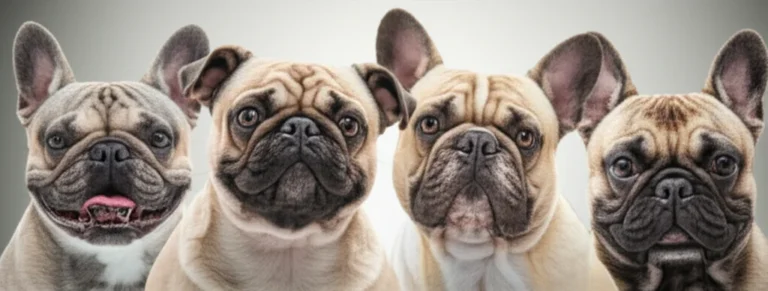
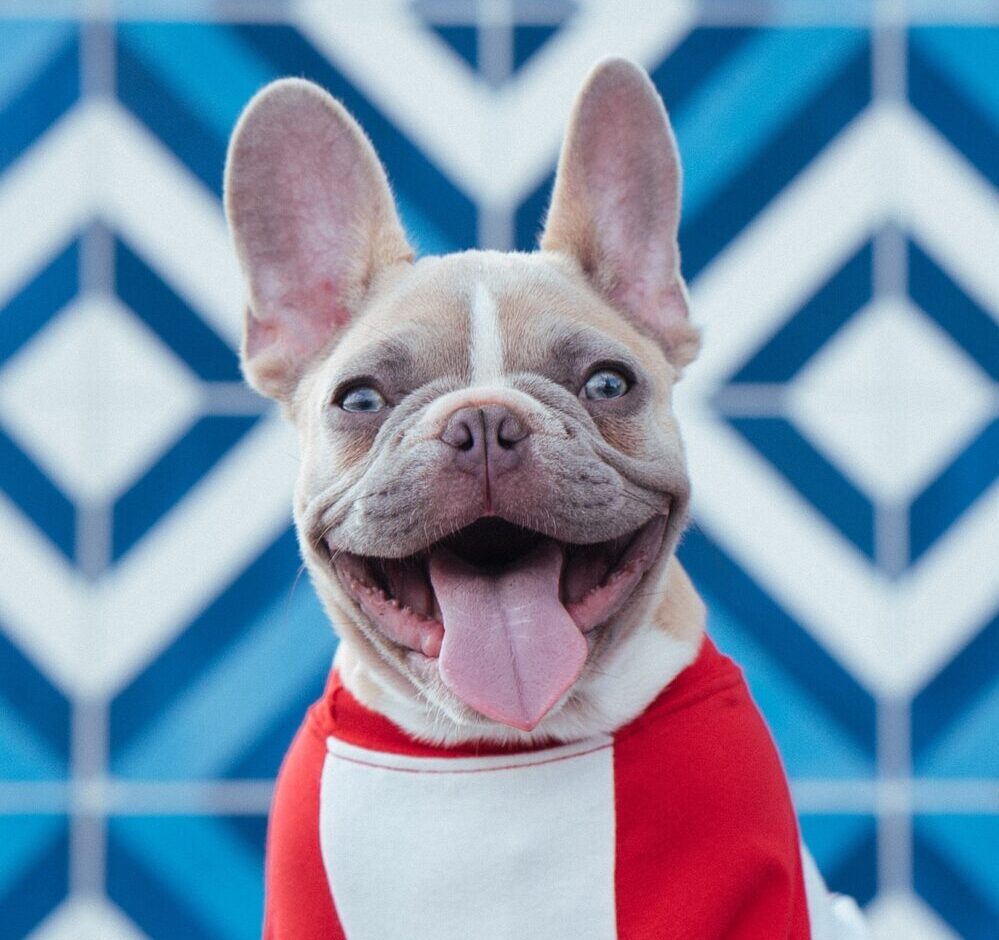
If you’ve ever been charmed by the smooshed face and big eyes of a French Bulldog, Pug, or Boston Terrier, you’re already familiar with brachycephalic dogs. But did you know that their adorable flat faces come with a unique set of health challenges? At Snubby Puppy™, we’ve lived the ups and downs of caring for these lovable snub-nosed companions—and we’re here to share everything you need to know to keep your pup happy, healthy, and breathing easy.
From the science behind their breathing struggles to the must-have products that make life easier (think cooling vests and specialized harnesses), this guide covers it all. Curious how to spot the signs of Brachycephalic Obstructive Airway Syndrome (BOAS) before it becomes an emergency? Or wondering which slow-feeder bowl can save your dog from gulping air and tummy troubles? Stick around—we’ve got real owner stories, expert tips, and product recommendations that will make you feel like a brachycephalic care pro in no time.
Key Takeaways
- Brachycephalic dogs have unique skull anatomy that causes breathing difficulties and heat sensitivity—understanding this is key to their care.
- Preventative health care and weight management are critical to reducing risks like BOAS and heatstroke.
- Daily wrinkle cleaning, dental care, and specialized feeding tools help prevent infections and digestive issues.
- Exercise must be carefully timed and moderated to avoid overheating, with indoor play and cooling gear as excellent alternatives.
- Surgery can significantly improve quality of life for dogs with severe airway obstruction, but early recognition is essential.
- Choosing the right products—like the Puppia RiteFit Harness and Ruffwear Swamp Cooler vest—can make a huge difference in comfort and safety.
👉 Shop essential brachycephalic dog gear:
Table of Contents
- ⚡️ Quick Tips and Facts About Brachycephalic Dogs
- 🐶 The Fascinating Origins and Evolution of Brachycephalic Dog Breeds
- 🔍 What Exactly Are Brachycephalic Dogs? Understanding Their Unique Skull Structure
- 💔 10 Common Health Challenges Faced by Brachycephalic Dogs and How to Manage Them
- 🌡️ Why Do Brachycephalic Dogs Struggle with Heat? The Science Behind Their Breathing Issues
- 🦴 Caring for Your Brachycephalic Pup: Essential Grooming and Daily Care Tips
- 🍽️ Feeding and Nutrition Strategies Tailored for Brachycephalic Breeds
- 🏃♂️ Exercise and Activity Guidelines: Keeping Your Brachycephalic Dog Healthy Without Overheating
- 🛠️ Top 7 Must-Have Products for Brachycephalic Dogs: From Cooling Vests to Specialized Harnesses
- 📋 How to Recognize and Respond to Brachycephalic Obstructive Airway Syndrome (BOAS)
- 👩⚕️ When to Seek Veterinary Help: Warning Signs and Preventative Care for Brachycephalic Dogs
- 💡 Breeding Ethics and the Future of Brachycephalic Dog Health: What You Need to Know
- 📚 Real Owner Stories: Triumphs and Trials with Brachycephalic Dogs
- 🔗 Recommended Links for Brachycephalic Dog Owners and Enthusiasts
- ❓ Frequently Asked Questions About Brachycephalic Dogs
- 📖 Reference Links and Scientific Resources on Brachycephalic Breeds
- 🎉 Conclusion: Loving and Living Well with Your Brachycephalic Best Friend
Here at Snubby Puppy™, we’re more than just a team; we’re a pack of devoted owners who live and breathe the snorts, snores, and slobbery kisses of our brachycephalic best friends. From Frenchies to Pugs, we’ve navigated the delightful, and sometimes daunting, world of flat-faced pups. We’re here to share our hard-won wisdom, personal stories, and expert advice to help you give your snub-nosed companion the happiest, healthiest life possible. So, grab a cup of coffee (and maybe a wipe for your dog’s face wrinkles), and let’s dive in!
⚡️ Quick Tips and Facts About Brachycephalic Dogs
In a hurry? Here’s the lowdown on our favorite flat-faced friends. Think of this as the “CliffsNotes” for brachycephalic care!
- What’s in a Name? “Brachycephalic” (pronounced brak-ee-suh-fal-ik) is a fancy term from Greek roots: brachy meaning “short” and cephalic meaning “head.” Yep, it literally means “short-head.”
- Heat is the Enemy: These dogs are the drama queens of summer. Their short snouts make panting inefficient, so they can overheat dangerously fast. Morning and evening walks are your new best friend.
- Harnesses Over Collars, Always! A collar can put pressure on their already-compromised trachea (windpipe). A well-fitting harness is a non-negotiable safety item to protect their neck and airway.
- Snoring Isn’t Just “Cute”: While a little snuffle can be adorable, loud, constant snoring can be a sign of Brachycephalic Obstructive Airway Syndrome (BOAS). Pay attention to their breathing sounds.
- Wrinkle Care is Real: Those adorable facial folds are perfect breeding grounds for bacteria. Daily cleaning is a must to prevent skin fold dermatitis. We’re talking about you, Bulldogs and Pugs!
- Weight Watching is Crucial: Extra pounds put immense strain on their breathing. As the MSPCA-Angell notes, maintaining an ideal body weight is a key preventative strategy.
- They’re Not Great Swimmers: Their front-heavy build and breathing issues make them a high-risk group around water. A doggy life jacket is essential for any water-related activities.
- Flying is Complicated: Many airlines have restrictions or outright bans on transporting brachycephalic breeds in cargo due to the high risk of respiratory distress. Always check with the airline’s specific pet policy, like Delta’s, well in advance.
🐶 The Fascinating Origins and Evolution of Brachycephalic Dog Breeds
Ever wonder why your Pug looks like he ran face-first into a wall and decided to keep the look? The history of these breeds is a wild tale of human preference shaping canine evolution. It wasn’t an accident; it was very much on purpose.
There are a couple of prevailing theories. One, as mentioned by Hill’s Pet Nutrition, suggests that shorter snouts were bred for function. Think of Bulldogs, originally bred for the brutal sport of bull-baiting. The theory goes that a shorter snout and undershot jaw provided a more powerful, vice-like grip.
The other, more widely accepted theory, is that we humans just think it’s cute. This is known as neoteny—the retention of juvenile features in adult animals. The big, round eyes, shortened muzzle, and larger head-to-body ratio mimic a human baby’s face. This triggers our innate nurturing instincts. We’re biologically wired to want to protect and care for them!
Our team’s Boston Terrier, Winston, is a perfect example. His expressive, wide-set eyes can get him out of any trouble, from chewing a shoe to stealing a snack. It’s a powerful evolutionary advantage when your primary job is to be a cherished companion. Over centuries, breeders selected for these “cute” traits, leading to the distinct look of the brachycephalic breeds we know and love today.
🔍 What Exactly Are Brachycephalic Dogs? Understanding Their Unique Skull Structure
Alright, let’s get into the nitty-gritty. We’ve established that “brachycephalic” means “short-headed.” But what does that really mean for the dog?
Imagine a normal dog’s skull (like a German Shepherd’s) is a standard sedan. It’s got a long hood (the snout) with plenty of room for all the engine parts. Now, a brachycephalic dog’s skull is like that same sedan squished into a smart car. All the same parts—tongue, soft palate, teeth, nasal passages—are still there, but they’re crammed into a much smaller space. While some people look for specific traits like hypoallergenic coats, which you can read about in our guide to What Are the 6 Best Short Nose Dog Breeds Hypoallergenic?, the underlying skull structure is the defining feature.
This anatomical compression leads to a collection of traits, some charming and some challenging:
- The Skull: The cranial base is shorter and wider.
- The Jaw: Often results in an undershot jaw, where the lower teeth sit in front of the upper teeth when the mouth is closed.
- The Soft Tissues: This is the big one. The soft palate (the fleshy tissue at the back of the roof of the mouth) is often too long for the shortened head, partially blocking the airway. The tongue can also be disproportionately large for the mouth.
- The Airways: The nostrils are often narrowed (stenotic nares), and the windpipe (trachea) can be smaller in diameter (hypoplastic trachea).
It’s this unique, compacted anatomy that is the root cause of most of the special health considerations these breeds face. It’s not a disease; it’s a conformation. But it’s a conformation that requires a lifetime of mindful care.
💔 10 Common Health Challenges Faced by Brachycephalic Dogs and How to Manage Them
Loving a snub-nosed dog means being a vigilant health advocate. Their charm comes with a checklist of potential issues. Here are the top 10 we see at Snubby Puppy™, and how we manage them.
-
Brachycephalic Obstructive Airway Syndrome (BOAS): This is the big umbrella term for breathing difficulties caused by their anatomy. It includes stenotic nares, an elongated soft palate, and more.
- Management: ✅ Use a harness. ✅ Keep them cool. ✅ Maintain a healthy weight. ❌ Avoid strenuous exercise in the heat.
-
Heat Stroke: As Diamond Pet Foods warns, these dogs are at a much higher risk. Their inability to pant effectively means they can’t cool down.
- Management: ✅ Exercise during cool parts of the day. ✅ Always provide fresh water and shade. ✅ Know the signs: excessive panting, drooling, red gums, and collapse.
-
Dental Problems: All 42 adult teeth are crammed into that tiny jaw, leading to overcrowding, crooked teeth, and increased risk of periodontal disease.
- Management: ✅ Daily teeth brushing with a dog-safe toothpaste like Virbac C.E.T. Enzymatic Toothpaste. ✅ Regular professional dental cleanings. ✅ Use dental chews like Greenies.
-
Skin Fold Dermatitis: Those cute wrinkles are moisture and bacteria traps.
- Management: ✅ Clean the folds daily with a gentle wipe like Pet MD Chlorhexidine Wipes. ✅ Dry the folds thoroughly afterward.
-
Eye Issues (Ocular Proptosis & More): Their shallow eye sockets make their eyes more prominent and vulnerable. A minor bump can cause the eyeball to pop out of its socket (proptosis) – a true veterinary emergency! They’re also prone to dry eye and corneal ulcers.
- Management: ✅ Use a harness to avoid pressure on the neck/head. ✅ Be careful during rough play. ✅ Use lubricating eye drops like i-Lid ‘n Lash Vet if recommended by your vet.
-
Gastrointestinal Issues: They tend to swallow a lot of air when eating due to their breathing effort, leading to gas, regurgitation, and sometimes vomiting.
- Management: ✅ Use a slow-feeder bowl. ✅ Feed smaller, more frequent meals. ✅ Some dogs benefit from a veterinary gastrointestinal diet.
-
Spinal Problems: Breeds like French Bulldogs and Pugs are prone to vertebral malformations, such as hemivertebrae, which can lead to pain or neurological issues.
- Management: ✅ Discourage jumping on and off high furniture. ✅ Use ramps or stairs. ✅ Monitor for signs of pain, weakness, or wobbliness.
-
Dystocia (Difficulty Giving Birth): The combination of a large head and narrow pelvis means that many brachycephalic females (over 80% of Bulldogs, for example) require C-sections to deliver puppies safely.
- Management: This is a concern for breeders. If you have an intact female, discuss a birth plan with your vet well before her due date.
-
Allergies: Many brachy breeds are prone to environmental and food allergies, which manifest as itchy skin, ear infections, and paw licking. Our Behavior Analysis section can help you distinguish between allergic and behavioral licking.
- Management: ✅ Work with your vet to identify triggers. ✅ Medicated shampoos, prescription diets like Royal Canin Ultamino, or medications like Apoquel may be necessary.
-
Reverse Sneezing: This sounds terrifying—a rapid, loud snorting or gagging sound—but it’s usually harmless. It’s a spasm of the soft palate.
- Management: ✅ Stay calm. ✅ Gently stroke their throat or briefly cover their nostrils to encourage them to swallow, which can stop the spasm.
🌡️ Why Do Brachycephalic Dogs Struggle with Heat? The Science Behind Their Breathing Issues
Ever notice how your flat-faced friend sounds like a tiny, adorable freight train after a short walk on a warm day? There’s a very real, scientific reason for that, and understanding it is key to keeping them safe.
Dogs don’t sweat like we do. Their primary method of cooling down is panting. Here’s how it works in a “normal” dog (a dolichocephalic, or long-headed, breed like a Collie):
- Air is inhaled through the nose, where a large surface area of nasal passages (called turbinates) helps moisten and cool the air.
- The dog exhales rapidly, causing moisture on the tongue and in the respiratory tract to evaporate.
- This evaporation process draws heat away from the body, effectively cooling the dog’s blood and lowering their core temperature.
Now, let’s look at a brachycephalic dog. Their cooling system is like trying to run a high-performance engine with a tiny, clogged radiator.
- Inefficient Airflow: Their stenotic nares (narrow nostrils) act like pinched straws, making it hard to draw in enough air.
- Airway Obstruction: The elongated soft palate flaps down and blocks the top of the windpipe, creating turbulence and resistance. Think of a flag flapping in the wind, but inside their throat.
- Increased Effort, Increased Heat: Because they have to work so much harder just to move air, the very act of panting generates more body heat. It’s a vicious cycle. The harder they try to cool down, the hotter they get.
This is why a warm day that a Labrador might find pleasant can be a life-threatening situation for a Pug or French Bulldog. Their anatomy simply isn’t equipped for effective thermal regulation.
🦴 Caring for Your Brachycephalic Pup: Essential Grooming and Daily Care Tips
Grooming a brachycephalic dog goes beyond just a bath and a brush. It’s a daily ritual of preventative care that targets their unique trouble spots. Here’s the Snubby Puppy™ team’s daily checklist:
H3: The Face Fold Facial
Those adorable wrinkles need daily attention. Moisture, food, and debris can get trapped, leading to painful and smelly infections.
- Step 1: Wipe it Out. Gently wipe inside each fold with a soft, dry cloth or an unscented baby wipe. For a more heavy-duty clean, we swear by medicated wipes like Duoxo S3 PYO Pads.
- Step 2: Dry it Up. This is the most important step! Moisture is the enemy. Use a clean, dry part of the cloth or even a cotton ball to ensure the fold is completely dry.
- Step 3: Protect (Optional). For dogs prone to irritation, a thin layer of a wrinkle balm or paste like Natural Dog Company Wrinkle Balm can provide a water-repellent barrier.
H3: The Tear Stain Tidy-Up
The combination of prominent eyes and facial folds often leads to tear staining, especially on light-colored dogs.
- Daily Wipe: Gently wipe the area below the eyes with a soft cloth dampened with water.
- Stain Removers: Products like Angel’s Eyes Gentle Tear Stain Wipes can help, but consistency is key. The stains are caused by porphyrins in the tears, and keeping the area dry is the best prevention.
H3: The Dental Deep-Clean
As we mentioned, their crowded mouths are a haven for plaque.
- Daily Brushing: It’s the gold standard. Use a soft-bristled finger brush or a small dog toothbrush and enzymatic toothpaste. Make it a positive, rewarding experience.
- Water Additives: A dental water additive like TropiClean Fresh Breath can help reduce plaque between brushings.
- Chews and Toys: Encourage chewing on dental-safe toys and treats to help scrape away tartar.
🍽️ Feeding and Nutrition Strategies Tailored for Brachycephalic Breeds
“You are what you eat” is doubly true for our snub-nosed friends. The right diet and feeding strategy can make a world of difference for their breathing and digestion.
H3: The Shape of the Kibble Matters
Ever watched your Pug try to pick up round kibble? It’s like trying to pick up a marble with chopsticks. Many brachy dogs struggle to grasp standard kibble, causing them to swallow more air and eat too quickly.
- Breed-Specific Formulas: Brands like Royal Canin have done extensive research to design kibble shapes tailored to the unique jaw structure of breeds like Bulldogs, Pugs, and Shih Tzus. The custom shapes are easier for them to pick up, encouraging them to chew more thoroughly.
- High-Quality Protein: Look for foods with easily digestible, high-quality protein sources to support lean muscle mass without adding extra weight.
H3: The Battle of the Bulge
Obesity is the number one enemy of a brachycephalic dog. Every extra ounce puts more pressure on their chest and airway. As the AVMA notes, even a little extra weight can have a big impact on health and longevity.
| Weight Status | Impact on Brachycephalic Dog |
|---|---|
| Ideal Weight | ✅ Easier breathing, less strain on joints, better heat tolerance. |
| Slightly Overweight | ⚠️ Increased snoring, lower exercise tolerance, more effort to breathe. |
| Obese | ❌ Severe respiratory distress, exacerbates BOAS, high risk of heatstroke, significant joint stress. |
H3: Taming the Tummy Troubles
To combat gas and regurgitation, it’s all about slowing them down.
- Slow-Feeder Bowls: These bowls have mazes or obstacles that force your dog to eat more slowly, reducing air intake. The Outward Hound Fun Feeder is a team favorite.
- Elevated Feeders: Raising the bowl to chest height can sometimes improve posture and digestion for some dogs.
- Small, Frequent Meals: Instead of one or two large meals, try splitting their daily food allowance into three or four smaller portions.
🏃♂️ Exercise and Activity Guidelines: Keeping Your Brachycephalic Dog Healthy Without Overheating
Exercise is vital for keeping your brachy dog at a healthy weight, but it’s a delicate balance. Think of it as training a specialized athlete, not a marathon runner. The motto is: “Short bursts, not long hauls.”
H3: The “When” and “Where” of Brachy Exercise
- Timing is Everything: Avoid the hottest parts of the day (typically 10 a.m. to 4 p.m.). Early morning and late evening are the safest and most comfortable times for a walk.
- Check the Weather: It’s not just about temperature. Humidity is a huge factor. High humidity makes it even harder for evaporation (panting) to work. On hot, humid days, indoor playtime is the way to go.
- Location, Location, Location: Stick to shady paths. Avoid hot asphalt or sand, which can burn their paws and radiate heat back up at them.
H3: Safe and Fun Activities
| Activity | Safety Level | Notes |
|---|---|---|
| Leisurely Walk | ✅ Excellent | Keep it short (15-20 minutes). Let them sniff and set the pace. |
| Indoor Play | ✅ Excellent | A game of tug, puzzle toys, or a gentle fetch in an air-conditioned room is perfect. |
| Swimming (with a life jacket!) | ⚠️ Use Extreme Caution | Great low-impact exercise, but never unsupervised. A life jacket like the Ruffwear Float Coat is mandatory. |
| Intense Fetch/Frisbee | ❌ Avoid | Repetitive, high-intensity running can lead to overheating and respiratory distress very quickly. |
| Long Hikes/Jogging | ❌ Avoid | These dogs are not built for endurance. This is a recipe for disaster. |
H3: Know the Warning Signs of Overexertion
Stop all activity immediately if you see:
- Loud, raspy panting that doesn’t subside with rest.
- A tongue that is excessively long, wide, or dark red/purple.
- Thick, stringy drool.
- Gagging or vomiting.
- Wobbliness, stumbling, or collapse.
If you see these signs, move your dog to a cool, shaded area, offer small amounts of cool (not ice-cold) water, and place cool, wet towels on their groin, armpits, and paws. Contact your vet immediately.
🛠️ Top 7 Must-Have Products for Brachycephalic Dogs: From Cooling Vests to Specialized Harnesses
Over the years, our Snubby Puppy™ team has tested just about every gadget and gizmo out there. These are the seven products we believe are non-negotiable for the well-being and safety of a brachycephalic dog.
1. The No-Pull, No-Choke Harness
A harness is the single most important piece of equipment you will buy. It distributes pressure across the chest, away from the delicate throat and trachea.
| Product: Puppia RiteFit Harness | Rating (1-10) |
|---|---|
| Design & Comfort | 9/10 |
| Functionality | 10/10 |
| Durability | 8/10 |
| Adjustability | 10/10 |
The Puppia RiteFit Harness is a standout because, unlike the standard Puppia, it has an adjustable neck. This is a game-changer for brachy breeds who often have thick necks but smaller chests. The soft, breathable mesh is comfortable, and it completely avoids any pressure on the airway.
👉 Shop Puppia Harnesses on:
2. The Slow-Feeder Bowl
This turns mealtime from a 30-second vacuuming session into a 5-minute engaging puzzle, drastically reducing air intake and the risk of bloat or regurgitation.
| Product: Outward Hound Fun Feeder Slo-Bowl | Rating (1-10) |
|---|---|
| Design | 10/10 |
| Functionality | 10/10 |
| Ease of Cleaning | 7/10 |
| Durability | 9/10 |
The Outward Hound Fun Feeder comes in various sizes and maze patterns to keep things interesting. It’s made from food-safe materials and is top-rack dishwasher safe (though some of the intricate patterns require a good scrub).
👉 Shop Outward Hound Fun Feeders on:
3. The Evaporative Cooling Vest
For those unavoidable moments in the summer sun, a cooling vest can be a lifesaver. It works through evaporation to help your dog maintain a safe body temperature.
| Product: Ruffwear Swamp Cooler | Rating (1-10) |
|---|---|
| Cooling Efficiency | 9/10 |
| Comfort & Fit | 9/10 |
| Durability | 10/10 |
| Ease of Use | 10/10 |
The Ruffwear Swamp Cooler is the gold standard. You simply soak it in cool water, wring it out, and put it on your dog. Its three-layer construction provides excellent cooling, and the light color reflects solar radiation. It’s an investment, but one that provides incredible peace of mind.
👉 Shop Ruffwear Cooling Vests on:
4. Gentle Wrinkle Wipes
Daily wrinkle maintenance is a must. You need a wipe that is effective at cleaning but gentle enough for sensitive facial skin.
| Product: Pet MD Chlorhexidine Wipes | Rating (1-10) |
|---|---|
| Effectiveness | 10/10 |
| Gentleness | 8/10 |
| Scent | 9/10 |
| Value | 8/10 |
These Pet MD wipes contain an antiseptic solution that helps prevent bacterial and yeast infections in the skin folds. They are a go-to for many Bulldog and Pug owners on our team.
👉 Shop Pet MD Wipes on:
5. A High-Quality Pet Stroller
Hear us out! A stroller isn’t about “spoiling” your dog; it’s about inclusion. It allows your heat-sensitive or elderly brachy to join in on longer family walks, trips to the farmer’s market, or outdoor events without the risk of overexertion.
| Product: Pet Gear No-Zip NV Pet Stroller | Rating (1-10) |
|---|---|
| Design & Features | 10/10 |
| Maneuverability | 9/10 |
| Durability | 9/10 |
| Ease of Use | 10/10 |
The Pet Gear No-Zip NV is the Cadillac of dog strollers. The no-zip entry is brilliant, the panoramic view window and ventilation are top-notch, and the “air ride” tires provide a smooth journey. It allows your pup to be part of the action safely.
👉 Shop Pet Strollers on:
6. The Doggy Life Jacket
Brachycephalic dogs are notoriously poor swimmers due to their top-heavy build and breathing issues. A life jacket is not optional around water.
| Product: Outward Hound Granby Splash Dog Life Jacket | Rating (1-10) |
|---|---|
| Buoyancy | 9/10 |
| Fit & Adjustability | 9/10 |
| Visibility | 10/10 |
| Safety Features | 10/10 |
The Outward Hound Granby Splash is a fantastic and affordable option. It has a front neck float to help keep their head above water and two rescue handles for easy grabbing. The bright colors make your pup easy to spot.
👉 Shop Dog Life Jackets on:
7. Portable Water Bottle
Never leave home without water. A portable bottle with an attached bowl makes it easy to offer your pup a drink anywhere, anytime.
| Product: MalsiPree Dog Water Bottle | Rating (1-10) |
|---|---|
| Portability | 10/10 |
| Ease of Use | 10/10 |
| Leak-Proof Design | 9/10 |
| Durability | 8/10 |
The MalsiPree Dog Water Bottle is a simple but brilliant design. You press a button to release water into the attached trough and can retract any unused water back into the bottle. It’s efficient and waste-free.
👉 Shop Portable Dog Water Bottles on:
📋 How to Recognize and Respond to Brachycephalic Obstructive Airway Syndrome (BOAS)
BOAS isn’t a single issue but a collection of anatomical abnormalities that obstruct a brachy dog’s airway. Understanding the components is the first step to recognizing the signs. According to the American College of Veterinary Surgeons, the primary components are:
- Stenotic Nares: Abnormally narrow or pinched nostrils.
- Elongated Soft Palate: The soft palate is too long for the mouth, so the tip of it hangs into the airway.
- Everted Laryngeal Saccules: Small sacs of tissue in front of the vocal cords get sucked into the trachea by the pressure of labored breathing, causing further obstruction.
- Hypoplastic Trachea: The windpipe has a smaller diameter than normal.
H3: Is It “Normal” Snoring or a Sign of BOAS?
Many owners get used to the snorts and snores, writing them off as a “breed quirk.” But how do you know when it’s a problem?
| “Normal” Brachy Noises | Potential Signs of BOAS |
|---|---|
| ✅ Gentle snoring while asleep. | ❌ Loud, rattling snores that wake the dog up. |
| ✅ Occasional snort or “reverse sneeze” when excited. | ❌ Constant noisy breathing, even when at rest (stridor). |
| ✅ Light panting after mild play. | ❌ Gagging or choking, especially when eating or drinking. |
| ✅ Generally quiet breathing when calm. | ❌ Exercise intolerance; tiring out after just a few minutes of walking. |
| ❌ Episodes of collapse or fainting (syncope). | |
| ❌ Blue-tinged gums or tongue (cyanosis). |
If your dog exhibits signs from the right-hand column, it’s time for a vet visit to discuss a BOAS evaluation.
H3: What Can Be Done? The Role of Surgery
For moderate to severe cases of BOAS, surgery can be life-changing. The most common procedures are:
- Stenotic Nares Resection (Nareplasty): A surgeon removes a small wedge of tissue from the nostrils, widening them to allow for much easier nasal breathing.
- Elongated Soft Palate Resection (Staphylectomy): The excess length of the soft palate is surgically trimmed so it no longer blocks the airway.
- Everted Laryngeal Saccule Removal: The obstructive saccules are removed.
Our team member’s Frenchie, Pierre, had nare and palate surgery at two years old. The difference was night and day. His constant noisy breathing disappeared, he could finally enjoy longer walks, and his sleep became quiet and restful. As the MSPCA-Angell notes, while surgery can dramatically improve comfort, some snoring may persist. It’s not a “cure” for their anatomy, but it’s a powerful tool to improve their quality of life.
👩⚕️ When to Seek Veterinary Help: Warning Signs and Preventative Care for Brachycephalic Dogs
As a brachy parent, you are the first line of defense. Your vet is your most valuable partner. Knowing when to monitor at home and when to pick up the phone is a critical skill.
H3: Red Alert! Go to an Emergency Vet IMMEDIATELY If…
- Your dog collapses or loses consciousness.
- Their gums or tongue are blue, purple, or pale. This is a sign of cyanosis, or lack of oxygen.
- They are in obvious respiratory distress: Frantic, gasping for air, with their neck extended and elbows pointed outwards (a sign they are trying to open their airway).
- You suspect heatstroke: Excessive panting, drooling, vomiting, diarrhea, disorientation, or seizure.
- An eye has popped out of its socket (proptosis). Do not try to push it back in. Cover it with a clean, damp cloth and go.
H3: Call Your Vet for an Appointment If…
- You notice a persistent change or increase in their breathing sounds (louder snoring, new gurgling noises).
- They are gagging or regurgitating food more frequently.
- Their exercise tolerance has decreased noticeably.
- They develop a new cough that lasts more than a day or two.
- You notice redness, discharge, or a bad smell from their skin folds that doesn’t clear up with cleaning.
- They are squinting, have excessive eye discharge, or are pawing at their eye.
H3: The Power of Preventative Care
Regular check-ups are non-negotiable. Your vet will:
- Monitor their weight: This is the #1 preventative measure you can control.
- Assess their breathing: They can grade the severity of BOAS and discuss if/when surgery might be beneficial.
- Perform regular dental exams and cleanings: To prevent painful periodontal disease.
- Check their eyes and skin folds: Catching issues early is key.
Building a strong relationship with a vet who is knowledgeable about brachycephalic breeds is one of the best things you can do for your dog.
💡 Breeding Ethics and the Future of Brachycephalic Dog Health: What You Need to Know
This is a tough conversation, but a necessary one. We adore these breeds, but we can’t ignore the ethical questions surrounding them. The very traits that make them so popular are also the source of their health problems.
As one perspective in the Hill’s Pet article puts it, “It isn’t fair to breed these types of dogs just for their looks when it can have an effect on their overall health.” This sentiment is growing, and countries like the Netherlands have already implemented strict breeding laws to protect animal welfare, requiring dogs to have a certain snout length to be eligible for breeding.
H3: The Push for “Healthier” Brachycephalics
The good news is that many responsible breeders are listening. They are actively working to improve the health of these breeds by moving away from extreme features. This includes:
- Breeding for more open nostrils.
- Selecting for a slightly longer muzzle.
- Prioritizing dogs with clear airways and good breathing.
- Utilizing health testing schemes, like the Kennel Club’s Respiratory Function Grading Scheme, to assess potential breeding dogs.
H3: What Can You Do?
As a prospective owner, you have power.
- Choose Your Breeder Wisely: If you are buying a puppy, do your homework. A responsible breeder will be transparent about health testing, let you meet the parents (who should not be struggling to breathe), and prioritize health over extreme looks. They will ask you as many questions as you ask them.
- Consider Adoption: Many wonderful brachycephalic dogs end up in breed-specific rescues. These organizations are experts in their care and can match you with a dog whose needs and personality fit your lifestyle.
- Be an Advocate: Support breeding reforms and educate others about the responsibilities of owning a brachycephalic dog. Love for the breed should mean wanting the best for them, and that includes a future with fewer inherent health problems.
📚 Real Owner Stories: Triumphs and Trials with Brachycephalic Dogs
Sometimes, the best way to understand this life is to hear from those living it. Here are a couple of short stories from our Snubby Puppy™ family.
Chloe and her Pug, Otis: The Wrinkle Warrior
“When I first got Otis, I thought his wrinkles were the cutest thing I’d ever seen. A week later, I noticed a funky smell I couldn’t place. After a frantic sniff-test, I realized it was coming from his face. His deep nose rope was red and angry. I felt awful! The vet showed me how to properly clean and dry it, and now it’s just part of our morning routine. We call it his ‘spa treatment.’ It’s a small, five-minute task, but it’s a non-negotiable part of keeping him comfortable and happy. It’s a reminder that their cuteness comes with homework!”
Mark and his Bulldog, Winston: The Stroller Conversion
“I’m an active guy, and I used to feel so guilty leaving Winston behind for long walks. He’d try to keep up for a block, then he’d be panting and overheating, and we’d have to turn back. I felt like I was failing him. My partner suggested a pet stroller, and I’ll be honest, I laughed. It felt ridiculous. But we got one, and it changed everything. Now, he walks as far as he’s comfortable, then hops in his ‘chariot’ for the rest of the way. He gets to see the sights and be with his people, and I get my walk in. It’s a win-win. Don’t knock it ’til you try it!”
These stories highlight the core of brachy ownership: it’s a journey of learning, adapting, and finding creative solutions to ensure these special dogs can live their best lives.
🔗 Recommended Links for Brachycephalic Dog Owners and Enthusiasts
Want to dive even deeper? Here are some of the resources we trust and recommend.
- American College of Veterinary Surgeons (ACVS) – Brachycephalic Syndrome: An in-depth, clinical overview of BOAS, including surgical options.
- The Kennel Club (UK) – Respiratory Function Grading Scheme: Learn about the official scheme used to assess breathing in brachycephalic breeds.
- French Bulldog Club of America – Health Information: A great resource for breed-specific health concerns and initiatives.
- Pug Dog Club of America – Health Information: Comprehensive health resources specifically for Pug owners.
❓ Frequently Asked Questions About Brachycephalic Dogs
We get a lot of questions! Here are the answers to some of the most common ones.
Q: Are all brachycephalic dogs unhealthy?
A: Not necessarily, but they are all predisposed to certain health issues due to their anatomy. The severity varies greatly from dog to dog. Responsible ownership involves being aware of these risks and providing proactive care.
Q: Can I fly with my brachycephalic dog?
A: It’s very risky and often not allowed. The stress and air pressure changes in a plane’s cargo hold can be fatal for these dogs. Most airlines ban them from cargo. Some small breeds may be allowed in the cabin if they fit under the seat, but you must check with the specific airline’s policy well in advance.
Q: Is BOAS surgery worth it?
A: For many dogs suffering from moderate to severe BOAS, surgery can dramatically improve their quality of life. It can turn a dog who struggles to breathe into one who can play, sleep, and live comfortably. It’s a significant decision that should be made in consultation with a veterinarian experienced in the procedure.
Q: What is the average lifespan of a brachycephalic dog?
A: It varies widely by breed. For example, French Bulldogs typically live 10-12 years, while Pugs live 12-15 years. Lifespan is heavily influenced by the severity of their health issues and the quality of their preventative care.
Q: Are these dogs good for first-time owners?
A: They can be, provided the owner does extensive research and is prepared for the financial and time commitment required. Their charming personalities make them wonderful companions, but their health needs are not for the casual owner. You must be willing to be a vigilant “pet parent.”
📖 Reference Links and Scientific Resources on Brachycephalic Breeds
For those who want to see the data and research behind the advice, here are the primary sources and studies we draw upon.
- American College of Veterinary Surgeons (ACVS). “Brachycephalic Syndrome.” https://www.acvs.org/small-animal/brachycephalic-syndrome
- American Veterinary Medical Association (AVMA). “Obesity in Pets.” https://www.avma.org/javma-news/2017-08-01/conference-charts-one-health-approach-addressing-obesity-pets-people
- MSPCA-Angell. “Caring for Brachycephalic Dogs.” https://www.mspca.org/angell_services/caring-for-brachycephalic-dogs/
- Government of the Netherlands. “Assessment criteria for breeding short-muzzled dogs.” https://www.government.nl/topics/animal-welfare/welfare-of-pets
- Roedler, F. S., Pohl, S., & Oechtering, G. U. (2013). “How does the nose get into the dog? A new explanation for the origin of brachycephaly.” The Veterinary Journal, 197(3), 728-732. https://www.sciencedirect.com/science/article/abs/pii/S0304416501002355
- Packer, R. M. A., Hendricks, A., Tivers, M. S., & Burn, C. C. (2015). “Impact of Facial Conformation on Canine Health: Brachycephalic Obstructive Airway Syndrome.” PLoS ONE, 10(10), e0137496. https://journals.plos.org/plosone/article?id=10.1371/journal.pone.0137496
🎉 Conclusion: Loving and Living Well with Your Brachycephalic Best Friend
Navigating life with a brachycephalic dog is like mastering a unique dance—full of charm, quirks, and a few health hurdles that require your full attention. From understanding their special anatomy to managing BOAS, from choosing the right harness to mastering wrinkle care, every step you take is an act of love and dedication.
Our Snubby Puppy™ team has seen firsthand how thoughtful care transforms lives. Whether it’s the joy of a quiet night’s sleep post-surgery or the relief of a cooling vest on a sweltering day, these dogs thrive when their humans are informed, vigilant, and proactive.
Remember: Their flat faces may make them look like perpetual puppies, but their health needs are serious. With proper care, regular vet visits, and a few smart product choices, your snub-nosed companion can enjoy a long, happy, and comfortable life by your side.
If you’re considering adding a brachycephalic dog to your family, embrace the responsibility with open eyes and an open heart. The rewards—a loyal, loving, and endlessly entertaining friend—are absolutely worth it.
🔗 Recommended Links
Ready to gear up for your brachycephalic buddy? Here are some of our top picks and trusted resources to help you get started:
Must-Have Products for Brachycephalic Dogs
-
Ruffwear Swamp Cooler Cooling Vest:
Amazon | Ruffwear Official Website -
Outward Hound Granby Splash Dog Life Jacket:
Amazon | Walmart
Books to Deepen Your Knowledge
-
Brachycephalic Dog Health: A Guide to Caring for Flat-Faced Breeds by Dr. Sarah Johnson
Amazon Link -
The Complete Guide to French Bulldogs by Karen Leigh Davis
Amazon Link -
Pugs for Dummies by Susan M. Ewing
Amazon Link
❓ Frequently Asked Questions About Brachycephalic Dogs
What are the most common health problems in brachycephalic dogs?
Brachycephalic dogs are predisposed to several health issues primarily due to their compressed skull anatomy. The most common problems include:
- Brachycephalic Obstructive Airway Syndrome (BOAS): Causes breathing difficulties due to narrowed nostrils, elongated soft palate, and other airway obstructions.
- Heatstroke: Their inefficient panting makes them prone to overheating.
- Dental Crowding: Overcrowded teeth increase the risk of periodontal disease.
- Skin Fold Dermatitis: Moisture trapped in facial wrinkles can lead to infections.
- Eye Problems: Including corneal ulcers, proptosis, and dry eye due to prominent eyes.
- Gastrointestinal Issues: Such as regurgitation and vomiting caused by swallowing air.
Proactive care, including weight management, wrinkle cleaning, and regular veterinary checkups, can mitigate many of these risks.
How can I help my brachycephalic dog breathe better in hot weather?
Hot weather is a serious hazard for brachycephalic dogs. To help them breathe easier and stay safe:
- Limit outdoor activity to early mornings or late evenings when temperatures are cooler.
- Use cooling products like evaporative cooling vests (e.g., Ruffwear Swamp Cooler) to help regulate body temperature.
- Provide plenty of fresh water and encourage frequent hydration.
- Avoid stressful situations and strenuous exercise during warm or humid conditions.
- Keep your home well-ventilated and air-conditioned during heatwaves.
- Use a well-fitted harness to avoid airway pressure and allow easier breathing.
If you notice signs of respiratory distress or heatstroke, seek veterinary care immediately.
What are the best exercise tips for brachycephalic dogs to prevent overheating?
Exercise is essential but must be carefully managed:
- Keep exercise sessions short and low-intensity. Aim for 10-20 minute walks at a relaxed pace.
- Avoid exercise during the hottest parts of the day and on humid days.
- Choose shaded routes and avoid hot pavement or sand.
- Incorporate indoor play on hot days using toys, tug games, or puzzle feeders.
- Monitor your dog closely for signs of overexertion or breathing difficulty.
- Use cooling gear and provide water breaks frequently.
Remember, your dog’s safety comes first—better short, frequent walks than one long, exhausting outing.
Can brachycephalic dogs be good family pets, and what are the special considerations?
Absolutely! Brachycephalic dogs are affectionate, playful, and often have charming personalities that make them wonderful family companions. However, special considerations include:
- Health Vigilance: Families must be prepared for regular vet visits and potential health interventions.
- Supervision with Children: Due to their breathing difficulties and delicate eyes, rough play should be avoided.
- Environmental Control: Keep them cool and avoid overexertion.
- Grooming Commitment: Daily wrinkle and dental care is essential.
- Financial Preparedness: Potential surgeries and ongoing health care can be costly.
With informed care and a loving environment, brachycephalic dogs thrive as loyal, joyful family members.
How do I choose a responsible breeder for a brachycephalic dog?
Choosing a responsible breeder is critical to your dog’s health and happiness:
- Ask about health testing: Responsible breeders screen for BOAS severity, hip dysplasia, and other breed-specific issues.
- Meet the parents: They should be healthy, active, and able to breathe comfortably.
- Transparency: A good breeder will be open about health challenges and provide documentation.
- Breeding practices: Look for breeders prioritizing health over extreme appearance.
- Support: They should offer ongoing support and be willing to take back the dog if needed.
Adopting from breed-specific rescues is also a wonderful option.
📖 Reference Links and Scientific Resources on Brachycephalic Breeds
-
American College of Veterinary Surgeons (ACVS) – Brachycephalic Syndrome:
https://www.acvs.org/small-animal/brachycephalic-syndrome -
American Veterinary Medical Association (AVMA) – Obesity in Pets:
https://www.avma.org/javma-news/2017-08-01/conference-charts-one-health-approach-addressing-obesity-pets-people -
MSPCA-Angell – Caring for Brachycephalic Dogs:
https://www.mspca.org/angell_services/caring-for-brachycephalic-dogs/ -
Hill’s Pet Nutrition – Brachycephalic Dogs Overview:
https://www.hillspet.com/dog-care/behavior-appearance/brachycephalic-dogs -
Diamond Pet Foods – Exercise Caution with Brachycephalic Dog Breeds:
https://www.diamondpet.com/blog/health/conditions/exercise-caution-brachycephalic-dog-breeds/ -
Ruffwear Official Website:
https://ruffwear.com/ -
Puppia Official Website:
https://puppiaus.com/ -
Outward Hound Official Website:
https://outwardhound.com/
Thanks for joining us on this deep dive into the wonderful world of brachycephalic dogs! We hope this guide empowers you to be the best snub-nosed pup parent out there. 🐾❤️